



Tours in Caldera


Cruising to Caldera in a group?
Skip the crowded ship excursion bus. One dedicated planner will design a private shore experience around exactly what your group wants — coordinated from first enquiry to the moment you're back on board. More memorable, more flexible, and more affordable than you might expect. Spend less time organising, more time enjoying.
Explore Group Travel →Cruising to Caldera
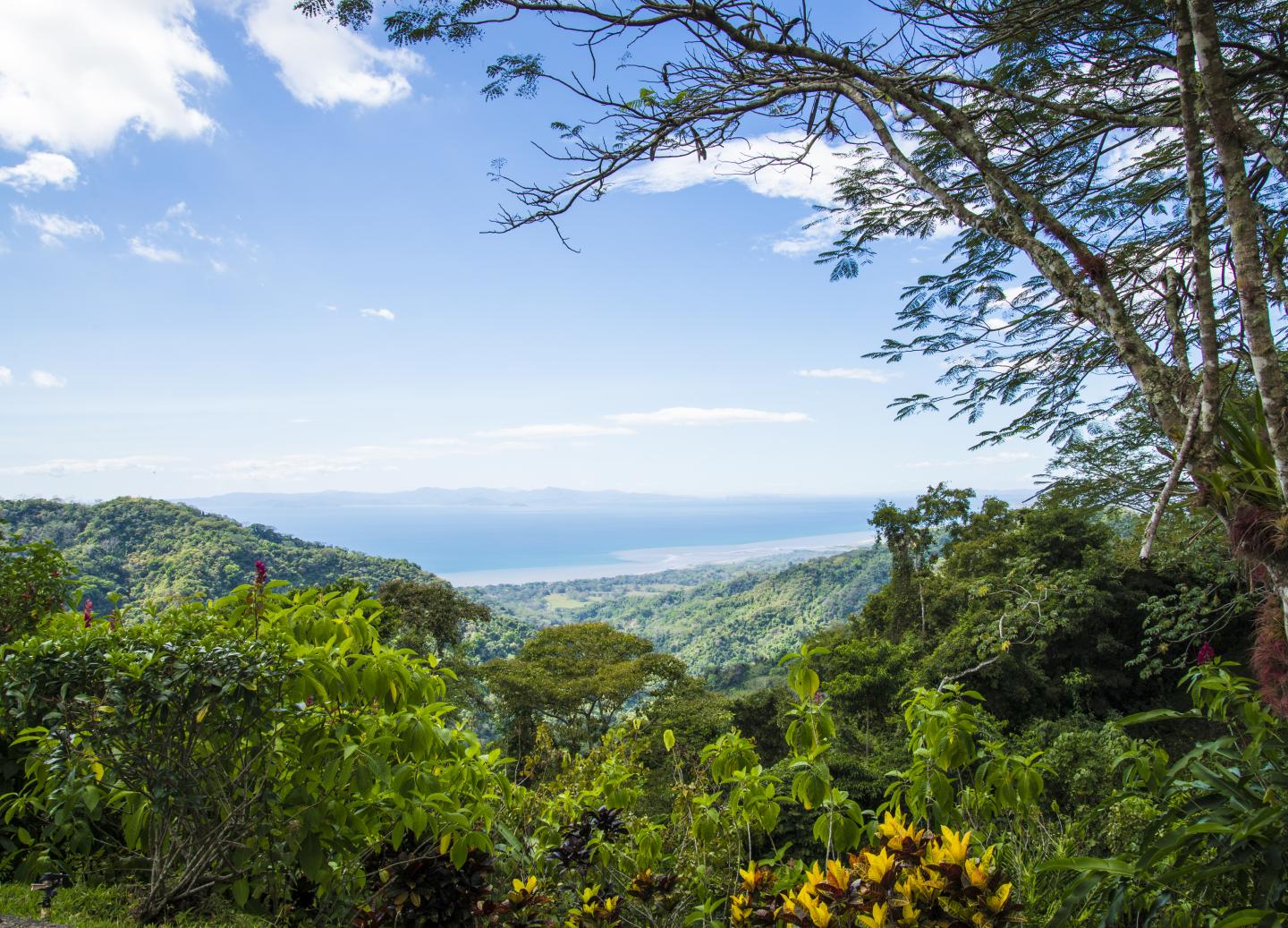
Caldera itself makes no promises of postcard beauty — it is a working port, a logistical hub on Costa Rica's central Pacific coast. But step beyond the dock gates and you find yourself at the threshold of one of the most biodiverse regions on Earth. The central Pacific corridor is Costa Rica in full voice: emerald rainforest pressing down to white-sand beaches, rivers teeming with prehistoric reptiles, and an avian chorus that never quite stops. This is a port defined entirely by what lies beyond it, and what lies beyond it is spectacular.
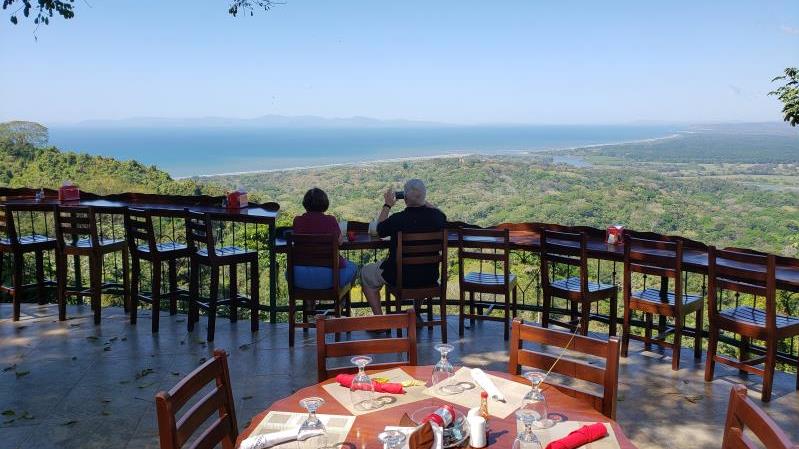
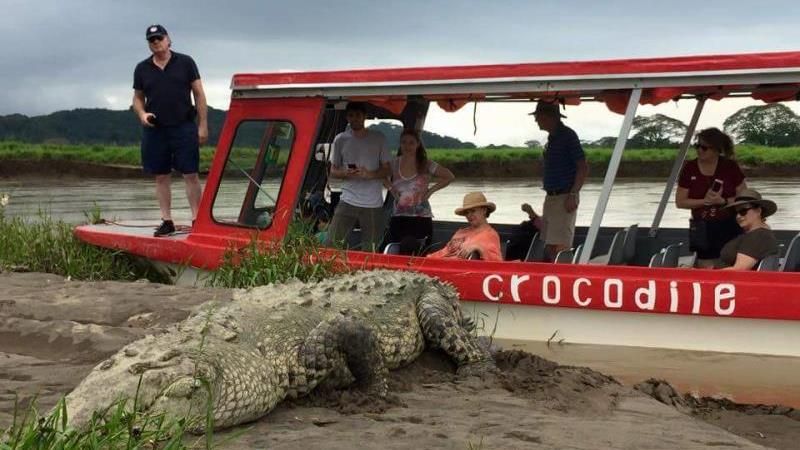
Cruise travelers have a compelling menu of day experiences to choose from. Drive north along the coastal highway and Carara National Park offers one of the world's most reliable sightings of the resplendent scarlet macaw — flashes of red and gold banking over the treetops in pairs. The Río Tarcoles bridge, just outside the park, is famous for its colony of American crocodiles lounging on the mudflats below — a scene so improbable it draws a crowd at every hour. Continue south and Jacó, a lively surf town with open-air restaurants and beach bars, provides an easy, relaxed counterpoint to all that nature.
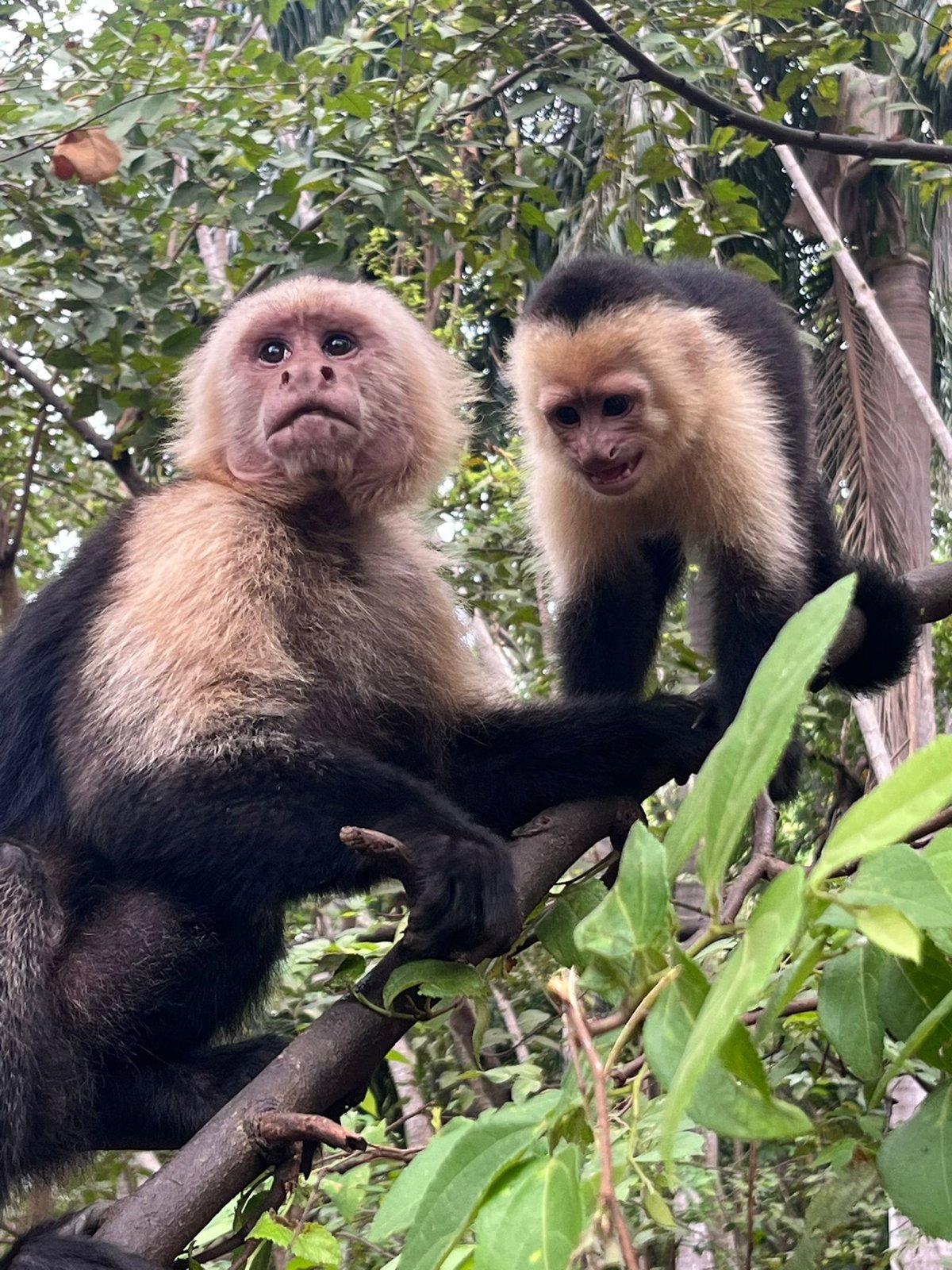
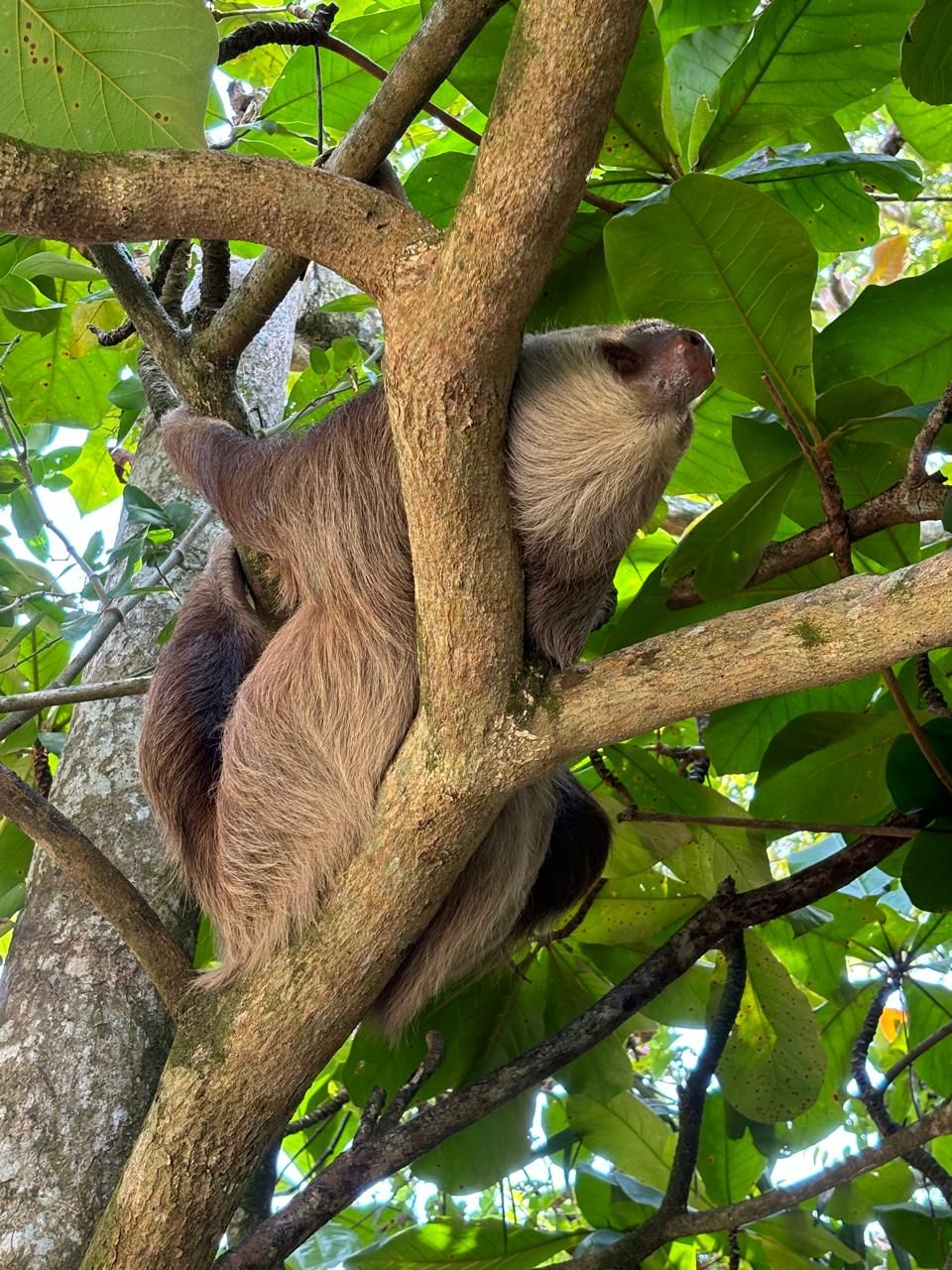
For those willing to invest the drive time, Manuel Antonio National Park rewards handsomely. Ranked among Central America's most beautiful protected areas, it combines dense primary and secondary rainforest with a series of idyllic Pacific coves — and the wildlife encounters are extraordinary. Squirrel monkeys, three-toed sloths, and white-faced capuchins move through the canopy overhead while pelicans and frigatebirds patrol the beaches below. Whether your ideal day involves a guided wildlife hike, white-water rafting on the Río Savegre, or simply finding a stretch of jungle-backed sand, Caldera delivers the access.
Top things to do in Caldera on a cruise stopover
Manuel Antonio National Park
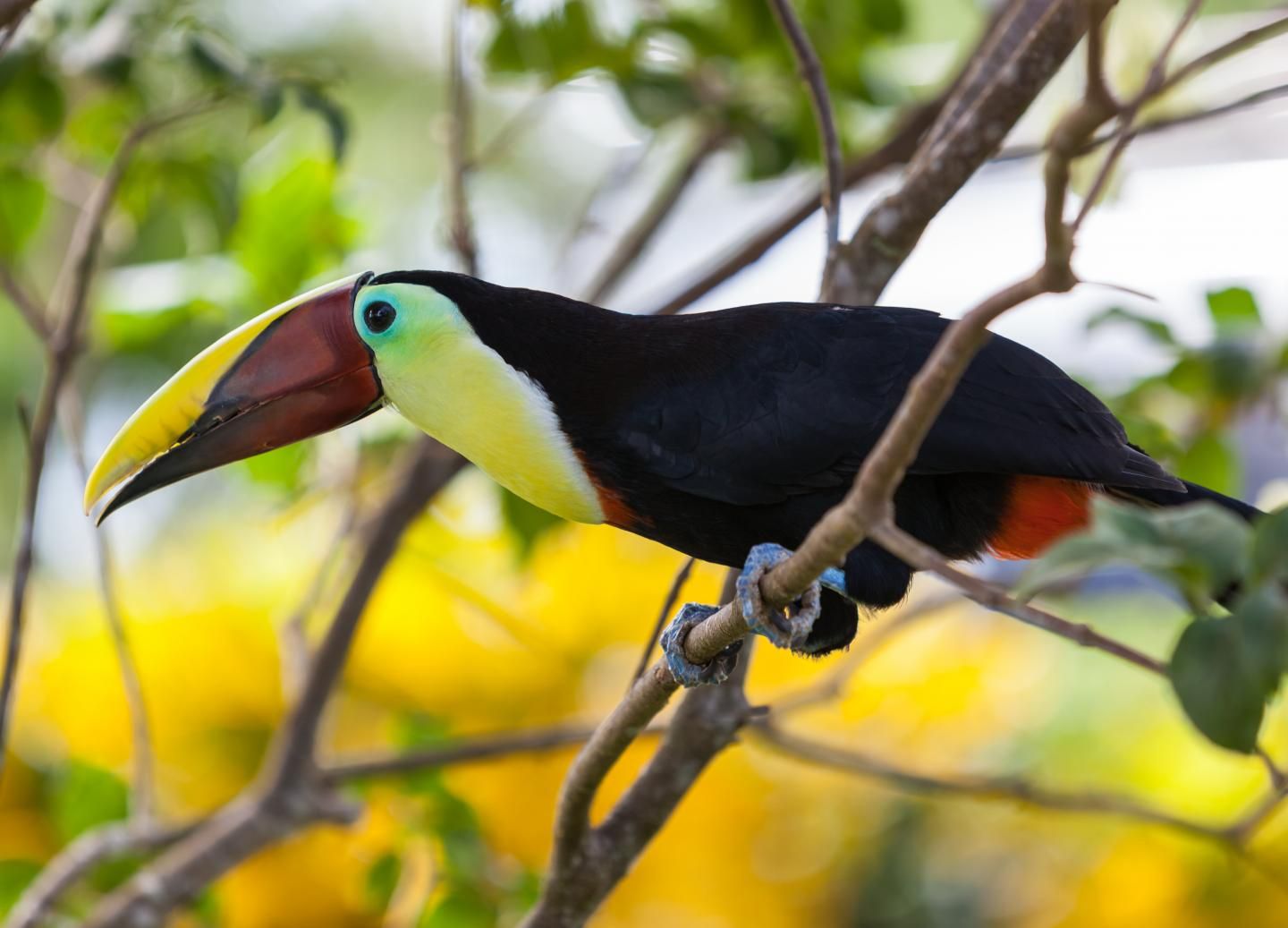
Costa Rica's crown jewel on the Pacific coast, Manuel Antonio packs extraordinary biodiversity into a compact protected area that fuses primary rainforest with a string of stunning, sheltered beaches. Wildlife encounters here are among the most reliable in the country — squirrel monkeys, white-faced capuchins, and three-toed sloths are regular trail-side companions, while the forest canopy overhead rustles with toucans, tanagers, and coatis. The beaches fringing the park — Playa Manuel Antonio, Playa Biesanz — are postcard-perfect crescents of pale sand with calm, swimmable water. Entrance to the park is capped at a limited number of daily visitors, so advance booking is essential for cruise-day visits. Allow the full drive (1.5 hours each way) and plan to arrive early. A half-day here with a naturalist guide transforms a beautiful beach walk into a revelatory wildlife experience.
Carara National Park & the Scarlet Macaw Corridor
Positioned at the biological transition zone between tropical dry forest and humid rainforest, Carara National Park harbors a remarkable concentration of wildlife in a setting that feels genuinely wild without requiring deep jungle trekking. Its most celebrated residents are the scarlet macaws — one of Costa Rica's great conservation success stories — which can be spotted flying in pairs over the forest canopy or feeding in the riverside trees, particularly in the early morning and late afternoon. Well-maintained trail systems wind through primary forest, offering encounters with caimans, poison dart frogs, and some 400 recorded bird species. The park sits just 45 minutes from the port, making it one of the most time-efficient natural experiences available. Combine it with a stop at the famous Tarcoles bridge crocodile viewing for a complete, half-day wildlife circuit.
Río Tarcoles Crocodile Bridge
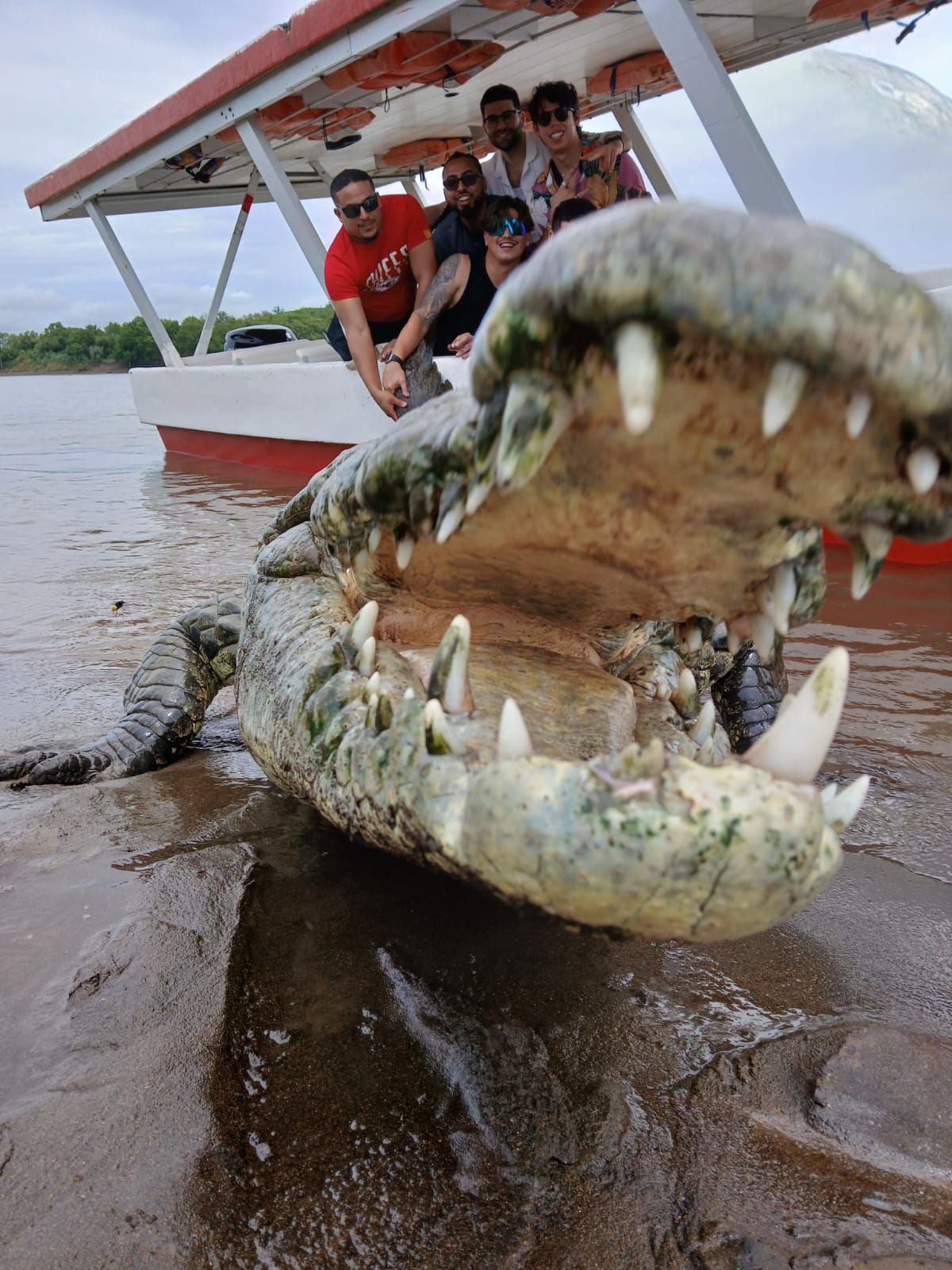
One of Costa Rica's most improbable spectacles requires no hiking, no guide, and no ticket — just a willingness to peer over the railing of a highway bridge at the scene unfolding below. The Río Tarcoles is home to one of the densest concentrations of American crocodiles in the world, and they congregate on the mudbanks beneath this bridge in numbers that defy easy comprehension. Fourteen-foot reptiles bask in groups, mouths agape, while egrets pick their way fearlessly between them. It is a genuinely arresting wildlife moment — raw, unfiltered, and completely free. The bridge stop pairs naturally with a visit to adjacent Carara National Park and makes for an excellent use of 20 minutes on any itinerary. Boat tours on the Tarcoles river are also available for a closer look from the water.
Jacó Beach Town
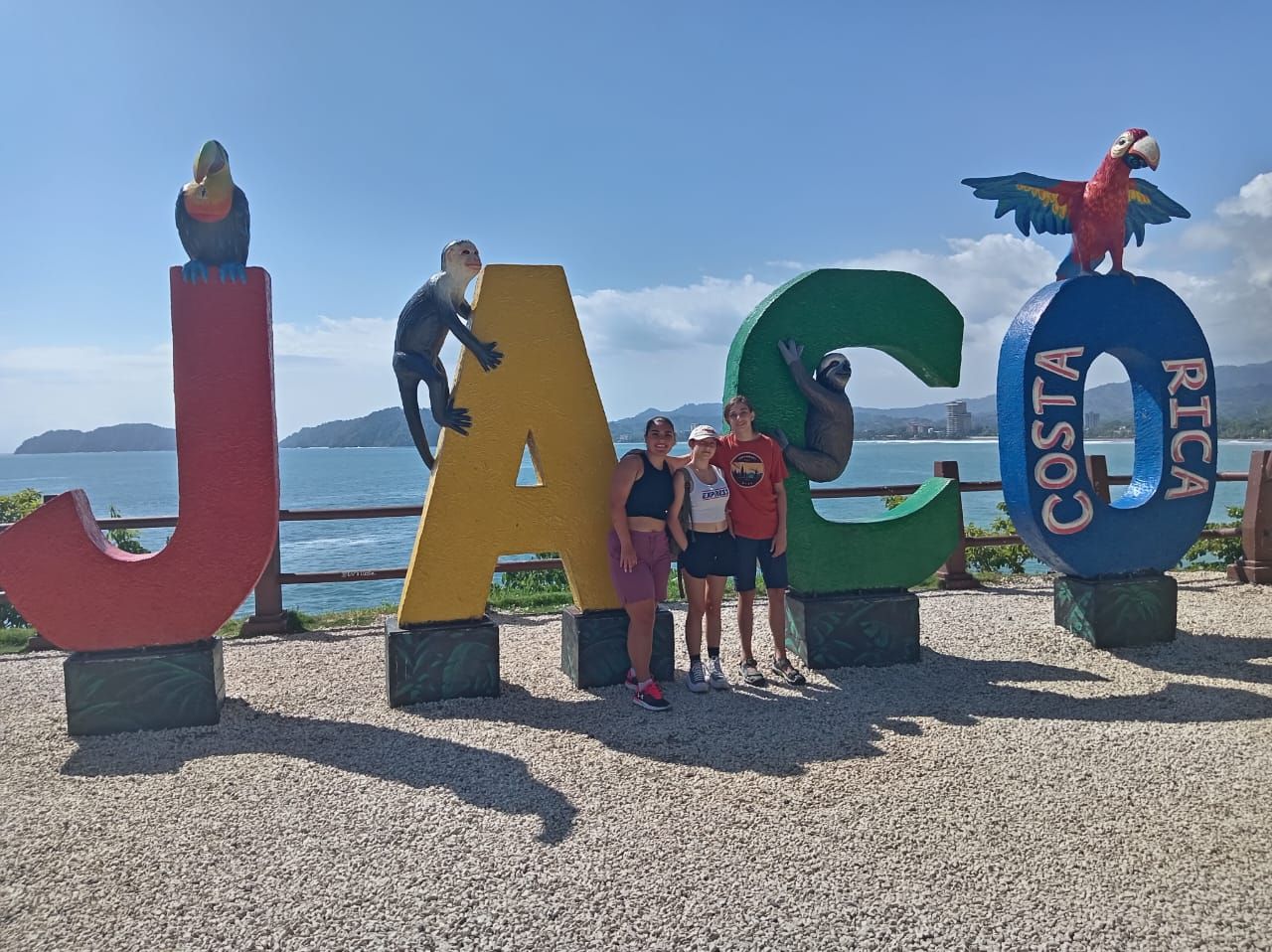
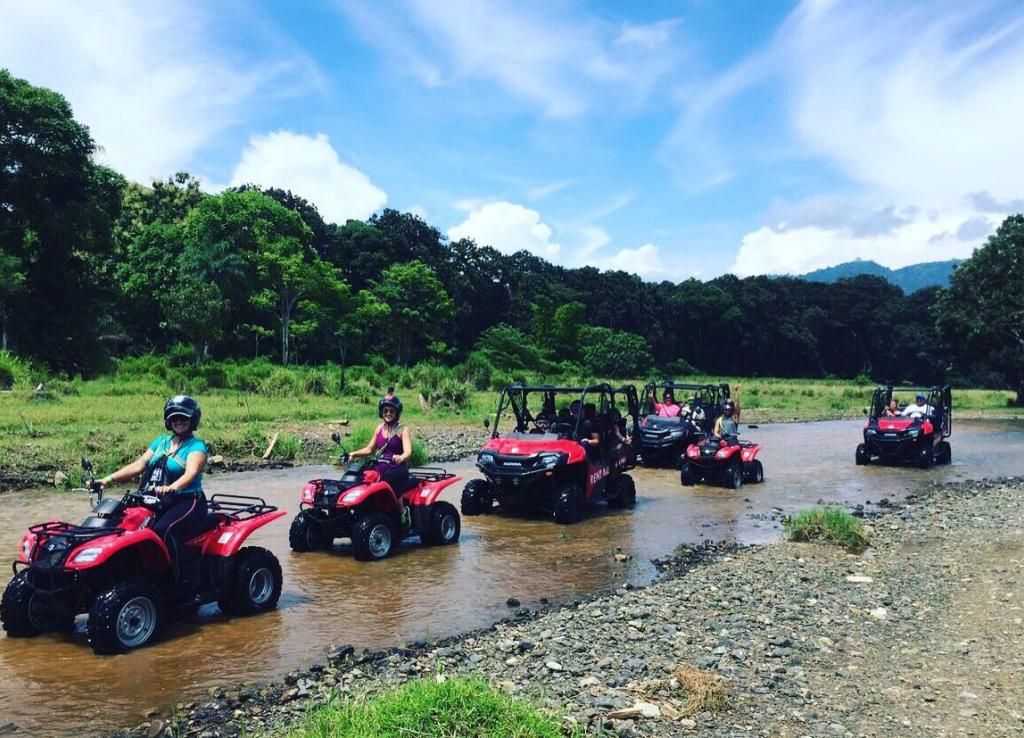
Costa Rica's most accessible Pacific beach town, Jacó sits a comfortable 25–30 minutes from the port and offers a relaxed, surfer-inflected atmosphere with enough variety to fill half a day pleasantly. The long, dark-sand beach is lined with palm trees and backed by mountains; it is better for walking and atmosphere than swimming (surf can be strong), but the town itself compensates with an excellent selection of open-air restaurants, fresh juice bars, and souvenir shops that skew toward the genuinely local rather than mass-market tourist fare. Surfing lessons are available for beginners, and the town functions as a convenient base for ATV tours, canopy ziplining in the surrounding hills, and sport fishing charters. For cruise passengers simply wanting a taste of authentic Pacific Costa Rica without a long drive, Jacó delivers efficiently and enjoyably.
Rainforest Canopy & Zipline Adventures
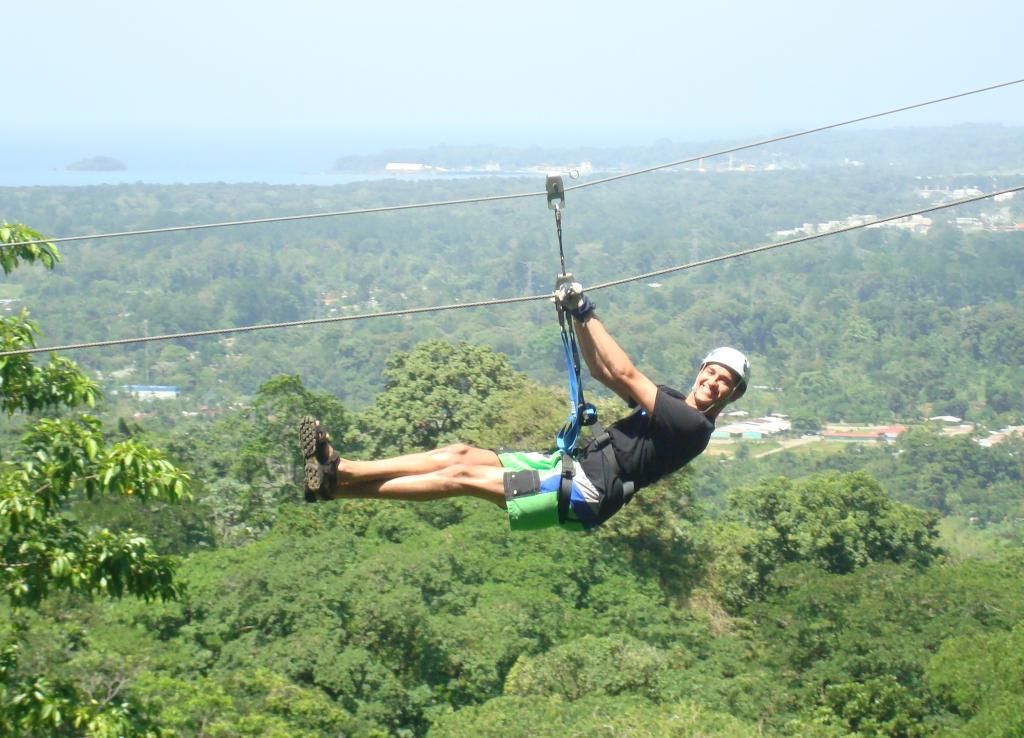
The forested hills flanking Costa Rica's central Pacific coast host some of the country's most developed adventure tourism infrastructure, and zipline canopy tours here are a polished, exhilarating experience that delivers genuine rainforest immersion. Multiple operators run platforms strung between emergent forest giants, with cable runs offering sweeping views over the jungle canopy toward the Pacific. Tarzan swings, hanging bridges, and rappel descents round out the experience at most parks. Tours typically run two to three hours and are designed to be accessible to first-timers and families; most operators offer complimentary hotel pickup from Jacó or the port area. The experience requires no prior skills — just a tolerance for heights and an appetite for the kind of joyful, adrenaline-edged encounter that Costa Rica has built its adventure reputation on.
White-Water Rafting on the Río Savegre
The Río Savegre drains one of Costa Rica's most biologically rich mountain watersheds, and its lower sections offer Class II–III white-water rafting that balances genuine excitement with the kind of lush riverine scenery that stays in memory long after the adrenaline fades. Trips navigate through a corridor of dense gallery forest — where kingfishers, herons, and the occasional river otter make appearances alongside the rapids — and operators typically include a riverside picnic of tropical fruits and local snacks. Half-day trips are timed to work with cruise itineraries, with pickup available from the port or Jacó. The Savegre is also one of Costa Rica's cleanest rivers, thanks to strong watershed conservation efforts, which means the water is a striking crystalline green and the experience carries an environmental resonance that purely adventure-focused rivers sometimes lack.
Caldera travel tips
Book Manuel Antonio Entry in Advance. Manuel Antonio National Park enforces a strict daily visitor cap, and entry tickets are sold online through the official Costa Rica parks system (sinac.go.cr). On cruise ship days, available slots can sell out quickly — book your entry ticket well before your sailing date, not the morning of. Your ship excursion will handle this automatically, but independent travelers must manage it themselves. Without a reserved ticket, you will not be admitted regardless of how far you drove.
Build in Extra Return Time. The coastal highway between Caldera and Manuel Antonio (Route 34) is a single-lane road through mountainous terrain with passing trucks, occasional roadwork, and no meaningful alternate route. Traffic delays are real, especially during rainy afternoons when roads can become slick and slow. Whatever you calculate as your return trip time, add 30 minutes minimum. Missing the ship's all-aboard is not a hypothetical risk — it happens to independent travelers who underestimate Costa Rican driving conditions.
Hire a Naturalist Guide at the Park. Entering Manuel Antonio or Carara without a guide is like attending a concert with earplugs. Licensed naturalist guides carry high-powered spotting scopes and have an uncanny ability to locate a camouflaged sloth or a vine snake that you would walk past without a second look. Most guides work with small groups and can be hired at park entrances. The cost — typically $25–40 USD for a two-hour walk — transforms an ordinary trail walk into a series of revelatory wildlife encounters. It is the single most worthwhile upgrade of a Costa Rica shore day.
Dress for Tropical Conditions. Pack light, breathable clothing in neutral colors (wildlife is less startled by greens, tans, and greys than bright colors). Closed-toe shoes or waterproof sandals are preferable to flip-flops for park trails. A lightweight rain jacket or poncho is genuinely useful even in the dry season — afternoon squalls can appear quickly in the mountains. Apply reef-safe sunscreen generously; the tropical sun at this latitude is intense even on overcast days. Carry a refillable water bottle — hydration is critical.
USD Works, but Small Bills Help. US dollars are accepted almost universally in tourist-facing businesses throughout the central Pacific region, and you will rarely need to exchange currency for a day ashore. That said, vendors at park entrances, roadside fruit stands, and small sodas often have difficulty making change for large bills. Carry a selection of $1, $5, and $10 USD bills for small purchases and tips. Tipping guides, drivers, and restaurant staff is customary and genuinely appreciated — 10–15% at restaurants, $5–10 per person for guides.
Wildlife Etiquette Matters. Costa Rica's national parks enforce strict wildlife interaction rules — feeding animals is prohibited, and approaching wildlife too closely is both ecologically harmful and against park regulations. Capuchin monkeys in Manuel Antonio are notoriously bold and will rifle through unattended bags; keep your belongings secure and do not encourage interaction by offering food. Maintain respectful distances from all animals, including the crocodiles at Tarcoles — they are wild, large, and fast. Follow your guide's instructions and the posted park rules at all times.
Port Facts Every Cruiser Needs To Know
Caldera shore excursion FAQs
Ships dock directly at the Port of Caldera — there is no tendering. The port is a working commercial facility, so disembarkation is straightforward and efficient. However, the port itself has minimal tourist amenities, so plan to proceed immediately to your chosen destination rather than spending time at the dock.
Yes, for the right traveler — but it requires honest time planning. The park is 1.5 hours each way from Caldera under normal conditions. On a ship with an 18:00 all-aboard, that leaves roughly 3–4 hours in the park after accounting for both drives. This is enough time for a meaningful guided wildlife hike and a swim at Playa Manuel Antonio, but it is not a leisurely day. Pre-book park entry tickets online and arrange reliable transportation that knows your ship's schedule.
Jacó Beach is the most accessible option — about 25–30 minutes from the port. The dark volcanic sand beach is scenic and lined with palms, and the town has cafés and restaurants. For a calmer swim in a more sheltered setting, some operators run beach excursions to smaller coves north or south of Jacó. Manuel Antonio's park beaches are the most beautiful but require the longer drive.
In Carara, scarlet macaws are highly reliable, especially in the morning. At the Tarcoles bridge, large American crocodiles are essentially guaranteed. In Manuel Antonio, three-toed sloths, white-faced capuchins, and squirrel monkeys are commonly sighted with a guide. Iguanas, coatis, and a wide variety of birds are abundant throughout the region. Wildlife is never guaranteed in the wild, but Costa Rica's central Pacific consistently delivers for visitors who hire a naturalist guide.
Taxis and official transport services are typically available at the port exit. Agree on a price before departing — ask for a written quote if possible. Car rental agencies are not located at the port itself but can be found in Jacó. Driving independently is feasible on paved Route 34, but Costa Rican roads involve mountain terrain, occasional speed bumps (machangos), and different signage conventions. GPS navigation via phone works reliably along the coastal highway.
For Manuel Antonio and longer-distance destinations, ship-sponsored excursions offer real peace-of-mind value — they are guaranteed to return you to the ship on time regardless of delays, and they handle park ticket bookings. Independent operators often cost less and provide smaller groups, but you bear all logistical responsibility. For closer destinations like Carara or Jacó, confident independent travelers will find good value and flexibility going on their own.
Tap water in Costa Rica is generally safe to drink in developed areas — the country has one of the best municipal water systems in Latin America. At established restaurants in Jacó and tourist areas, food safety standards are solid. Exercise the usual traveler's caution with raw street food and ensure seafood is freshly prepared. Stick to bottled water if you have a sensitive stomach. Fresh fruit, sealed packaged snacks, and hot cooked food at reputable restaurants are low-risk choices.
Costa Rica's central Pacific tourist corridor is generally safe for visitors who exercise standard urban and travel awareness. Petty theft is the primary concern — keep cameras and phones secured in national parks, do not leave valuables unattended on beaches, and use a money belt or secured bag in crowded areas. Avoid displaying expensive jewelry or electronics unnecessarily. Stick to marked trails in parks and follow guide instructions. Jacó has a more active nightlife scene but is safe during daylight hours for tourists.
The central Pacific coast has a pronounced dry season (December–April) and wet season (May–November). In the dry season, expect warm, sunny days with low humidity — ideal conditions for outdoor activities and beach visits. In the wet season, mornings are typically clear and afternoon rains are common; the forest is dramatically green and wildlife activity remains high. Cruise visitors in any season should carry a light rain layer and apply high-SPF sunscreen regardless of cloud cover.
Absolutely. The Tarcoles bridge crocodile viewing requires only walking to a bridge railing. Boat tours on the Tarcoles river offer wildlife viewing from a seated position. Jacó beach town is flat and walkable. Many zipline operations are accessible to a wide range of mobility levels. Even within Manuel Antonio, shorter, flatter trail loops exist near the park entrance. Discuss your mobility needs with tour operators in advance — Costa Rican operators are generally experienced at accommodating diverse groups.
Filters
Select a filter to refine results.
Tour Type
Tour Activity
 Cart
Cart
 USD
USD GBP
GBP AUD
AUD EUR
EUR CAD
CAD