



Tours in Puntarenas


Cruising to Puntarenas in a group?
Skip the crowded ship excursion bus. One dedicated planner will design a private shore experience around exactly what your group wants — coordinated from first enquiry to the moment you're back on board. More memorable, more flexible, and more affordable than you might expect. Spend less time organising, more time enjoying.
Explore Group Travel →Cruising to Puntarenas
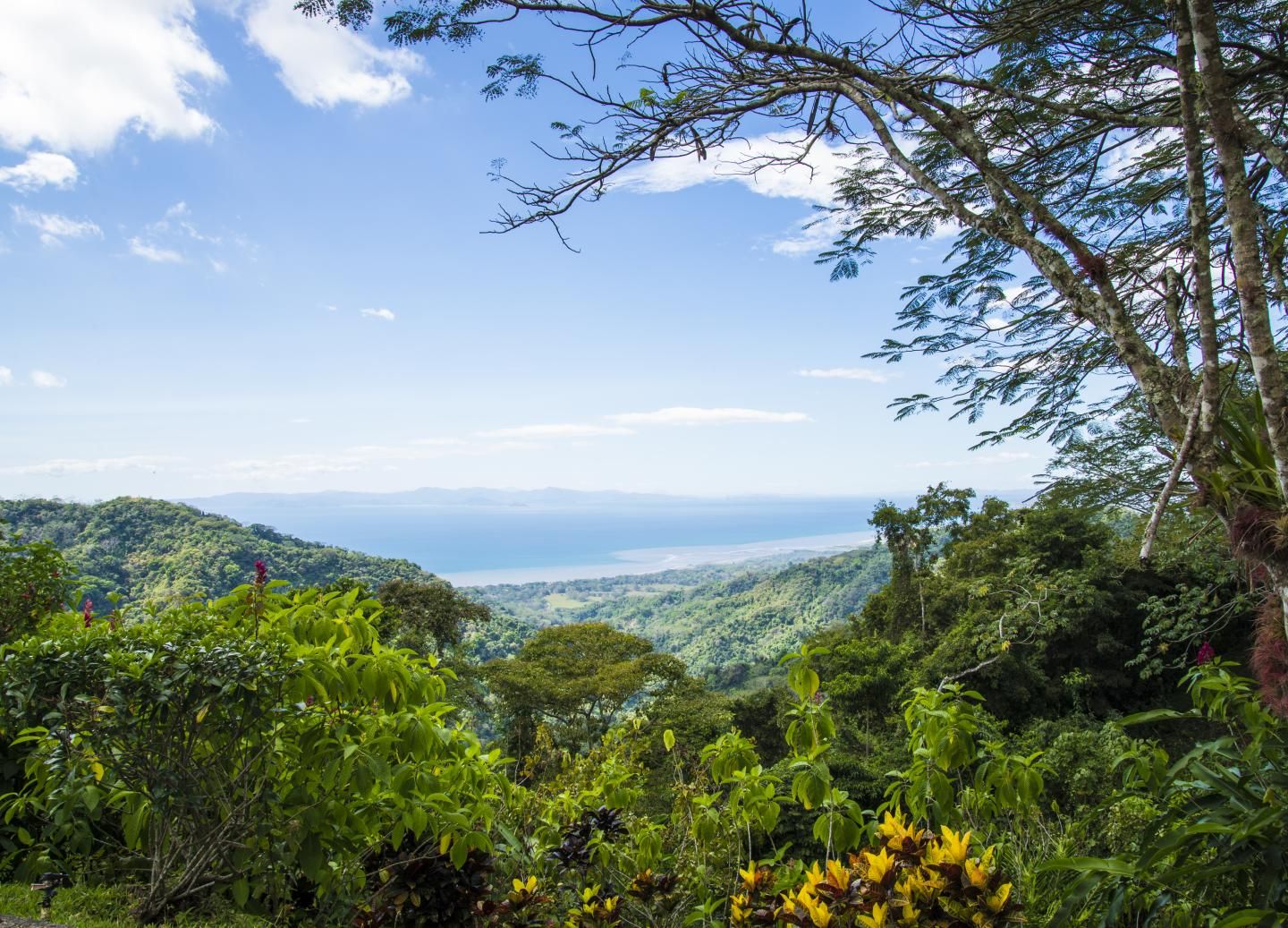
Puntarenas sits at the tip of a slender peninsula jutting into the Gulf of Nicoya, its pastel buildings and seafront promenade giving little hint of the extraordinary natural world that begins just beyond the port gates. Costa Rica has built its reputation as a global ecotourism leader, and this Pacific gateway delivers on that promise with rare immediacy — within an hour or two of the dock, travelers find themselves inside some of the most biodiverse terrain the planet has to offer.
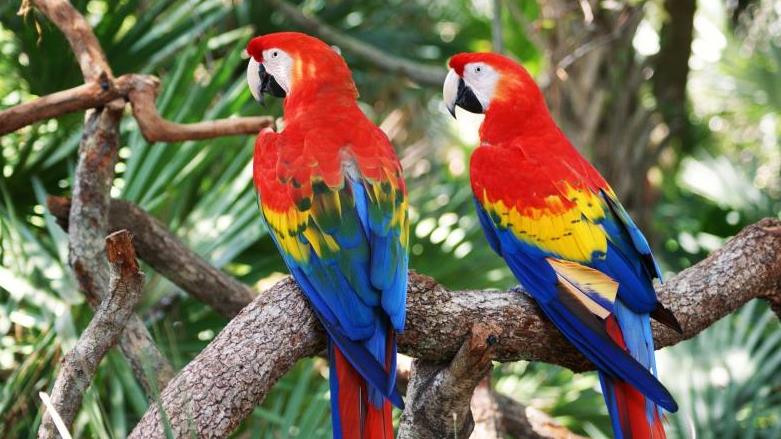
The region radiates outward into a spectacular array of day-trip possibilities. Carara National Park, barely an hour's drive away, is the best place in the world to watch wild scarlet macaws at close range. Manuel Antonio National Park — roughly two hours south — combines pristine rainforest inhabited by white-faced capuchin monkeys, two-toed sloths, and iridescent birds with a series of postcard-perfect Pacific beaches. Jacó, the nearest proper beach town, offers a relaxed surf atmosphere and casual open-air dining. And for those willing to commit to a longer overland journey, the cloud forests of Monteverde reward with hanging bridges, zip lines, and an otherworldly mist-shrouded canopy.
Puntarenas town itself is an unhurried, genuine slice of Costa Rican coastal life. The Paseo de los Turistas, the town's beachfront boulevard, is lined with seafood restaurants serving the local specialty: ceviche made with the morning's catch, washed down with a cold Imperial beer or a glass of fresh coconut water. It is not a polished resort destination — and that authenticity is precisely its charm for travelers who want to feel the pulse of a real Pacific port town before venturing into the wilds beyond.
Top things to do in Puntarenas on a cruise stopover
Manuel Antonio National Park
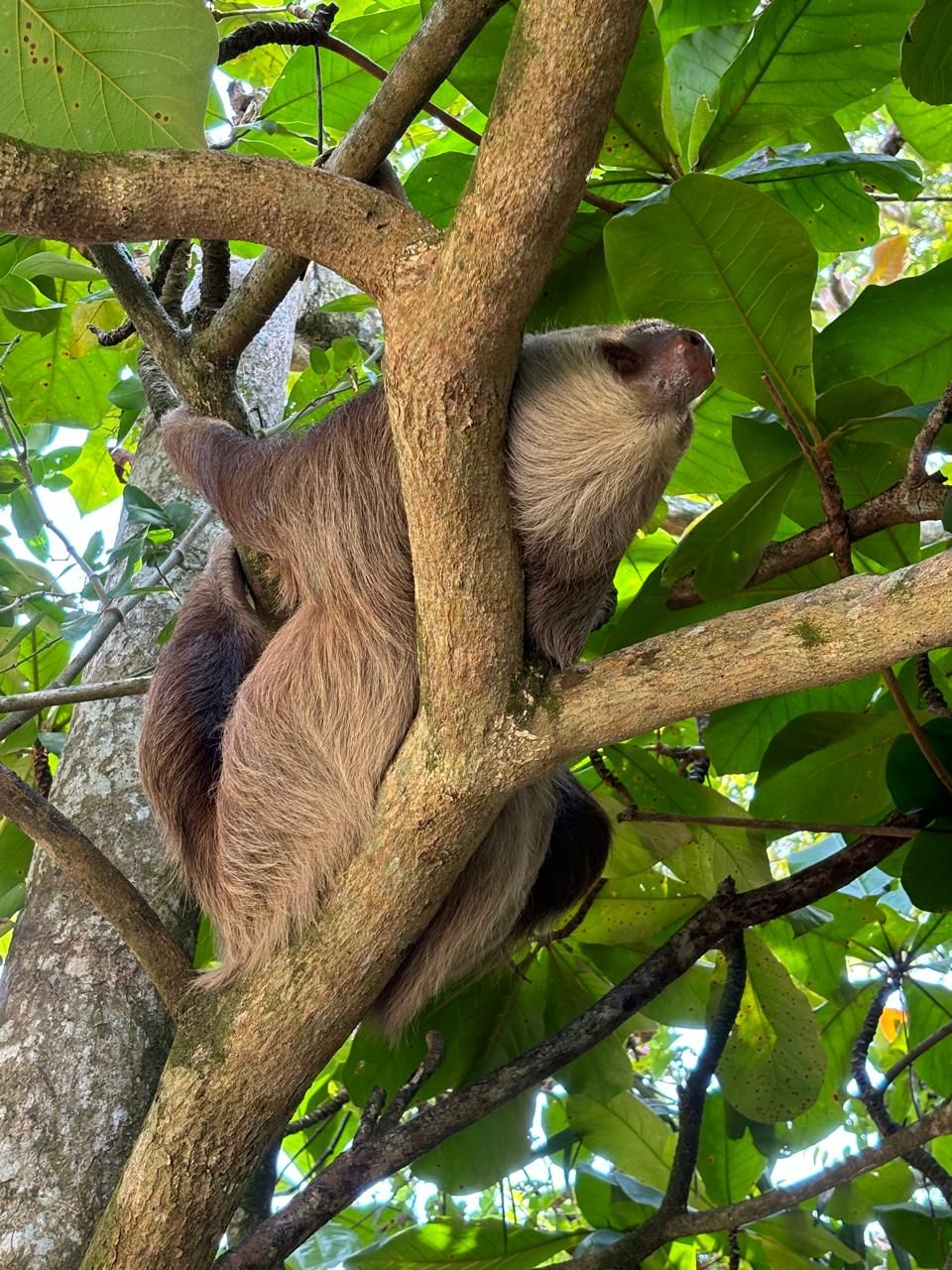
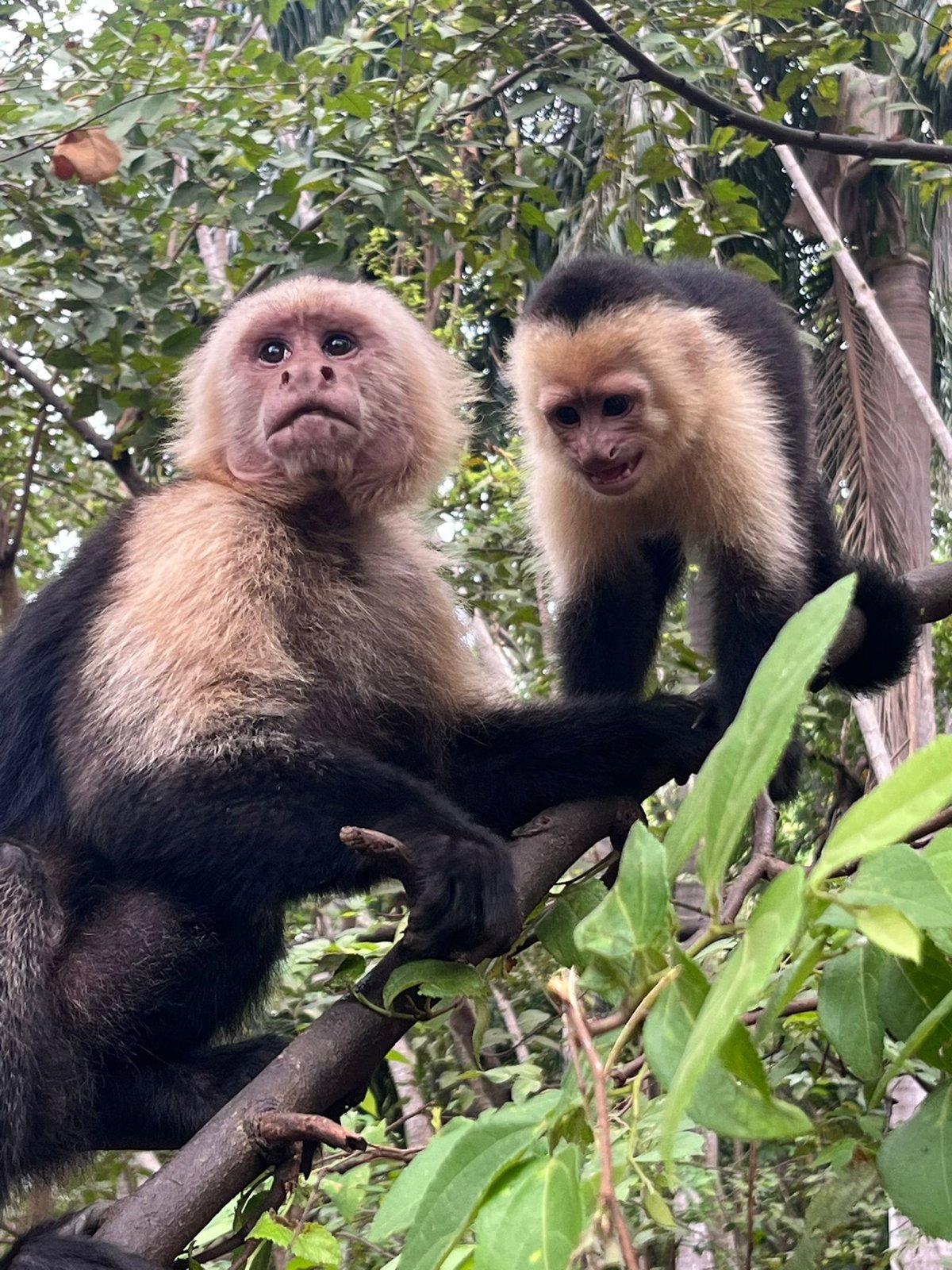
Despite being one of Costa Rica's smallest national parks, Manuel Antonio ranks among the most biologically dense protected areas on the planet. Trails wind through humid rainforest where white-faced capuchin monkeys swing overhead, two-toed sloths hang motionless in the canopy, and scarlet macaws detonate from the treetops in flashes of red and gold. The park's beaches — particularly Playa Manuel Antonio — are sheltered, swimmable, and startlingly beautiful, backed by jungle and lapped by warm Pacific surf. Guided naturalist tours maximize wildlife sightings; most guides spot animals invisible to the untrained eye. The drive from Puntarenas takes approximately two hours each way, making this a full-day commitment best reserved for those with an early port arrival and late departure.
Carara National Park & the Scarlet Macaw Experience
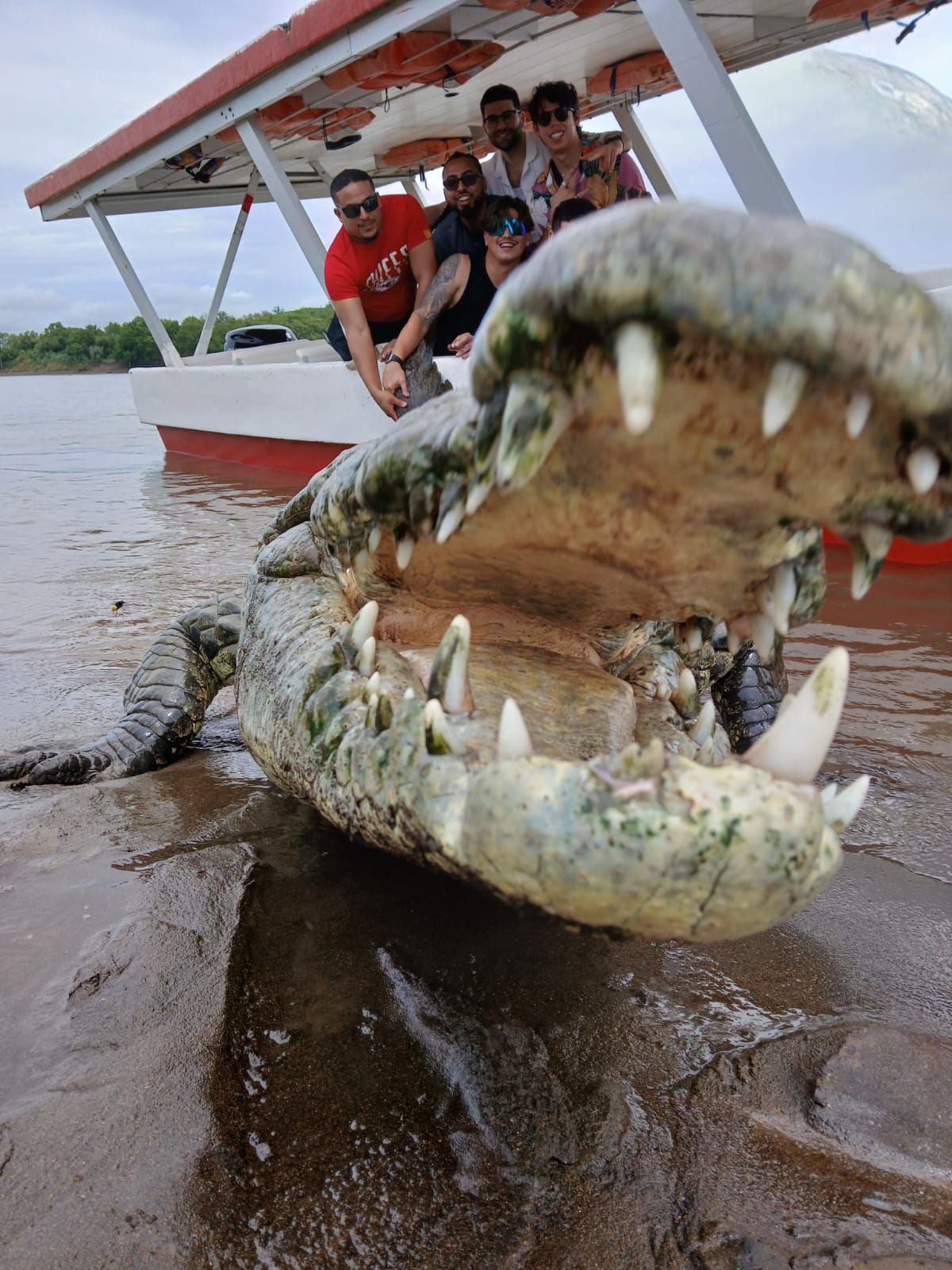
For wildlife impact within a tighter time window, Carara National Park is arguably Puntarenas's finest offering. Located just an hour from the port, this transitional forest sits at the ecological meeting point between dry and humid Pacific zones, producing extraordinary biodiversity. The park is widely considered the best accessible location in Central America to observe wild scarlet macaws at close range — pairs and small flocks are routinely seen foraging in the fig trees near the entrance at dawn and dusk. Crocodiles line the banks of the Río Tárcoles nearby, visible from the road bridge in numbers that must be seen to be believed. Trails are well-maintained and can be walked independently, though a guide dramatically enriches the experience with identification of camouflaged creatures most visitors would walk right past.
Monteverde Cloud Forest Reserve
Perched at 1,400 meters above sea level in the Tilarán Mountains, Monteverde is one of Costa Rica's most celebrated ecosystems — a place where clouds roll through ancient forest draped in mosses, orchids, and bromeliads, and jaguars still prowl the deepest reserves. The journey from Puntarenas takes roughly 2.5 hours each way along winding mountain roads, so this excursion suits travelers with an early start and genuine appetite for the experience. The rewards are exceptional: suspension bridges weaving through the cloud forest canopy, world-class zip-line courses, and the possibility — however elusive — of spotting the resplendent quetzal, considered one of the most beautiful birds on Earth. The town of Santa Elena, adjacent to the reserve, has excellent restaurants and coffee shops for a well-earned lunch.
Jacó Beach & Pacific Surf Culture
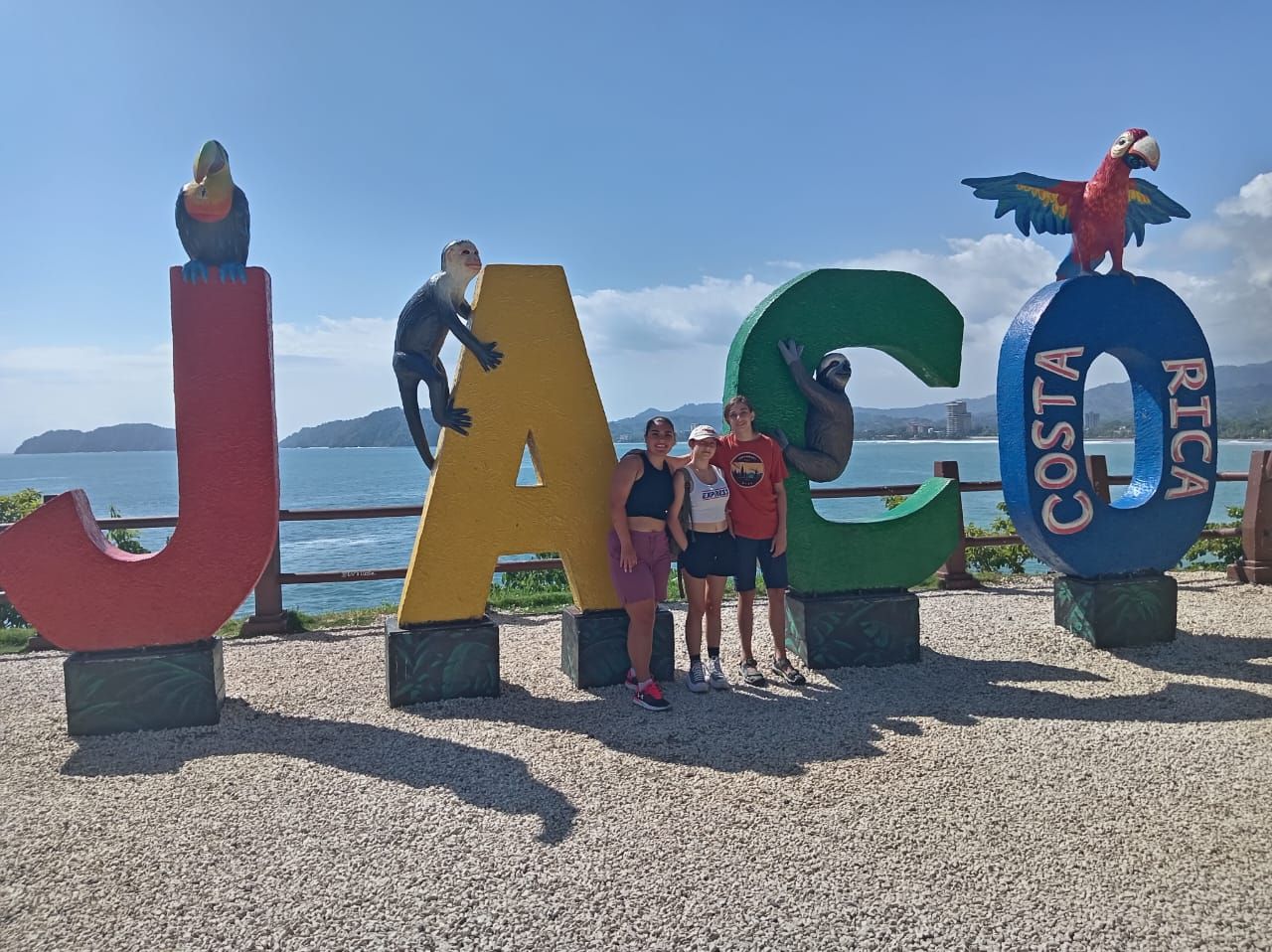
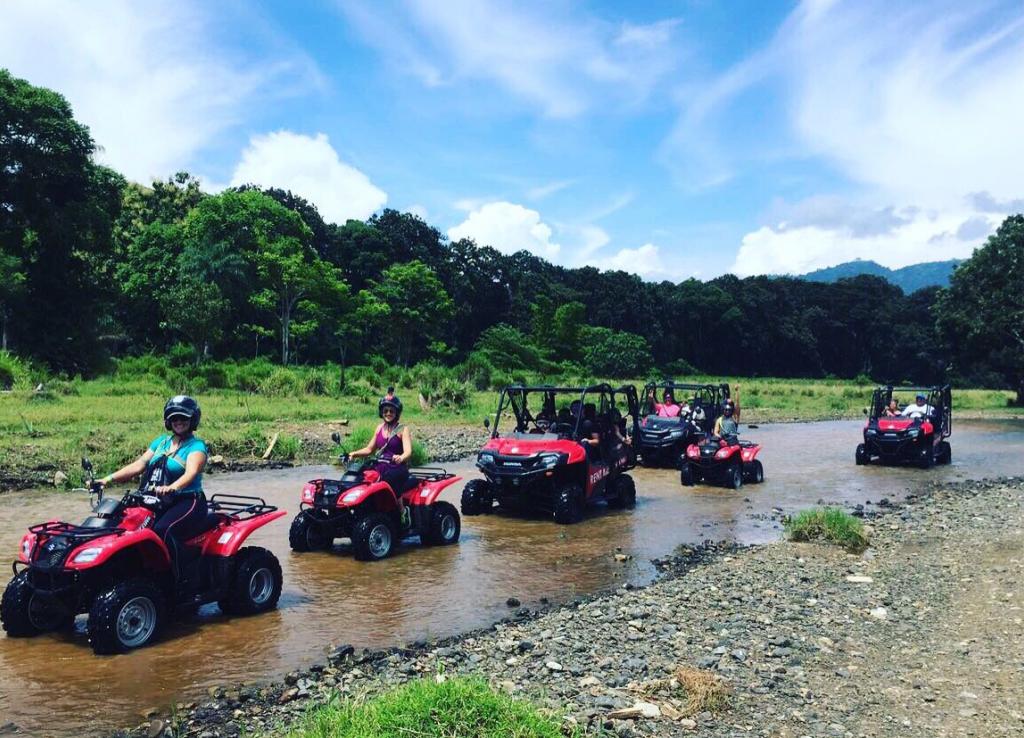
An hour south of Puntarenas on the Pacific coast, Jacó is Costa Rica's most accessible surf town — a lively, unpretentious beach destination with a long stretch of dark volcanic sand, consistent surf breaks, and an easy-going atmosphere that makes for an enjoyable half-day excursion. The town's main street is lined with open-air restaurants, surf shops, and ice cream stands, making it an effortless place to spend a few hours. ATV rentals, zip lines, and wildlife canopy tours operate from the surrounding hills. Experienced surfers can rent boards and join locals in the lineup; beginners can take an introductory lesson on the gentler southern section of the beach. It's a more laid-back alternative for travelers who prefer beach culture to national park hiking.
Puntarenas Town & the Paseo de los Turistas
For travelers who prefer to stay close to the ship, or who simply want an authentic taste of Costa Rican Pacific coast life, Puntarenas town itself offers a genuinely rewarding few hours. The Paseo de los Turistas — a broad seafront promenade running the length of the peninsula — is the social heart of the city, lined with casual seafood restaurants, fresh fruit vendors, and the kind of unhurried afternoon energy that defines Tico coastal culture. The town's beach is calm and swimmable, the local ceviche is excellent, and the small but informative Casa de la Cultura offers context on the region's history. Strolling to the tip of the peninsula at dusk, with the Gulf of Nicoya glittering on both sides, is a quietly memorable experience.
Wildlife & Canopy Tours in the Hinterland
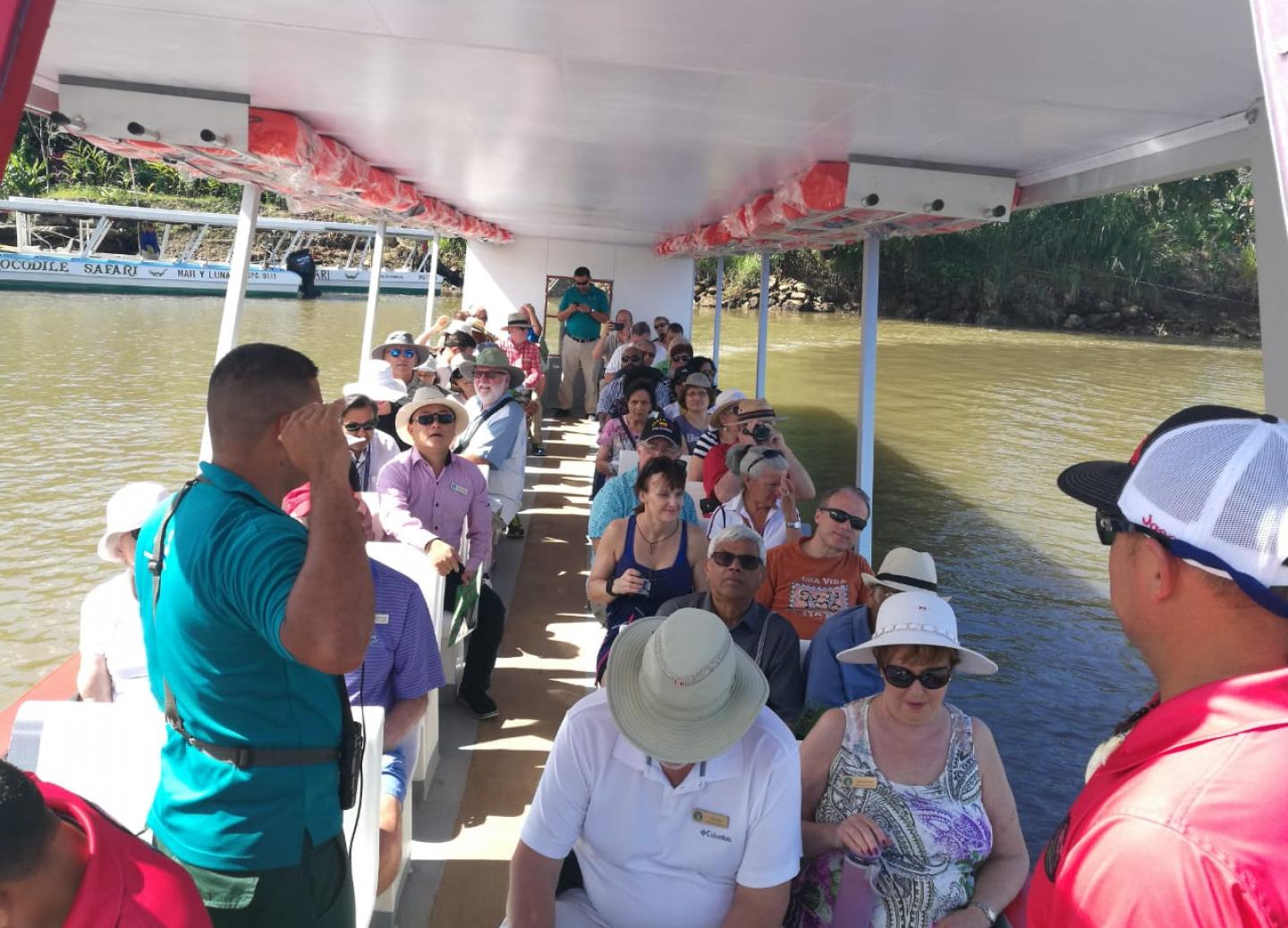
The hills and river systems surrounding Puntarenas support a thriving network of private wildlife reserves, canopy tour operators, and river kayaking outfitters that offer excellent half-day excursions without the longer drives to the major national parks. Río Tárcoles crocodile boat tours bring passengers close to massive American crocodiles basking on the riverbanks — a genuinely thrilling experience that runs about 90 minutes and can be combined with a Carara park visit. Mangrove kayaking through the Gulf of Nicoya's estuary systems reveals a quieter, bird-rich world of herons, kingfishers, and roosting egrets. Several operators offer combined zip-line, hanging bridge, and wildlife walk packages designed specifically for cruise ship schedules.
Puntarenas travel tips
Book Excursions to Major Parks in Advance. Manuel Antonio and Monteverde are among Costa Rica's most visited destinations, and vehicle capacity into the parks can be limited, especially on peak cruise days when multiple ships are in port. If either park is your priority, arrange transportation and park entry through a reputable operator before your cruise departs — don't rely on finding transport at the dock on the day. Independent travelers should note that Manuel Antonio limits daily visitor numbers and can sell out during dry season weekends.
Match Your Excursion to Your Ship's Schedule. Puntarenas port days vary significantly in length. A ship arriving at 7am and departing at 5pm can realistically reach Manuel Antonio; a ship arriving at 10am should focus on Carara, Jacó, or the immediate region to guarantee a comfortable return. Always build a minimum 90-minute buffer before all-aboard time — Costa Rican roads near the port can be congested during peak hours, and missing the ship in a port without a major airport nearby is a serious inconvenience.
Dress for the Rainforest, Not the Beach. Even during dry season, national park trails can be muddy and shaded. Wear lightweight, breathable clothing that covers arms and legs — protection from insects and sun in open clearings. Closed-toe shoes with grip are essential for any forest trail; sandals are fine for beach time but impractical on jungle paths. A light rain jacket and a reusable water bottle are worth carrying regardless of season. Sunscreen and insect repellent with DEET are strongly recommended.
Wildlife Viewing is Best at Dawn. Costa Rica's wildlife is most active in the early morning hours — sloths move (slowly), monkeys forage noisily through the canopy, and scarlet macaws congregate at feeding trees before retreating to quieter roosting spots by mid-morning. If your ship permits it, an early departure from the dock gives you the best wildlife experience at Carara or Manuel Antonio. By mid-afternoon, many animals have gone quiet and hidden from the heat, making a morning commitment genuinely worthwhile.
Try the Ceviche Before You Leave. Puntarenas is famous throughout Costa Rica for its ceviche — the local version uses fresh catch-of-the-day fish, marinated in lime juice with cilantro, onion, and mild peppers, typically served with soda crackers or patacones. Several seafood restaurants along the Paseo de los Turistas have been serving it for decades. Even if you're heading out on a full-day excursion, a quick ceviche stop near the dock on your return is a perfect way to end the day ashore. Pair it with a cold Imperial or a fresh agua de pipa.
Negotiate Taxi Fares Before You Ride. Official red taxis in Costa Rica are metered by law, but drivers at the cruise pier sometimes quote flat rates — occasionally reasonable, occasionally inflated for tourists. If using a metered taxi, confirm the meter is running at the start of the journey. For longer trips to Carara or Jacó, flat rates negotiated in advance are standard and often work out fairly. Agree on the full round-trip fare and waiting time before departing to avoid surprises. Ride-sharing apps are not widely available in this region.
Port Facts Every Cruiser Needs To Know
Puntarenas shore excursion FAQs
Ships dock directly at the Puntarenas pier — no tender is required. The pier is modern and well-equipped, and the walk to the dock exit where taxis and tour operators wait is short. This makes departure and return straightforward, which is particularly helpful when timing excursions to the national parks.
Puntarenas town is generally safe for tourists, particularly along the Paseo de los Turistas and the main commercial streets near the port. As with any port city, normal awareness is advisable — don't display expensive jewelry or electronics, and use official red taxis rather than unmarked vehicles. The national parks are very safe and well-staffed. Avoid wandering into residential neighborhoods away from the waterfront after dark.
Yes — this is one of Puntarenas's most remarkable offerings. Wild sloths, white-faced capuchin monkeys, and howler monkeys are commonly encountered in both Manuel Antonio and Carara National Parks. A certified naturalist guide dramatically increases your chances and can spot animals that untrained eyes miss entirely. The wildlife viewing is genuinely world-class, not a staged or zoo-like experience.
It depends on your ship's schedule. Manuel Antonio is roughly a two-hour drive each way from Puntarenas under good conditions. With a port arrival of 7:00–8:00am and departure of 5:00–6:00pm, it is manageable but requires an organized, early-departing tour with no major delays. Traffic and road conditions can extend travel times. If your ship arrives later or departs early, Carara National Park (one hour each way) is a wiser and still spectacular choice.
US dollars are widely accepted at tourist businesses, tour operators, national parks, and most restaurants near the port. Costa Rican Colones are useful for smaller purchases, local markets, and bus fares, but are not essential for a standard port day. Most major tour operators and park entrance fee stations accept credit cards. ATMs are available in Puntarenas town for those who prefer to withdraw local currency.
Puntarenas has a tropical climate with a pronounced dry season (December to April) and a green season (May to November). During the dry season, days are warm, sunny, and low in humidity — ideal for outdoor activities. The green season brings afternoon and evening rains that rarely disrupt morning excursions, and the landscape is dramatically lush. Temperatures typically range from 25°C to 33°C (77°F to 91°F) year-round. Humidity is moderate to high.
Puntarenas itself has a beach along the peninsula that is calm and swimmable, though it lacks the scenic drama of Costa Rica's more famous stretches. Jacó Beach, about an hour south, offers a more classic Pacific experience with strong surf and a lively beach-town atmosphere. Manuel Antonio's beaches are considered among Costa Rica's most beautiful, combining jungle-backed white sand with calm, swimmable water — but reaching them requires the full two-hour drive.
Both options exist, but advance booking is strongly recommended for Manuel Antonio, Monteverde, and any high-demand guided tour. Independent tour operators at the dock offer same-day excursions, but availability and pricing can be less predictable, and popular parks do have capacity limits. Booking through your cruise line's shore excursion program or a reputable independent operator before your voyage guarantees your spot and gives you peace of mind on timing.
The Río Tárcoles is home to one of the densest populations of American crocodiles in Central America — massive reptiles that can exceed four meters in length. Boat tours depart from the river mouth near Carara National Park and bring passengers alongside crocodiles basking on the muddy banks. It is a thrilling, close-range wildlife experience that lasts about 90 minutes and pairs naturally with a Carara forest walk. Even the road bridge over the Tárcoles offers a remarkable free view of dozens of crocodiles below.
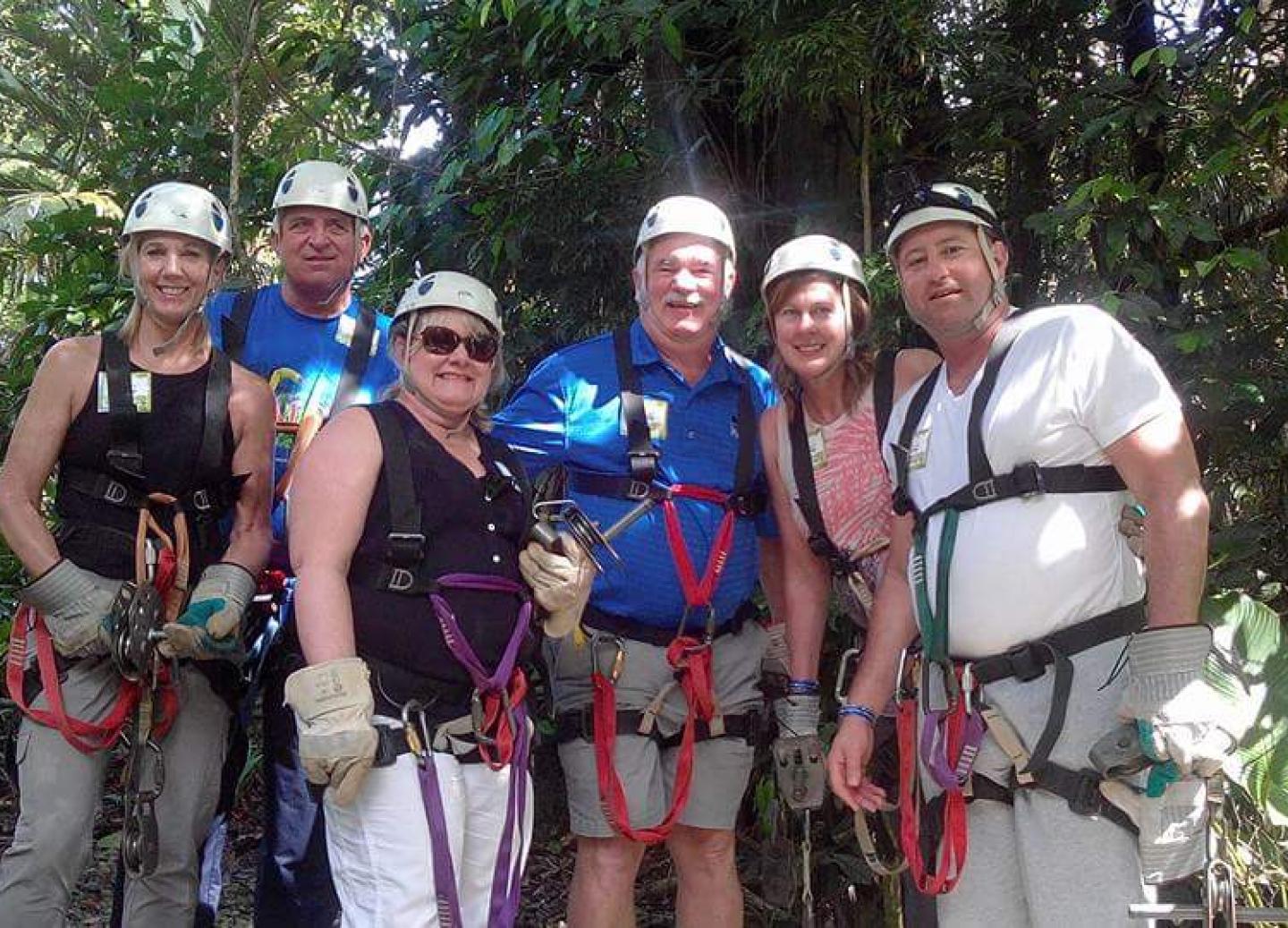
Several canopy and zip-line operations are located much closer to Puntarenas than Monteverde, making them accessible for port days with shorter windows. These typically combine zip lines with hanging bridges, wildlife walks, and views over the Pacific lowlands. While Monteverde's zip-line experience over cloud forest is the most famous, the regional operators near the port offer solid adventure experiences without the 2.5-hour drive. Ask operators at the dock for current offerings, or arrange through a shore excursion in advance.
Filters
Select a filter to refine results.
Tour Type
Tour Activity
 Cart
Cart
 USD
USD GBP
GBP AUD
AUD EUR
EUR CAD
CAD