



Tours in Akureyri



Cruising to Akureyri in a group?
Skip the crowded ship excursion bus. One dedicated planner will design a private shore experience around exactly what your group wants — coordinated from first enquiry to the moment you're back on board. More memorable, more flexible, and more affordable than you might expect. Spend less time organising, more time enjoying.
Explore Group Travel →Cruising to Akureyri
Akureyri sits at the southern tip of Eyjafjörður, Iceland's longest fjord, roughly 100 kilometres south of the Arctic Circle. Often called the Capital of the North, it is Iceland's second-largest urban centre — though with a population of around 20,000 it retains a distinctly small-town charm. The city itself rewards unhurried wandering: colourful timber houses climb the hillsides, a free botanical garden blooms with surprising variety given the latitude, and the landmark church Akureyrarkirkja presides over the harbour. Beyond the town limits lies one of Iceland's most celebrated scenic routes, the Diamond Circle, which links Goðafoss Waterfall, the volcanic Lake Mývatn basin, the Ásbyrgi canyon, and the remote Dettifoss — Europe's most powerful waterfall. Cruise itineraries visiting Akureyri typically allow six to ten hours ashore, enough time to combine a tour into the countryside with a leisurely hour or two in the town itself. Summers bring the midnight sun, extending daylight well past midnight and creating an ethereal, golden quality of light across the landscape throughout the day.
Top things to do in Akureyri on a cruise stopover
Lake Mývatn: A Volcanic Landscape Unlike Any Other
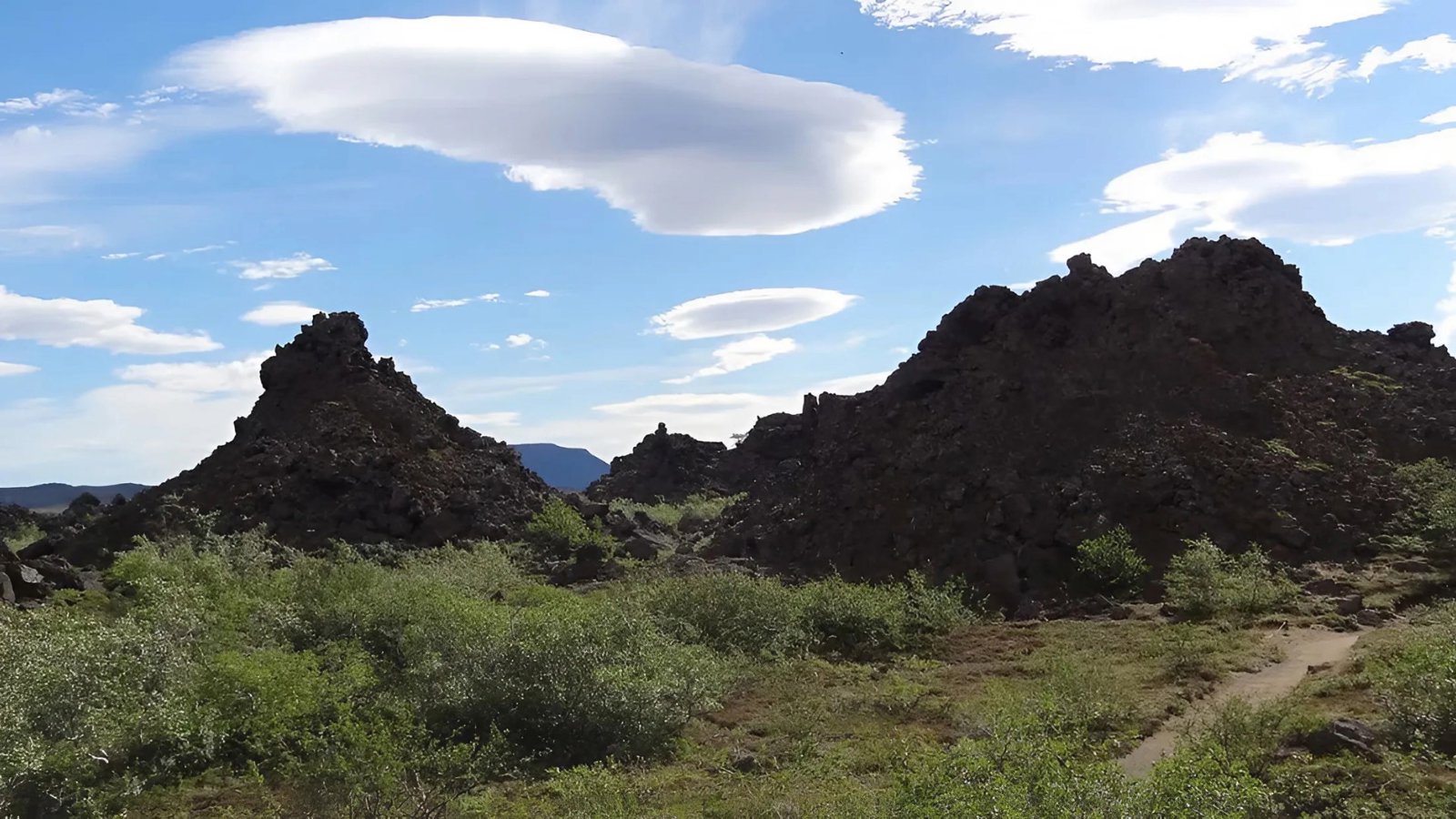
Lake Mývatn and its surrounding basin form one of Iceland's most geologically dramatic landscapes. The shallow lake is ringed by pseudocraters — hollow lava formations that resemble volcanic cones but were created when lava flowed over wetland — alongside active geothermal fields, lava pillars rising from the water, and steaming fumaroles. The area is a haven for birdlife, with more species of nesting ducks than anywhere else in the world. VA offers multiple Mývatn tours including lunch-inclusive options and half-day itineraries, making it accessible even within a shorter port call.
Goðafoss: The Waterfall of the Gods
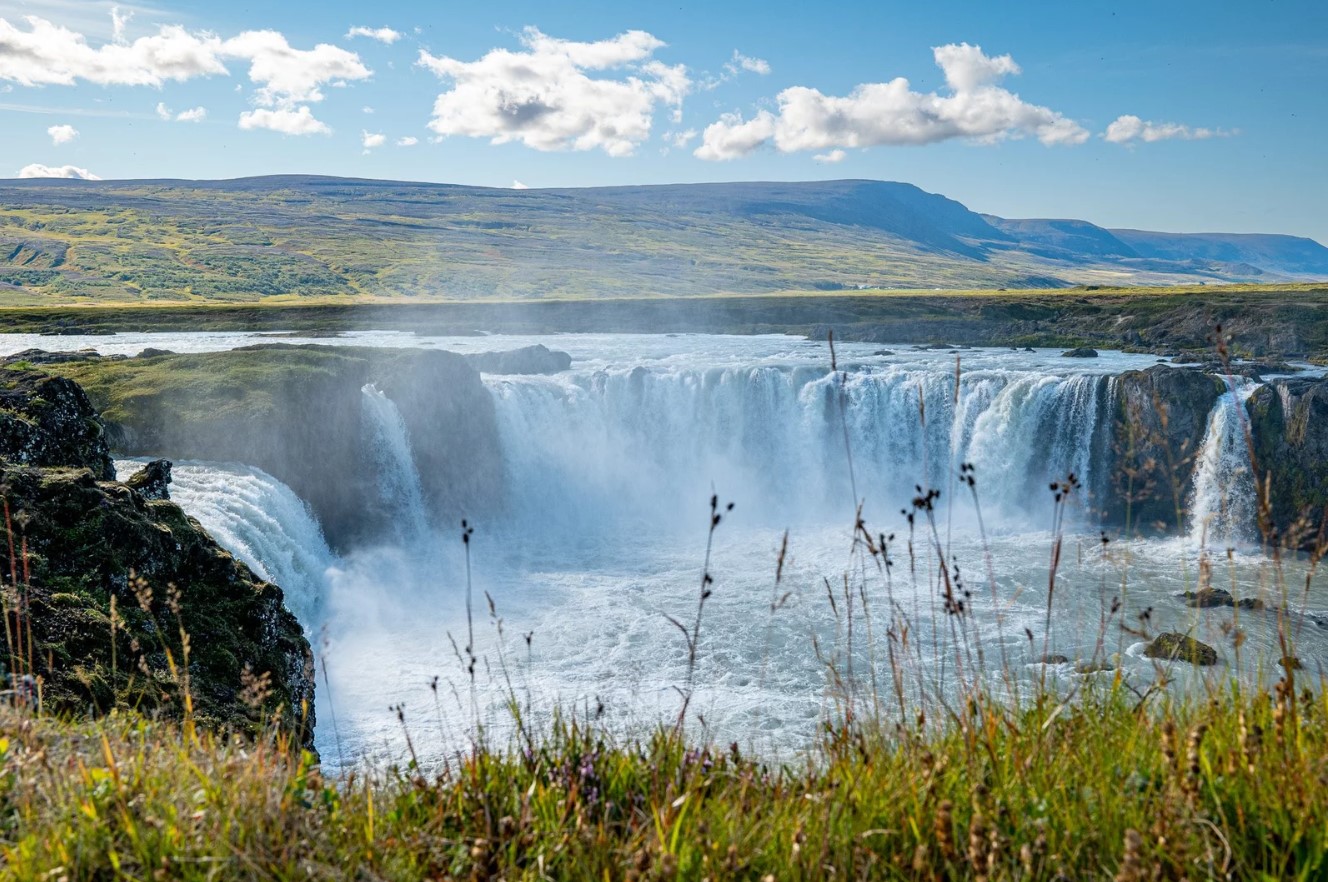
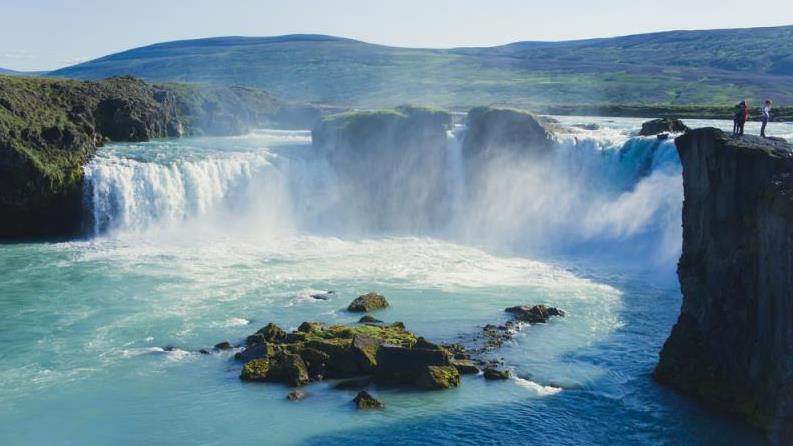
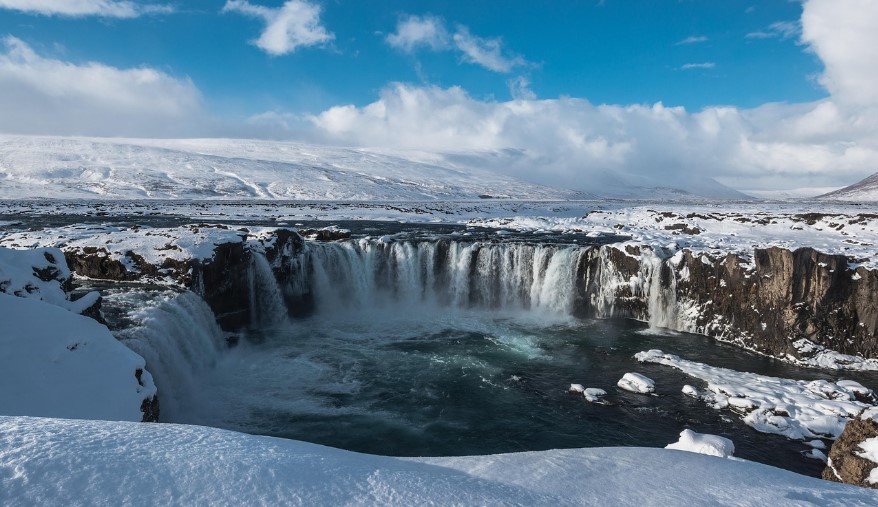
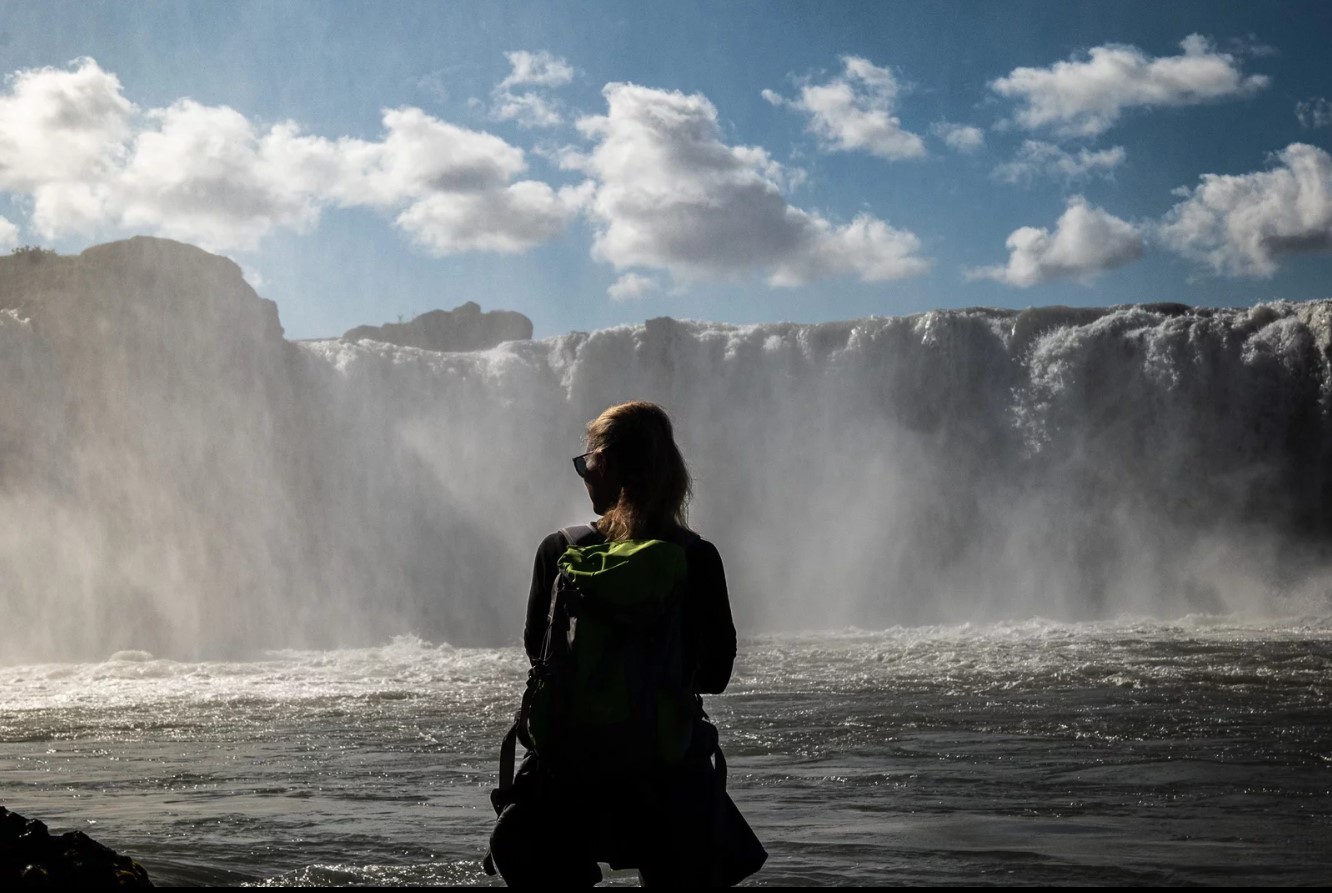
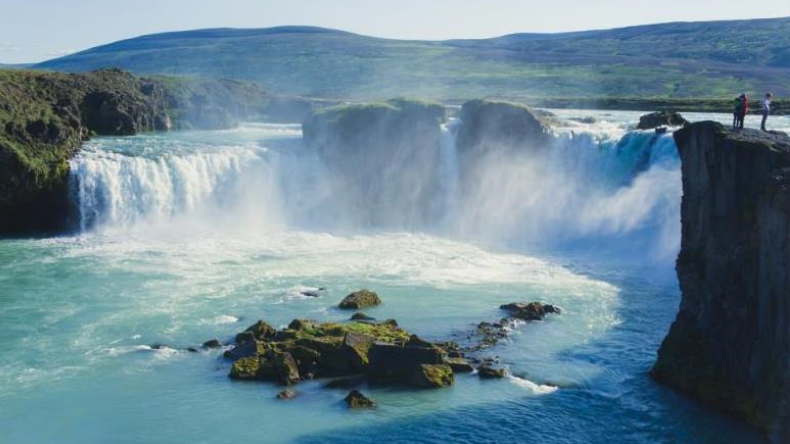
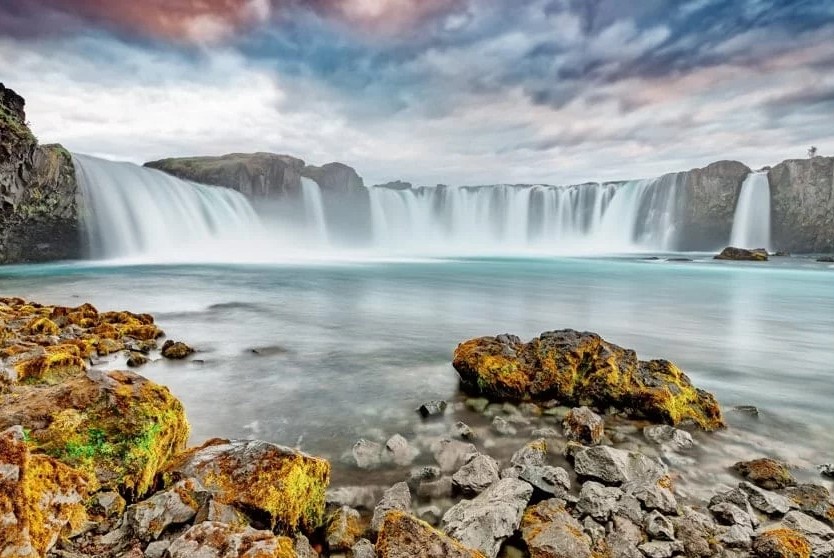
Goðafoss — literally 'waterfall of the gods' — earns its name from a moment of historical legend: around the year 1000, the lawspeaker Þorgeir Ljósvetningagoði is said to have cast his Norse idols into this cascade after Iceland officially adopted Christianity. Today, the horseshoe-shaped falls drop roughly 12 metres across a 30-metre wide arc of the Skjálfandafljót river. The surrounding lava fields and the spray-misted viewing paths make it one of Iceland's most photogenic natural sights, and it is reachable on a half-day tour from Akureyri that still allows time back in town.
Geothermal Bathing in the North
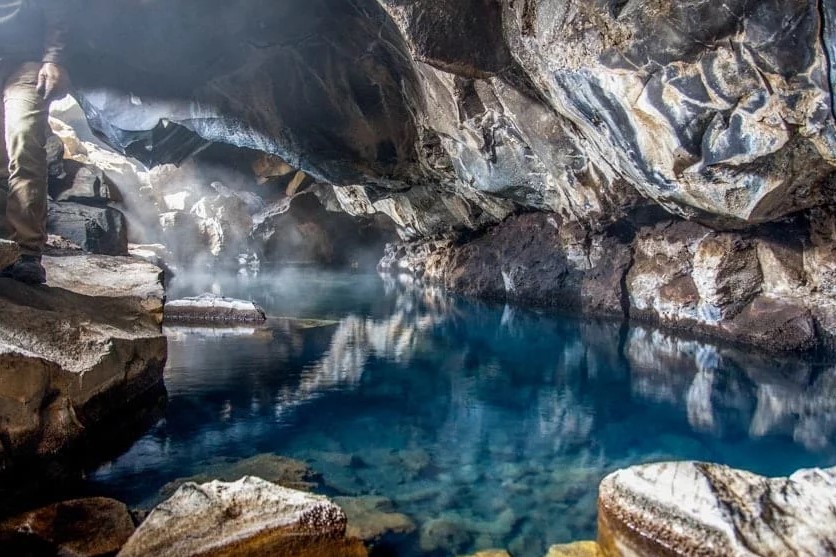
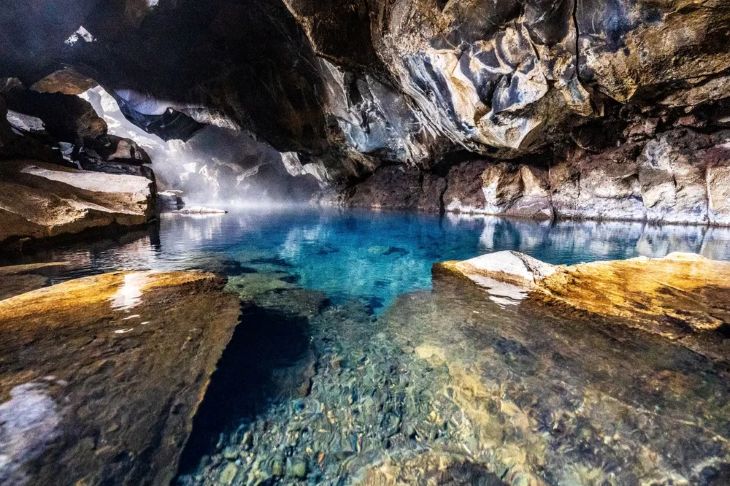
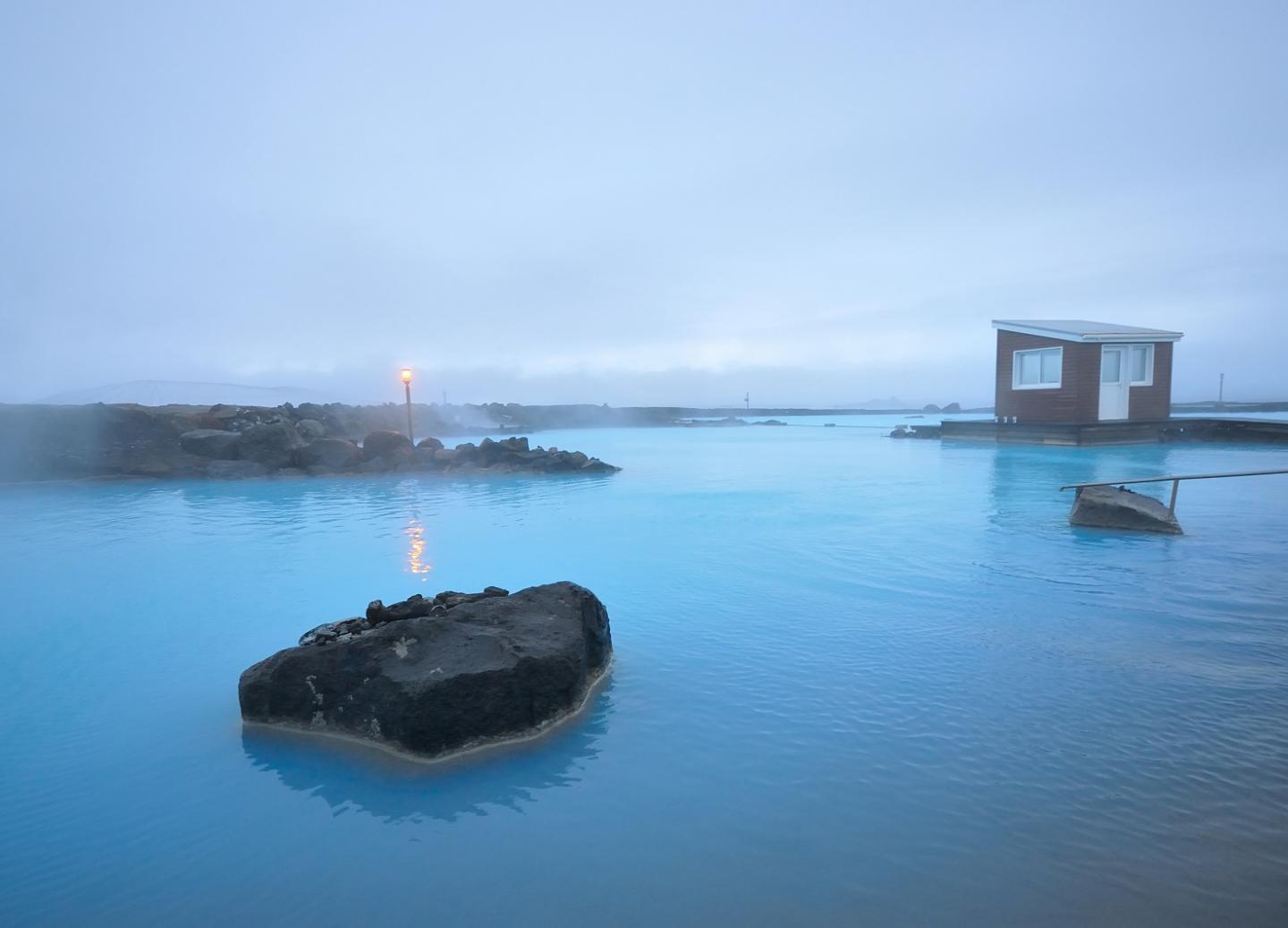
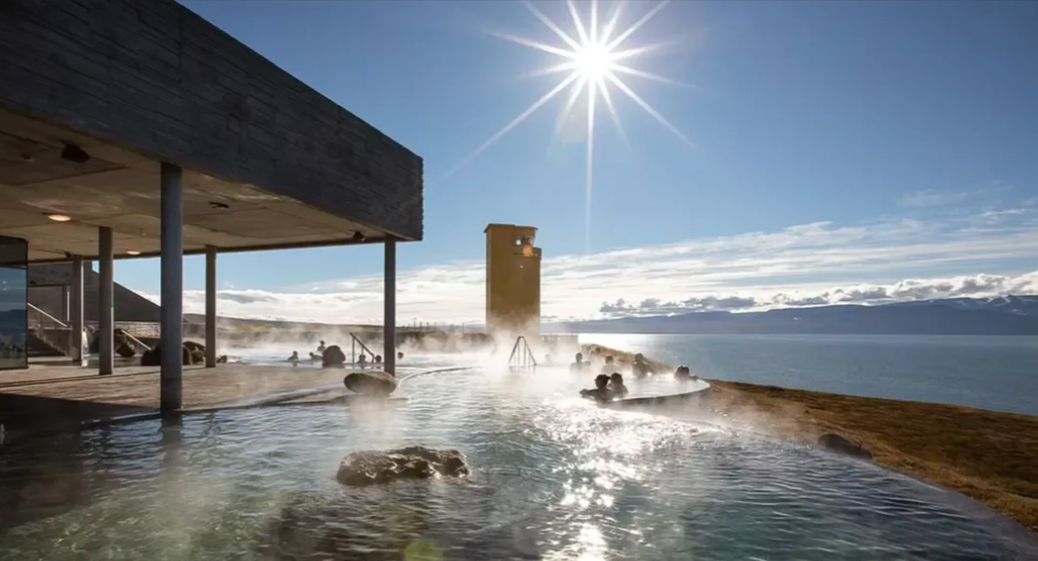
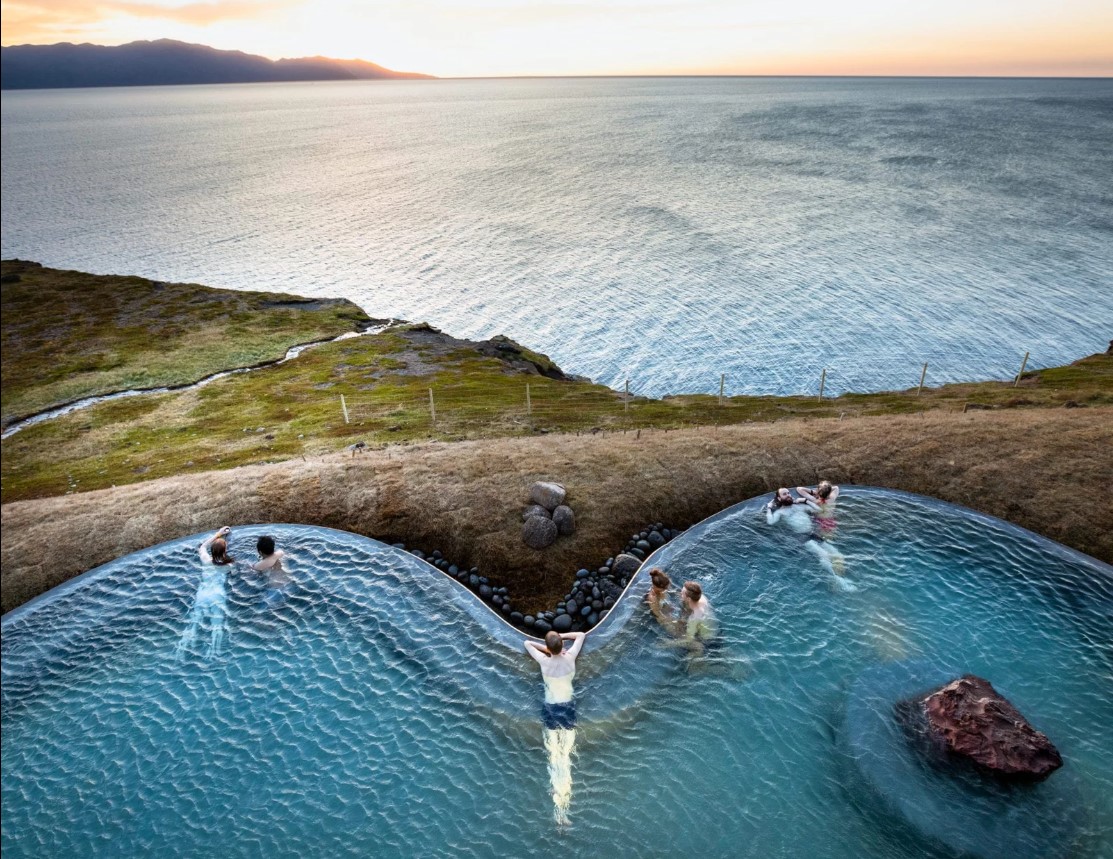
Iceland's volcanic energy heats naturally occurring pools and purpose-built geothermal baths throughout the Mývatn region. The Mývatn Nature Baths offer warm, mineral-rich waters with a quieter, more intimate atmosphere than Reykjavík's Blue Lagoon. Milky-blue silica water, views across the volcanic plateau, and temperatures hovering around 36–40°C make a post-sightseeing soak genuinely restorative. VA's Godafoss and Geothermal Baths tour combines both experiences in a single excursion from Akureyri port.
Akureyri City Walking Tour and Local Food
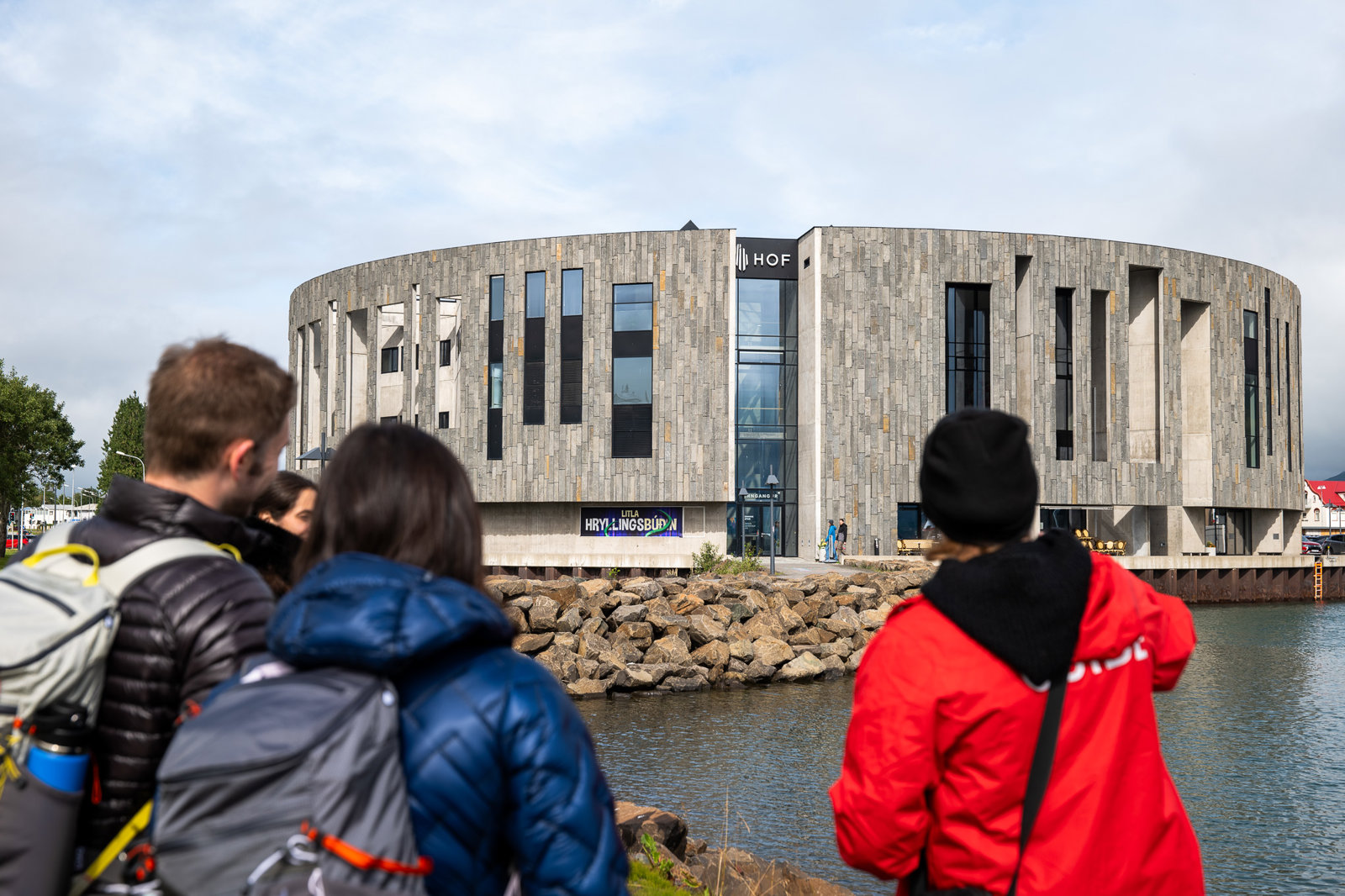
Akureyri's compact centre holds more character per square metre than its modest size suggests. A guided three-hour walking tour takes in the neogothic Akureyrarkirkja church — whose stained-glass windows include a central rose window from Coventry Cathedral — the Botanical Garden (one of the northernmost in the world), colourful old timber houses, and the harbour waterfront. VA's walking tour incorporates tastings of local Icelandic food, giving visitors an edible introduction to the region's culinary traditions including skyr, local fish, and traditional baked goods.
Arctic Coastline and Whale Watching
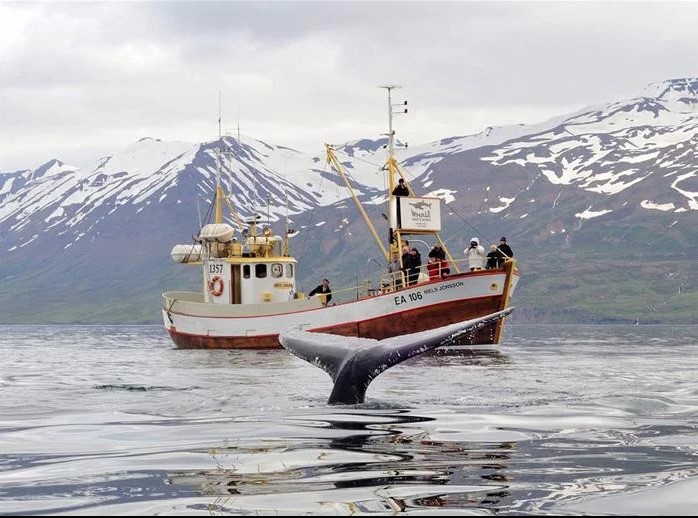
Eyjafjörður is one of Iceland's prime locations for whale watching, with humpback whales, minke whales, and harbour porpoises frequently sighted in its waters during the summer months. VA's full-day Arctic Coastline and Whale Watching tour ventures out into the fjord aboard a dedicated vessel, offering strong sighting rates and panoramic views back toward Akureyri's mountain backdrop. The combination of coastal scenery and cetacean encounters makes this one of the most distinctive experiences available from this port.
Lofthellir Ice Cave: A Hidden Lava Sculpture
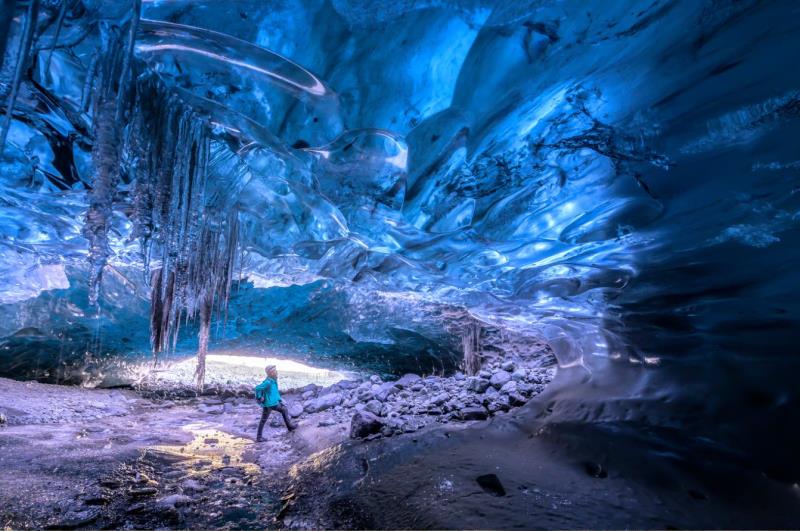
Lofthellir is a lava tube cave located in the Mývatn region, remarkable for the extraordinary ice formations that persist inside it year-round. Natural ice sculptures — columns, stalactites, and crystalline formations — fill the cave's interior, the result of centuries of slowly accumulating meltwater freezing within the insulated tube. Access requires a short hike and crawling through narrow passages, making this an adventure suited to those who want to go beyond the standard viewpoints. VA offers a private Lofthellir Ice Cave tour for those seeking a more off-the-beaten-track Icelandic experience.
Akureyri travel tips
Dress in Layers Regardless of the Forecast. Icelandic weather is famously changeable, and the Mývatn region in particular can shift from sunshine to rain and back within an hour. A waterproof outer layer, a warm mid-layer, and sturdy footwear suitable for uneven lava fields are essential even in midsummer. Temperatures near geothermal areas feel warmer, but wind chill at viewpoints like Goðafoss can be significant. Packing layers you can add or remove is far more practical than bringing a single heavy jacket.
Embrace the Midnight Sun's Effect on Timing. In June and July, Akureyri experiences virtually continuous daylight — the sun barely dips below the horizon even at midnight. This means sightseeing is genuinely possible at any hour without concern about fading light, and photographic conditions remain soft and golden throughout the late afternoon and evening. If your ship arrives in the morning, outdoor attractions will look equally beautiful in the afternoon when crowds at popular stops tend to thin slightly.
The Botanical Garden is Free and Worth Half an Hour. Akureyri's Lystigarðurinn botanical garden, one of the world's northernmost, sits a short walk uphill from the town centre. Admission is free, and the garden contains an impressive collection of Icelandic flora alongside species from around the world. The combination of mountain backdrop, neat pathways, and colourful plantings makes it an unexpectedly pleasant stop — and a good place to sit quietly for a few minutes before heading back to the ship.
Heart-Shaped Traffic Lights Are Not a Navigation Hazard. Akureyri is well known for its heart-shaped traffic light signals, a morale-boosting initiative introduced during the 2008 financial crisis that became a beloved civic symbol. Visitors often stop to photograph them, particularly at the main pedestrian crossing near the church. A small but charming detail that captures the town's character and makes for an unusual souvenir image.
Cards Are Accepted Virtually Everywhere. Iceland is one of the most cashless societies in the world — even market stalls and small food trucks in Akureyri typically accept card payments. There is no need to exchange currency before arriving or to seek out a cash machine on arrival. Visa and Mastercard work seamlessly; inform your bank of travel plans in advance to avoid security blocks on transactions.
Summer Brings Midges at Mývatn — They Don't Bite, But They Swarm. Lake Mývatn is literally named after its midges ('mý' means midge in Icelandic), and in summer the lake's shores can be surrounded by dense clouds of tiny flies. They don't bite, but they can be disconcerting around the face. Local guides recommend bringing a head net if you are sensitive to insects, or purchasing a fine mesh net at shops in Akureyri before heading out. This minor inconvenience should not deter a Mývatn visit — the landscape more than compensates.
Port Facts Every Cruiser Needs To Know
Akureyri shore excursion FAQs
The cruise terminal on Strandgata is within easy walking distance of the town centre — roughly five to ten minutes on flat ground. The main shopping street, restaurants, and the botanical garden are all reachable on foot from the pier without needing transport.
Public bus service between Akureyri and Mývatn exists seasonally (summer months), operated by Strætó, but schedules are infrequent and the journey takes approximately 90 minutes each way. For a cruise port call with limited time, pre-arranged transport is considerably more practical and ensures you return to the ship on time.
Yes. Goðafoss is located approximately 50 km east of Akureyri along Route 1, around 45 minutes each way. A half-day tour comfortably allows viewing time at the falls, short walks along the river banks, and return to port with time to spare for a quick look around town.
The Diamond Circle is a 250-km scenic route connecting Akureyri's region with Goðafoss, Lake Mývatn, the Ásbyrgi canyon, and Dettifoss waterfall. Covering the entire circuit in a single cruise port call is very ambitious — most excursions focus on the Mývatn and Goðafoss sections, which are the most accessible and rewarding within typical call durations.
Eyjafjörður fjord offers reliable whale watching in summer, with humpback whales, minke whales, and dolphins regularly sighted. Dedicated whale watching excursions depart from Akureyri harbour and typically last two to three hours, making them compatible with a morning or afternoon slot within a longer port call.
Summer temperatures in Akureyri typically range from 10 to 18°C, occasionally warmer during settled spells. Rain is possible at any time, and conditions in the highlands around Mývatn can differ significantly from the coast. Layered, waterproof clothing is recommended regardless of the morning forecast.
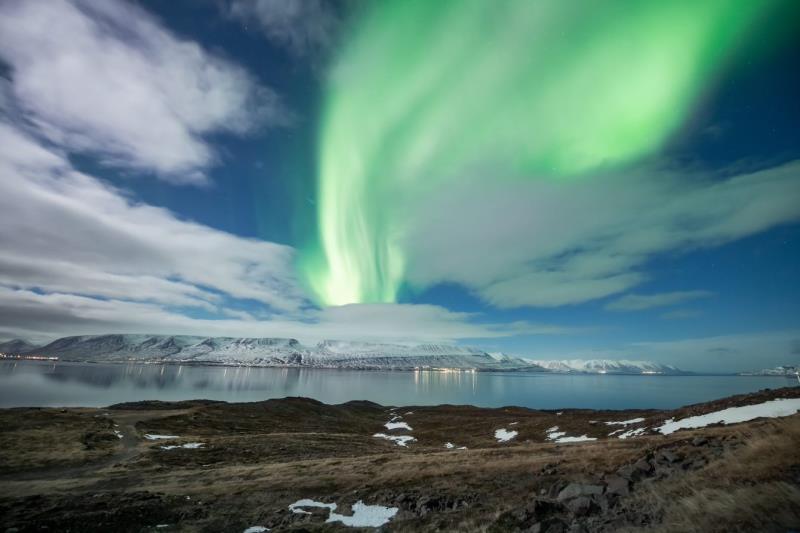
Northern lights require darkness, which is essentially absent during the June–August midnight sun period. Cruises calling in late August or September have a small chance of aurora sightings if skies are clear and solar activity is sufficient. Winter cruises offer the best northern lights opportunities, but these are rare on most itinerary types.
The lava fields are generally safe when you stay on marked paths and wear sturdy, ankle-supporting footwear. The lava surface is uneven and can be very sharp — thin-soled shoes or sandals are unsuitable. Near geothermal active areas, stay on designated paths and heed warning signs, as the ground can be unstable or dangerously hot just below the surface.
Yes. Akureyri's town centre, a short walk from the terminal, has a good range of cafés, restaurants, and shops including outdoor clothing stores, souvenir shops, and a supermarket. The pedestrianised main street Hafnarstræti is the main hub for eating and browsing.
Icelandic Króna (ISK) is the official currency, but card payment is so ubiquitous in Iceland that carrying cash is largely optional. Euros and US dollars are not generally accepted in shops or restaurants as direct payment. If you want cash as a backup, ATMs are available in the town centre.
Filters
Select a filter to refine results.
Tour Type
Tour Activity
 Cart
Cart
 USD
USD GBP
GBP AUD
AUD EUR
EUR CAD
CAD