



Tours in Alicante


Cruising to Alicante in a group?
Skip the crowded ship excursion bus. One dedicated planner will design a private shore experience around exactly what your group wants — coordinated from first enquiry to the moment you're back on board. More memorable, more flexible, and more affordable than you might expect. Spend less time organising, more time enjoying.
Explore Group Travel →Cruising to Alicante
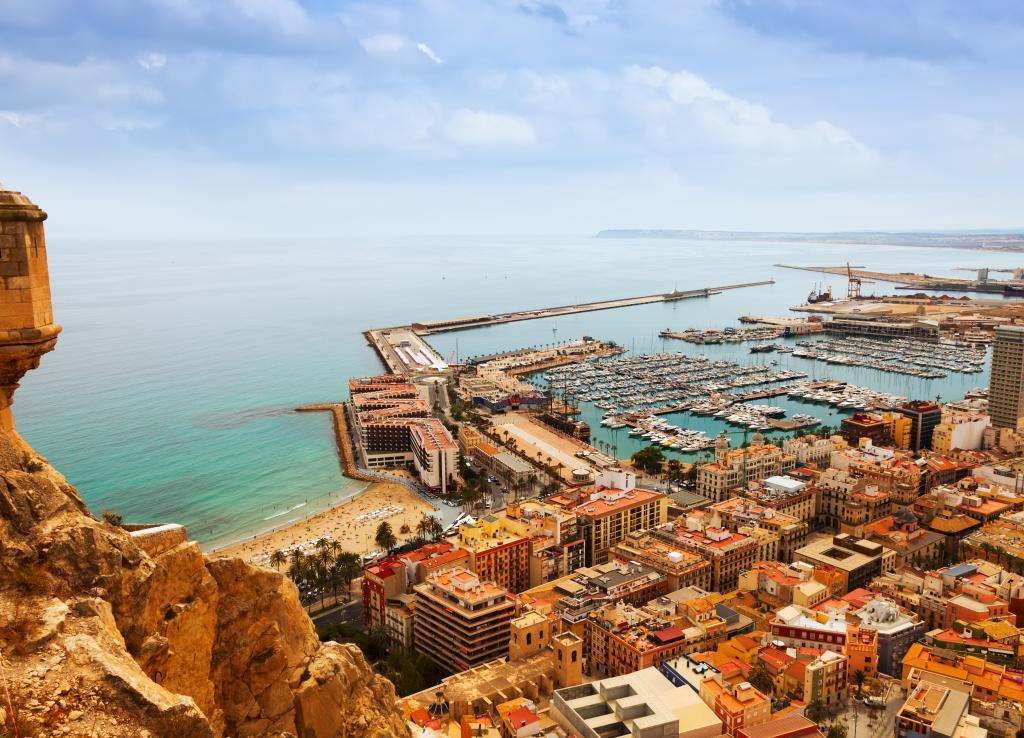
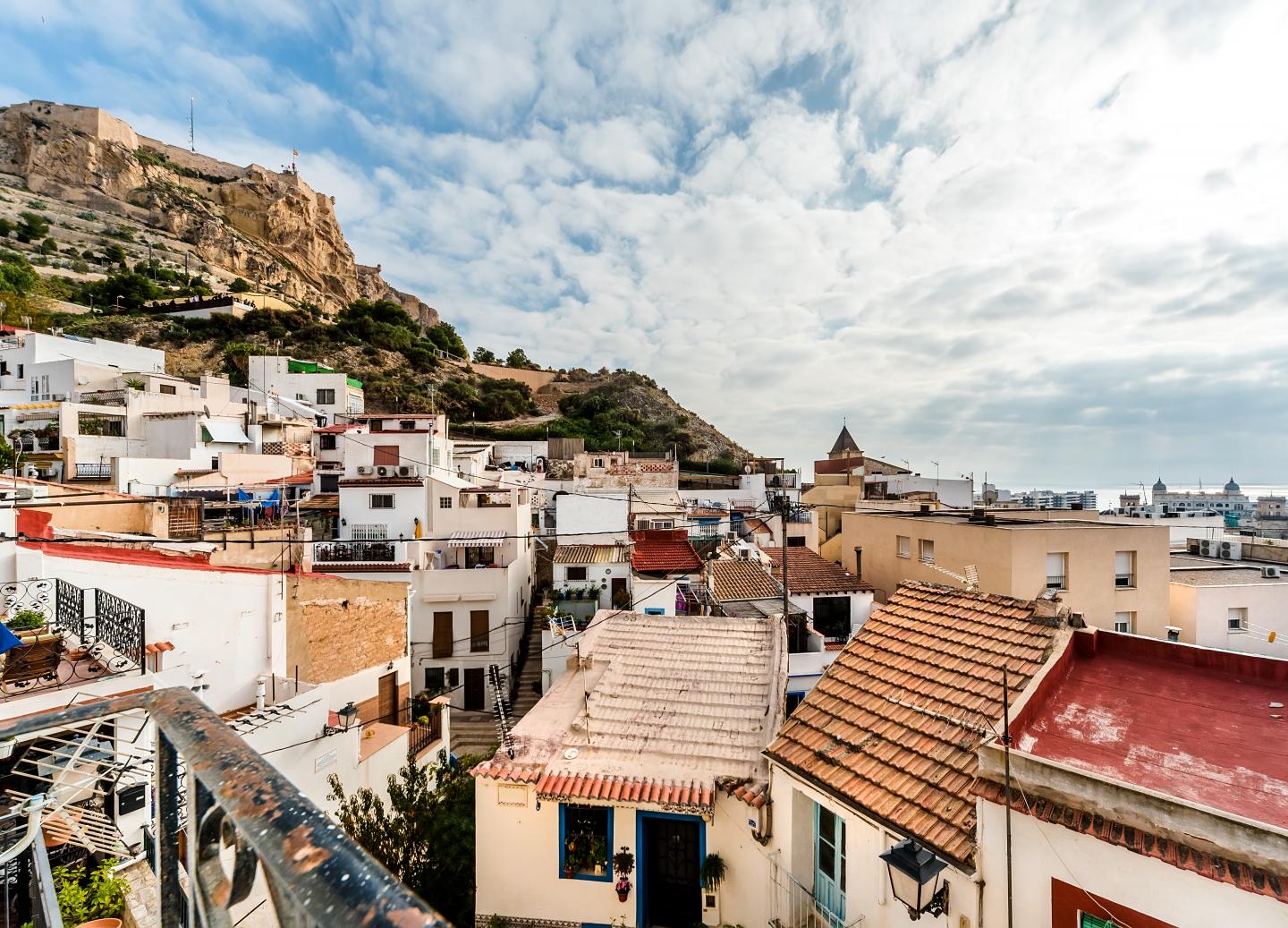
Alicante occupies one of the most dramatically positioned sites on Spain's Mediterranean coast. The city climbs from a broad, palm-lined waterfront promenade — the Explanada de Espana, its mosaic pavement worn smooth by generations of evening strollers — up to the Monte Benacantil headland, where the Castle of Santa Barbara has watched over the sea since Moorish times. Between the waterfront and the castle lies the Barrio de la Santa Cruz, Alicante's oldest residential quarter, a dense web of steep lanes, painted facades, and flower-filled balconies that dates back to the Moorish period. The Baroque Basilica of Santa Maria, built on the site of the city's principal mosque, anchors the lower edge of the old town. This layered geography — Phoenician foundations, Roman settlement, Moorish fortress, Christian reconquest, and 20th-century beach resort — gives Alicante a depth that goes well beyond the sun-and-sand image of the Costa Blanca. Inland, the mountain village of Guadalest clings to a rock pinnacle above a turquoise reservoir, and the Canelobre Caves preserve one of the largest cave chambers in Spain. For cruise travellers, Alicante offers the combination of an excellent walkable city centre and compelling day-trip destinations within an hour's drive.
Top things to do in Alicante on a cruise stopover
Castle of Santa Barbara — Panoramic Moorish Fortress
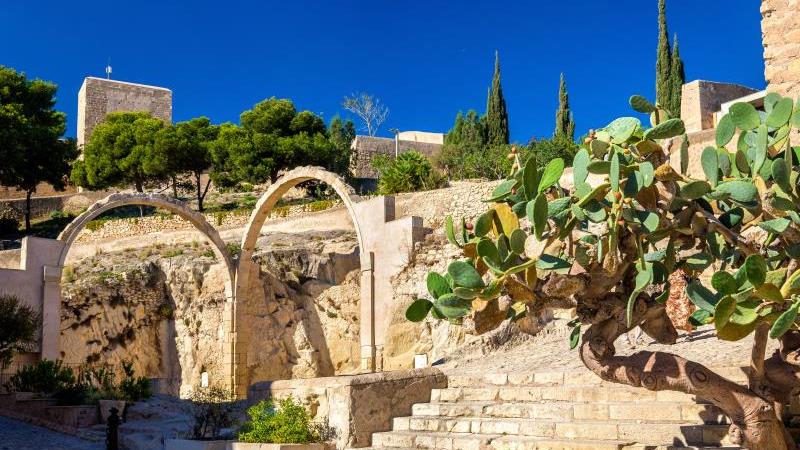
Dominating the Monte Benacantil headland 166 metres above the sea, the Castle of Santa Barbara is Alicante's defining landmark — visible from the approaching cruise ship long before the city's streets come into focus. The fortification dates in its current form from the 16th century, built over Moorish foundations that overlay earlier Iberian and Roman occupation of the same strategic site. The complex divides into three distinct zones of construction from different eras, connected by ramps and stairs cut directly into the rock. From the highest battlements, the view encompasses the entire sweep of Alicante bay, the city grid far below, the Explanada's mosaic promenade, and on clear days the profiles of distant islands. The castle is accessible via a steep lane through the Santa Cruz quarter or by lift from Postiguet beach.
Barrio de la Santa Cruz — Alicante's Historic Old Quarter
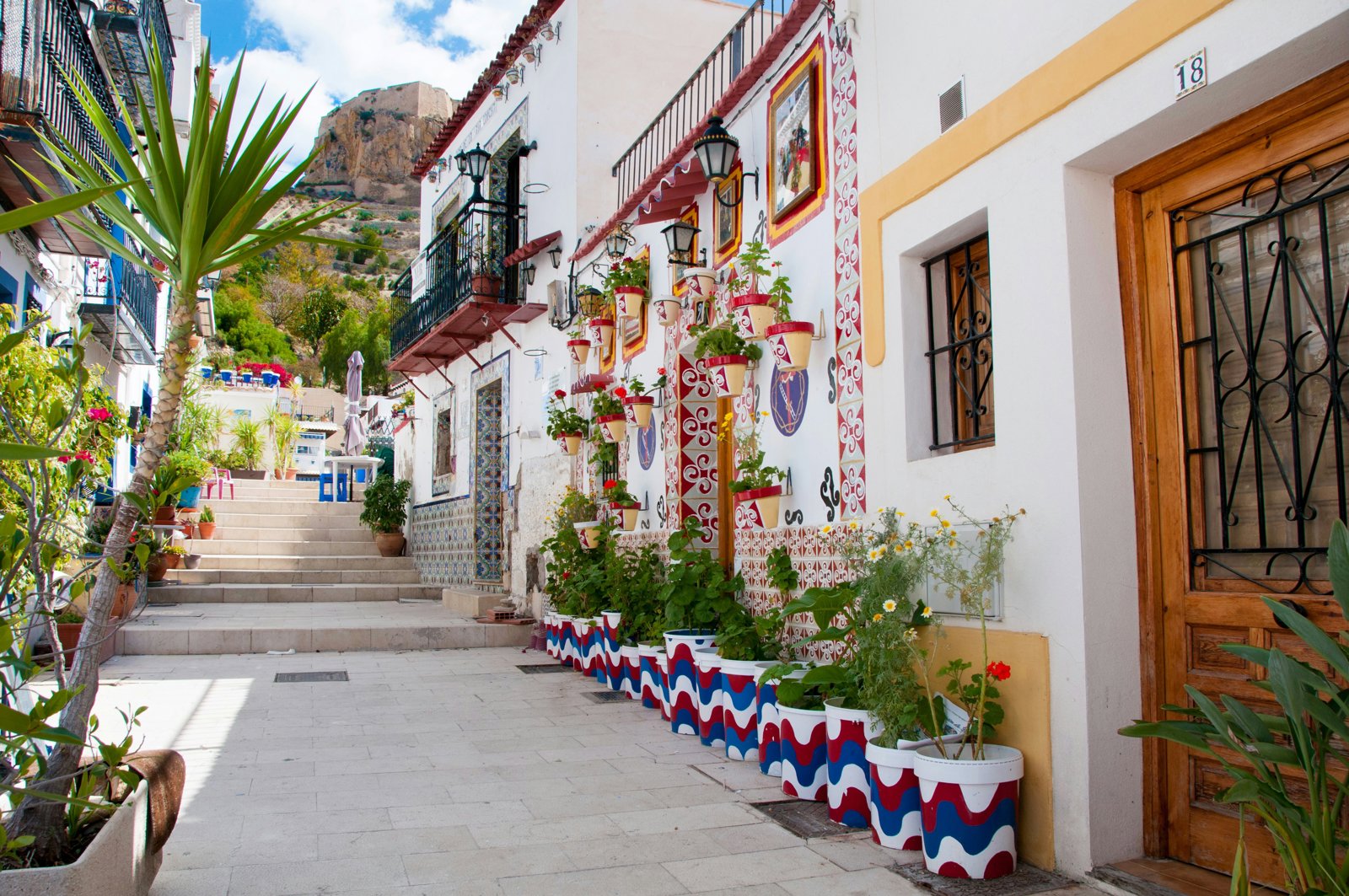
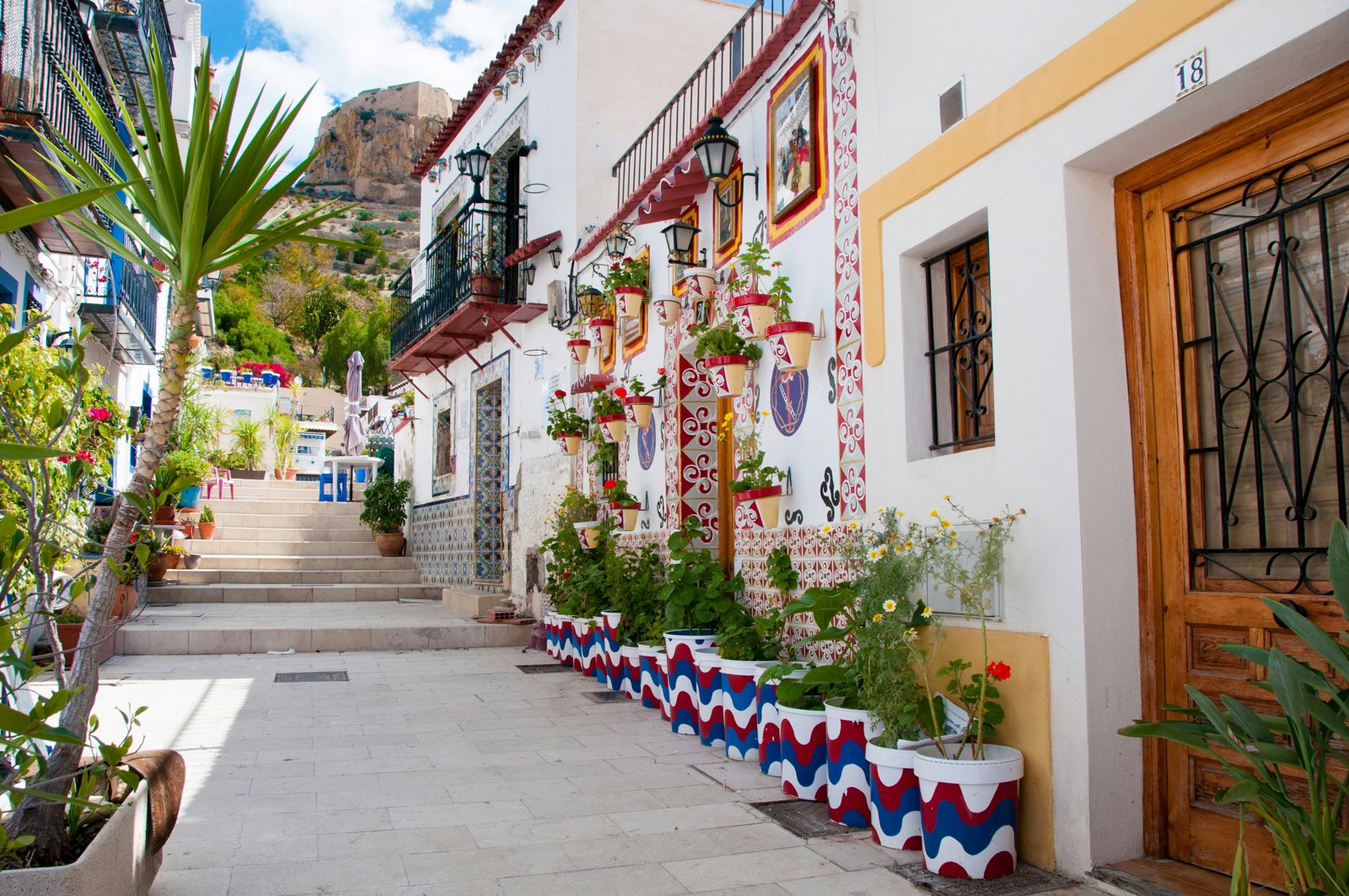
Climbing the lower slopes of Monte Benacantil between the modern city and the castle, the Barrio de la Santa Cruz is Alicante's most atmospheric neighbourhood — a tightly woven district of narrow whitewashed lanes, painted houses, flower-hung balconies, and small plazas that preserves the scale and character of the city before the 20th-century expansion. The quarter developed on the site of the Moorish medina and takes its name from the church of Santa Cruz within it. Despite its age, the neighbourhood is lived-in and unstuffy, with neighbourhood bars and small restaurants tucked between artisan workshops and painted walls. The steep lanes are part of its charm; the reward at the top is the castle's lower gate and unobstructed views down to the sea.
Basilica of Santa Maria — Alicante's Baroque Cathedral
The Basilica of Santa Maria is the oldest active church in Alicante, built between the 14th and 18th centuries on the site of the city's main mosque following the Christian reconquest of 1296. Its facade is one of the finest examples of Spanish Baroque architecture on the Costa Blanca: twin towers frame an elaborately carved portal in the exuberant Churrigueresque style, a riot of angels, foliage, and heraldic symbols. The interior is calmer — a Gothic nave of three aisles with later Baroque additions — and houses several notable artworks including an altarpiece attributed to Juan de Juanes. The basilica stands at the foot of the Santa Cruz quarter, making it a natural starting point for the climb toward the castle.
Explanada de Espana — The Grand Waterfront Promenade
Stretching along the harbour for some 500 metres, the Explanada de Espana is Alicante's great public room — a broad, palm-shaded promenade whose wavy mosaic pavement, laid from over six million marble tiles in red, cream, and black, is one of the most photographed surfaces in Spain. Built in the 19th century on reclaimed harbour land, it remains the social centre of the city: locals promenade here from early evening, and the outdoor terraces of the bars and restaurants that line it fill quickly on warm nights. The Explanada connects the port directly to the old town quarter and to Postiguet beach, making it the natural axis around which a walk through central Alicante organises itself.
Guadalest — A Village Perched on a Rock Pinnacle
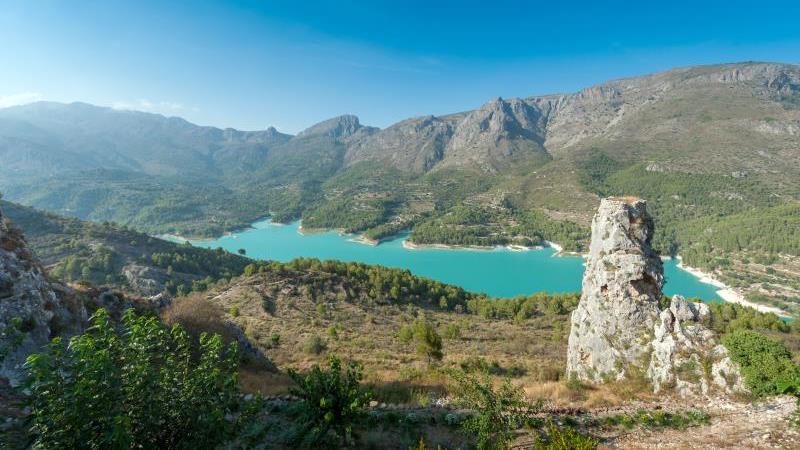
Roughly 70 kilometres inland from Alicante, the village of Guadalest occupies one of the most improbable sites in Spain: a cluster of white buildings balanced on a narrow rock spike above a turquoise reservoir, accessible only through a tunnel cut into the cliff. The village developed around a Moorish castle destroyed by earthquake in 1748, and the surviving bell tower stands on a pinnacle of rock entirely separate from the village itself. From the castle ruins, the view over the Guadalest Valley — its reservoir reflecting the surrounding mountains, the orange groves and almond terraces of the valley floor far below — is among the most striking inland panoramas on the Costa Blanca. Small shops sell local almonds, olive oil, and handmade lace.
Canelobre Caves — A Cathedral of Stalactites
Located in the mountains above Busot, approximately 25 kilometres north of Alicante, the Canelobre Caves contain one of the largest cave chambers in Spain — a vaulted space 70 metres high whose acoustics are so exceptional that concerts have been performed within it. The cave takes its name from a stalactite formation resembling a candelabra. The interior temperature remains a constant 18°C, a welcome contrast to summer heat outside. The cave system is developed for visitors with lighting designed to emphasise the scale and colour of the formations: stalactites, stalagmites, curtains, and columns in colours ranging from white calcite to ochre and rust. The caves are often combined with Guadalest as a complementary inland day programme.
Alicante travel tips
Take the Lift to the Castle Early to Beat the Crowds. The lift (elevator) to the Castle of Santa Barbara, accessed from a tunnel entrance on the Postiguet beach side, avoids the steep climb through the Santa Cruz quarter and opens directly inside the castle walls. It operates from morning through early evening with a small fee. Arriving at the castle in the first hour after opening gives the best chance of having the battlements relatively quiet. By mid-morning, particularly in summer, tour groups arrive and the most popular viewpoints become congested. The walk up through the Santa Cruz quarter is more atmospheric but takes 20–30 minutes on a significant ascent.
Plan Around the Spanish Afternoon Rhythm. Alicante runs on a Spanish timetable: many smaller restaurants and shops close between roughly 14:00 and 17:00 for the afternoon break. For cruise travellers with limited time ashore, a focused morning is more productive than a meandering afternoon. If your ship has a late departure, the early evening Explanada promenade — when locals emerge in numbers and the harbour light turns golden — is worth experiencing. Avoid planning a full restaurant lunch during the midday break if your schedule is tight.
Look for Turron at Specialist Shops, Not Tourist Stalls. Turron — almond and honey nougat — is one of Spain's great artisan foods, and Jijona, just 30 kilometres inland, is its historic home. The difference between the soft Jijona variety (almost a paste) and the hard Alicante variety (with whole almonds in a crisp honey base) is pronounced; both are excellent. Specialist confectionery shops in the old town sell properly made versions from named producers. Supermarket turron exists but is a pale imitation. Alicante shops stock it year-round, not only at Christmas.
Wear Comfortable Shoes for the Cobblestones and Castle Ascent. The Barrio de la Santa Cruz involves steep, uneven cobblestone lanes that are beautiful but demanding in inappropriate footwear. The path to the castle via the old quarter includes sustained uphill sections on rough surfaces. Flat, closed-toe shoes with grip make the difference between comfortable exploration and sore feet. In summer, stone surfaces retain heat through the day — light, breathable clothing and sun protection are as important as footwear. Carry water; the lanes between the old town and castle have limited shade.
Postiguet Beach Is Steps from the Port — But Not the Main Draw. Playa del Postiguet, the city beach immediately adjacent to the port and below the castle lift entrance, is convenient but can be crowded and is not representative of the broader Costa Blanca coastline. It is useful for a quick swim if the itinerary allows, but travellers seeking beach time would find better conditions at beaches further north or south. For a port day, the combination of castle, old town, and Explanada delivers more of Alicante's distinctive character than city beach time.
Allow Realistic Travel Time for the Guadalest Road. The drive to Guadalest involves approximately 70–80 kilometres of mountain road each way, typically 60–75 minutes per direction depending on traffic. Summer weekends and local public holidays can add significantly to journey times as the village is popular with day-trippers. Allow a minimum of 4–5 hours for the return journey plus time in the village. Adding Canelobre Caves to a Guadalest day is feasible but creates a full and tightly scheduled day — factor in travel time between the two sites, which adds another 45–60 minutes.
Port Facts Every Cruiser Needs To Know
Alicante shore excursion FAQs
The cruise port is directly adjacent to the city centre — the Explanada de Espana promenade begins essentially at the port gates. The old town is a 5–10 minute walk along the Explanada. The Castle of Santa Barbara can be reached on foot in around 30–40 minutes via the Santa Cruz quarter (a significant uphill walk), or more quickly via the lift from Postiguet beach, whose entrance is approximately 15 minutes from the port.
The castle is one of the most impressive Moorish fortifications on Spain's Mediterranean coast and the views from the upper battlements — over the entire bay, the city, and the sea — are exceptional. The complex takes 1–1.5 hours to explore properly. Entry to the castle grounds is free; the lift has a small fee but saves a tiring climb. The castle is most rewarding for those with an interest in medieval history or for the panoramic views; those pressed for time might prioritise the old town and Explanada.
Guadalest is approximately 70 kilometres from Alicante, roughly a 60–75 minute drive through mountain roads. Public bus connections are limited in frequency and require changes, making them impractical for a cruise port day with fixed return times. The village itself is small — most visitors spend 1–2 hours there — and the combination of the mountain drive, the rock pinnacle setting, and the reservoir views justifies the journey. Pre-arranged transport is strongly advisable.
The Canelobre Caves are a large stalactite cave system in the mountains above Busot, about 25 kilometres north of Alicante. The main chamber is one of the largest in Spain, with a ceiling height of 70 metres and formations built over millennia. The cave maintains a constant 18°C — a relief on hot summer days. Visits take roughly 45–60 minutes. The caves are most often combined with Guadalest as an inland day excursion; visiting them independently makes a shorter, more focused half-day trip from the port.
The Explanada de Espana is Alicante's famous seafront promenade, running along the harbour for approximately 500 metres. Its most distinctive feature is the undulating mosaic pavement, made from over six million marble tiles in a wave pattern of red, cream, and black — one of the most recognisable public spaces in Spain. Lined with palm trees, outdoor cafe terraces, and flower stalls, it serves as the city's social hub and connects the port to the old town. It is especially atmospheric in the late afternoon and evening during the traditional paseo.
Alicante's signature dish is arroz a banda — short-grain rice cooked slowly in a rich fish and shellfish broth, traditionally served as two courses: first the rice (often with aioli), then the fish. It requires time to prepare and is best ordered in restaurants away from the immediate tourist waterfront. Turron — almond nougat from nearby Jijona — is available in specialist shops year-round. For drinks, local Monastrell wines from the Alicante DO are worth seeking, as is horchata de chufa, a refreshing non-alcoholic tiger nut milk unique to the Valencia region.
Alicante is an excellent introduction to Mediterranean Spain. The city is manageable in scale, the port is central, and the core sights — castle, old town, cathedral, promenade — are close together and well sign-posted. English is spoken in most tourism-facing businesses. The food is approachable and excellent value compared to other European coastal destinations. The combination of historical depth, good walking, and striking scenery makes it rewarding for first-time visitors without being overwhelming.
The Barrio de la Santa Cruz is Alicante's oldest residential neighbourhood, occupying the lower slopes of Monte Benacantil between the city centre and the castle. It is characterised by whitewashed lanes, painted facades, flower-decorated balconies, and a notably steep gradient. From the Explanada, walk up through the old town toward the Basilica of Santa Maria, then follow the lanes uphill — signs point toward the castle. The quarter takes 30–45 minutes to wander through at a relaxed pace, ending at the castle's lower entrance. Wear comfortable shoes and carry water in summer.
Playa del Postiguet is the city beach, located immediately below the castle and a 15-minute walk from the port. It is convenient with good facilities but can be crowded in summer. For wider, less busy beaches, towns along the Costa Blanca — Villajoyosa, Santa Pola — require tram or bus transport of 20–50 minutes. For a port day focused primarily on sightseeing, the city's historic assets offer more distinctive value, but a quick swim at Postiguet is easy to incorporate.
The Hogueras de San Juan is Alicante's most important annual celebration, held around the summer solstice in late June. Large papier-mache sculptural monuments (hogueras) are erected in city neighbourhoods over months, then ceremonially burned on the night of June 24th in a spectacular city-wide bonfire event, accompanied by fireworks, music, and parades. Cruise ships calling during this period encounter an extraordinary spectacle, though the city is at its absolute busiest and accommodation in the surrounding region is fully booked far in advance.
Filters
Select a filter to refine results.
Tour Type
Tour Activity
 Cart
Cart
 USD
USD GBP
GBP AUD
AUD EUR
EUR CAD
CAD