



Tours in Bilbao


Cruising to Bilbao in a group?
Skip the crowded ship excursion bus. One dedicated planner will design a private shore experience around exactly what your group wants — coordinated from first enquiry to the moment you're back on board. More memorable, more flexible, and more affordable than you might expect. Spend less time organising, more time enjoying.
Explore Group Travel →Cruising to Bilbao
Bilbao anchors the Basque Country on Spain's northern Atlantic coast, a city whose heavy industrial past has become almost invisible beneath layers of deliberate regeneration. The Guggenheim Museum — Frank Gehry's titanium-clad landmark completed in 1997 — triggered an urban transformation that planners still study worldwide, but Bilbao's soul runs deeper than contemporary architecture. The old quarter's medieval lanes, the vast iron market of La Ribera, and the pintxos bars of the Casco Viejo represent a food culture that rivals anything in San Sebastián. Beyond the city, the Basque Coast stretches east toward extraordinary natural scenery: the sea-stack island of San Juan de Gaztelugatxe, cliffs above remote harbours, and small fishing towns where Atlantic swells still shape daily life.
Top things to do in Bilbao on a cruise stopover
Pintxos Culture and the Art of the Basque Bar
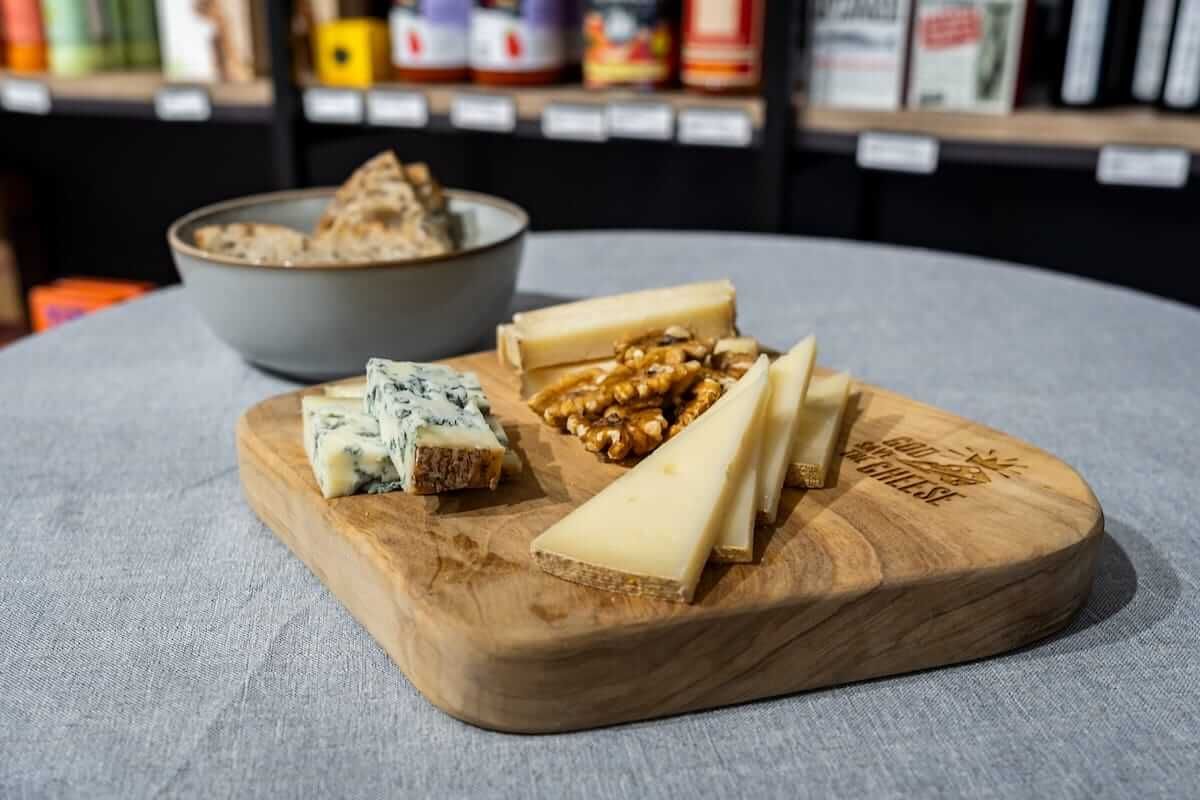
The Casco Viejo's medieval streets contain some of the most accomplished bar food in Europe. Pintxos are the Basque Country's answer to tapas — inventive compositions of seafood, cured meats, roasted peppers, and local cheeses balanced on bread, laid out along bar counters from midday. In Bilbao, this is both a culinary practice and a social ritual: locals move from bar to bar through the old quarter, pairing txakoli wine or sidra with carefully chosen pieces at each stop. The craft behind even modest-looking pintxos reflects generational technique. A guided food tour through the old quarter decodes the culture and unlocks bars that a first-time visitor would likely walk past without context.
Bilbao's Transformation: From Industrial Port to Cultural Capital
Thirty years ago, Bilbao was a declining city scarred by closed steel mills and empty shipyards. The decision to build Frank Gehry's Guggenheim Museum on a contaminated riverside lot — completed in 1997 — sparked what urban planners call the Bilbao Effect: the idea that a single bold cultural intervention can catalyse comprehensive urban regeneration. Today the riverside promenade, Norman Foster's metro system, the Palacio Euskalduna concert hall, and Santiago Calatrava's Zubizuri footbridge form a coherent architectural landscape. A guided food tour of the city narrates both the rebirth and the culinary culture that survived and defined it — two stories inseparable from each other.
The Basque Coast: Cliffs, Fishing Villages, and Wild Atlantic Edges
East of Bilbao, the Basque Coast unfolds in a series of dramatic headlands, sheltered coves, and small harbour towns where fishing remains a working industry rather than a tourist backdrop. The coastline between Bilbao and the French border ranks among Spain's most spectacular, largely bypassed by mass tourism despite its extraordinary scenery. Rocky inlets sit below clifftop paths; Atlantic swells shape the landscape and local cuisine in equal measure. Exploring this coast with a private guide provides access to lesser-known viewpoints and villages — Bermeo, Elantxobe, Ea — that a self-guided half-day rarely reaches, and local knowledge that no map application provides.
San Juan de Gaztelugatxe: The Island Hermitage on the Cliff
San Juan de Gaztelugatxe is one of the Basque Coast's most striking landmarks — a rocky tidal islet connected to the mainland by a cobbled stone causeway and 241 steps winding up to a tenth-century hermitage at the summit. The structure has survived storms, pirate raids, and centuries of Atlantic weather. On clear days the views extend across the Bay of Biscay toward France. The site became internationally recognised after appearing in Game of Thrones as Dragonstone, but its geographical drama long predates any television production. It lies roughly 35 kilometres northeast of Bilbao along the coastal road, accessible as part of a Basque Coast excursion.
The Casco Viejo: Seven Medieval Streets and a Living Quarter
Bilbao's old quarter is built around Las Siete Calles — seven streets laid out in the fourteenth century that now form the social spine of the neighbourhood. The area survived both the Carlist Wars and major flooding to retain much of its historic fabric: the Gothic Cathedral of Santiago, the nineteenth-century neo-Gothic Ribera Market (one of Europe's largest covered markets), and the neoclassical arcaded Plaza Nueva, which hosts Sunday markets and year-round pintxos bars. The old quarter can be walked end-to-end in an hour, but spending two to three hours here — moving between bars and pausing at the market — offers the most authentic experience of contemporary Bilbao life.
Getxo and the Puente Colgante: Where the Port Meets Remarkable History
The municipality of Getxo, adjacent to the cruise port, holds more than a transit point. The Puente Colgante — the Vizcaya Bridge — is a UNESCO World Heritage Site and one of the world's oldest working transporter bridges, built in 1893 to link Getxo and Portugalete across the Nervion estuary. It still carries passengers and vehicles on a suspended gondola daily. Getxo's seafront promenade, the Playa de Ereaga beach, and the winding lanes of the Algorta old town with its seafood restaurants provide a relaxed local experience for travellers who prefer to stay near the port rather than travelling into central Bilbao.
Bilbao travel tips
Understand the Pintxos Bar System Before You Go. Traditional pintxos etiquette means moving between bars rather than settling at one: two or three pintxos and a glass of txakoli at each stop. Cold pintxos displayed on the bar counter are typically taken freely; hot pintxos are ordered from staff. Tell the bartender what you have eaten when paying — the honour system is genuinely the norm. Lunchtime from 12:30 to 2:30pm is peak pintxos hour; arriving early secures the freshest selection.
Verify Guggenheim Opening Days Before Planning. The Guggenheim Bilbao is typically closed on Tuesdays, except during July and August and certain public holidays. If the museum is a priority, check the opening schedule before building an itinerary around it. The museum's rotating special exhibitions vary throughout the year; knowing what is showing during your cruise date helps gauge how much time to allocate inside versus outside.
Allow Time Near the Port in Getxo. Getxo is worth 30 to 60 minutes even for travellers heading directly to Bilbao. The UNESCO Puente Colgante transporter bridge is a short walk or ride from the port area; the seafront at Algorta has cafes and a working harbour atmosphere. If time remains at the end of the day before reboarding, the seafood restaurants near the port serve the same quality fish at slightly lower prices than central Bilbao.
Dress for Atlantic Weather at Any Season. Bilbao's Atlantic climate means a clear morning can shift to rain by afternoon and back to sunshine by evening. A compact, packable waterproof layer is practical on any visit regardless of the forecast. The city is primarily a walking destination; comfortable footwear matters — the Casco Viejo's cobbled streets can be slippery when wet, and a full day of exploration covers several kilometres on foot.
Basque on Signs Is Not Spanish — Here's What to Know. Basque (Euskara) is linguistically unrelated to any other known language and appears on all official signage alongside Spanish. Street names, metro stations, and menus sometimes appear in Basque only. Common translations: kalea means calle (street), plazan means square, etorbidea means avenue. Most navigation apps display both language versions, which can occasionally cause confusion. Asking locally in Spanish is always effective.
Visit La Ribera Market for Local Atmosphere. The Mercado de La Ribera on the Nervion riverfront is one of Europe's largest covered markets and a practical way to experience daily Bilbao life. Fresh fish, vegetables, and local produce fill the lower floors; pintxos bars on the upper level offer a market-fresh midday eating option. The 1929 art deco iron and tile facade facing the river is worth the walk even for those not shopping — it frames the Casco Viejo from the waterside more impressively than any postcard.
Port Facts Every Cruiser Needs To Know
Bilbao shore excursion FAQs
Cruise ships dock at the Port of Bilbao in the Getxo-Santurtzi area, approximately 15 kilometres from Bilbao city centre. Bilbao Metro Line 1 connects the port area to central Bilbao in around 20 to 25 minutes, making independent access to the city straightforward for most travellers.
The Guggenheim is widely considered one of the defining cultural experiences in northern Spain. Even travellers with limited interest in contemporary art find Frank Gehry's titanium-clad building — and its reflections in the Nervion river — remarkable. A thorough interior visit takes two to three hours; walking around the exterior and across the nearby Zubizuri bridge takes around 30 minutes.
Pintxos are the Basque Country's signature bar food — small, inventive compositions typically served on bread and displayed along bar counters. The Casco Viejo is the traditional centre of pintxos culture, particularly the streets around Plaza Nueva and Las Siete Calles. Bars begin laying out their selections around noon, with the widest variety available between 12:30 and 2pm.
Yes. The Basque Coast east of Bilbao offers extraordinary scenery including San Juan de Gaztelugatxe, the fishing town of Bermeo, and dramatic clifftop landscapes. These sites lie 30 to 50 kilometres from Bilbao and are most comfortably reached with pre-arranged transport, as public bus connections are limited and infrequent for a time-constrained cruise itinerary.
English is spoken at the Guggenheim, major hotels, and tourist-oriented restaurants. In traditional pintxos bars, menus and interaction are typically in Spanish or Basque — though pointing and a smile work reliably. A few Spanish phrases (una txakoli por favor, cuánto es) are appreciated and go a long way in more local establishments.
The Puente Colgante is a UNESCO World Heritage Site built in 1893 — the world's oldest working transporter bridge, still carrying passengers and vehicles across the Nervion estuary on a suspended gondola. Located in Getxo near the cruise port, it requires minimal detour and offers a piece of living industrial history that predates most of the city's famous contemporary architecture.
Txakoli (pronounced cha-ko-lee) is a dry, lightly sparkling white wine produced in the Basque Country from local grape varieties. It is the traditional accompaniment to pintxos and is poured from a height into a wide glass to create natural aeration. Virtually every pintxos bar in the Casco Viejo serves txakoli; it is also available by the bottle at local wine shops and La Ribera market.
Bilbao's metro is modern, clean, and straightforward to navigate, with clear signage. Line 1 connects the port area in Getxo to central Bilbao efficiently. Within the city, the Euskotren tram and walking cover most tourist sites. Single-journey tickets are available from machines at station entrances; the rechargeable Barik card offers a small fare discount for frequent journeys.
The Basque Coast between Bilbao and the French border is characterised by limestone cliffs, sheltered coves, and small fishing harbours. The coastline is largely intact and uncommercialised — no large beach resort complexes. Roads are narrow and winding; journey times between coastal sites can be longer than map distances suggest. The scenery is at its most dramatic in changeable weather when Atlantic light shifts across the headlands.
Yes. Getxo is a pleasant seaside municipality with the historic Algorta old town, Playa de Ereaga beach, and the UNESCO Puente Colgante transporter bridge. The seafront has cafes and seafood restaurants. For travellers who prefer not to travel to central Bilbao, Getxo provides a relaxed local experience with its own distinct character and easy return to the pier.
Filters
Select a filter to refine results.
Tour Type
Tour Activity
 Cart
Cart
 USD
USD GBP
GBP AUD
AUD EUR
EUR CAD
CAD