



Tours in Las Palmas, Gran Canaria


Cruising to Las Palmas, Gran Canaria in a group?
Skip the crowded ship excursion bus. One dedicated planner will design a private shore experience around exactly what your group wants — coordinated from first enquiry to the moment you're back on board. More memorable, more flexible, and more affordable than you might expect. Spend less time organising, more time enjoying.
Explore Group Travel →Cruising to Las Palmas, Gran Canaria
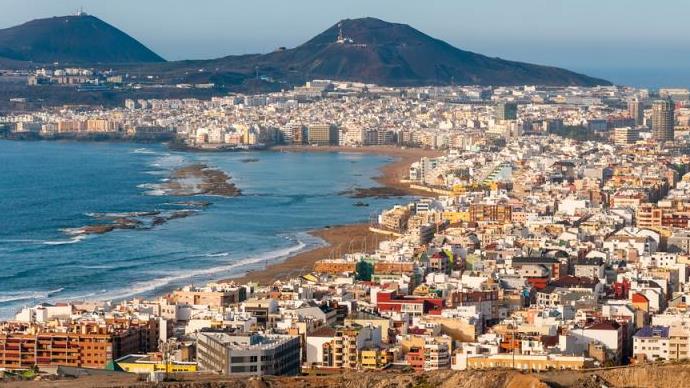
Las Palmas de Gran Canaria greets cruise visitors with one of the most varied island capitals in the Atlantic. Strung along the northeastern tip of Gran Canaria, the city is simultaneously a working port, a cosmopolitan urban centre, and the gateway to some of the Canary Islands' most dramatic scenery. Few cruise destinations pack this much variety into a single port call.
The old quarter of Vegueta is where the city's 15th-century colonial roots are most visible. Cathedral spires, cobblestone plazas, and the Casa de Colón — the mansion where Christopher Columbus reportedly stayed before his first voyage to the Americas — give this neighbourhood a depth that surprises first-time visitors. The vibrant Mercado de Vegueta, open each morning, sells local cheese, Canarian wines, fresh fish, and tropical produce in a space that has functioned as a market for centuries.
Beyond the historic centre, Las Palmas offers a sweep of city life ranging from the designer boutiques and tapas bars of the Triana district to the long stretch of Las Canteras beach, one of the finest urban beaches in Europe. The city's population reflects centuries of Atlantic trade routes — African, Latin American, and Spanish influences blend in the cuisine, the street art, and the rhythms of daily life in ways that are immediately apparent to the observant visitor.
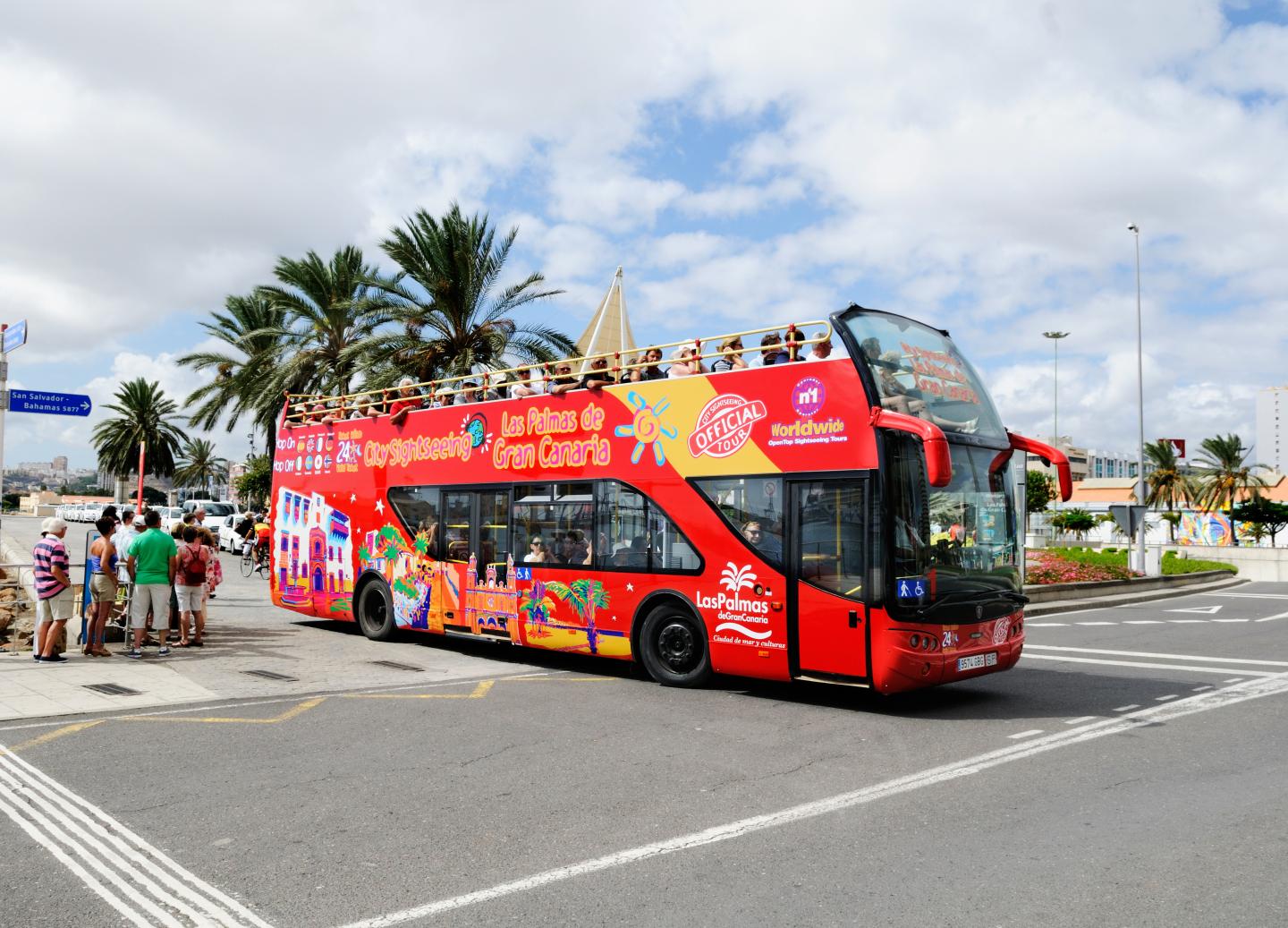
For cruise visitors with limited time ashore, the Hop On Hop Off service provides a practical way to sample the city's highlights without committing to a single route. Those with energy to spare can venture inland, where Gran Canaria's rugged volcanic interior opens into pine forests, ancient crater rims, and traditional villages that feel entirely separate from the coast below — a landscape so different from the city that visitors sometimes struggle to believe they are still on the same island.
Top things to do in Las Palmas, Gran Canaria on a cruise stopover
Las Palmas City Hop On Hop Off Tour
The Hop On Hop Off service is the most flexible introduction to Las Palmas for cruise visitors who want to cover multiple areas without rigid scheduling. The circuit loops past the historic Vegueta quarter, Santa Catalina park, the Triana shopping district, and Las Canteras beach, allowing passengers to disembark at whatever point appeals and rejoin a later bus at their own pace. Commentary along the route provides historical and cultural context, making even the stretches between stops genuinely informative. The service is particularly well-suited to cruise passengers making their first visit to Las Palmas, providing an overview of the city's geography before committing time to any single neighbourhood. Tickets are valid for the day, meaning you can revisit any stop that particularly appealed on the first pass.
Vegueta: Las Palmas' Colonial Old Quarter
Gran Canaria's most historically concentrated neighbourhood occupies the southern end of Las Palmas and rewards visitors willing to pace slowly through its cobblestoned streets. The Cathedral of Santa Ana anchors the main plaza, its twin towers visible from much of the surrounding quarter. The Casa de Colón — reputedly the house where Columbus lodged before departing on his first transatlantic voyage — houses a well-curated museum of exploration history that extends far beyond Columbus himself, tracing five centuries of contact between the Canary Islands and the Americas. Nearby, the CAAM contemporary art museum occupies a restored colonial mansion and offers a striking contrast of old architecture and modern work. The Mercado de Vegueta operates mornings and sells local cheese, Canarian wines, fresh fish, and tropical produce. The neighbourhood has a genuine lived-in quality — an active place of restaurants, schools, and daily commerce rather than a preserved museum district.
Las Canteras: One of Europe's Great Urban Beaches
Few cruise ports put a genuinely world-class beach within easy reach of the ship, but Las Palmas does. Las Canteras stretches for nearly 3 km along the city's western shore, protected by a natural offshore reef called La Barra that keeps the water calm and safe for swimming. The Paseo de Las Canteras promenade runs the full length of the beach, lined with restaurants, cafes, surf shops, and bars that range from family-friendly to lively in the evenings. In the morning hours, the beach fills with local swimmers completing their daily lengths; by midday, it transitions to a more relaxed crowd of sunbathers and visitors. The water temperature rarely drops below 20°C even in the depths of winter, making a genuine swim appealing year-round. The northern end of the beach, around La Cicer, is popular with windsurfers and body boarders where the reef's protection lessens.
Triana: Shopping, Architecture and Street Life
Las Palmas' pedestrianised Triana district serves as the city's commercial and social heart, and it has a character that goes well beyond simple shopping. The Calle Mayor de Triana is lined with a mix of local independents, Spanish fashion brands, jewellery shops, and souvenir stores that cater to the full range of visitor interests. Side streets yield vintage shops, traditional bakeries, and small tapas bars that have operated for decades without apparent change. The Pérez Galdós Theatre, a stunning neo-baroque building named after Gran Canaria's most celebrated writer, is the architectural centrepiece of the neighbourhood. Morning is the most energetic time — the streets fill with locals going about their weekly business, giving the area an authentic character that becomes rarer as the day progresses and more tourists arrive. The transition from Triana into Vegueta is smooth and walkable, making the two natural partners for a half-day exploration.
Gran Canaria's Volcanic Interior
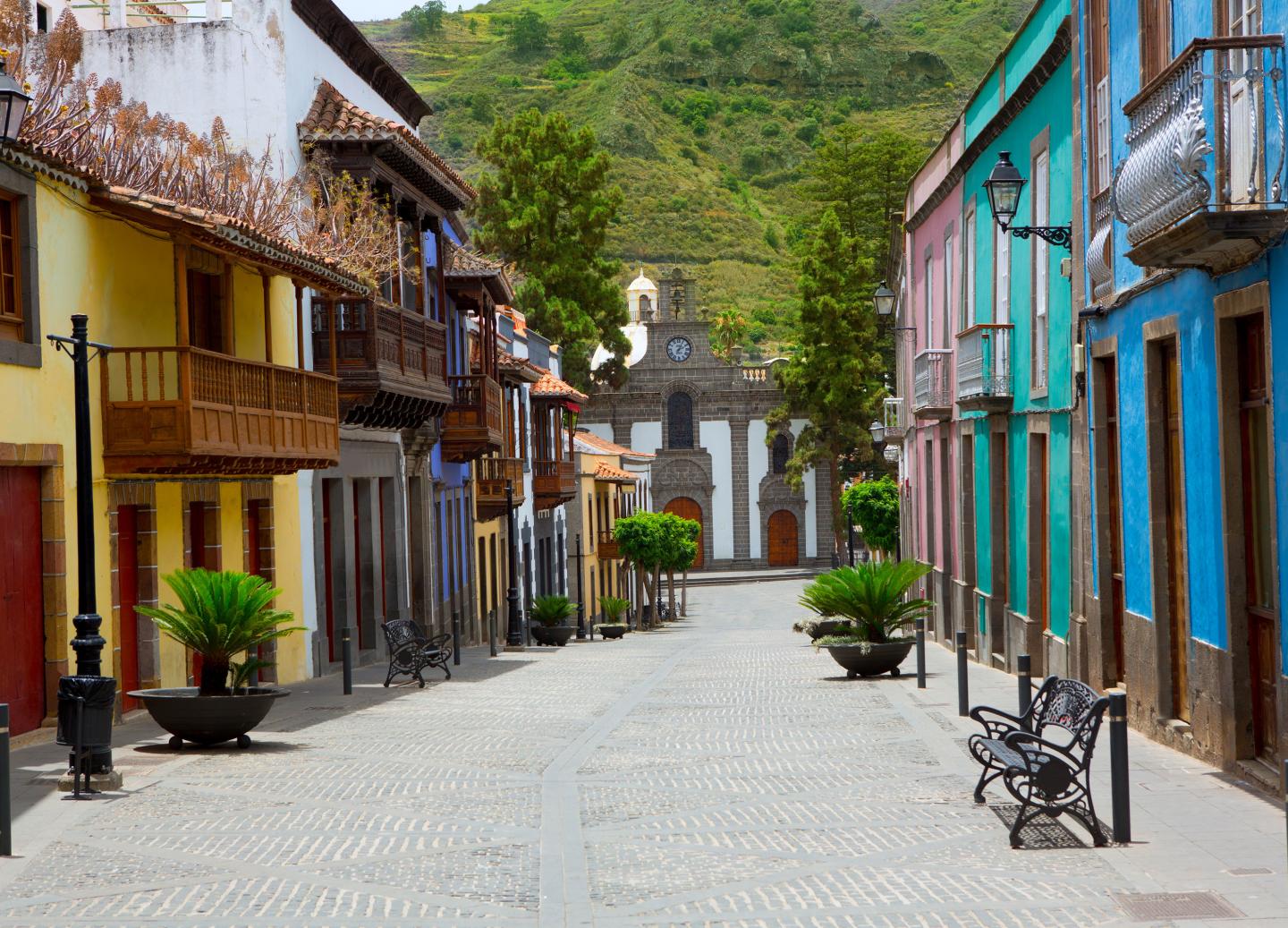
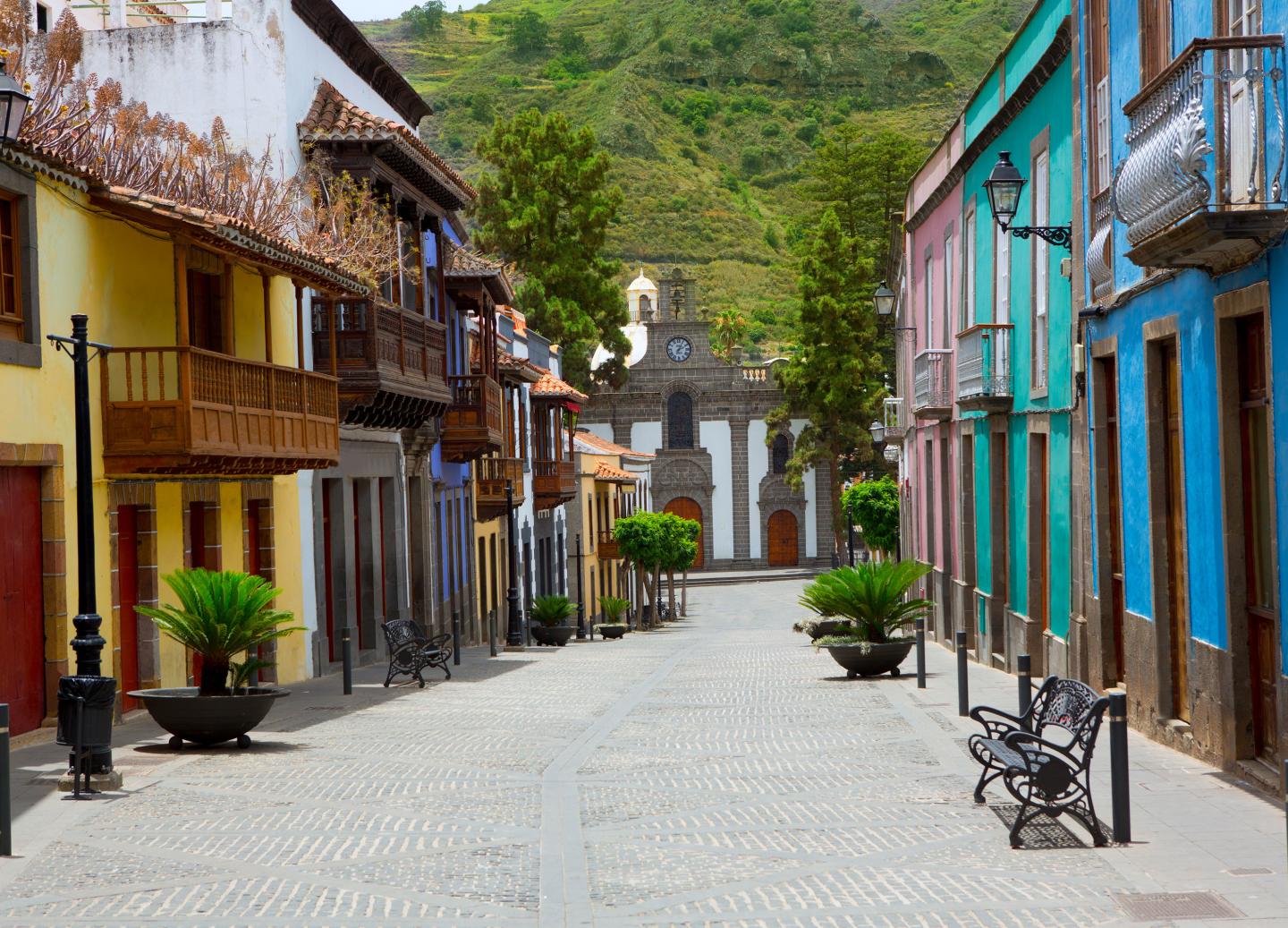
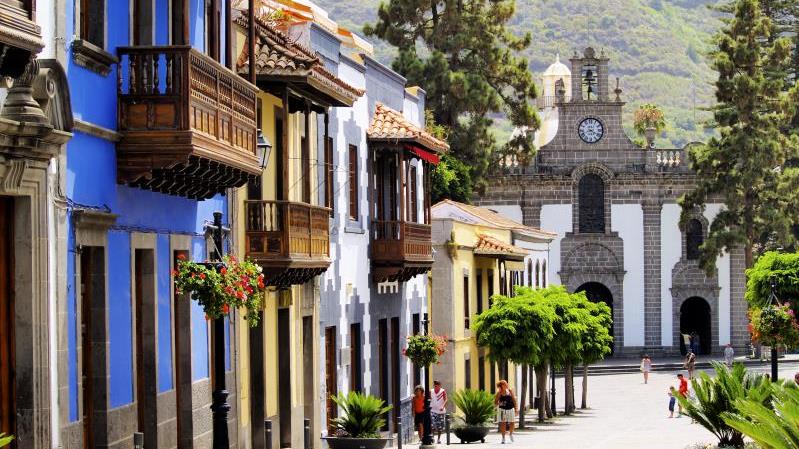
Beyond the coastline, Gran Canaria's interior reveals a landscape that feels astonishingly remote from the busy city below. The Roque Nublo — a 65-metre volcanic basalt monolith sitting atop an 1,813-metre peak — is the island's most iconic natural landmark and was a site of spiritual significance for the island's original Guanche population long before European contact. The surrounding Pinar de Tamadaba, a protected Canary pine forest, offers walking trails with views that extend on clear days to neighbouring Tenerife and La Palma on the horizon. Teror, a heritage village in the highlands, features a 17th-century basilica, colourful wooden-balconied houses, and a renowned Sunday market drawing locals from across the island. The mountain roads that access these areas pass through a succession of microclimates — subtropical coast, terraced banana and avocado farms, cloud forest — that illustrate why Gran Canaria has long been described as a continent in miniature.
Island Discovery: Beaches, Dunes and Villages
Gran Canaria packs extraordinary variety into an island just 50 km across, and a driving or guided tour that threads between different environments provides the most complete sense of its character. The southern dunes of Maspalomas form a genuine mini-Sahara at the island's southern tip — an unexpected landscape of shifting sand ridges that meets the Atlantic at a lighthouse point. The west-coast fishing village of Puerto de Mogán, often nicknamed Little Venice, sits around a small harbour laced with flower-covered bridges and waterways that make it one of the most photogenic spots on the island. Fataga in the interior is a Canarian village of whitewashed houses and palm groves set within a dramatic volcanic ravine. For cruise visitors, a combined tour that links the island's southern coast, its interior valleys, and its traditional villages provides a far richer picture of Gran Canaria than staying in Las Palmas city alone — however appealing the city itself undeniably is.
Las Palmas, Gran Canaria travel tips
Visit Vegueta and the Mercado Early. The old town of Vegueta is at its atmospheric best in the early morning, before tour groups and the midday heat arrive. The Mercado de Vegueta operates mornings only and typically closes around 14:00, so visitors wanting to browse local produce, cheese, Canarian wines, and prepared foods should prioritise arriving there first. The Cathedral plaza is largely empty before 09:30, making for far better photography than later in the day when tour groups gather. Starting the port day in Vegueta and working outward to Triana and then Las Canteras makes natural logistical sense.
Carry Euros — Cards Are Not Universal. While credit and debit cards are accepted in most restaurants and shops in Vegueta and Triana, smaller market stalls, local bars, traditional bakeries, and some tabacs still operate on cash only. The Mercado de Vegueta in particular has individual vendors who do not have card readers. Using an ATM at or near the cruise terminal before setting out is a safer approach than relying entirely on card payments for the day. Contactless payment is widely accepted where cards are taken.
Sun Protection Is Non-Negotiable Year-Round. Gran Canaria sits at roughly the same latitude as the Sahara Desert, and the Atlantic sun is deceptively strong even in winter when air temperatures feel mild and pleasant. Many cruise passengers underestimate the UV intensity because the temperature doesn't feel extreme. High-factor sunscreen (SPF 30 or above), a hat, and sunglasses are practical necessities — particularly if you are spending time at Las Canteras beach or walking exposed highland roads in the interior. Reapplication after swimming is essential.
Head to the Interior Early for Better Conditions. The mountain roads climbing into Gran Canaria's interior become congested with local traffic and tour coaches by midday, particularly at popular viewpoints like Roque Nublo. Visitors who head inland as soon as the port clears — before the morning peak — find clearer roads, better light for photography (the highland morning light is particularly dramatic), and cooler temperatures at altitude. Returning to Las Palmas city for lunch and the afternoon, reversing the typical sequence, results in a significantly better day.
Dress Respectfully in Religious Sites. Vegueta's Cathedral of Santa Ana and other religious sites in the old quarter maintain dress code requirements. Shoulders and knees should be covered when entering — this applies equally in summer and winter. A light scarf, sarong, or compact jacket takes up minimal space in a day bag and prevents the frustration of being turned away at the door after travelling to get there. The rule applies to all visitors regardless of gender and is generally enforced with polite firmness.
Build Generous Time Buffers Before All-Aboard. Las Palmas is a busy port and ship departure schedules can be firm. Factor return journey time carefully based on where you are spending the day. From Las Canteras beach, allow at least 90 minutes to reach the terminal. From the island's southern dune area at Maspalomas, allow a minimum of two hours. From highland villages, two hours or more depending on road conditions and traffic. Missed ship departures in Gran Canaria require flying to the ship's next port at your own expense — generous time buffers are considerably cheaper.
Port Facts Every Cruiser Needs To Know
Las Palmas, Gran Canaria shore excursion FAQs
The Puerto de Las Palmas cruise terminal is approximately 4 km from the historic Vegueta quarter and about 7 km from Las Canteras beach. Taxis queue directly outside the terminal building and the journey to Vegueta takes around 10–15 minutes depending on traffic. Some cruise lines also operate shuttle buses to the city centre during port stays — check with your ship's excursion desk on arrival.
The port to Vegueta walk takes around 40–50 minutes and follows a fairly straightforward coastal and urban route. However, the distance, sun exposure, and heat (particularly in summer) make it impractical for most cruise passengers. The standard approach is to take a taxi or local bus to the old town and then explore Vegueta and Triana on foot — both neighbourhoods are compact and rewarding to walk. Las Canteras beach from Triana is around 20 minutes on foot.
The Las Palmas Hop On Hop Off service runs a circuit covering the major visitor attractions including the Vegueta old town, the port area, Parque Santa Catalina, the Triana shopping district, and Las Canteras beach. Tickets are typically valid for the full day, allowing you to board and disembark at any stop and continue on a later bus. It is one of the most practical options for cruise passengers wanting a structured overview of the city with the flexibility to spend more time at stops that appeal.
Yes — Las Canteras is a genuine swimming beach with calm, protected water, and it is one of the best urban beaches in Europe. It is accessible within around 20–25 minutes of arriving at the port by taxi or local bus. The water temperature stays above 20°C year-round. Facilities including sun lounger hire, changing rooms, showers, and beach bars are available along the promenade. Factor in travel time both ways and allow a comfortable buffer before the ship's all-aboard time.
Triana is the main shopping district, centred around the pedestrianised Calle Mayor de Triana. It offers local boutiques, Spanish fashion brands, jewellery shops, and souvenir stores. For food souvenirs, the Mercado de Vegueta is superior — local cheeses, mojo sauces, Canarian wines, gofio products, and handicrafts are all available. Both areas are conveniently close to each other and can be combined in a single half-day sweep of the city centre.
Maspalomas is approximately 60 km south of Las Palmas, meaning a round trip involves around two hours of travel time alone. While the dunes are genuinely spectacular, visiting independently on a port day is ambitious and leaves limited time once you arrive. It works best as part of an organised tour that handles logistics efficiently. Attempting it independently while allowing sufficient buffer to return to the ship before departure requires careful time management.
Spanish is the official language of Gran Canaria. In tourist areas, hotels, the HOHO bus, and major attractions, English is widely spoken. Away from the main visitor zones — in local markets, traditional restaurants, and smaller highland villages — basic Spanish phrases are genuinely helpful. Staff at the cruise terminal and in Vegueta's main tourist sites generally speak sufficient English to assist visitors. A translation app as a backup is always useful.
Papas arrugadas con mojo is the most iconic dish — small salt-boiled wrinkled potatoes served with green herb sauce (mojo verde) or red chilli sauce (mojo rojo). Gofio, a roasted grain flour, appears throughout local menus in bread, stews, and desserts. Fresh Atlantic tuna in escabeche (lightly pickled) or simply grilled is excellent. Bienmesabe, a traditional Canarian honey and almond cream, is typically served as a dessert or with ice cream. Local wine from the highland vineyards is increasingly respected.
Gran Canaria is generally safe and well-visited by independent travellers of all backgrounds. Las Palmas itself is a large city with the usual urban awareness required — keep valuables secure in busy markets and the Triana shopping streets, and avoid leaving bags unattended at the beach. Pickpocketing can occur in crowded areas. The Vegueta and Triana neighbourhoods are safe for daytime exploration. The island's road network is generally good for those venturing further afield.
For a port stay of four to six hours, focus on Vegueta old town — the Casa de Colón museum, the Cathedral plaza, and the Mercado de Vegueta together offer the most concentrated historic and cultural experience within easy reach. If the weather is good and relaxation takes priority over sightseeing, Las Canteras beach is accessible by local bus and requires nothing beyond knowing your ship's all-aboard time. The Hop On Hop Off bus is a good middle ground if you want to cover multiple areas without committing fully to either the historical or beach option.
Filters
Select a filter to refine results.
Tour Type
Tour Activity
 Cart
Cart
 USD
USD GBP
GBP AUD
AUD EUR
EUR CAD
CAD