



Tours in San Sebastian


Cruising to San Sebastian in a group?
Skip the crowded ship excursion bus. One dedicated planner will design a private shore experience around exactly what your group wants — coordinated from first enquiry to the moment you're back on board. More memorable, more flexible, and more affordable than you might expect. Spend less time organising, more time enjoying.
Explore Group Travel →Cruising to San Sebastian
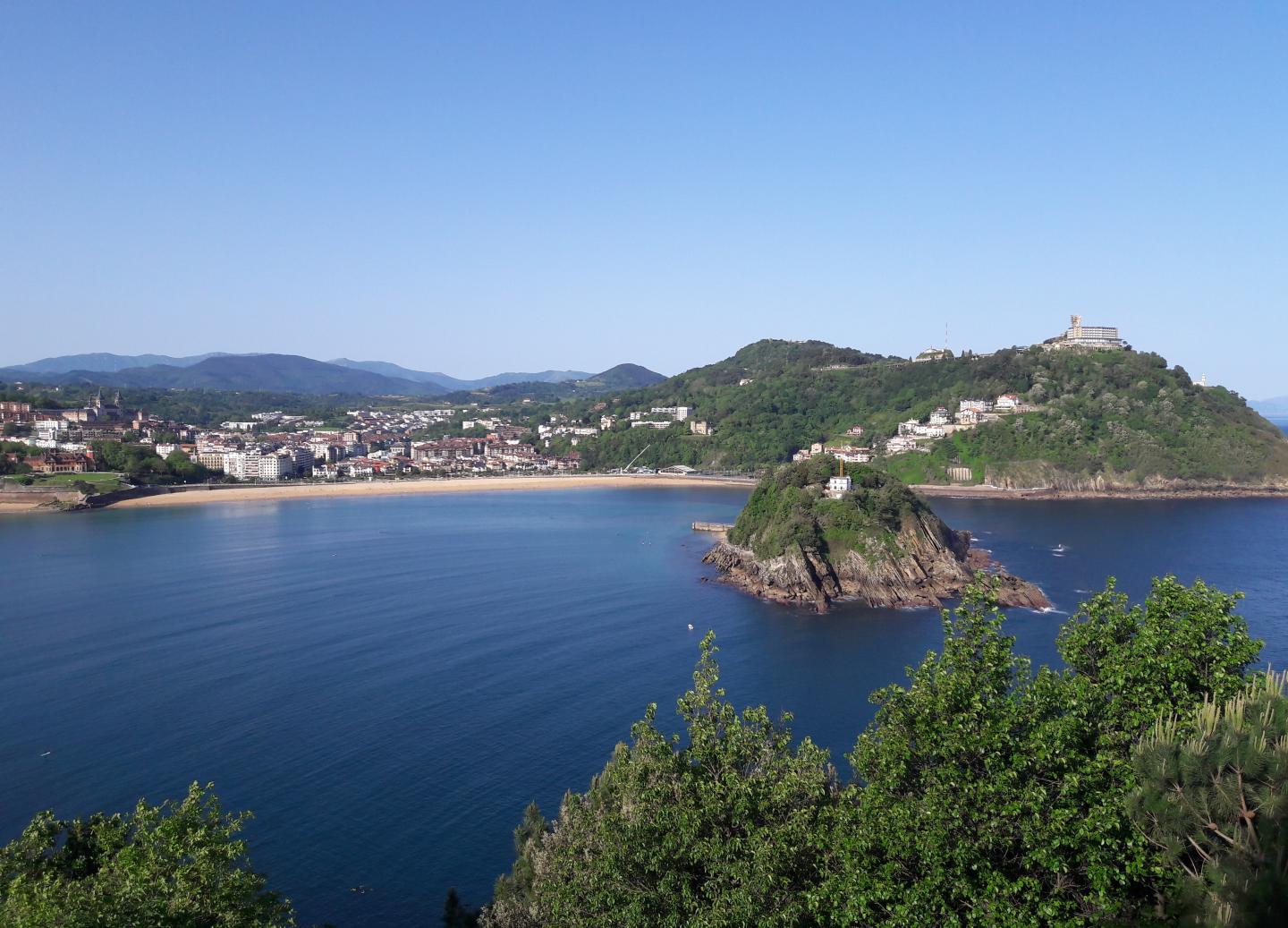
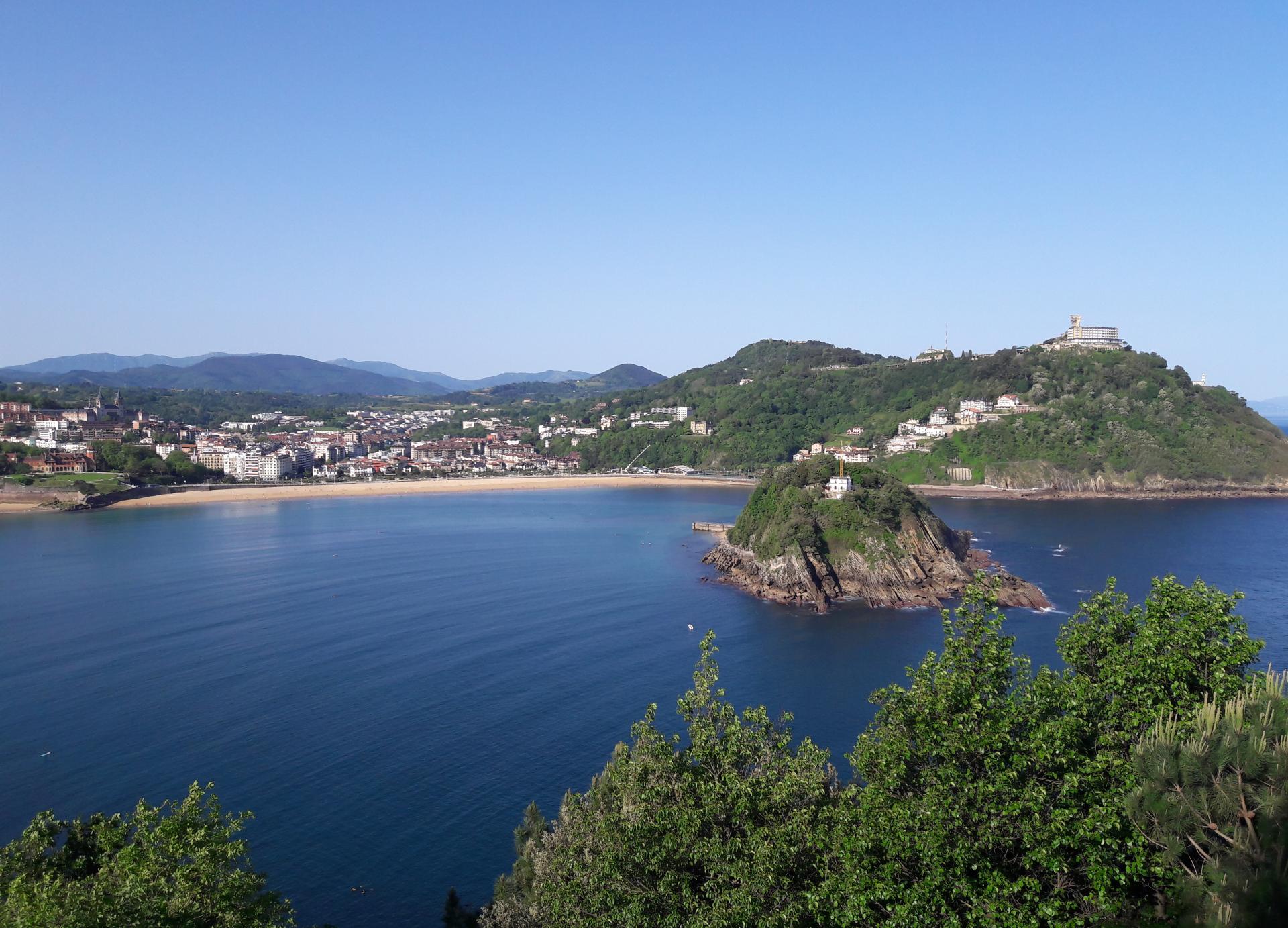
San Sebastian — or Donostia in Basque — occupies one of the most dramatically beautiful urban settings in Europe. Hemmed between the wooded slopes of Monte Urgull and Monte Igueldo, the city opens onto La Concha Bay, whose crescent of pale sand is routinely cited among the finest urban beaches on the continent. The elegant boulevard of the Paseo de la Concha, lined with wrought-iron balustrades and grand hotels from the city's late-nineteenth-century heyday as a Spanish royal retreat, frames this scene with an air of unhurried sophistication.
Yet it is the Parte Vieja — the Old Town — that draws food lovers from every corner of the globe. Packed into a tight grid of streets behind the harbour, this neighbourhood contains more Michelin-starred restaurants per square metre than almost anywhere on earth, alongside dozens of humble bars where counter-tops are crowded with pintxos: the Basque take on tapas, each one a small masterpiece of local produce balanced on a slice of bread. An evening crawl from bar to bar is a civic ritual here, though even a lunchtime tour of the Parte Vieja constitutes a genuine gastronomic education.
Beyond the plate, San Sebastian rewards quiet exploration. The fishing harbour at the foot of Monte Urgull still lands fresh catches each morning. The Belle Epoque casino — now a cultural centre — anchors the waterfront promenade. Surfers ride the Atlantic swells at Zurriola Beach on the far side of the Urumea River, while the funicular to Monte Igueldo delivers panoramic views over the entire bay. The Basque coast stretching east toward the French border is a landscape of dramatic cliffs, ancient farmhouses and green hillsides dotted with cider orchards whose centuries-old traditions remain very much alive.
Cruise passengers arriving at San Sebastian gain access to a city that is both manageable in scale and extraordinary in depth. Whether the priority is culinary immersion, architectural discovery, coastal scenery or simply sitting at a seafront café watching the Atlantic, a day here rarely feels like enough — which is precisely the mark of a great port of call.
Top things to do in San Sebastian on a cruise stopover
La Concha Beach and the Belle Epoque Waterfront
La Concha is not merely a beautiful beach — it is the social centrepiece of the entire city. The perfectly curved bay, sheltered by the wooded headland of Monte Urgull to the east and the funicular hill of Monte Igueldo to the west, creates an almost theatrical natural amphitheatre. The Paseo de la Concha promenade runs along the seafront behind a graceful balustrade, passing the grand Hotel Londres and grand nineteenth-century villas that speak to the city's era as a favourite of the Spanish royal court. Even if you never put a foot in the sand, simply walking this promenade on a clear morning — with the Atlantic glittering below and the city rising behind — is one of the great short walks in Europe.
The Parte Vieja: Old Town Pintxos Culture
The Old Town of San Sebastian, pressed between the harbour and the base of Monte Urgull, is the beating heart of Basque food culture. Narrow streets lined with nineteenth-century apartment buildings open into small plazas, and almost every ground-floor premises is a bar whose counter is laden with pintxos — baroque little constructions of anchovies, jamón, crab, foie gras and roasted peppers perched on bread, secured by a toothpick. The ritual is to drift from bar to bar, selecting a bite here and a glass of local txakoli wine there, taking in the noise, warmth and sociability of a culture that has elevated snacking to a fine art. The Calle 31 de Agosto and the streets around the Plaza de la Constitución are the epicentre of this world.
Monte Urgull: History and Panoramas Above the Harbour
Rising steeply from the Old Town to a height of 123 metres, Monte Urgull is both a natural park and a living history lesson. Forested paths wind upward past old cannon emplacements and the ruins of the Castillo de la Mota, the medieval fortress whose walls once defended the city. At the summit, a large statue of Christ — the Sagrado Corazón — overlooks the entire bay, the harbour, and the ocean. The views from the top take in La Concha, Monte Igueldo, the islands of Santa Clara and, on clear days, the Basque coastline stretching east toward France. The walk up takes about thirty minutes and is entirely free; the descent through the Old Town delivers you directly to the nearest pintxos bar.
Basque Coast Landscapes and the Cider House Tradition
Beyond the city limits, the Basque Country reveals itself as a landscape of extraordinary character: green coastal hillsides dropping to dramatic cliffs, ancient farmhouses called caseríos scattered across the valleys, and orchards of gnarled apple trees that have been producing cider (sagardoa) for centuries. The traditional cider house — or sagardotegia — is a deeply rooted Basque institution, where cider is drunk straight from enormous wooden barrels and the menu is fixed: cod omelette, salt cod with peppers, steak, and local cheese with quince paste and walnuts. Combining a drive along the Basque coast with a cider house visit creates one of the most authentic and satisfying day excursions available from San Sebastian.
Monte Igueldo: Funicular Views Over La Concha Bay
At the western end of La Concha beach, a century-old funicular railway climbs the flanks of Monte Igueldo to a hilltop amusement park that has been delighting visitors since 1912. The ride itself is charming; the views from the top are among the finest in the city. From this height, the full geometry of La Concha Bay reveals itself — the perfect arc of sand, the island of Santa Clara sitting at its centre, the rooftops of the Belle Epoque city climbing the hillside behind the promenade. Photographers and anyone who simply wants to understand San Sebastian's extraordinary geography will find the funicular ascent a worthwhile investment of half an hour.
Basque Culture and Ancient History in the City
San Sebastian sits at the heart of the Basque Country, one of Europe's oldest and most distinct cultures, and the city wears this identity proudly. The San Telmo Museoa, housed in a former Dominican convent in the Old Town, offers a comprehensive journey through Basque history, art and society across multiple floors of beautifully curated galleries. The old fishing harbour — still active, still aromatic with the morning catch — reflects the maritime foundations upon which Basque culture was built. Street art, murals and the Basque language (Euskara, one of Europe's linguistic mysteries, unrelated to any other known language) are visible everywhere, adding layers of cultural texture to what is already a visually compelling city.
San Sebastian travel tips
Time Your Pintxos Crawl for Lunch, Not Dinner. The Parte Vieja's pintxos bars are busiest and best stocked at lunchtime (roughly 13:00–15:00). Many bars replenish their counters mid-morning and the freshest selections disappear quickly in the evening rush. Arriving at 13:00 allows cruise passengers to experience the Old Town at its most vibrant before returning to the ship. A practical strategy: start on Calle Fermín Calbetón, work toward the Plaza de la Constitución, and finish near the harbour — the entire circuit is under one kilometre.
Learn the Pintxos Etiquette. In San Sebastian, pintxos at the bar counter are typically priced between €2 and €4 each and eaten standing. You take what you want from the counter, order a drink, and pay at the end — honesty is the system and it works. Hot pintxos (made to order) are chalked on a board or displayed separately. Asking bar staff 'what is the speciality?' in any language is always welcomed. Tipping is appreciated but not obligatory. Move on after one or two rounds — part of the culture is visiting several bars in an afternoon, not lingering in one.
Bring Sunscreen and Layers. San Sebastian's Atlantic position means weather can change rapidly. Summer mornings often begin overcast before clearing, while even on sunny days a breeze off the water makes the promenade feel cooler than expected. A light jacket for the morning shuttle and the promenade walk is sensible from September through June. If beach time is the plan, sunscreen is essential even on hazy days — the Basque sun can be deceptively strong in July and August, reflected off the bay water and pale sand.
Reserve the Funicular for a Clear-Weather Day. Monte Igueldo's funicular is one of San Sebastian's most enjoyable short excursions, but the panoramic views that justify the climb disappear entirely in cloud or sea mist — conditions that are not uncommon, particularly in the morning. If the bay is clear when you arrive, make the funicular a priority before the weather changes. If low cloud covers the hilltops, invest the time in the Old Town and leave the hilltop for a later visit, or accept the intimate forested atmosphere of the hill itself as the reward.
The Fishing Harbour is Worth a Detour. Between the Old Town and the base of Monte Urgull, the small working fishing harbour retains a genuine character that the tourist-facing streets of the Parte Vieja occasionally lack. Early in the morning, boats return with the night's catch; the fish market at the harbour edge (La Bretxa market, a short walk away) is one of the finest in the Basque Country. Even later in the day, the harbour walls offer excellent views across to the island of Santa Clara and are a quieter alternative to the busy promenade for watching the bay.
Basque Country Roads Require Extra Time. The roads of the Basque Country are scenic but winding, and distances that look manageable on a map can take significantly longer than expected to drive. If your plans include reaching the interior valleys, any coastal headlands east of the city, or a cider house in the hills above the town, allow generous travel time in both directions. Traffic in and around the city can be congested in summer. The mountains that make the Basque Coast so visually dramatic are the same ones that make road travel slow — plan accordingly and do not underestimate the return journey to the port.
Port Facts Every Cruiser Needs To Know
San Sebastian shore excursion FAQs
Most cruise ships call at the Port of Pasajes (Pasaia), located approximately 8 kilometres east of San Sebastian city centre. A shuttle bus typically operates between the port and the city. Some smaller vessels anchor in La Concha Bay and use tender boats to the seafront. Check your ship's specific arrangements before arrival so you can plan travel time accordingly.
Yes, once the shuttle delivers you to the city centre, San Sebastian is an excellent walking city. The Old Town (Parte Vieja), La Concha beach, the fishing harbour, Monte Urgull and the Paseo de la Concha promenade are all within comfortable walking distance of each other. The terrain is largely flat along the waterfront, with steeper paths leading up Monte Urgull. The funicular to Monte Igueldo is at the western end of La Concha beach, a pleasant 20-minute walk from the Old Town.
Pintxos (pronounced 'peen-chos') are the Basque version of tapas — small bites displayed on bar counters, typically resting on a slice of bread and pinned with a toothpick (hence the name, from 'pincho', meaning spike). You select what you want from the counter, order a drink, and pay at the end. Prices are usually between €2 and €4 per piece. Hot pintxos made to order are often chalked on a board. The accepted etiquette is to visit multiple bars in an afternoon rather than staying in one place.
San Sebastian and the surrounding Basque Country have more Michelin stars per capita than almost any other region in the world. The city itself has multiple three-star establishments and a large number of one and two-star restaurants. However, reservations at the top restaurants must be made months in advance and are almost impossible to secure on the day of a cruise call. For cruise visitors, the best strategy is the pintxos bar crawl in the Old Town, which delivers exceptional quality without the need for any reservation.
A sagardotegia (cider house) is a traditional Basque establishment where cider is dispensed directly from enormous wooden barrels into glasses held at waist height — a skill requiring a certain amount of practice. The experience is communal and informal: long wooden tables, a fixed menu of cod omelette, salt cod with peppers, T-bone steak and local cheese, and as much cider as you can manage. The season traditionally runs from January to April, though many sagardotegias operate year-round for visitors. They are typically located in the hills above the city and the valley towns.
La Concha is a sheltered, gently sloping beach with relatively calm waters, making it one of the safer and more pleasant urban beaches in Spain for swimming. The bay's natural protection from the prevailing Atlantic swell means conditions are usually moderate. Water temperatures are cool — typically 18–22°C in summer — reflecting the Atlantic rather than Mediterranean influence. The beach has lifeguard supervision in summer months, changing facilities, and café services along the promenade. Zurriola Beach on the other side of the Urumea River is popular with surfers and has stronger waves.
San Sebastian is bilingual: Spanish (Castilian) and Basque (Euskara) are both official languages and both are used on street signs, menus and official communications. Basque is one of Europe's oldest languages and is unrelated to any other known language — a fascinating linguistic curiosity. In practice, Spanish is the language most visitors will use, and English is widely spoken in tourist areas, restaurants, hotels and cultural sites. A basic 'eskerrik asko' (thank you in Basque) or 'gracias' (Spanish) is always appreciated.
The Guggenheim Bilbao — Frank Gehry's titanium-clad masterpiece — is located in Bilbao, approximately 100 kilometres west of San Sebastian by road (roughly 75 minutes each way under normal traffic conditions). While some visitors do attempt this journey on a cruise day, the travel time significantly reduces your time at the museum itself, and traffic on the approach to Bilbao can add unpredictably to journey times. A dedicated Bilbao excursion from your cruise itinerary, if available, is a more practical way to experience the Guggenheim.
Txakoli (pronounced 'chak-oh-lee') is the local white wine of the Basque Country, produced from grapes grown on steep coastal hillsides. It is lightly sparkling, high in acidity, low in alcohol and intensely refreshing — the ideal accompaniment to pintxos. By tradition it is poured from a height to aerate it and develop its fine natural bubbles. Most bars in San Sebastian pour txakoli by the glass, and it is among the more affordable drinks available. Look for bottles labelled Txakoli de Getaria or Txakoli de Bizkaia on wine lists and in shops.
With limited time, prioritise the Old Town and La Concha beach — they are the essential San Sebastian experience and are adjacent to each other. Walk from the shuttle drop-off into the Parte Vieja, spend an hour navigating the pintxos bars for lunch, then stroll the Paseo de la Concha promenade along the beach. If time permits, the walk up Monte Urgull from the Old Town adds 30–40 minutes and delivers outstanding bay views. This circuit covers the core of what makes San Sebastian special and can be completed comfortably in three to four hours from city arrival to departure.
Filters
Select a filter to refine results.
Tour Type
Tour Activity
 Cart
Cart
 USD
USD GBP
GBP AUD
AUD EUR
EUR CAD
CAD