



Tours in Santa Cruz De Tenerife Canary Islands


Cruising to Santa Cruz De Tenerife Canary Islands in a group?
Skip the crowded ship excursion bus. One dedicated planner will design a private shore experience around exactly what your group wants — coordinated from first enquiry to the moment you're back on board. More memorable, more flexible, and more affordable than you might expect. Spend less time organising, more time enjoying.
Explore Group Travel →Cruising to Santa Cruz De Tenerife Canary Islands
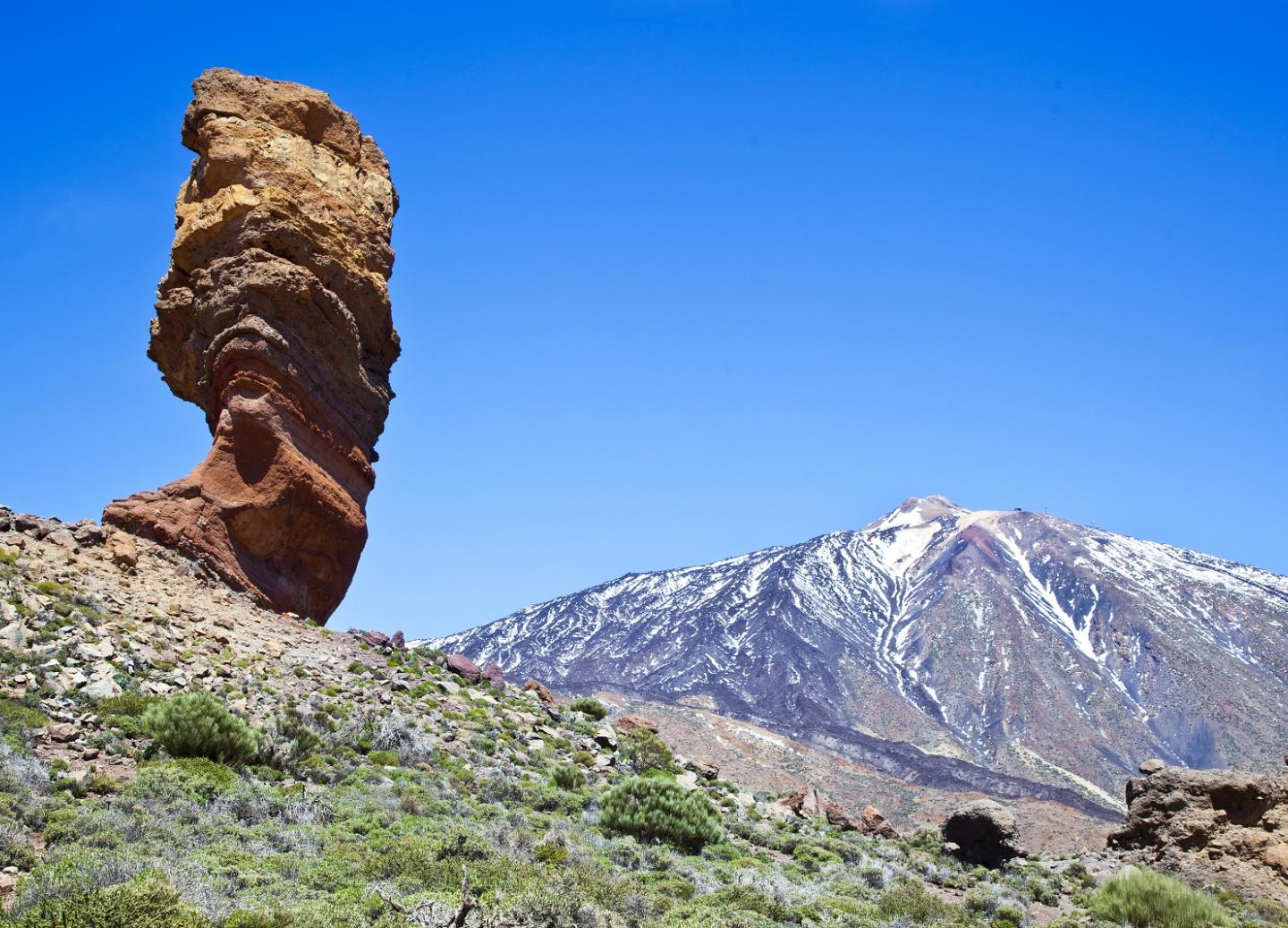
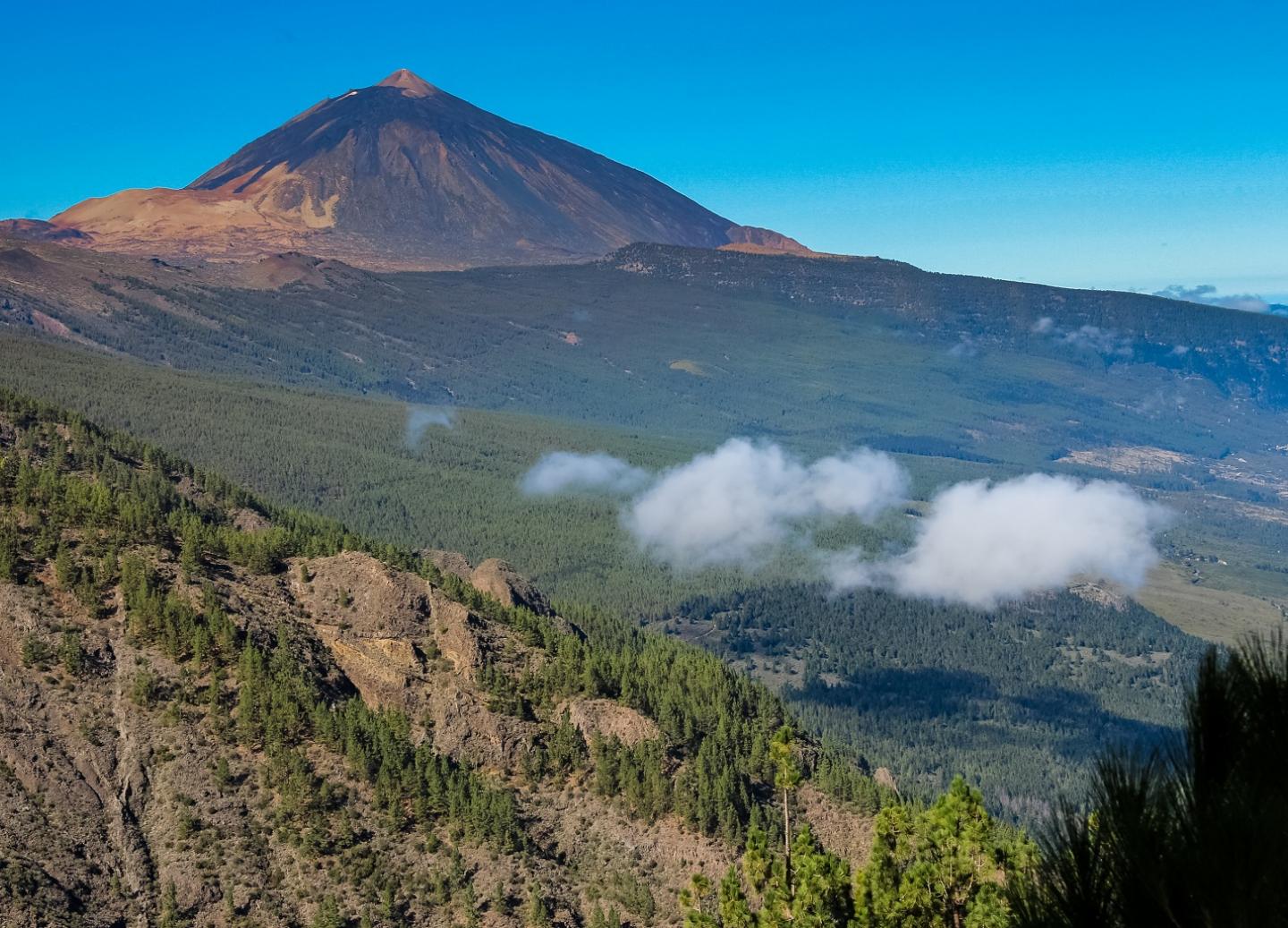
Santa Cruz de Tenerife, the island capital and one of the two co-capitals of the Canary Islands, sits at the foot of a remarkable volcanic landscape extending inland to Mount Teide — at 3,718 metres, the highest peak in Spain and the third-tallest volcanic structure on earth when measured from its ocean floor base. The city itself is an engaging blend of Canarian colonial heritage and 21st-century confidence: the Calatrava-designed Auditorio de Tenerife arches dramatically over the waterfront, the Rambla del General Franco offers a shaded promenade beneath subtropical trees, and a lively city centre rewards those who venture beyond the port perimeter. Cruise ships dock close to the heart of the city, placing urban Tenerife immediately accessible on foot from the gangway.
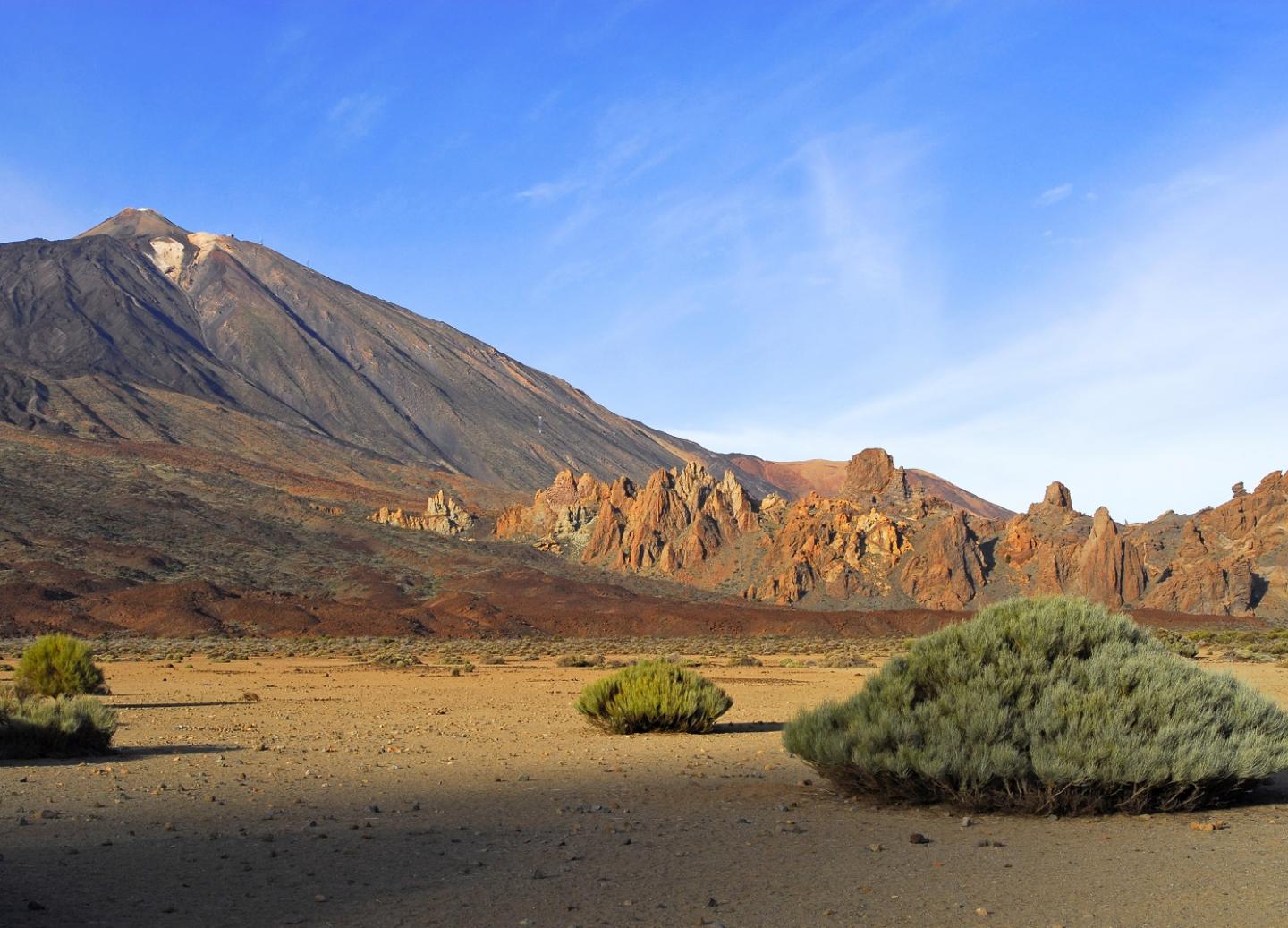
The island's volcanic origins are unmistakable even from sea level, where Teide's cone — snow-dusted in winter — dominates the inland skyline. The Parque Nacional del Teide, a UNESCO World Heritage Site, surrounds the volcano with an otherworldly landscape of ancient lava fields, distinctive rock formations, and endemic plant species that draw visitors from across the world. Reaching the national park requires roughly one hour by road from the port through increasingly dramatic mountain terrain, and the experience of standing within a volcanic landscape at such altitude is unlike anything else accessible from a European cruise port.
An equally compelling destination lies just 20 minutes away: San Cristóbal de La Laguna, a UNESCO World Heritage City whose compact colonial centre remains one of the finest preserved examples of an unfortified Spanish colonial town. Established in 1496 as Tenerife's first capital, La Laguna provided the urban planning template for cities across the Americas. Its grid of Renaissance churches, aristocratic mansions, and convents represents a pivotal chapter in the history of Spanish colonial urbanism, while its role as a university city gives the streets a contemporary energy that sits comfortably alongside the architecture.
For cruise passengers, Tenerife offers a genuine choice of compelling shore-day options — from volcanic summit experiences to UNESCO heritage walking, subtropical gardens, and urban Canarian culture. The range of possibilities, combined with the island's efficient road network and the proximity of major destinations to the port, makes this one of the most rewarding and versatile stops on a Canary Islands itinerary.
Top things to do in Santa Cruz De Tenerife Canary Islands on a cruise stopover
Mount Teide and Teide National Park
Spain's highest peak and the centrepiece of a UNESCO World Heritage Site, Mount Teide rises to 3,718 metres from the centre of Tenerife in a landscape that feels genuinely alien. The Parque Nacional del Teide surrounds the volcano with an expanse of volcanic rock formations, ancient lava flows, and endemic species found nowhere else on earth — a setting that inspired Charles Darwin and continues to astonish first-time visitors. The drive up through the park is itself a spectacle, as vegetation gives way to increasingly otherworldly terrain and the scale of past eruptions becomes impossible to ignore. From the cable car base station, a gondola ascends to within 163 metres of the summit, offering views across the island and, on clear days, to La Gomera, La Palma, and El Hierro on the horizon. The park is one of the most visited natural sites in Europe and remains the single most dramatic natural experience accessible from the port.
San Cristóbal de La Laguna — UNESCO World Heritage City
Founded in 1496 as the first capital of Tenerife, San Cristóbal de La Laguna became the architectural template for Spanish colonial urban planning across the Americas. The compact historic centre, inscribed as a UNESCO World Heritage Site in 1999, preserves an exceptional concentration of Renaissance and Baroque architecture: grand aristocratic mansions, richly ornamented churches, and convents lining a street grid that directly influenced cities from Havana to Lima. Today La Laguna functions as Tenerife's university town, and the combination of historic architecture and student-city energy gives the centre a liveliness that makes it as enjoyable to simply walk through as it is to study. The Cathedral, the Church of La Concepción, and the Bishop's Palace are the principal monuments, but the real reward is the overall atmosphere of the streets themselves.
Los Jardines de La Orotava
The town of La Orotava, set in the fertile north-facing valley below the Teide massif, contains some of the most celebrated formal gardens in the Canary Islands. The Casa de los Balcones — a 17th-century Canarian townhouse whose facade of intricately carved timber balconies is among the most photographed images in the archipelago — anchors a compact historic centre that showcases the Canarian baroque architectural tradition at its most refined. The setting is remarkable: La Orotava occupies a valley where the subtropical climate produces extraordinary year-round vegetation, with Mount Teide visible above the rooftops on clear days. The town is typically combined with a La Laguna visit or incorporated into a Teide excursion, as the road between them passes through some of Tenerife's most scenic mountain terrain.
Santa Cruz City — Auditorio, Rambla and Mercado de África
Santa Cruz de Tenerife's own urban character is often underestimated by visitors focused on the island's interior. The Auditorio de Tenerife, Santiago Calatrava's striking wave-form concert hall overlooking the harbour, is one of the most architecturally significant buildings in the Canary Islands. The Rambla del General Franco — a wide shaded boulevard through the heart of the city — connects parks, cafés, and residential streets in a setting that feels genuinely Canarian. The Mercado de Nuestra Señora de África, the city's grand covered market, is one of the finest in the archipelago: an internal courtyard alive with flower stalls, fresh tropical produce, and a deeply local atmosphere that reveals the everyday life of the city far more honestly than any tourist attraction.
Anaga Rural Park — Ancient Laurel Forest
At the northeastern tip of Tenerife, the Anaga Rural Park preserves one of the oldest and most biologically diverse ecosystems in the Macaronesian region: an ancient laurisilva laurel forest that has survived here since the Tertiary era, when such forests covered much of southern Europe and North Africa. The dramatically eroded ridges and deep ravines of the Anaga massif, rising to over 1,000 metres, create a landscape of exceptional scenic and scientific value. Traditional villages connected by ancient paths still dot the most remote ravines, and the park holds UNESCO Biosphere Reserve status in recognition of its extraordinary biodiversity. For visitors with a full day ashore and a particular interest in natural history, Anaga represents a profoundly different face of Tenerife from the volcanic plateau of Teide.
Canarian Gastronomy and Island Wine Culture
Tenerife's food culture is rooted in the same Canarian staples found across the archipelago — papas arrugadas with mojo, fresh Atlantic fish, local cheeses — but the island adds depth through its size, agricultural diversity, and serious wine production. Gofio, a roasted grain flour with pre-Hispanic origins, appears in everything from bread to desserts and is a defining ingredient of traditional Canarian cooking that distinguishes the islands from mainland Spanish cuisine. The Mercado de Nuestra Señora de África in Santa Cruz is the best place to explore local produce, tropical fruits, and prepared foods in an authentic market setting. Local wines from the island's volcanic-soil vineyards — particularly from the Tacoronte-Acentejo and Valle de la Orotava designations — are among the most distinctive wines produced anywhere in the Atlantic island zone.
Santa Cruz De Tenerife Canary Islands travel tips
Dress for Teide's Altitude. Even on a warm day at sea level, the Teide national park plateau sits at around 2,200 metres and the cable car upper station at 3,555 metres, where temperatures can be 10–15°C cooler and wind is often strong. Bring a warm layer and a windproof jacket, and wear closed shoes regardless of the weather at the port. Sunscreen is essential at altitude even under cloud cover, as UV exposure is significantly higher than at sea level.
Arrange Teide Cable Car Access in Advance. The Teleférico del Teide cable car operates on a timed-entry system and regularly reaches capacity, particularly during peak season. Booking through the official Teide National Park website ahead of your visit is strongly recommended to avoid arriving at the base station without a confirmed slot. Note that access to the summit crater zone above the cable car's upper station requires a separate free permit obtainable in advance from the national park authority's online system.
Use the Tranvía for La Laguna. The Tranvía de Tenerife tram connects Santa Cruz with La Laguna in approximately 30 minutes with frequent departures throughout the day, making it the most practical and affordable way to reach the UNESCO city independently. The tram is clean, reliable, and stops within easy walking distance of the historic centre. Single tickets are available at station machines near the port. It is the one public transport option in Tenerife that genuinely works well within cruise timings.
Visit the Mercado de África Before Noon. The Mercado de Nuestra Señora de África, a short walk from the port, is one of the finest covered markets in the Canary Islands and a destination in its own right for food lovers. The ground floor operates as a traditional food market with fresh fish, tropical fruits, flowers, and local produce; the upper galleries house prepared food stalls and small bars. Arrive before noon for the full experience, as many stalls begin closing in the early afternoon.
Reserve Time for the City Itself. Santa Cruz is often treated as a transfer hub for the island's interior, but the city has genuine character worth discovering on its own terms. The Calatrava Auditorio, the Rambla del General Franco, the Parque García Sanabria, and the area around the Plaza de España all reward an hour or two of unhurried exploration. Visitors returning from Teide or La Laguna in the early afternoon have time to walk the city before reboarding.
Try Gofio at Least Once. Gofio — roasted grain flour with pre-Hispanic roots — is one of the most distinctive elements of Canarian cuisine and is rarely encountered outside the islands. It appears in various forms: as an ingredient in soups and stews, pressed into a dense loaf (gofio amasado), or mixed into traditional desserts. Many restaurants in Santa Cruz serve it as a side or in heritage preparations. Trying it at least once provides genuine insight into the food culture of the Canary Islands beyond the better-known papas arrugadas.
Port Facts Every Cruiser Needs To Know
Santa Cruz De Tenerife Canary Islands shore excursion FAQs
The cruise port is located in the heart of Santa Cruz de Tenerife, with the city centre and waterfront promenade within a ten-to-fifteen minute walk of the gangway. The Auditorio de Tenerife, the Rambla del General Franco, and the Mercado de África are all reachable on foot without any transport.
The drive from Santa Cruz de Tenerife to the Teide National Park plateau takes approximately one hour by road. The journey climbs from sea level through several distinct vegetation zones before reaching the volcanic plateau at around 2,200 metres. The cable car base station is a further short drive within the park itself.
Access to the Teide crater viewing area above the cable car upper station (above 3,555 metres) requires a free permit obtained in advance from the national park authority's online booking system. Without a permit, visitors can still take the cable car and enjoy panoramic views from the upper station. The national park plateau at lower altitude is freely accessible without any permit.
San Cristóbal de La Laguna was the first capital of Tenerife, founded in 1496. Its historic centre was inscribed as a UNESCO World Heritage Site in 1999 because it represents one of the finest preserved examples of an unfortified Spanish colonial town, whose street grid served as a direct planning model for numerous cities across Spanish colonial America. The centre preserves an exceptional concentration of Renaissance and Baroque architecture.
The Tranvía de Tenerife tram connects Santa Cruz with La Laguna in approximately 30 minutes. The tram stop is a short walk from the port. Tickets are available at station machines and the service runs frequently throughout the day. The tram stops near the edge of La Laguna's historic centre, from which all main sights are easily walkable.
English is more widely spoken in Tenerife than in many other Canary Islands ports, particularly in tourist-facing businesses, the city centre, and national park facilities. Spanish remains the primary language, and basic Spanish phrases are helpful, particularly when using public transport or visiting local markets and neighbourhood restaurants.
Tenerife uses the euro as part of Spain and the European Union. Card payment is accepted in the vast majority of restaurants, shops, and tourist sites in and around Santa Cruz. Cash is useful for the Mercado de África, smaller local cafés, and incidental purchases. ATMs are widely available near the port and throughout the city centre.
Combining Teide and La Laguna in a single day is possible but requires an early start and efficient timing. Teide alone warrants a minimum of four to five hours including travel time. A half-day at Teide followed by a brief visit to La Laguna is a workable itinerary for an eight-to-ten-hour shore day, but leaves limited time for spontaneous exploration at either destination.
Santa Cruz enjoys a warm climate year-round, with temperatures typically between 18°C and 28°C at sea level. The north of the island, including La Laguna, tends to be cloudier and slightly cooler than the south. At Teide's altitude, temperatures are significantly lower and wind is common regardless of season. Snow occasionally dusts the summit in winter, though the national park remains accessible.
The Carnival of Santa Cruz de Tenerife is one of the largest and most celebrated carnivals in the world, frequently compared in scale and spectacle to the Rio de Janeiro carnival. Held annually in February or March, it fills the city with elaborate costumes, street performances, music, and dancing over several weeks. While cruise passengers will only encounter it during carnival season, the city's festive identity and pride in this tradition are evident throughout the year.
Filters
Select a filter to refine results.
Tour Type
Tour Activity
 Cart
Cart
 USD
USD GBP
GBP AUD
AUD EUR
EUR CAD
CAD