



Tours in Alexandria


Cruising to Alexandria in a group?
Skip the crowded ship excursion bus. One dedicated planner will design a private shore experience around exactly what your group wants — coordinated from first enquiry to the moment you're back on board. More memorable, more flexible, and more affordable than you might expect. Spend less time organising, more time enjoying.
Explore Group Travel →Cruising to Alexandria
Alexandria greets cruise ships with a long, crescent-shaped harbour, a seafront corniche, and the layered history of a city founded by Alexander the Great in 331 BC. For most cruise visitors, however, Alexandria serves a singular purpose: it is the gateway to Cairo and the Pyramids of Giza, among the most awe-inspiring sites on earth. The drive from port to the Giza Plateau takes roughly two and a half to three hours each way — a commitment that makes the day long and the timeline unforgiving. Those who make the journey stand before monuments that have outlasted every empire built since their construction, and visit a Grand Egyptian Museum whose collection of Tutankhamun's treasures is without parallel anywhere in the world. Alexandria itself rewards those who stay — its Roman catacombs, the striking modern Bibliotheca Alexandrina built over the ancient library, and the old Greek and Mediterranean neighbourhoods tell a different, quieter story of Egypt's extraordinary depth.
Top things to do in Alexandria on a cruise stopover
The Pyramids of Giza
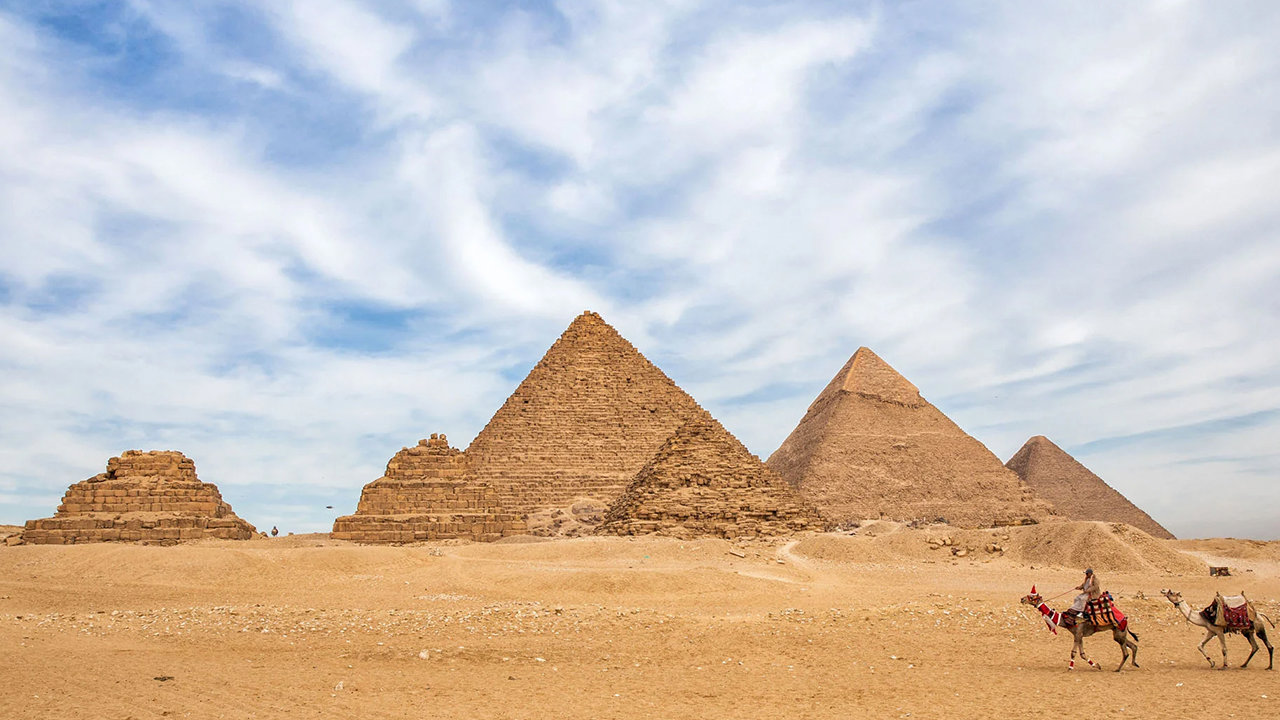
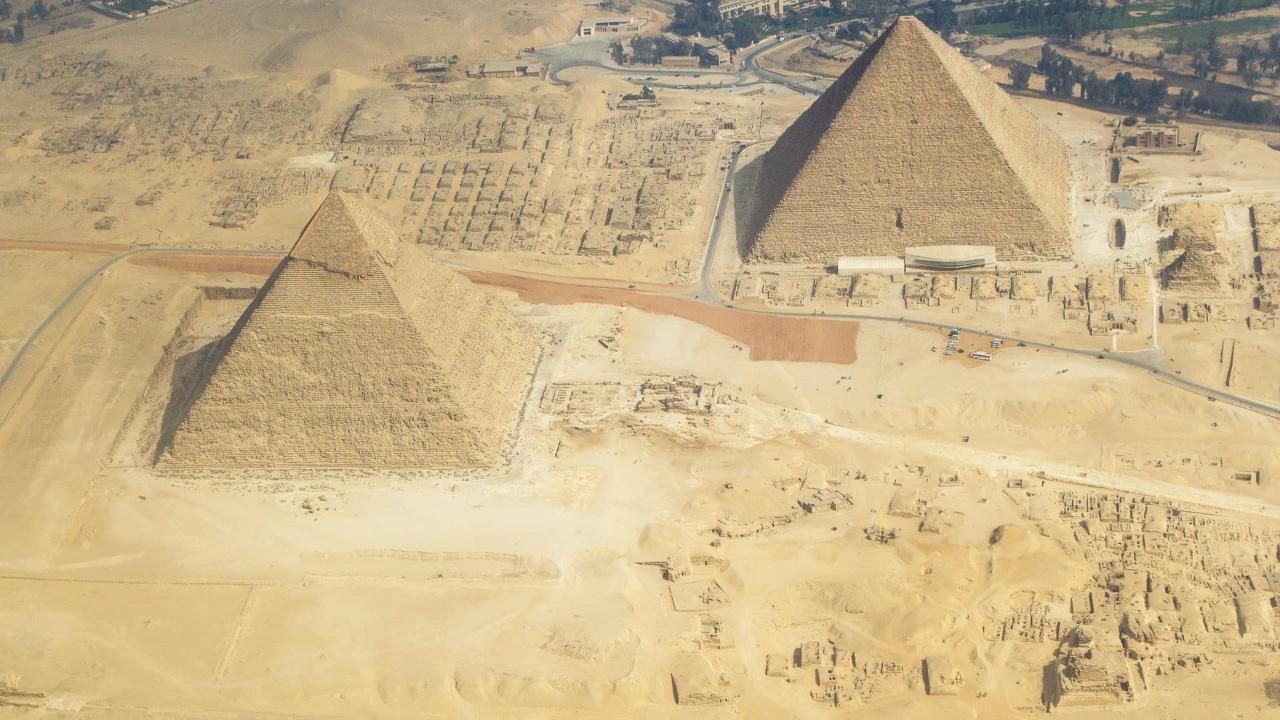
Three of the original Seven Wonders of the Ancient World survive intact, and they have lost none of their power to astonish. The Great Pyramid of Khufu, the Pyramid of Khafre, and the Pyramid of Menkaure have stood on this plateau for more than 4,500 years. Standing at their base — confronted by a scale impossible to prepare for — is one of travel's genuinely transcendent experiences, and the primary reason cruise visitors make the three-hour drive from Alexandria.
The Great Sphinx
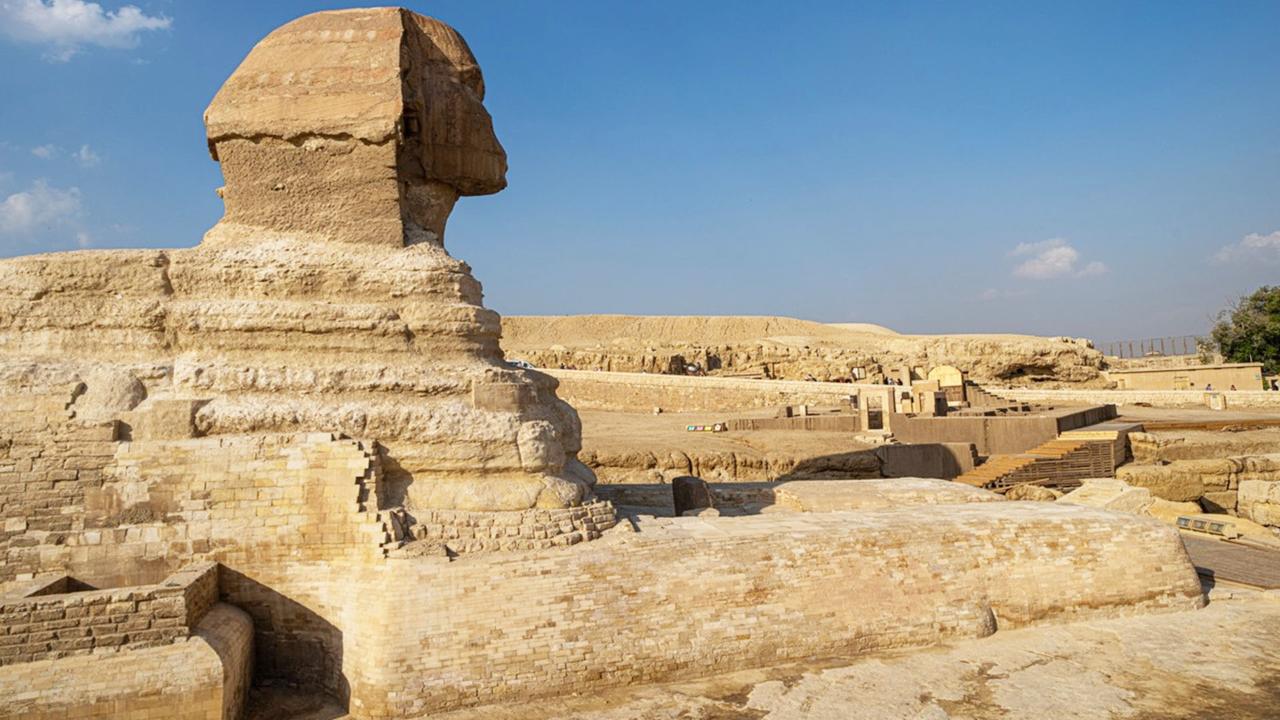
Carved from a single limestone outcrop and stretching 73 metres in length, the Sphinx is the silent guardian of the Giza Plateau. Its true age remains a subject of genuine debate among Egyptologists. The site is most dramatically experienced in the late morning before peak crowds arrive, with the pyramids rising directly behind it in a composition that photographs have never quite managed to do justice.
Grand Egyptian Museum
Opened adjacent to the Giza Plateau, the Grand Egyptian Museum is among the largest archaeological museums in the world and houses the most complete collection of Tutankhamun's treasures ever assembled — approximately 5,000 artefacts, many displayed for the first time. The building itself is a remarkable work of architecture. A full day at Giza now almost demands at least a partial visit.
Cairo City Highlights
Cruise excursions combining Giza with Cairo city highlights typically include the medieval Islamic quarter and the Khan el-Khalili bazaar — one of the Middle East's great covered markets, where spice merchants, gold traders, and coffee houses have operated for centuries. The sensory experience of Cairo's streets, with 22 million people layered across thousands of years of urban history, is unlike anywhere else on earth.
Private Full-Day Pyramids Tour
A private full-day excursion from Alexandria to Giza gives cruise passengers flexibility that group tours cannot match: the ability to linger at the Sphinx at a quieter moment, to enter a pyramid if that is a priority, and to stop for a proper lunch rather than rushing between sites. Private guides with deep archaeological knowledge transform individual monuments into a coherent, living narrative.
Alexandria's Own Antiquity
For visitors who choose to remain in Alexandria rather than make the Cairo run, the city offers its own remarkable heritage. The Catacombs of Kom el-Shoqafa descend through three levels of Roman-Egyptian burial chambers — some of the finest funerary art of the ancient world. The Bibliotheca Alexandrina stands over the ancient library's site. The Citadel of Qaitbay marks where the ancient Lighthouse of Alexandria once stood.
Alexandria travel tips
Depart Early — This Cannot Be Overstated. A Giza excursion from Alexandria is a 5–6 hour round trip by road before a single monument is visited. Excursion coaches typically depart at 7:00am or earlier. Arriving late to the pier means missing the coach and losing the entire day. Set multiple alarms, have breakfast aboard before departure, and be at the gangway ahead of the scheduled time.
Sun and Heat Protection at Giza. The Giza Plateau is fully exposed desert with no shade between the monuments. A hat, high-SPF sunscreen, and a minimum of two litres of water per person are necessities rather than suggestions. Even in winter months, the midday sun on open sand is intense. Light, long-sleeved clothing also helps manage heat and sun exposure simultaneously.
Be Prepared for Persistent Vendors. The areas around the Pyramids and Sphinx have a high concentration of vendors, souvenir sellers, and camel-ride operators who approach tourists persistently. A polite but firm 'La, shukran' (No, thank you) is universally understood. Prolonged engagement — even repeated refusals — tends to extend rather than end the interaction. Keep moving.
Carry Small-Denomination Local Currency. Entry fees, restroom access, tips (baksheesh), and local purchases all work in cash. Large banknotes are frequently difficult to change at site entrances and small stalls. Having a supply of small EGP notes avoids overpaying for minor services and makes transactions with vendors significantly smoother.
The Grand Egyptian Museum Requires Dedicated Time. The GEM's Tutankhamun galleries alone can absorb 90 minutes to two hours for a thorough visit. If your excursion includes both the plateau and the museum, decide in advance where your priority lies — maximum time among the pyramids outdoors, or maximum time with the world's greatest collection of ancient Egyptian artefacts inside.
Stay with Your Organised Excursion Group. On a port day, your ship will not hold past its scheduled departure for individuals caught in Cairo traffic. The only reliable guarantee of returning on time is staying with an organised excursion — operators know current road conditions, carry local contacts, and schedule around the ship's departure. Independent travellers to Cairo from Alexandria should build in a minimum 90-minute buffer before the ship's all-aboard time.
Port Facts Every Cruiser Needs To Know
Alexandria shore excursion FAQs
The Giza Plateau is approximately 225 km (140 miles) from Alexandria's cruise port — a drive of roughly 2.5 to 3 hours under normal traffic conditions. Cairo's ring road traffic can add 30–60 minutes in either direction. The round trip is 5–6 hours of travel time alone, making early departure from port non-negotiable.
For most visitors, yes — unreservedly. The Pyramids of Giza are among the most extraordinary sites on earth, and the Grand Egyptian Museum is a once-in-a-generation addition to the region's offerings. The day is long and tiring, but virtually everyone who makes the journey considers it among the most memorable of any cruise port. Those with mobility concerns or who prefer a less demanding day may find Alexandria itself equally rewarding.
Technically yes, but it is logistically challenging on a cruise port day. The distance requires transport that is difficult to arrange ad hoc, traffic is unpredictable, and the timeline offers no margin for error. Organised excursions manage the logistics, carry local contacts, and are calibrated to your ship's departure time. Independent arrangements require careful advance planning and a substantial time buffer.
Opened in phases from 2023, the Grand Egyptian Museum sits adjacent to the Giza Plateau and is the world's largest archaeological museum dedicated to a single civilisation. Its centrepiece is the complete Tutankhamun collection — approximately 5,000 artefacts, many never previously displayed — housed in a gallery purpose-built for them. The building's architecture, with its translucent stone facade, is itself remarkable.
Most nationalities require a visa to enter Egypt. Many countries are eligible for a visa on arrival at the port, obtained for a fee payable in USD or EUR. Others must obtain a visa in advance through an Egyptian embassy or the official e-visa portal. Check the requirements for your specific nationality well before your cruise departs, as this varies significantly by passport.
Alexandria has genuine attractions of its own — the Catacombs of Kom el-Shoqafa, the Bibliotheca Alexandrina, the Citadel of Qaitbay, and the old European-era architecture of the corniche. For travellers who have already visited Cairo and Giza, or those who want a less exhausting port day, an Alexandria-focused itinerary can be deeply satisfying. The city's Greco-Roman heritage is underrated and far less crowded than the Giza sites.
Comfortable, lightweight clothing that covers shoulders and knees is recommended for sun protection and cultural respect. Closed-toe, flat shoes are essential — the terrain at Giza is uneven stone and compacted sand. A light scarf or shawl is useful as additional sun protection and is appreciated when visiting any mosques or religious sites encountered en route through Cairo.
Yes. Entry into the Great Pyramid and several others is available for an additional ticket fee above the standard site admission. The interior passages are narrow, low-ceilinged, and warm — a genuinely memorable experience for the historically curious, but not suitable for those with claustrophobia or significant mobility limitations. Queues can be long during peak visitor periods.
Egypt's major tourist sites, including Giza, are heavily policed and are considered safe for international visitors. The Egyptian government prioritises security at all significant archaeological sites, and millions of tourists visit without incident each year. Standard precautions apply: keep valuables secure, stay with your group, and follow your guide's advice about areas to avoid.
If a ship-organised excursion returns late due to circumstances beyond your control — traffic, road incidents — the cruise line generally holds the ship or arranges for you to join the vessel at the next port at their expense. For independently arranged excursions, you bear full responsibility for missed departures. Always carry the port agent's contact number, your travel insurance details, and enough local currency to cover an emergency night ashore if needed.
Filters
Select a filter to refine results.
Tour Type
Tour Activity
 Cart
Cart
 USD
USD GBP
GBP AUD
AUD EUR
EUR CAD
CAD