



Tours in Casablanca


Cruising to Casablanca in a group?
Skip the crowded ship excursion bus. One dedicated planner will design a private shore experience around exactly what your group wants — coordinated from first enquiry to the moment you're back on board. More memorable, more flexible, and more affordable than you might expect. Spend less time organising, more time enjoying.
Explore Group Travel →Cruising to Casablanca
Casablanca sits on Morocco's Atlantic coast as the country's commercial capital, a city that wears its contradictions proudly: French Art Deco boulevards running parallel to winding medina alleyways, ultramodern trams gliding past century-old mosques, and espresso bars sharing walls with traditional hammams. For cruise visitors, the port is a genuine gateway — not just to the city itself, but to a remarkable sweep of Morocco. A panoramic city tour can fill a half-day with easy grace; the capital Rabat lies less than an hour north by train; and for those willing to embrace a longer journey, the imperial city of Marrakesh waits with its labyrinthine souks and rose-tinted palaces. Jewish heritage sites, royal architecture, and one of the most spectacular mosques on earth round out a destination that rewards every level of curiosity and ambition. Whether your interest runs to grand Islamic monuments, French colonial streetscapes, or a full-day immersion in a city that has captivated travelers for centuries, Casablanca makes an extraordinary starting point.
Top things to do in Casablanca on a cruise stopover
The Hassan II Mosque
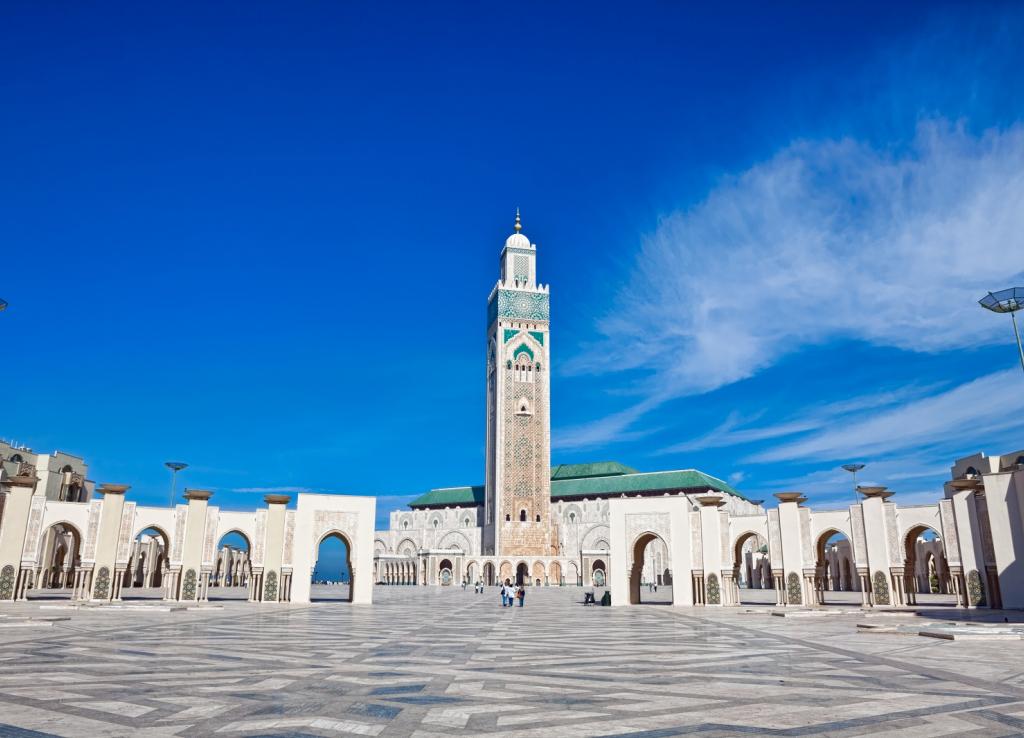
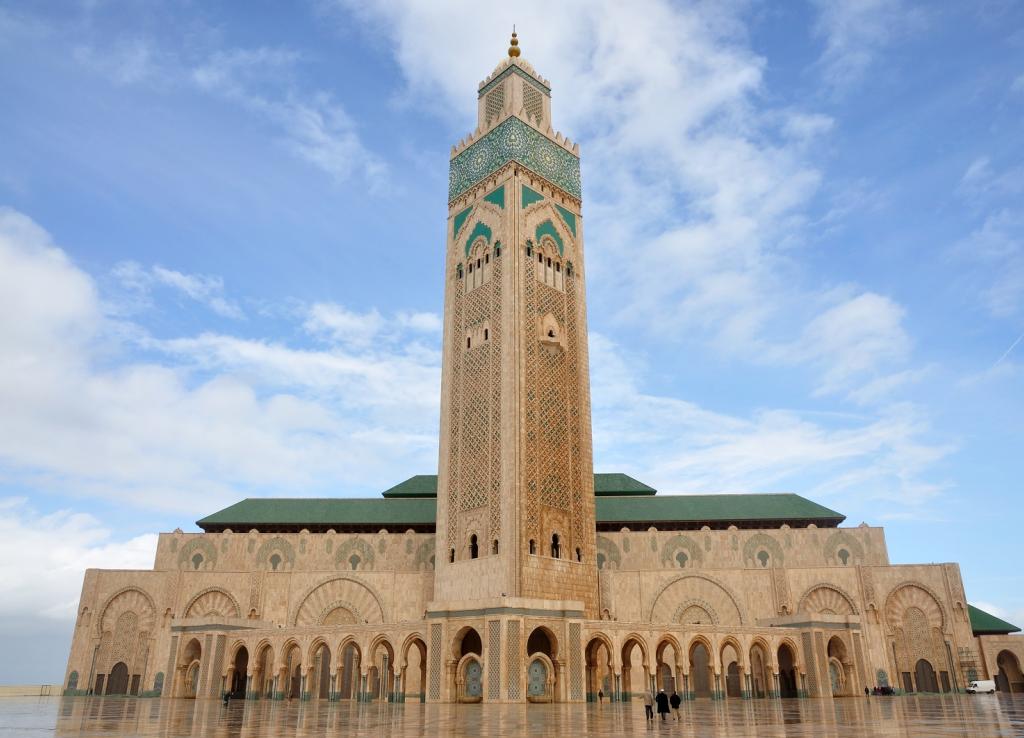
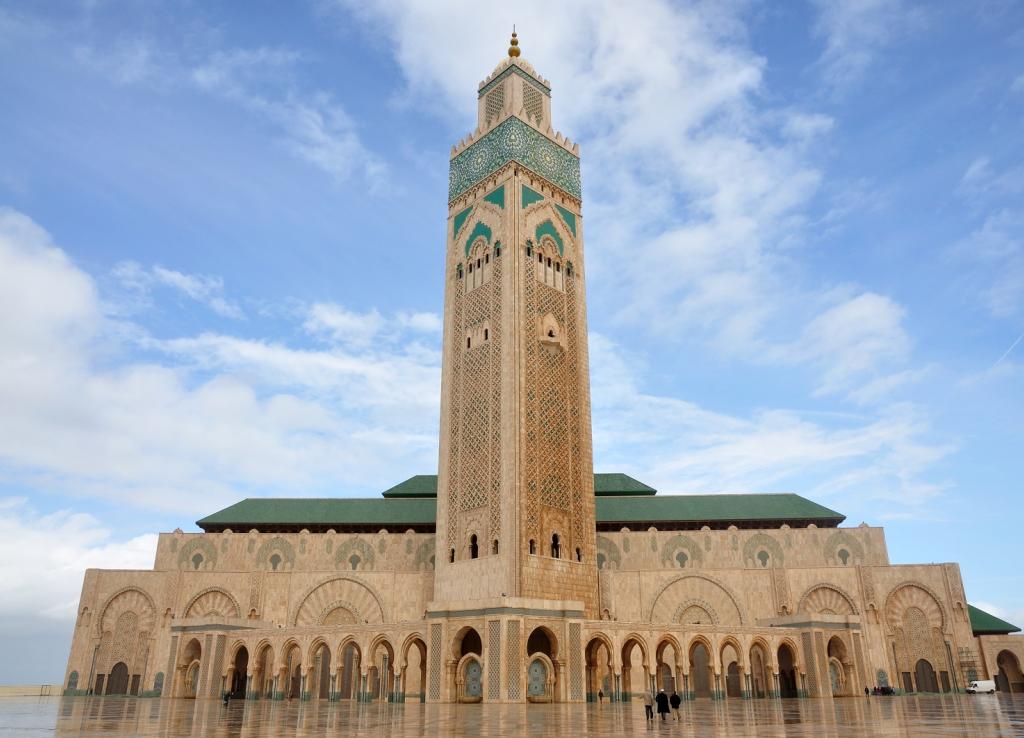
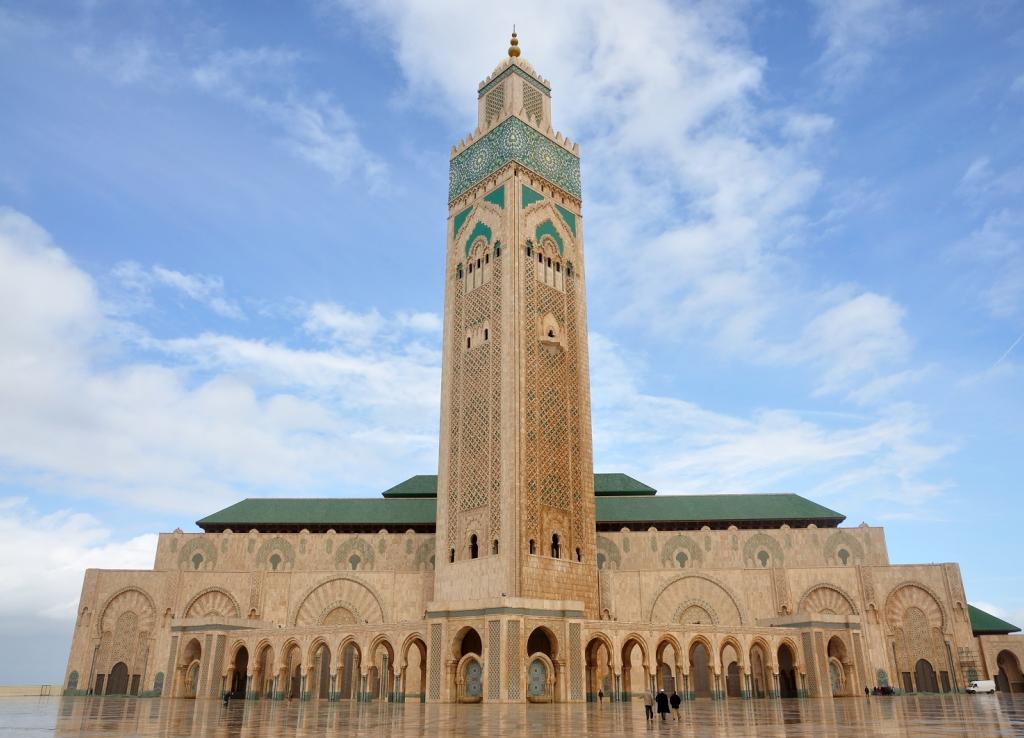
One of the largest mosques in the world and the only one in Morocco open to non-Muslim visitors, the Hassan II Mosque is a masterpiece of modern Islamic architecture set dramatically above the Atlantic Ocean. Its minaret — the world's tallest — dominates the Casablanca skyline, and guided access to its extraordinary interior reveals craftsmanship in carved cedar, hand-laid zellige tilework, and polished marble on an almost incomprehensible scale.
Panoramic Casablanca City Tour
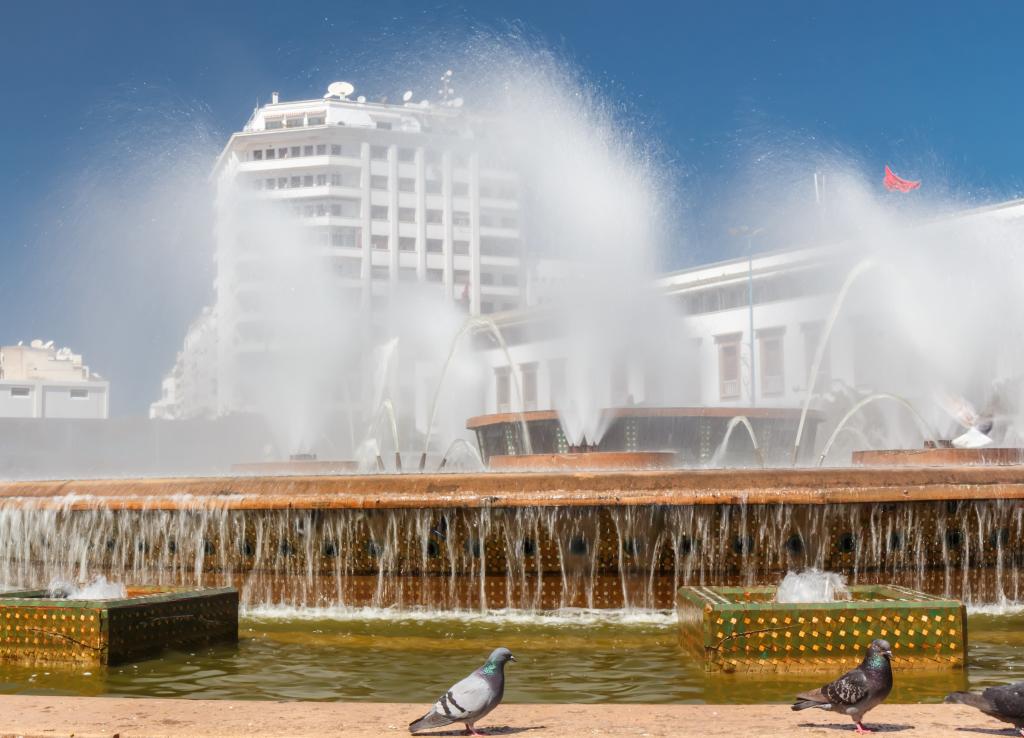
A curated sweep through Casablanca's most photogenic landmarks — the Royal Palace district, United Nations Square, the Art Deco downtown, and the sweeping Atlantic Corniche — gives visitors an elegant overview of a city that bridges centuries of history and a thoroughly contemporary identity. The contrast between French colonial architecture and Moroccan traditional design along a single boulevard tells the city's story more vividly than any museum.
Rabat: Morocco's Imperial Capital
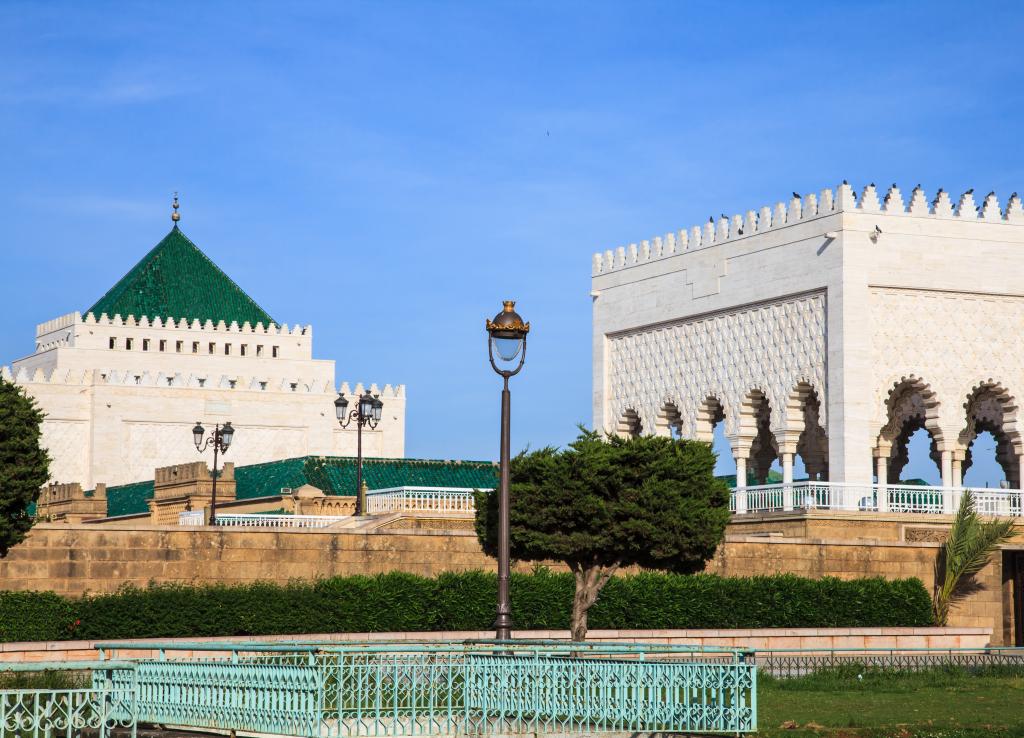
Less visited than Marrakesh yet arguably more rewarding for history lovers, the capital Rabat packs an extraordinary density of heritage into a compact and walkable setting. The Hassan Tower, the Kasbah of the Udayas with its blue-and-white alleys, and the magnificent Mohammed V Mausoleum offer a quieter and more intimate encounter with Morocco's imperial past — all within easy reach in a comfortable half-day.
Marrakesh Full Day Imperial Experience
The jewel of Morocco's imperial cities rewards those willing to make the journey with an experience that overwhelms the senses in the best possible way: the theatrical chaos of the Djemaa el-Fna square at its peak, labyrinthine souks where artisans work as they have for generations, the ornate Bahia Palace, and the ancient Koutoubia Mosque. A full day barely scratches the surface of what this extraordinary city offers, but leaves an impression that lasts a lifetime.
Jewish Heritage and Mellah History
Morocco is home to one of the world's oldest and most storied Jewish communities, and Casablanca's mellah quarter, historic synagogues, and centuries-old Jewish cemetery tell a layered story of coexistence and cultural exchange that spans more than two millennia. This heritage trail offers a nuanced and moving counterpoint to the city's more widely known Islamic landmarks — a reminder that Morocco's identity has always been plural.
Art Deco Downtown and the Medina
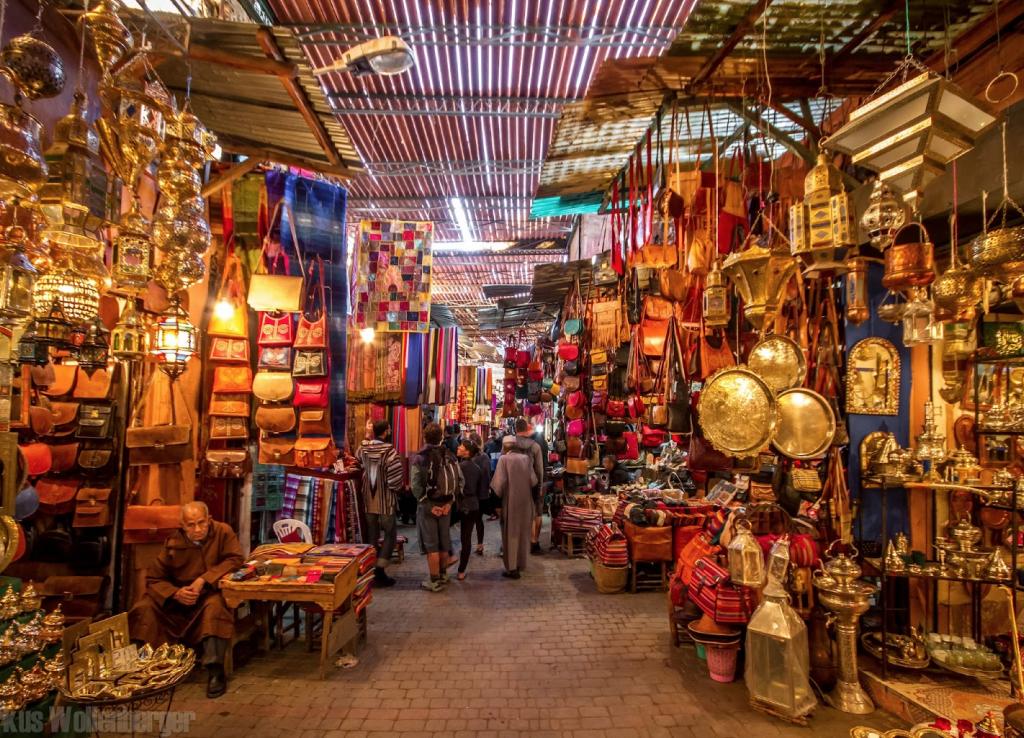
Casablanca's French colonial era left behind one of the finest concentrations of Art Deco architecture outside Miami, woven alongside a traditional medina that — while smaller than those of Fez or Marrakesh — is authentic, navigable, and full of genuine character. Walking these contrasting streetscapes side by side, from ornate 1930s facades to whitewashed archways and spice-filled alleys, is a distinctly Casablancan experience found nowhere else in Morocco.
Casablanca travel tips
Dress Modestly for Mosque and Medina Visits. Modest dress — covered shoulders and knees — is expected and respected at all religious sites and throughout the medina. Women may wish to carry a light scarf for mosque visits. Casablanca's city center and Corniche are more relaxed in dress expectations, but erring toward modesty throughout the day is always appropriate and appreciated.
Understand Mosque Access for Non-Muslims. The Hassan II Mosque is one of very few mosques in Morocco that admits non-Muslim visitors, but entry is permitted only during designated guided tour times — not during prayer times, and typically not on Friday around midday. Confirm tour availability before planning your visit around it, and be prepared to wait if schedules shift due to religious observance.
Plan Around Friday Rhythms. Friday is Morocco's day of communal prayer and a partial holiday. Medina shops often close between roughly midday and 2pm, and access to certain religious sites may be restricted around prayer time. Morning visits to the medina and early afternoon departures to Rabat or elsewhere work well if your ship calls on a Friday.
Navigate the Medina with Confidence. Casablanca's medina is considerably more compact and less overwhelming than those of Fez or Marrakesh. That said, GPS signals can be unreliable in narrow alleys. Download an offline map before heading in, note a couple of landmark reference points at the entrance, and allow yourself the freedom to wander — the medina is small enough that getting pleasantly lost is rarely a serious problem.
Approach Bargaining with Good Humor. Negotiation is an integral part of commerce in Moroccan souks and markets. Opening prices are aspirational; a polite counter-offer followed by measured back-and-forth is the norm, and the process is generally good-natured. Fixed-price shops and artisan cooperatives offer a simpler experience if bargaining is not your preference, and their quality is often reliable.
Embrace the Café Culture. Casablancans take their café culture seriously, and a pause for mint tea or a café au lait at a pavement terrace is not merely refreshment — it is a window into local daily life. Build rest stops into your day, particularly in the warm afternoon hours, and treat the slower pace not as a delay but as part of the experience itself.
Port Facts Every Cruiser Needs To Know
Casablanca shore excursion FAQs
Casablanca is generally safe for visitors, particularly in the city center, the Corniche, and main tourist areas. As in any large city, remain aware of your surroundings, keep valuables secured, and exercise standard caution in crowded areas and the medina. The city receives a steady flow of international visitors and is well-accustomed to independent tourism.
Yes — the Hassan II Mosque is one of very few mosques in Morocco open to non-Muslim visitors. Guided tours operate at set times throughout the day and are not available during prayer times. Modest dress is required: covered shoulders and knees, and no shoes inside the mosque. Tours are best arranged in advance or through a structured shore excursion.
It is possible but demanding. Marrakesh is approximately 240 km from Casablanca — around three hours each way by road. A full-day excursion departing early gives you roughly four to five hours in the city itself. It is not a leisurely experience, but Marrakesh is so extraordinary that many visitors find it well worth the effort. Confirm your ship's all-aboard time carefully before committing.
The Moroccan Dirham (MAD) is the local currency. Exchange offices (bureaux de change) near the port and in the city center offer reasonable rates; ATMs are widely available. The dirham is not easily obtained outside Morocco, so exchange on arrival. US dollars and euros are sometimes accepted in tourist shops but at poor rates — local currency is always preferable.
Rabat is approximately 90 km north of Casablanca, accessible by ONCF train from Casa-Port station — a short distance from the cruise terminal — in under an hour. Trains run frequently and are comfortable and affordable. Rabat makes a very realistic half-day excursion, leaving ample time to explore the Kasbah of the Udayas, the Hassan Tower, and the Mohammed V Mausoleum before returning to the ship.
A panoramic city tour covering the Hassan II Mosque, the Royal Palace neighborhood, United Nations Square, and the Art Deco downtown can be completed comfortably in three to four hours. This leaves time for a stroll along the Atlantic Corniche and a café stop before returning to the ship — a well-rounded impression of the city without feeling rushed.
Casablanca's Jewish heritage includes historic synagogues, a large Jewish cemetery, and the mellah (Jewish quarter) with its distinctive architecture. These sites reflect a community that thrived in Morocco for over 2,000 years. Modest dress is appropriate when visiting synagogues, photography policies vary by site, and a knowledgeable guide adds substantial depth to the experience.
Tagine (slow-cooked stew), couscous, briouats (filled pastry parcels), and fresh Atlantic seafood are all highlights readily available in Casablanca's restaurants. For authentic street food, harira soup and msemen flatbread are local staples. The city's strong French café tradition runs alongside traditional Moroccan fare, making for an eclectic and satisfying culinary day.
Modest dress — covered shoulders and knees — is expected at mosques and respectful throughout the medina. Casablanca is cosmopolitan and international-facing, so the city center and beachfront areas are more relaxed, but carrying a light layer for site visits is always wise. Women are not required to wear headscarves, though carrying a scarf for mosque visits is a courteous gesture.
Casablanca's cruise terminal is located within the port complex, which sits close to the city center — the Hassan II Mosque and the medina are within reasonable walking or tram distance. This central location means that even a six-to-eight-hour port call allows for meaningful exploration of the city, a comfortable Rabat day trip, or a longer journey to Marrakesh with efficient early planning.
Filters
Select a filter to refine results.
Tour Type
Tour Activity
 Cart
Cart
 USD
USD GBP
GBP AUD
AUD EUR
EUR CAD
CAD