



Tours in Port Said


Cruising to Port Said in a group?
Skip the crowded ship excursion bus. One dedicated planner will design a private shore experience around exactly what your group wants — coordinated from first enquiry to the moment you're back on board. More memorable, more flexible, and more affordable than you might expect. Spend less time organising, more time enjoying.
Explore Group Travel →Cruising to Port Said
Port Said occupies a singular position in modern history — built from nothing in 1859 to house workers constructing the Suez Canal, the city still sits at the northern entrance to that waterway, watching the world's commerce pass in an unending procession of container ships and tankers. The colorful wooden-balconied buildings of its historic center recall an era when Port Said was one of the most cosmopolitan cities in the world, a transit point for ships, goods, and ideas flowing between Europe, Asia, and Africa. Yet most cruise visitors rightfully see the city as a springboard to something even more extraordinary: ancient Egypt. The Giza plateau, with its Great Pyramids and the Sphinx, is roughly three to four hours west, making Port Said the northernmost practical access point to the monuments on a single port day. The opening of the Grand Egyptian Museum near Giza adds a world-class archaeological experience to that journey. For visitors who prefer to stay closer, medieval Cairo's Islamic quarter is a Unesco World Heritage landscape of mosques, madrasas, and bazaars that could absorb an entire day.
Top things to do in Port Said on a cruise stopover
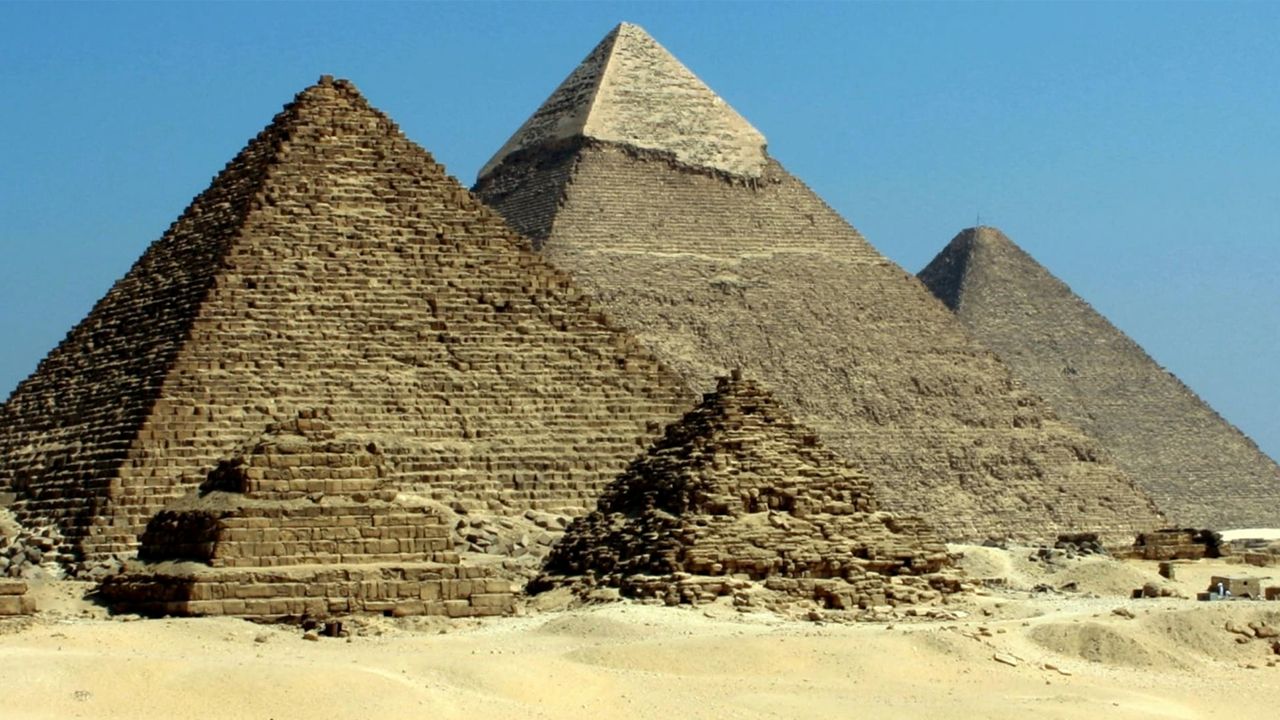
The Pyramids of Giza and the Sphinx
No list of world heritage sites competes with the last surviving Wonder of the Ancient World. The three Great Pyramids — Khufu, Khafre, and Menkaure — and the enigmatic Great Sphinx have drawn travelers for over two millennia. Seeing them at scale in person, understanding that these structures predate Greek civilization by 2,000 years, is a genuinely transformative experience that no photograph adequately prepares you for.
The Grand Egyptian Museum
Opened near the Giza plateau, the Grand Egyptian Museum is the largest archaeological museum in the world by floor area. Its centerpiece is the complete treasure of Tutankhamun — over 5,000 objects, many exhibited publicly for the first time — displayed in galleries whose scale deliberately echoes the pharaonic ambition they chronicle. It redefines what a museum visit in Egypt means.
Medieval Islamic Cairo
The historic core of Cairo, a Unesco World Heritage Site, is a landscape of extraordinary density. Khan el-Khalili bazaar, the Al-Azhar Mosque, the Ibn Tulun Mosque, the Citadel of Saladin, and the labyrinthine lanes of the Fatimid city represent a millennium of Islamic art, architecture, and street life compressed into walking distance — one of the world's great urban heritage experiences.
Port Said's Colonial Waterfront and Canal Heritage
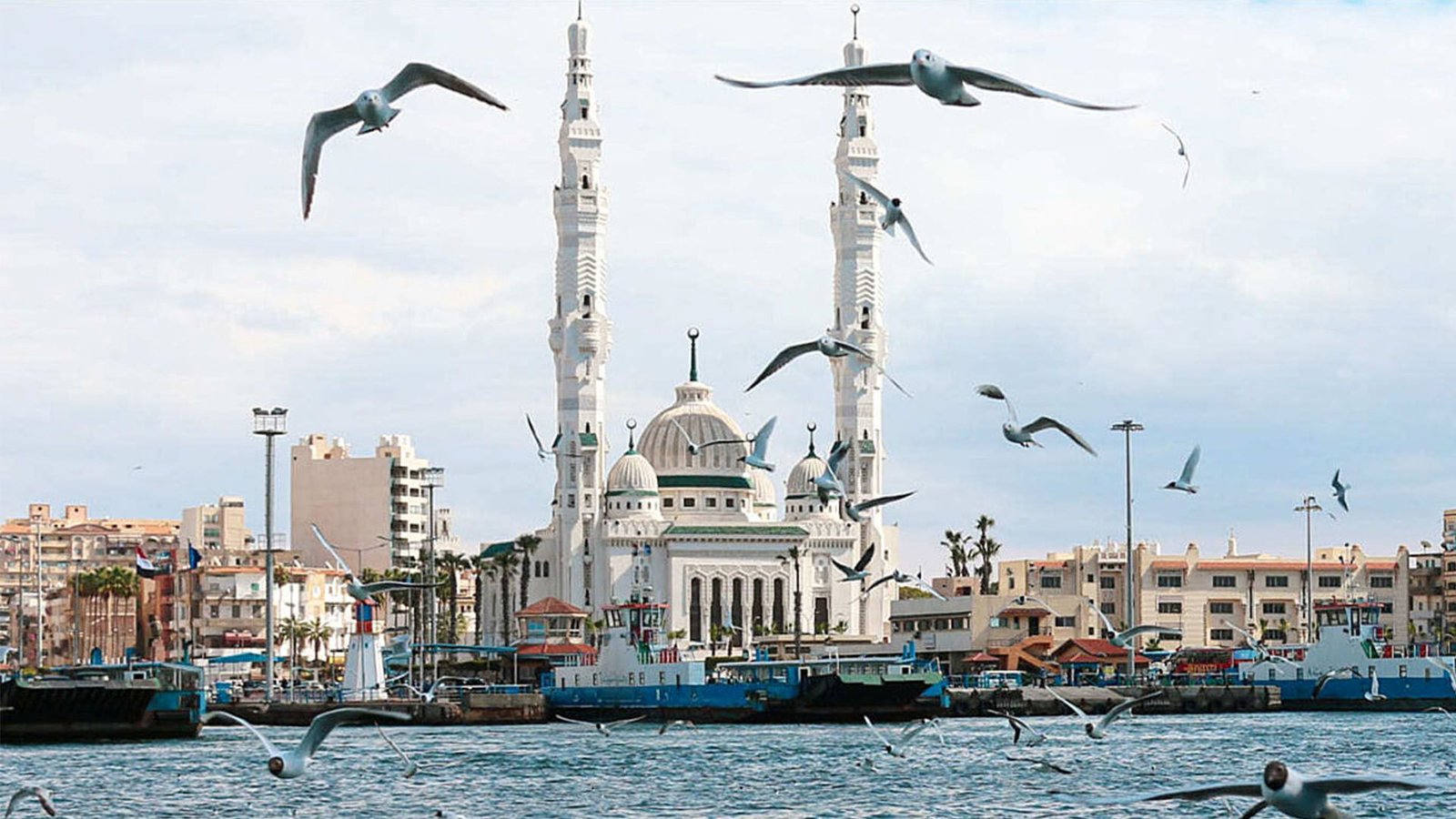
Port Said's historic center preserves a distinctive 19th-century architectural character — wooden-balconied buildings that earned the city comparisons to southern European port towns. Watching fully-laden container ships navigate the Suez Canal from the corniche is a reminder that this modest city sits at the crossing point of global trade, as it has for more than 160 years.
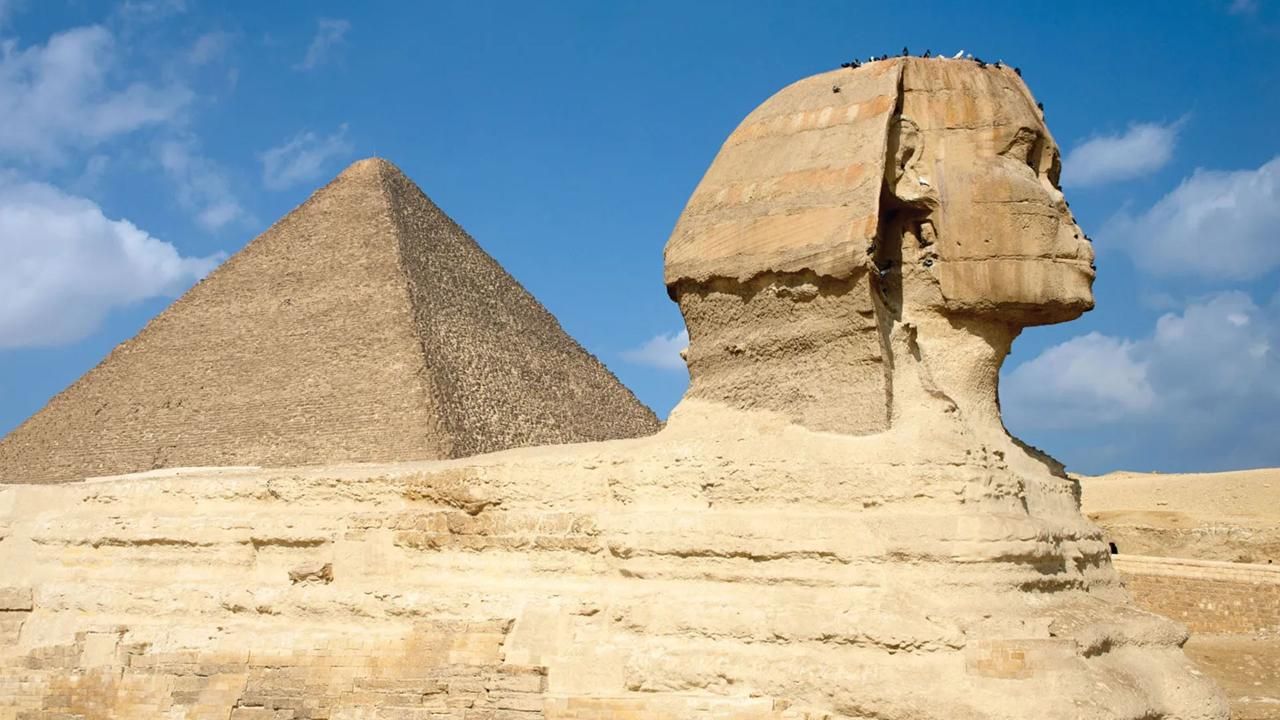
The Great Sphinx Up Close
Carved from a single limestone outcrop, the Great Sphinx is the largest monolithic statue in the world. Most visitors underestimate its scale until they stand before it. Understanding that it was already ancient when the ancient Greeks visited — that its origins predate the Roman Empire by over a millennium — is one of those moments when the depth of Egyptian history becomes viscerally real.
Port Said City Discovery
For visitors who prefer to stay close to the ship, Port Said rewards exploration on its own terms. The Suez Canal Museum, the National Museum of Port Said, the corniche fish markets, and the architecturally distinctive colonial city blocks offer a compact half-day of authentic Egyptian urban life — without the long drive or the logistical pressure of a Cairo day trip.
Port Said travel tips
Leave the Ship Extremely Early for Cairo. The drive from Port Said to Cairo is 200–250 km and can take 3–4 hours with traffic, particularly on the outskirts of the capital. Arriving at the Giza plateau by 9 or 10am is the realistic minimum for any meaningful time at the sites before beginning the return journey. Budget your day from the moment the gangway opens, and have a firm turnaround time agreed in advance.
Dress for Both Heat and Conservative Norms. Egypt's sun is relentless, but modest dress — covered shoulders and knees — is appropriate at mosques and appreciated throughout the country. Lightweight, breathable fabrics that cover the body serve both purposes efficiently. Comfortable closed-toe shoes are essential; the terrain around the pyramids is uneven sand and ancient stone, not a smooth museum floor.
Carry Small-Denomination Egyptian Pound Notes. Tipping — baksheesh in Arabic — is embedded in Egyptian tourism culture and is an important part of the local economy. Keeping small-denomination notes readily accessible for restroom attendants, guards who assist access, and those who direct you avoids constant fumbling for change at inconvenient moments throughout the day.
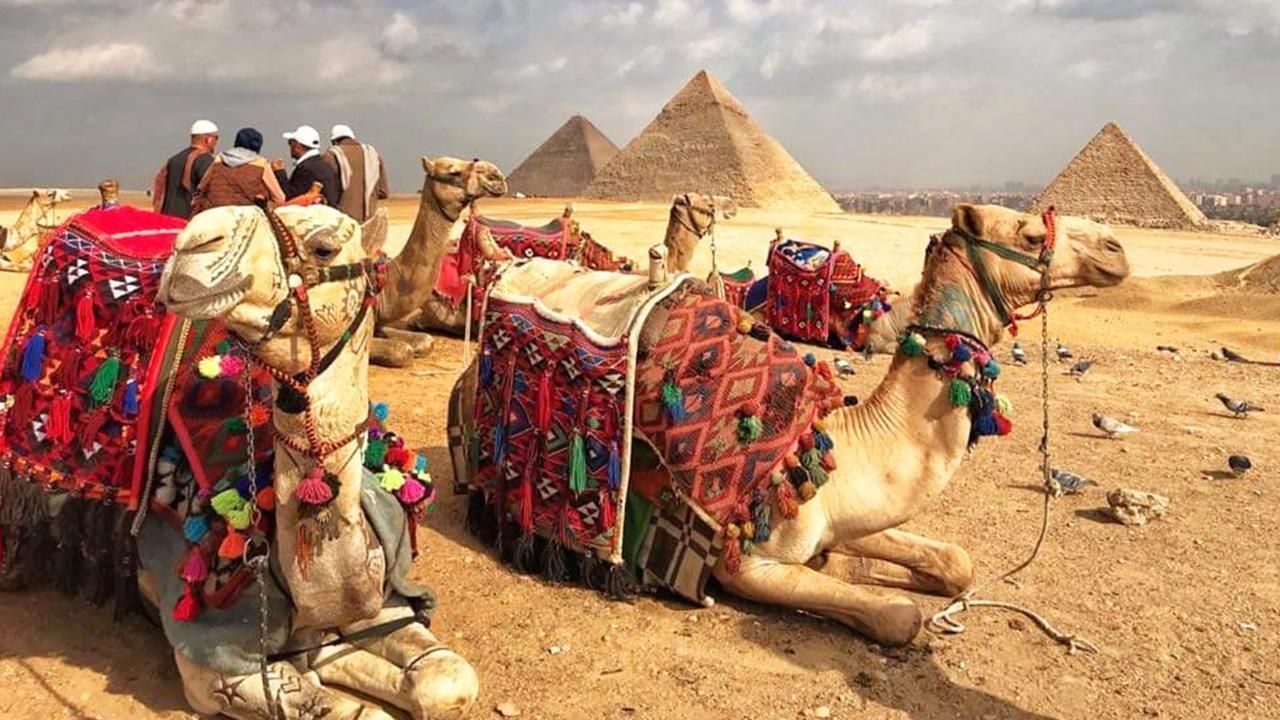
Be Firm but Polite with Vendors at Giza. The area around the Giza plateau has some of Egypt's most persistent vendors and camel-ride operators. A calm, friendly but clear refusal repeated if necessary is the most effective approach. Do not accept any item handed to you without agreeing to a price first — this is a widely used technique to create an obligation to pay.
Protect Against the Sun at Every Site. Cairo and Giza have little natural shade outside of museum buildings. High-SPF sunscreen, a wide-brimmed hat, and quality sunglasses are practical necessities rather than optional accessories. The pale limestone and sand of the Giza plateau reflect UV radiation significantly, amplifying exposure beyond what feels apparent in the moment.
Port Said Itself Rewards Those Who Stay. Visitors who skip the Cairo drive and explore Port Said's city center often leave with a surprisingly satisfying day. The canal-side atmosphere, the colonial architecture, the local seafood restaurants serving freshly caught Mediterranean fish, and the genuine Egyptian urban rhythms offer an authentic experience — without the logistical pressure or long transit hours.
Port Facts Every Cruiser Needs To Know
Port Said shore excursion FAQs
Cruise ships dock at the Port Said cruise terminal, which is centrally located and within walking distance of the city's main waterfront, the corniche, and the historic city center.
The drive is approximately 200–250 km (125–155 miles) each way and takes 3–4 hours depending on traffic, particularly around Cairo's urban fringe. Allow 6–8 hours of total transit for the round trip, leaving 3–4 hours at the Giza plateau itself.
It depends on your priorities and schedule. The journey is long but the payoff — the Great Pyramids, the Sphinx, and the Grand Egyptian Museum — is among the most significant in world travel. If you have visited Cairo before or would prefer a more relaxed day, Port Said and medieval Cairo both offer genuine alternatives.
The Grand Egyptian Museum (GEM), located near the Giza plateau, is the largest archaeological museum in the world. It houses the most complete collection of ancient Egyptian artifacts ever assembled under one roof, including the entire contents of Tutankhamun's tomb — over 5,000 objects, many displayed publicly for the first time.
Many nationalities can obtain a visa on arrival in Egypt or purchase an e-visa in advance. Cruise-specific arrangements vary by ship and itinerary — your cruise line will provide the most accurate and up-to-date guidance specific to your Port Said arrival.
Yes, genuinely. The city has a compact historic center with distinctive 19th-century architecture, canal views where you can watch ships passing through one of the world's most important waterways, a local museum, and a lively corniche atmosphere. It is a real Egyptian city rather than a tourist construct, and exploring it offers an authentic experience.
Medieval Cairo's Islamic quarter is a Unesco World Heritage Site containing hundreds of historically significant structures in a walkable area: the Al-Azhar Mosque, Khan el-Khalili bazaar, the Citadel of Saladin, the Ibn Tulun Mosque, and the layered streetscapes of the Fatimid city. It is one of the world's great historic urban landscapes and easily fills a full day.
Major tourist sites and areas frequented by cruise visitors are well-patrolled and generally considered safe for international travelers. Standard urban travel precautions apply — keep valuables secure, remain aware of your surroundings, and follow guidance from your ship. Egyptian tourist police presence at the Giza plateau and major sites is substantial.
Entry inside the Great Pyramid of Khufu requires a separate ticket purchased at the site and involves navigating narrow, low-ceilinged passages at a steep incline. It is not recommended for claustrophobic visitors or those with mobility limitations. The exterior of all three pyramids and the Sphinx enclosure are freely accessible within the paid plateau admission.
Quality papyrus artwork, alabaster figurines, Egyptian long-staple cotton goods (among the finest in the world), aromatic spices, and handmade copper and brass items are the most authentic local purchases. In Khan el-Khalili, look for hand-blown glass, silver cartouche jewelry, and traditional backgammon sets. Port Said's waterfront market has fresh local goods and snacks worth exploring.
Filters
Select a filter to refine results.
Tour Type
Tour Activity
 Cart
Cart
 USD
USD GBP
GBP AUD
AUD EUR
EUR CAD
CAD