



Tours in Tangier


Cruising to Tangier in a group?
Skip the crowded ship excursion bus. One dedicated planner will design a private shore experience around exactly what your group wants — coordinated from first enquiry to the moment you're back on board. More memorable, more flexible, and more affordable than you might expect. Spend less time organising, more time enjoying.
Explore Group Travel →Cruising to Tangier
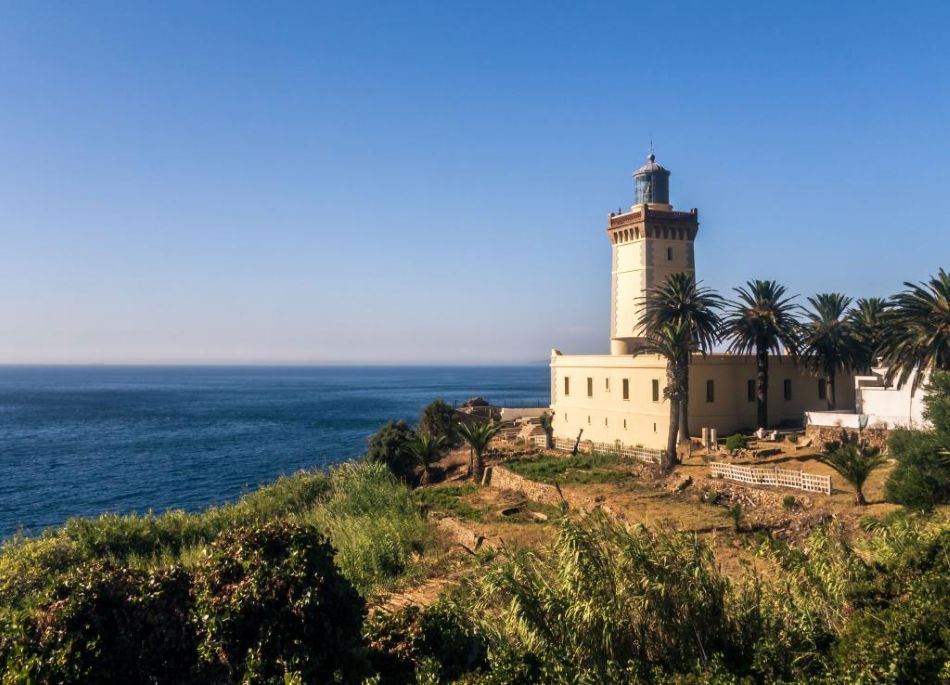
Tangier occupies one of the world's great geographic crossroads, perched at the northernmost tip of Africa where the Atlantic and Mediterranean converge and Europe is visible on clear days just fourteen miles away. For centuries this has made it a city of passage, intrigue, and layered culture — Phoenician traders, Roman colonists, Arab dynasties, Portuguese merchants, Spanish administrators, and a cosmopolitan international zone that attracted everyone from Paul Bowles to the Beat Generation have each left their mark. The medina's labyrinthine lanes, the sweeping views from the Kasbah, and the lively Grand Socco square paint a portrait of a city that is simultaneously deeply Moroccan and irreducibly its own thing. Beyond the city itself, the Rif Mountains rise to the east, cradling the legendary blue city of Chefchaouen — one of the most visually arresting destinations in all of North Africa and a full-day journey that rewards every minute of travel time. Cruise visitors arriving here find a port that punches well above its size, offering everything from medina wandering and mint tea ceremonies to dramatic mountain scenery within a single shore day.
Top things to do in Tangier on a cruise stopover
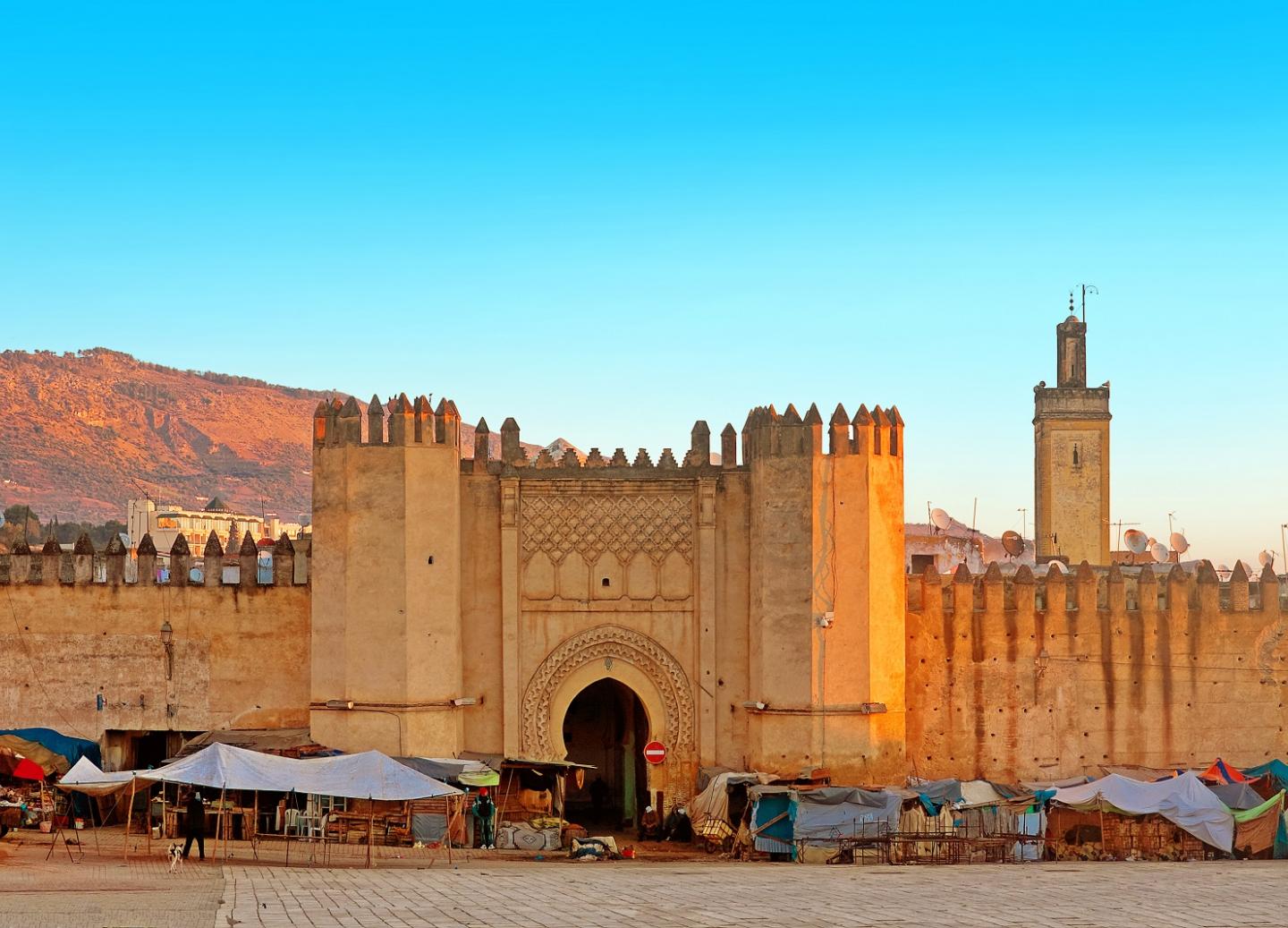
Tangier Medina & Kasbah
Lose yourself in one of North Africa's most atmospheric old cities, where Moorish archways frame views of rooftop terraces and the scent of spice mingles with sea air. The Kasbah Museum, housed inside a former sultan's palace, offers an elegant overview of Moroccan history, decorative arts, and the city's extraordinary layered past.
The Blue City of Chefchaouen
Set high in the Rif Mountains roughly two to three hours from the port, Chefchaouen is one of the most photographed places on the continent — a city where almost every surface is washed in shades of cobalt and indigo. The medina here is smaller and quieter than Tangier's, with mountain streams running through the center and a pace of life that feels entirely removed from the coast.
Grand Socco & Petit Socco
These two historic squares serve as Tangier's beating heart. The Grand Socco, with its ornate Moorish fountain and daily market activity, transitions via narrow lanes into the intimate Petit Socco, where café terraces have hosted writers, diplomats, and travelers in various states of contemplation for well over a century.
Moroccan Medina Souks & Craft Culture
Tangier's souks offer everything from handwoven textiles and leather goods to ceramics, silver jewelry, and carved cedarwood. A guided walk through the market lanes unlocks hidden artisan workshops and traditional craft corners that independent visitors rarely find behind the surface layer of tourist stalls.
Rif Mountain Scenery & Berber Villages
The drive to Chefchaouen passes through terraced hillsides, cedar and cork oak forests, and small Berber settlements that present a completely different face of Morocco from the coastal city below. The mountain landscape alone — dramatic, lush, and sparsely inhabited — justifies the journey even before you reach the blue medina.
Mint Tea Culture & Rooftop Café Life
Taking mint tea — the sweet, spearmint-laced glass poured from height to create a distinctive froth — on a rooftop terrace overlooking the medina or the Strait of Gibraltar is a quintessentially Tangier experience. This is a ritual to linger over, not to rush, and the views from the right café terrace are among the finest in the city.
Tangier travel tips
Dress Modestly in the Medina. Morocco is a Muslim country and modest dress is appreciated throughout the medina, particularly around mosques and traditional neighborhoods. Covering shoulders and knees costs nothing and makes for a noticeably warmer reception from locals — it signals respect for the city on its own terms.
Understand Bargaining Etiquette. Negotiating prices in the souks is expected and is a social exchange as much as a commercial transaction. Begin at roughly half the asking price, stay good-humored throughout, and never start negotiating on something you have no intention of purchasing. Walking away is a legitimate move — and often brings the price down further.
Carry Cash Before Entering the Medina. While larger shops in tourist areas sometimes accept cards, the medina and souks operate almost entirely on cash. Exchange money or use an ATM before entering the old city rather than searching for exchange bureaus inside — rates within the medina are rarely favorable.
Street Food Is Worth Trying. Moroccan street food — including msemen flatbread, harira soup, and fresh-pressed orange juice — is excellent and safe to try from busy, high-turnover stalls. Avoid tap water throughout your visit and stick to sealed bottled water, which is widely available and inexpensive.
A Local Guide Saves Significant Time. Tangier's medina is genuinely disorienting for first-time visitors — the lanes are dense, largely unlabeled, and designed around local knowledge rather than tourist navigation. An official guide prevents the frustration of dead ends and ensures you reach the Kasbah, key souks, and viewpoints efficiently within your shore time.
Plan Chefchaouen Pacing Carefully. If visiting the blue city, resist the temptation to rush the mountain drive in order to spend more time at the destination — the Rif scenery is half the experience. Aim to arrive in Chefchaouen by late morning, allow a minimum of two to three hours in the medina, and factor in the full return journey before your ship's all-aboard time.
Port Facts Every Cruiser Needs To Know
Tangier shore excursion FAQs
Yes — the port is located close to the city center and the medina is reachable on foot in roughly 10 to 15 minutes. The Kasbah sits uphill from the medina and involves a steeper walk, but is still manageable for most visitors. The Grand Socco square makes a natural starting point between the two areas.
Tangier is generally safe for tourists. The areas most frequented by cruise passengers — the port district, medina, Grand Socco, and Kasbah — are well-trafficked and monitored. As in any busy tourist environment, stay alert to your belongings in crowded market lanes and be wary of unsolicited guides offering to show you around.
Many nationalities — including citizens of the EU, USA, UK, Canada, and Australia — can enter Morocco without a visa for short stays. Requirements vary by passport, so confirm your specific situation before sailing. Port entry formalities for cruise passengers are typically straightforward.
Yes, but it requires a full day with an early departure. The drive takes roughly two to three hours each way depending on traffic and mountain road conditions. Organized excursions manage the timing to ensure arrival back at the ship on schedule — attempting this independently leaves little margin for unexpected delays.
Moroccan Dirhams (MAD) are the local currency and give you the best value in the medina and souks. Euros are occasionally accepted but often at an unfavorable rate. ATMs are available near the port and in the city center. Import and export of Dirhams is restricted, so spend or exchange any remaining currency before departing.
Yes — negotiating is standard practice in the souks and is part of the shopping culture rather than a confrontation. Prices in tourist markets are typically set with negotiation in mind. Fixed-price shops do exist and are usually labeled as such. Approach bargaining as a friendly exchange and you will generally enjoy it.
Tangier has a mild Mediterranean climate. Spring and autumn are the most comfortable seasons. Summers are warm and sunny, averaging around 28°C (82°F), with refreshing coastal breezes. Winters are mild but can bring overcast skies and rain. A light layer is useful on the coast at almost any time of year.
International roaming works in Morocco, though charges vary significantly by carrier. Local SIM cards are inexpensive and available near the port area. WiFi is available at many cafés and restaurants in both Tangier and Chefchaouen, making it easy to stay connected without relying on roaming data.
Moroccan cuisine has excellent options for vegetarians. Harira soup, zaalouk (smoky eggplant salad), mechouia (roasted pepper salad), couscous with seven vegetables, and tagines prepared without meat are all widely available. Tell your server your preference clearly and most restaurants will accommodate without difficulty.
Photography in public spaces and streets is generally fine. It is considered polite — and often expected — to ask before photographing individual people, particularly artisans at work in the souks. Some craftsmen will pose willingly; others may request a small acknowledgment. Mosque interiors are typically off-limits to non-Muslim visitors.
Filters
Select a filter to refine results.
Tour Type
Tour Activity
 Cart
Cart
 USD
USD GBP
GBP AUD
AUD EUR
EUR CAD
CAD