



Tours in Hakodate


Cruising to Hakodate in a group?
Skip the crowded ship excursion bus. One dedicated planner will design a private shore experience around exactly what your group wants — coordinated from first enquiry to the moment you're back on board. More memorable, more flexible, and more affordable than you might expect. Spend less time organising, more time enjoying.
Explore Group Travel →Cruising to Hakodate
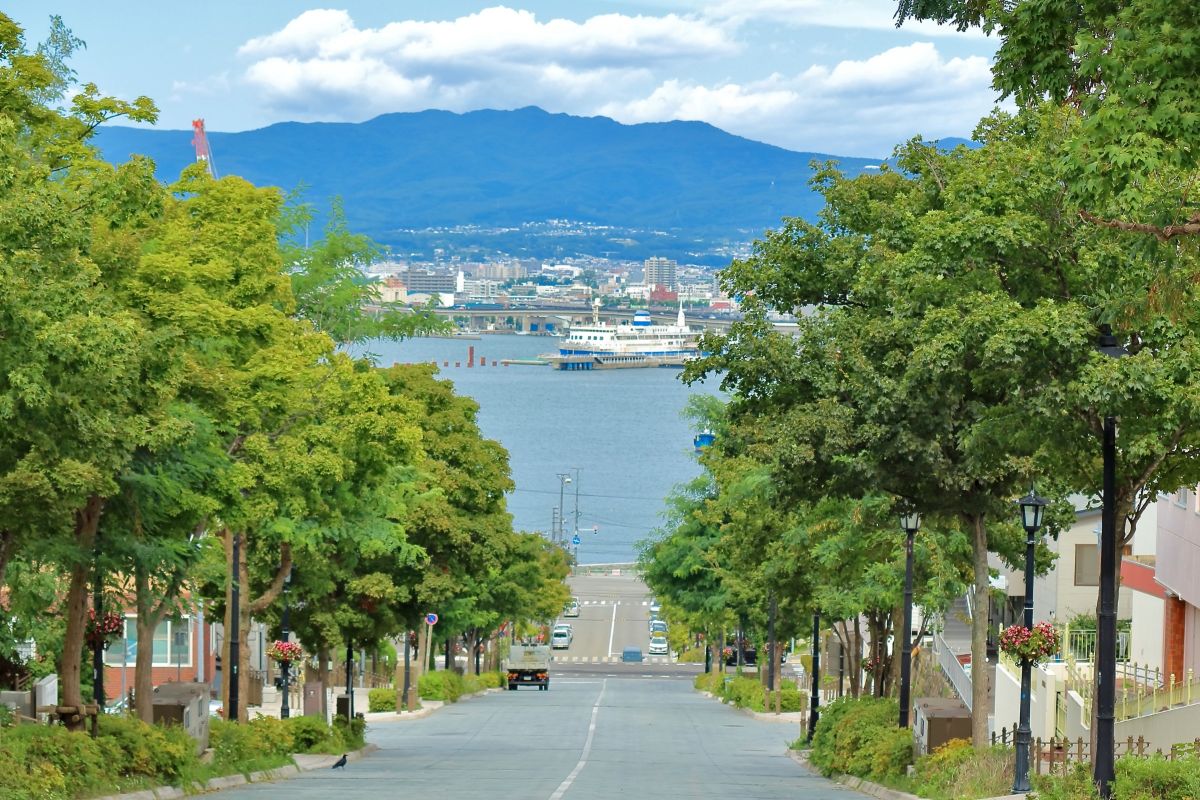
Hakodate was among the first Japanese ports opened to foreign trade in 1854, and that history is still visible in the Motomachi district's mix of Russian Orthodox churches, British consulate buildings, and steep, European-flavored streets overlooking the bay. Cruise ships dock within easy reach of the city center, where a vintage streetcar network — one of the most charming ways to get around anywhere in Japan — links the historic Bay Area warehouses, the sprawling morning market, and the star-shaped Goryokaku fortress, built in the 1860s as Japan's first Western-style citadel. Above it all sits Mount Hakodate, whose ropeway carries visitors to a summit view so celebrated it's regularly ranked among the world's three great night views alongside Naples and Hong Kong. Seafood is central to any visit — Hakodate's morning market is one of Japan's great places to eat sea urchin, crab, and squid pulled straight from the surrounding waters, often prepared table-side within minutes of purchase. Beyond the historic core, the city sits at the doorstep of Hokkaido's volcanic landscapes and hot spring towns, though most cruise visitors find a full day easily filled within Hakodate itself.
Top things to do in Hakodate on a cruise stopover
Mount Hakodate Ropeway and Night View
A cable car climbs to the 334-meter summit of Mount Hakodate in about three minutes, delivering a panorama routinely ranked among the world's best night views: the city's narrow isthmus glows between two dark stretches of sea, forming a distinctive hourglass shape of light. Visitors with an evening in port should prioritize this above nearly everything else.
Goryokaku Fort and Tower
Japan's first Western-style fortification, built in the 1860s in a five-pointed star shape modeled on European star forts, Goryokaku was the site of the last battle of the Boshin War. The adjacent 107-meter observation tower is the only place to properly appreciate the fort's star outline from above, especially striking when the surrounding park's cherry trees bloom in late April and May.
Hakodate Morning Market
A sprawling covered market near the station where stalls sell live crab, sea urchin, squid, and salmon roe, much of it prepared on the spot as rice bowls or grilled skewers. The market is especially known for tarai-tsuri — 'fishing' for your own squid or crab from a small tank before it's cleaned and served within minutes.
Motomachi Historic District
Steep, cobbled streets climb from the bay past a cluster of former foreign consulates, a Russian Orthodox church with distinctive onion domes, and Western-style buildings dating to Hakodate's 19th-century opening as a treaty port. The district's elevation offers some of the city's best harbor views along the way.
Kanemori Red Brick Warehouses
A row of Meiji-era brick warehouses along the bay, now converted into shops, cafes, and a beer hall, forming the anchor of Hakodate's Bay Area. It's an easy, walkable stretch for browsing local crafts and glassware between other stops.
Full-Day Hakodate Highlights Tour
A guided sweep combining Goryokaku, Motomachi, the morning market, and the Mount Hakodate ropeway suits visitors who want the full scope of the city's history and scenery covered efficiently, without navigating the streetcar network independently.
Hakodate travel tips
Time the Ropeway for Sunset if You Can. Mount Hakodate's night view is the city's signature experience, but it also draws crowds — lines for the ropeway can build quickly in the hour before sunset. If your ship's schedule allows an evening visit, arrive slightly ahead of the crowd rather than at the peak moment.
Buy the One-Day Streetcar Pass. At roughly 600 yen, the day pass pays for itself after two or three rides and lets you hop on and off between Motomachi, the Bay Area, and Goryokaku without tracking individual fares.
Try the Squid at the Morning Market. Hakodate's morning market is famous for tarai-tsuri, where you catch your own squid from a tank before it's prepared fresh — a memorable, slightly theatrical way to eat some of the freshest seafood in Japan.
Dress in Layers. Hokkaido's climate is noticeably cooler than mainland Japan even in summer, and evenings at the Mount Hakodate summit can be windy regardless of season. A light jacket is worth carrying even on a warm afternoon.
Carry Some Cash for the Market and Motomachi Shops. While Hakodate is more card-friendly than many Japanese regional ports, smaller stalls in the morning market and some Motomachi boutiques remain cash-only. Keep a modest amount of yen on hand.
Confirm Your Ship's Shuttle Schedule Before Heading to the Ropeway. Mount Hakodate sits on the opposite side of downtown from the pier, and getting back in time for all-aboard requires factoring in both the ropeway descent and the return trip. Build in extra buffer time, particularly for an evening visit.
Port Facts Every Cruiser Needs To Know
Hakodate shore excursion FAQs
The pier sits roughly 4 km from Hakodate Station, about a 5–10 minute drive or a 30-minute walk. Shuttle buses typically connect the pier to the station area, from which the streetcar network reaches every major sight.
Most visitors who've seen it would say yes — it's consistently ranked among the world's most celebrated night views, and the light pattern created by the city's narrow isthmus is genuinely distinctive. It does require your ship to be in port into the evening, so check your specific itinerary.
Fresh sea urchin (uni), crab, and squid are the local specialties, often served as a kaisendon (seafood rice bowl) assembled to order, or as squid you select and have prepared within minutes. Many stalls offer smaller tasting portions for those without time for a full meal.
Yes — Hakodate is an extremely safe city with very low crime rates, and its clear streetcar network makes independent exploration straightforward even for first-time visitors to Japan.
Generally not. Japanese Yen is required for most transactions; US dollars are not routinely accepted outside a handful of hotel gift shops. ATMs accepting foreign cards are available at post offices and convenience stores.
The streetcar runs directly to a stop near Goryokaku Park from the Hakodate Station area, making it one of the easiest major sights to reach independently. The five-pointed star shape of the fort is best appreciated from the adjacent observation tower.
Less so than in many regional Japanese ports — Hakodate has a long history as an international treaty port and sees steady tourism, so English signage is reasonably good at major sights and on the streetcar system, though it thins out in smaller local shops.
A hillside district of former foreign consulates, Western-style buildings, and a Russian Orthodox church, dating to Hakodate's opening as one of Japan's first treaty ports in 1854. Its sloped streets also offer some of the best harbor views in the city.
Hakodate is near the Yunokawa hot spring district, reachable by streetcar, and some day-use facilities welcome visitors for a few hours. It's a nice option for a shorter call, though it competes for time with the city's historic core.
Late April through May brings cherry blossoms at Goryokaku Park; September and October bring crisp air and autumn color. Both bookend a comfortable travel season that avoids Hokkaido's cold, snowy winters and the mainland's peak summer humidity.
Filters
Select a filter to refine results.
Tour Type
Tour Activity
 Cart
Cart
 USD
USD GBP
GBP AUD
AUD EUR
EUR CAD
CAD