



Tours in Keelung (Taipei)


Cruising to Keelung (Taipei) in a group?
Skip the crowded ship excursion bus. One dedicated planner will design a private shore experience around exactly what your group wants — coordinated from first enquiry to the moment you're back on board. More memorable, more flexible, and more affordable than you might expect. Spend less time organising, more time enjoying.
Explore Group Travel →Cruising to Keelung (Taipei)
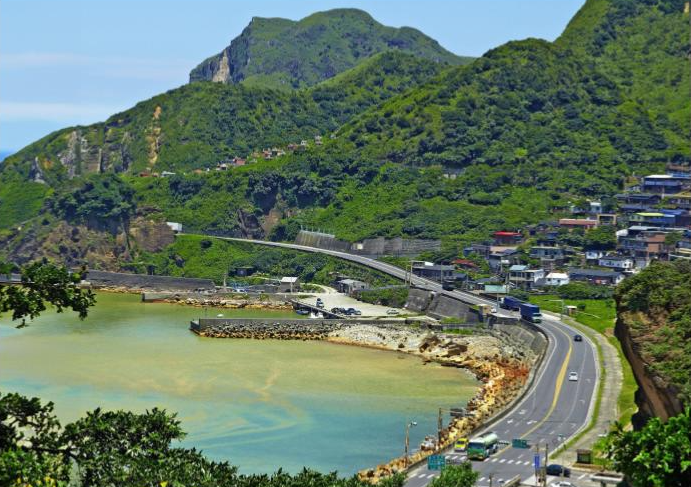
Keelung sits at the northeastern tip of Taiwan, a working port city that most cruise passengers treat as a launchpad — but one that deserves a moment's attention in its own right. The harbour is ringed by green hills, and the city's Miaokou Night Market, clustered around the Dianji Temple, is one of the finest in Taiwan: stall after stall of oyster vermicelli, braised pork rice, and pineapple cake, operating from mid-morning into the small hours.
Forty minutes south by Taiwan Railways Administration train, Taipei is a city that has perfected the art of layering centuries without losing either. The Japanese colonial grid meets postmodern towers; Buddhist temples share blocks with design studios; and a metro system of Swiss precision connects it all. Da'an District rewards slow walking, Ximending is the pulse of youth culture, and the National Palace Museum holds one of the world's great collections of Chinese imperial art — all within reach of a single day ashore.
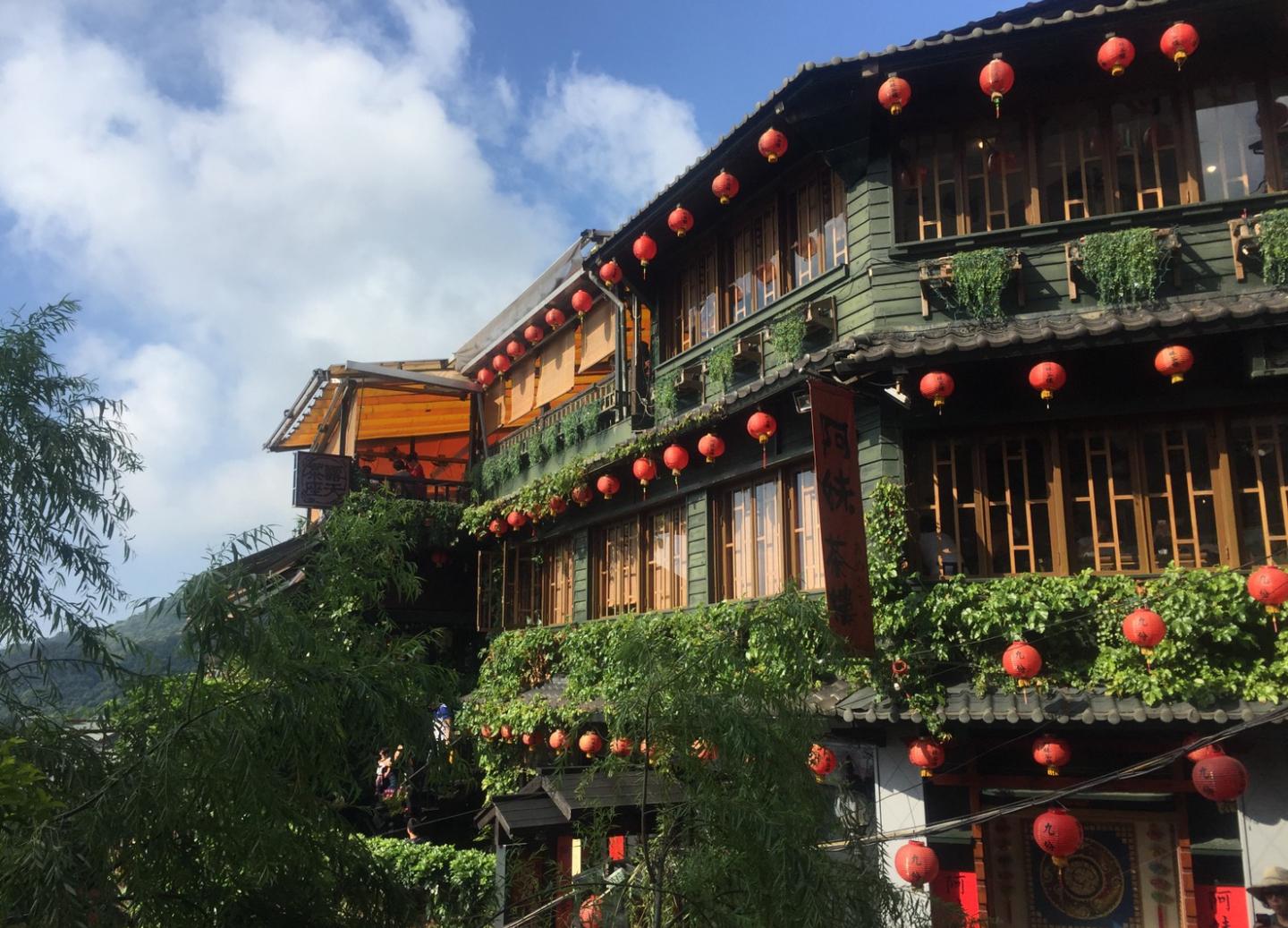
The mountains between Keelung and the coast hide Jiufen, a former gold-mining settlement that clings to steep ridges above the Pacific. Its narrow lanes, red lanterns, and teahouses with vertiginous sea views have made it one of Taiwan's most photographed places. Nearby, Yehliu Geopark presents a coastal shelf of wind-and-wave-sculpted rock formations — mushroom rocks, sea candles, and the famous Queen's Head — that look improbable enough to seem imagined.
For the cruise traveller, the practical reality is one of Taiwan's great advantages: trains are fast, cheap, and punctual; English signage is thorough; and the food is exceptional at every price point. A day here is never quite enough, but it is never wasted.
Top things to do in Keelung (Taipei) on a cruise stopover
Jiufen Old Street
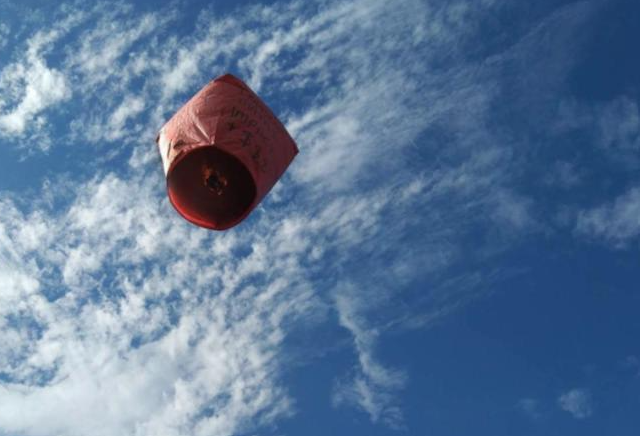
Built into a hillside above the Pacific, Jiufen was a gold-rush town under Japanese rule and is now a warren of tea houses, snack shops, and stone stairways draped in red lanterns. The main lane, Shuqi Road, leads to Jiufen Old Street, where vendors sell taro balls, fish balls, and peanut ice cream rolls. Climb higher to find teahouses with wraparound terraces — order a pot of oolong and let the fog roll in from the sea. The aesthetic is theatrical without being contrived. Arrive before 11am or after 3pm to avoid peak tour groups. The journey from Keelung is best made by bus from the harbour or by train to Ruifang then bus — allow 50–70 minutes each way.
Yehliu Geopark
On a narrow cape 25 km west of Keelung, Yehliu presents one of the stranger landscapes in East Asia: a coastal shelf of eroded sandstone shaped by millennia of sea spray and wind into mushroom rocks, honeycomb formations, and candle-shaped pillars. The most photographed of these, the Queen's Head, has a silhouette uncannily resembling a regal profile. The park is walkable in 60–90 minutes and is best visited in the morning before heat and crowds peak. Buses run directly from Keelung Bus Station approximately every 30 minutes. Entry is modest. Combine with a quick stop at the nearby fishing village of Yehliu for fresh seafood lunch.
Keelung Miaokou Night Market
Despite the name, Miaokou operates throughout the day, beginning around 11am. The market fans out around the ornate Dianji Temple on Ren 3rd Road and is widely regarded as one of Taiwan's most authentic food markets — not a tourist construct, but a genuine neighbourhood institution. Signature dishes include Keelung-style oyster thin noodles (a regional variant thicker and richer than the Taipei version), braised pork rice, deep-fried squid, and bubble milk tea from stalls that have been family-run for generations. The best strategy is to order small portions and graze widely. The market is a 15-minute walk from the cruise terminal.
Taipei 101 & Xinyi District
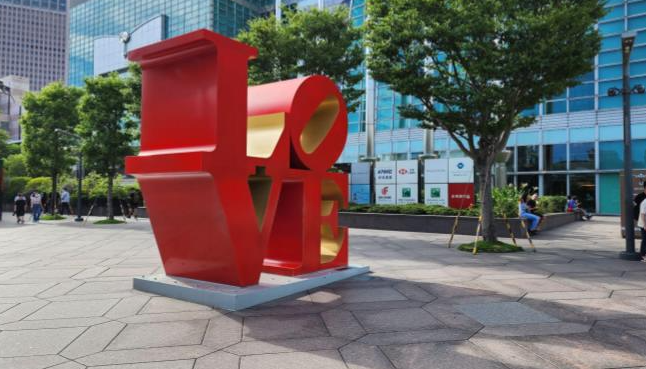
For 22 years, Taipei 101 was the world's tallest building, and its tapered pagoda silhouette against the city skyline remains one of Asia's defining urban images. The 89th-floor indoor observatory offers a 360-degree view across the Taipei Basin, framed by surrounding mountains — on a clear day, the effect is remarkable. The Xinyi District below is Taipei's modern commercial core: gleaming malls, design hotels, and open plazas that fill with office workers at lunch. The indoor tuned mass damper — an 800-tonne gold sphere that stabilises the building against earthquakes and typhoons — is visible from the observatory and is genuinely fascinating. Budget 90 minutes including queuing time.
National Palace Museum
The National Palace Museum holds approximately 700,000 objects spanning 8,000 years of Chinese civilisation — the bulk of the imperial collection transported from Beijing in 1948. Only a fraction is on display at any time, but the rotating core includes pieces of staggering refinement: Song dynasty landscape paintings, jade carved to translucency, Ming porcelain, and the famous Jadeite Cabbage, a thumb-sized sculpture so precisely carved it attracts its own queue. The museum sits in the northern hills of Taipei; take the MRT to Shilin Station then bus or taxi. Allow 2–3 hours. A new southern wing houses Southeast Asian collections.
Longshan Temple & Wanhua District
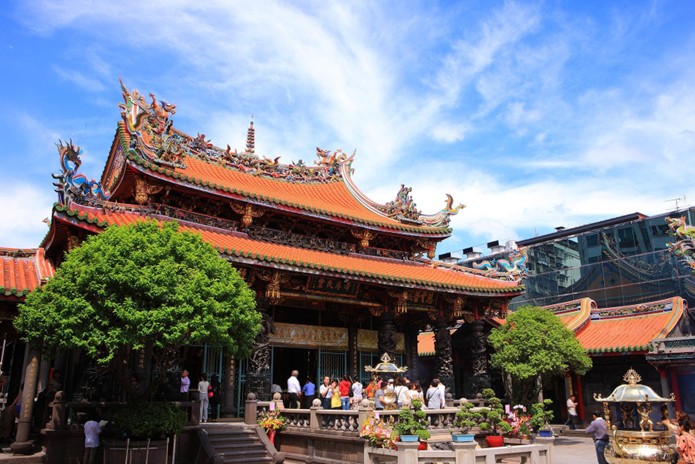
Built in 1738 and rebuilt twice after wartime bombing, Longshan Temple is Taipei's oldest and most theatrically alive place of worship — a syncretic space where Taoist, Buddhist, and traditional Taiwanese deities share a single roof amid perpetual incense smoke and murmured prayer. Unlike many temples that exist primarily for tourists, Longshan draws daily worshippers who come to seek guidance, offer flowers, and interpret divination blocks thrown on the stone floor. The surrounding Wanhua district is one of Taipei's oldest neighbourhoods, with old pharmacies, jade markets, and street food vendors. Best visited in the morning when activity peaks.
Keelung (Taipei) travel tips
Buy an EasyCard Before You Leave the Station. Taiwan's EasyCard is a rechargeable transit card that works on the TRA trains from Keelung, Taipei's MRT, city buses, and even some taxis. Purchase and load one at Keelung Station or Taipei Main Station for NTD 100 deposit plus however much you want to load. It eliminates the need to buy individual tickets and earns a 20% discount on MRT fares. Return it at any MRT station at the end of the day for a deposit refund minus a small processing fee.
Jiufen Timing Makes or Breaks the Experience. Jiufen's narrow lanes become genuinely difficult to navigate during peak hours (noon–4pm on weekends and public holidays). If your ship arrives early, head to Jiufen first and Taipei afterward. The approach by bus via Provincial Highway 2 offers coastal views that the inland Ruifang train route misses — consider going one way by coast bus and returning via Ruifang for variety. Download an offline map before departure; mobile signal can be patchy on the hillside paths.
Taiwan's Convenience Stores Are Genuinely Useful. 7-Eleven and FamilyMart outlets appear roughly every 200 metres throughout Taipei and Keelung. They offer functioning ATMs, decent hot food (dan bing egg crepes, onigiri, hot broth), clean restrooms, and free Wi-Fi. If you need cash, a quick meal, or a place to regroup, they are consistently reliable. Do not mistake this for settling — the 7-Eleven egg salad sandwich in Taiwan is a different object entirely from its equivalents elsewhere.
The Correct Way to Eat at a Night Market. Taiwan's food culture rewards the grazer rather than the sit-down diner. At Miaokou and similar markets, portions are deliberately small — a bowl of noodles might be NTD 50, a rice dish NTD 40. The logic is to try six things rather than one large plate. Point at what others are eating if you cannot read the menu; most stall operators will tell you the price before preparing anything. Allergy awareness is less developed than in Western markets — check ingredient cards where available or use a translation app.
Sun Moon Lake Is Too Far for a Day Trip. Several third-party operators promote Sun Moon Lake and Taroko Gorge as day-trip options from Keelung cruise calls. Both are spectacular, but both require 2.5–3.5 hours of travel each way. Unless your ship offers an overnight extension, these destinations consume your entire day in transit and leave no time to actually experience them. Focus on Jiufen, Yehliu, or Taipei; save the central highlands for a longer visit.
Weather Contingency for the Northeast Coast. Keelung is one of Taiwan's rainiest cities, receiving moisture-laden winds off the Pacific for much of the year. Pack a compact umbrella or poncho regardless of the season. Jiufen in particular sits in cloud much of the time — the lantern-lit atmosphere in light rain is atmospheric rather than miserable, but walking the stone steps requires appropriate footwear. Check the Central Weather Bureau Taiwan forecast the morning of your call; conditions can change quickly.
Port Facts Every Cruiser Needs To Know
Keelung (Taipei) shore excursion FAQs
Taipei is approximately 30 km south of Keelung Harbour. The most efficient route is by Taiwan Railways Administration (TRA) train from Keelung Station to Taipei Main Station — a journey of 35–45 minutes costing around NTD 41. Trains depart every 15–30 minutes. Keelung Station is a 15-minute walk from the cruise terminal, or a short taxi ride (NTD 100–150). Taxis directly from the pier to Taipei are available but cost NTD 800–1,200 depending on traffic. The train is nearly always faster and considerably cheaper.
It is possible but requires an early start and careful planning. A workable itinerary: arrive at port, take the 9am (or earlier) train to Ruifang, bus to Jiufen by 10am, spend 2–2.5 hours, return to Ruifang by 12:30pm, train to Taipei, 2–3 hours in Taipei (select one area: Xinyi/Taipei 101 or Wanhua/Longshan Temple), return train to Keelung by 4:30–5pm. This works comfortably if all-aboard is 6pm or later. If your schedule is tight, choose one destination and give it proper time rather than rushing both.
Some cruise lines operate shuttle buses from the terminal to Keelung city centre or Taipei Main Station on port days — check with your ship's port desk upon arrival. Independently, public bus services connect Keelung Bus Station (adjacent to the train station) with various points in Taipei. Taxis queue outside the cruise terminal on port days. On busy port days, shared taxi arrangements sometimes form organically at the terminal gates.
Advance booking is recommended for weekend calls and during peak seasons (October, Chinese New Year, summer). Tickets can be purchased online at the official Taipei 101 website. Walk-up tickets are usually available on weekdays, but queues at the high-speed elevator can add 20–30 minutes to your visit time. The observatory is open daily 9am–10pm. If you prefer to skip the queue entirely, the shopping mall floors below are free and offer good views from the upper retail atrium.
Cash remains essential for night markets, local eateries, temple areas, smaller shops, and all transport outside of credit-card-equipped taxis. ATMs dispensing NTD are available at the cruise terminal, both train stations, throughout Taipei's MRT stations, and in every 7-Eleven and FamilyMart. Withdrawal limits and fees vary by home bank — check before departure. The EasyCard transit card (purchasable at station kiosks) simplifies train and metro travel and is reloadable with cash.
Taiwan consistently ranks among the safest destinations in Asia for independent travel. Petty crime targeting tourists is rare, public transport is reliable, and English language support at key transit points is sufficient for navigation. Pedestrian traffic laws are respected in most areas, though scooter density in older city districts requires attention at intersections. The main practical concerns are weather (rain is frequent in Keelung) and timing — missing ship departure is the primary risk, which is managed by leaving Taipei no later than 90 minutes before all-aboard.
Keelung's Miaokou Night Market, operating from approximately 11am, is reason enough to stay local. Keelung-style oyster thin noodles (蚵仔麵線) are the signature dish — thicker and more richly flavoured than the Taipei version. Look also for braised pork rice, deep-fried squid on a stick, glutinous rice dumplings, and taro ball desserts. The harbour fish market near the port operates in the early morning for fresh seafood. The Ba Dou Fish Market occasionally opens to the public. For coffee, several third-wave cafes have opened in the revamped Zhengbin Harbour colour-building area, a short walk from the terminal.
Yehliu is a coastal geopark on a narrow cape 25 km southwest of Keelung, where wave erosion and salt weathering have created a surreal landscape of mushroom-shaped rocks, sea candles, and honeycomb formations over the sandstone shelf. The park's most famous formation, the Queen's Head, has a naturally eroded silhouette resembling a seated figure. The walk through the main formation area takes 60–90 minutes. It is worth the journey for travellers interested in geology or unusual landscapes. Buses run from Keelung Bus Station approximately every 30 minutes. Best combined with Jiufen on the same day, as both are northeast of Keelung along Highway 2.
Taiwan has one of the highest rates of vegetarianism in Asia, influenced by Buddhist practice, and dedicated vegetarian restaurants (素食館) are common throughout Taipei and Keelung. Many serve buffet-style meals priced by weight. At night markets, vegetarian options exist but require identification — the Chinese characters 素 (su, meaning vegetarian) indicate vegetarian dishes. Be aware that broths at noodle stalls are frequently pork or seafood-based even when no meat is visible. A printed card in Chinese stating dietary requirements is helpful; translation apps with camera mode work well at menus.
The National Palace Museum holds one of the world's most significant collections of Chinese imperial art and artefacts — approximately 700,000 objects, of which roughly 3,000 are displayed at any time on a rotating basis. The museum is in the Shilin district of northern Taipei; take the MRT Red Line to Shilin Station then bus 255 or 304, or a taxi (10 minutes). Admission is NTD 350 for adults; audio guides are available in multiple languages. Arrive at opening (9am) to avoid group tour congestion. The Jadeite Cabbage and Meat-shaped Stone attract the longest queues. Allow 2–3 hours for a focused visit of the core galleries.
Filters
Select a filter to refine results.
Tour Type
Tour Activity
 Cart
Cart
 USD
USD GBP
GBP AUD
AUD EUR
EUR CAD
CAD