



Tours in Klang (Kuala Lumpur)


Cruising to Klang (Kuala Lumpur) in a group?
Skip the crowded ship excursion bus. One dedicated planner will design a private shore experience around exactly what your group wants — coordinated from first enquiry to the moment you're back on board. More memorable, more flexible, and more affordable than you might expect. Spend less time organising, more time enjoying.
Explore Group Travel →Cruising to Klang (Kuala Lumpur)
Port Klang is a working industrial port at the mouth of the Klang River, 40 kilometres west of Kuala Lumpur on the Strait of Malacca. The port itself is purely functional — most travellers pass through quickly to reach KL — but the Klang town nearby has a modest colonial riverfront and is the unlikely centre of Malaysia's most refined bak kut teh, the slow-braised pork rib soup that locals will argue over with genuine conviction.
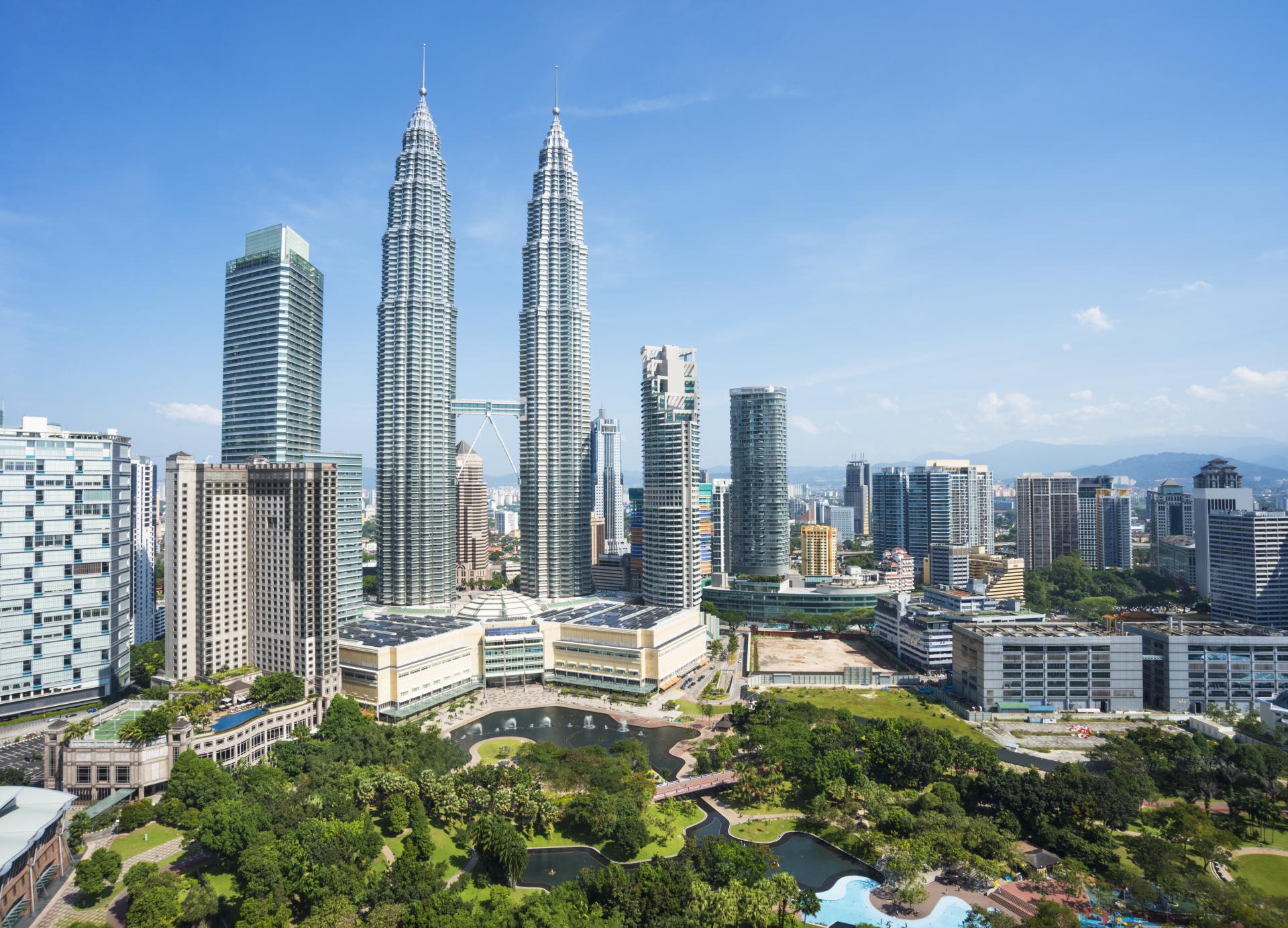
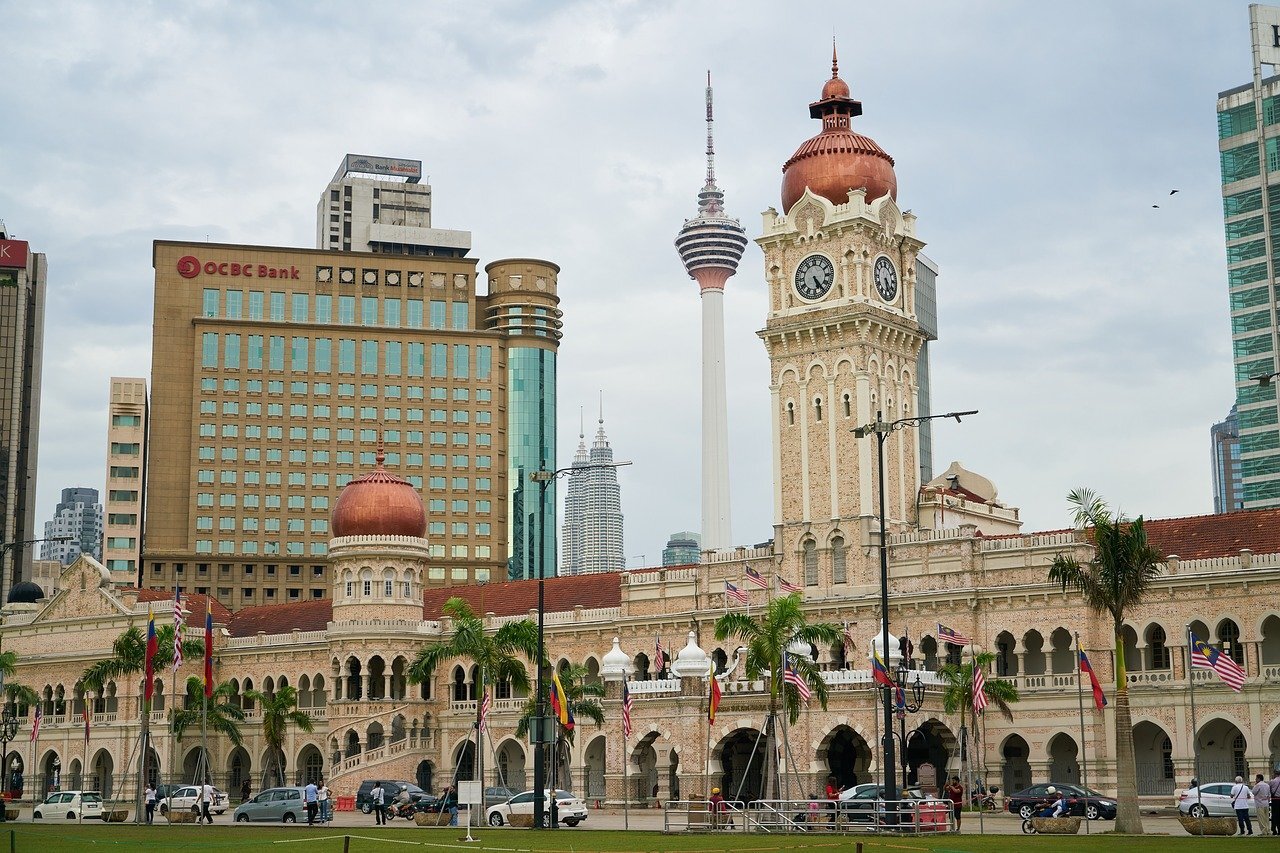
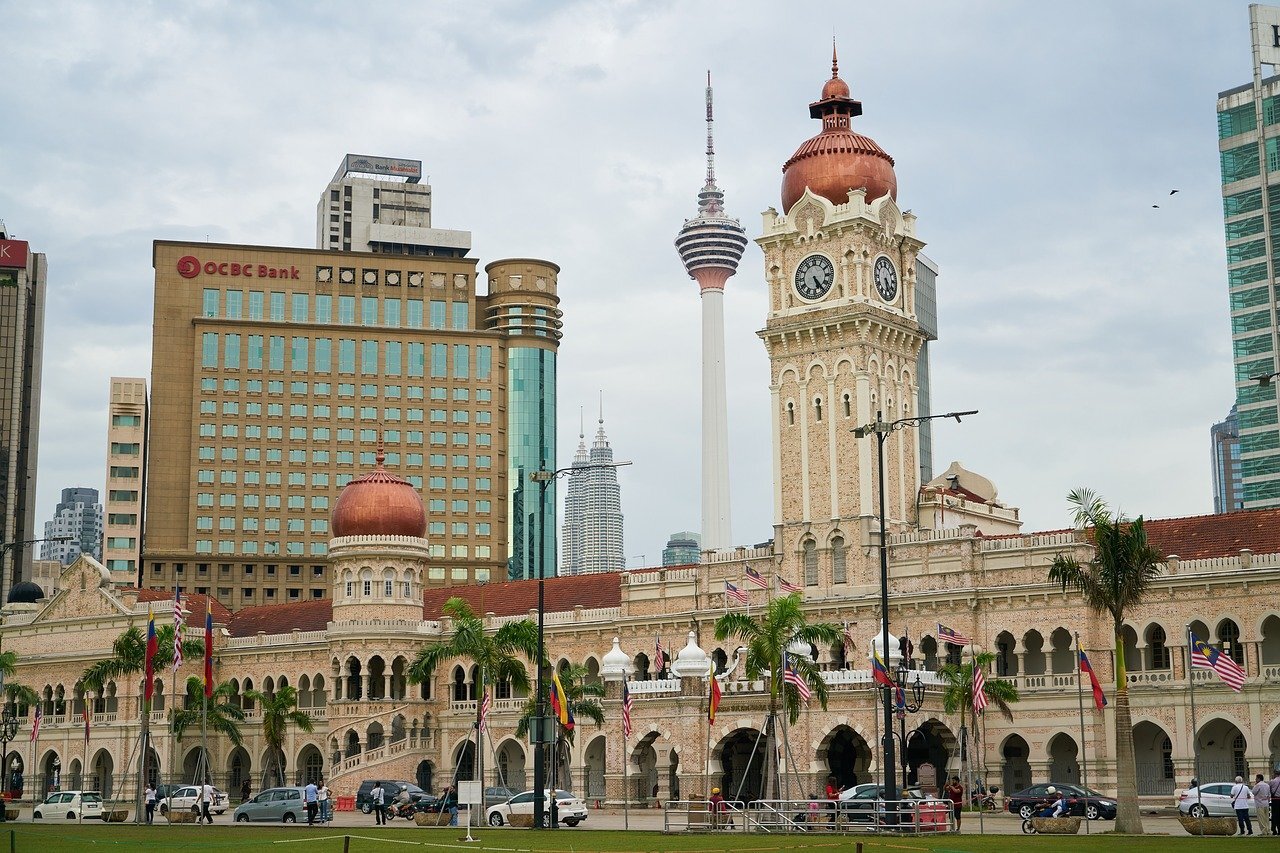
Kuala Lumpur, for its part, has built a city that refuses easy categorisation. The Petronas Twin Towers — still the world's tallest twin structures — rise from the Kuala Lumpur City Centre (KLCC) park with an elegance that photographs consistently underestimate. Below them, a 50-hectare park provides unlikely green relief in the middle of a modern financial district. Meanwhile, Merdeka Square, a short distance away, is ringed by Moorish-Gothic colonial buildings from the British era, a 95-metre flagpole on what was once the Royal Selangor Club cricket pitch, and the ornate Sultan Abdul Samad Building, all in terracotta and striped arches.
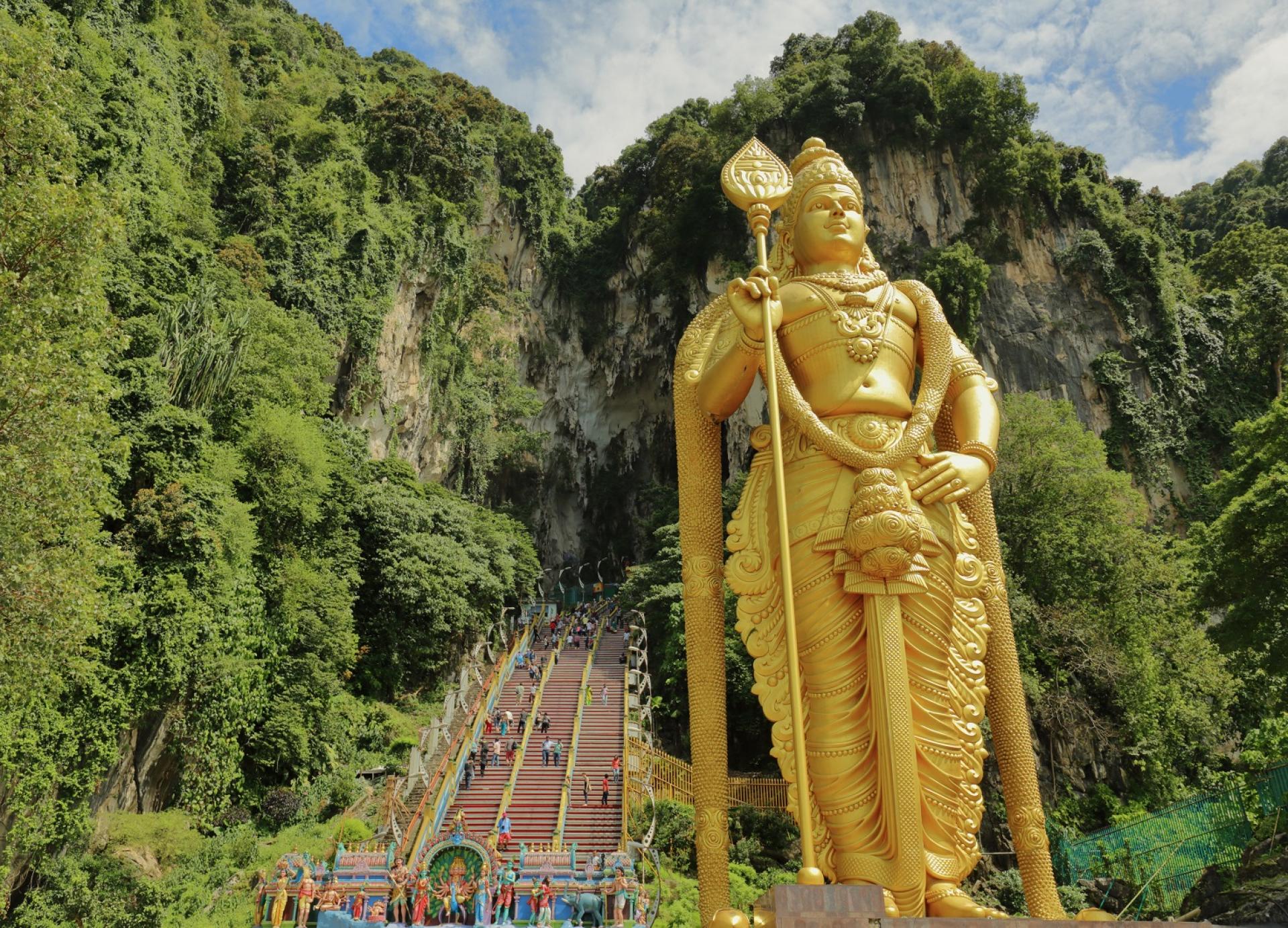
Batu Caves, 13 kilometres north of the city centre, is the most visited Hindu shrine outside India: a series of cathedral-scale limestone caverns reached by 272 steps, their entrance presided over by a 43-metre golden statue of Lord Murugan. The caves are active temples, not museum pieces — incense smoke, bells, and prayer mix with the theatrical scale of the geology. The complex includes a smaller cave temple with vivid painted murals that receives fewer visitors and rewards the extra ten minutes it requires.
Kuala Lumpur's food culture is the product of three major communities — Malay, Chinese, and Tamil Indian — alongside a Peranakan (Straits Chinese) tradition that developed its own distinct cuisine over centuries. Jalan Alor in Bukit Bintang is the most famous street food corridor; Petaling Street in Chinatown offers char kway teow and dim sum alongside counterfeit goods markets; and the Little India district around Brickfields serves roti canai and banana leaf rice from early morning. A single day ashore barely scratches the surface.
Top things to do in Klang (Kuala Lumpur) on a cruise stopover
Petronas Twin Towers & KLCC
Designed by César Pelli and completed in 1998, the Petronas Twin Towers remain among the most recognisable structures in Asia. The 88-floor towers are connected by a sky bridge at floors 41–42, which is open to a limited number of visitors per day — advance booking is strongly recommended. The 86th-floor observation deck offers an unobstructed panorama of the Kuala Lumpur Basin and surrounding hills. Below, the 50-hectare KLCC Park provides fountain displays and walking paths that offer the best ground-level perspective on the towers' scale. The Suria KLCC mall beneath connects to the park and houses international retail alongside some creditable Malaysian food options on the basement level.
Batu Caves
Thirteen kilometres north of KL city centre, Batu Caves is a complex of limestone hill caverns that serve as the most significant Hindu pilgrimage site in Southeast Asia. The main Cathedral Cave is reached by 272 painted concrete steps, flanked by the 43-metre gilded statue of Lord Murugan at the base. Inside the cave, shafts of light penetrate the limestone ceiling, illuminating active shrines and the nesting colonies of swifts that circle overhead. During the Thaipusam festival (January–February), the site receives over one million pilgrims in a single day — extraordinary to witness but logistically challenging for cruise visitors. On ordinary port days, arrive before 10am to avoid group tour congestion. The smaller Cave Villa and Art Gallery cave at the base deserve 20 additional minutes.
Merdeka Square & Colonial KL
Merdeka Square (Dataran Merdeka) is where Malaysia's independence flag was first raised at midnight on 31 August 1957, replacing the Union Jack on what had been the Royal Selangor Club cricket pitch. Today the square is an open expanse flanked by some of KL's most architecturally coherent colonial buildings: the Sultan Abdul Samad Building in Moorish-Gothic terracotta, the Royal Selangor Club in mock Tudor, and the imposing clock tower of the old city hall. The National Textile Museum occupies one corner building and provides air-conditioned respite with well-displayed collections of Malaysian batik and songket weaving. Early mornings here, before the heat builds, are particularly atmospheric.
Petaling Street & Chinatown
Petaling Street is KL's original Chinese commercial district and remains genuinely functional rather than purely tourist-oriented, though both elements coexist. The covered market section is dense with vendors selling watches, bags, and electronics of variable provenance; the surrounding streets have better food at lower prices than the tourist corridor. Sri Mahamariamman Temple, a Tamil Hindu temple of elaborate gopuram tower, sits at the edge of Chinatown and provides an unexpected juxtaposition. For food, this area excels at dim sum (morning only), char kway teow, and Hokkien mee. The Kasturi Walk market immediately adjacent to the main market has local craft and food stalls.
Putrajaya: Malaysia's Grand Federal Administrative Capital
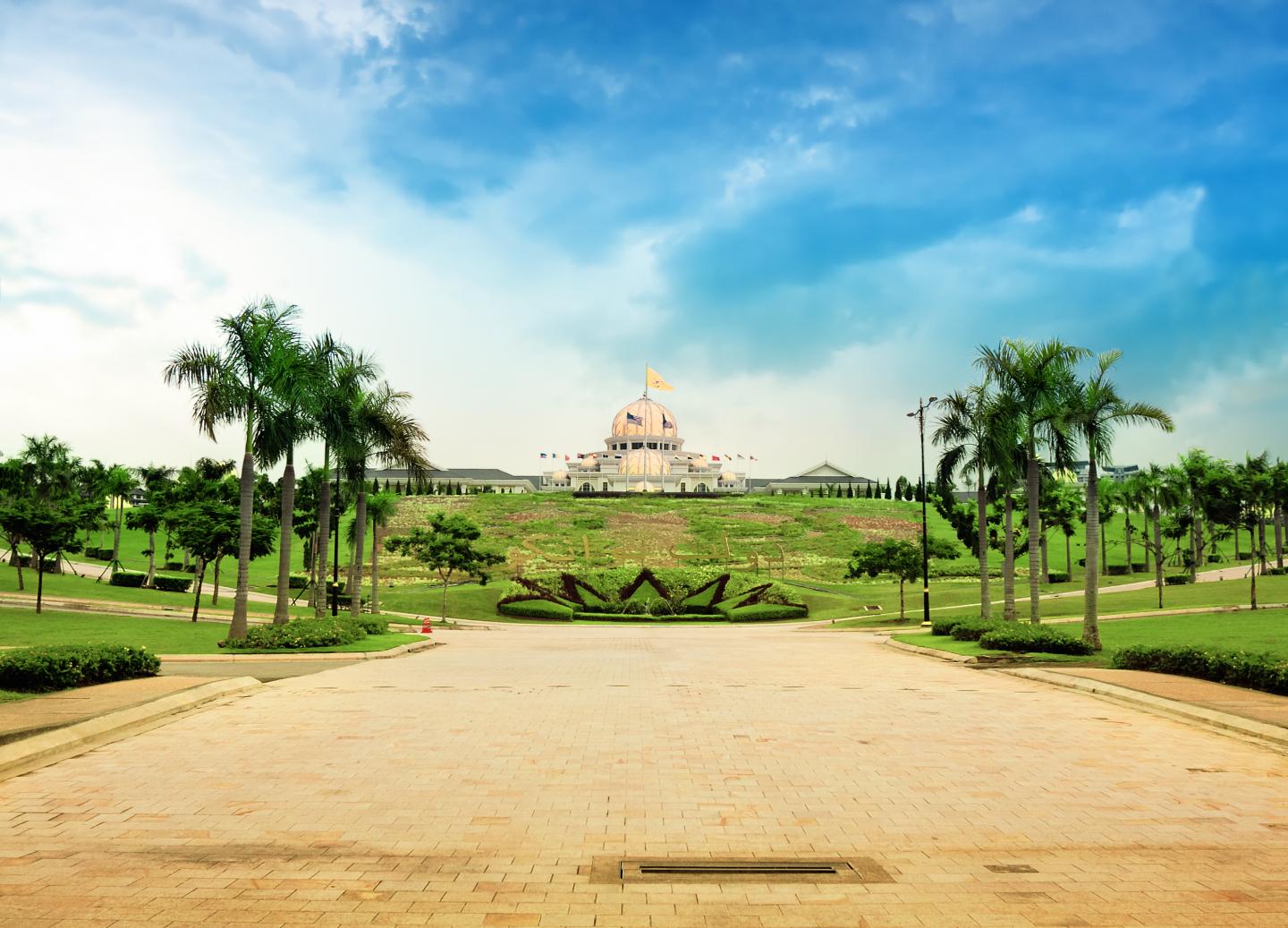
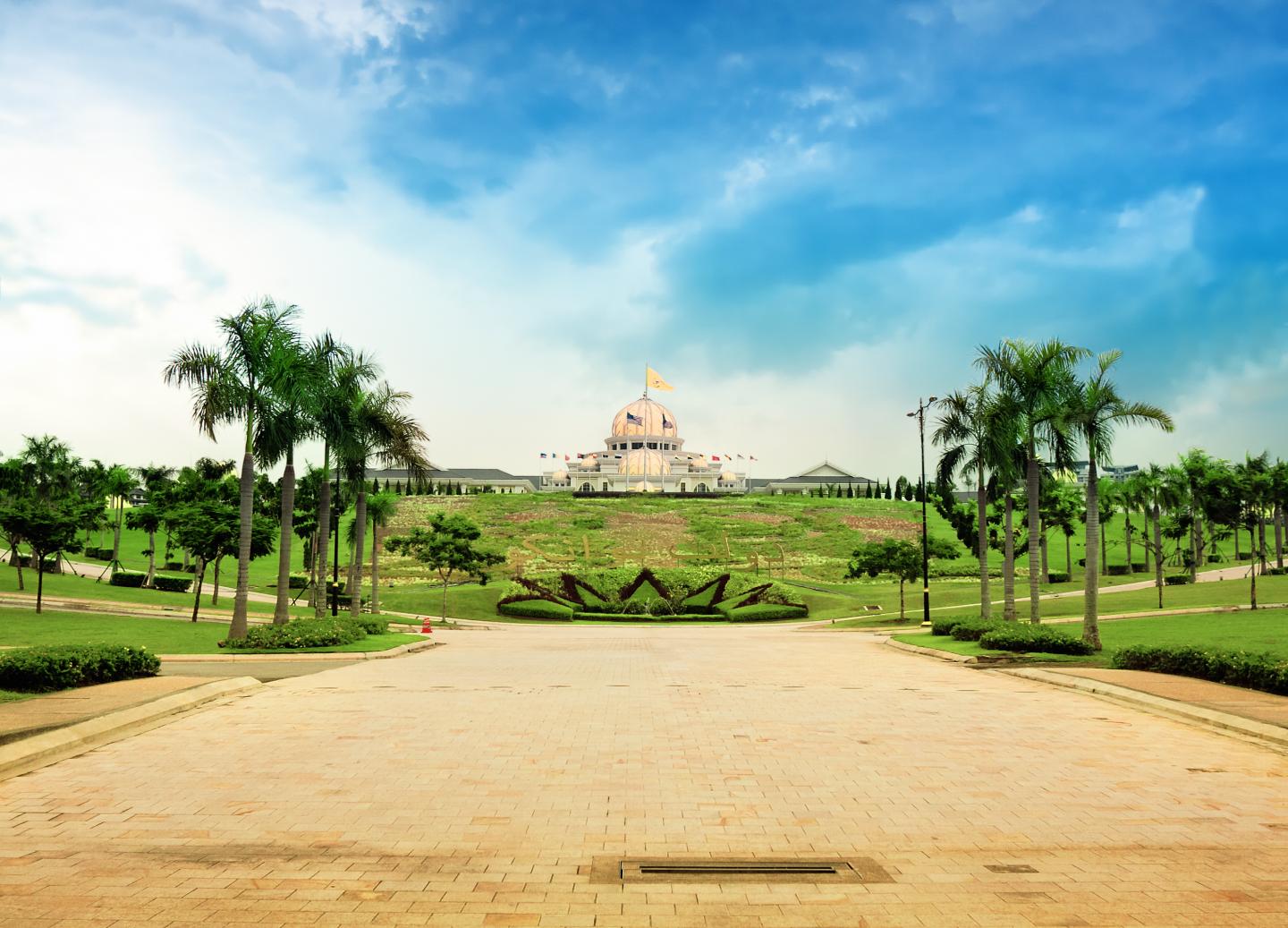
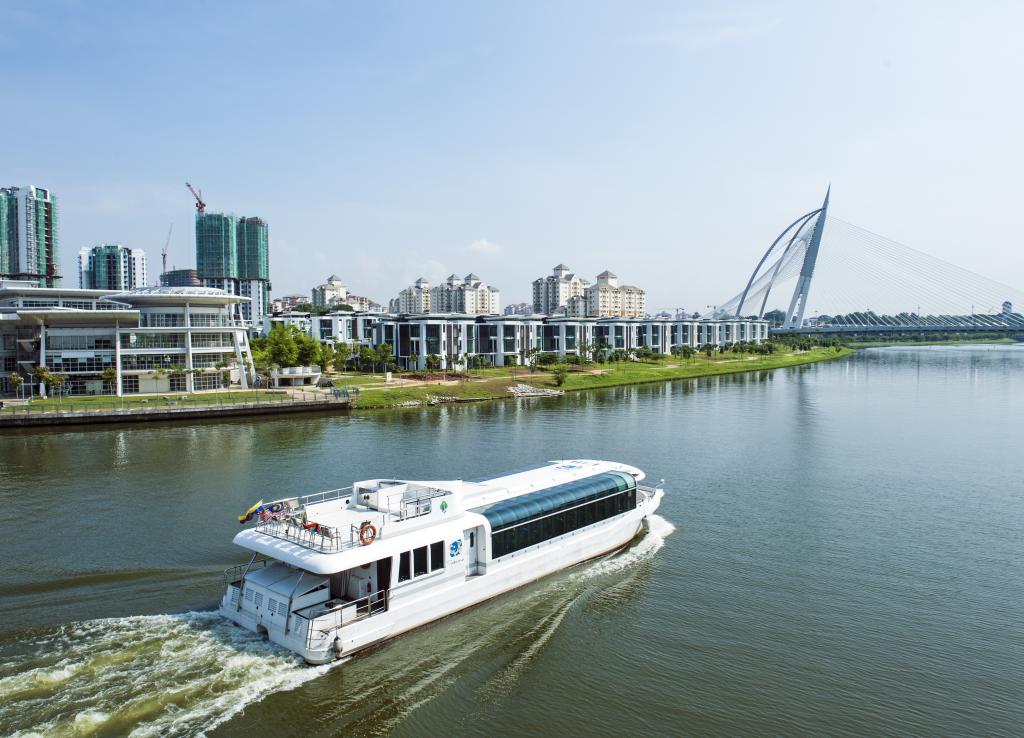
Putrajaya was built from scratch in the late 1990s as Malaysia's federal administrative capital — a planned city carved from oil palm plantation land 25 kilometres south of KL. The scale is deliberately monumental: the rose-pink Putra Mosque sits on a promontory above a vast man-made lake; the Prime Minister's office occupies a hilltop in Mughal-influenced green-domed style; broad ceremonial boulevards connect government complexes across a landscape of fountains, manicured gardens, and sweeping bridge crossings. The effect is unlike anything else in Malaysia — part garden city, part statement of national ambition. A lake cruise reveals the administrative core from the water, with the mosque and government buildings reflected across the still surface. The city functions normally on weekdays; weekends draw Malaysian families and the atmosphere shifts to something more festive.
National Museum and Royal Selangor Pewter: Malaysia's Heritage in Detail
The National Museum (Muzium Negara) charts Malaysia's history from prehistoric cave culture through Hindu-Buddhist kingdoms, the Sultanate era, European colonisation, and independence — four permanent galleries with artefacts and period reconstructions that give the country's complex identity a coherent narrative. Royal Selangor Pewter, housed in a factory-showroom near Setapak, is the world's largest pewter manufacturer and a craft rooted in the Chinese tin-mining heritage of the Klang Valley. The visitor experience includes a demonstration of the hand-finishing process and a gallery of historical pieces spanning over 130 years of production — tankards, tea sets, figurines — that trace both the craft and the community that developed it. Both destinations reward the extra travel time they require and represent a more authentically Malaysian experience than most attractions in the city centre.
Klang (Kuala Lumpur) travel tips
Learn a Few Words of Bahasa Malaysia. A handful of Malay phrases go a long way in KL. 'Terima kasih' (teh-ree-mah kah-see) is thank you; 'Berapa harga?' (beh-rah-pah har-gah) means 'How much?'; 'Tolong' (toh-long) is please. English is widely spoken in the city, particularly at hotels, shopping centres, and major attractions, but making the effort with basic greetings in markets and hawker centres is warmly received. Malay script uses the Roman alphabet, so signage is straightforward to read. Islamic greetings — 'Assalamualaikum' — are appropriate when greeting Muslim Malays and will almost always prompt a smile. KL's ethnic diversity means you may also hear Cantonese, Hokkien, or Tamil in different neighbourhoods; the city's linguistic texture is part of its distinct character and reflects a history of maritime trade that drew communities from across the region.
Book Petronas Towers Tickets Before Sailing. The Petronas Twin Towers sky bridge and observation deck are among KL's most popular attractions, with a daily visitor cap. Tickets sell out on weekends and public holidays, often days in advance. Book online at the official Petronas Towers website before your cruise call — your ship's date at Port Klang is your target date. The entry includes both the sky bridge (floor 41) and the observation deck (floor 86). If advance tickets are unavailable, the view from the KLCC park below is excellent at no cost.
Time the Batu Caves Visit Carefully. The 272 steps to Batu Caves main cavern face south and receive direct sun from mid-morning; by noon the limestone radiates heat and the steps become genuinely taxing. Aim to arrive before 9:30am or, if afternoon is your only option, bring water and plan to rest in the cave's interior, which is significantly cooler than the exterior. Comfortable shoes with grip are important — the steps are painted but can be slippery. Monkeys inhabit the cave complex and are opportunistic with food and open bags; keep zips closed. Entry to the main cave is free.
KL's Hawker Culture Has an Unwritten Logic. Malaysian hawker centres operate on a shared-table, order-from-individual-stall model. Find a seat, then approach whichever stall interests you — drinks are typically ordered separately from a dedicated drinks vendor who will find you. It is entirely normal to have dishes from three different stalls arrive at the same table simultaneously. Prices are displayed at most stalls; at those without, ask before ordering. The practice of dabbing a tissue pack on a table to 'reserve' it is widely observed and respected. Most hawker centres close between 3–5pm and reopen for dinner.
The Train Back Has a Cut-Off. The last KTM Komuter train from KL Sentral to Port Klang runs in the early evening — check the current schedule at klsentral.com.my or the KTM app before departure. More importantly, afternoon peak-hour trains (4–7pm) are crowded. If your all-aboard time is 6pm or earlier, plan to board the train from KL Sentral by 3:30–4pm.
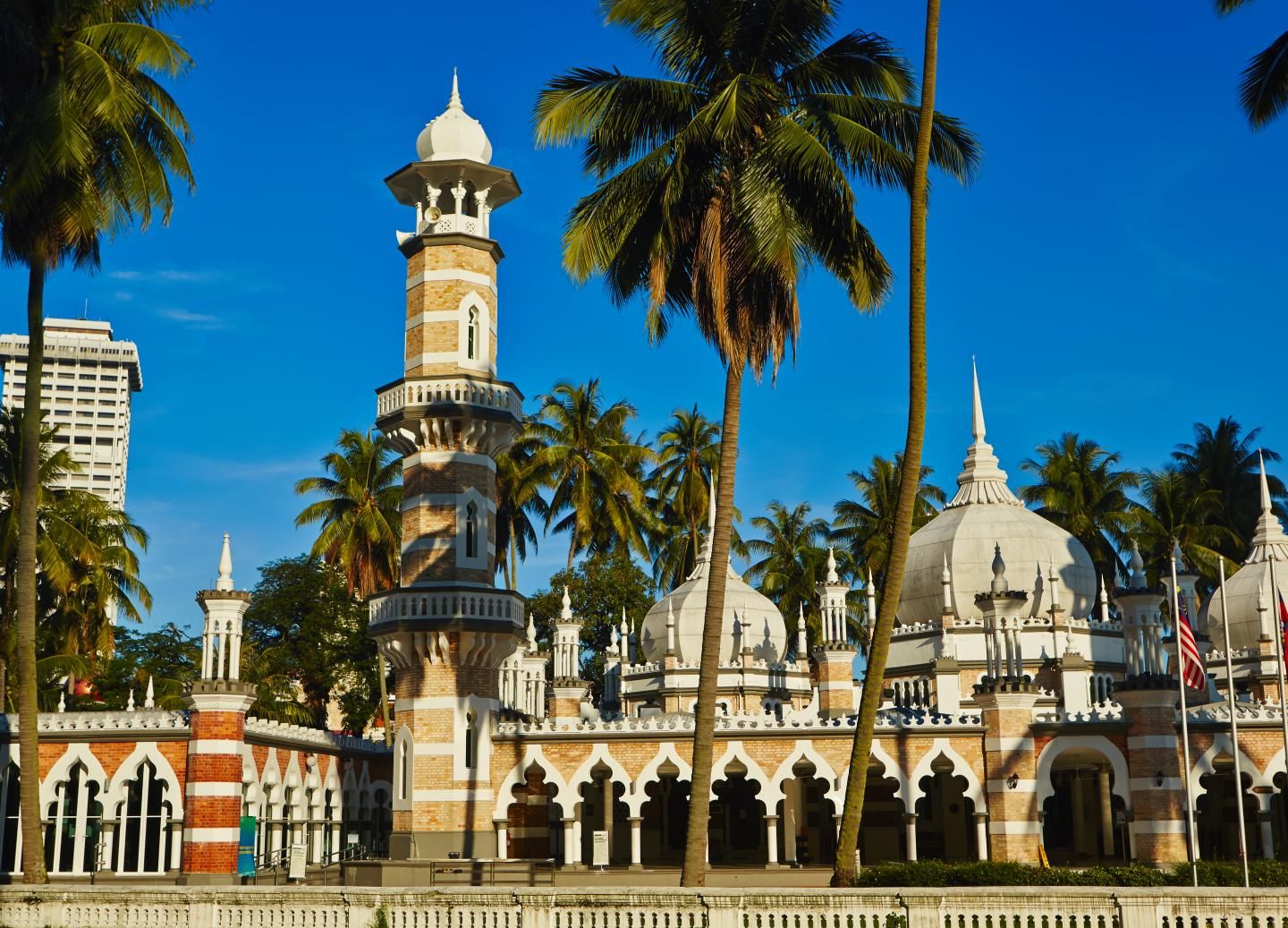
Dress for Religious Sites. Both Batu Caves and the city's mosques require modest dress — shoulders and knees covered. Sarongs are available for loan or purchase at Batu Caves if you arrive underprepared, but having appropriate clothing saves time. The National Mosque (Masjid Negara) and Masjid Jamek are open to non-Muslim visitors outside prayer times; women will be provided with robes at the entrance. The Islamic Arts Museum has no dress restrictions beyond general respectful attire. KL's heat makes lightweight linen or cotton the most practical choice for covering up without overheating.
Port Facts Every Cruiser Needs To Know
Klang (Kuala Lumpur) shore excursion FAQs
The most practical route is by KTM Komuter train from Port Klang Station to KL Sentral. The station is approximately 1 km from both Westport and Northport cruise terminals — a short Grab ride or 10–15 minute walk. Trains run every 20–30 minutes and the journey takes approximately 60 minutes, costing MYR 10–14 per person. From KL Sentral, KL's MRT, LRT, and monorail network connects to all major destinations. Taxis and Grab cars also run directly from the port to KL, taking 45–90 minutes depending on traffic and costing MYR 50–120.
Kuala Lumpur is generally safe for independent tourists. Petty theft (bag snatching, pickpocketing in crowded areas) is the primary concern — keep bags in front of your body in markets and busy streets, and be aware of motorcyclists in areas like Petaling Street. Use Grab rather than hailing street taxis to avoid fare disputes. Carry a photocopy of your passport rather than the original. Tap water in KL is technically treated but bottled water is inexpensive and widely available. The main practical risk for cruise passengers is timing — ensure you allow adequate return time before all-aboard.
Malaysia participates in various visa exemption arrangements; citizens of most European countries, Australia, New Zealand, Canada, and many Asian nations receive a 90-day visa-free entry for tourism. US citizens receive 90 days visa-free. Citizens of India require a prior e-Visa or visa on arrival (fees and procedures updated periodically — verify at the Malaysian Immigration Department website before travel). As a cruise passenger, you will be processed through a cruise terminal immigration checkpoint; ensure your passport has at least 6 months validity from your sailing date.
The main Cathedral Cave at Batu Caves is free to enter; there is no admission charge for climbing the 272 steps or exploring the primary temple cave. The Dark Cave (a separate ecological and geological tour) charges MYR 35 per adult for a guided experience (approximately 45 minutes). The Ramayana Cave and Art Gallery Cave at the base also charge a small admission. Budget around MYR 10–15 for the optional additional caves if interested. Photography inside the main cave is permitted. The site is open from approximately 6am to 9pm.
Yes, this is one of the most common day-itineraries for cruise passengers and is manageable with good timing. Take the early KTM train to KL Sentral, then continue by KTM to Batu Caves Station (30 minutes, about MYR 5). Allow 90 minutes at the caves. Return to KL Sentral and take a Grab or LRT to KLCC for the Petronas Towers (observation deck tickets should be pre-booked for your specific time slot). Allow 90 minutes there. This leaves time for lunch or a brief exploration of Chinatown before heading back to Port Klang. Start by 8am to make this comfortable.
Malaysian cuisine reflects three major culinary traditions — Malay, Chinese, and Tamil Indian — and a day ashore allows meaningful exploration of all three. For breakfast or brunch: roti canai (flaky flatbread with dhal and curry) at any mamak stall, or dim sum in Chinatown. For lunch: nasi lemak (coconut rice with sambal, egg, anchovies, and peanuts, the national dish), or char kway teow (wok-fried flat rice noodles with prawns, egg, and bean sprouts). For afternoon snacking: cendol (shaved ice with pandan jelly and palm sugar) or curry puffs. The Brickfields Little India district is excellent for banana leaf rice at lunch. Avoid food that has been sitting in the sun for extended periods at outdoor stalls.
Kuala Lumpur sits roughly 3 degrees north of the equator, and temperatures typically reach 32–35°C by mid-morning with humidity commonly above 80%. This is a genuine physical consideration, particularly at outdoor sites like Batu Caves (272 steps in direct sun) and Merdeka Square. Practical mitigations: schedule outdoor sites for early morning before 11am; plan air-conditioned intervals (museums, shopping centres, the KLCC mall) during midday; carry a refillable water bottle and supplement with electrolytes if sweating heavily; wear light-coloured, loose-fitting breathable fabric. The heat is manageable with planning but should not be underestimated, especially for travellers from temperate climates.
Malaysia excels on both counts. As a majority-Muslim country, halal food is the default at Malay restaurants, street food stalls, and most hawker centres — look for the green halal logo from JAKIM (Malaysia's Islamic Development Department). Mamak restaurants (Tamil Muslim-operated, open 24 hours) serve excellent halal roti canai, murtabak, and rice dishes. Vegetarian options are strong due to Malaysia's large Tamil Hindu community: banana leaf restaurants in Brickfields serve fully vegetarian thali; dedicated vegetarian Chinese restaurants operate throughout the city. Chinese hawker food is predominantly non-halal and pork-inclusive — signage distinguishes halal from non-halal stalls in mixed centres.
Klang town, the royal capital of Selangor state, sits between the cruise port and KL and is frequently bypassed by cruise passengers. It merits a brief stop for one specific reason: bak kut teh, the slow-braised pork rib soup that Klang claims as its origin. Two distinct styles exist — Klang-style uses a dark, rich soy-heavy broth quite different from the peppery Hokkien version found in Singapore. Several restaurants along Jalan Besar have been operating for decades. Klang also has the Sri Subramaniar Swamy Temple, one of Malaysia's oldest Tamil temples, and a modest colonial riverfront. Allow 1–1.5 hours if stopping here en route to or from KL.
KL offers shopping across a wide range of contexts. For locally made goods, look for batik fabric and songket (gold-thread weaving) at the Craft Cultural Complex (Kompleks Kraf) near the national museum, or at Petaling Street for more affordable printed batik. The Central Market (Pasar Seni) is a converted Art Deco market building near Chinatown with a curated selection of Malaysian crafts, textiles, and artwork at fixed prices — no negotiation required, making it easier for time-limited visitors. KLCC and Pavilion in Bukit Bintang are large malls with international retail if that is preferred. Counterfeit goods (watches, bags) are widely sold at Petaling Street — purchasing these is technically illegal and carries risk of confiscation.
Filters
Select a filter to refine results.
Tour Type
Tour Activity
 Cart
Cart
 USD
USD GBP
GBP AUD
AUD EUR
EUR CAD
CAD