



Tours in Kochi Japan


Cruising to Kochi Japan in a group?
Skip the crowded ship excursion bus. One dedicated planner will design a private shore experience around exactly what your group wants — coordinated from first enquiry to the moment you're back on board. More memorable, more flexible, and more affordable than you might expect. Spend less time organising, more time enjoying.
Explore Group Travel →Cruising to Kochi Japan
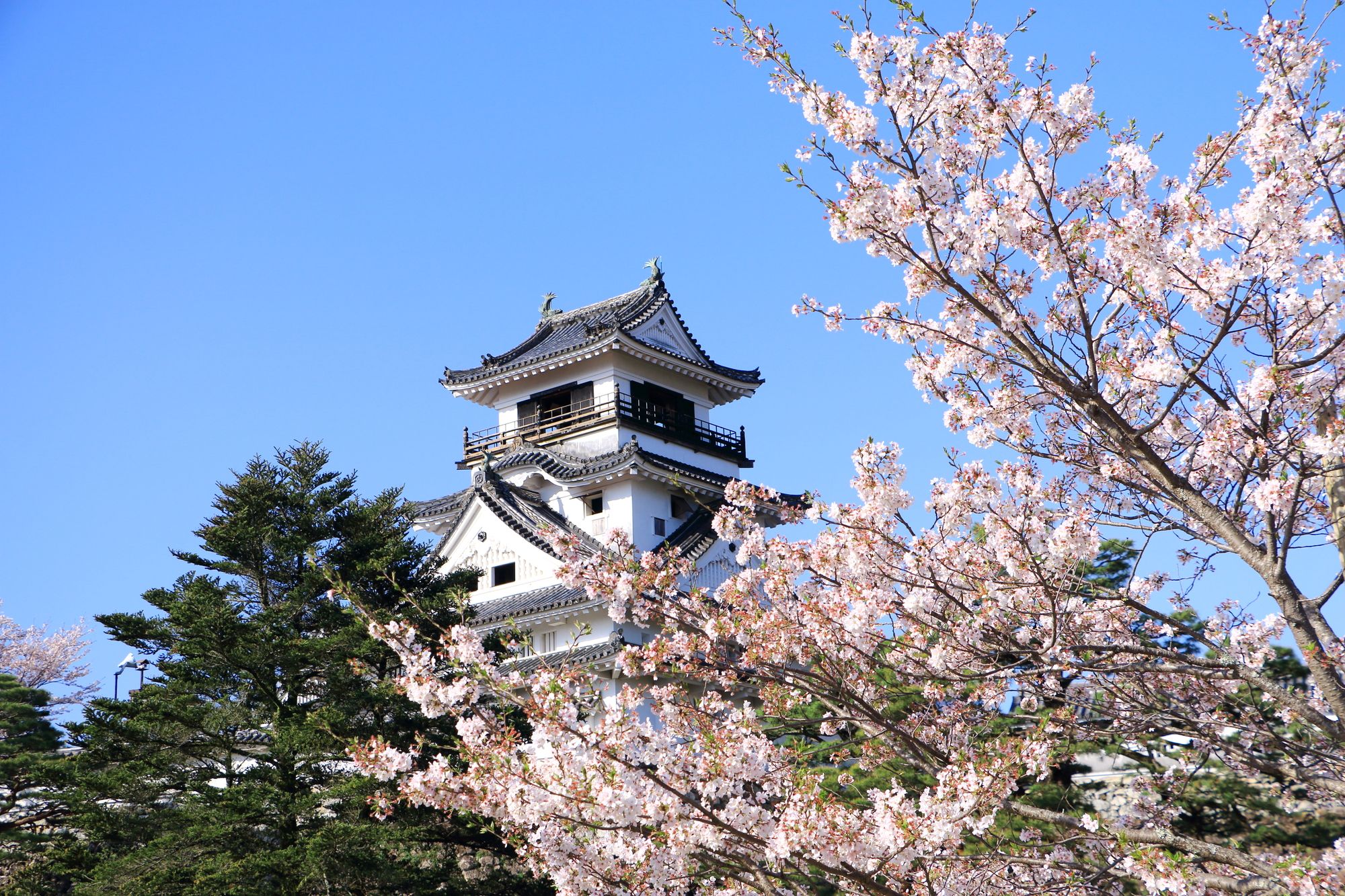
Kochi sits in the hollow of a wide bay on the Pacific side of Shikoku, Japan's fourth-largest island, and it carries itself with a self-possession that sets it apart from more-visited Japanese destinations. The city was the capital of the Tosa domain under the Yamauchi clan from the early 17th century, and that feudal heritage is still tangible: Kochi Castle stands on a low hill at the centre of the modern city exactly as it was completed in 1753, one of only twelve Japanese castles retaining their original tenshu (keep). The view from the top takes in the whole city and, on clear days, the mountains that press close to the coast on three sides.
Kochi's character is shaped as much by food as by history. The city is famous throughout Japan for its bonito (katsuo) culture — the skipjack tuna caught in the Pacific waters and prepared as tataki, seared briefly over straw flames so the exterior chars while the interior remains raw, then served with ponzu and ginger. Eating katsuo tataki in Kochi is to taste one of Japan's genuinely regional dishes in its proper context, and the city takes this seriously: the Sunday Ichi market sells dried bonito, fresh fish, and the local citrus (yuzu, sudachi, dekopon) alongside vegetables, tools, and seedlings in a sprawling open-air bazaar that has operated on the same street every Sunday for roughly 300 years.
The city's other distinctive quality is its nightlife culture. Kochi has more bars per capita than almost any other Japanese city, and the concept of the 'oidemase' — the welcoming spirit at a counter bar — is taken seriously here. This is not directly relevant to a daytime cruise call, but it explains the slightly looser, more sociable atmosphere you sense even during daylight hours in the Obiyamachi shopping arcade and the streets around the castle. Tosa sake, brewed with pure mountain water and consumed in traditionally generous measures, is widely available at tastings throughout the city.
The Yosakoi dance festival, held each August and drawing tens of thousands of dancers from across Japan to compete in teams along Kochi's main streets, is the city's largest annual celebration. Even outside festival season, the Yosakoi spirit — colourful, energetic, competitive in a celebratory sense — can be encountered at dedicated performance spaces and through the Yosakoi Museum, which explains the festival's post-war origins and evolution into a national phenomenon.
Top things to do in Kochi Japan on a cruise stopover
Kochi Castle: One of Japan's Original Twelve Keeps
Of the hundreds of castles that once defined feudal Japan's skyline, only twelve retain their original wooden tenshu (main keep) — never destroyed, never substantially rebuilt. Kochi Castle is among them. The current structure was completed in 1753 (a reconstruction after a 1727 fire, though built to the original 1601 design), and walking through its interior is to move through authentic feudal-era architecture: steep wooden stairs worn smooth by generations, small windows with arrow loops, defensive mazes between the second and third baileys, and at the summit a panoramic view of the coastal city and its surrounding mountains. The castle grounds are particularly beautiful in early April when cherry trees in the second bailey flower. The Kochi Castle Museum at the base of the hill provides excellent context; allow at least 90 minutes for both.
Katsuo Tataki: Kochi's Defining Dish
Japan's regional food cultures are varied and fiercely local, and Kochi's claim to fame is katsuo tataki — bonito seared at high heat over burning straw (wara-yaki), then sliced and served with ponzu citrus dressing, garlic, ginger, and green onions. The result is a dish with charred, smoky edges and a cool, raw interior: texturally and flavourally unlike sashimi prepared any other way. In Kochi, the bonito is fresher and the preparation more confident than anywhere else in Japan. Hirome Market, an indoor food hall a short walk south of the castle, has multiple vendors grilling tataki to order from mid-morning; eating at the communal tables while the smoke drifts up is the proper introduction. The volume of sake being drunk at 11am at adjacent tables tells you everything about Kochi's relationship with both food and hospitality.
Sunday Ichi Market: 300 Years of Commerce on Ote-suji
Every Sunday, the long boulevard of Ote-suji stretching west from Kochi Castle fills with stalls selling fresh vegetables, dried fish, pottery, seedlings, garden tools, local sweets, and the kind of miscellaneous goods that suggest you are visiting a real market rather than a curated craft fair. The Ichi market (ichi means 'market' in Japanese) has been held here since around 1690, which means it predates most of the institutions visitors take for granted as permanent features of Japanese life. The stalls begin setting up before 6am and the market runs until roughly 3pm. Key purchases: yuzu products (the fragrant citrus grown in the Monobe River valley upstream from Kochi), dried bonito shavings for home cooking, and local Tosa sake from producers who bring bottles directly to sell. The market draws local shoppers alongside visitors and does not perform for tourists.
Katsurahama Beach and the Ryoma Connection
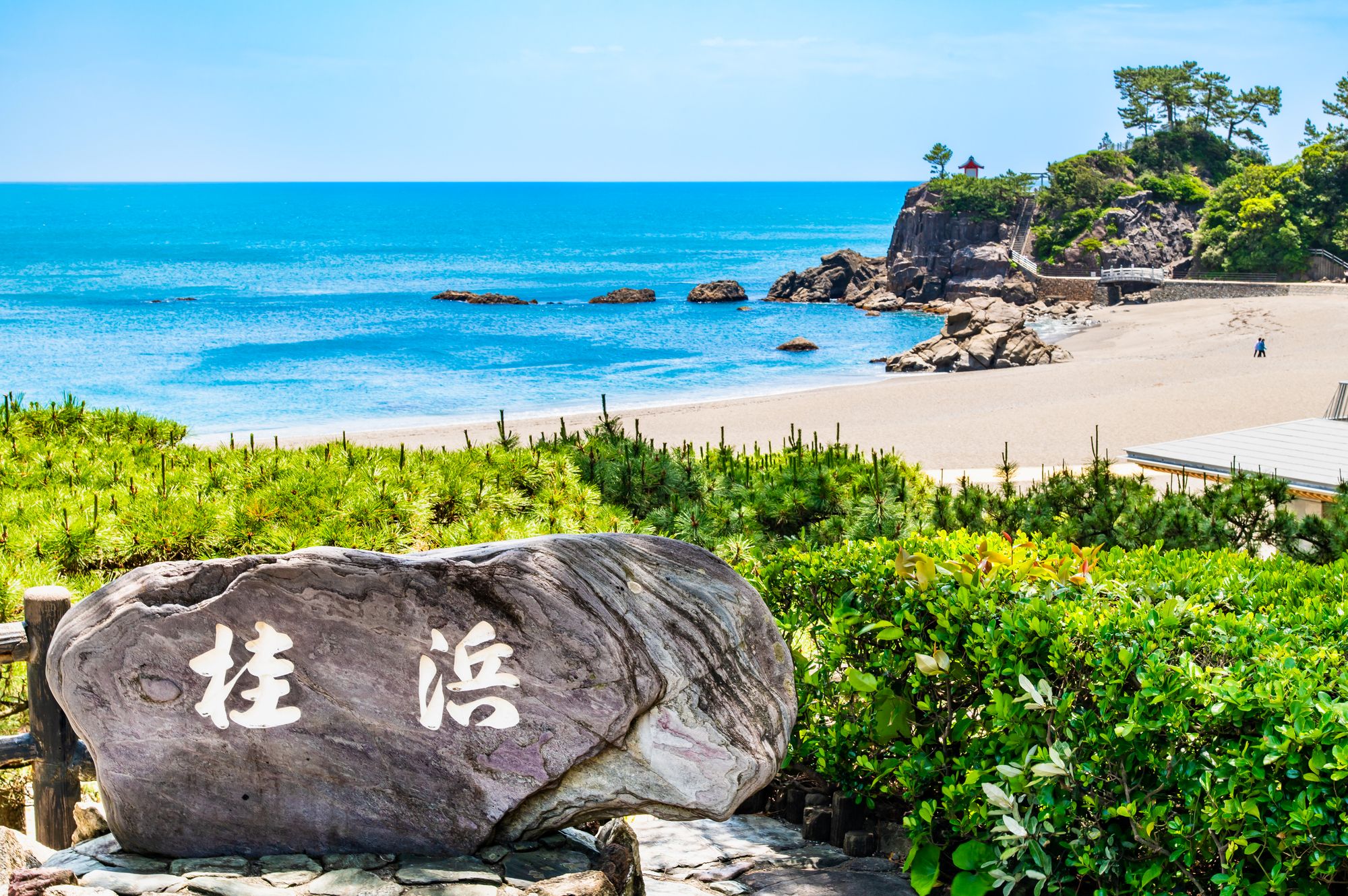
Katsurahama is a curved black-pebble beach on a small headland 12 kilometres east of the city centre, framed by pine-covered cliffs and facing the open Pacific. It is one of Kochi's most celebrated landscapes, though it is not a swimming beach (the currents are too strong). What makes the visit worth the taxi journey is the combination of coastal scenery, the Ryoma Museum dedicated to Sakamoto Ryoma — the Tosa-born samurai and reformer who played a key role in the Meiji Restoration and remains an almost mythological figure in Japanese popular culture — and the coastal Shintomonument surrounded by a garden. The large statue of Ryoma himself on the cliff above the beach is a pilgrimage point for Japanese tourists and provides context for understanding why Kochi regards itself as having punched well above its weight in the making of modern Japan.
Yosakoi: The Festival That Remade a Postwar City
The Yosakoi dance festival was created in 1954 to lift the spirits of Kochi's postwar economy and has grown into one of Japan's most exuberant annual events, with more than 18,000 dancers competing across the city each August. Teams perform choreography that blends traditional folk dance (the original Yosakoi Naruko Ondo song must be incorporated) with contemporary music, elaborate costumes, and formations of up to 150 dancers moving in precise unison. The energy is extraordinary — even viewing online footage conveys something of the scale. Outside August, the Yosakoi Information Exchange Centre (Hirome Market area) has performance footage, costume displays, and explanations of the competition rules. The naruko — small wooden clappers dancers hold in each hand — are the essential Kochi souvenir, sold throughout the city.
Hirome Market: Kochi's Indoor Food and Sake Hall
Hirome Market is a large indoor food hall two blocks south of Kochi Castle, packed with vendors selling katsuo tataki, grilled meat, seafood, local sweets, Tosa sake, and various prepared foods. The central communal seating area fills steadily from opening time (roughly 10am on weekdays, 8am on weekends), and the atmosphere — convivial, smoky, slightly chaotic in the best sense — reflects Kochi's reputation as a city that takes eating and drinking seriously at all hours. It is the most efficient place to try multiple Kochi specialities in one setting: bonito tataki from one counter, Tosa sake from another, and local citrus-based sweets to finish. Hirome also sells packaged goods suitable as gifts — vacuum-packed tataki, sake sets, and naruko clappers.
Kochi Japan travel tips
Visit on a Sunday to Catch the Ichi Market. The Sunday Ichi market on Ote-suji is genuinely one of Kochi's outstanding experiences, and it only happens on Sundays. If your ship calls on a Sunday, build the market into your morning — it starts early (6am) and is most dynamic before 11am when the best produce and fish stalls are at their freshest. You can combine a morning market visit with the castle (a 10-minute walk from the market's eastern end) before lunch at Hirome. If your ship does not call on a Sunday, Harimayabashi Market (a smaller version) runs every day on a rotating schedule, and Hirome Market operates daily as a reasonable alternative for food and local products.
Eat at Hirome Market Rather Than a Tourist Restaurant. Hirome Market offers the best introduction to Kochi's food culture for a visitor with limited time. The katsuo tataki here is grilled to order, the sake selection is local, and the shared table atmosphere is specific to Kochi in a way that sits-down restaurants calibrated for tourists cannot replicate. Go hungry: order tataki from one of the bonito specialist counters (point and gesture if needed — the staff are used to it), find a seat at the communal tables, and add side dishes from neighbouring counters as the mood takes you. A cup of sake or local shochu is the natural accompaniment. Budget ¥1,500–¥2,500 per person for a satisfying mid-morning or lunch meal.
Buy a Tram Day Pass on Arrival. Kochi's streetcar (tram) network is the most convenient way to move between the city centre, Kochi Station, and the shopping arcades. A day pass (¥700) covers unlimited rides on both the Tosa Dentetsu tram line and some connecting bus routes, and costs about the same as two single fares. Buy it from the driver on your first tram ride or at Kochi Station's tourist information counter. The tram also operates with IC card readers for Suica and ICOCA cards if you carry one from another Japanese city. The Harimayabashi stop is the central transfer point and a 5-minute walk from Hirome Market and the castle approach road.
Allow Sufficient Time at the Castle. Kochi Castle is worth more time than many visitors allocate. The approach through the outer gate sequence, the second bailey (ninomaru) garden, and the inner gate gives a genuine sense of defensive castle design before you even enter the keep. Inside, the six floors of the tenshu are connected by steep ladders-cum-stairs that require careful footing — wear shoes you can manage steps in, and avoid this sight if steep ascents are a difficulty. At the top, the view across Kochi's grid of streets to the coast is excellent on clear days. Allow 90 minutes for the full castle complex including the museum at the base. The castle is closed on Mondays (or the following Tuesday if Monday is a public holiday).
Take a Taxi to Katsurahama if Time Allows. Katsurahama beach and the Ryoma Museum are 12 kilometres from the city centre — close enough for a taxi round trip (¥2,500–¥3,500 each way) that fits into a longer port day. A direct bus from the cruise terminal also runs when ships are in port (confirm the schedule with port staff on arrival). The beach itself is not swimmable, but the cliff scenery, the Ryoma statue, and the museum make the excursion worthwhile for anyone interested in Japanese history. Allow 60–90 minutes at Katsurahama and factor in travel time before committing, ensuring you have a comfortable buffer before all-aboard.
Pick Up Naruko Clappers as the Authentic Local Souvenir. The naruko — small, lightweight wooden hand clappers traditionally decorated in red and white — are the signature instrument of the Yosakoi dance and the most distinctively Kochi souvenir. They are available throughout the city in tourist shops, at Hirome Market, and at the castle gift shop, in prices ranging from simple unpainted versions (¥300–¥500) to elaborately decorated lacquered sets (¥2,000+). Unlike generic Japanese souvenirs available everywhere, naruko are specific to Kochi and meaningful: they are the actual objects used by Yosakoi dancers. Other worthwhile local purchases include Tosa washi (handmade paper), yuzu-based products, and small bottles of local Tosa sake (check your ship's alcohol import rules for the return).
Port Facts Every Cruiser Needs To Know
Kochi Japan shore excursion FAQs
Cruise ships dock at Kochi Port (Kochi Shinko), located on the southern edge of the city approximately 3–4 kilometres from the city centre and Kochi Castle. The journey by taxi takes 10–15 minutes and costs roughly ¥800–¥1,200. A shuttle bus may be provided by the port on days when large cruise ships are in port — check with the ship's destination services desk on arrival. The tram network does not run directly from the port, but it is reachable on foot (approximately 20–25 minutes) or by short taxi from the pier at Harimayabashi or Kochi Station stops. Kochi Station is also where buses to Katsurahama depart.
Yes, though it requires slightly more preparation than major Japanese tourist cities. English signage is present at the castle, main tourist sites, and tram stops, but restaurant menus outside tourist-oriented establishments may be Japanese only (a Google Translate photo scan solves this efficiently). The tram network is straightforward to use, the city is largely flat and walkable, and the Tourist Information Centre at Kochi Station has English-speaking staff who can provide maps and answer specific questions. The key sights — castle, Hirome Market, Ote-suji arcade — are all within comfortable walking distance of each other. For Katsurahama, a taxi or the port shuttle (if running) is the practical option. Most independent travellers find Kochi manageable and are rewarded with more authentic encounters than a group tour permits.
Katsuo tataki is Kochi's signature dish: fresh bonito (skipjack tuna) seared at extremely high heat over burning rice straw (wara-yaki), charring the exterior while leaving the interior raw, then sliced and dressed with ponzu (citrus soy), fresh garlic, grated ginger, and spring onions. The technique produces a dish with complex smokiness, richness from the oily fish, and brightness from the ponzu — quite different from conventional sashimi. Kochi bonito is considered the best in Japan because of the fish's freshness from Pacific waters and the skill of local preparation. The most atmospheric place to eat it is at Hirome Market, where vendors grill the fish to order in open kitchens from morning onwards. The shared tables fill with locals and you eat surrounded by Kochi's sociable food culture. Budget roughly ¥800–¥1,200 for a full plate.
Kochi Castle is one of Japan's twelve castles that retain their original wooden tenshu (main keep) — the primary tower of the castle complex. 'Original' here means the structure was never destroyed by war, earthquake, or deliberate demolition; the current keep dates to 1753, when it was rebuilt after a 1727 fire to match the original 1601 design built by the first Yamauchi lord. This makes it historically authentic rather than a modern reinforced-concrete reconstruction (which many famous Japanese 'castles' are). Twelve original-structure castles survive in Japan: Matsumoto, Hikone, Inuyama, Himeji, and eight others including Kochi. Walking through Kochi Castle's interior is to walk through timber framework, steep stairways, and defensive architecture built for actual military purpose — a materially different experience from visiting a post-war concrete replica.
The Yosakoi Matsuri is held annually in Kochi on 10–12 August (with related events 9–13 August) and draws over 18,000 dancers performing in teams of up to 150 across multiple stages and street routes throughout the city. Each team must incorporate the original Yosakoi Naruko Ondo melody into their music and use naruko (wooden clappers), but choreography, costumes, and musical arrangements are otherwise free, resulting in performances ranging from traditional folk to electronic. Outside August, the Yosakoi Information Exchange Centre (near Hirome Market) displays costumes, videos of past performances, and explains the festival's history — a worthwhile 20–30 minute stop. Some local groups perform Yosakoi at community events and tourism demonstrations year-round, though not with the scale of the August event. The Kochi Castle Museum and tourist information office can advise on any performances scheduled during your port day.
The Ichi market on Ote-suji boulevard has been held every Sunday since approximately 1690, making it one of Japan's oldest continuously operating markets. It runs along the long road leading west from Kochi Castle and offers an unpretentious mix of fresh produce, seafood, local agricultural products, pottery, plants, antiques, and everyday goods — the stalls set up from around 6am and close by mid-afternoon. If your ship calls on a Sunday, the market is absolutely worth building your day around: arrive by 9am to see the best fish and vegetable stalls before they sell out, walk the full length toward the castle, then continue to the castle itself. On non-Sunday visits, the everyday covered shopping arcade of Obiyamachi and Harimayabashi offers a smaller substitute, but Hirome Market is the main food-and-shopping alternative. No Sunday Ichi market operates on days that are national holidays.
Sakamoto Ryoma (1836–1867) was a samurai from the Tosa domain (modern Kochi Prefecture) who became one of the pivotal figures in the movement to end the Tokugawa shogunate and restore imperial rule — the political transformation that became the Meiji Restoration of 1868. Operating outside the formal samurai hierarchy and against the wishes of his own domain's leadership, Ryoma brokered the Satchō Alliance between the rival Satsuma and Chōshū domains, a diplomatic coup that made the Restoration possible. He was assassinated in Kyoto in 1867, a year before the Restoration he helped enable. In Japan, Ryoma occupies a cultural space somewhat similar to a founding father — romantic, principled, ahead of his time — and he is particularly beloved in Kochi, where his image appears on everything from sake bottles to manholes. The museum at Katsurahama presents his life and legacy in detail with good English materials.
Tosa is the traditional name for Kochi Prefecture, and Tosa sake refers to sake brewed in the region using water from the Shikoku mountains — some of Japan's cleanest and purest groundwater. Kochi has a strong sake culture partly because of its isolation historically (Shikoku was difficult to reach from Honshu before modern transport) and partly because the Tosa domain's samurai culture prized drinking capacity as a social virtue. Tosa sake tends toward dry, clean styles (karakuchi) that pair well with the fatty richness of katsuo tataki — the regional food and drink evolved together. Several breweries operate in the Kochi region and sell at Hirome Market, the Sunday market, and specialist sake shops. Tastings are available at some outlets. If carrying sake home, small 180ml bottles or vacuum-sealed pouches travel well; check ship policy on alcohol in cabins.
Japan remains significantly more cash-dependent than most comparable economies. In Kochi, smaller restaurants, market stalls, shrine entry fees, and the tram network (for single fares) require yen. Larger establishments — department stores, major hotels, Hirome Market's larger vendors — increasingly accept credit and IC cards, but do not rely on card acceptance for small transactions. The most reliable ATMs for international cards are at Japan Post (郵便局) offices and 7-Eleven convenience stores (both present in central Kochi), which accept Visa, Mastercard, and Maestro. Bank ATMs in Japan frequently do not accept foreign cards. Withdrawing yen at the start of the day (¥15,000–¥20,000 covers most day visit expenses comfortably) avoids having to locate an ATM mid-afternoon. There is no 7-Eleven immediately at the cruise pier; reach the city centre first.
Kochi is an exceptionally safe city in an exceptionally safe country. There are no areas to avoid, no particular scams targeting tourists, and no significant safety concerns for visitors on a day call. The main practical notes are: the castle's internal staircases are very steep (almost vertical on the upper floors) and unsuitable for those with balance or mobility challenges; Katsurahama beach has strong currents and no-swimming signs that are enforced and should be respected; and the Sunday market can become congested by late morning. Typhoons are a genuine seasonal risk from August through September — if your ship calls during this period and a typhoon warning is in effect, follow ship guidance, as port calls may be modified or skipped for safety. Weather forecasts are available in English from the Japan Meteorological Agency website.
Filters
Select a filter to refine results.
Tour Type
Tour Activity
 Cart
Cart
 USD
USD GBP
GBP AUD
AUD EUR
EUR CAD
CAD