



Tours in Komodo Island


Cruising to Komodo Island in a group?
Skip the crowded ship excursion bus. One dedicated planner will design a private shore experience around exactly what your group wants — coordinated from first enquiry to the moment you're back on board. More memorable, more flexible, and more affordable than you might expect. Spend less time organising, more time enjoying.
Explore Group Travel →Cruising to Komodo Island
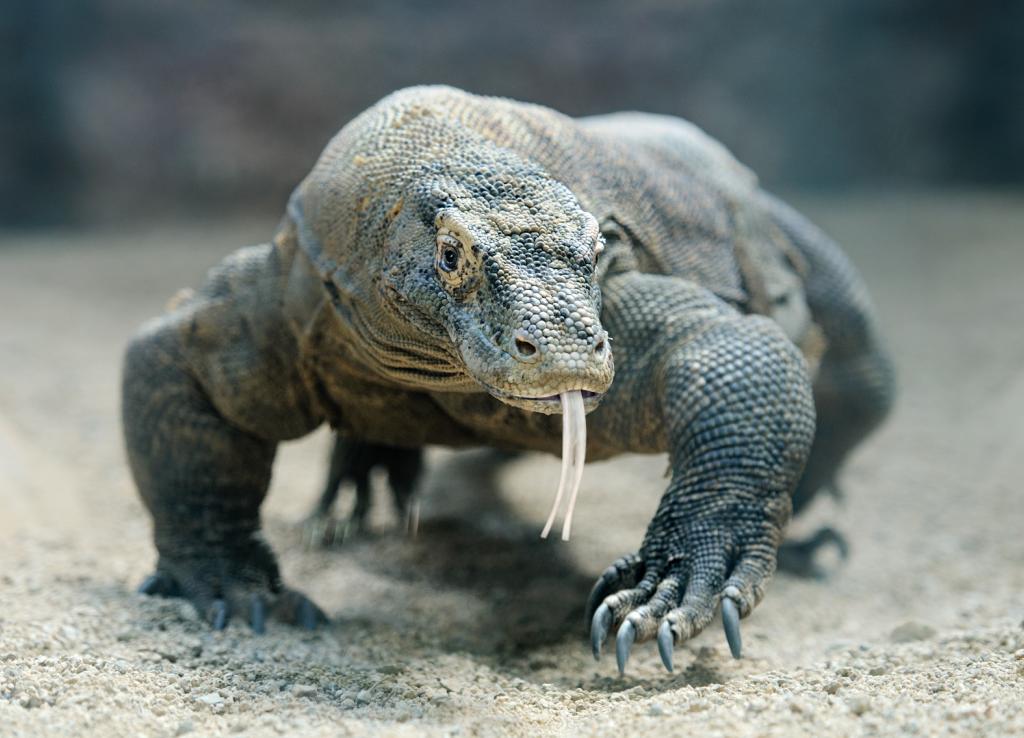
Few places on earth carry the charge of genuine wildness that Komodo Island does. Part of Komodo National Park, a UNESCO World Heritage Site straddling the border of Sumbawa and Flores in the Lesser Sunda Islands, this rugged volcanic outpost is where prehistoric and present-day collide. The Komodo dragon — Varanus komodoensis — the planet's largest living lizard, roams the dry savannah and monsoon forests here in numbers large enough to make every walk with a ranger feel genuinely consequential.
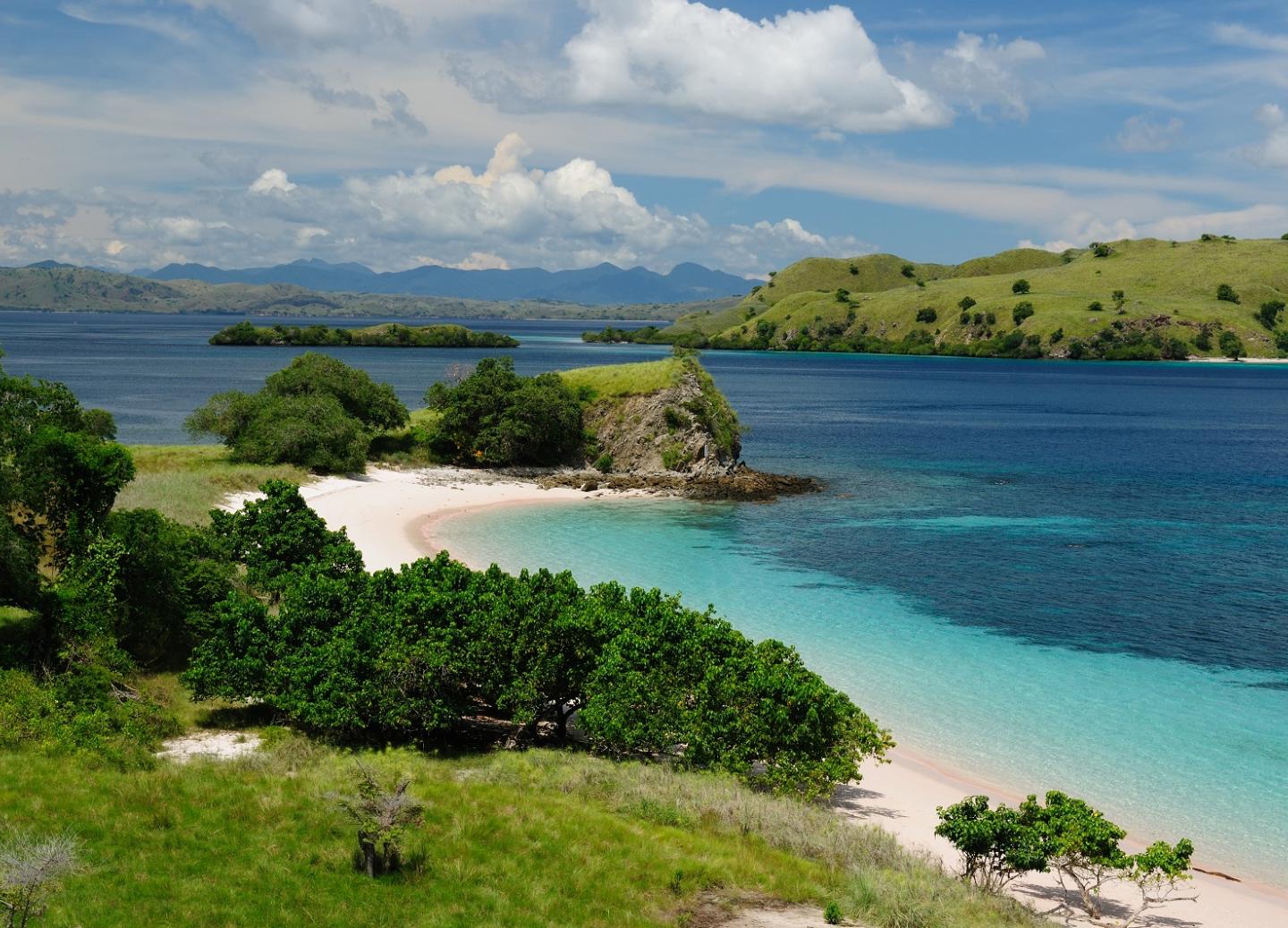
Beyond the dragons, the island sits at the confluence of Indian Ocean and Pacific currents, creating underwater conditions that marine biologists rank among the richest in the world. The waters around Komodo teem with oceanic manta rays, pygmy seahorses, reef sharks, and schooling fish so dense they block the light. Pink Beach, named for the blush-tinted coral fragments that colour its sand, offers one of the region's most striking coastal scenes, its hue deepening in low morning or afternoon light.
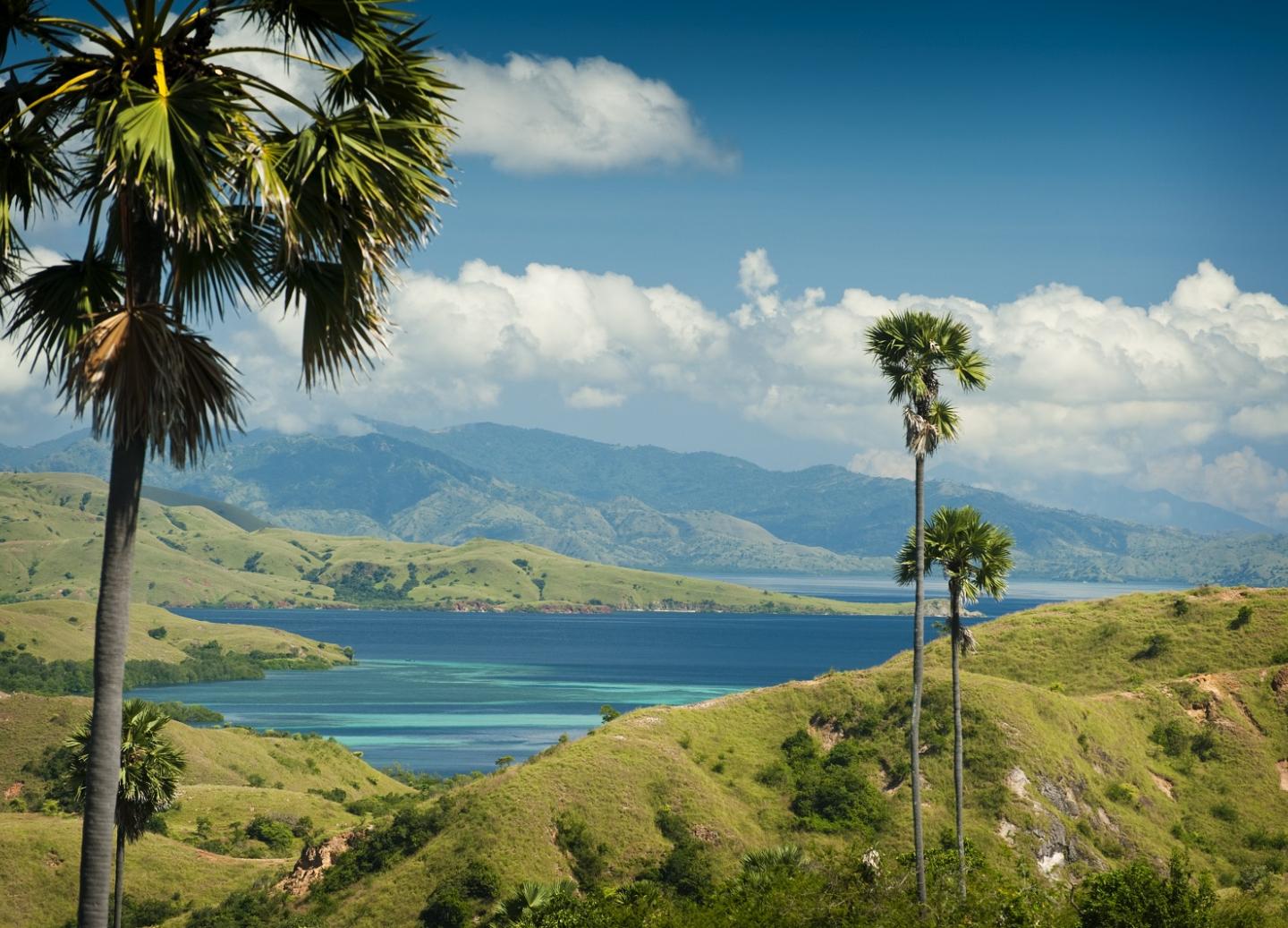
The landscape above water is equally dramatic. Razor-backed hills covered in lontar palm and dry scrub fall sharply to mangrove-lined coves, and the inter-island passages churn with tidal surges that give the region its reputation for challenging, exhilarating sailing. The National Park encompasses Komodo, Rinca, and Padar islands along with numerous smaller islets, each with its own character and resident dragon population.
For cruise visitors, Komodo delivers an experience that is genuinely difficult to replicate elsewhere — a morning tracking Komodo dragons through savannah with a park ranger, an afternoon snorkelling over coral gardens at sites like Batu Bolong or Crystal Rock, and the lingering sense of having been somewhere that remains, against the odds, stubbornly itself.
Top things to do in Komodo Island on a cruise stopover
Tracking Komodo Dragons with a Park Ranger
The only way to walk among Komodo dragons is with a licensed park ranger carrying a forked wooden staff — not a prop, but a genuine tool used to redirect dragons that get too close. The animals are fast, perceptive, and entirely wild. On the main trekking routes from Loh Liang camp, encounters with dragons resting under trees or moving through the scrub are common. Rangers read dragon behaviour with an expertise built over years, and a good guide turns the walk into a natural history lesson as much as a wildlife encounter. Short treks (30–40 minutes) are sufficient for most dragon sightings; longer routes take you deeper into the savannah where the landscape itself — dry grasses, lontar palms, hills dropping to blue water — becomes part of the experience.
Snorkelling Batu Bolong and Crystal Rock
Batu Bolong — literally 'hollow rock' — is a seamount rising from deep water where the current sweeps nutrients past walls covered in soft coral, sea fans, and schooling fish. Sharks, trevally, and barracuda are regulars. Crystal Rock, a submerged pinnacle nearby, offers similar drama with the added possibility of manta ray encounters. Both sites suit confident snorkellers comfortable in moderate current; the payoff is marine life density rarely seen outside a nature documentary. Guided snorkel trips from the park are the standard arrangement for cruise visitors, with equipment available for hire.
Pink Beach: Coral Sand in Blush and Rose
Pink Beach — Pantai Merah — earns its name from fragments of red coral (Foraminifera) mixed into white sand, producing a genuinely pink shoreline most vivid in the softer light of morning or late afternoon. The beach faces a protected bay with calm, clear water excellent for swimming and snorkelling directly from shore. The reef immediately offshore holds healthy coral and a variety of reef fish. It is one of only seven pink sand beaches in the world, and the setting — hills behind, turquoise water ahead — makes it one of the park's most photographed spots. Arrive early for the quietest experience.
Padar Island: The Ridge Walk Panorama
Padar Island's interior ridge offers one of the region's most replicated photographs: three distinct bays visible simultaneously from a single high point, each with sand of a different colour — white, black, and pink — separated by volcanic headlands. The hike to the viewpoint takes 45–60 minutes of sustained uphill walking on a clear path with steps cut into the steeper sections. It is exposed and hot in midday sun; start early or late in the afternoon. The effort is worthwhile — the view is one of those rare ones that looks exactly like the photographs, perhaps better, because you can hear the silence.
Manta Ray Encounters at Manta Point
Between June and November, oceanic manta rays congregate at cleaning stations in the waters around Komodo in numbers that can reach dozens at a single site. Manta Point, off the southern tip of Komodo Island, is the most reliable location. Mantas here are accustomed to snorkellers and approach with calm curiosity, their wingspan sometimes exceeding four metres. The correct approach is to float quietly at the surface and let the rays dictate proximity. No touching is permitted, and responsible operators enforce this. The experience of watching a manta spiral upward through a column of light is among the most arresting available anywhere in Indonesian waters.
Rinca Island: Dragons and Coastal Scenery
Rinca Island, closer to Labuan Bajo than Komodo itself, offers a shorter transfer time and equally reliable dragon sightings. The dragon population on Rinca is large and concentrated around the ranger station at Loh Buaya, where animals are frequently seen resting in the shade of buildings or moving through the camp. Rinca's landscape differs subtly from Komodo — the hills are greener, the mangrove edges more pronounced — and the short boat ride from the mainland passes through scenery of considerable beauty. For ships with limited time at anchor, Rinca can be the more efficient choice for a high-quality dragon encounter.
Komodo Island travel tips
Pay the Park Entrance Fee Before You Go Ashore. Komodo National Park charges an entrance fee that has changed several times in recent years and should be confirmed before your visit. In some periods a conservation contribution fee has been added on top of the standard entrance fee. Your ship's shore excursion desk or a local operator in Labuan Bajo will have the current rate. Have IDR cash ready, as card payments are not accepted at the park gates.
Wear Closed Shoes for Dragon Treks. Open sandals are not recommended on the trekking trails — not primarily because of the dragons, but because the terrain is rocky, uneven, and dry-season thorny. Lightweight trail shoes or sturdy walking shoes are sufficient. Long trousers are not required but provide some protection on the denser scrub paths. Bring a hat and sunscreen; the savannah offers almost no shade.
Respect Current Conditions Underwater. The currents in Komodo can shift rapidly and reach considerable strength, particularly at channel sites like Batu Bolong. Always snorkel with a guide who knows the site and current patterns, and follow instructions to stay within the group. Upwellings can cause sudden drops in water temperature. A lycra rash guard or thin wetsuit makes the experience more comfortable and protects against jellyfish.
Carry All Water and Food You Need. There are very limited refreshment options inside the National Park. A small warung (food stall) operates near the Loh Liang ranger station on Komodo, but supply is unpredictable. Carry at least one and a half litres of water per person for any full-day visit, more in the hot season. Snacks, sunscreen, and insect repellent should all come from your ship or from Labuan Bajo.
Marine Conservation in Komodo: Protecting What You See. Komodo National Park contains some of the richest coral ecosystems in the Indo-Pacific, sustained by cold upwellings and strong currents that also make diving and snorkelling challenging. Never touch coral — even a brush from a fin can kill a colony that took decades to grow. Maintain buoyancy control and avoid standing on the reef. Do not chase, handle, or corner any marine animal, including the giant manta rays and sea turtles that frequent the area. The park's reefs are under pressure from climate bleaching and anchor damage; responsible behaviour in the water makes a measurable difference. If you see another visitor behaving harmfully, the park rangers welcome reports. The park entrance fee funds conservation patrols and ranger salaries — a direct and meaningful contribution to one of the most biodiverse marine environments on the planet.
Photograph Dragons from a Safe Distance. Komodo dragons are not posing. They are wild animals that can sprint at 20 kilometres per hour and carry bacteria-laden saliva capable of causing serious infection. Rangers will position your group safely, but be alert and stay behind the guide's indicated boundary. Do not crouch to ground level for photographs — stay upright and at the recommended distance. The dragons are most active in the morning; midday visits find them lethargic but no less unpredictable.
Port Facts Every Cruiser Needs To Know
Komodo Island shore excursion FAQs
Yes, when accompanied by licensed park rangers, visits are conducted safely every day. Rangers carry forked wooden staffs and are trained to manage encounters. Attacks on visitors following ranger protocols are extremely rare. The key rules are: stay with your ranger, do not wander off the designated path, avoid menstruating women going too close (dragons are sensitive to blood scent), and follow instructions immediately. The dragons are wild and should be treated with respect and maintained distance, but they are not actively hunting visitors.
Booking in advance is strongly recommended, particularly in peak season (July–August) when the park can become crowded with independent speedboats arriving from Labuan Bajo. Your cruise line will offer organised excursions. If you prefer to arrange independently, operators in Labuan Bajo can be booked before departure, or in some cases your ship will anchor near the park and rangers can be arranged through the park office. Walk-up arrangements are possible but availability of rangers and good snorkel guides cannot be guaranteed.
Water temperatures around Komodo range from approximately 24°C to 29°C (75°F to 84°F), though upwellings at channel sites like Batu Bolong can drop temperatures suddenly by several degrees. Visibility is typically 15–25 metres at the best sites, sometimes exceeding 30 metres in the dry season. A thin wetsuit or rash guard is comfortable for most visitors, particularly at current-exposed sites where time in the water extends.
Komodo National Park has a mandatory entrance fee. At various times the Indonesian government has proposed significant fee increases tied to conservation funding; the current rate should be confirmed before your visit as it changes periodically. Touching any coral or marine life is prohibited. Feeding dragons is strictly forbidden. Single-use plastics are discouraged in the park; bring a reusable water bottle. Night visits require special permits and are not relevant to day cruise visits.
This depends on where your ship anchors, which varies by vessel size and conditions. Typically the tender ride from ship to the Komodo or Rinca jetty takes 15–30 minutes. Allow additional transfer time by speedboat if your ship anchors in or near Labuan Bajo harbour rather than directly off the island. Your ship's daily programme will provide specific times and tender arrangements.
Absolutely. The dragon trekking experience is entirely on land and requires no swimming ability. Pink Beach is suitable for paddling and walking even for those who do not snorkel. Padar Island's ridge walk is a rewarding activity for anyone in reasonable physical condition. Non-snorkellers can remain on the boat and enjoy the scenery while companions snorkel, or simply appreciate the landscape from the beach. A full and rewarding day is possible without entering the water.
Light, breathable clothing in neutral colours (the savannah is dusty and shows dirt); closed walking shoes or trail shoes; a wide-brimmed hat; high-SPF sunscreen applied before going ashore; insect repellent; at least 1.5 litres of water per person; cash in Indonesian Rupiah for entrance fees and tips; and any snorkel equipment if you prefer your own mask. A dry bag is useful for protecting valuables on the boat. Swimwear under clothes makes transitioning to water activities easy.
The dragon trek is the experience unique to Komodo — you can snorkel excellent reefs elsewhere in Asia, but there is nowhere else on earth where you can walk freely (with a ranger) among wild Komodo dragons in their natural habitat. If you have only three or four hours ashore, prioritise a guided dragon trek on Komodo or Rinca over everything else. The snorkelling is exceptional, but the dragon encounter is the irreplaceable one.
Manta rays are present in Komodo National Park waters throughout the year, but sightings are most reliable and encounters most frequent between June and November when oceanic mantas aggregate at cleaning stations. Manta Point, off southern Komodo Island, is the primary site. Outside this peak window, mantas are still spotted but less predictably. Even in peak season, sightings cannot be guaranteed — they are wild animals — but the probability at a reputable site with an experienced guide is high.
Partially. The main dragon trekking trails are uneven, rocky, and can be steep in places, making them challenging for those with significant mobility limitations. The short loop from the Loh Liang ranger station on Komodo (approximately 30 minutes) is the most accessible trail and sufficient for good dragon sightings. Pink Beach is reached by boat and involves stepping off a small vessel onto sand — manageable for most. The Padar ridge walk is not suitable for those with knee or hip issues. Snorkelling from a boat can be arranged with crew assistance for boarding and exiting the water. Discuss specific mobility requirements with your cruise excursion team in advance.
Filters
Select a filter to refine results.
Tour Type
Tour Activity
 Cart
Cart
 USD
USD GBP
GBP AUD
AUD EUR
EUR CAD
CAD