



Tours in Nagasaki


Cruising to Nagasaki in a group?
Skip the crowded ship excursion bus. One dedicated planner will design a private shore experience around exactly what your group wants — coordinated from first enquiry to the moment you're back on board. More memorable, more flexible, and more affordable than you might expect. Spend less time organising, more time enjoying.
Explore Group Travel →Cruising to Nagasaki
Nagasaki occupies a particular position in modern history that no city should have to hold. On the morning of 9 August 1945, the city became the target of the second atomic bomb used in warfare — Fat Man, detonated at 11:02 local time above the Urakami valley. Roughly 74,000 people died by the end of that year. The city was rebuilt. What Nagasaki has done with that experience — how it has chosen to remember, to mourn, and to advocate — defines it as much as its extraordinary pre-war history as Japan's only designated trading port during the Edo period's two centuries of national isolation.
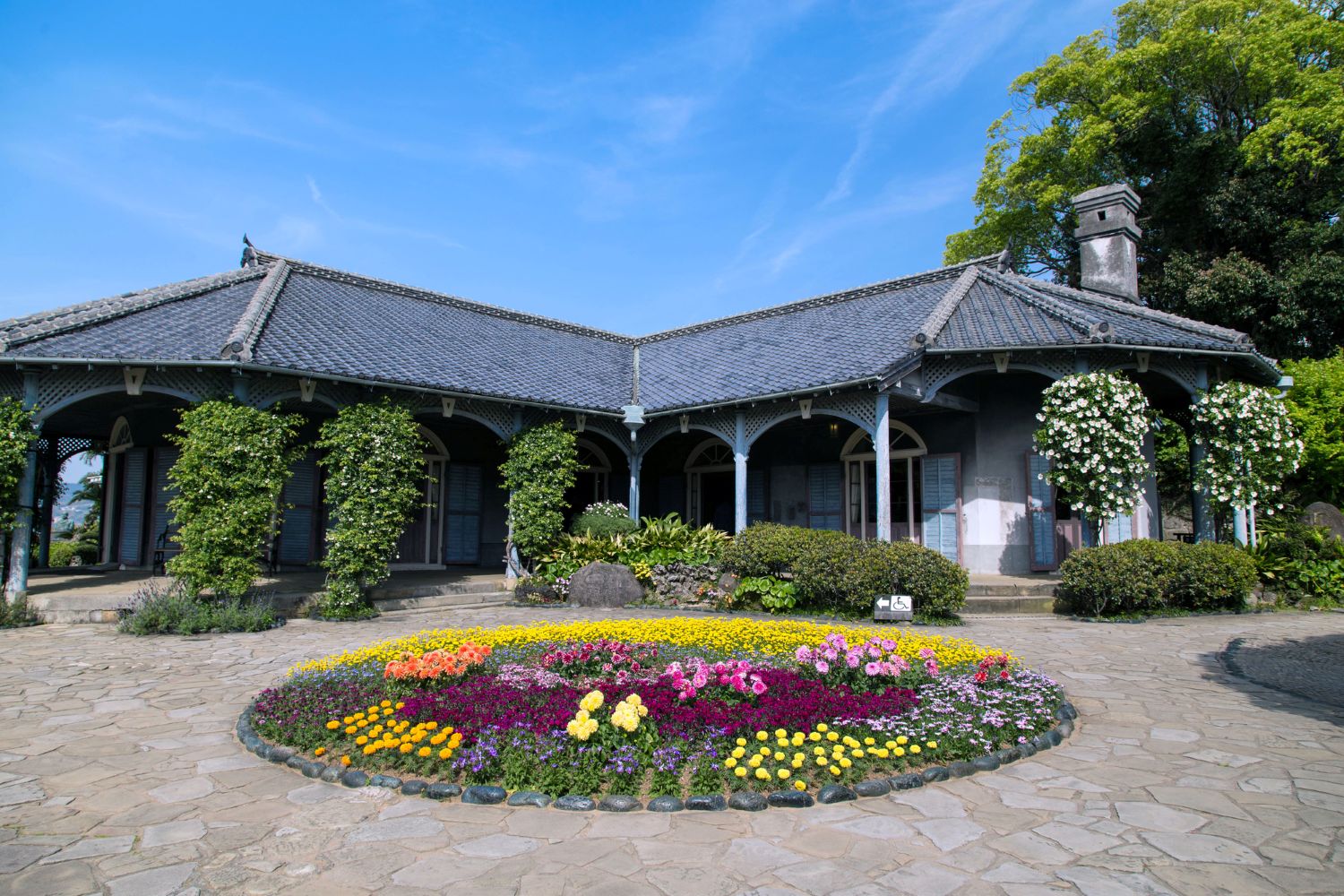
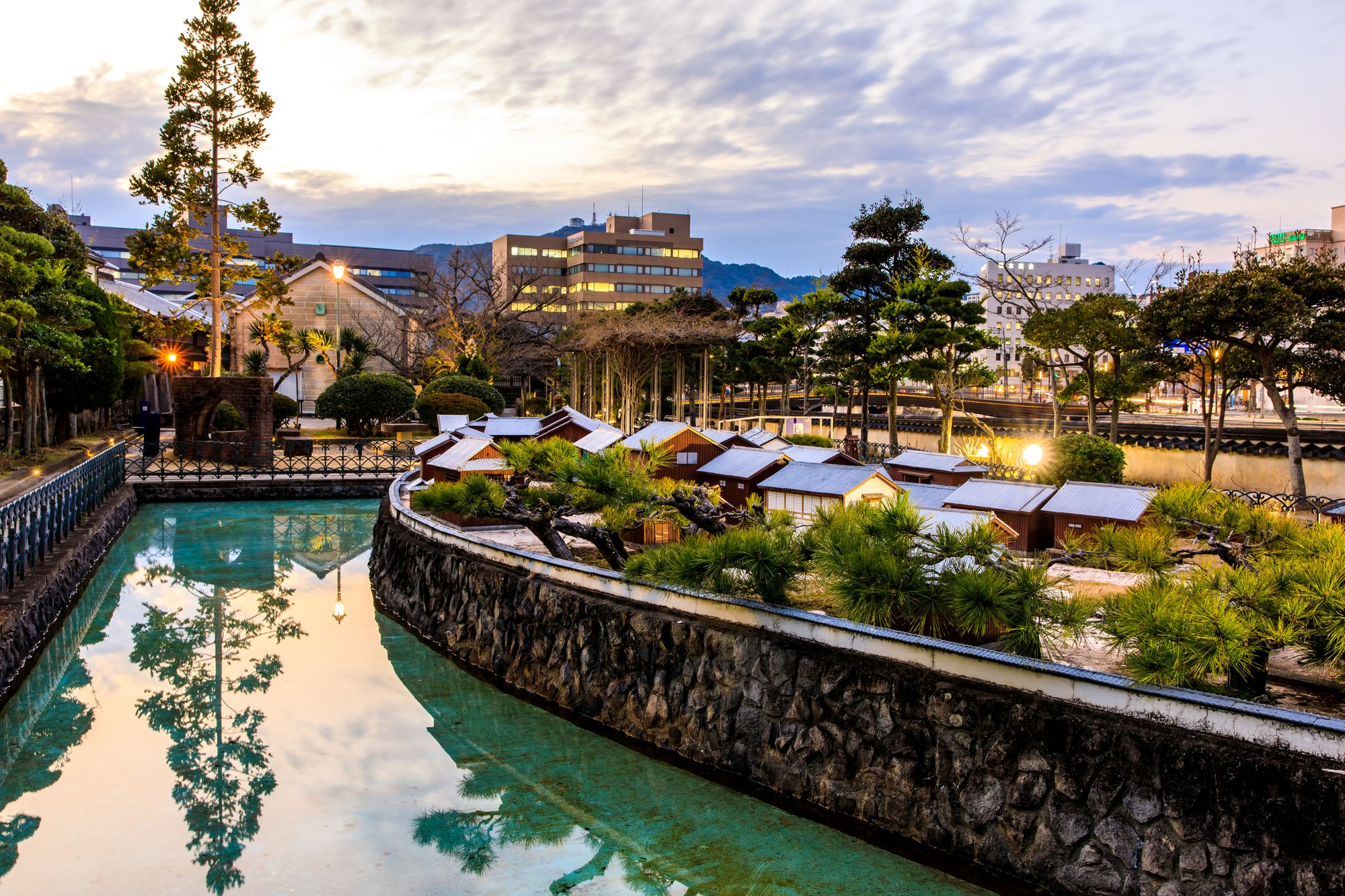
For most of those two centuries, Nagasaki was Japan's only sanctioned point of contact with the outside world. Dutch merchants were confined to Dejima, an artificial fan-shaped island in the harbour, from which they could observe but not enter the city. Chinese merchants occupied a separate quarter. The knowledge that entered Japan through this narrow channel — medicine, astronomy, botany, Western science — was significant enough to generate its own intellectual tradition, known as Rangaku (Dutch Learning). The physical traces of that era are scattered across the city: in the Dutch colonial-style architecture of Glover Garden on the hillside above the port, in the Chinatown that predates most of the country's, in the hybrid cuisine that emerged from centuries of cross-cultural cooking.
Those two histories — the city's remarkable cosmopolitanism and the destruction visited upon it in 1945 — are not in conflict. They are both Nagasaki, and the city holds them simultaneously without forcing a resolution. The Peace Park and the Atomic Bomb Museum in the Urakami district address the bombing with a directness and educational rigour that is deeply moving. Glover Garden and the historic merchant houses address the earlier, longer story. Both deserve time.
Nagasaki is also, more quietly, one of the most pleasant port cities in Japan for a day of wandering. The harbour is compact, the hills are covered in tram-accessible neighbourhoods, and the city's hybrid food culture — expressed most fully in champon (a rich noodle soup introduced by Chinese immigrants) and the Portuguese-derived castella sponge cake — gives the day a culinary dimension that rewards exploration. It is a city that asks something of its visitors, and gives something back in proportion to the attention they bring.
Top things to do in Nagasaki on a cruise stopover
Peace Park & the Atomic Bomb Museum
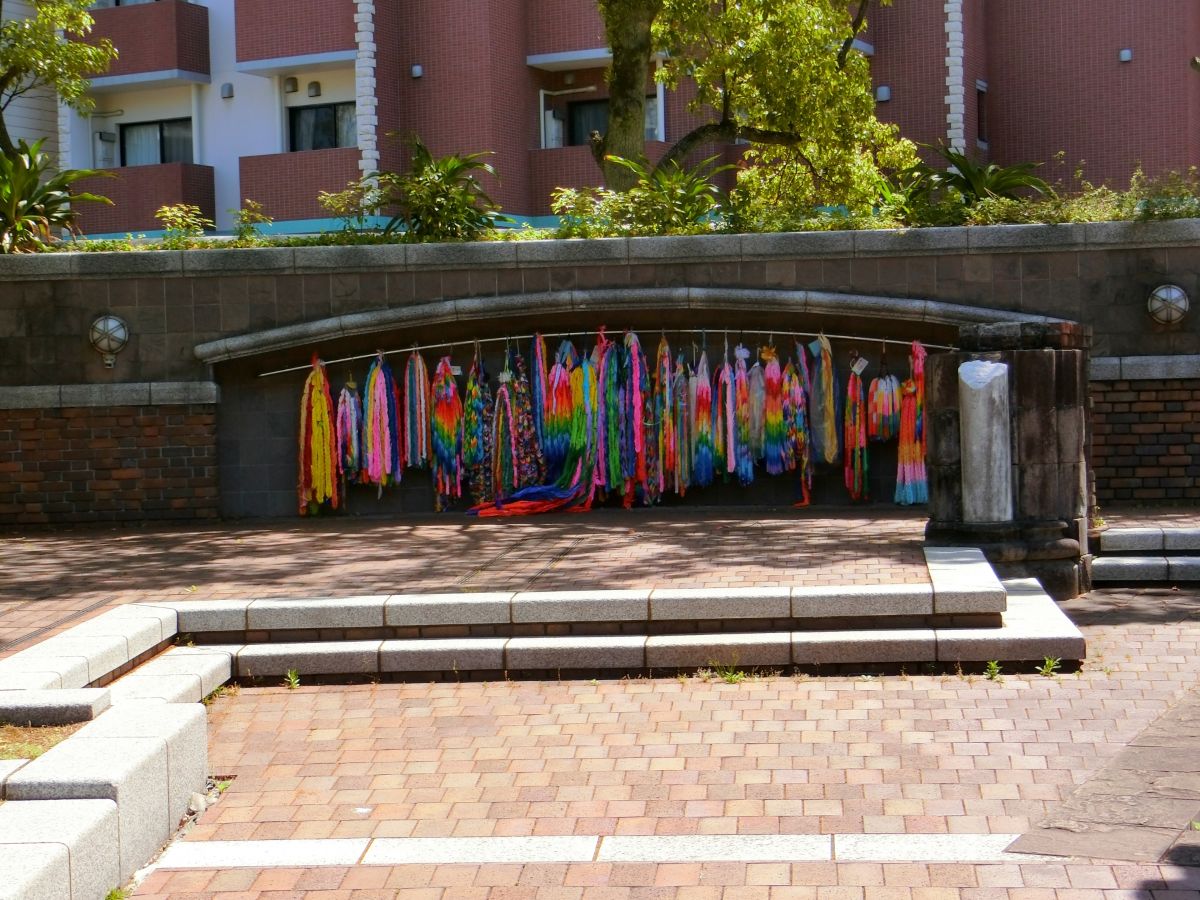
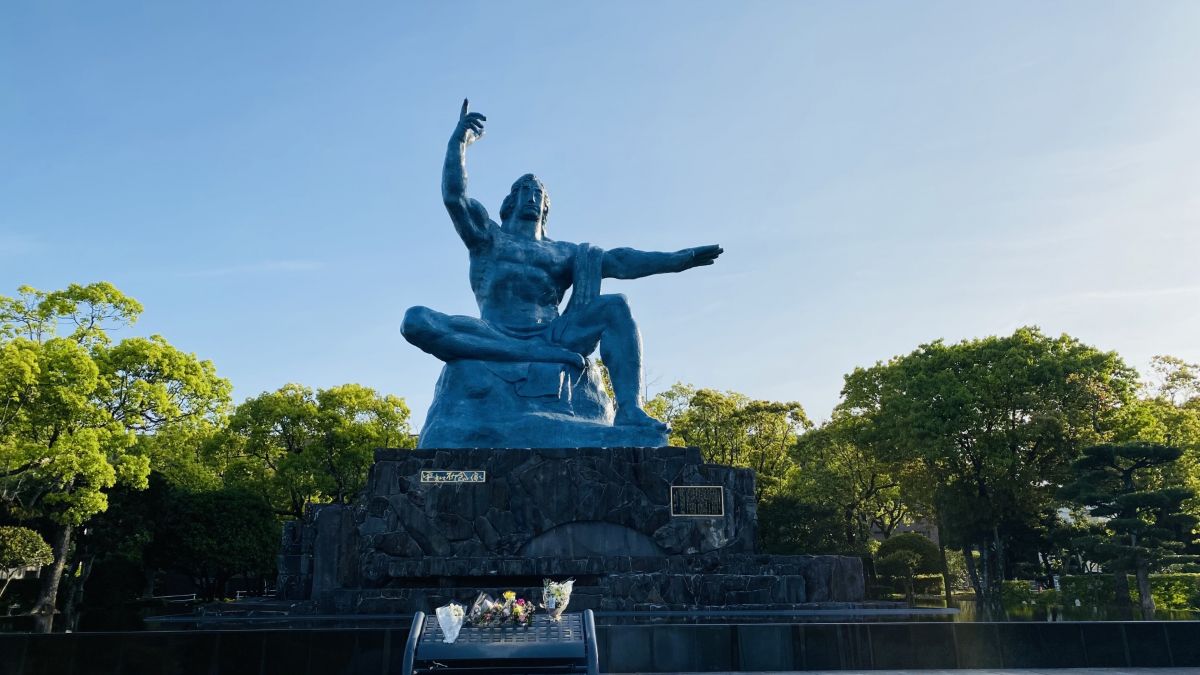
The Nagasaki Atomic Bomb Museum in the Urakami district is one of the most important historical sites in Japan — an institution built around the imperative that what happened on 9 August 1945 be understood, not merely acknowledged. The exhibits trace the city's pre-war life, the development of the bomb, the moment of detonation, and the human consequences in rigorous and at times difficult detail. Survivor testimonies, physical artefacts recovered from the blast zone, and medical documentation form the core of the display. The Peace Park nearby, inaugurated in 1955, contains the arresting Peace Statue by sculptor Seibo Kitamura and is a site of ongoing international memorial activity. The Hypocenter Park, a short walk south, marks the precise point above which Fat Man detonated. This area demands time and attention — allow at least two hours, and approach it as the significant historical site it is rather than a stop on a checklist.
Glover Garden: A Dutch-Colonial Hillside Enclave
Thomas Blake Glover, a Scottish merchant who arrived in Nagasaki in 1859, built a trading empire and a hilltop residence that still stands as the oldest Western-style house in Japan. Glover Garden encompasses his home and several other colonial-era structures relocated to the site, set into terraced grounds with sweeping views over the harbour. Glover's influence on Japan was considerable — he supplied weapons to the Satsuma domain during the Meiji Restoration, co-founded what would become the Kirin Brewing Company, and assisted in establishing Japan's first steam-powered dry dock. The garden also includes a statue of Madama Butterfly, referencing the Puccini opera partly inspired by a story set in Nagasaki. The approach via the outdoor escalators makes the uphill climb manageable; the view from the upper terrace repays the effort.
Dejima: Japan's Window to the World
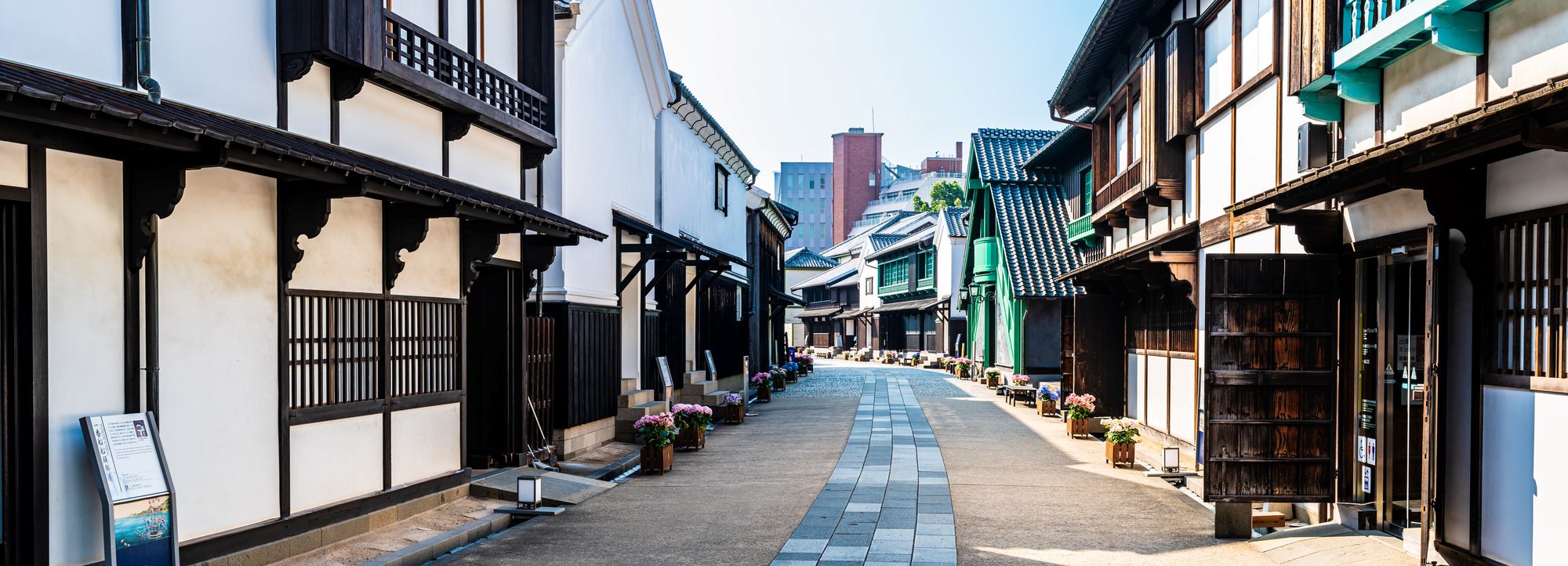
During Japan's sakoku (closed country) period from 1641 to 1853, Dejima was a small artificial island in Nagasaki harbour where Dutch East India Company merchants were permitted to trade — isolated from the city, limited in their movements, but connected to Japan in ways that shaped the course of Japanese intellectual and scientific development. The island has been partially reconstructed on its original footprint (the surrounding harbour has since been reclaimed) and contains faithfully restored merchant houses, warehouses, and period artefacts that tell the story of this unusual relationship. The exhibits are well-documented in English. For visitors interested in the history of globalisation and Japan's relationship with the outside world, Dejima is a compact but genuinely illuminating site.
Urakami Cathedral: Rebuilt, Still Standing
The Cathedral of the Immaculate Conception in Urakami — known locally as Urakami Cathedral — was the largest cathedral in East Asia when completed in 1925, built by a Catholic community that had practised its faith in secret for over two centuries during the prohibition of Christianity in Japan. It was destroyed in the atomic bombing of 1945; the ruins stood for a decade before the decision was made to rebuild. The current cathedral, completed in 1959, is a twin-towered Romanesque structure that stands where the original did. One of the original stone towers, damaged but not obliterated, is preserved in the nearby Peace Park as a monument. The cathedral is an active parish church and a place of living memory for the Urakami Catholic community, whose history is one of the most unusual in Christian history anywhere in the world.
Nagasaki Chinatown & the Harbour District
Nagasaki's Chinatown (Shinchi) is among the oldest in Japan, established in the 17th century when Chinese merchants were required to reside in a designated quarter near the port. It is compact — a few blocks of red-lantern-hung streets — but animated and gastronomically significant. The neighbourhood is the origin of champon, Nagasaki's signature noodle soup: a rich pork-broth dish loaded with seafood, pork, and vegetables that Chinese immigrant cook Chin Heijun created in the 1890s as a affordable, nourishing meal for Chinese students. Nearby, the harbour waterfront offers views across the bay and connects to the old merchant district. The combination of Chinatown's food culture and the harbour's atmosphere makes this corner of the city an easy and rewarding hour.
Castella: Four Centuries of Portuguese Legacy in a Loaf
Castella — kasutera in Japanese — is a dense, honey-sweetened sponge cake derived from the Portuguese pão de Castela introduced to Nagasaki by Portuguese traders in the 16th century. Nagasaki's bakers have been refining the recipe ever since, and the city regards itself as the definitive source of the best castella in Japan. The established producers — Fukusaya, with its distinctive yellow packaging, and Bunmeido are among the most respected — sell their loaves from shops near Chinatown and in the city centre. The cake is sold in long, gift-boxed loaves, travels well, and makes an unusually historically layered souvenir. Trying it fresh, sliced at the shop, is recommended before committing to the boxed version.
Nagasaki travel tips
Begin at the Atomic Bomb Museum — Not at the End of the Day. The Peace Park and Atomic Bomb Museum in Urakami take meaningful time to experience properly, and they deserve emotional and mental presence that is harder to sustain after several hours of sightseeing. Going early in the day, when you are fresh, allows the visit the weight it merits. The museum is approximately 20 minutes from the port by tram (line 1 or 3 toward Matsuyama-machi). Budget at least two hours; the exhibits are substantial and the site encourages reflection rather than speed. Rushing through it in 40 minutes to catch a tour group schedule misses the point of being there.
The Tram Network Is Your Best Friend. Nagasaki's electric tram system covers virtually every site a port-day visitor needs to reach, runs frequently, and costs a flat fare per ride (approximately ¥140–160; IC cards work). Tram stops are clearly signed in English and Japanese. The main tram lines connect the pier area to Chinatown (Tsuki-machi stop), Glover Garden (Oura Tenshudo-shita stop), and the Peace Park/Atomic Bomb Museum area (Matsuyama-machi stop). A one-day tram pass is available and economical if you plan to make more than three trips. Walking is also viable for short distances in the flat harbour area, but the hills above reward tram access.
Glover Garden's Escalators Make the Hill Effortless. Glover Garden is set into a steep hillside, and the approach on foot involves a significant climb. The outdoor escalators built into the slope provide a largely effortless ascent to the upper terrace — follow the signs from the entrance area. Start at the top and work your way down through the garden for the most logical flow: the highest terrace offers the best harbour panorama, and descending through the historic houses and gardens is more comfortable than ascending. The garden's café near the lower section is a reasonable stop for tea or a cold drink before continuing.
Eat Champon for Lunch — at an Actual Champon Restaurant. Champon is Nagasaki's most distinctive dish: a thick, milky pork-and-seafood broth, piled with bean sprouts, cabbage, seafood, and pork slices over thick noodles, served in a generous bowl. It is filling, complex, and specific to Nagasaki in a way that chain versions elsewhere do not replicate. The Chinatown area and the streets around it have numerous champon specialists; Ringer Hut is the well-known chain version, but sit-down restaurants in the Shinchi area are preferable for the genuine article. A bowl typically costs ¥900–1,400. Sara udon — the crispy noodle variation — is worth trying as a side or alternative.
Cash Matters More Than You Might Expect. Nagasaki, like most of Japan outside Tokyo, remains more cash-dependent than many international visitors anticipate. Smaller restaurants, the tram (if not using IC card), market stalls, and many souvenir shops expect yen in hand. Post office ATMs and 7-Eleven ATMs are the most reliable for international cards. Withdraw sufficient yen before leaving the port area — there are typically ATM facilities near the terminal, and this avoids the stress of searching for a working ATM mid-sightseeing. Having ¥10,000–15,000 in mixed denominations covers a comfortable day with meals, tram fares, and modest shopping.
Buy Castella to Take Home — It Travels Well. Fukusaya castella, sold in its distinctive yellow box, is one of Nagasaki's most considered souvenirs — historically rooted, genuinely delicious, and made by a company that has been operating since 1624. The main Fukusaya shop is close to Chinatown and easy to reach on the way back to the ship. Castella keeps for approximately two weeks and does not require refrigeration, making it ideal as a gift. Standard loaves come in full and half sizes; flavours include the original honey version and green tea. Buy it toward the end of your day so it sits in a bag for the minimum amount of time before returning to the ship.
Port Facts Every Cruiser Needs To Know
Nagasaki shore excursion FAQs
Cruise ships dock at the Nagasaki International Terminal in the Matsugae area, which is extremely well-positioned for independent exploration — the terminal is within walking distance of Chinatown and the tram network, which connects to all major tourist sites. There is no significant transfer distance to overcome, which distinguishes Nagasaki from many Japanese ports. Taxis and tourist information are available at the terminal, but for most sites, the tram is faster and more direct.
The museum is a serious and thorough historical institution. Exhibits include photographs, physical remains recovered from the blast area, medical and scientific documentation, and survivor testimony. Some images and artefacts are graphic; the museum does not sanitise what happened. Visitors are encouraged to take the time the exhibits require — rushing is possible but diminishes the experience significantly. The mood among visitors is generally quiet and reflective. Photography is permitted in most areas of the museum. The Peace Park outside is open and free; the museum charges a modest admission fee. For those travelling with children, the museum addresses difficult material; families should decide based on their children's ages and readiness.
Japan has a visa exemption agreement with many countries, allowing stays of up to 90 days without a visa for eligible nationalities — this typically covers cruise port visits. However, entry requirements depend on your specific nationality and the nature of your cruise itinerary (some itineraries include Japan-only segments governed by cabotage rules, which may have different requirements). Check your eligibility on the Japanese Ministry of Foreign Affairs website and confirm any specific requirements with your cruise line before departure, as requirements can change.
From 1641 to 1853, Japan enforced a policy of national isolation (sakoku) that closed most of the country to foreign trade and contact. Nagasaki was the sole exception: Dutch merchants were permitted to trade from the artificial island of Dejima in the harbour, and Chinese merchants operated from a designated quarter. All Western science, medicine, and technology that entered Japan during this period came through this single port. The result is a city with a cultural DNA unlike anywhere else in Japan — traces of Dutch, Chinese, and Portuguese (pre-sakoku) influence in its architecture, food, religion, and material culture. The Urakami Catholic community, which practised Christianity in secret for over 200 years under prohibition, is another dimension of this singular history. Nagasaki was a cosmopolitan city before the concept existed as such.
Champon is Nagasaki's signature dish: a rich, thick-broth noodle soup created in the late 19th century by a Chinese immigrant restaurateur named Chin Heijun, who wanted to provide a nourishing and affordable meal for Chinese students studying in the city. The broth is made from pork and chicken bones, rich and milky in colour, and the bowl is piled with seafood (squid, prawns, clams), pork slices, bean sprouts, cabbage, and fishcake over thick champon noodles. The dish is very much a Nagasaki speciality — versions exist elsewhere in Japan but the original is specific to the city. Chinatown (Shinchi) is the natural place to eat it; the restaurants there serve versions close to the dish's origins. Sara udon — the same toppings served over crispy deep-fried noodles — is a popular variation worth ordering alongside.
Glover Garden warrants about 1.5 hours for a comfortable visit — enough to explore the main Glover House and the relocated colonial structures, take in the harbour view from the upper terrace, and descend through the garden at an unhurried pace. The outdoor escalators handle the steep ascent without difficulty, so the physical effort involved is modest. The site is most worthwhile for visitors interested in Nagasaki's trading history and the Meiji period's encounter with Western culture; the historic context is well explained in English throughout. The harbour panorama from the upper level is also among the best elevated views in the city. If your time is very tight and you must choose, the Atomic Bomb Museum takes precedence; but if your schedule allows both, they address complementary chapters of the same city's story.
Castella (kasutera) is a honey-sweetened sponge cake derived from the Portuguese pão de Castela, introduced to Nagasaki by Portuguese missionaries and traders in the 16th century. Nagasaki's bakers adapted and refined the recipe over four centuries of continuous production, and the city now regards itself as the definitive home of the best castella in Japan — a claim that enjoys broad national recognition. The cake is sold in long, gift-boxed loaves from specialist shops throughout the city. Fukusaya, founded in 1624 and operating in Nagasaki ever since, is the most historically significant producer; Bunmeido is another respected name. The standard honey version is the original; green tea variants are widely available. It is an unusually well-grounded souvenir — one that connects directly to the city's 500-year history of international exchange.
Yes. Nagasaki's tram network accepts IC cards including Suica, Pasmo, ICOCA, and other nationally compatible cards. This is the most convenient payment method — tap on boarding, tap on exit, and the correct flat fare is deducted automatically. If you do not have an IC card, cash payment (exact fare or slightly over, with a change machine on board) is also accepted. The flat tram fare is modest (approximately ¥140–160 per journey as of recent rates). A one-day tram pass is available at the terminal and major tourist information points; it becomes economical if you plan four or more tram journeys in a day.
The Nagasaki Peace Memorial Ceremony takes place annually on 9 August, the anniversary of the atomic bombing, at the Peace Park. It is a solemn civic event attended by the mayor, Japanese government representatives, foreign dignitaries, and atomic bomb survivors (hibakusha). If your cruise calls on Nagasaki on or near this date, be aware that the city's mood on this day is particularly reflective and that the Peace Park area will be busy with ceremony participants and attendees. Access to certain areas may be restricted. Visiting during this period, approached with appropriate awareness and respect, is a meaningful experience — but it requires sensitivity to the occasion.
If your schedule provides additional hours, several sites reward the time. The Oura Cathedral (1864), the only Western-style building in Japan designated a National Treasure, is a short walk from Glover Garden. The Nagasaki Museum of History and Culture, near Dejima, provides thorough context for the city's trading era with well-curated English-language exhibits. Spectacles Bridge (Megane-bashi), a double-arch stone bridge from 1634 reflected in the Nakashima River, is often photographed and is near the central shopping district. The hillside neighbourhood of Kazagashira offers views comparable to Glover Garden with far fewer other visitors. For those interested in the Meiji period's industrial history, Battleship Island (Hashima / Gunkanjima) — a derelict offshore coal-mining island now a UNESCO World Heritage Site — is accessible by tour boat from the harbour, though the sailing time and tour duration make it a half-day commitment that may not fit a short port day.
Filters
Select a filter to refine results.
Tour Type
Tour Activity
 Cart
Cart
 USD
USD GBP
GBP AUD
AUD EUR
EUR CAD
CAD