



Tours in Phuket


Cruising to Phuket in a group?
Skip the crowded ship excursion bus. One dedicated planner will design a private shore experience around exactly what your group wants — coordinated from first enquiry to the moment you're back on board. More memorable, more flexible, and more affordable than you might expect. Spend less time organising, more time enjoying.
Explore Group Travel →Cruising to Phuket
Phuket is Thailand's largest island and one of Southeast Asia's most visited destinations, a fact that has shaped it significantly over four decades of mass tourism. Yet the island retains genuine layers — an Old Town whose architectural heritage rivals Penang's, a marine environment of extraordinary drama in Phang Nga Bay, and a cultural identity rooted in the Peranakan (Baba-Nyonya) community of Chinese-Malay settlers who arrived in the tin-mining era of the 19th century.
Cruise ships typically dock at Ao Makham (also called Phuket Deep Sea Port), situated on the island's southeastern tip, approximately 10–12 kilometres from Phuket Town's Old Quarter. The port's proximity to the island's attractions — compared to, say, Phu My's 80km transfer — means that meaningful shore time is genuinely available. A passenger with 8 hours ashore can combine Old Town's architecture, one beach, and lunch in Phuket Town without rushing excessively.
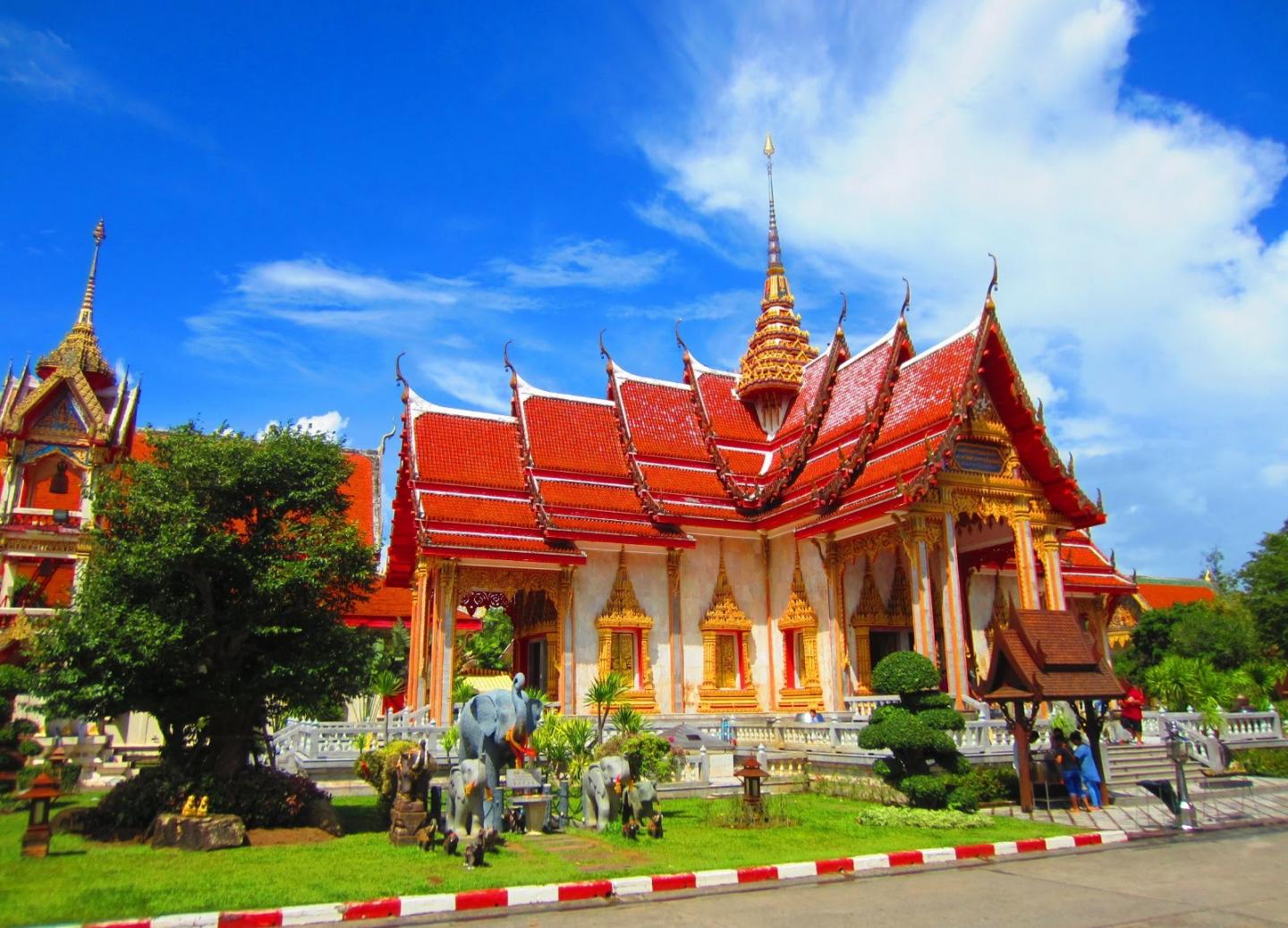
The island's interior tends to be overlooked in favour of its coastlines, which is understandable but unfortunate. The hillside viewpoints toward Chalong Bay, the Khao Phra Thaew wildlife sanctuary in the north, and the rubber plantations of the interior give the island a topographic complexity that beach promotions never convey. Wat Chalong, Phuket's most important Buddhist temple, sits a short drive from the port and provides a grounding counterpoint to the beach circuit.
Phang Nga Bay — the stretch of water northeast of Phuket dotted with limestone karst towers rising from emerald water — is accessible by boat excursion and ranks among the most dramatic marine landscapes in Southeast Asia. Half-day and full-day tours operate from various piers. For cruise passengers, a half-day Phang Nga Bay excursion combined with an afternoon in Old Town represents a compelling way to see the island's two most distinctive faces.
Top things to do in Phuket on a cruise stopover
Phuket Old Town's Sino-Portuguese Architecture
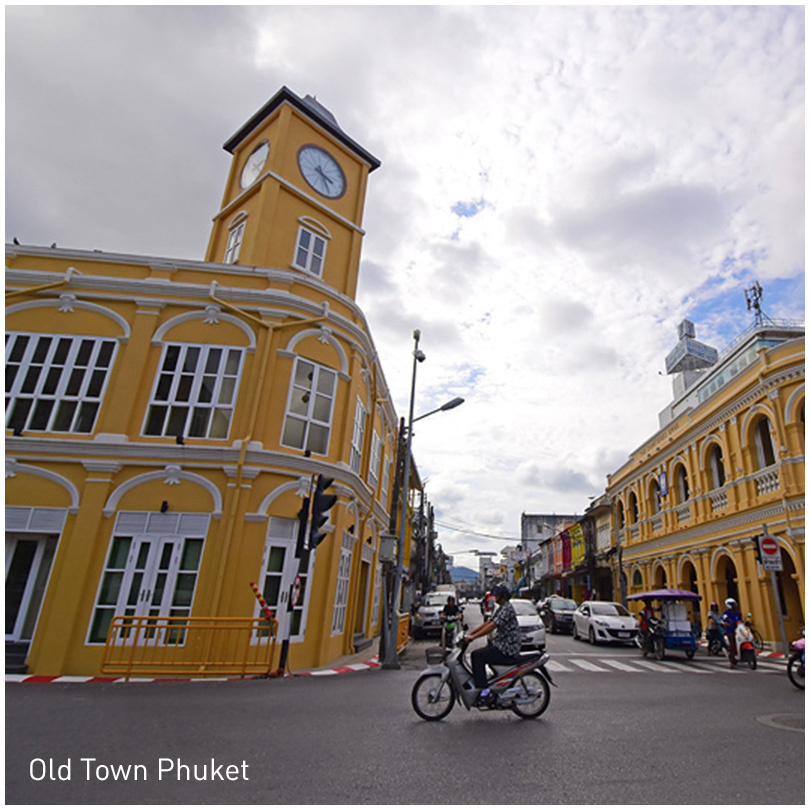
Phuket Town's Old Quarter is one of Southeast Asia's best-preserved examples of Sino-Portuguese shophouse architecture — a building style that emerged when Chinese tin-mining merchants built in the colonial Portuguese idiom they'd encountered in Malacca and Penang. Thalang Road, Dibuk Road, and Krabi Road are the principal streets; their facades display elaborate tilework, shuttered windows, and five-foot walkways (covered arcades at street level) that shelter pedestrians from heat and rain. Independent coffee shops, bookstores, and locally-owned restaurants now occupy many buildings. The neighbourhood is genuinely walkable and best explored on foot in the morning before temperatures peak.
Phang Nga Bay Limestone Karsts
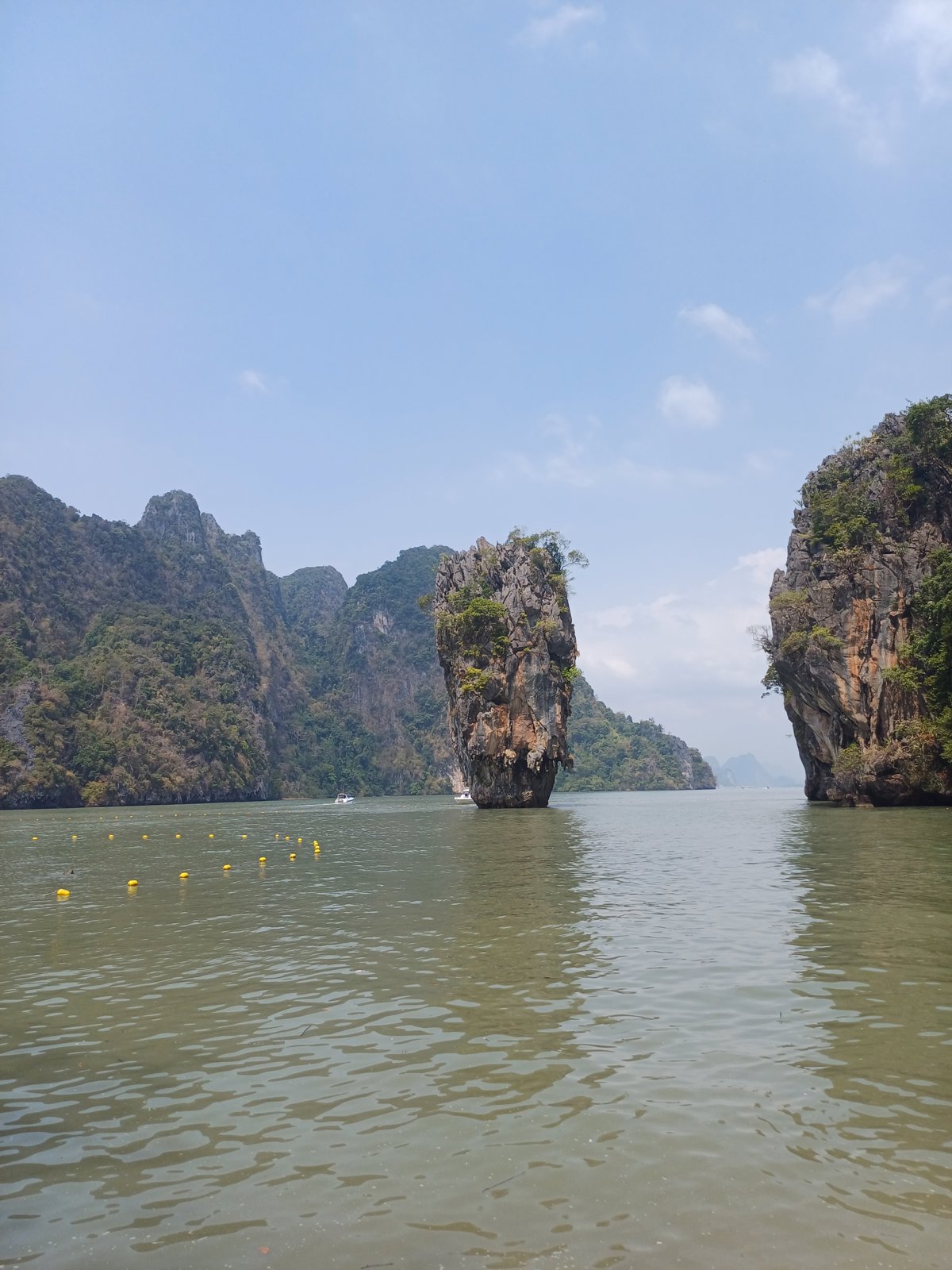
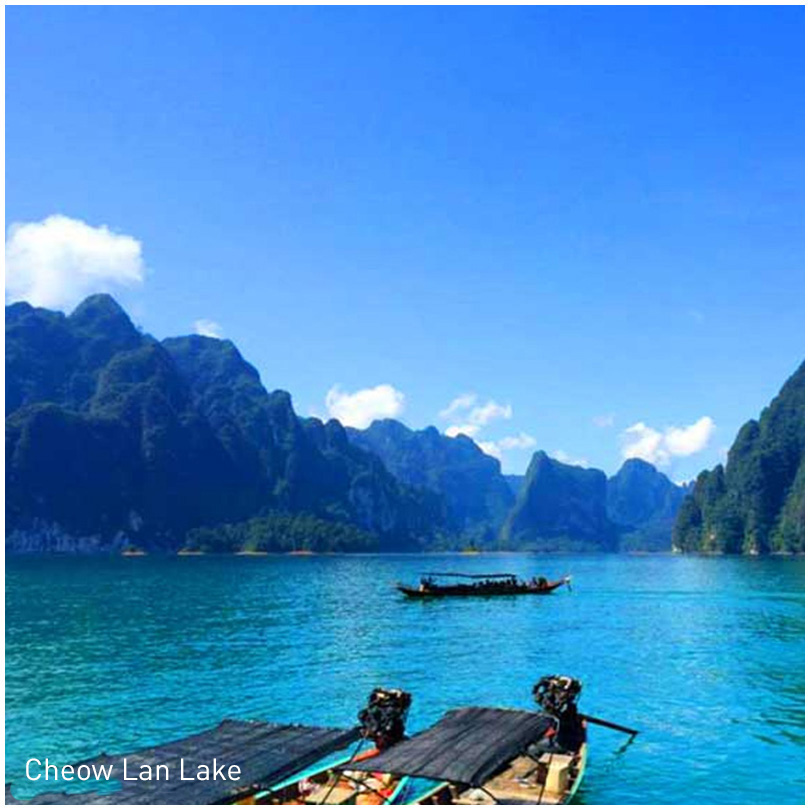
Phang Nga Bay, northeast of Phuket, is a body of water studded with over 40 limestone karst formations rising vertically from the surface — some hundreds of metres tall, draped in vegetation, harbouring hidden caves and semi-enclosed tidal lagoons (hongs). Traditional longtail boat tours, sea kayak excursions, and larger speedboat packages operate from multiple piers. James Bond Island (Ko Tapu), made famous by The Man with the Golden Gun, is the bay's most visited spot; those who find it overcrowded can redirect to Ko Panyi, the Muslim fishing village built entirely on stilts, or the more remote inner hongs accessible only by sea kayak at low tide.
Phi Phi Islands: Limestone Cliffs, Clear Water, Maya Bay
The Phi Phi archipelago — two main islands and four smaller ones — sits in the Andaman Sea about 45 kilometres east of Phuket, where the sea shifts from turquoise to deep cobalt as the limestone karsts rise sheer from the water. Phi Phi Don, the larger island, supports a backpacker village clustered on an isthmus between two bays; Phi Phi Leh is uninhabited and protected, its cliff-encircled lagoons accessible only by boat. Maya Bay on Phi Phi Leh gained international fame as the filming location for The Beach (2000), was subsequently overwhelmed by visitor numbers, and is now managed under a timed-entry system that has allowed coral recovery since its 2021 reopening. The approach to both islands by speedboat through the open water gives the most dramatic perspective — the twin limestone peaks of Phi Phi Don visible from distance, growing from sea-level rocks into vertical walls as you approach.
Koh Hae (Coral Island): Snorkelling the Reef Closest to Phuket
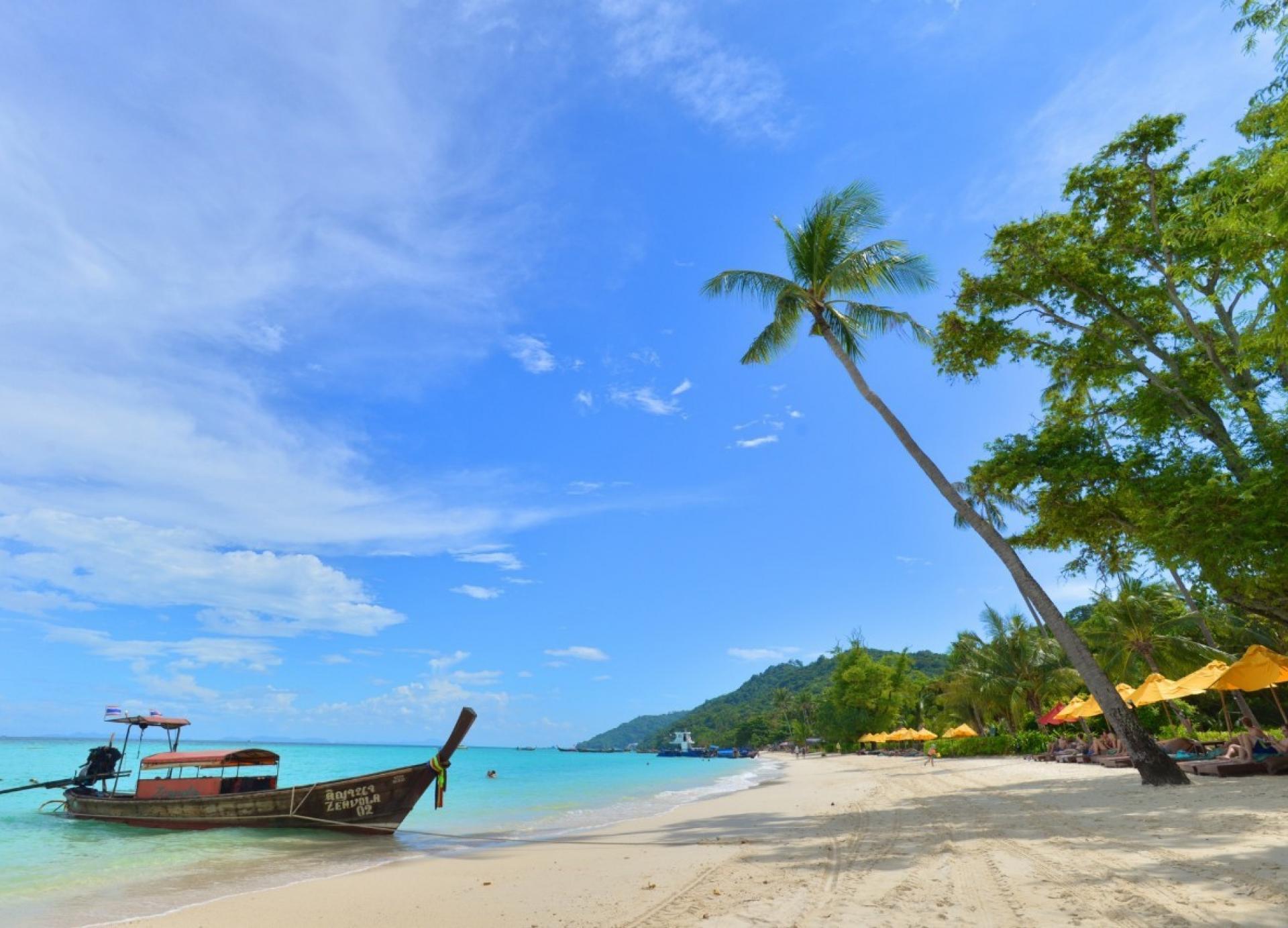
Koh Hae — known to dive operators as Coral Island — sits just 10 kilometres off Phuket's southeast coast, making it the most accessible reef destination from the main port. The island's fringing reef has benefited from a no-anchoring zone that has been in effect since the early 2000s, and coral cover on the northern and eastern sides is noticeably better than at more visited sites. The reef hosts a range of Indo-Pacific species typical of the Andaman Sea: parrotfish, surgeonfish, lionfish resting on coral heads, occasional reef sharks in the channel, and the dense schools of anthias (orange/pink reef fish) that give coral gardens their characteristic visual richness. The island also has two beaches — the main Long Beach on the western side, with its beach chairs and seafood lunch stops, and the smaller Banana Beach on the southern tip.
White Water Rafting and ATV Adventures in Phang Nga Province
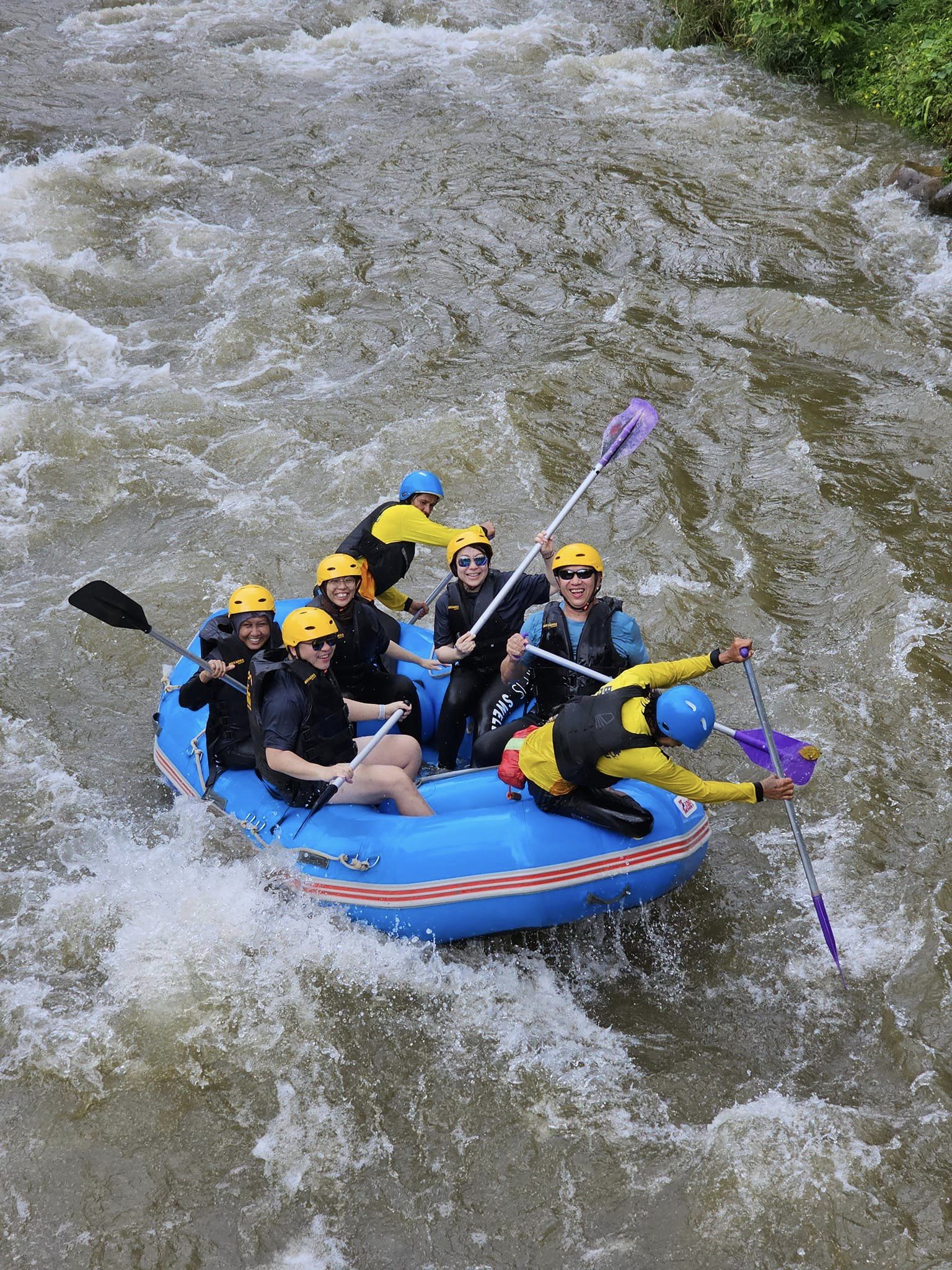
The forested interior of Phang Nga province, across the bridge north of Phuket, provides the terrain for some of Thailand's most accessible adventure activities. The rivers draining the Khao Sok watershed run through narrow gorges and secondary jungle, with rapids graded for beginners to intermediate — the section most commonly used for day trips from Phuket runs approximately 7 kilometres and drops through class II–III rapids with enough momentum to create genuine white water without requiring technical skill. ATV (all-terrain vehicle) routes cut through rubber and oil palm plantations on red-dirt tracks, offering a perspective on the agricultural interior that road travel does not provide; the trails typically run through working farms where the vehicle noise becomes incidental to the scenery. Combination programmes — rafting in the morning, ATV in the afternoon — use the same base camp, reducing transit.
Chalong Bay Rum Distillery: Sugarcane Spirit and Craft Production
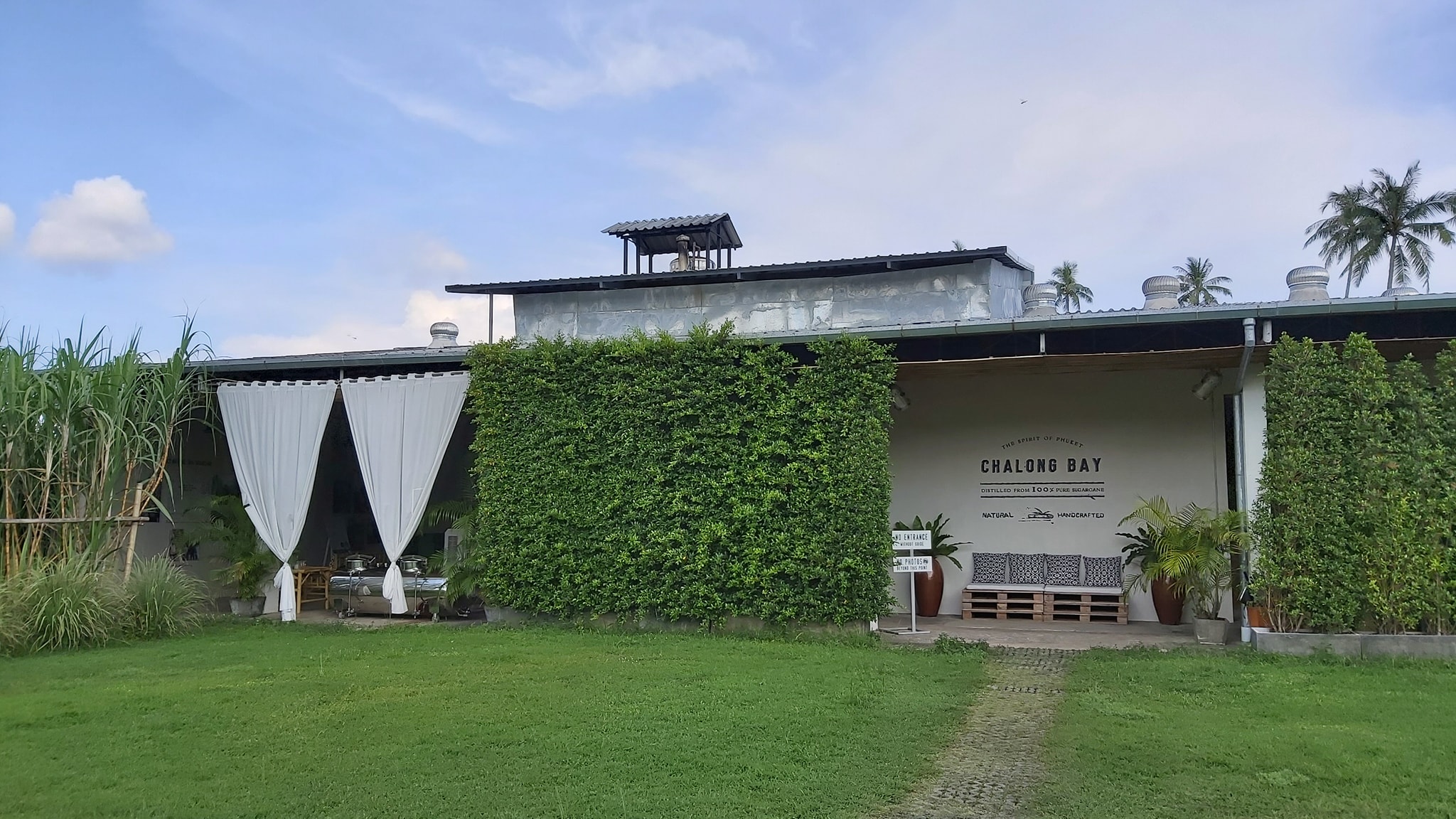
Established in 2012 in a century-old farmstead near Chalong Bay on Phuket's southeast coast, Chalong Bay is Thailand's first craft rum distillery and one of Southeast Asia's most acclaimed. The sugarcane is grown in fields on the island's interior, harvested fresh rather than from molasses, and pressed within hours of cutting — a production method called agricole that preserves the grassy, floral character of the raw material. The column still and blending room are visible on distillery tours, and the tasting room presents the full range: the unaged blanc (clear, fresh, and direct), the infused varieties blended with Thai herbs and botanicals, and the aged expressions developed in French oak barrels. The distillery garden, set between sugarcane rows and tropical trees, is deliberately peaceful — a counterpoint to the beach-club version of Phuket tourism. Tour-and-tasting sessions run throughout the day.
Phuket travel tips
Agree Fares Before Entering Any Tuk-Tuk. Phuket's tuk-tuks are not metered, and drivers working tourist areas near beaches and the port charge rates significantly above local norms. Decide your destination before approaching a driver, state the figure you expect to pay (check typical fares online beforehand — most in-town trips should be 100–200 THB), and agree before boarding. If the first driver refuses, the next often accepts. Uber operates in parts of Phuket and offers upfront pricing — availability may be limited depending on your area.
Visit Old Town Before 11am. Phuket Old Town is at its best in the morning: light falls at low angles across the coloured facades, independent coffee shops are open and uncrowded, and the heat is manageable for walking. By noon, tour groups arrive in volume and temperatures rise to 34–36°C in summer months. If you plan to combine Old Town with an afternoon at a beach or Phang Nga Bay, start at the port as early as your all-aboard allows.
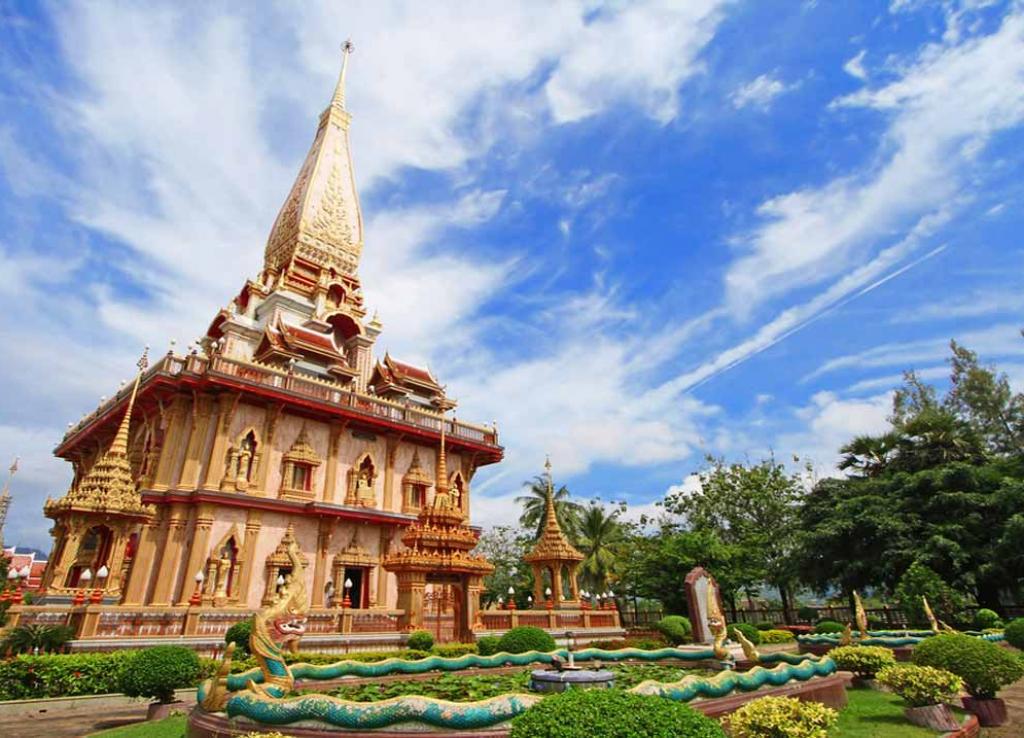
Temple Dress Is Non-Negotiable at Wat Chalong. Wat Chalong, Phuket's largest and most visited Buddhist temple complex, requires covered shoulders and knees for entry — and this is enforced, not merely suggested. Sarongs are available for loan at the gate. The temple is an active religious site, not a backdrop for photography: observe monks going about their duties, make a small donation at the spirit houses if you choose, and move quietly through the inner hall. The layered pagoda (Phra Mahathat Chedi) houses a relic of the Buddha and is the complex's most sacred structure.
Photography Etiquette at Thai Temples and Sacred Sites. Phuket has a high density of active Buddhist temples where photography requires care and awareness. At Wat Chalong, the main prayer hall interior can be photographed during non-service hours, but pointing a camera at monks without permission is considered deeply disrespectful — if a monk is in frame, wait or step aside. Shoes must be removed before entering any sanctum; this applies even when surfaces look clean or modern. At Chalong and smaller hillside wats, Buddha images should not be climbed on or posed against for selfies — an offence that is taken seriously by Thai authorities and can result in a fine. The Big Buddha statue on Nakkerd Hill is visible from most of Phuket and is a popular photography subject; respectful attire (shoulders and knees covered) is required at the base. Drone photography requires a permit in Thailand and is not permitted near temples or populated areas without one — ask before flying.
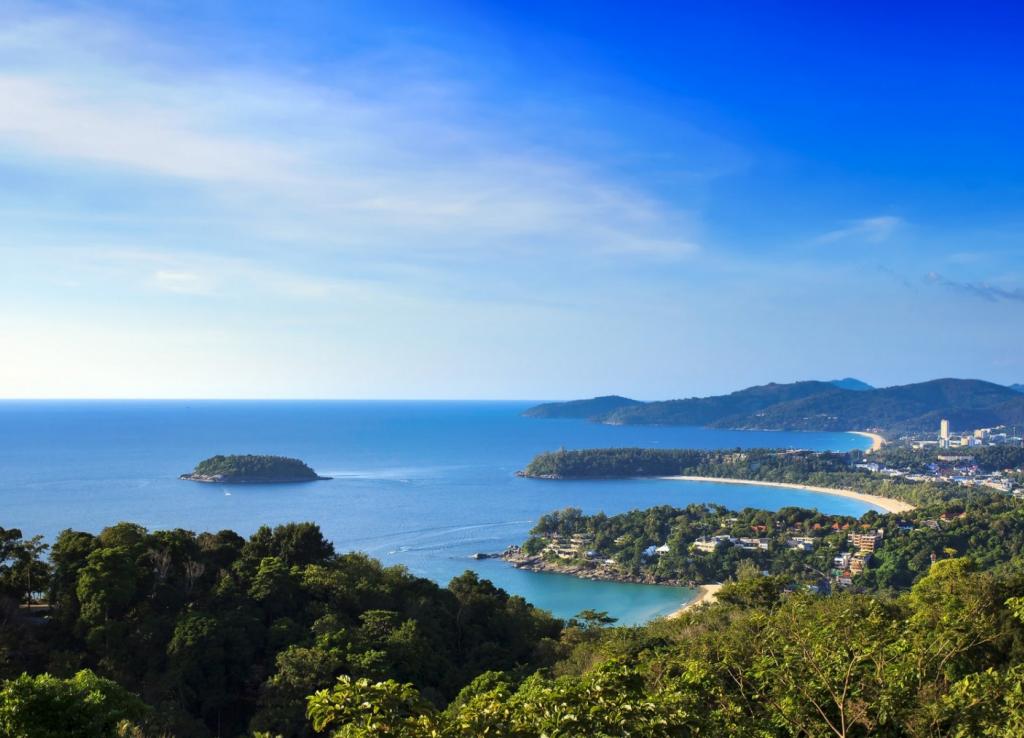
West Coast Beaches Take Time to Reach. The port is on Phuket's southeast coast; the famous beaches (Patong, Kata, Kamala) are on the west coast. Driving over the central hill range takes 40–55 minutes depending on traffic and time of day. If you're planning a beach afternoon, allow time for the return journey to the port — underestimating this is how cruise passengers miss all-aboard. Sunset-facing west coast beaches are magnificent in the late afternoon, but that timing cuts too close to most departure windows.
Sunscreen and Reef-Safe Products. Thailand has introduced restrictions on certain chemical sunscreens in protected marine areas, including near Phang Nga Bay's islands and Phi Phi (if your itinerary includes it). Reef-safe mineral sunscreens (zinc oxide, titanium dioxide) are the compliant choice and widely available in Phuket's pharmacies and supermarkets. Beyond compliance, the coral ecosystems in these bays are under genuine pressure — opting for reef-safe products when snorkelling or swimming is a straightforward contribution to their persistence.
Port Facts Every Cruiser Needs To Know
Phuket shore excursion FAQs
Cruise ships call at Ao Makham (Phuket Deep Sea Port), located on the island's southeastern tip, approximately 10–12 kilometres from Phuket Town's Old Quarter. Travel time to Old Town is around 20–30 minutes by taxi. Patong Beach is approximately 25km away (40–55 minutes depending on traffic). Phang Nga Bay departure piers are roughly 45 minutes from port. The port has basic facilities but is not itself a destination — transport out is the first priority.
All three are viable, but choosing one as the day's anchor makes for a better experience than trying to fit all three. Beach-focused days work best at Kata or Kamala (quieter than Patong, still beautiful); culture-focused days centre on Old Town and Wat Chalong; nature-focused days go all-in on Phang Nga Bay. Hybrid combinations are possible — Old Town morning plus one beach afternoon is the most popular and fits comfortably in 8–9 hours.
Grab (the ride-hailing app) is the most transparent option — fares are fixed before you confirm, and cars are tracked. Pre-register the app and a payment method before docking. Metered taxis from the port are also reliable. Tuk-tuks are convenient for short hops in Old Town but require price negotiation. Renting a scooter is possible but Phuket's traffic, road conditions, and the legal liability for cruise passengers makes this inadvisable for a day visit.
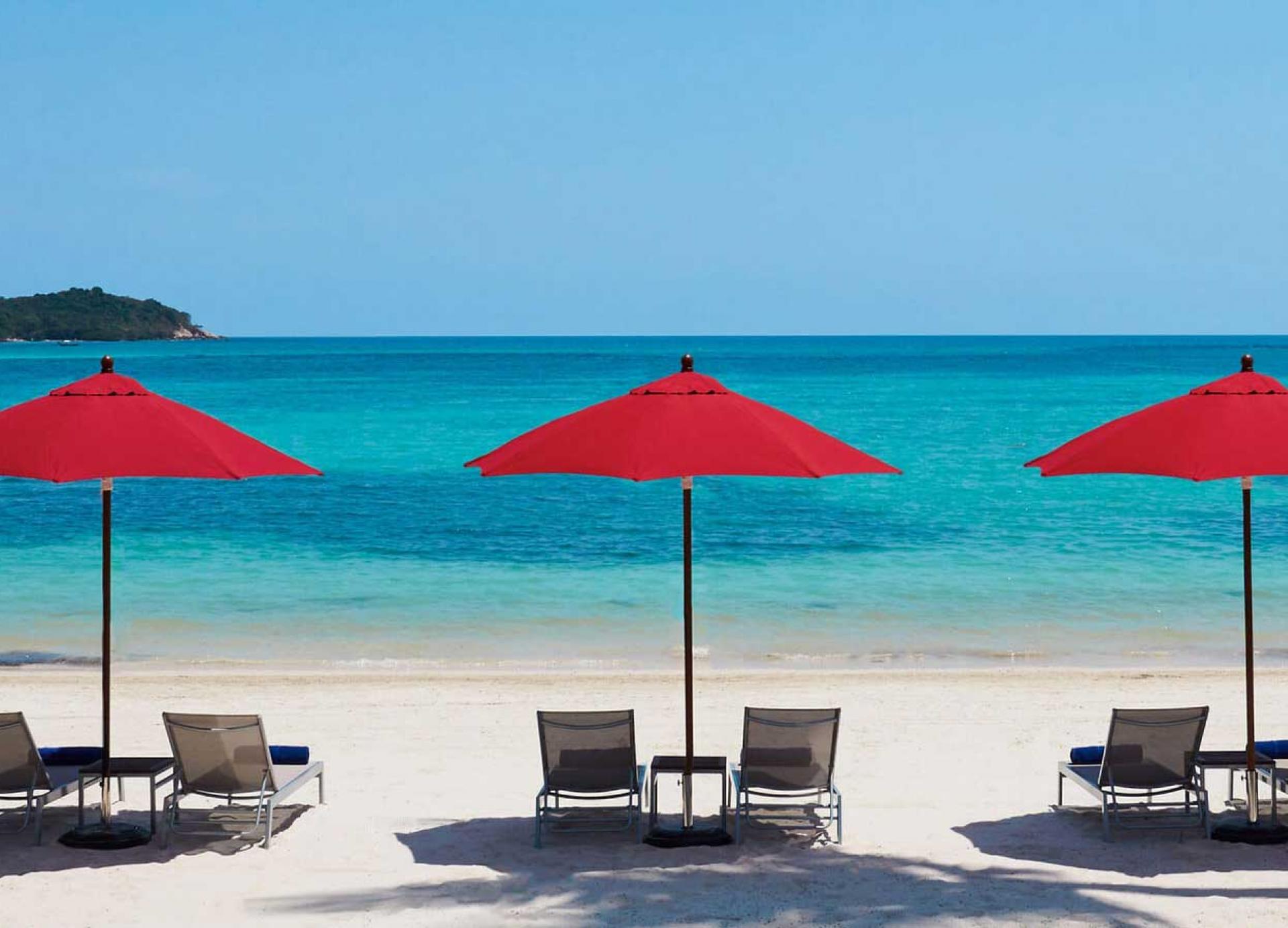
Kata Beach offers the best balance of scenery, facilities, and relative calm for a time-limited visit. It has a clear bay, good restaurants along the beach road, sun lounger hire, and is more manageable in scale than Patong. Kamala is quieter still and suits those who want sea access without the beach-club infrastructure. Patong is the most developed — it has everything, but its size and the journey time from port mean you need to commit at least half the day to do it justice.
Both are valid. Ship excursions take the logistics out of the equation and guarantee timing relative to all-aboard. Independent bookings through Phuket-based operators are often cheaper and can be more flexible in route — some smaller operators offer kayak-focused tours of the inner hongs that the larger ship excursions don't access. Book independently in advance rather than turning up at a pier hoping for availability, especially in peak season (December–February).
Standards vary significantly between operators. Look for sanctuaries that explicitly prohibit riding, hooks (ankus), and performance activities, and that emphasise small group sizes and natural forest environments rather than concrete compounds. Reputable operators include Elephant Jungle Sanctuary, Phuket Elephant Care, and Wild Elephant Valley. Half-day programmes (3 hours including transport) fit within most port schedules. Reading recent independent reviews — not just operator marketing — is the most reliable pre-visit research.
Phuket Town's Old Quarter developed during the 19th century tin-mining boom, when Hokkien Chinese entrepreneurs settled the island and built in a style they'd encountered through Portuguese colonial architecture in Malacca and Penang. The result — Sino-Portuguese shophouses with ornate plasterwork facades, pastel colours, interior courtyards, and covered five-foot walkways — is now one of the region's most coherent surviving examples of this hybrid tradition. UNESCO has recognised the Straits of Malacca's Sino-Portuguese towns collectively; Phuket's Old Town is among the best-preserved. The streets most worth walking are Thalang, Dibuk, Krabi, and Phang Nga roads.
Yes, with standard food-safety judgement. Choose stalls with visible turnover — food that's been sitting in the heat for hours carries more risk than dishes cooked to order in front of you. Popular local stalls in Phuket Town (busy with locals at lunchtime) are generally very safe. Avoid raw shellfish unless you know the establishment well. The Old Town restaurants and Phuket Town's market streets offer the island's most authentic and best-value eating outside the beach resort zones.
Thai Baht (THB) is the currency for all local transactions. ATMs from Bangkok Bank and Kasikorn Bank offer reasonable rates; avoid dynamic currency conversion (always pay in THB when given the option). For cash exchange, SuperRich outlets in Phuket Town offer consistently good rates — they maintain a presence on Phuket Road near the Old Town. Airport exchange booths and pier-side kiosks typically offer the worst rates on the island. Credit cards are accepted in most established restaurants and shops.
November through April is the Andaman Coast's dry season — calm seas, clear skies, excellent visibility for snorkelling and Phang Nga Bay excursions, and reliable beach conditions on the west coast. May to October brings the southwest monsoon: west coast beaches are rough (swimming can be hazardous with red-flag warnings posted), some boat tours are cancelled, and heavy afternoon rain is common. However, the island is greener, less crowded, and significantly cheaper in the wet season. Phang Nga Bay's east-facing orientation makes it more sheltered year-round than the west coast beaches.
Filters
Select a filter to refine results.
Tour Type
Tour Activity
 Cart
Cart
 USD
USD GBP
GBP AUD
AUD EUR
EUR CAD
CAD