



Tours in Penang (Georgetown)


Cruising to Penang (Georgetown) in a group?
Skip the crowded ship excursion bus. One dedicated planner will design a private shore experience around exactly what your group wants — coordinated from first enquiry to the moment you're back on board. More memorable, more flexible, and more affordable than you might expect. Spend less time organising, more time enjoying.
Explore Group Travel →Cruising to Penang (Georgetown)
Georgetown arrived on the world's travel consciousness in two distinct waves: first as a well-preserved relic of British colonial Southeast Asia, earning UNESCO World Heritage status in 2008 alongside Melaka, and then — somewhat unexpectedly — as a destination in its own right for food travelers who had grown tired of being told to go to Singapore. The city earned the second reputation honestly. The cooking here, shaped by generations of Hokkien, Hakka, Teochew, Malay, Tamil, and Eurasian communities living in close proximity, produced dishes that absorbed multiple influences and then became fiercely local in character.
The physical setting reinforces Georgetown's peculiarity. The historic core is dense with pre-war shophouses, clan jetties extending into the strait on stilts, and clan association buildings (kongsi) that once served as social infrastructure for immigrant communities and now function as some of the most architecturally elaborate structures in the region. The streets follow an irregular colonial grid interrupted by temples, mosques, and the occasional market alley. Walking here is slow work — there is too much to notice at eye level and above for anything resembling a purposeful pace.
Penang Hill rises behind the city to 833 meters, offering a temperature that drops noticeably from the coastal heat and views that stretch across the Penang Strait to the mainland on clear days. The funicular railway, one of Asia's oldest, reaches the summit in under 10 minutes. The hill has its own character — colonial bungalows, a small mosque, a Hindu temple, and resident langur monkeys who have developed an entirely unreasonable confidence around visitors with food.
The tension in Georgetown is between preservation and change, and it is navigated more thoughtfully here than in most comparable Asian cities. The street art installed by Lithuanian artist Ernest Zacharevic in 2012 has been absorbed into the city's visual identity, with works depicting local scenes painted directly onto shophouse walls. The clan jetties that once seemed economically precarious have found new equilibrium through modest tourism. The result is a city that feels genuinely inhabited rather than staged for visitors — a distinction that becomes more apparent the longer one spends in it.
Top things to do in Penang (Georgetown) on a cruise stopover
Georgetown's Street Food Scene
Penang's hawker food culture is not merely a tourist attraction — it is the organizing principle around which much of daily life rotates. Char kway teow (broad rice noodles stir-fried in a screaming-hot wok with cockles, egg, bean sprouts, and Chinese sausage) is the dish most associated with the island; the best versions come from stalls run by the same families for decades, with wok technique that produces a specific caramelized quality (wok hei) that cannot be rushed. Asam laksa — a sharply sour fish broth with rice noodles, shredded mackerel, pineapple, and a vivid paste of torch ginger flower — was ranked among the world's best dishes by CNN Travel and delivers the precise balance of sour, sweet, and savoury that defines Penang's Nyonya culinary tradition. Cendol (pandan jelly noodles with palm sugar and coconut milk over shaved ice) is the city's answer to the tropical heat.
Khoo Kongsi Clan House
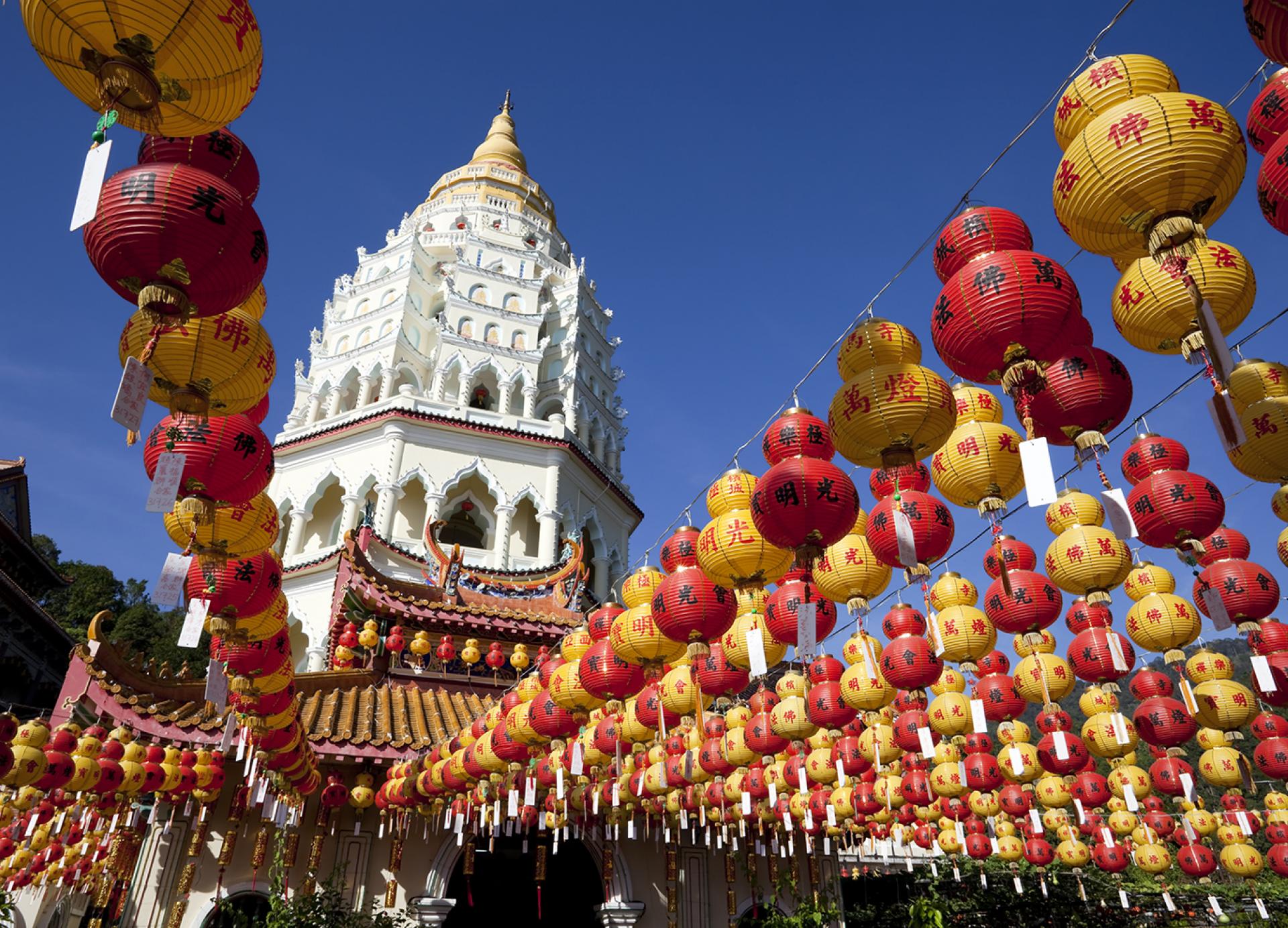
The Khoo Kongsi, tucked into a courtyard in the Cannon Square area of Georgetown, is the most elaborate of Penang's surviving clan association buildings and one of the finest examples of southern Chinese ceremonial architecture outside China. The Khoo clan — Hokkien migrants with origins in Fujian province — built and rebuilt this kongsi over more than a century, and the current structure (completed in 1906 after a fire destroyed the original) features carved granite pillars, gilded woodwork, elaborate roof ridges crowded with ceramic figurines, and painted murals depicting clan history and Chinese mythology. It functions as both an ancestral hall and a community center. Entry costs a modest fee; guided audio tours are available. The surrounding lanes of Cannon Square contain smaller clan temples and a relatively tourist-light atmosphere.
Penang Hill (Bukit Bendera)
The funicular railway to the summit of Penang Hill has been operating since 1923, making it one of the oldest in Asia. The modernized system now makes the 1,996-meter journey in under 10 minutes, rising through secondary jungle to the summit station at 833 meters. The temperature at the top is typically 5C cooler than Georgetown below, and on clear days the view extends across the Penang Strait to the mainland and down the island's forested spine. Colonial-era bungalows line the upper slopes — some are heritage guesthouses, others remain private. The resident silvered langur monkeys are bold enough to be a mild nuisance around food; they are otherwise entirely charming. The hilltop also contains a small mosque, a Hindu temple, and the Habitat nature walks through intact hill forest.
Georgetown Street Art and Shophouse Architecture
The street art project initiated in 2012, centered on Lithuanian artist Ernest Zacharevic's iron rod sculptures and wall murals, has become inseparable from Georgetown's visual identity. Works depicting local children, a boy on a bicycle, and two children on a swing remain on original walls and are freely accessible on foot. The murals work best when encountered while wandering rather than ticked off a checklist map — the surrounding context of peeling plaster, potted plants, and cat-occupied five-foot ways forms part of the composition. The shophouses themselves warrant attention independent of the art: the carved ventilation panels, ornate floor tiles, and layered architectural histories of these two- and three-storey terraces represent a building type that has largely disappeared elsewhere in Asia.
Tropical Spice Garden: Penang's Living Spice Heritage
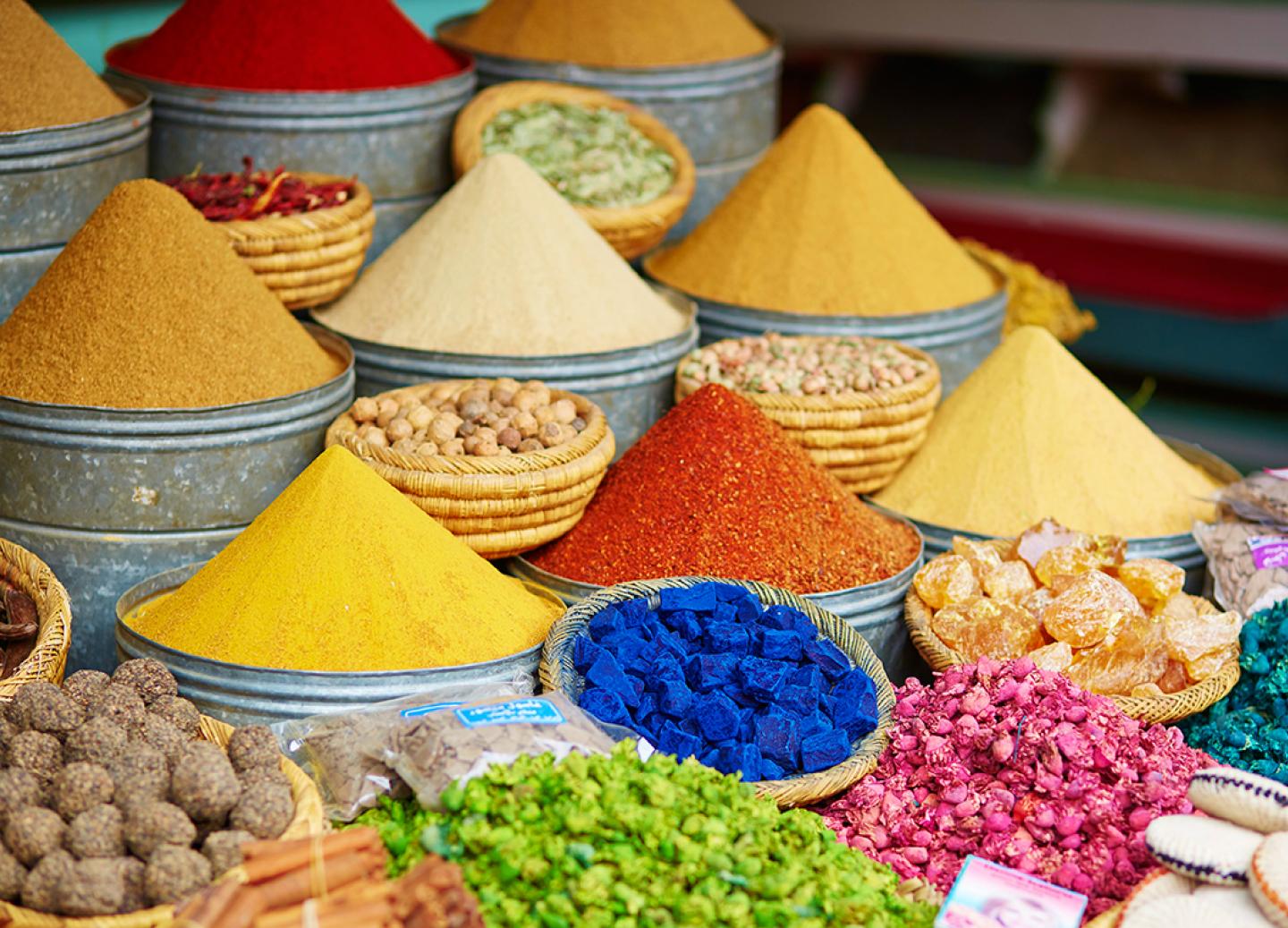
Tucked into eight acres of secondary rainforest on Penang's northern coast near Teluk Bahang, the Tropical Spice Garden assembles more than 500 species of tropical flora in a curated setting that traces the spice trade routes that shaped Southeast Asian history — and, by extension, Georgetown's existence. Walking the garden's trails, visitors encounter the raw materials of Penang's food culture in situ: nutmeg trees still fruiting, cinnamon bark peeling from slender trunks, turmeric rhizomes pushing through the soil, pepper vines climbing wooden poles, and clove trees whose dried flower buds gave the Moluccas their world-historical importance. Guided tours explain the ethnobotanical uses of each species — medicinal, culinary, ceremonial — in the context of the Malay, Chinese, Indian, and colonial communities that cultivated or traded these plants. The garden also maintains a cooking school focused on traditional Nyonya and Malay recipes, using ingredients harvested from the grounds.
Clan Jetties of Chew Jetty
The clan jetties extending into Penang Harbour represent one of the oldest surviving forms of waterfront settlement in the region. Each jetty was historically associated with a specific Chinese clan or dialect group; the Chew Jetty is the largest and most intact, with rows of wooden homes built on stilts over the water, connected by plank walkways. Families have lived here for generations — the settlement is residential, not a reconstruction — and the mix of laundry lines, ancestral shrines, cats, fishing nets, and small shops gives the jetty a layered domesticity. The views from the outer end of the pier back toward Georgetown and the Komtar tower make the short walk worthwhile, and the water-level perspective on the harbour traffic is unlike anything available from the shore.
Penang (Georgetown) travel tips
Arrive at Hawker Stalls on Their Schedule, Not Yours. Penang's best-known hawker stalls keep specific hours that may not align with cruise timetables — many open only for breakfast or lunch, and legendary stalls may close by early afternoon. Research opening times before docking; a food-focused morning (7-11 a.m.) hits the sweet spot when the most celebrated breakfast and lunch stalls are operating at full production. Arriving at an empty hawker stall is a genuine disappointment that a small amount of advance planning prevents entirely.
Walk the UNESCO Zone with a Detailed Map. The Penang Heritage Trust distributes a detailed walking map of Georgetown's heritage zone from offices within the area, and downloadable versions are available from the Penang Global Tourism website. The map identifies heritage buildings by category, marks the street art locations, and suggests walking circuits. The zone is small enough that getting pleasantly lost is part of the experience, but the map ensures you don't miss concentrated areas like Cannon Square (clan temples and Khoo Kongsi), Armenian Street (street art and the Pinang Peranakan Mansion), and Love Lane (colonial-era residential architecture).
Book Penang Hill Funicular Tickets in Advance. Penang Hill is one of Malaysia's most visited attractions and the funicular queues can be substantial, particularly on weekends and school holidays. Tickets can be purchased online through the official Penang Hill website, including a combined ticket covering the return funicular ride and optional attractions at the summit. Arriving at the lower station without a booking during busy periods may mean a 45-minute to one-hour wait — which, on a cruise port day with a fixed departure, is a significant planning problem. The first funicular run of the day (around 6:30 a.m.) offers the shortest queues and best light.
Respect the Living Character of Heritage Sites. Georgetown's heritage designation covers buildings and spaces that remain in active use — clan temples hold ceremonies, shophouses are family businesses, and the clan jetties are residential neighborhoods. The Chew Jetty in particular sees visitors entering what is effectively a private residential lane; walking quietly, not photographing inside homes through open doors, and purchasing from the small stalls on the jetty are all ways of being a considerate guest rather than merely a spectator. At the Khoo Kongsi and other kongsi buildings, ongoing ancestral rites may be in progress; pause and observe rather than walk through.
Georgetown Heat Management. Georgetown sits at roughly 5 degrees north latitude and the urban core intensifies the heat through reflected concrete and limited canopy cover. The five-foot ways (covered colonnaded walkways running along the fronts of shophouses) provide shade and are the traditional pedestrian infrastructure of the city — walk under them rather than on the road edge. Schedule outdoor temple and street exploration for the morning; use the midday hours for an air-conditioned interior (Pinang Peranakan Mansion, Cheong Fatt Tze Mansion tour, or a kopitiam with a cold Bandung or sugarcane juice). Loose, light-colored clothing significantly improves comfort.
The Trishaw Is Transportation, Not Theater. Bicycle rickshaws (trishaws) in Georgetown are sometimes dismissed as a novelty for tourists, but they are a practical and genuinely pleasant way to cover the distance between sights that are slightly too far to walk in the heat but too short to justify a car. Negotiate the fare upfront (RM 10-20 for short hops within the heritage zone is reasonable). The trishaw rider's knowledge of Georgetown often exceeds that of app-based drivers — many have been operating the same routes for decades and can suggest food stalls and shortcuts that don't appear on any map.
Port Facts Every Cruiser Needs To Know
Penang (Georgetown) shore excursion FAQs
Cruise ships dock at Swettenham Pier Cruise Terminal, located at the northeastern edge of Georgetown, approximately 1.5 kilometers from the heart of the UNESCO heritage zone. The terminal is modern and well-organized, with taxi and Grab pickup areas outside the main exit. The walk into Georgetown is manageable in the morning when temperatures are lower — the route passes the Fort Cornwallis area and runs along the waterfront. A Grab car to the Khoo Kongsi or Armenian Street takes under 10 minutes. Trishaws are also available at the pier for a more gradual entry into the city.
Georgetown is one of the more self-guided-friendly heritage cities in Southeast Asia. English signage is comprehensive within the UNESCO zone, the area is compact, and printed walking maps are available free at the Penang Heritage Trust office and many hotels. The Penang Global Tourism app provides additional orientation. Independent exploration is genuinely rewarding here because much of what makes Georgetown distinctive — its layered street life, shophouse architecture, and food stalls — is accessible at the level of simply walking and looking. A guided tour adds depth for those with particular interest in the history, but it is not necessary for a satisfying visit.
Char kway teow is the non-negotiable starting point — seek out stalls with a visible queue and a wok-scarred veteran behind it. Asam laksa (the sour fish noodle soup unique to Penang) is available at Gurney Drive Hawker Centre, a 15-minute taxi ride north of the pier. Curry mee (yellow noodles in a coconut-curry broth with prawns, cockles, and tofu puffs) is a breakfast staple at stalls throughout the heritage zone. Nasi kandar — rice with an array of curries, ladled over to order — is best at old-school restaurants in the Penang Road area. Cendol (shaved ice with pandan jelly and palm sugar) from the famous stall on Penang Road makes an appropriate conclusion to any food tour.
The Pinang Peranakan Mansion on Church Street recreates the interior of a wealthy 19th-century Baba-Nyonya household (the Peranakan or Straits Chinese community descended from early Chinese settlers and Malay or Indonesian spouses). The collection spans over 1,000 antiques including Peranakan porcelain (which is among Asia's most technically accomplished decorative ceramics), furniture, and textiles. Costumed staff are positioned throughout the house and can explain the objects. The mansion gives meaningful context to the food, architecture, and cultural fusion that defines Georgetown — an hour here before wandering the streets makes subsequent observations considerably richer. Entrance fee is RM 25 (approximately USD 5-6).
Budget three to four hours for a comfortable Penang Hill excursion, including transport from the pier to the Bukit Bendera lower station (20-30 minutes by taxi or Grab), the funicular ride up (under 10 minutes), time at the summit (45-90 minutes for views, the nature walk, and a drink at the hilltop cafe), and the return journey. This makes Penang Hill feasible on a port call of 7 hours or more but requires keeping Georgetown street time to a morning-only activity. If your ship docks for fewer than 7 hours, the hill is hard to combine meaningfully with the heritage district — choose one or the other and commit to it.
The Georgetown street art comprises two main types: metal rod sculptures (small, witty illustrations in wire attached to building walls with explanatory captions describing local history or customs) and large painted murals, most notably the work of Ernest Zacharevic. The metal rod sculptures are scattered throughout the heritage zone and function as a sort of illustrated local history — dozens appear on walls throughout the grid. The painted murals are fewer in number but more visually striking; 'Boy on Bike' on Armenian Street is the most photographed. The Penang Heritage Trust map marks most major pieces, and a dedicated walking map of the art works is available at the tourist information center near the pier.
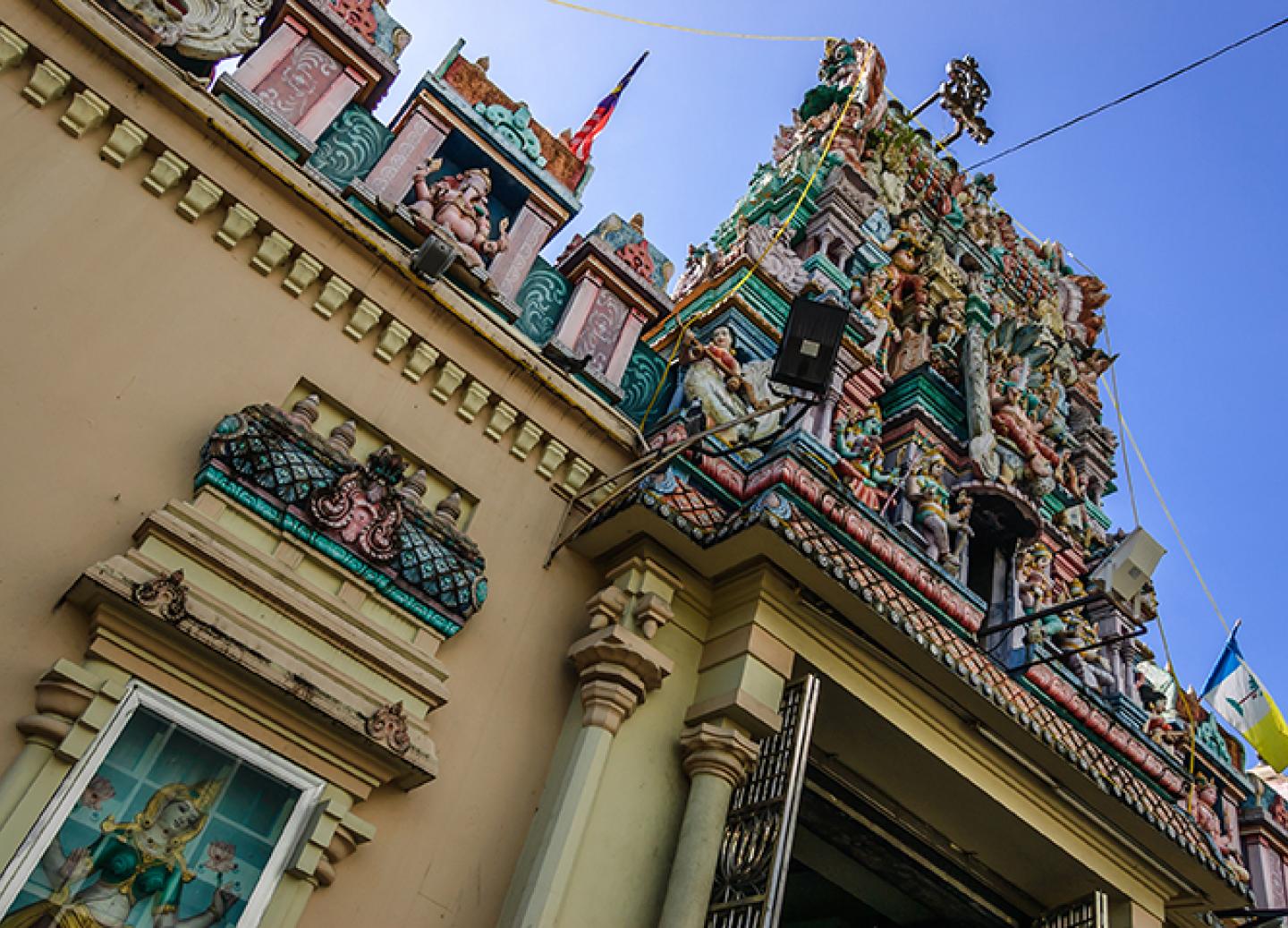
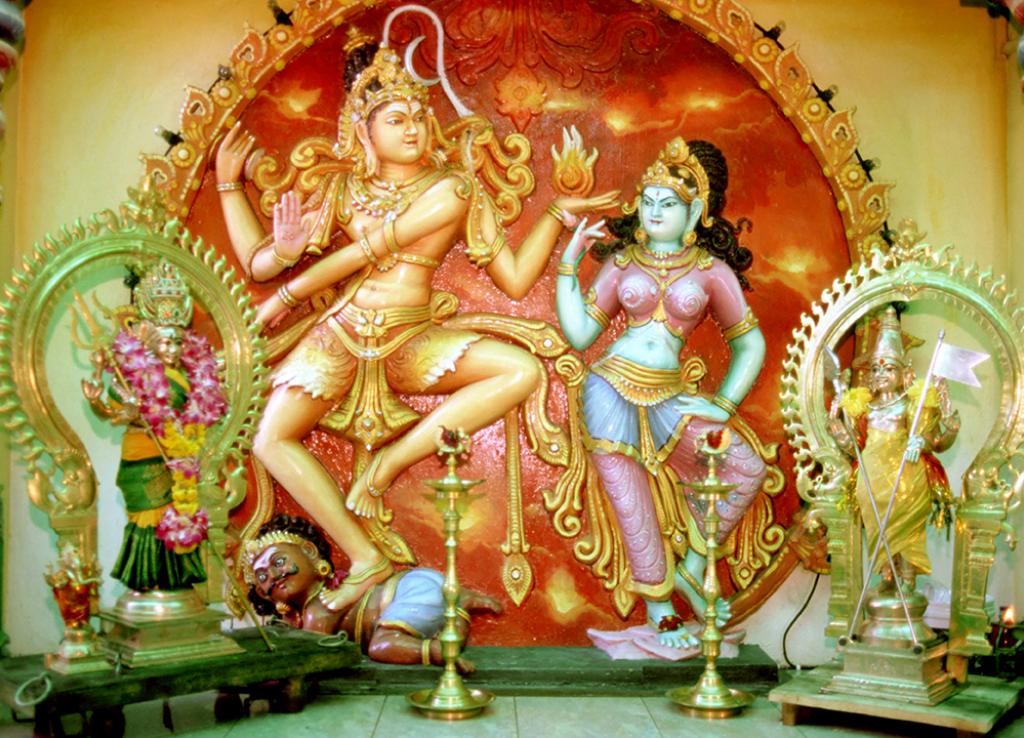
Georgetown contains a high density of active religious sites — Chinese clan temples, Hindu temples (Sri Mahamariamman Temple on Queen Street is particularly atmospheric), and mosques including the Masjid Kapitan Keling, which dates to 1801. General etiquette applies across all: remove footwear before entering, dress modestly (shoulders and knees covered), speak quietly, and avoid walking in front of people in prayer. Photography inside active worship spaces should be done discreetly and only where clearly permitted. Clan temples are often more relaxed about visitors than formal religious sites, but pausing to observe current practice before entering is always appropriate.
Batu Ferringhi, Penang's main beach resort area, is approximately 25 kilometers north of Georgetown along the island's north coast — about 40 minutes by taxi. The beach is long and reasonably attractive, with calmer waters than the island's southern coast. It works well for travelers whose primary interest is a beach afternoon after a morning in Georgetown. Grab operates to Batu Ferringhi, making the return straightforward. Note that the beach faces north into the Andaman Sea, so conditions vary with seasonal swells. If your interest is primarily swimming rather than sightseeing, the beach is a valid alternative to spending an entire day in the historic city.
Fort Cornwallis stands at the northeastern tip of Penang Island, a short walk from Swettenham Pier, making it one of the most conveniently located sights for cruise passengers. Built by the British East India Company in 1786 on the site where Francis Light first landed to establish Penang as a trading settlement, the fort is the largest surviving British fort in Malaysia. The star-shaped earthen structure now encloses a small museum, historical panels, and the original cannons still pointing seaward. The most famous cannon, Seri Rambai, has accumulated a local legend regarding fertility wishes. The interior can be explored in 30-45 minutes; the surrounding Esplanade is pleasant for a walk and provides clear views of the strait and mainland.
Nasi kandar is Penang's signature Mamak (Tamil Muslim) rice dish — plain white rice served with your choice of curries, dals, and proteins ladled over it by the server. The name derives from the kandar pole used by early vendors to carry pots suspended from each end. The genius of the dish lies in the campur (mixing) — different curries run together on the rice, creating combinations that no single curry achieves alone. Line Clear Restaurant, operating from a lane off Penang Road since the 1930s, is the most historically significant nasi kandar establishment in Georgetown. Order the curry chicken and request that the server add some of the curry from the prawn pot over the rice. Eat standing at the stall for the full experience.
Filters
Select a filter to refine results.
Tour Type
Tour Activity
 Cart
Cart
 USD
USD GBP
GBP AUD
AUD EUR
EUR CAD
CAD