



Tours in Tokushima


Cruising to Tokushima in a group?
Skip the crowded ship excursion bus. One dedicated planner will design a private shore experience around exactly what your group wants — coordinated from first enquiry to the moment you're back on board. More memorable, more flexible, and more affordable than you might expect. Spend less time organising, more time enjoying.
Explore Group Travel →Cruising to Tokushima
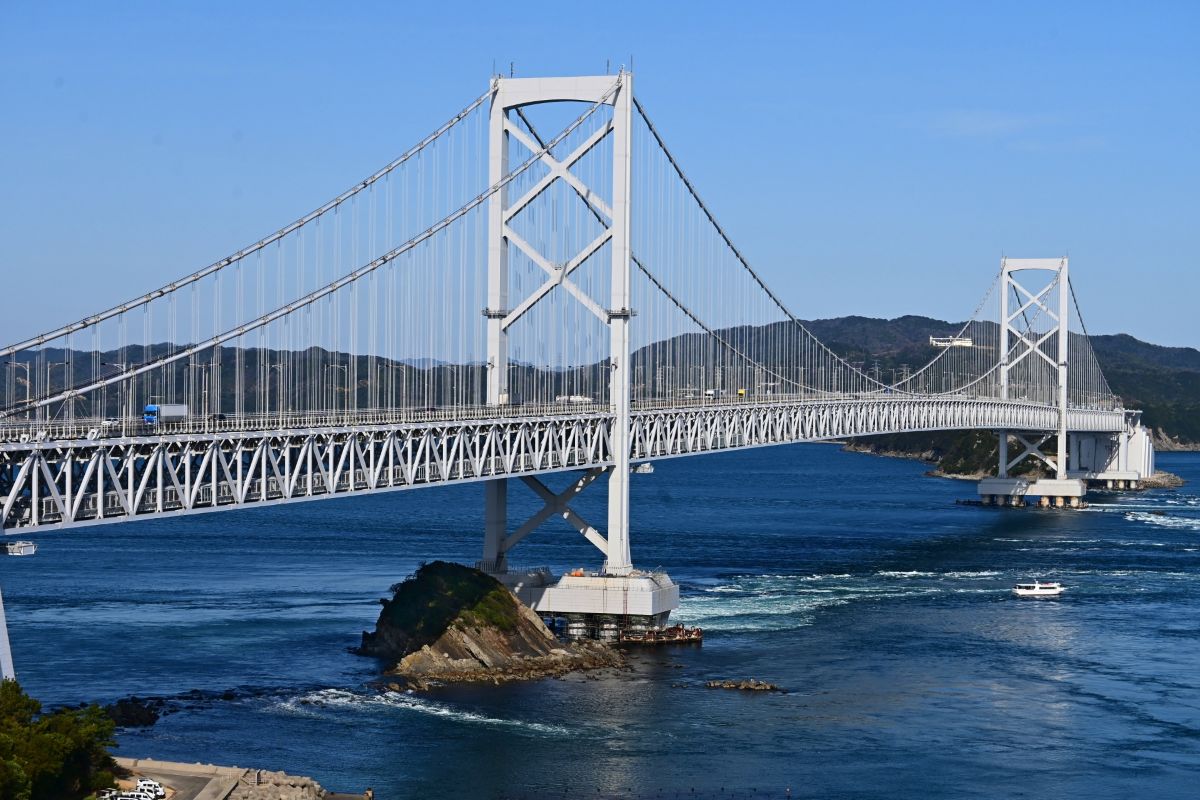
Tokushima sits on Shikoku, the smallest of Japan's four main islands and one of the country's least-visited by international tourists, which makes a cruise call here a genuinely distinctive stop. The city's best-known attraction lies at the Naruto Strait, where tidal currents between Shikoku and Awaji Island collide to form whirlpools that rank among the largest and most powerful in the world, best seen from a sightseeing boat or the glass-floored Uzu-no-michi walkway suspended above the strait. Tokushima's cultural identity centers on Awa Odori, the boisterous summer dance festival that draws over a million visitors each August; even outside festival season, the year-round Awa Odori Kaikan hall keeps the tradition alive with daily performances. The region also has deep roots in indigo dyeing — Tokushima was historically Japan's premier producer of natural indigo, and the craft survives in workshops where visitors can try their hand at dyeing their own textiles. Beyond the city, Shikoku's rugged interior and the 88 Temple Pilgrimage — a centuries-old Buddhist walking route that begins at Ryozenji Temple near Tokushima — offer a window into a more traditional, less commercialized side of Japan than the country's major cities.
Top things to do in Tokushima on a cruise stopover
Naruto Whirlpools
Among the largest tidal whirlpools in the world, formed where the Naruto Strait's narrow channel forces a powerful exchange of water between the Pacific and the Seto Inland Sea. Sightseeing boats bring visitors close to the swirling currents, while the Uzu-no-michi walkway — a glass-floored bridge suspended 45 meters above the strait — offers a dramatic view straight down into the water. The whirlpools are strongest around new and full moons, so timing a visit to the tide tables makes a real difference.
Awa Odori Kaikan
A dedicated hall keeping Tokushima's signature summer dance tradition alive year-round, with daily performances of the energetic, slightly chaotic "Fool's Dance" that has defined the city's August festival for over 400 years. An accompanying museum explains the dance's history and regional variations, and some sessions invite visitors to join in.
Indigo Dyeing Workshop (Aizome)
Tokushima was historically Japan's leading producer of natural indigo, and the craft survives in small workshops around the region where visitors can dye their own scarf or textile using traditional fermentation-based indigo dye — a tactile, take-home souvenir experience distinct from typical shopping.
Mount Bizan Ropeway
A short ropeway climbs Mount Bizan, the green hill overlooking central Tokushima, for panoramic views over the city, the Yoshino River delta, and, on clear days, out toward the Naruto Strait — a quick, easy addition for visitors staying closer to the port.
Ryozenji Temple and the 88 Temple Pilgrimage
The official starting point of Shikoku's centuries-old 88 Temple Pilgrimage, a Buddhist walking route that circles the entire island. Even a brief visit to Ryozenji offers a glimpse of the white-clad pilgrims (henro) who still walk the full route today, and the temple itself is an active, atmospheric site rather than a museum piece.
Naruto Whirlpools and Uzu-no-michi Full Excursion
A half-day itinerary combining the sightseeing boat or walkway view of the whirlpools with a stop in central Tokushima suits visitors for whom the whirlpools are the priority, bundling the longer transit time into a single organized outing.
Tokushima travel tips
Check Tide Tables Before Prioritizing the Whirlpools. The Naruto whirlpools are dramatically stronger around new and full moons and largely absent at slack tide — timing your visit to align with your ship's call is worth doing in advance rather than hoping for the best on arrival.
Decide Early: Whirlpools or a Fuller City Day. Reaching Naruto and back consumes a meaningful chunk of a port call. If the whirlpools are a must-see, build your day around them; if not, a more relaxed itinerary covering the Awa Odori Kaikan, an indigo workshop, and Mount Bizan keeps transit time to a minimum.
Carry Cash. Many local restaurants, smaller shops, and transport services in Tokushima remain cash-preferred or cash-only. Withdraw yen at a convenience store or post office ATM before heading into the city.
Try an Indigo Dyeing Session if You Have Time. It's a hands-on, uniquely regional souvenir experience — most workshops can accommodate a short session within an hour or so, making it easier to fit into a partial day than the whirlpool excursion.
Dress for Heat and Sudden Rain in Summer. Tokushima's humid subtropical summers bring both intense heat and the possibility of sudden downpours or typhoon-related weather from August into early October. Light clothing plus a compact rain layer covers most conditions.
Use the Shuttle, Not a Walk, From the Pier. Akaishi Wharf is an industrial facility with no practical pedestrian route into the city — rely on the ship's shuttle bus or a taxi rather than attempting to walk toward downtown.
Port Facts Every Cruiser Needs To Know
Tokushima shore excursion FAQs
About 15 to 20 minutes by vehicle. Cruise ships dock at Akaishi Wharf, an industrial facility with no walkable route into the city, so a shuttle bus or taxi is required.
It's roughly 40 to 60 minutes from central Tokushima by local bus, on top of the initial transit from the pier — making it a half-day commitment overall. Organized tours typically bundle the full journey into a single outing.
Around new and full moons, when tidal flow through the strait is strongest; at slack tide, the whirlpools largely disappear. Checking a tide table or asking your tour operator for the day's best viewing window is worthwhile.
Tokushima's signature dance tradition, performed by costumed troupes to distinctive rhythms during a massive August festival that draws over a million visitors. The Awa Odori Kaikan hall keeps the dance alive with daily performances year-round for visitors outside festival season.
Yes — Tokushima has a long history as Japan's leading natural indigo producer, and several workshops offer short, visitor-friendly sessions where you dye your own textile to take home, typically fitting within about an hour.
No — Shikoku, and Tokushima specifically, sees far fewer international visitors than Tokyo, Osaka, or Kyoto, which means less English signage and infrastructure, but also a more authentic, less crowded experience.
Japanese Yen. Cash remains important for smaller shops, restaurants, and local transport; ATMs at 7-Eleven and Japan Post locations accept most foreign cards.
A centuries-old Buddhist walking route circling all of Shikoku, visiting 88 designated temples. Ryozenji Temple, its official starting point, sits near Tokushima and remains active today, with pilgrims (henro) still walking the full circuit.
Limited, more so than in Japan's major cities. Tourist-oriented sites like the Awa Odori Kaikan have some English support, but day-to-day interactions elsewhere will likely require translation apps or basic gestures.
Yes — the region carries real typhoon risk from August into early October, which can affect both outdoor activities like the whirlpool boat tours and, occasionally, the cruise schedule itself during those months.
Filters
Select a filter to refine results.
Tour Type
Tour Activity
 Cart
Cart
 USD
USD GBP
GBP AUD
AUD EUR
EUR CAD
CAD