



Tours in Toyama - Fushiki


Cruising to Toyama - Fushiki in a group?
Skip the crowded ship excursion bus. One dedicated planner will design a private shore experience around exactly what your group wants — coordinated from first enquiry to the moment you're back on board. More memorable, more flexible, and more affordable than you might expect. Spend less time organising, more time enjoying.
Explore Group Travel →Cruising to Toyama - Fushiki
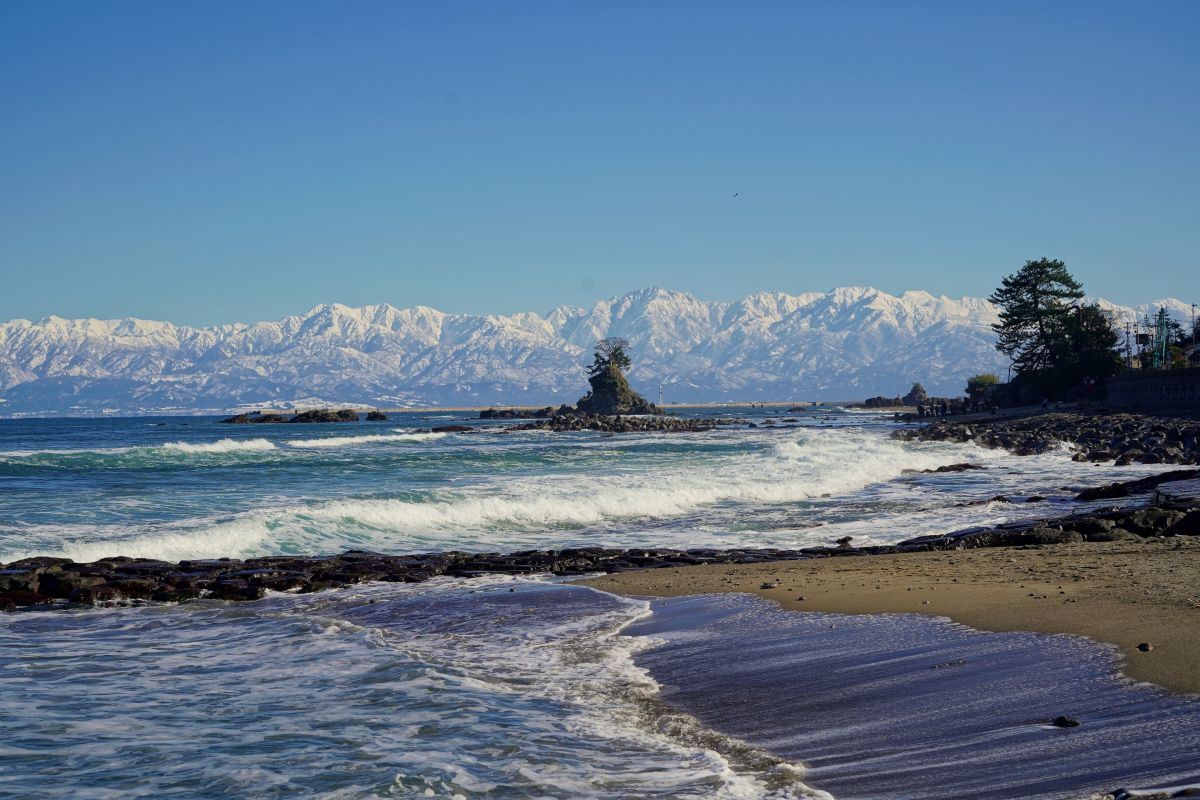
Fushiki-Toyama Port sits on Japan's Sea of Japan coast in the Hokuriku region, roughly midway along Honshu, where the Tateyama mountain range rises so abruptly from the coastal plain that snow-capped peaks are visible from the waterfront on clear days. Toyama Bay is officially recognized as one of the world's most beautiful bays, and the deep, nutrient-rich waters just offshore produce some of Japan's finest seafood — firefly squid, white shrimp, and yellowtail among the local specialties, best sampled at the morning fish auction and market in nearby Shinminato. Inland, the Tateyama Kurobe Alpine Route climbs through the Japanese Alps via cable car, ropeway, and electric bus, reaching famously towering snow corridors in spring and alpine panoramas through autumn — one of the most dramatic mountain journeys accessible without hiking gear in all of Japan, though it demands a significant time commitment. History-minded visitors can instead head to the Gokayama valley, a UNESCO World Heritage cluster of gassho-zukuri farmhouses with steep, thatched roofs engineered to shed heavy mountain snow, largely unchanged after centuries of continuous use. The port itself sits closer to Takaoka, a historic casting town known for centuries of bronze and copperware craftsmanship, than to Toyama City proper, giving visitors a genuine choice between mountains, heritage villages, and coastal seafood culture in a single call.
Top things to do in Toyama - Fushiki on a cruise stopover
Tateyama Kurobe Alpine Route
One of Japan's great mountain journeys, this route crosses the Tateyama range via cable car, ropeway, and electric bus, connecting Toyama Prefecture to Nagano. Its most famous feature is the Yuki-no-Otani snow corridor, where plowed walls of snow can tower 20 meters over the road in spring, though the route also delivers dramatic alpine scenery well into autumn.
Gokayama Gassho-zukuri Villages
A UNESCO World Heritage cluster of farmhouses with steep, thickly thatched roofs, engineered over centuries to shed the region's heavy snowfall. Ainokura and neighboring hamlets remain lived-in villages rather than open-air museums, offering a genuine, still-functioning look at traditional mountain architecture roughly 60–90 minutes from the port.
Toyama Bay and Shinminato Fish Market
Recognized as one of the world's most beautiful bays, Toyama Bay's cold, deep waters produce prized seafood including firefly squid and white shrimp found almost nowhere else in Japan. The Shinminato fisherman's wharf hosts a lively midday auction and market where much of this catch is sold fresh.
Takaoka Historic Casting District
Closer to the port than Toyama City itself, Takaoka has produced bronze and copperware for over 400 years; its historic Kanaya-machi district preserves the ironworks-era streetscape, and workshops here still practice traditional casting techniques used to make everything from temple bells to contemporary design objects.
Takaoka Mikuruma-yama Festival Floats
A UNESCO-recognized intangible cultural heritage, this annual festival features elaborately decorated wooden floats paraded through Takaoka's streets — the float storehouse and related exhibits offer visitors outside festival dates a look at this craft tradition year-round.
Full-Day Tateyama Kurobe Alpine Route Excursion
For visitors prioritizing the mountains, a full-day organized excursion covering the Alpine Route's cable cars and ropeways — including the snow corridor in season — is the single most demanding but most rewarding option this port offers, best suited to longer calls.
Toyama - Fushiki travel tips
Pick One Inland Destination. The Alpine Route and Gokayama are both worthwhile but sit in different directions and each consume the better part of a day. Decide before you disembark which one matters more, rather than trying to combine mountains and heritage villages in a single call.
Book Alpine Route Tickets and Tours Ahead of Time. The Tateyama Kurobe Alpine Route involves multiple transport changes — cable car, ropeway, and bus — and can be genuinely confusing to piece together independently on a tight schedule; an organized tour or pre-booked tickets remove much of that uncertainty.
Time a Visit for the Snow Corridor If That's the Draw. The famous towering snow walls at Yuki-no-Otani are a spring phenomenon, generally visible from mid-April into June, and diminish through the season — if seeing the snow corridor specifically motivates the excursion, confirm the route is open and the walls are still substantial for your call date.
Eat the Local Seafood. Toyama Bay's firefly squid and white shrimp are genuine regional specialties rarely found elsewhere in Japan — the Shinminato fish market or a sushi restaurant in Takaoka or Toyama City are worth prioritizing over generic dining options.
Carry Cash. Card acceptance is inconsistent outside major hotels and Alpine Route facilities; smaller shops in Takaoka and around the fish market often prefer cash. ATMs at 7-Eleven and post offices accept foreign cards.
Confirm Return Transit Time from Gokayama or the Alpine Route. Both destinations are an hour or more from the port one-way, and mountain roads can slow with weather or traffic. Build a generous buffer into your return plan rather than cutting it close to your ship's departure.
Port Facts Every Cruiser Needs To Know
Toyama - Fushiki shore excursion FAQs
Fushiki-Toyama Port is roughly a 25–30 minute drive from downtown Toyama City, and is actually closer to Takaoka. Complimentary shuttle buses typically connect the pier to Toyama Station or the downtown area.
A full traverse or a there-and-back excursion covering the highlights, including the snow corridor in season, generally requires most of a day given the multiple cable car, ropeway, and bus connections involved — it's best suited to longer port calls.
The towering snow walls at Yuki-no-Otani are typically visible from mid-April into June, with the walls at their most dramatic early in that window and gradually diminishing as the season progresses.
A UNESCO World Heritage area of traditional gassho-zukuri farmhouses with steeply thatched roofs, located roughly 60–90 minutes from the port by car or organized tour. Villages like Ainokura remain lived-in communities rather than museums.
Firefly squid (hotaru-ika) and white shrimp (shiro-ebi) are the bay's signature catches, both prized in Japanese cuisine and best sampled fresh at the Shinminato fish market or a local sushi restaurant.
It's a reasonable alternative given its proximity to the port — Takaoka has over 400 years of bronze and copperware casting history, a preserved historic ironworks district, and generally requires less travel time than Toyama City or the inland destinations.
Japanese Yen. Most local shops and restaurants don't accept US dollars, and card acceptance is inconsistent outside hotels and major Alpine Route facilities. ATMs at 7-Eleven and post offices accept foreign cards.
Limited outside major tourist infrastructure like the Alpine Route facilities. This is a less internationally visited part of Japan, so translation apps or a guide are genuinely useful for independent exploration.
Spring (April–May) for cherry blossoms and the Alpine Route's snow corridor, or autumn (September–October) for mountain foliage and crisp, comfortable weather. Winters bring heavy snowfall, and summers are hot and humid.
It's not realistic for most cruise schedules — each destination is roughly an hour or more from the port in different directions and effectively fills a full day on its own. Choose one based on whether mountain scenery or traditional architecture is the priority.
Filters
Select a filter to refine results.
Tour Type
Tour Activity
 Cart
Cart
 USD
USD GBP
GBP AUD
AUD EUR
EUR CAD
CAD