



Tours in Melbourne


Cruising to Melbourne in a group?
Skip the crowded ship excursion bus. One dedicated planner will design a private shore experience around exactly what your group wants — coordinated from first enquiry to the moment you're back on board. More memorable, more flexible, and more affordable than you might expect. Spend less time organising, more time enjoying.
Explore Group Travel →Cruising to Melbourne
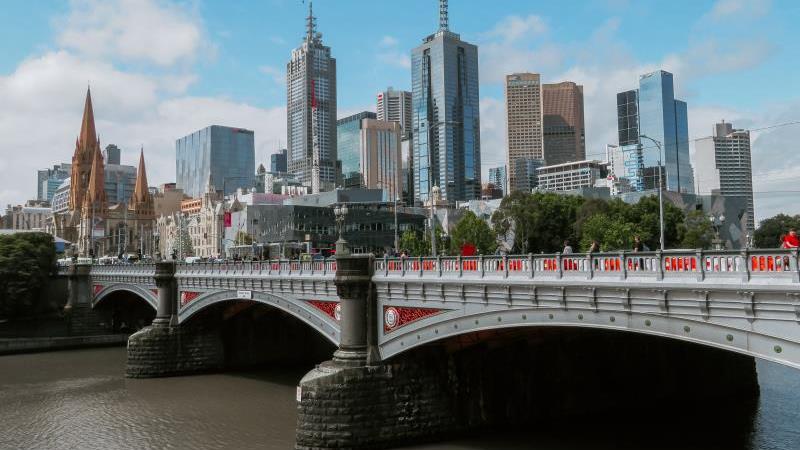
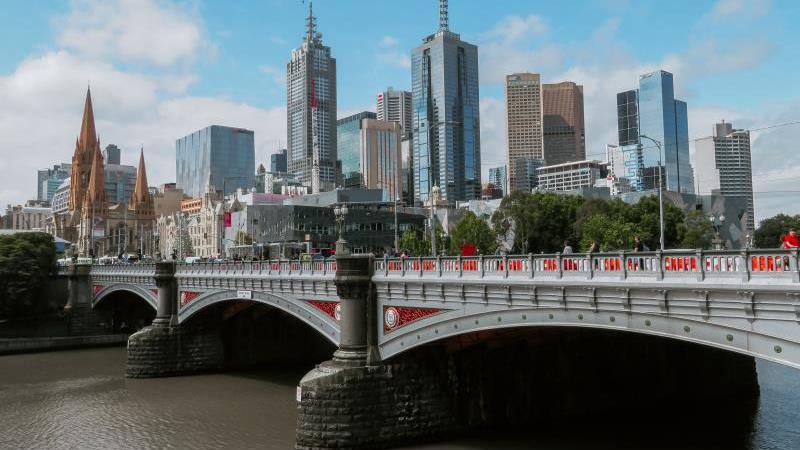
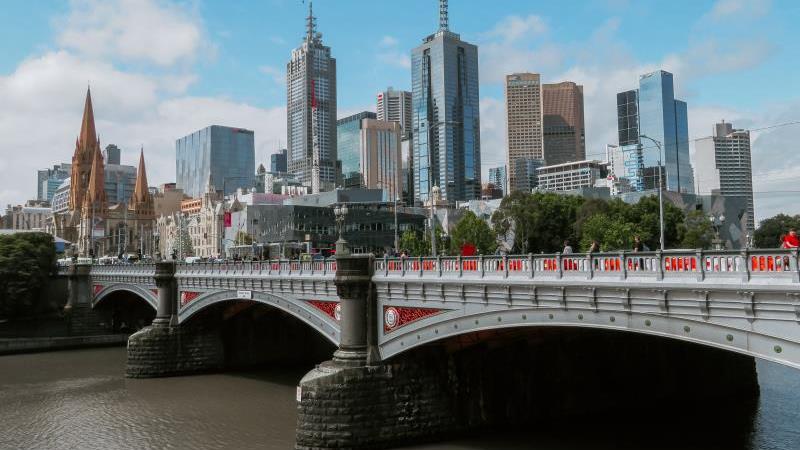
Melbourne docks visitors into a city that takes genuine pride in being itself. The second-largest city in Australia is known for its European-influenced laneways filled with street art, independent cafés roasting single-origin beans, and a food scene that reflects waves of Italian, Greek, Vietnamese, and Chinese migration. Beyond the urban core, the port sits within striking distance of some of Victoria's defining natural experiences — the fairy penguins of Phillip Island, the koalas and platypuses of Healesville Sanctuary, and the limestone sea stacks of the Great Ocean Road. The city's free tram network makes central exploration straightforward, while the cultural institutions lining the Yarra River — the National Gallery of Victoria, Federation Square, the Melbourne Museum — give structure to a few hours on foot. Melbourne's climate is notoriously variable, sometimes cycling through four seasons in one afternoon, so layers are advisable regardless of the forecast.
Top things to do in Melbourne on a cruise stopover
Melbourne's CBD Laneways, Brighton Beach, and Wildlife — A City and Coast Sampler
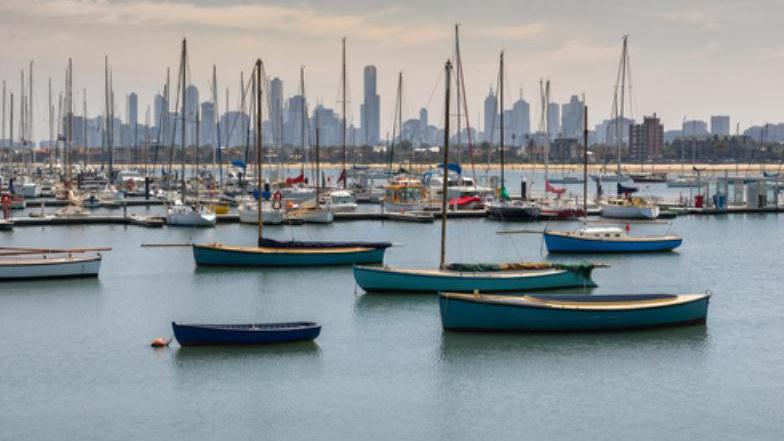
Melbourne's character lives in its laneways — narrow, graffiti-lined passages such as Hosier Lane and Centre Place where independent cafés, galleries, and street art coexist in close quarters. A short journey south along Port Phillip Bay brings visitors to Brighton Beach, where 82 striped bathing boxes line the shore in one of Australia's most recognizable scenes. The combination of urban culture and coastal charm gives a genuine cross-section of what makes Melbourne distinct from any other Australian city. Many visitors also encounter free-range wildlife at Healesville or the Royal Botanic Gardens, where possums and cockatoos are regular fixtures.
Federation Square, the Yarra River Precinct, and Melbourne's Cultural Core
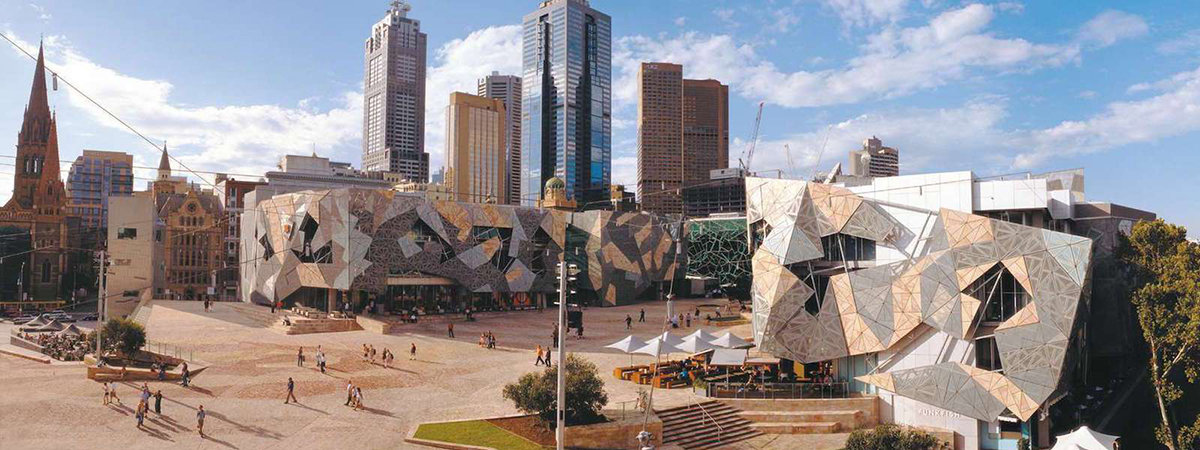
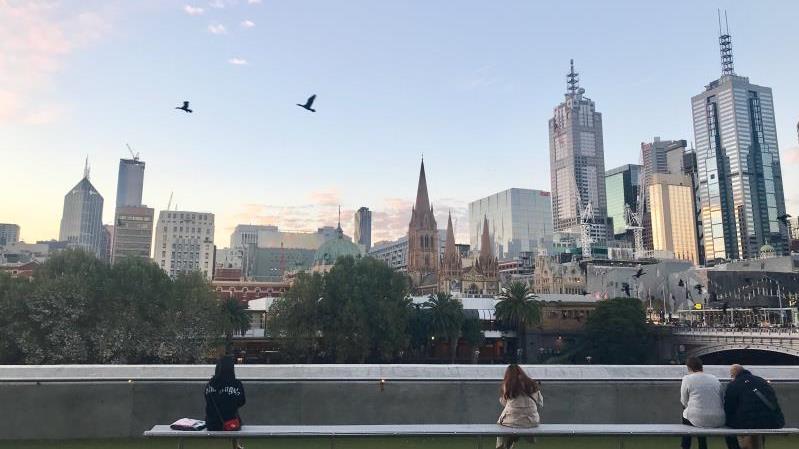
Federation Square sits at the intersection of Flinders Street Station and the Yarra River, serving as Melbourne's de facto public living room. The square's angular architecture houses the Ian Potter Centre (Australian art), the Australian Centre for the Moving Image, and multiple restaurants and bars. Flanking the Yarra are the National Gallery of Victoria — Australia's oldest and most-visited art museum — Southbank's promenade, and the Melbourne Arts Centre. This walkable cultural corridor gives visitors a concentrated encounter with the city's public life, architecture, and creative identity in a compact area, manageable within two to three hours.
Kayaking the Yarra River — Melbourne from the Water
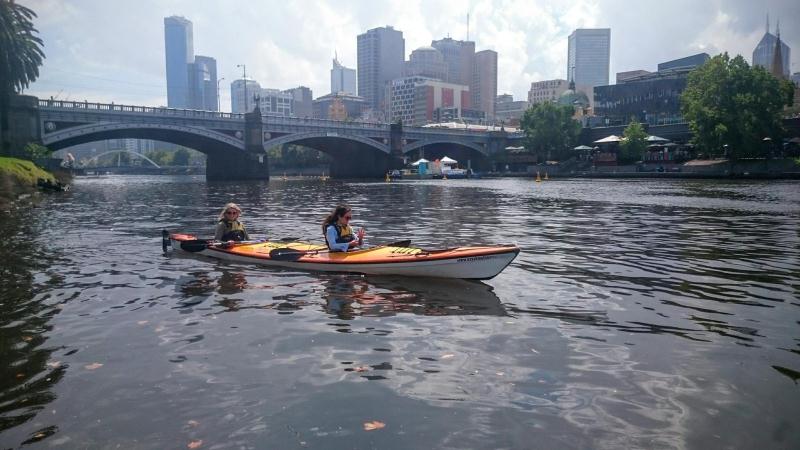
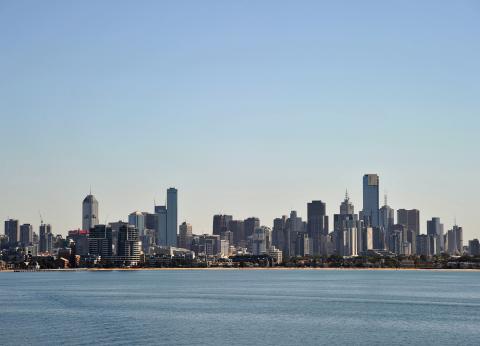
The Yarra River cuts through Melbourne's urban landscape in a way that reveals a different side of the city — glassy water flanked by riverside parklands, rowing clubs, and the dramatic skyline of the CBD. Kayaking this stretch provides an unhurried, low-angle perspective on bridges, botanical gardens, and inner-city green corridors that pedestrians rarely see. The river is calm and navigable for paddlers of most experience levels, and the surrounding parklands are popular with joggers, cyclists, and picnicking families. This water-level experience captures something of Melbourne's outdoor-minded culture and its relationship with the river that shaped the city.
The Great Ocean Road — Limestone Stacks and the World's Largest War Memorial
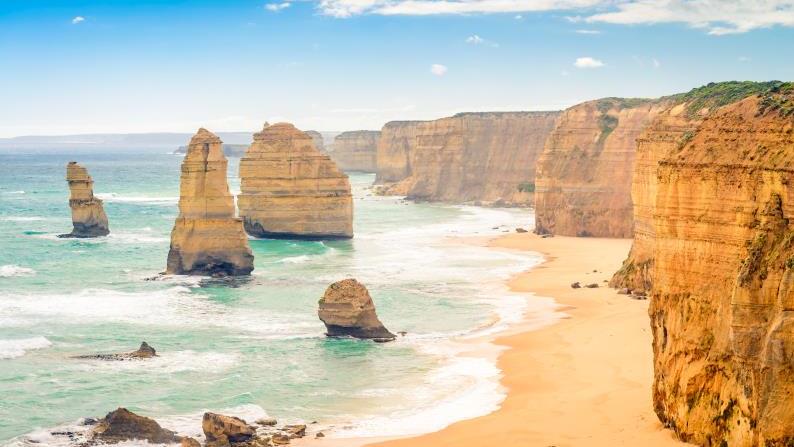
Stretching along Victoria's southwest coast, the Great Ocean Road is one of the most celebrated scenic drives on earth. Built between 1919 and 1932 by returned soldiers as a memorial to those lost in World War I, the road winds past surf beaches, temperate rainforest, and towering coastal cliffs before arriving at the Twelve Apostles — limestone sea stacks rising up to 45 meters from the Southern Ocean. The broader Port Campbell National Park also contains Loch Ard Gorge, where the drama of shipwreck history is written into the landscape. Reaching the Twelve Apostles requires a full day from Melbourne — around two hours each way — but the drive itself, particularly through the surf towns of Torquay and Lorne, is as memorable as the destination.
Phillip Island and the Little Penguin Parade — Wildlife on Victoria's Southern Coast
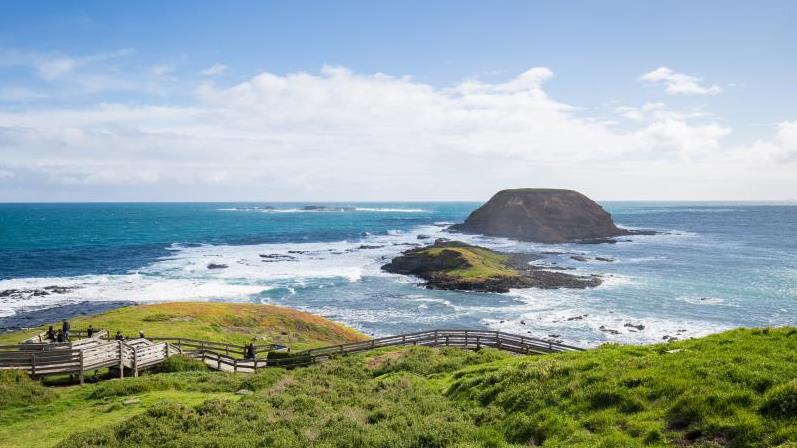
Each evening at dusk on Phillip Island's Summerlands Beach, hundreds of little penguins — the world's smallest penguin species, standing just 33 centimeters tall — emerge from the surf and waddle across the sand to their burrows in one of nature's most endearing daily rituals. Phillip Island is about 140 kilometers southeast of Melbourne, a journey that also passes through the Mornington Peninsula's farmland and coastal scenery. The island itself supports koala populations, a fur seal colony at Cape Woolamore, and a circuit that hosts the Australian Motorcycle Grand Prix. The penguin parade is managed carefully to limit disturbance to the colony while allowing visitors to observe from well-designed boardwalks.
Healesville Sanctuary and the Yarra Valley — Native Wildlife and Wine Country
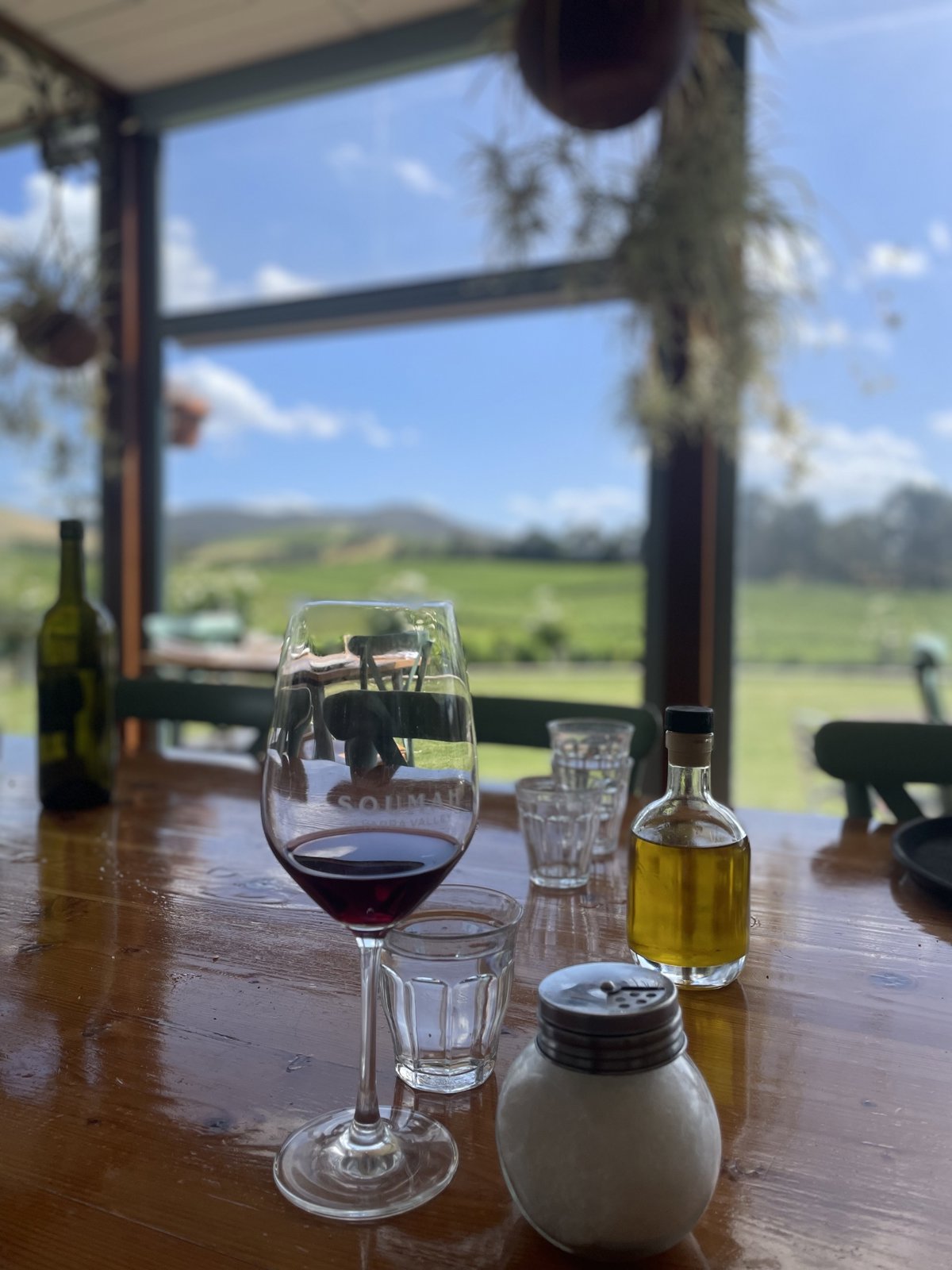
Nestled in the foothills of the Yarra Ranges, Healesville Sanctuary is a bushland zoo focused exclusively on native Australian species, with free-ranging kangaroos, platypuses observable in naturalistic tanks, wombats, Tasmanian devils, and a rotating cast of birds of prey in daily flight demonstrations. The surrounding Yarra Valley is Victoria's most accessible wine region, with cool-climate Pinot Noir and Chardonnay produced on vineyard estates less than an hour from the sanctuary. The valley's rolling hills, colonial-era farm architecture, and local produce — from artisan cheese to ciders — make the drive itself part of the appeal. Combining the sanctuary with a winery lunch provides an immersive Victorian countryside experience unlike anything available in the city.
Melbourne travel tips
Use the Free City Circle Tram as Your Starting Point. Route 35, the free City Circle tram, loops continuously around Melbourne's CBD stops including Flinders Street, Spring Street, Victoria Market, and Docklands. It runs daily and requires no ticket or Myki card. For anywhere outside the CBD — including Brighton Beach, St Kilda, or Richmond — a Myki card loaded with credit is required; purchase one at the airport, major stations, or 7-Eleven stores.
Dress in Layers — Melbourne's Weather Changes Without Warning. Melbourne's reputation for four seasons in one day is well-earned. A morning that starts sunny and mild can shift to wind and rain by early afternoon, particularly between April and October. Light waterproof layer, a compact umbrella, and comfortable walking shoes cover most scenarios. Sunscreen is essential in summer even on overcast days — UV levels in southern Australia are higher than many visitors expect.
Queen Victoria Market Operates on a Seasonal Schedule. The Queen Victoria Market — one of the Southern Hemisphere's largest open-air markets — is open Tuesday, Thursday, Friday, Saturday, and Sunday, but is closed Monday and Wednesday. Opening hours vary by section, with the fresh produce sheds active from early morning while the general merchandise stalls open later. Arrive before 11am for the best selection and atmosphere, particularly at the deli hall, which stocks exceptional Australian cheeses, cured meats, and olive oils.
Book Phillip Island Penguin Parade Tickets in Advance. The penguin parade is one of Victoria's most popular wildlife experiences and timed-entry tickets frequently sell out, particularly during school holidays and summer. Parade time is linked to local sunset and changes throughout the year — check the Phillip Island Nature Parks website for the current schedule before visiting. Allow at least 2.5 hours of driving from Station Pier each way, plus time on the island, making this a full-day excursion only.
Melbourne's Coffee Culture Has Its Own Etiquette. Melbourne takes coffee seriously, and independent cafés throughout the CBD and inner suburbs produce some of the best espresso in the world. A 'flat white' is the local standard — espresso with textured milk in a smaller cup than a latte. Ordering a 'regular coffee' may draw a puzzled look; specifying your preferred style is expected. Many of the best cafés are tucked in laneways and are not immediately visible from main streets — exploring off Flinders Lane and Collins Street rewards the curious.
Station Pier to the CBD Is Short, But Plan Your Return Time Carefully. The tram from Stop D at the corner of Collins and Spencer Streets to Port Melbourne (Route 109) runs frequently and takes around 15 minutes to Station Pier. However, all-aboard times on cruise ships are strict, and traffic on Beacon Road and the foreshore can slow trams during busy periods. Allow at least 45 minutes from anywhere in the CBD to be safely back aboard, and 90 minutes if returning from Brighton Beach or St Kilda.
Port Facts Every Cruiser Needs To Know
Melbourne shore excursion FAQs
Cruise ships dock at Station Pier in Port Melbourne, approximately 4 kilometers southwest of the CBD. The tram (Route 109) departs from near the pier entrance and reaches the city center in around 15 minutes, stopping at major landmarks including Flinders Street Station and Federation Square.
Melbourne's public transport is straightforward and covers most visitor destinations. The free City Circle tram handles the CBD loop at no cost. For other routes, a Myki card (reloadable smart card) is required and can be purchased at 7-Eleven stores, major train stations, and the airport. Single-use cards can be purchased at some locations but cost slightly more.
It is possible but requires an early start and careful planning. The Twelve Apostles are approximately 280 kilometers from Melbourne — around 2.5 hours each way — leaving limited time at stops along the route. Organized excursions that depart at port opening maximize time on the road. Independent travelers attempting this route should be prepared for a long day with minimal flexibility.
Brighton Beach is famous for its row of 82 colorfully painted bathing boxes — private beach huts used by locals since the Victorian era — that line the shore of Port Phillip Bay. It is one of Australia's most photographed locations and is reachable by tram (Route 96 from Bourke Street Mall to Middle Brighton) in about 35 minutes. The beach itself is calm and pleasant for walking, and the bayside suburb has good cafés.
The laneway network between Flinders Lane and Collins Street is the most distinctive and walkable part of central Melbourne. Hosier Lane for street art, Degraves Street and Centre Place for café culture, and the Royal Arcade (one of Australia's oldest shopping arcades) are within easy walking distance of each other. Federation Square and the Yarra riverbank make a natural southern boundary for a self-guided CBD walk.
Healesville Sanctuary in the Yarra Valley (about 75 km east) is the closest dedicated native wildlife experience and is home to platypuses, wombats, echidnas, koalas, and kangaroos. Phillip Island supports koalas and a large fur seal colony in addition to the famous penguin parade. The Royal Botanic Gardens in the CBD are home to free-ranging possums (most visible at dusk) and abundant birdlife including sulphur-crested cockatoos and rainbow lorikeets.
The CBD is very walkable, with flat terrain, wide footpaths, and pedestrian-friendly intersections. The distance from Federation Square to the Queen Victoria Market is about 1.5 kilometers — a 20-minute walk. The riverbank promenade extending from Federation Square to Docklands is flat and pleasant. Beyond the CBD, destinations like Brighton Beach, St Kilda, and Fitzroy are better reached by tram.
Australian Dollars are the only accepted currency — USD, Euros, and other foreign currencies are not accepted at shops, cafés, or attractions. Credit and debit cards (Visa and Mastercard especially) are accepted almost universally, including at small cafés and market stalls. Contactless tap-and-pay is standard and widely preferred. ATMs are found throughout the CBD and at major train stations.
Melbourne's café culture is genuinely world-class, and even a brief visit is improved by stopping at a laneway café for a flat white and something from the kitchen. The Queen Victoria Market (when open — closed Mondays and Wednesdays) is excellent for fresh produce, artisan foods, and ready-to-eat options. Chinatown on Little Bourke Street and the Vietnamese precinct on Victoria Street (Richmond) offer excellent value for a sit-down meal within easy reach of the CBD.
Several of Melbourne's best experiences cost nothing: the free City Circle tram, the street art laneways (Hosier Lane, ACDC Lane), Southbank's riverbank promenade, Federation Square's outdoor programming, and the Royal Botanic Gardens. The National Gallery of Victoria's permanent collection is free, as are the State Library's reading rooms and exhibitions. Brighton Beach can be visited without entering any paid attraction, though the bathing boxes are privately owned.
Filters
Select a filter to refine results.
Tour Type
Tour Activity
 Cart
Cart
 USD
USD GBP
GBP AUD
AUD EUR
EUR CAD
CAD