



Tours in Sydney


Cruising to Sydney in a group?
Skip the crowded ship excursion bus. One dedicated planner will design a private shore experience around exactly what your group wants — coordinated from first enquiry to the moment you're back on board. More memorable, more flexible, and more affordable than you might expect. Spend less time organising, more time enjoying.
Explore Group Travel →Cruising to Sydney
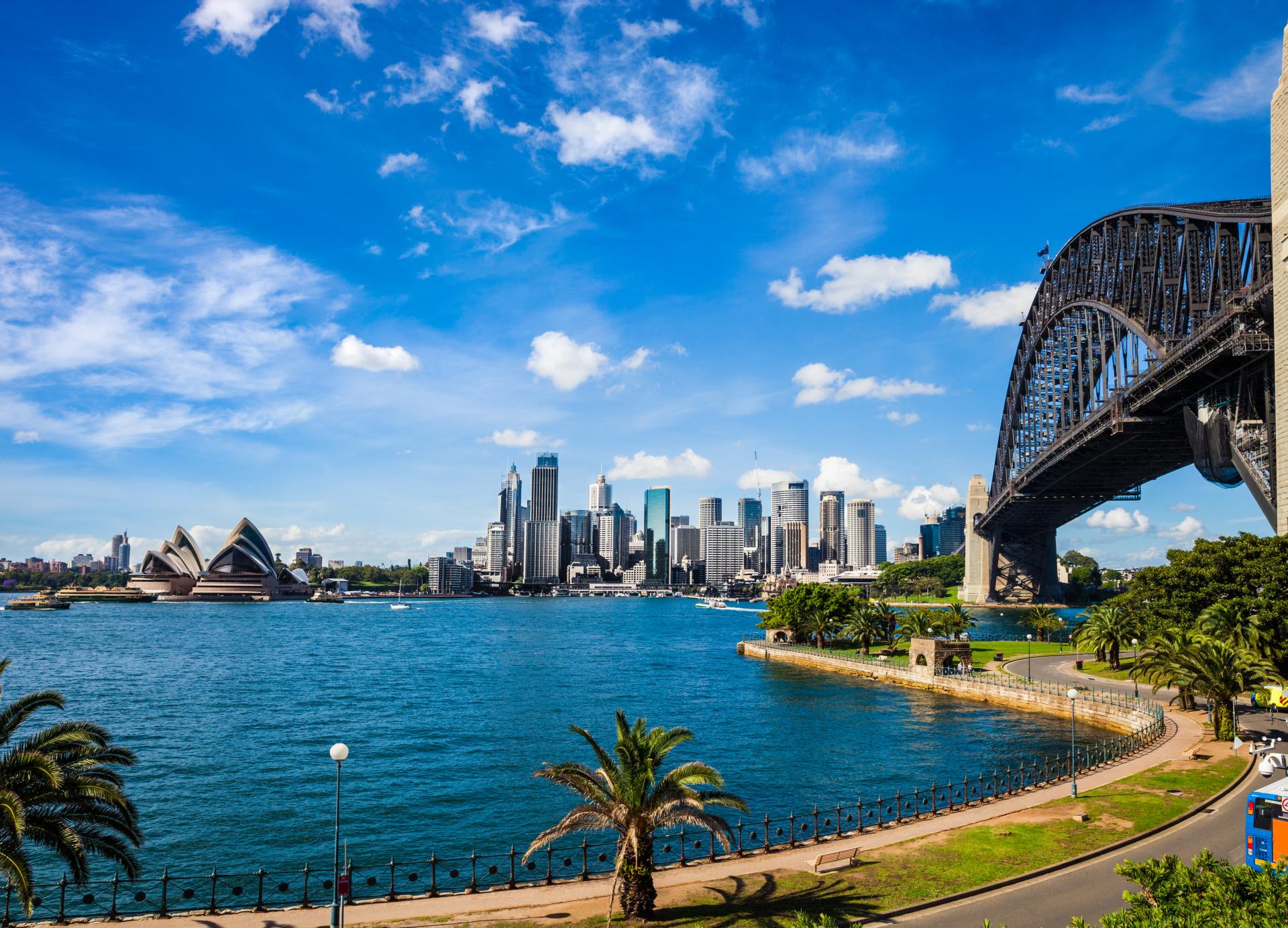
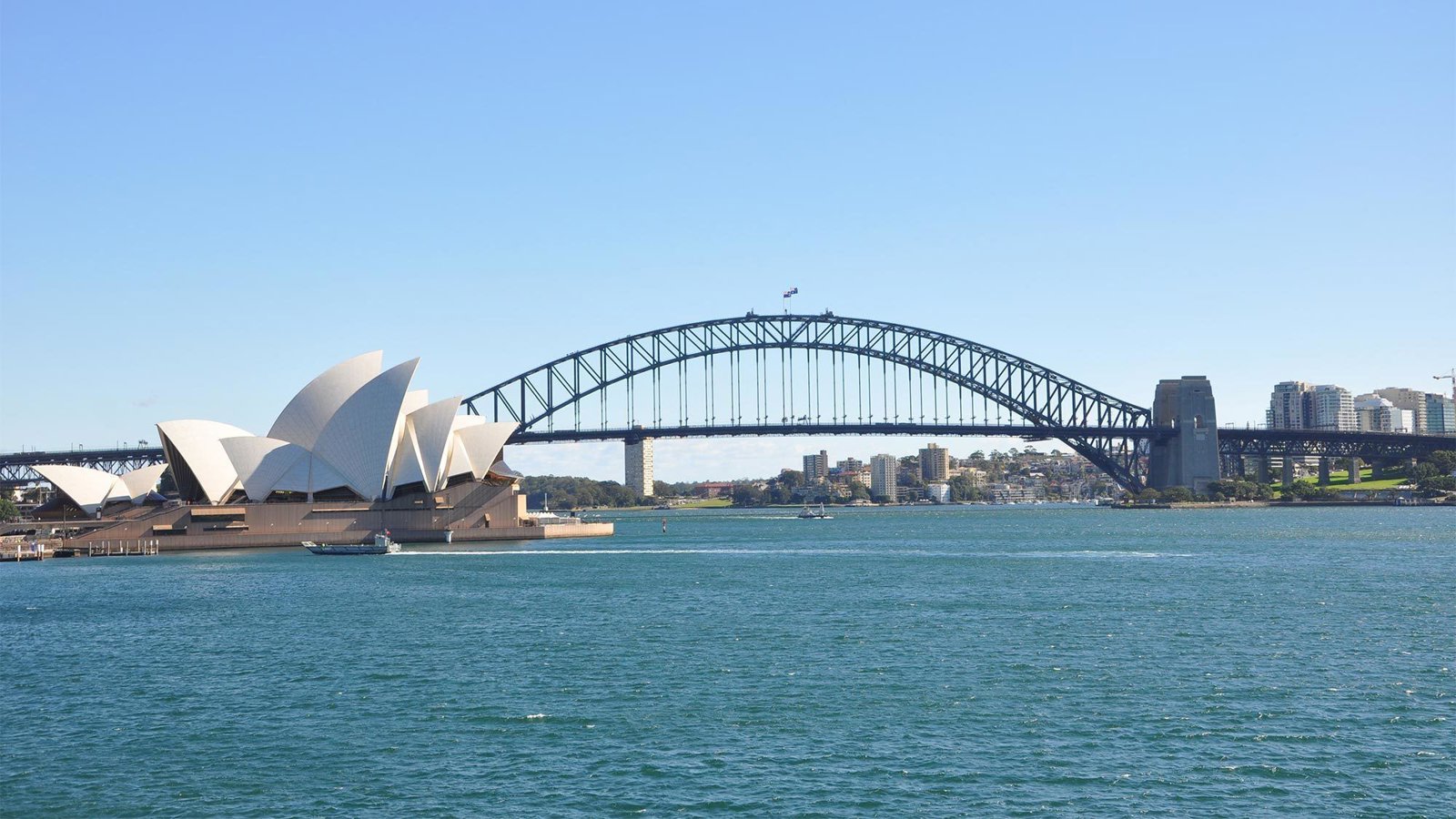
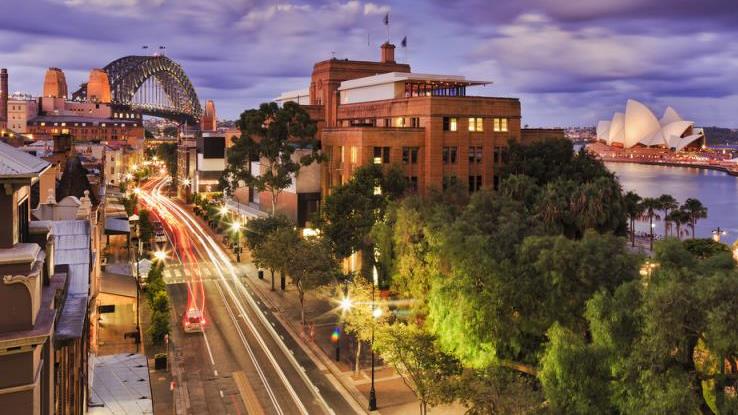
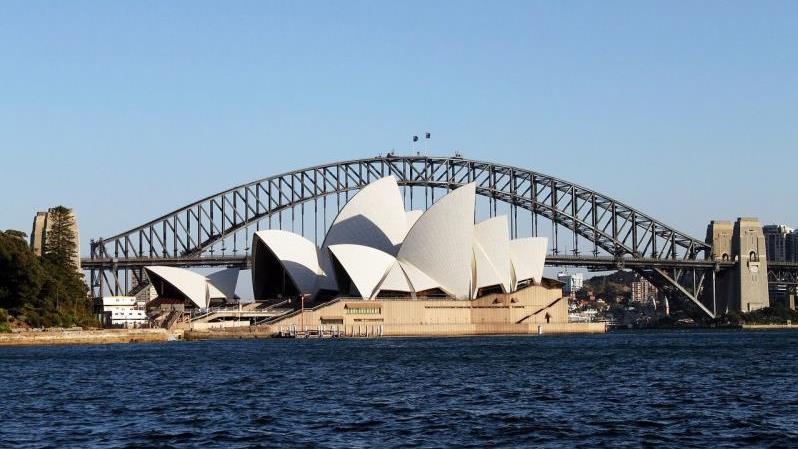
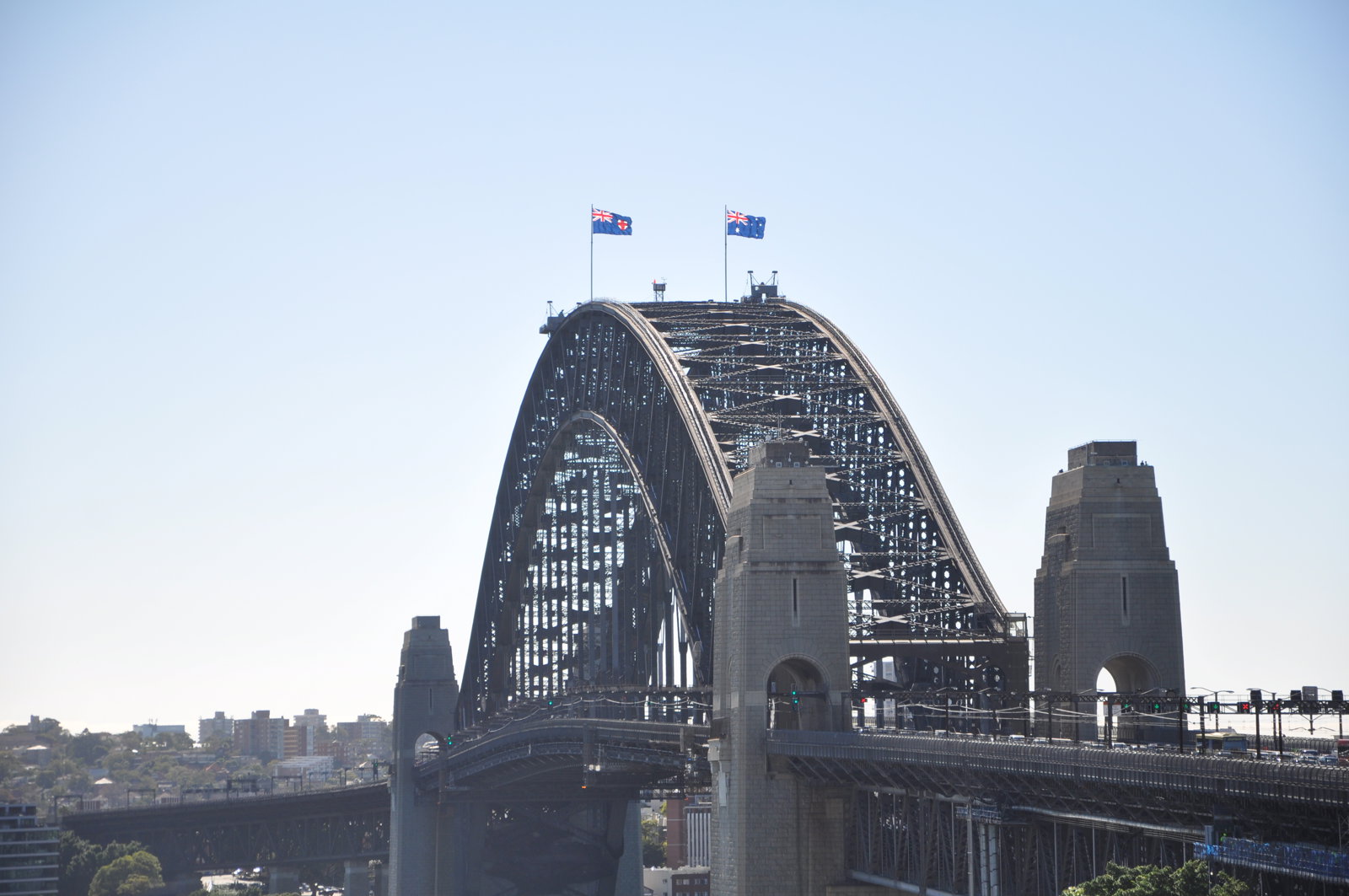
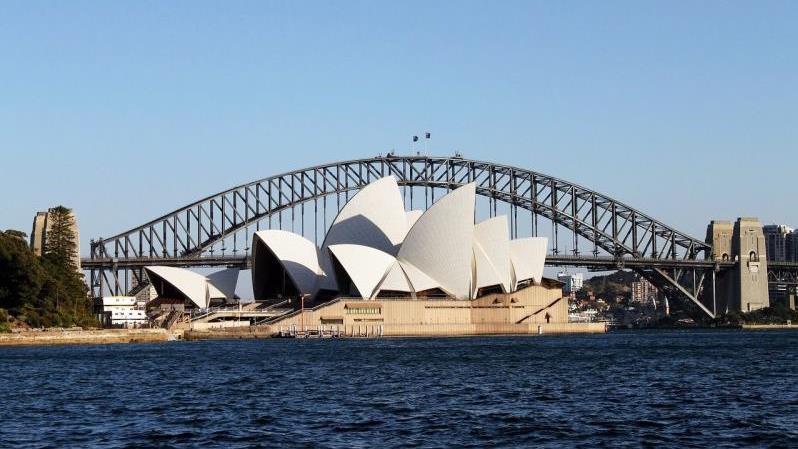
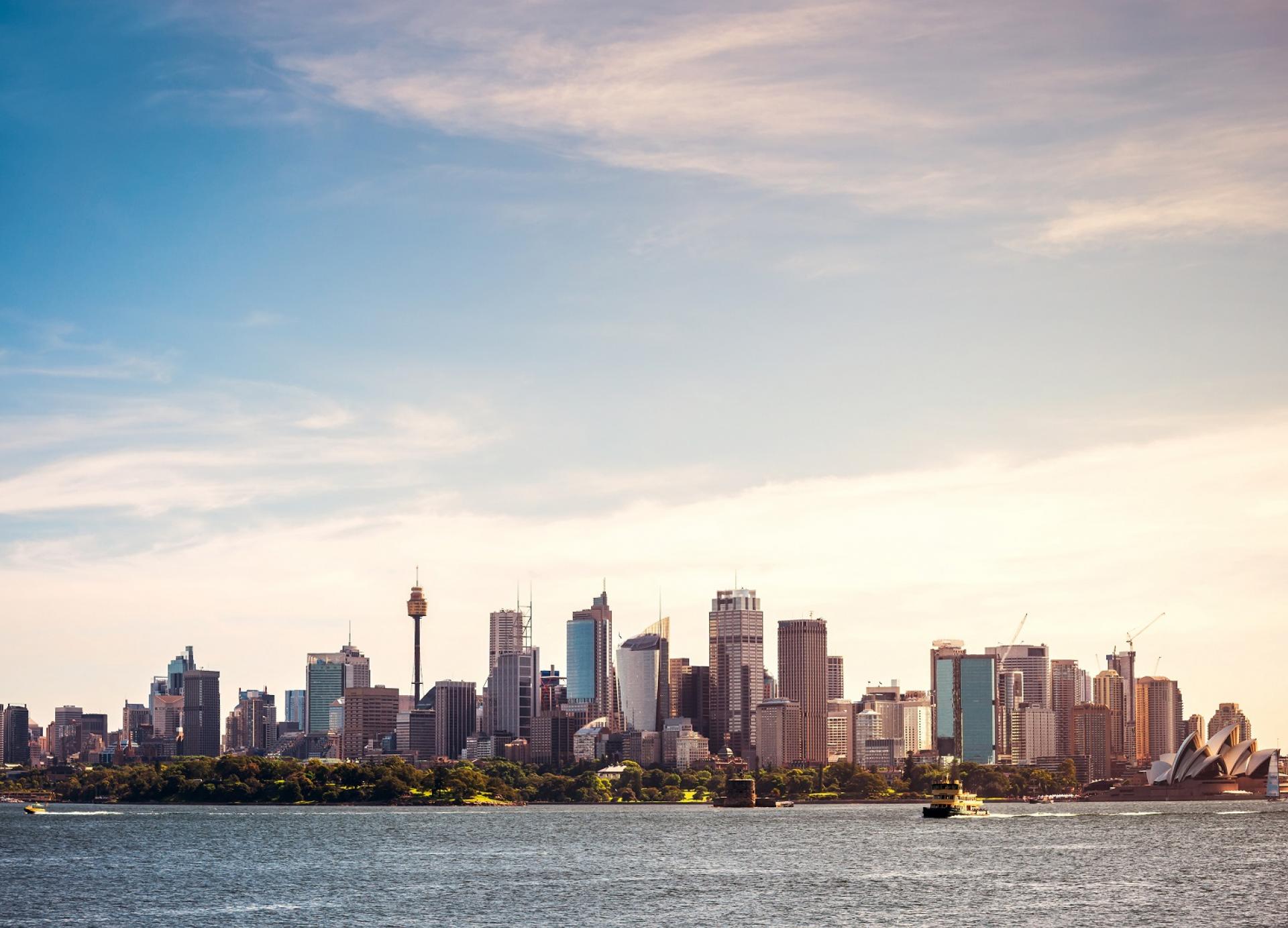
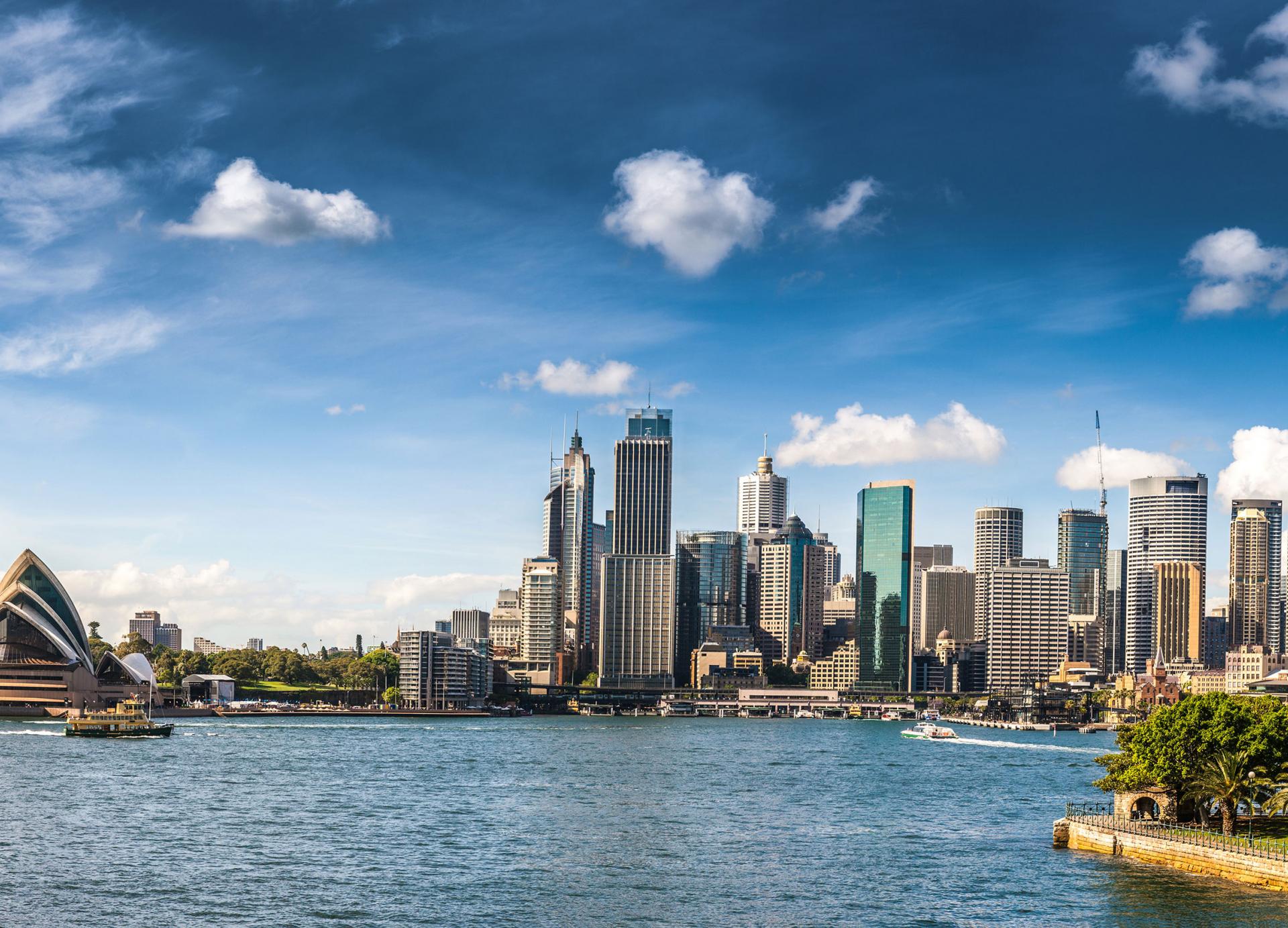
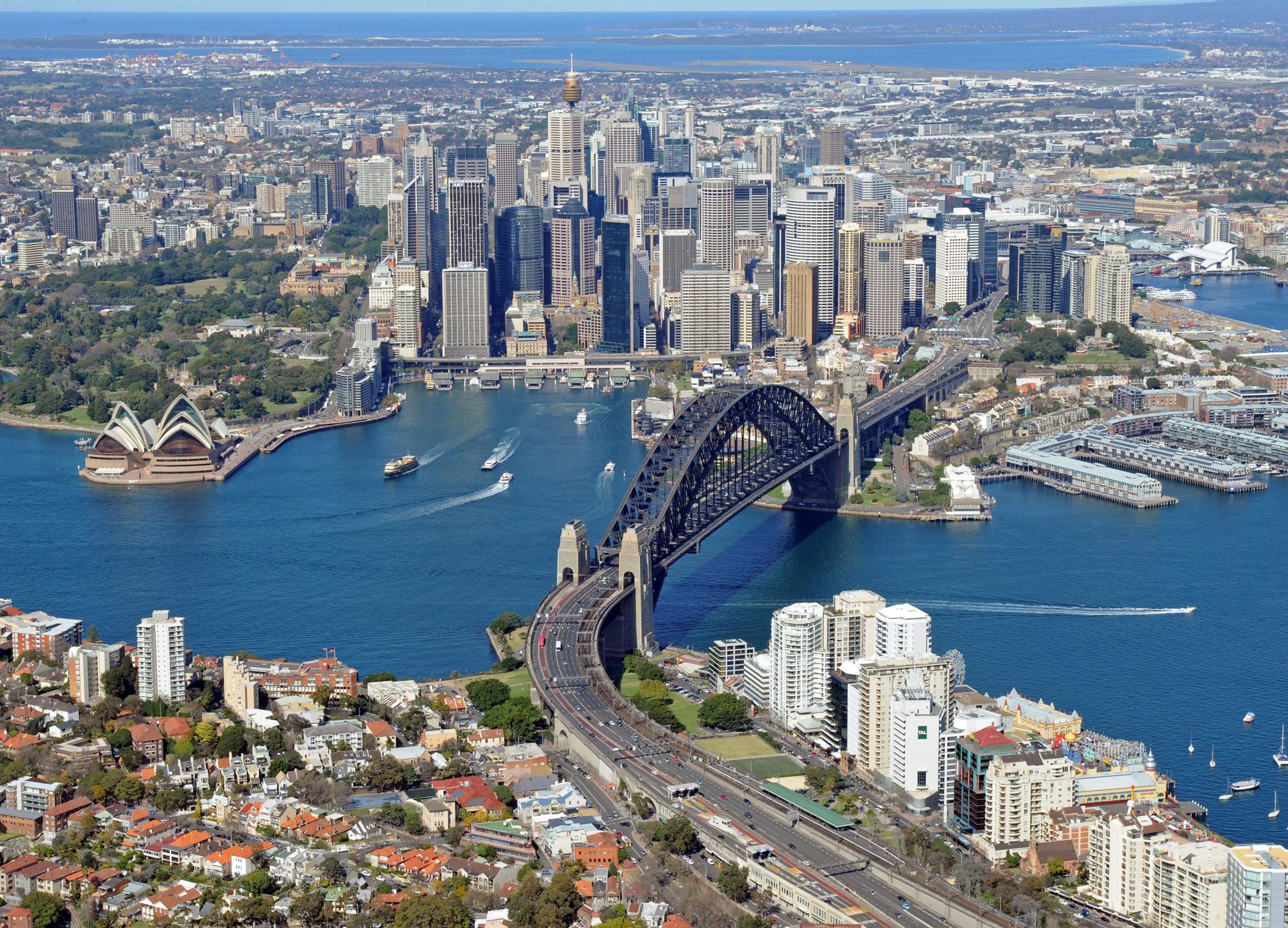
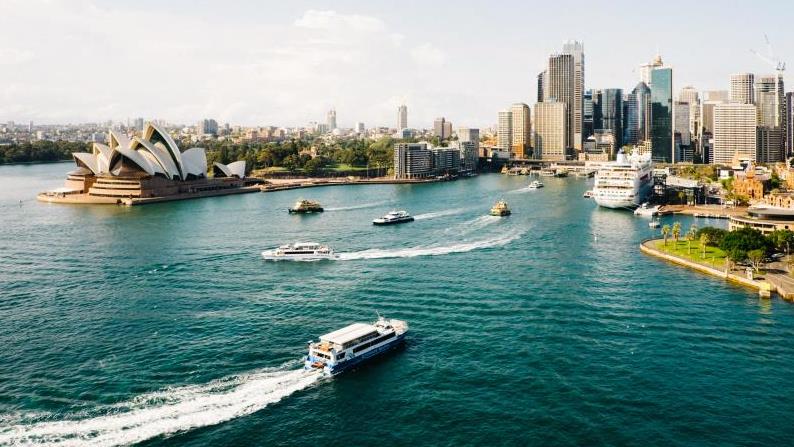
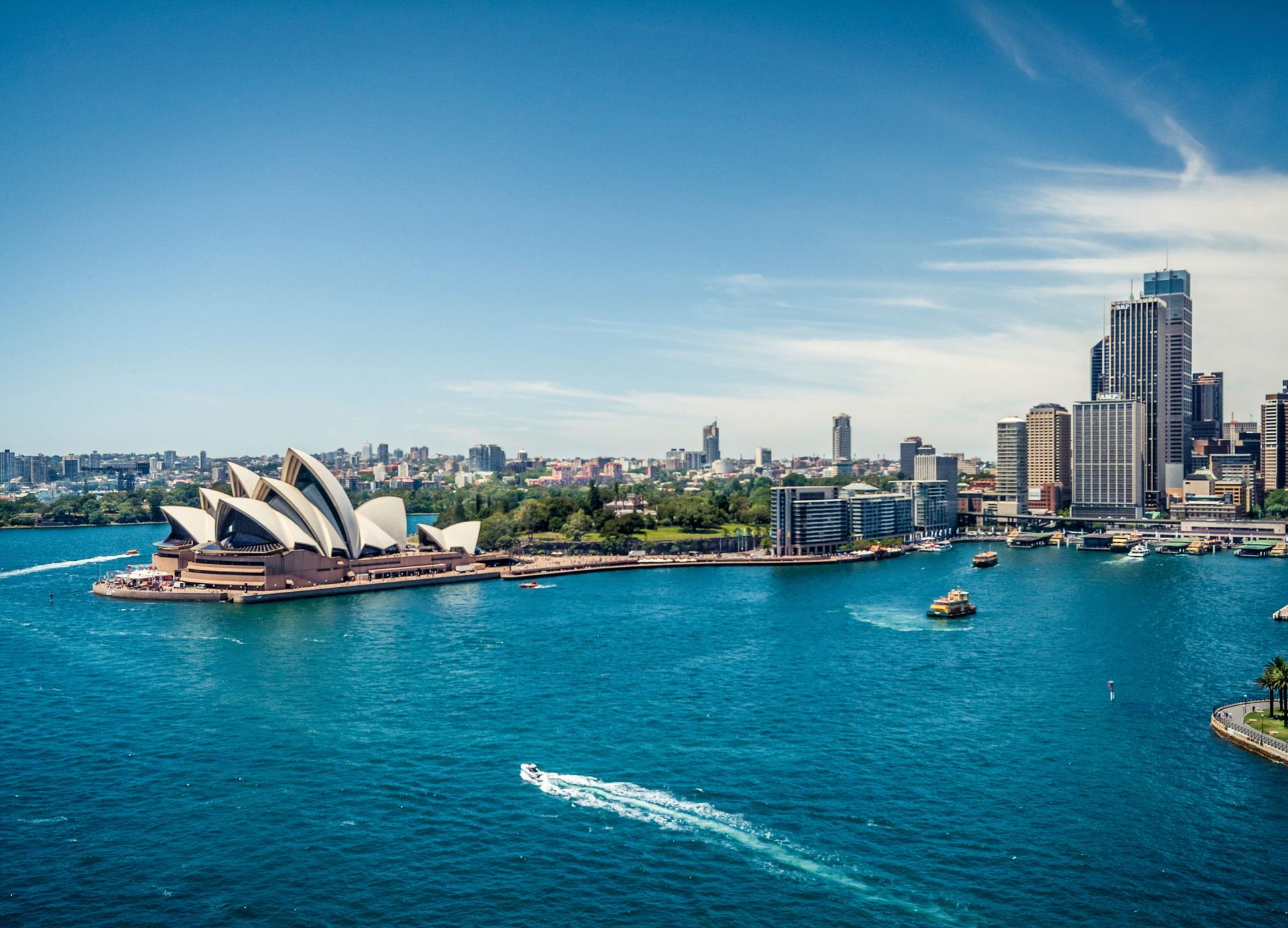
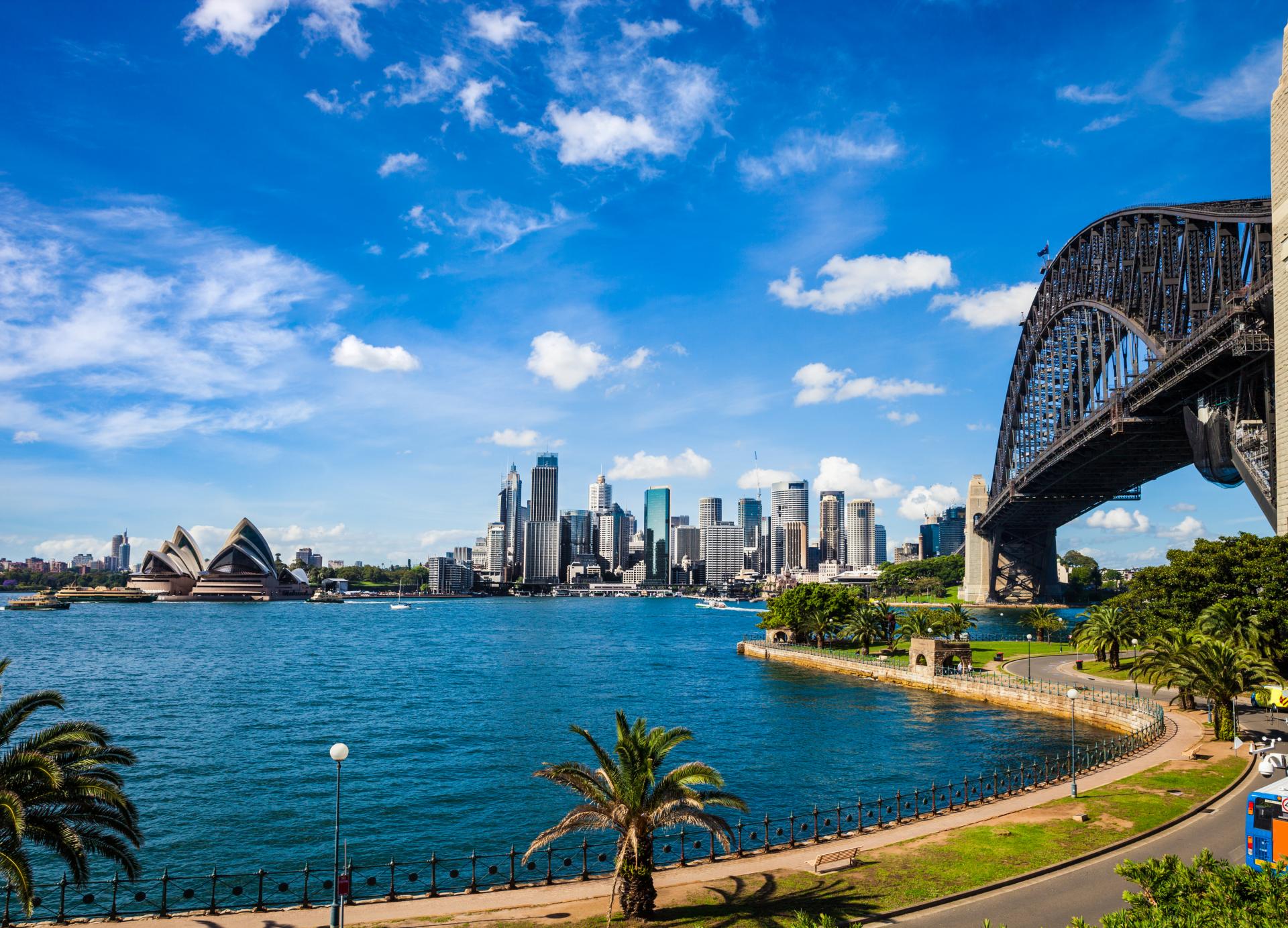
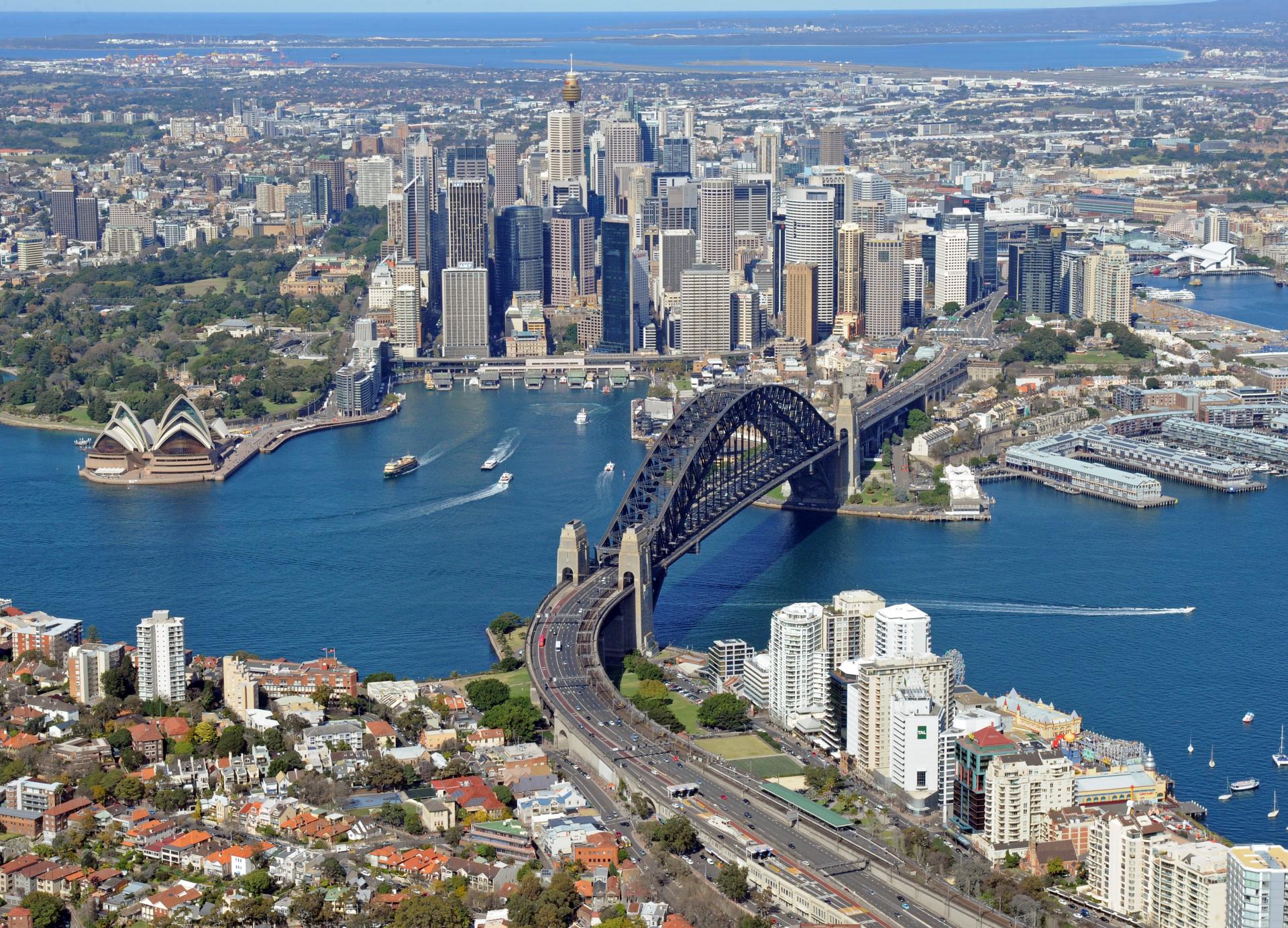
Sydney greets arriving ships with one of the most spectacular harbor entrances in the world — the Harbour Bridge arching overhead, the Opera House's shell vaults gleaming on Bennelong Point, and ferries stitching back and forth across blue water. Australia's largest city has a compelling dual character: a sophisticated urban center with world-class restaurants, galleries, and architecture, and a city that remains fundamentally shaped by its natural setting. Bondi Beach is twenty minutes from the central business district; the Blue Mountains wilderness begins less than two hours west. The city's Indigenous Gadigal heritage, its convict-era sandstone buildings, and its more recent waves of multicultural immigration all layer into a place of genuine complexity. For cruise visitors with six to ten hours, the choices are genuinely difficult — and genuinely good. The harbor itself rewards simply sitting beside it, watching ferries, kayakers, and the occasional tall ship move beneath the bridge.
Top things to do in Sydney on a cruise stopover
Sydney City and Bondi Beach: Harbour Icons and Australia's Most Famous Shoreline
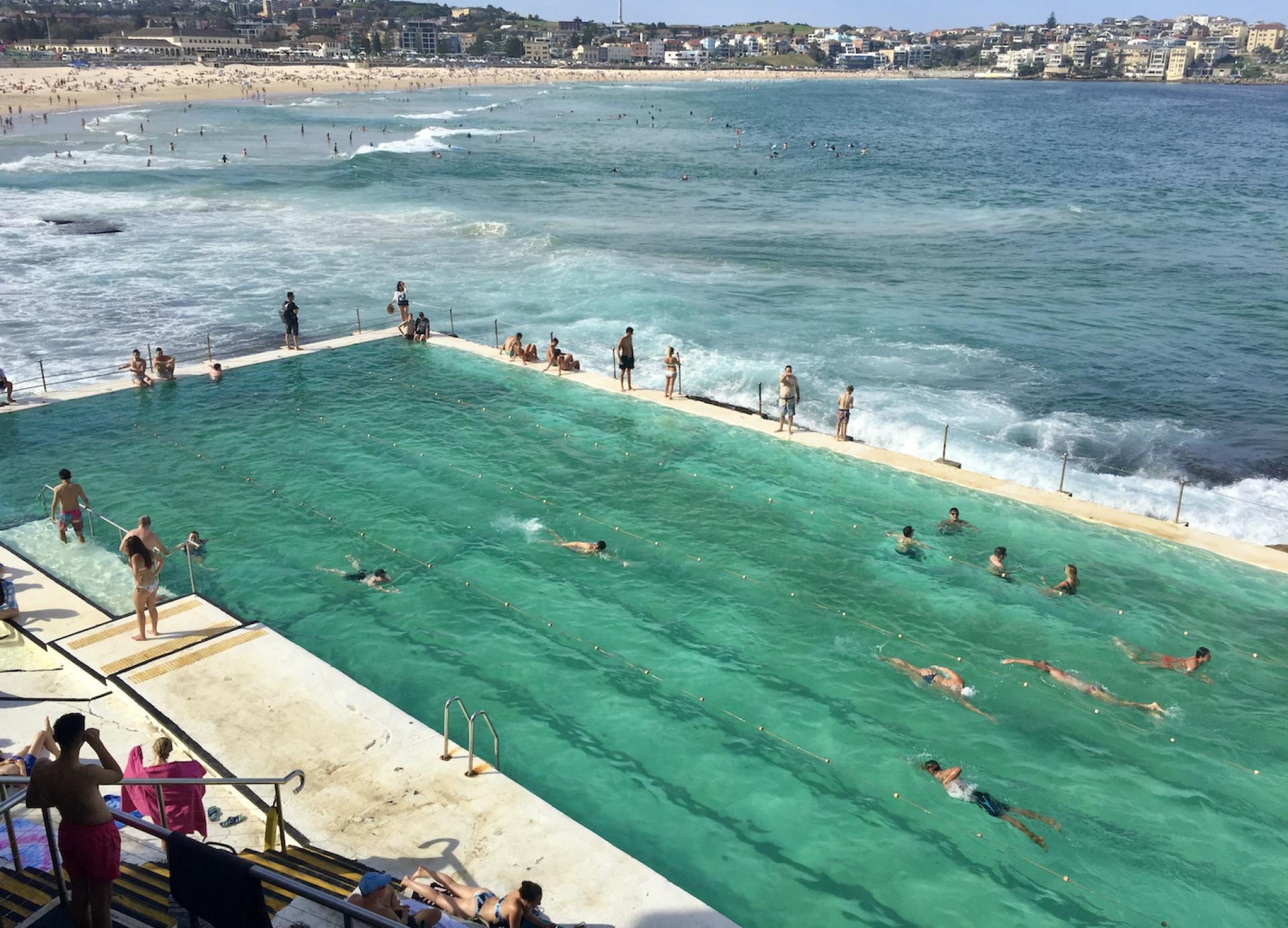
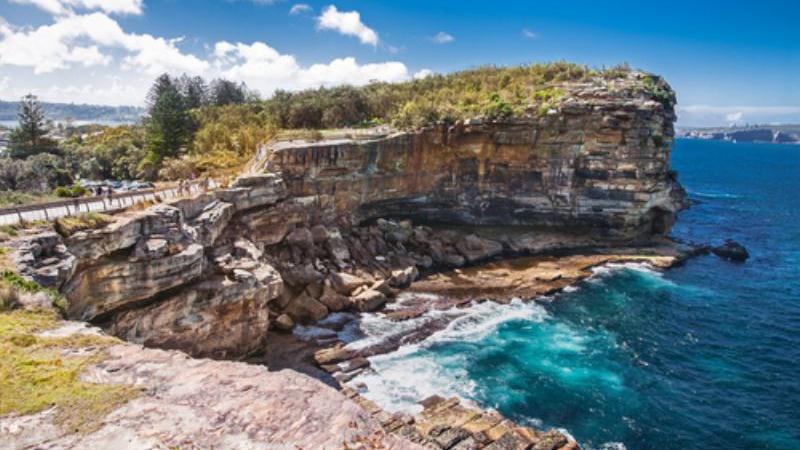
A day navigating Sydney's city center and Bondi Beach covers two of Australia's most recognizable experiences in a single sweep. The city center concentrates its highlights within walking distance of Circular Quay — the Opera House, the Rocks historic precinct, the Royal Botanic Garden, and the Harbour Bridge all within a kilometer of each other. Bondi Beach, 8 km to the east, is everything its reputation suggests: a broad arc of golden sand backed by a bustling promenade, surf lifesavers in their red-and-yellow uniforms, and the kind of democratic energy that comes from a beach genuinely used and loved by locals of all backgrounds. The clifftop walk south from Bondi toward Tamarama and Bronte is among Sydney's finest free experiences, revealing a coastline of unexpected drama just beyond the city's eastern suburbs.
Sydney by Land and Sea: City Sights Combined with a Harbour Cruise
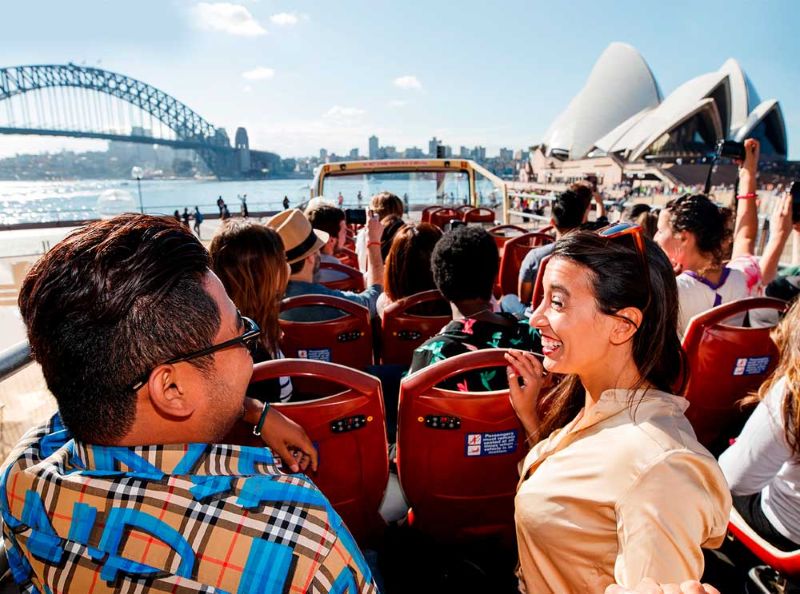
Sydney Harbour is best understood from the water. The harbor covers 55 square kilometers and contains more than 240 kilometers of foreshore, much of it visible only by boat — sheltered coves, sandstone outcrops, colonial-era fortifications, and waterfront suburbs that look completely different from the harbor side than from the street. A harbor cruise reveals the geography that explains Sydney's entire history: why European settlement began at Sydney Cove, how the Parramatta River became the colony's agricultural heartland, and why the harbor remains the center of social life for Sydneysiders. Combined with land-based city sightseeing, this pairing gives cruise visitors the fullest picture of what makes Sydney's setting so exceptional.
Sydney Opera House: Inside One of Architecture's Greatest Achievements
The Sydney Opera House is so familiar as an image that actually standing inside its extraordinary concrete shell can be a disorienting surprise — the building is larger, stranger, and more complex than photographs suggest. Jorn Utzon's 1973 masterpiece contains five performance venues, two main halls that alone justify the visit, and a series of public spaces that descend in terraces toward the harbor. A guided interior tour reveals the construction story — one of the most dramatic in architectural history, involving political controversy, a designer who left and never returned, and engineering challenges that required the invention of entirely new construction techniques. The Concert Hall's ceiling of acoustic timber panels and the Joan Sutherland Theatre's deep red interior are experiences that no photograph fully captures.
The Blue Mountains: Ancient Sandstone Wilderness an Hour from the City
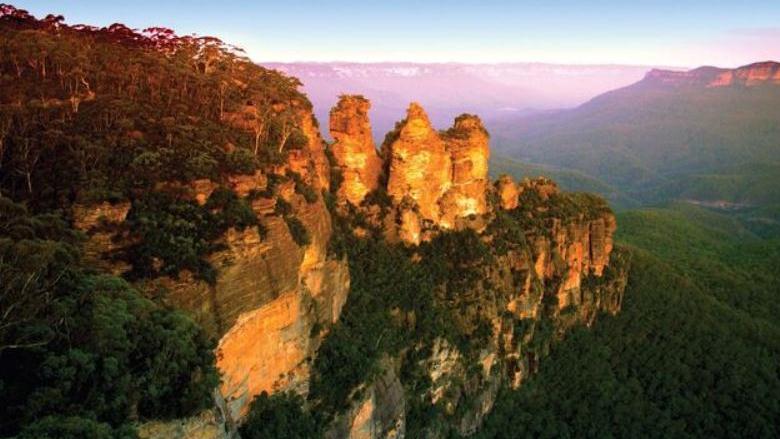
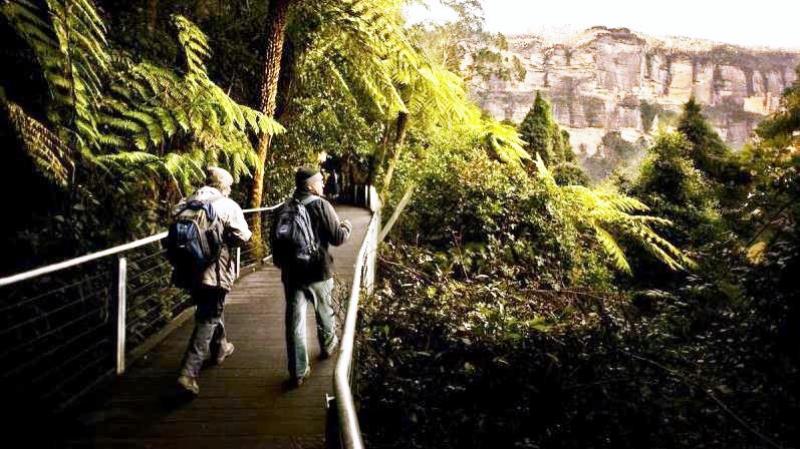
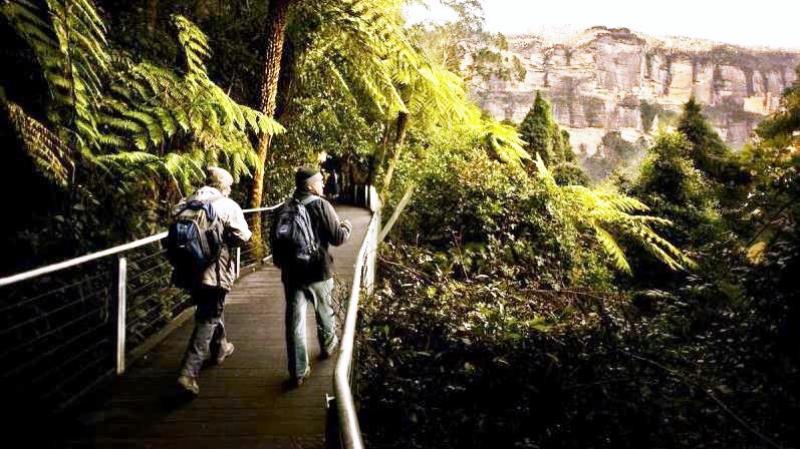
The Blue Mountains plateau begins where Sydney's western suburbs end, rising abruptly to a wilderness of deep sandstone canyons, eucalypt forest, and lookout points over valleys that dwarf any European equivalent. The Three Sisters rock formation at Echo Point near Katoomba is the region's most photographed landmark — three eroded sandstone pillars standing above a 300-meter drop into the Jamison Valley. The Scenic Cableway, one of the world's steepest, descends into the valley floor where walks through temperate rainforest pass beneath ancient ferns and towering blue gum trees. The blue haze that gives the mountains their name comes from eucalyptus oil evaporating from millions of trees — a genuinely atmospheric effect that makes the landscape look as though it has been lightly painted.
Hunter Valley: Australia's Oldest Wine Region
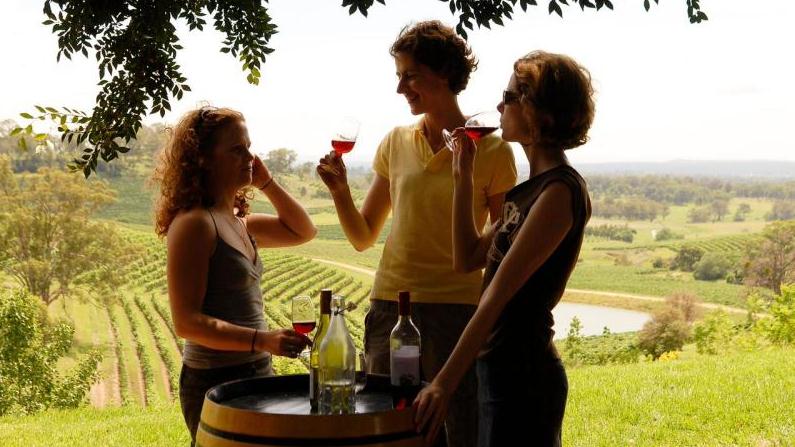
The Hunter Valley, approximately two hours north of Sydney, is Australia's oldest wine-producing region and remains one of its most distinctive. The valley is particularly known for Semillon and Shiraz, producing styles that bear little resemblance to their Old World counterparts — Hunter Semillon in particular is a world-class wine that ages remarkably well in bottle. Beyond wine, the region's pastoral landscape of low rolling hills, colonial homesteads, and small country towns offers a complete contrast to Sydney's urban density. Estate restaurants here take their food seriously, and a long lunch at a winery with views across the vines has become a ritual for Sydney residents making the drive north on weekends.
Sydney Harbour Bridge: Climbing, Crossing, and Understanding the City's Spine
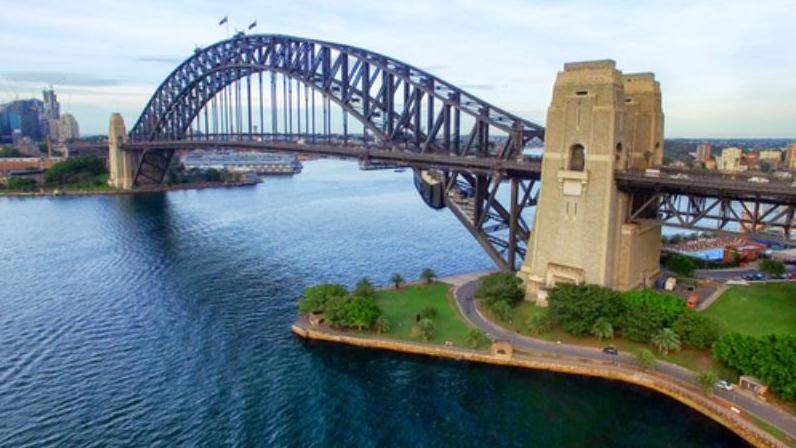
The Harbour Bridge opened in 1932 after eight years of construction and immediately became the organizing structure of Sydney's geography — the link between the north and south shores that made the modern city possible. Today it carries eight lanes of traffic, two rail lines, a cycling path, and a pedestrian walkway, and its upper arch is the stage for BridgeClimb Sydney, which takes visitors to the summit 134 meters above sea level for panoramic views of the harbor, the ocean approaches, and the city spreading to the horizon. The pylons at each corner house a small museum accessible via stairs — less dramatic than the climb but still giving an excellent harbor vantage point. Walking across the bridge on the pedestrian path is free and one of Sydney's finest experiences.
Sydney travel tips
Load an Opal Card or Use Your Contactless Bank Card for All Public Transport. Sydney's entire bus, train, ferry, and light rail network accepts contactless payment directly from Visa and Mastercard debit and credit cards, making separate transit cards unnecessary for most international visitors. Simply tap on and tap off at each journey's start and end. Ferry travel on Sydney Harbour is particularly good value and offers sightseeing as a byproduct of getting around.
Confirm Your Berth Location Before Planning Your Day. Sydney cruise ships dock at one of two terminals: the Overseas Passenger Terminal at Circular Quay (central, walking distance to the Opera House and Rocks) or White Bay in Rozelle (requiring a shuttle bus to the city center, adding 20–30 minutes each way). The logistics of your day differ significantly depending on which terminal your ship uses, so check your cruise documents before arriving.
Book Opera House Tours in Advance. Guided tours of the Sydney Opera House interior are popular and have limited daily capacity. Booking online before your cruise is strongly recommended, particularly for morning tour times that fit within a cruise day schedule. The building can be visited from the outside at any time for free — the Monumental Steps and the harbourside promenade are always accessible.
Allow Realistic Travel Time to the Blue Mountains. The Blue Mountains are genuinely rewarding but genuinely distant — plan on 90 minutes to two hours each way from central Sydney by coach or train, plus time at Echo Point and any walk or cableway activity. A Blue Mountains visit requires a full day commitment and an early start. Visitors short on time may find the harbor, Opera House, and city center more satisfying within a six-to-eight-hour port call.
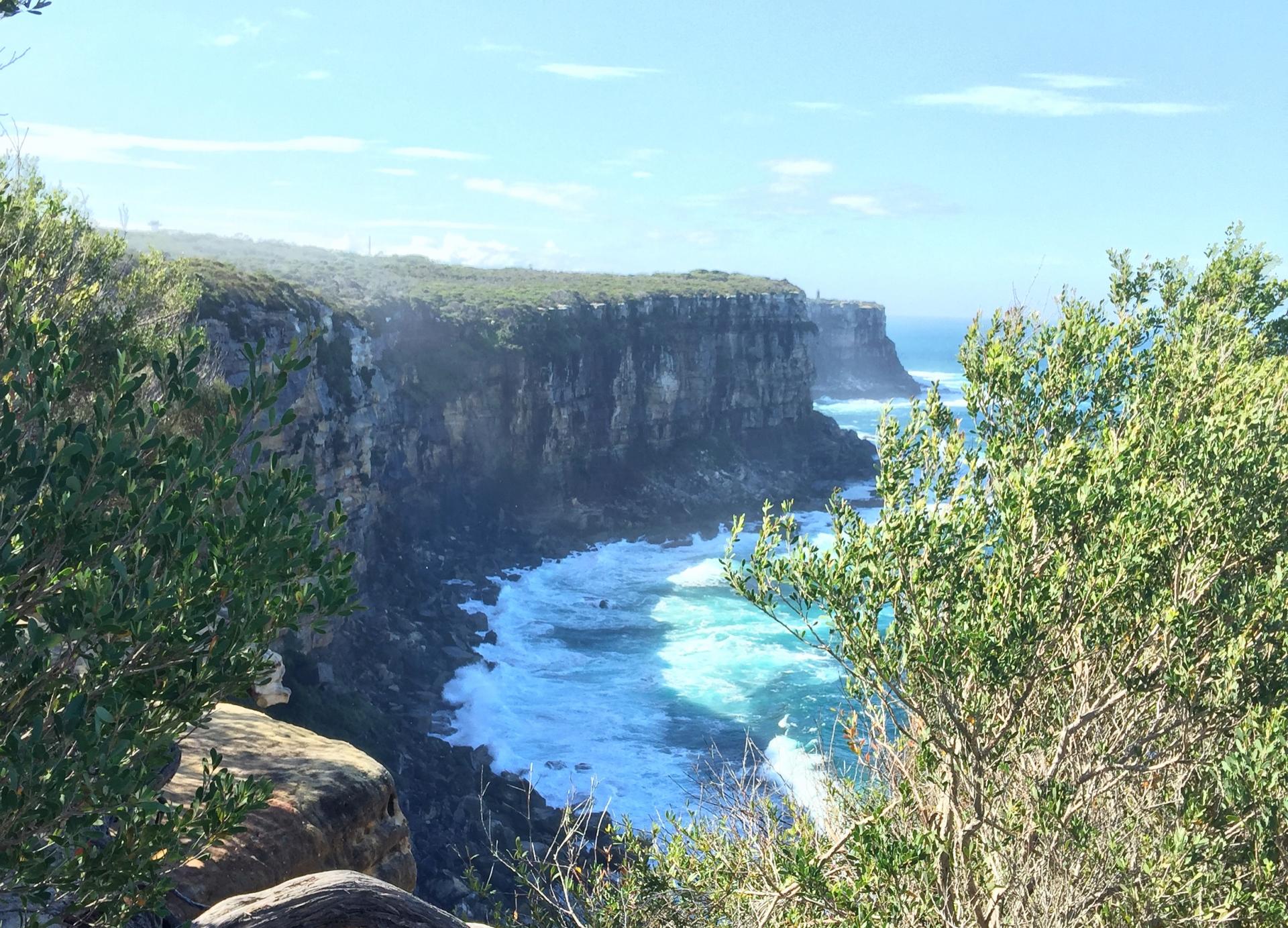
The Bondi to Coogee Coastal Walk Is Free and Spectacular. The six-kilometer clifftop path from Bondi Beach south to Coogee passes six beaches, dramatic sandstone headlands, ocean pools carved into the rock platform, and some of Sydney's finest residential architecture. It can be walked in either direction in two to three hours at a comfortable pace. The walk is entirely free, requires no booking, and represents one of the best things to do in Sydney regardless of season.
Sydney Summers Are Hot — Time Outdoor Activities Wisely. If your cruise calls in December, January, or February, temperatures can exceed 35°C (95°F) and UV radiation is extreme by global standards. Schedule outdoor walking earlier in the morning, carry water, apply high-SPF sunscreen, and consider a hat. Sydney beaches enforce a swim-between-the-flags rule policed by volunteer surf lifesavers — always swim within the flagged area regardless of how calm conditions appear.
Port Facts Every Cruiser Needs To Know
Sydney shore excursion FAQs
Sydney cruise ships use either the Overseas Passenger Terminal at Circular Quay — steps from the Opera House, the Rocks, and ferry connections — or White Bay terminal in Rozelle, which requires a shuttle to reach the city center. Check your itinerary documents to confirm which terminal applies to your sailing, as the logistics differ considerably.
Doing both well is very difficult within a standard port day. The Blue Mountains round trip alone consumes four to five hours of travel time. Visitors who attempt both tend to feel rushed at each location. Most cruisers find it more satisfying to commit fully to either the city and harbor experience or the mountains.
Yes — guided interior tours have limited capacity and popular time slots fill up, particularly morning departures that suit cruise schedules. Book online through the Opera House website before your cruise. If you arrive without a booking, last-minute tours may be available at the box office, but availability cannot be guaranteed.
From the CBD, take the train from Town Hall or Central Station to Bondi Junction, then a bus from the Bondi Junction interchange to Bondi Beach. The total journey takes 35–45 minutes. Alternatively, the 333 bus runs directly from the city (Circular Quay or the CBD) to Bondi Beach, taking 45–60 minutes depending on traffic.
Bondi Beach is patrolled by professional and volunteer surf lifesavers and is generally safe when swimmers stay between the red-and-yellow flags, which mark the supervised area clear of rips and rocks. Always swim between the flags — ocean conditions can change rapidly even on calm-looking days. The flags are positioned by lifesavers who assess conditions each morning.
The regular Manly Ferry from Circular Quay to Manly is one of the world's great public transport journeys, crossing the full breadth of the harbour past the Opera House and Harbour Bridge for a standard transit fare. The 30-minute crossing in each direction gives excellent water-level views of Sydney's most iconic sights at a fraction of the cost of a dedicated harbour cruise.
Sydney offers a remarkable number of free experiences: walking across the Harbour Bridge, the Bondi to Coogee coastal walk, the Royal Botanic Garden, the exterior of the Opera House and its harbourside promenade, the Rocks historic district, and all public ferry wharves at Circular Quay. The Art Gallery of New South Wales has free entry to its permanent collection.
Tipping is not mandatory or culturally expected in Australia — service staff are paid award wages that do not depend on gratuities. Tipping for genuinely excellent service is appreciated but never assumed. Most cafes and casual restaurants have no expectation of tips at all.
A minimum of 60 to 90 minutes before the published all-aboard time is advisable, particularly if you are coming from Bondi, the Blue Mountains, or the Hunter Valley. Sydney's afternoon train and bus services can be busy, and the Blue Mountains train journey alone takes 90–120 minutes under ideal conditions. Build in a buffer — your ship will not wait.
Taronga Zoo is the most reliable place to see koalas, kangaroos, wombats, and other Australian native animals in a single day. In the wild, Sydney's Royal Botanic Garden hosts sulphur-crested cockatoos, rainbow lorikeets, and Australian ibis in large numbers. The harbour foreshores in the national park areas occasionally shelter water dragons and wallabies, though these require time and luck to encounter.
Filters
Select a filter to refine results.
Tour Type
Tour Activity
 Cart
Cart
 USD
USD GBP
GBP AUD
AUD EUR
EUR CAD
CAD