



Tours in Newport Rhode Island


Cruising to Newport Rhode Island in a group?
Skip the crowded ship excursion bus. One dedicated planner will design a private shore experience around exactly what your group wants — coordinated from first enquiry to the moment you're back on board. More memorable, more flexible, and more affordable than you might expect. Spend less time organising, more time enjoying.
Explore Group Travel →Cruising to Newport Rhode Island
Rhode Island's smallest city carries an outsized history. Newport was among colonial America's most prosperous trading ports, a fact still legible in the 18th-century clapboard houses of the Point neighborhood and in Touro Synagogue, the oldest surviving synagogue in the United States. Then came the Gilded Age, and everything changed. The Vanderbilts, Belmonts, and Astors built summer cottages along Bellevue Avenue that remain extraordinary by any measure — rooms finished in Louis XIV gilding, marble imported from Italian quarries, ballrooms that hosted the social calendar of a continent. The city surrounding these monuments is itself worth exploring: Thames Street's restaurants and galleries run along a working harbor, the Cliff Walk delivers some of the most arresting coastal scenery on the entire Eastern Seaboard, and the whole place is compact enough to cover on foot in a determined six hours. Newport does not require a long stay to leave a lasting impression.
Top things to do in Newport Rhode Island on a cruise stopover
Gilded Age Mansions: American Ambition in Marble and Gold
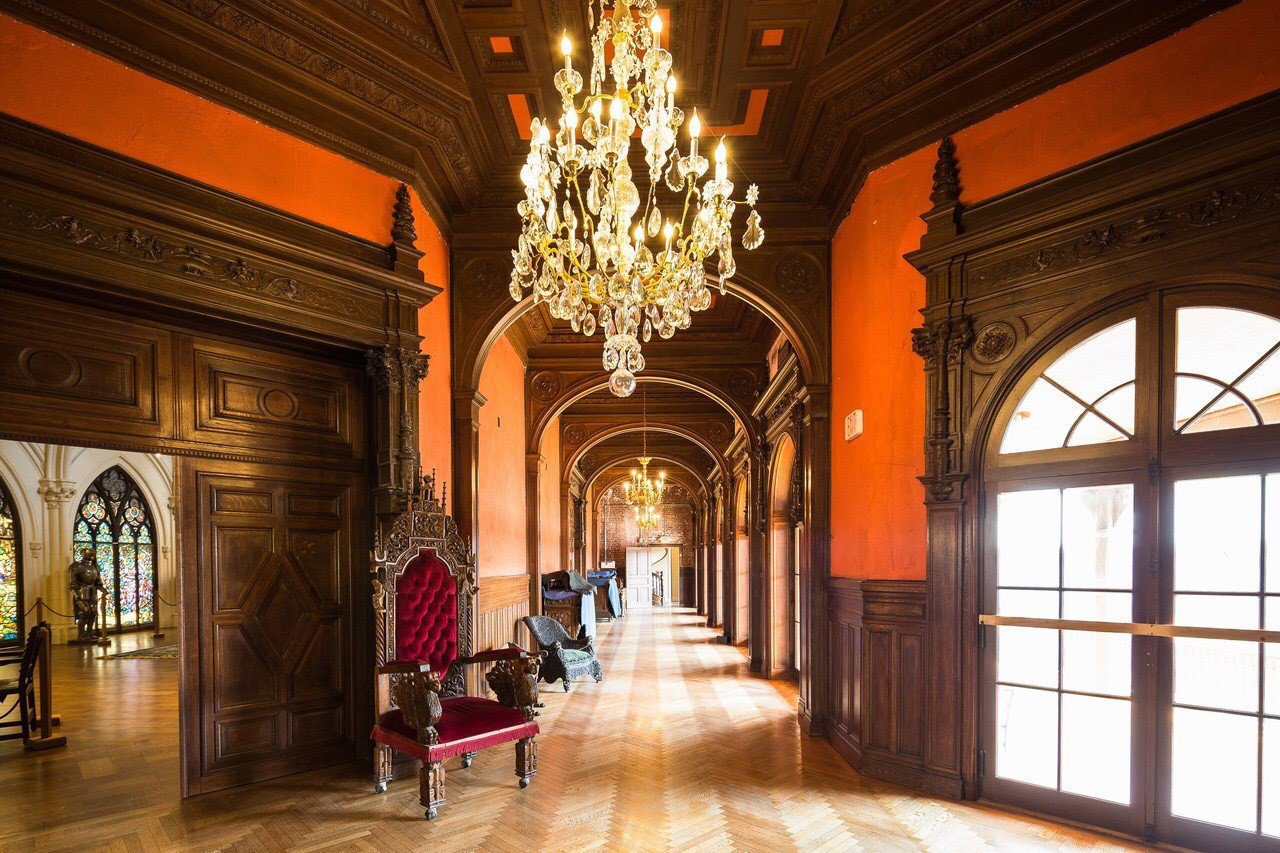
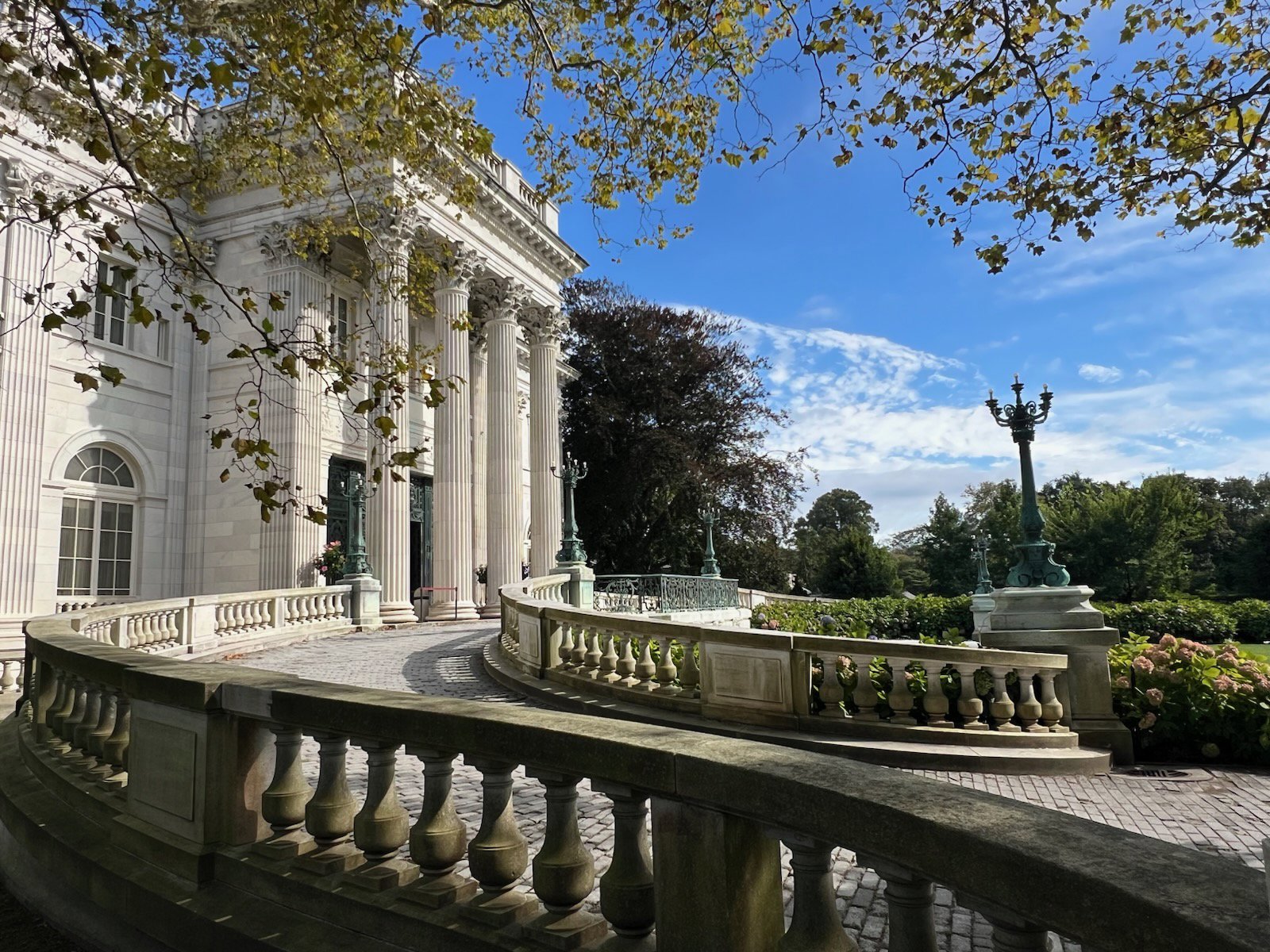
The Preservation Society of Newport County maintains eleven historic properties on and around Bellevue Avenue, and even a single visit to The Breakers — the 70-room Italian Renaissance palazzo built for Cornelius Vanderbilt II in 1895 — recalibrates any prior understanding of the phrase 'summer house.' The interior's great hall rises 45 feet, finished in alabaster, gilded ironwork, and carved limestone imported from European workshops. Marble House, built for William K. Vanderbilt, includes a Chinese Teahouse set in its oceanside garden. The Elms, modeled on a French château, offers some of the most intact period interiors in the collection. Each mansion is self-contained enough to absorb 60 to 90 minutes of unhurried attention.
The Cliff Walk: Where Gilded Age Gardens Meet the Open Ocean
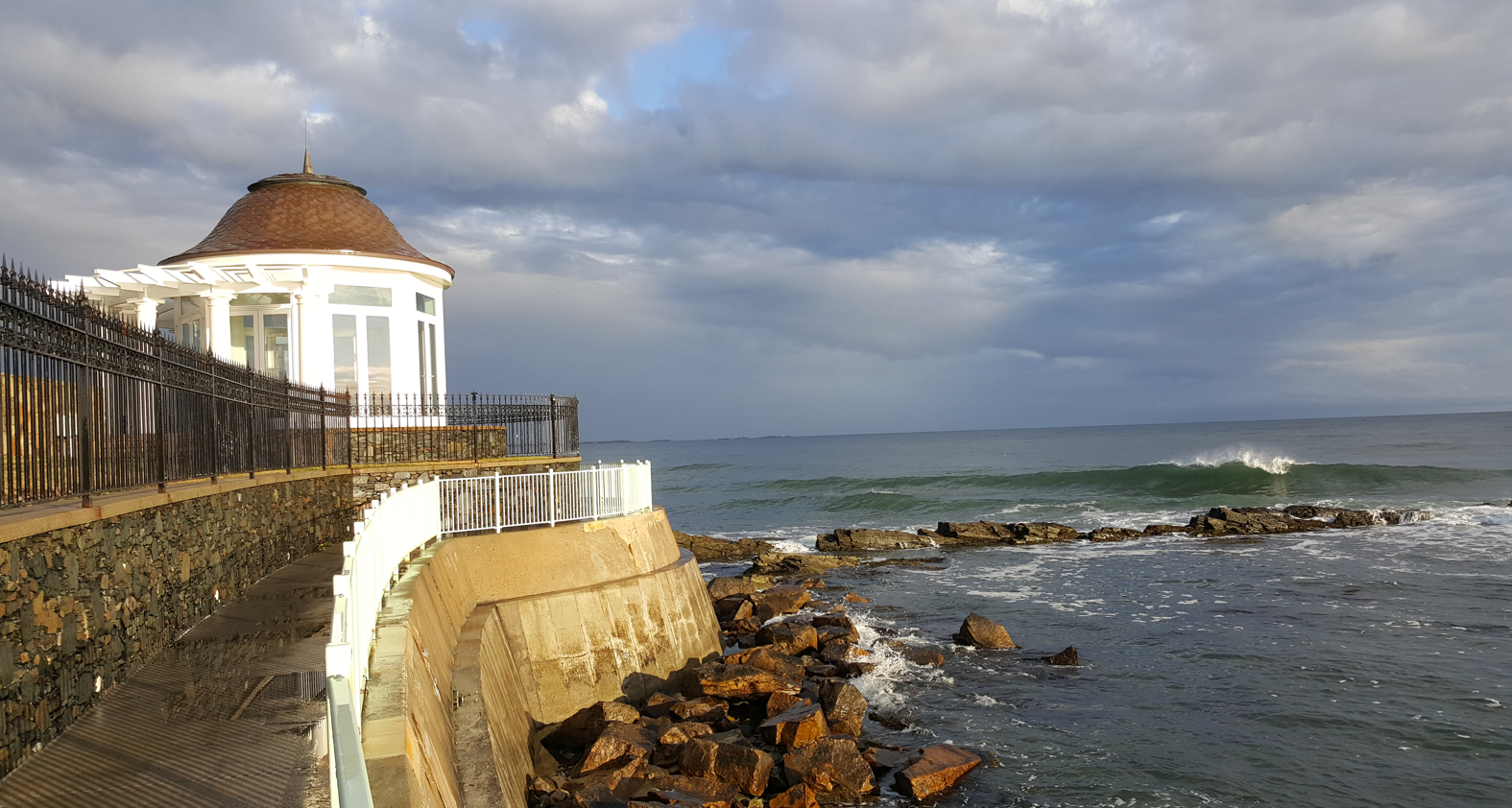
Newport's Cliff Walk is one of the most satisfying short coastal walks on the Eastern Seaboard: 3.5 miles of maintained path tracing the edge of Aquidneck Island, with the rear facades of Bellevue Avenue's great houses — The Breakers, Ochre Court, Rough Point — visible on one side and Atlantic surf crashing below on the other. The northern section from Easton's Beach to Ledge Road is paved and suitable for most visitors. The southern section becomes genuinely rugged, with rock scrambling that demands appropriate footwear. Even walking the northern two miles and returning provides a memorable experience of Newport's dual nature: private Gilded Age grandeur and raw New England coastline in the same field of view.
The Breakers: Newport's Crown Jewel
Of all Newport's historic houses, The Breakers commands the most attention — and earns it. Designed by Richard Morris Hunt for Cornelius Vanderbilt II and completed in 1895, the property sits on 13 ocean-facing acres at the top of the Cliff Walk. The interior rooms are staggering in their detail: the Great Hall's gilded plaster, the Music Room's hand-painted panels, and the kitchen complex — designed to serve formal dinners for 200 guests — reveal the operational scale behind the social display. Guided and self-guided audio tours are available; allow 60 to 90 minutes minimum to experience the house properly.
Thames Street and Newport Harbor: The Working Face of the City
While Bellevue Avenue represents Newport's aristocratic past, Thames Street is where the city actually lives. The harborfront commercial strip runs south from Washington Square through a continuous procession of restaurants, galleries, marine outfitters, and sailing-focused shops. Newport remains one of the premier sailing destinations on the eastern seaboard — the harbor is almost always populated with serious racing and cruising craft. The International Tennis Hall of Fame, set in the Victorian Newport Casino building on Bellevue Avenue, adds a further dimension to a city with an unusually layered sporting history.
Colonial Newport: Layers Beneath the Gilded Age
Newport's prosperity predates the Vanderbilts by two centuries. The Point neighborhood, north of the harbor, contains one of the most intact collections of 18th-century colonial architecture in New England — streets of clapboard houses that survived the Revolutionary War occupation largely by accident. Touro Synagogue, built in 1763, is the oldest surviving Jewish house of worship in the United States and a National Historic Site; George Washington's 1790 letter to its congregation, promising liberty of conscience to all Americans, gives it a significance far beyond its architectural beauty. Trinity Church on Queen Anne Square has stood since 1726.
Ocean Drive and Fort Adams: Newport Beyond the Mansions
The ten-mile Ocean Drive loops along Aquidneck Island's southwestern shore through salt marsh, rocky beach, and open Atlantic panorama — a completely different register of Newport from the mansion circuit. Fort Adams State Park, built between 1824 and 1857 at the entrance to Newport Harbor, is the largest coastal fortification in the United States by land area and offers guided tours of its tunnels and ramparts. The park's harbor-facing lawn is the site of Newport's celebrated summer music festivals, and the views of the harbor entrance from the fort's walls are among the finest in the city.
Newport Rhode Island travel tips
Buy Mansion Tickets in Advance. The Preservation Society's most visited properties — The Breakers, Marble House, and The Elms — can sell out timed-entry slots on summer weekends and during holiday weeks. Purchase tickets online before your cruise arrives to guarantee entry and skip the ticket queue on arrival. Combination passes covering two or five properties offer meaningful value if you are planning multiple visits, and the society's website lists current seasonal hours, which vary by property.
Wear the Right Shoes for the Cliff Walk. The northern section of the Cliff Walk is paved and manageable in ordinary walking shoes. The southern section beyond Ledge Road involves uneven rock scrambles and exposed drops to the ocean, requiring sturdy footwear and genuine attention. If time is limited, walking the northern mile and a half from Easton's Beach to the rear gardens of The Breakers delivers most of the visual drama with minimal technical difficulty. The path is exposed to ocean wind even on warm summer days — carry a light layer.
Arrive at the Mansions Early. Organized tour groups build through the morning and peak around midday, particularly in July and August. Arriving at opening time — typically 10am for most properties — means smaller groups, shorter waits at audio-guide kiosks, and a more contemplative experience of the interiors. Starting at The Breakers and working south along Bellevue Avenue toward smaller properties as the day progresses is a logical sequencing strategy that puts you ahead of the busiest traffic.
Newport Is a Walking City — Use That Advantage. The city's compact geography is one of its genuine assets for cruise visitors. From the harbor waterfront to The Breakers is approximately 25–30 minutes on foot via Bellevue Avenue, passing colonial-era buildings, the Tennis Hall of Fame, and the shaded streetscapes of Bellevue's residential blocks. The seasonal trolley covers the same route if the walk does not suit the weather or your group. Thames Street's restaurants and the harbor are a five-minute walk from most tender landing points.
Eat on Thames Street Before the Afternoon Rush. Thames Street concentrates Newport's best seafood options — Rhode Island clam chowder, lobster rolls, and local Narragansett Bay oysters are the dishes to seek. Lunch crowds build between noon and 2pm on summer days; eating before noon or after 2:30pm avoids the longest waits at waterfront restaurants. Newport's bakeries and smaller café options along Lower Thames provide efficient alternatives when time does not allow a proper sit-down meal.
Check Your Tender Schedule and Plan the Return. If Newport is a tender port, tender operations run on a schedule and can be affected by wind and harbor conditions. Check your ship's daily program for tender ticket pickup procedures — demand for the first boats ashore is typically high, and joining the queue early prevents losing significant time at the start of your day. Allow extra buffer before all-aboard: return tender queues in the afternoon can be considerably longer than the morning ones.
Port Facts Every Cruiser Needs To Know
Newport Rhode Island shore excursion FAQs
Newport is typically a tender port, meaning your ship anchors in the harbor and smaller boats ferry passengers to a landing near the Thames Street waterfront. Tender operations are weather-dependent and run on a schedule. Check your ship's daily program for tender ticket procedures — collecting an early ticket is worth the effort to maximize your time ashore. Return tender queues can build significantly in the afternoon.
Most of Newport's major mansions are concentrated along Bellevue Avenue, which begins approximately 1 to 1.5 miles south of the harbor waterfront. The walk from the tender landing to The Breakers takes about 25 to 30 minutes at a comfortable pace, passing through the town center and Washington Square. The seasonal Downtown Trolley covers the same route. Marble House and The Elms are slightly farther south along Bellevue.
With 6 to 8 hours ashore, most visitors can do justice to two or three mansions if they start early and purchase tickets in advance. The Breakers is the largest and most comprehensive; pairing it with Marble House or The Elms gives a strong contrast in architectural styles and family histories. Rushing through four or more properties in one day tends to blur the distinctions — the houses reward time and attention rather than volume.
The northern portion of the Cliff Walk, from Memorial Boulevard to roughly the Ledge Road area, is paved and suitable for most visitors with ordinary mobility. The southern section involves uneven rock scrambling and is not appropriate for visitors with limited mobility or for young children without close supervision. Comfortable walking shoes are essential for any section; sandals or dress shoes are not recommended on any part of the path.
Yes. Newport's compact layout makes most key attractions reachable on foot from the harbor. Thames Street, the colonial Point neighborhood, and Washington Square are within a 10-minute walk. Bellevue Avenue's mansion row is 25 to 30 minutes on foot. The Cliff Walk's northern entrance at Easton's Beach is about 30 to 35 minutes from the waterfront. The seasonal trolley provides a practical alternative for those who prefer not to walk the full distance.
Newport's range of experiences extends well beyond Bellevue Avenue. The Cliff Walk's Atlantic coastline is compelling on its own terms. Thames Street's harbor-front restaurants, galleries, and marine culture offer a grounded counterpoint to the mansion circuit. Touro Synagogue and the Point neighborhood's colonial streetscapes represent 18th-century Newport's distinct character. Fort Adams State Park provides military history and some of the harbor's best panoramic views.
Newport's historic houses are among the most intact examples of Gilded Age American domestic architecture accessible to the public. For visitors with an interest in American social history, architecture, or the decorative arts, the admission is reasonable for what it delivers. The Breakers in particular is difficult to overrate as a historical experience. Visitors whose interests run more toward outdoor scenery and harbor culture may find the Cliff Walk and Thames Street equally rewarding without paid admission.
Newport's cruise season runs from late spring through fall. July and August are warm, typically 70–85°F (21–29°C), with humidity on some days. June and September offer milder temperatures and lower humidity, often making them the most comfortable months for walking-heavy itineraries. The Cliff Walk is exposed to ocean wind year-round; a light layer is useful even on warm summer days. Afternoon thunderstorms are possible in summer — morning hours are generally more reliably clear.
Newport is exceptional for visitors with an interest in American history across multiple eras. Colonial Newport is represented by Touro Synagogue (1763), Trinity Church (1726), and the Point neighborhood's remarkably preserved 18th-century streetscapes. The Gilded Age is documented at extraordinary scale through the Preservation Society's eleven historic properties. Fort Adams adds antebellum military architecture. Few American cities of Newport's size offer comparable historical depth within such a walkable area.
Rhode Island's coastal food culture is best represented in Newport through its seafood: clam chowder (made clear-broth or cream-style depending on the kitchen), lobster rolls, and local oysters from Narragansett Bay are the dishes to prioritize. Thames Street has the densest concentration of restaurants close to the waterfront. Newport also has a strong café and bakery culture along Bellevue and Lower Thames. Del's Frozen Lemonade — a Rhode Island institution since 1948 — is worth seeking in summer.
Filters
Select a filter to refine results.
Tour Type
Tour Activity
 Cart
Cart
 USD
USD GBP
GBP AUD
AUD EUR
EUR CAD
CAD