



Tours in Aruba (Oranjestad)


Cruising to Aruba (Oranjestad) in a group?
Skip the crowded ship excursion bus. One dedicated planner will design a private shore experience around exactly what your group wants — coordinated from first enquiry to the moment you're back on board. More memorable, more flexible, and more affordable than you might expect. Spend less time organising, more time enjoying.
Explore Group Travel →Cruising to Aruba (Oranjestad)
Aruba sits at the southern fringe of the Caribbean, far enough from the hurricane corridor that its skies stay reliably blue while the rest of the region braces for storm season. The island's compact size and well-developed infrastructure make it one of the most effortlessly rewarding cruise stops in the region — you can be ankle-deep in the calm, gin-clear water at Eagle Beach within twenty minutes of stepping ashore, or wandering the pastel-painted facades of Oranjestad's historic quarter in under ten.
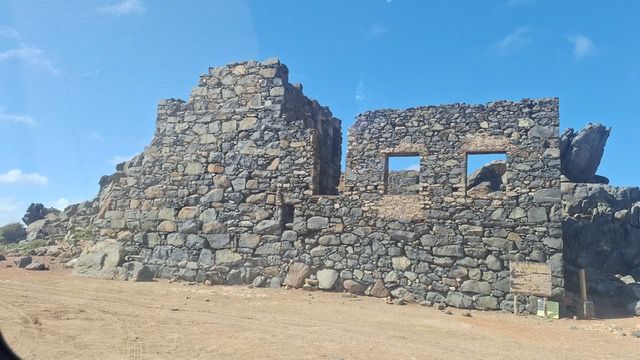
Beyond the beaches, Aruba reveals a surprisingly rugged interior. Arikok National Park covers nearly a fifth of the island and contains everything from wind-sculpted divi-divi trees and ancient cave paintings to dramatic coastal blowhole formations and the crumbling ruins of colonial gold mills. The island's Dutch heritage infuses its architecture and its approach to commerce — Oranjestad's downtown is a compact, walkable grid of colorful buildings housing everything from international jewelry boutiques to small local restaurants serving keshi yena, the island's signature stuffed cheese dish.
With ships docking directly at the Renaissance Marina in the heart of Oranjestad, cruise travelers are immediately and effortlessly plugged into the island. The beach, the shops, the restaurants, and the cultural landmarks are all within easy reach — which makes Aruba one of those rare ports where six to ten hours genuinely feels sufficient to get a real sense of the place, while still leaving you wanting more.
Top things to do in Aruba (Oranjestad) on a cruise stopover
Eagle Beach: The Caribbean's Most Consistently Beautiful Shore
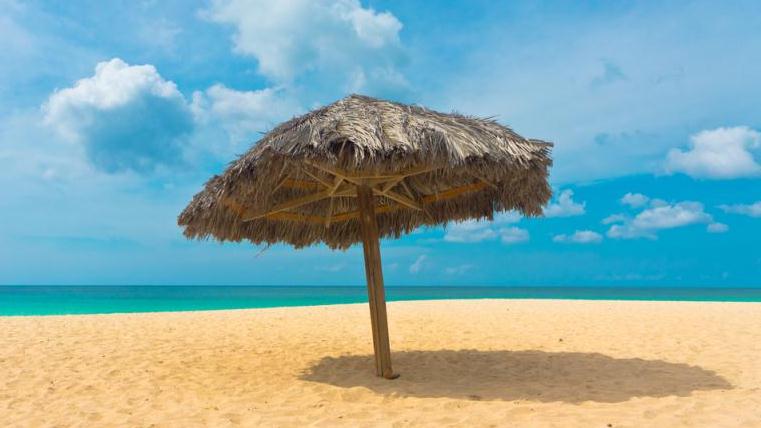
Regularly voted among the world's top beaches, Eagle Beach earns its reputation not through hype but through honest, unpretentious beauty. The sand is talcum-fine and blindingly white, the water shades from pale aqua in the shallows to deep sapphire offshore, and the beach itself is wide enough that it never feels crowded — especially in the mornings when cruise passengers are first arriving. Unlike the busier Palm Beach strip a mile north, Eagle Beach has no towering resort wall blocking the horizon, giving it an open, almost wild character despite its easy accessibility. Calm, waveless water makes it ideal for swimming at any level, and the trade winds provide natural relief from the tropical heat. Sun loungers and umbrellas are available for rent, and a handful of casual beach bars keep refreshments close at hand. Budget at least ninety minutes here — most visitors wish they had stayed longer.
Arikok National Park: Aruba's Rugged, Unexpected Interior
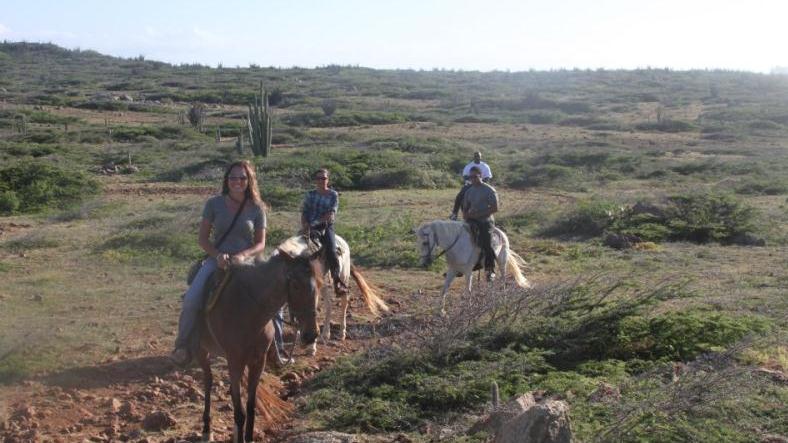
While most visitors gravitate toward the coast, Arikok National Park offers a compelling counterpoint: nearly 8,000 acres of desert landscape that feels nothing like the rest of the Caribbean. Wind-bent divi-divi trees, towering cacti, and sun-bleached limestone formations dominate a terrain that seems more Sonoran than tropical. The park contains genuine surprises — Fontein Cave holds Arawak cave paintings estimated to be over 1,000 years old, and Conchi (also called Natural Pool) is a dramatic rock-enclosed tide pool where the ocean forces its way through coastal cliff openings. Hiking trails range from easy walks to moderate scrambles. A 4WD vehicle is recommended for remote areas, though organized jeep tours are widely available from the cruise terminal. Spend two to three hours here and you'll leave with a fundamentally different understanding of the island beyond its beaches.
The California Lighthouse: Aruba's Most Iconic Landmark
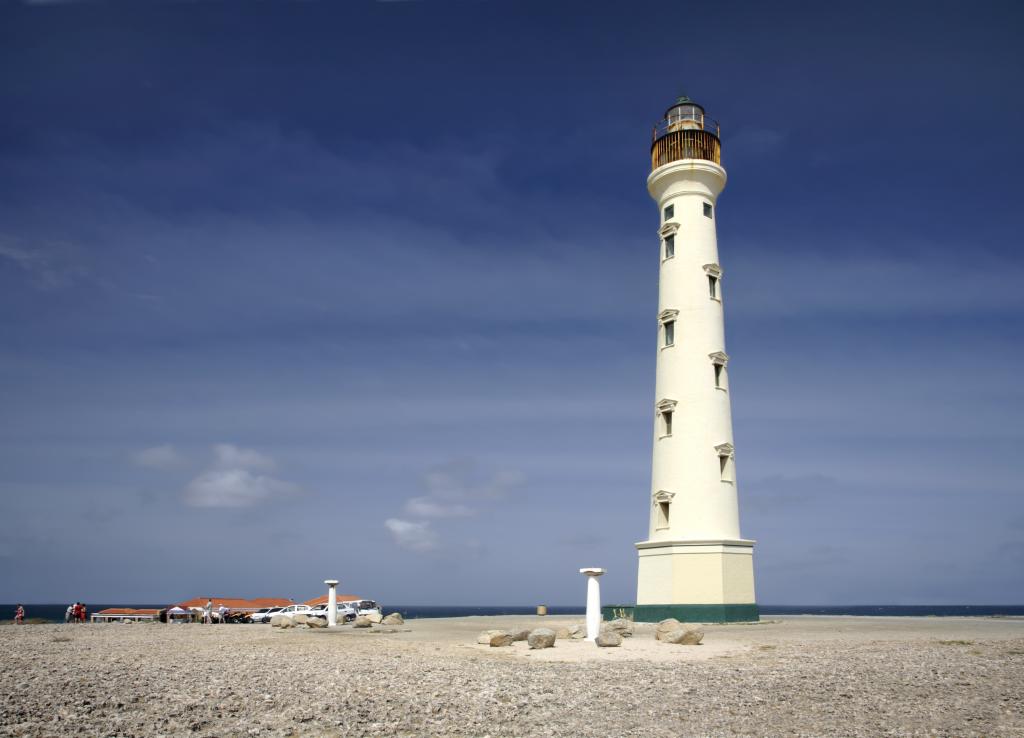
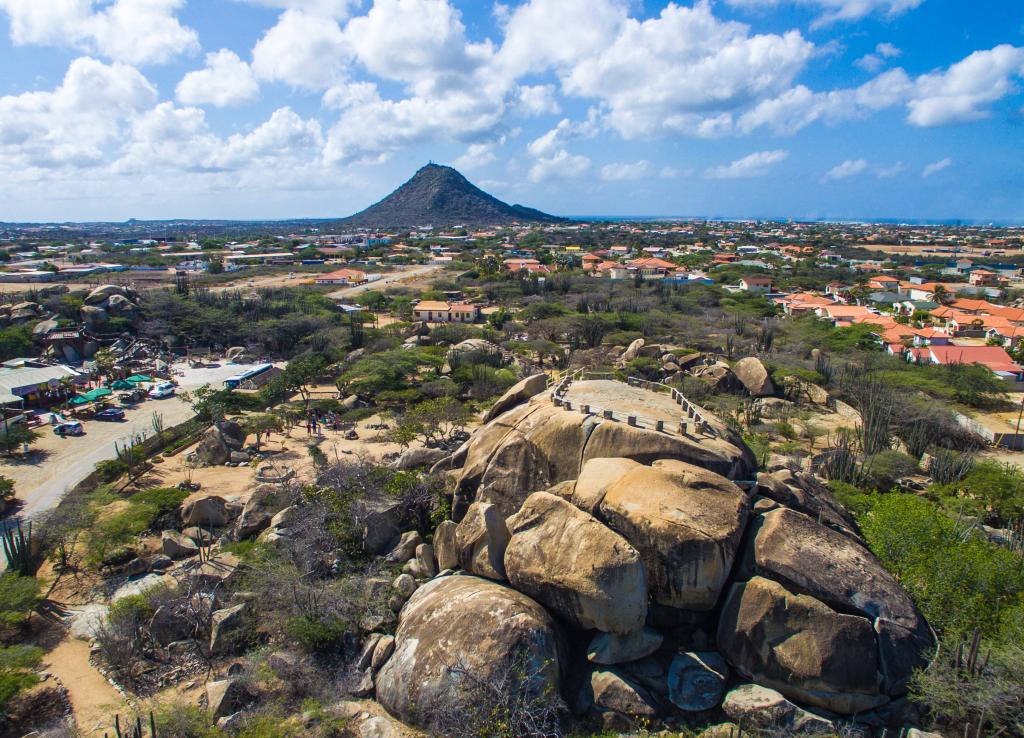
Perched on the island's northwestern tip, the California Lighthouse has stood since 1916, named after the American steamship California that wrecked nearby in 1891. The lighthouse itself is a striking white tower rising above a boulder-strewn, wind-swept landscape, and the views from the surrounding hilltop are among the best on the island — on clear days you can see the full sweep of the western coastline, the hotel strip, and the hazy outline of Venezuela on the southern horizon. The area around the lighthouse has a small cluster of restaurants and a scenic lookout terrace that makes for a natural rest stop. Most taxi drivers know this as a standard circuit stop and can quote a combined rate for a lighthouse-and-beach afternoon. It pairs naturally with a visit to the northwestern beaches and the dune fields near Boca Prins.
Antilla Shipwreck: The Caribbean's Premier Snorkel and Dive Site
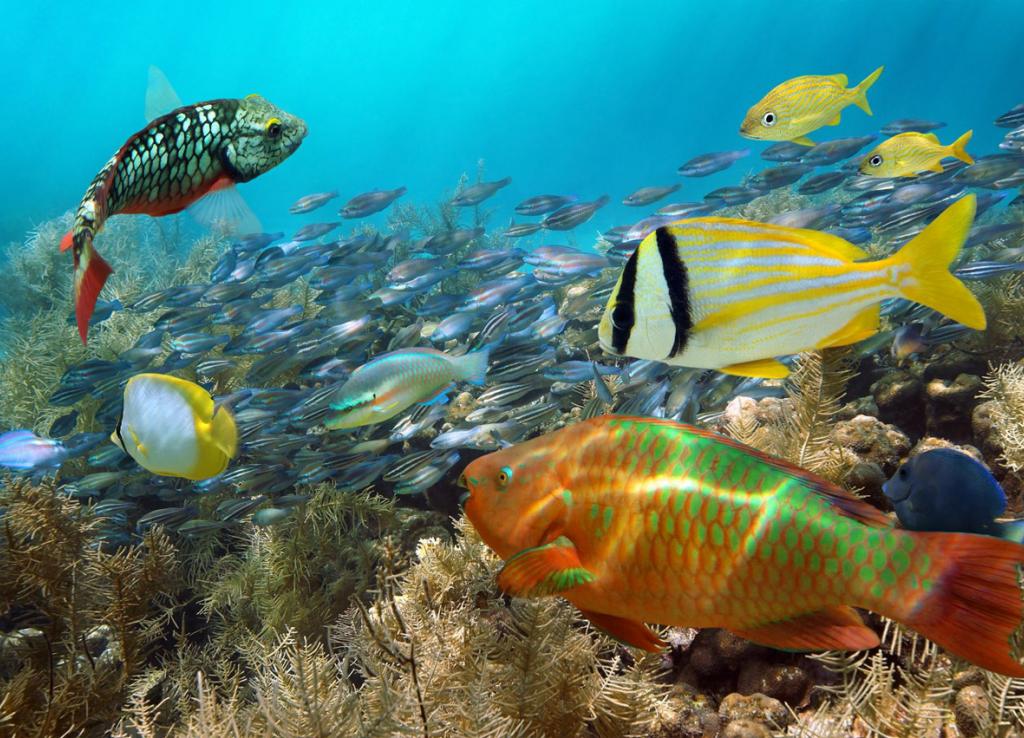
The Antilla is a German freighter scuttled by its own crew in 1940 when the Netherlands was occupied, and at 400 feet long it is the largest shipwreck in the Caribbean accessible to recreational divers and snorkelers. The wreck lies in relatively shallow water off the northwest coast near Malmok Beach, with portions rising close enough to the surface that snorkelers can see the hull and superstructure clearly without descending. Marine life has colonized the Antilla completely — corals, sponges, barracuda, moray eels, sea turtles, and clouds of reef fish make it one of the most visually rich dive sites in the region. Dive operators near Palm Beach offer half-day excursions that fit comfortably within a cruise itinerary. Snorkel boat tours also visit the site and are a solid option for non-divers who still want to experience Aruba's remarkable underwater world.
Oranjestad: Dutch Colonial Charm in the Tropics
Aruba's small capital is one of the most photogenic town centers in the Caribbean — a concentrated grid of colonial buildings painted in yellow, terracotta, mint, and blue, their facades decorated with Dutch-style stepped gables and ornamental shutters against a backdrop of blazing tropical sky. The main commercial street, Caya G.F. Betico Croes, is a lively pedestrian corridor lined with duty-free jewelry and electronics shops, local boutiques, and casual restaurants. Fort Zoutman, dating to 1796, is Aruba's oldest standing building and houses a small but worthwhile historical museum. The waterfront promenade connects the pier to the town center and is lined with outdoor cafés — a pleasant place for a cold Balashi beer (Aruba's local lager) and some people-watching. Oranjestad is compact enough to cover most of on foot in a couple of hours.
Aruba's Casino Scene: Open for Business Around the Clock
Aruba has more casinos per square mile than nearly anywhere else in the Caribbean, and unlike many destinations, several are open during the day — making them genuinely accessible to cruise passengers without evening hours ashore. The Stellaris Casino at the Marriott and the Crystal Casino at the Renaissance are the most polished options, though a dozen more line the Palm Beach hotel strip. The atmosphere is generally upscale and relaxed rather than frenetic, with table games and slot floors coexisting with cocktail service and live music in the evenings. For cruise travelers who enjoy gaming, Aruba offers real options rather than the token casino floors found in many ports. Even for those who aren't gamblers, the casino bars are some of the best-serviced, most air-conditioned drinking spots on the island — a welcome refuge during the midday heat.
Aruba (Oranjestad) travel tips
Time Your Beach Visit for the Morning. Eagle Beach and Palm Beach are at their most beautiful and least crowded in the first half of the day. By midday, organized excursion buses arrive and the beach fills significantly. If your ship docks early, prioritize the beach first and save Oranjestad shopping and lunch for the afternoon — you'll have a better experience at both. Taxis from the pier to Eagle Beach take about 15 minutes and cost roughly $15–18 each way. Negotiate a round-trip rate with a driver and ask them to return at a set time to avoid waiting at the roadside in the heat.
USD Is King — Skip the Currency Exchange. Every establishment that serves tourists will take US dollars, and most will give change in USD as well. The Aruban florin is the official currency but there is no practical advantage to exchanging money for a day ashore. Credit cards work everywhere tourists go. Carry some small USD bills for tips, beach chair rentals, and pastechi from street vendors — a $1–2 tip is appreciated and expected. ATMs are available downtown near the waterfront if you do need local cash for markets or small vendors.
Apply Sunscreen Before You Leave the Ship. Aruba's combination of strong equatorial sun and constant trade winds creates a deceptive outdoor environment — the breeze keeps you feeling cool while the UV index climbs into the extreme range. Apply high-SPF sunscreen before going ashore, not after you arrive at the beach, and reapply every 90 minutes outdoors. Reef-safe formulas are increasingly required at Aruban beaches to protect the coral ecosystem. A beach cover-up and UV-blocking rashguard make a meaningful difference over a full day on the island.
Shop Smart: Know Your Duty-Free Allowance Before You Buy. Oranjestad is genuinely one of the better duty-free shopping destinations in the Caribbean, with competitive pricing on jewelry, watches, electronics, and perfume from reputable international retailers. Before you buy, know your home country's duty-free allowance — US travelers returning by sea have an $800 per-person exemption from Caribbean ports. Keep all receipts, declare your purchases honestly, and ask retailers about price-match and return policies. Avoid street vendors selling name-brand goods at suspiciously deep discounts — counterfeit merchandise is common in high-traffic cruise port areas.
Rent a 4WD to Reach the Unpaved North and East. The northern and eastern ends of Aruba — where Arikok National Park and the Natural Pool are located — require a 4WD vehicle or a guided jeep tour. The roads are unpaved, rocky, and genuinely rough on a conventional rental car. Operators near the cruise terminal offer 4WD jeeps by the half-day; alternatively, numerous tour operators run organized jeep excursions combining the California Lighthouse, Natural Pool, and cave visits in a single efficient circuit. If driving independently, download an offline map before leaving the ship — cell coverage in the interior is patchy.
Eat Local: Walk Five Minutes from the Pier for Better Food. The restaurants immediately adjacent to the cruise pier are convenient but priced for a captive audience. Walk five to ten minutes inland from the waterfront and you'll find a different caliber of Aruban restaurant serving keshi yena, fresh fish stews, and plantain dishes at a fraction of the port-side prices. Ask any local for a recommendation — Arubans are generally proud of their food culture and happy to direct you somewhere genuine. The Wilhelminastraat area downtown has several well-regarded local lunch spots that cater equally to residents and savvy visitors who have done a little exploring.
Port Facts Every Cruiser Needs To Know
Aruba (Oranjestad) shore excursion FAQs
Ships dock directly at the Renaissance Marina in central Oranjestad — no tender process required. You walk off the ship onto a modern pier that deposits you within a few minutes' walk of downtown shopping, restaurants, and the waterfront promenade. This makes Aruba one of the most convenient ports in the Caribbean for independently exploring on a tight schedule, with no waiting for tender boats or weather delays affecting your time ashore.
Yes — Aruba consistently ranks among the safest destinations in the Caribbean. Violent crime against tourists is rare, and the island has a professional, well-trained police presence. As with any destination, normal urban common sense applies: don't flash expensive jewelry or electronics, be aware of your surroundings in quieter areas, and secure your belongings at the beach. Petty theft can occur in crowded tourist areas, but serious incidents are uncommon and the overall environment is welcoming and relaxed for independent travelers.
Eagle Beach is approximately 4 miles from the Renaissance Marina pier, a 15–20 minute taxi ride. Taxis queue outside the terminal and the fare runs approximately $15–18 each way. Agree on a price before you get in. Public buses (Arubus, Route 10) also run from Oranjestad toward the hotel strip and will drop you near Eagle Beach for a few florins, though they run on a loose schedule. Renting a car or scooter from operators near the pier is another flexible option for those who want to move around freely throughout the day.
Yes — Aruba has some of the cleanest tap water in the Caribbean. The island operates one of the world's largest desalination plants, and the water it produces meets or exceeds European and US safety standards. Drinking from the tap is perfectly safe throughout the island, which eliminates the need to constantly purchase bottled water. That said, bottled water is widely available at convenience stores and beach bars if you prefer it. Staying hydrated in the tropical heat is important regardless of your preferred source.
For cruise passengers, an organized jeep tour is generally the most efficient option — tours typically run three to four hours, cover the park's major highlights including cave paintings, the natural pool, and coastal formations, and include transport from the pier. Independent rental of a 4WD vehicle is also practical and allows more flexibility, though the park's interior roads are rough and best navigated with offline maps downloaded in advance. Allow at least half your day for a meaningful park experience that goes beyond a brief stop at the entrance area.
Aruba sits well outside the main hurricane belt — roughly 1,000 miles south of the typical hurricane track — making it one of the most weather-stable islands in the Caribbean year-round. While no location is entirely immune to tropical weather, Aruba is very rarely affected by hurricanes or significant tropical storms. This makes it an excellent choice for cruises during the traditional June–November Atlantic hurricane season, when other itineraries may be subject to last-minute weather-related changes or rough seas.
The western coast of Aruba offers excellent snorkeling conditions: calm, clear water with good visibility, healthy coral formations, and abundant marine life including sea turtles, tropical fish, and the famous Antilla shipwreck. Several snorkel boat tours operate from the cruise pier area and can be booked on the dock upon arrival, though advance booking is recommended in peak season. Water temperature year-round is approximately 80°F (27°C), eliminating any need for a wetsuit. Windsurfing and kiteboarding are world-class off the south coast near Hadicurari Beach.
Oranjestad has a well-developed duty-free retail scene with legitimate international brands — Colombian Emeralds International, Gandelman Jewelers, Maggy's, and several watch retailers among them. Prices on jewelry, perfume, and electronics are generally competitive compared to US retail, though dramatic discounts are less common than marketing suggests. Do your research on specific items before you travel so you can compare on-island prices with confidence. US travelers returning by sea receive an $800 per-person duty-free exemption from Caribbean ports.
Keshi yena — Edam or Gouda cheese hollowed out and stuffed with spiced chicken or beef, then baked — is the signature Aruban dish and worth seeking out at a local restaurant. Pastechi are flaky fried pastries filled with cheese, tuna, or meat, sold cheaply from bakeries and street stalls for a quick snack. Sopa di pisca is a hearty fish soup common at local lunch spots. For drinks, Balashi is the local lager — crisp and well-suited to the heat. Aruba also produces Coecoei, a bright red liqueur made from the local agave plant that appears in many island cocktails.
Arubans are generally warm, welcoming, and accustomed to international visitors. A simple 'Bon dia' (good morning) or 'Danki' (thank you) in Papiamento is always appreciated and usually met with a genuine smile. Dress codes are casual throughout the island, though beachwear should be covered up when entering shops, restaurants, or any non-beach setting. Tipping is customary — 15–18% at restaurants, $1–2 per bag for luggage assistance, and a few dollars for taxi drivers who serve as informal guides during a day tour of the island.
Filters
Select a filter to refine results.
Tour Type
Tour Activity
 Cart
Cart
 USD
USD GBP
GBP AUD
AUD EUR
EUR CAD
CAD