



Tours in Cartagena



Cruising to Cartagena in a group?
Skip the crowded ship excursion bus. One dedicated planner will design a private shore experience around exactly what your group wants — coordinated from first enquiry to the moment you're back on board. More memorable, more flexible, and more affordable than you might expect. Spend less time organising, more time enjoying.
Explore Group Travel →Cruising to Cartagena
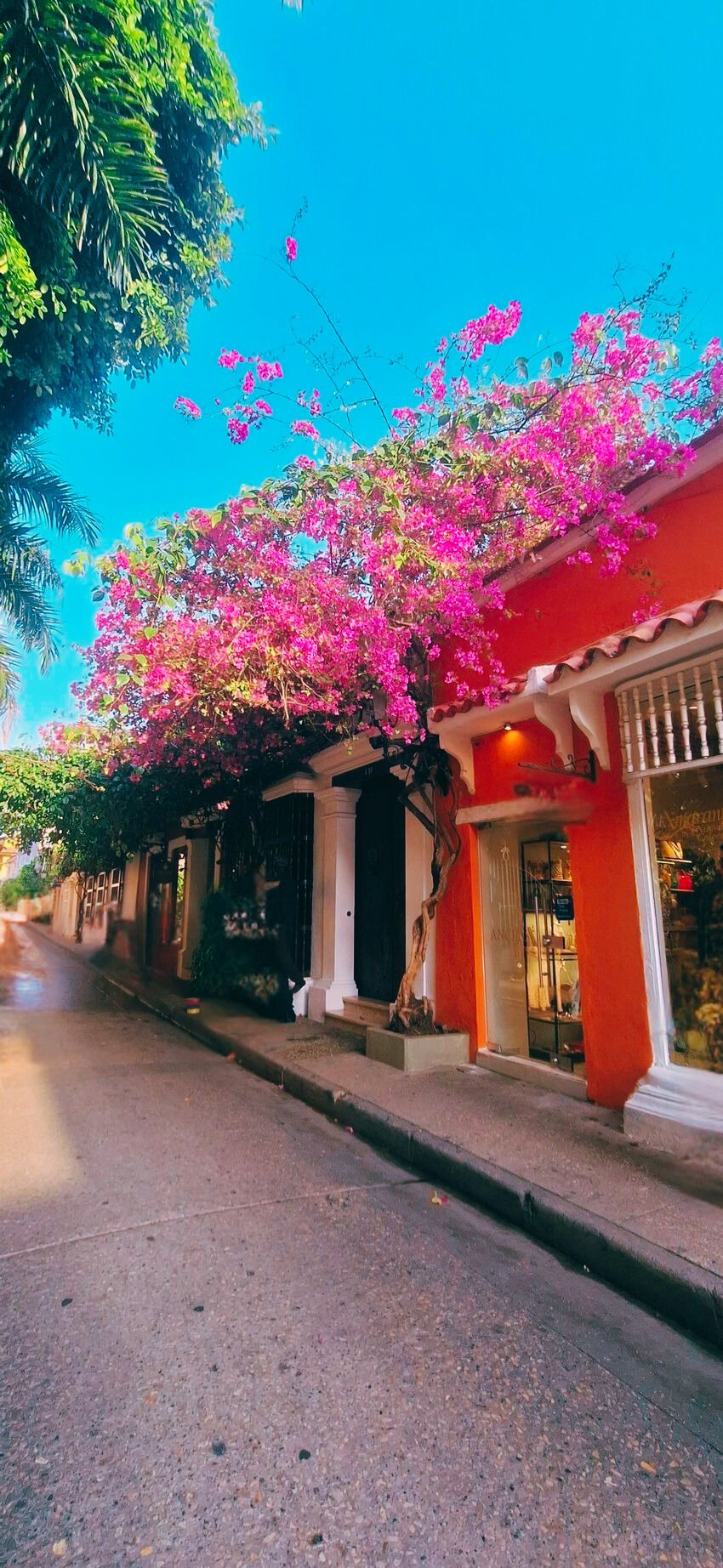
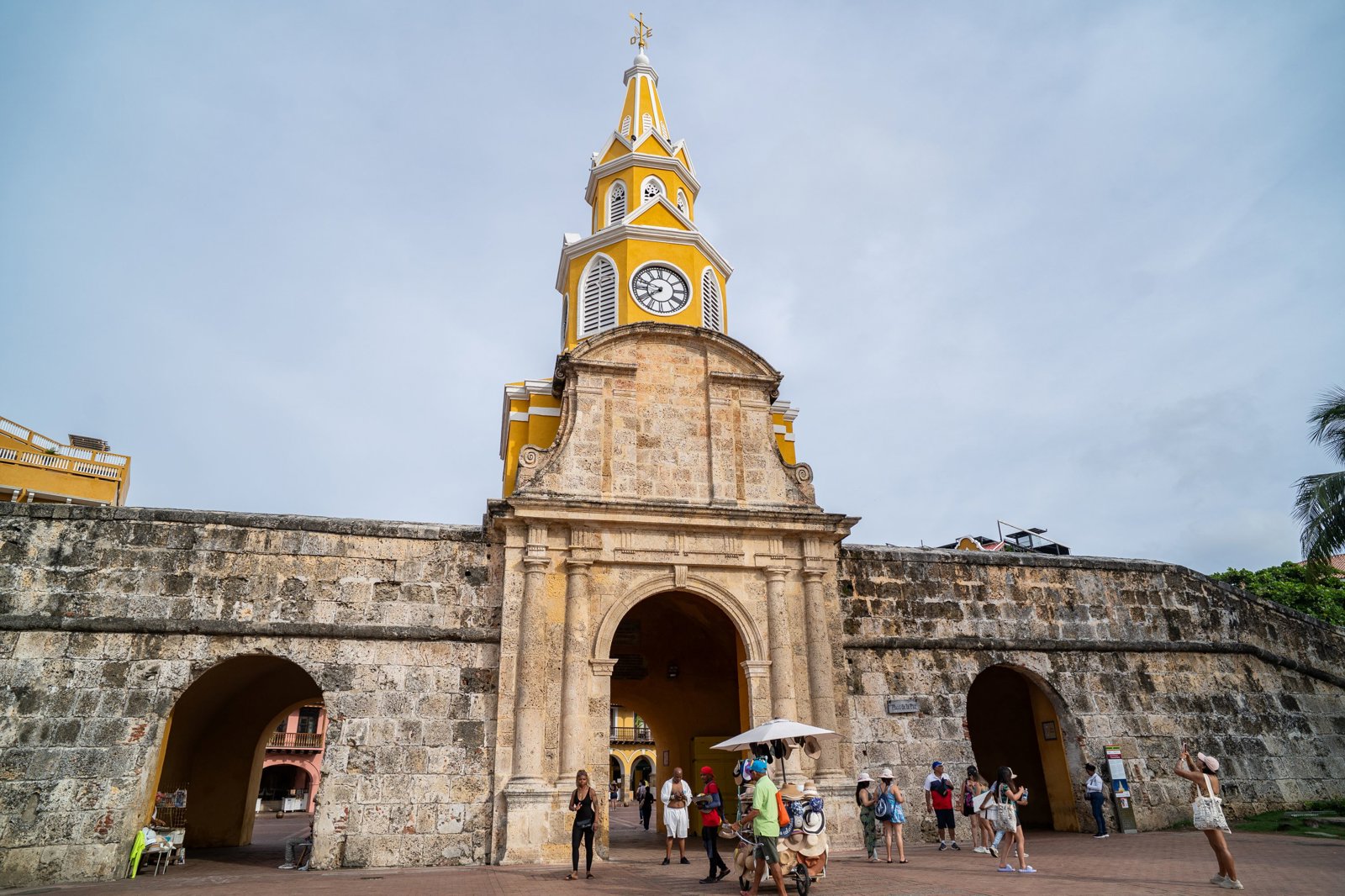
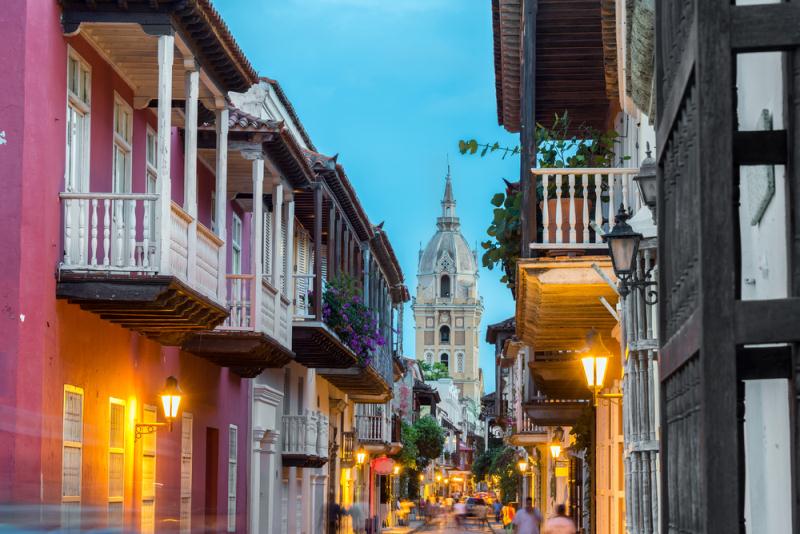
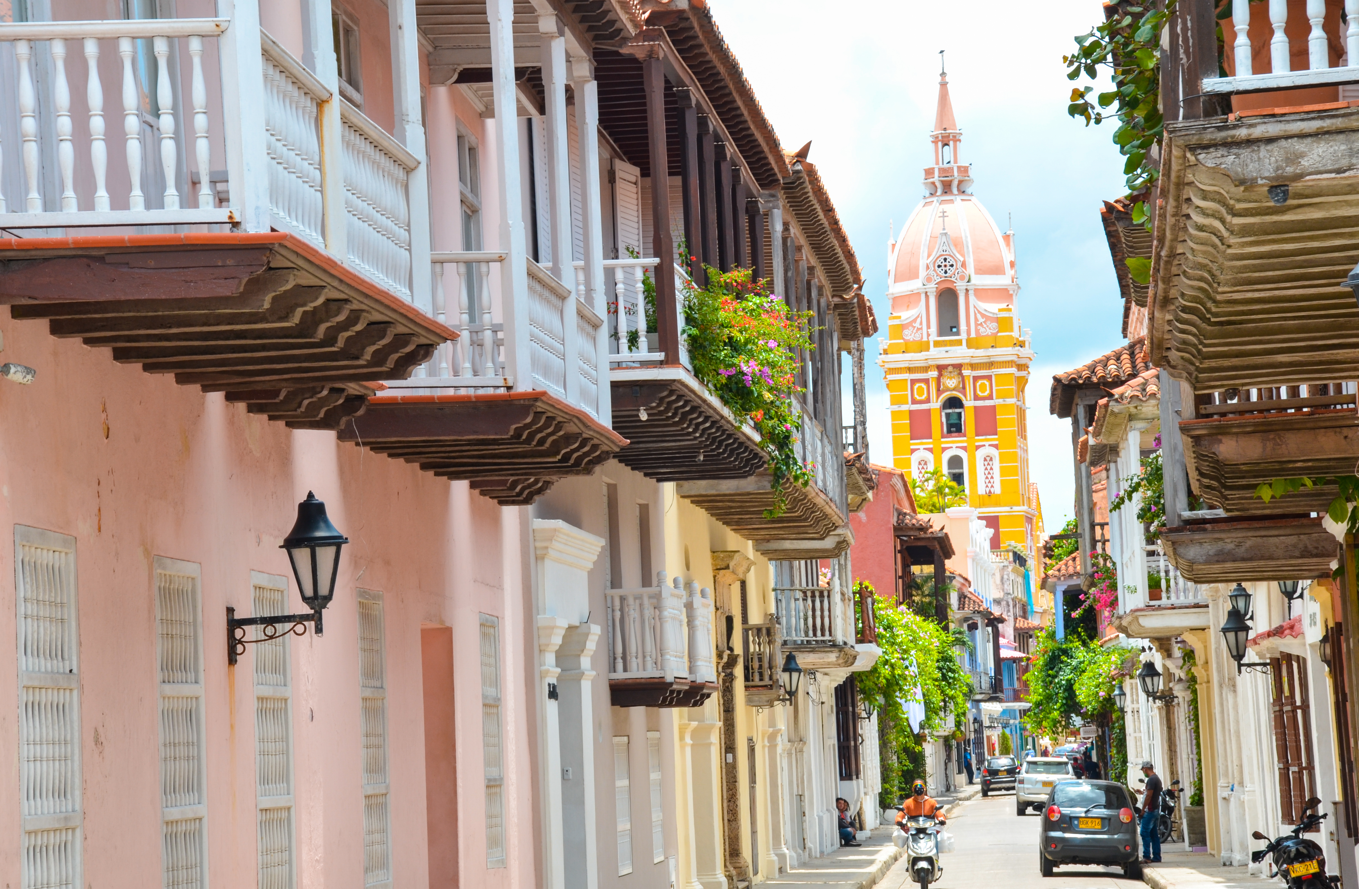
Few ports of call in the Americas arrive with the visual impact of Cartagena de Indias. The moment you step through one of the massive stone gateways in the ancient city walls, the colonial world unfolds in full color: painted mansions hung with cascading bougainvillea, cobblestone lanes lined with wrought-iron balconies, plazas where musicians play vallenato into the warm evening air. Founded in 1533, Cartagena served for centuries as Spain's most important port in the Americas — a gateway for the riches of an entire continent — and the city's extraordinary fortifications and architecture stand as testament to that imperial ambition.
The Ciudad Amurallada, or walled city, is a UNESCO World Heritage Site and one of the best-preserved colonial centers anywhere in the world. Within its walls, the neighborhoods of El Centro and San Diego reward wandering without agenda: a doorway frames a courtyard garden, a corner restaurant sends the scent of coconut rice drifting into the street, a local artist displays vivid canvases from a converted colonial townhouse. Just outside the walls, the Getsemaní neighborhood — once overlooked, now celebrated — has emerged as the city's most creative quarter, its streets covered in world-class murals and its plazas alive with the kind of authentic neighborhood energy that tourists elsewhere spend hours searching for.
Cartagena is also a city of genuine warmth and pride. Colombia's tourism transformation over the past two decades has been remarkable, and Cartagena stands at its forefront — a city that has embraced visitors while remaining wholly, vibrantly itself. Whether you spend your hours exploring the fortress ramparts, shopping for Colombian emeralds, eating ceviche in a sunlit plaza, or simply getting pleasantly lost in painted streets, a day in Cartagena will feel like far too little time.
Top things to do in Cartagena on a cruise stopover
The Ciudad Amurallada — Walking the UNESCO Walled City
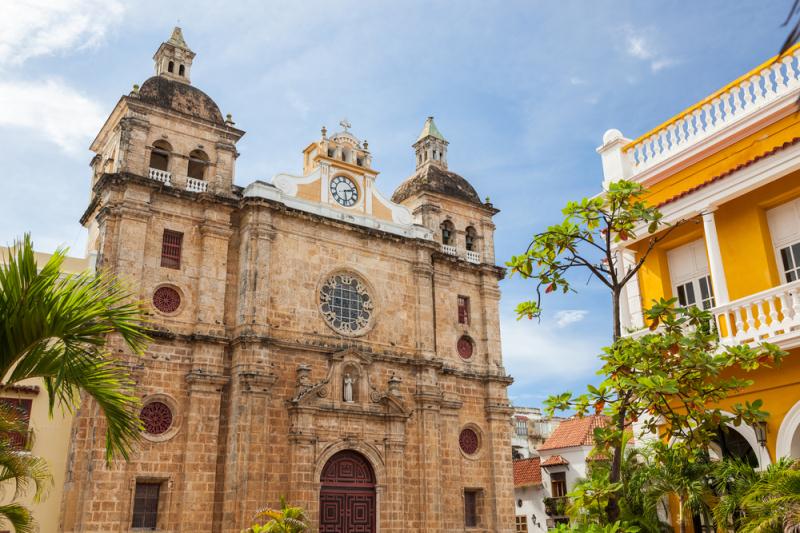
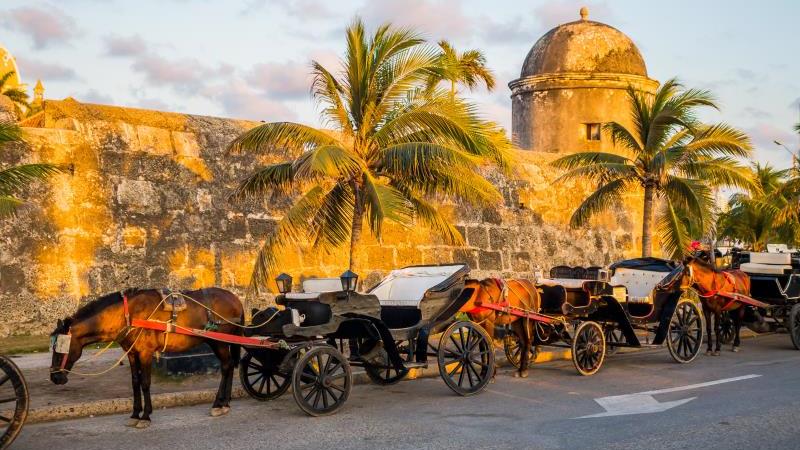
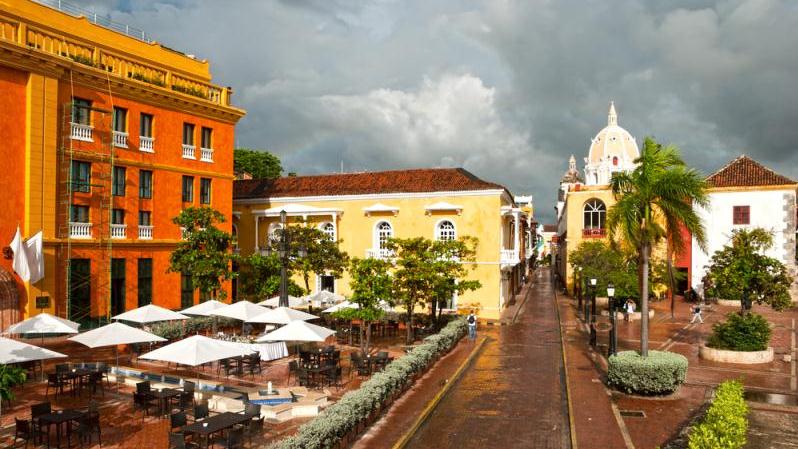
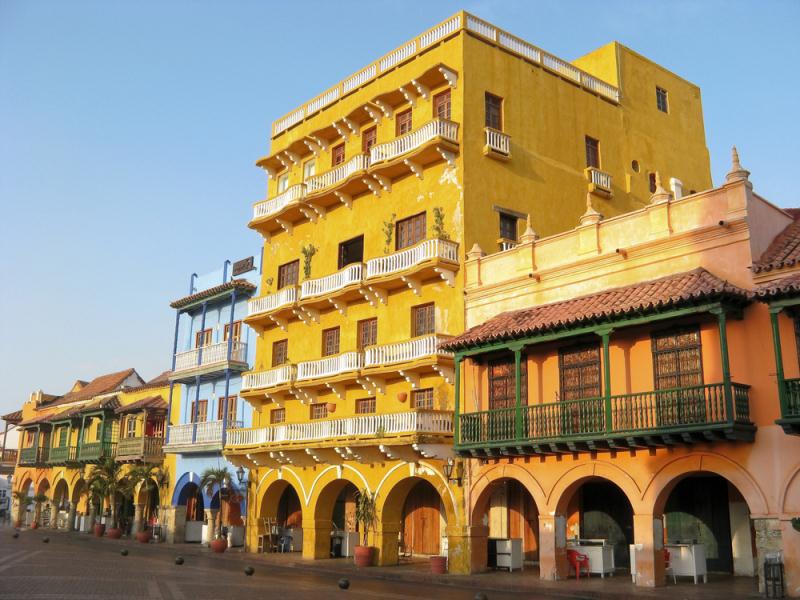
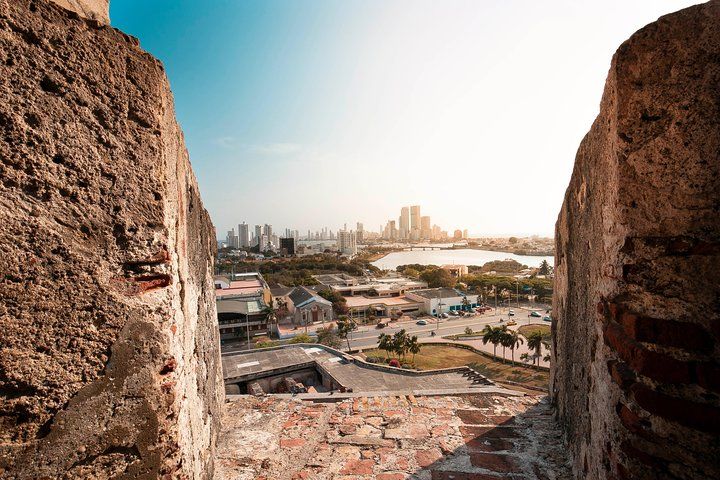
Cartagena's ancient walled city is the reason the city exists on the cruise itinerary, and it justifies every superlative attached to it. The walls themselves — up to 60 feet high and 55 feet wide in places, constructed over more than a century of Spanish colonial engineering — enclose a remarkably intact historic center where the architecture, the street grid, and in many places the atmosphere have changed remarkably little over centuries. The neighborhoods of El Centro and San Diego are the heart of the historic core: Plaza Bolívar anchors the formal civic heart with its cathedral, palace of the Inquisition, and shaded benches; the Portal de los Dulces is lined with vendors selling traditional sweets; and around every corner, another painted mansion of ochre, turquoise, or coral commands a photograph. Walking the top of the walls themselves at sunset is one of the great free pleasures of the Caribbean.
Castillo San Felipe de Barajas — The Fortress Above the City
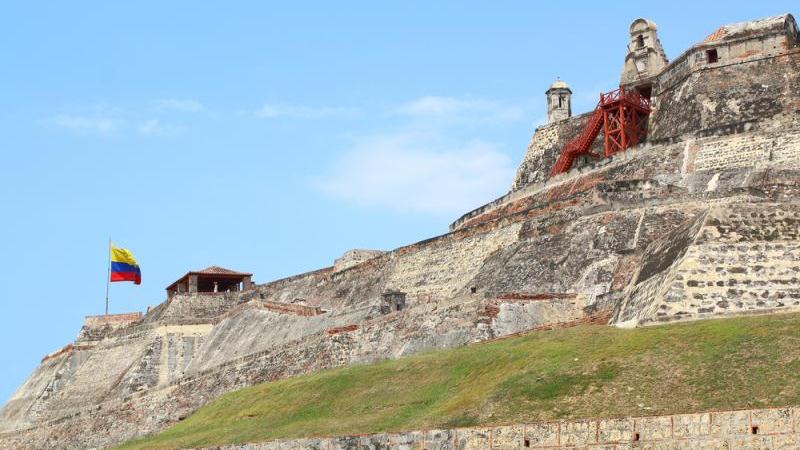
Crowning a hill overlooking the city, the Castillo San Felipe de Barajas is the largest and most sophisticated Spanish colonial fortress ever built in the Americas — a designation that understates just how extraordinary this structure is. Construction began in 1536 and continued for more than a century as Spanish engineers created an almost impossibly complex system of tunnels, ramps, and overlapping fields of fire designed to make the fort impregnable. It largely succeeded: despite repeated attempts by English privateers, including Sir Francis Drake and Baron Pointis, the fortress never fell to direct assault. A visit here rewards curiosity — explore the network of interior tunnels (bring a flashlight or phone light), climb to the upper batteries for panoramic city views, and spend time with the interpretive displays that bring the site's layered military history to life.
Getsemaní — Street Art, Local Life & Authentic Cartagena
Just outside the old city walls, the neighborhood of Getsemaní has undergone a remarkable cultural renaissance in recent years, transforming from a neighborhood cruise guidebooks once flagged with caution to one of the most compelling and creative urban spaces in all of Latin America. The streets of Getsemaní are an open-air gallery of world-class murals — sweeping, politically engaged, technically brilliant works by Colombian and international artists that have made the neighborhood a destination in its own right. Plaza de la Trinidad, the neighborhood's social heart, fills every evening with locals playing cards, children on bikes, and impromptu music. Boutique restaurants, artisan bars, and independent art studios line the surrounding streets. This is where Cartagena lives, breathes, and creates — and it's a 10-minute walk from the cruise terminal.
The Rosario Islands — Caribbean Waters Beyond the City
For those whose Cartagena day calls for turquoise water rather than cobblestone streets, the Islas del Rosario — a protected archipelago of 27 coral islands about 35 miles southwest of the city — offer a genuinely stunning Caribbean escape. The islands are part of Corales del Rosario y San Bernardo National Natural Park, and their waters are among the clearest and most biodiverse in Colombia's Caribbean territory. Day boats depart from the pier near the walled city and typically include snorkeling, beachside time, and lunch at one of the island's open-air restaurants. The journey takes about 75–90 minutes by fast boat. Note: the island beaches themselves are modest in size, and the experience is more about the reef snorkeling and tropical setting than expansive stretches of sand.
Colombian Emeralds, Crafts & Market Shopping
Cartagena is one of the best places in the world to purchase Colombian emeralds — the country produces roughly 70–90 percent of the world's finest-quality green stones. The walled city contains dozens of reputable jewelers with certified stones and internationally recognized guarantees. For those seeking crafts, textiles, and artisan goods, the Las Bóvedas arcade — a series of restored Spanish colonial vaults built into the city wall — houses a row of craft shops selling hammocks, ceramics, leather goods, and woven mochilas (traditional Colombian bags). The Portal de los Dulces in Plaza de los Coches is the place for traditional Colombian sweets. Bargaining is acceptable at craft stalls but not at established jewelry stores.
Colombian Gastronomy — Food as Cultural Experience
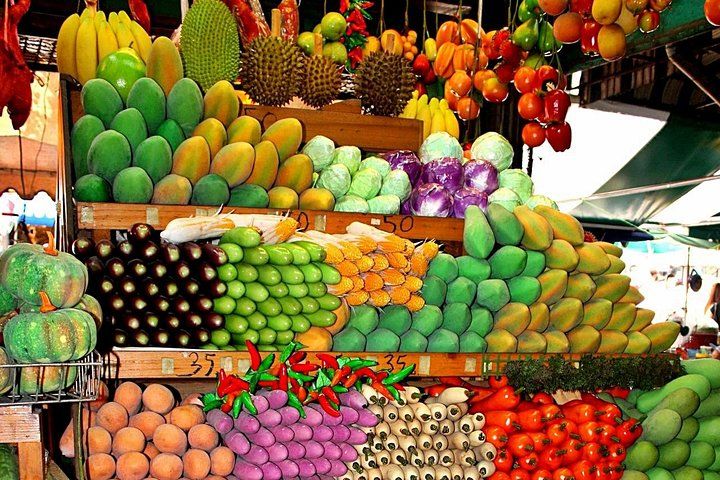
Cartagena's food scene has evolved in step with Colombia's broader culinary renaissance, and a meal in the walled city now rivals what you'd find at sophisticated restaurants in Bogotá or Medellín. The city's Caribbean identity shines in dishes built around coconut, plantain, fresh seafood, and tropical fruit. Arepas de huevo — golden, egg-stuffed corn cakes fried to order on street corners — are an essential experience at a few hundred pesos each. The local ceviche, brightened with lime and aji amarillo, is exceptional. For a full meal, the restaurants of the walled city range from casual courtyard spots to refined tasting-menu experiences, with the freshest Caribbean seafood on offer at most. Street food in Getsemaní offers another, more local dimension to the city's flavors.
Cartagena travel tips
Start Walking Early — Before the Heat Peaks. Cartagena sits at 10 degrees north of the equator, and the midday heat and humidity can be formidable, especially when you're walking cobblestone streets surrounded by stone walls that absorb and radiate warmth. Plan to be in the walled city early — ideally by 8:00 or 9:00 AM — for the most comfortable outdoor exploration. Seek shade and cold drinks during the peak heat of midday (roughly 11 AM to 2 PM), then resume walking in the late afternoon as temperatures ease. The evening light in the walled city, particularly on the golden facades of the colonial buildings, is extraordinary.
The Walk from the Cruise Terminal Is Manageable. Cartagena's cruise terminal (Muelle de Cruceros) is located just outside the historic walls, and the walk to the nearest city gate — Las Murallas — takes only 5–10 minutes along a well-marked, safe pedestrian route. You do not need a taxi to reach the walled city, though taxis and tuk-tuks are available at the terminal if you prefer. Once inside the walls, everything within the historic center is walkable. Comfortable footwear with good grip is recommended — the colonial cobblestones are charming but uneven.
Handle Emerald Purchases with Care. Colombia produces some of the world's finest emeralds, and Cartagena has excellent established jewelers. If you're considering a significant purchase, buy only from stores with certificates of authenticity and international return policies. Reputable dealers will provide grading documentation and explain the stone's origin, cut, and clarity. Be cautious with very aggressive street vendors offering remarkable deals — quality emeralds at legitimate prices are rarely found outside licensed stores. For smaller, lower-stakes souvenir jewelry, the craft arcades in Las Bóvedas offer a wide selection at reasonable prices.
Use Pesos for Day-to-Day Purchases. While US dollars are sometimes accepted in larger tourist-facing businesses, the local economy runs on Colombian pesos and you'll get better value — and smoother transactions — if you pay in local currency. ATMs are widely available in and around the walled city and dispense pesos at favorable rates. Withdraw enough for your full day ashore. Credit cards are accepted at most sit-down restaurants and larger shops. Street food and market vendors almost universally prefer cash pesos.
Explore Getsemaní — It's Worth the Extra 10 Minutes. Many cruise visitors stay exclusively within the walled city and miss Getsemaní, the neighborhood immediately adjacent to the walls on the landward side. This would be a meaningful omission. The neighborhood's street art is world-class, Plaza de la Trinidad offers a window into authentic Cartagenero daily life, and several of the city's most interesting independent restaurants and bars are located here. The walk from the city walls to Getsemaní takes under 10 minutes. Exercise the same basic urban awareness you would in any neighborhood — it is safe for tourists — and you'll find it one of the most memorable parts of your day.
Negotiate Taxi Fares Before You Enter. Taxis in Cartagena do not use meters by default in tourist areas — drivers and passengers agree on a price before the ride begins. This is the normal system and not a scam, but it does require a brief negotiation. From the cruise terminal to the walled city, a fair fare is typically a few thousand pesos (well under US$5). From the walled city to Castillo San Felipe, slightly more. Ask your hotel or a local for current fair price benchmarks, or look up recent traveler reports before your visit. Once you've agreed on a price, the system works smoothly.
Port Facts Every Cruiser Needs To Know
Cartagena shore excursion FAQs
Cruise ships dock directly at Cartagena's dedicated Muelle de Cruceros (cruise terminal), so there is no tendering. The terminal is located just outside the historic walled city — a 5–10 minute walk to the nearest city gate, or a very short taxi or tuk-tuk ride if you prefer. Facilities at the terminal include taxis, tour operators, currency exchange, and basic shops. The ease of access makes Cartagena one of the most immediately accessible ports in the Caribbean.
Yes. The walled city (Ciudad Amurallada), the adjacent Getsemaní neighborhood, and the areas around Castillo San Felipe are safe and well-trafficked by tourists and locals alike. Colombia's security situation has improved dramatically over the past two decades, and Cartagena has long been one of the country's safest major cities. Standard precautions apply: keep valuables secured and out of display, be aware of your surroundings, avoid wandering far into unfamiliar areas away from tourist zones, and use licensed taxis. The vast majority of visitors explore independently without any issue.
The walled city's core sights — Plaza Bolívar, the Cathedral, the Palace of the Inquisition, Las Bóvedas, a walk along the city walls, and the surrounding streets — can be covered in 2–3 hours of walking. Adding Castillo San Felipe (a 10–15 minute taxi or tuk-tuk ride from the walled city) adds another 1–1.5 hours. A visit to Getsemaní neighborhood adds 1–2 hours more. A full day ashore (6–8 hours) allows a comfortable, unhurried experience of all these areas plus a relaxed lunch. Day trips to the Rosario Islands require most of your day ashore.
Walking is the simplest option — the terminal is a 5–10 minute walk to the city walls along a clear, safe pedestrian route. Taxis and tuk-tuks are available immediately outside the terminal for those who prefer not to walk in the heat. The fare should be a few thousand Colombian pesos (under US$5) — agree on the price before entering. Horse-drawn carriages are also available for a more scenic (and slower) entry into the city, typically operating in the evenings.
Yes, but plan carefully. Fast boats to the Rosario Islands depart from the pier near the walled city and take approximately 75–90 minutes each way. Combined with time on the islands, you should budget 5–6 hours minimum for the round trip. This leaves limited time for exploring Cartagena itself. Choosing between the city and the islands is the classic Cartagena day-tripper dilemma — both experiences are excellent, but doing both justice in one day is a stretch. If it's your first visit to Cartagena, many travelers recommend prioritizing the city.
Getsemaní is the neighborhood immediately adjacent to the old city walls on the landward side — a 10-minute walk from the cruise terminal. Once considered rough-edged and overlooked, it has transformed over the past decade into one of Latin America's most vibrant urban neighborhoods. It is famous for its extraordinary street murals (some of the best urban art in the hemisphere), its authentic local atmosphere centered on Plaza de la Trinidad, and a growing cluster of excellent restaurants and creative spaces. It offers a counterpoint to the polished tourism of the walled city and is highly recommended for any visitor with a couple of spare hours.
Cartagena is one of the world's premier markets for Colombian emeralds, which are among the finest green gemstones produced anywhere on earth. For significant purchases, buy only from established, licensed jewelers in the walled city who provide grading certificates, warranties, and ideally international return policies. Reputable dealers will explain the stone's color grade, clarity, and origin. Avoid purchasing from aggressive street vendors promising remarkable prices — the quality and authenticity of such stones is unreliable. For decorative jewelry and lower-cost purchases, the craft stalls at Las Bóvedas are a safer and enjoyable option.
Start with arepas de huevo — golden, egg-stuffed corn cakes fried fresh by street vendors, typically a few hundred pesos each and absolutely delicious. Fresh ceviche brightened with lime and local chilis is exceptional. Coconut rice (arroz con coco) accompanies almost every seafood dish and is a Caribbean staple here. For a sit-down meal, the courtyard restaurants of the walled city serve excellent Caribbean-influenced Colombian food; Getsemaní has younger, more adventurous dining options at lower prices. Cold fresh fruit juices — lulo, maracuyá (passion fruit), mango — are refreshing essentials in the heat.
Absolutely, particularly if you have an interest in history, military architecture, or simply want to see extraordinary views over the city and bay. The fortress is about 10–15 minutes by taxi or tuk-tuk from the walled city and well-signed. Allow 1–1.5 hours to explore the grounds, tunnel network, and upper batteries properly. The entrance fee is modest (a few thousand Colombian pesos). Go earlier in the day to avoid peak heat at the largely unsheltered upper levels. The combination of the walled city and the castle makes for an excellent full-morning or full-afternoon of history.
Cartagena's Caribbean climate is warm and humid year-round, with average temperatures between 82°F and 90°F (28°C–32°C). The primary cruise season aligns with Colombia's drier months (roughly December through April), when rainfall is minimal and humidity is slightly more comfortable. Even in the dry season, midday sun is intense — sunscreen, a hat, and hydration are essential. Brief tropical showers can occur at any time of year but are typically short-lived. The city's stone walls and narrow colonial streets provide shade, making walking more manageable than it might seem at first glance.
Filters
Select a filter to refine results.
Tour Type
Tour Activity
 Cart
Cart
 USD
USD GBP
GBP AUD
AUD EUR
EUR CAD
CAD