



Tours in Cancun


Cruising to Cancun in a group?
Skip the crowded ship excursion bus. One dedicated planner will design a private shore experience around exactly what your group wants — coordinated from first enquiry to the moment you're back on board. More memorable, more flexible, and more affordable than you might expect. Spend less time organising, more time enjoying.
Explore Group Travel →Cruising to Cancun
Few cruise destinations manage to be two entirely different places at once, but Cancun pulls it off with effortless style. On one hand, it is the undisputed capital of Mexico's Caribbean coast — a glittering strip of resort hotels lining a barrier island where the water shifts from jade to sapphire and the sand is so fine and white it squeaks underfoot. On the other, it is the gateway to one of the most storied civilizations ever to rise on this continent, with ancient Mayan cities rising from the jungle just an hour or two away.
For cruise travelers stepping ashore with six to ten hours to spend, the essential choice is this: beach day or cultural adventure. Those who choose the sand will find the Hotel Zone's public beaches among the best in the Caribbean — calm lagoon waters on one side, open ocean swells on the other, and a full complement of watersports, beach clubs, and fresh ceviche stands in between. Those drawn inland discover a landscape riddled with cenotes — luminous, cathedral-like sinkholes filled with crystalline freshwater — and roads that lead to Tulum's dramatic cliff-top ruins or to the towering pyramids of Chichen Itza, one of the Seven Wonders of the Modern World.
Cancun's talent is accommodation: it has spent decades perfecting the art of welcoming visitors, which means transport is organized, English is universally spoken in tourist areas, and the gap between pier and paradise is surprisingly short. Whether you spend the day horizontal on a lounger with a michelada in hand or breathless at the foot of El Castillo pyramid, this is a port that rewards ambition and indolence in equal measure.
Top things to do in Cancun on a cruise stopover
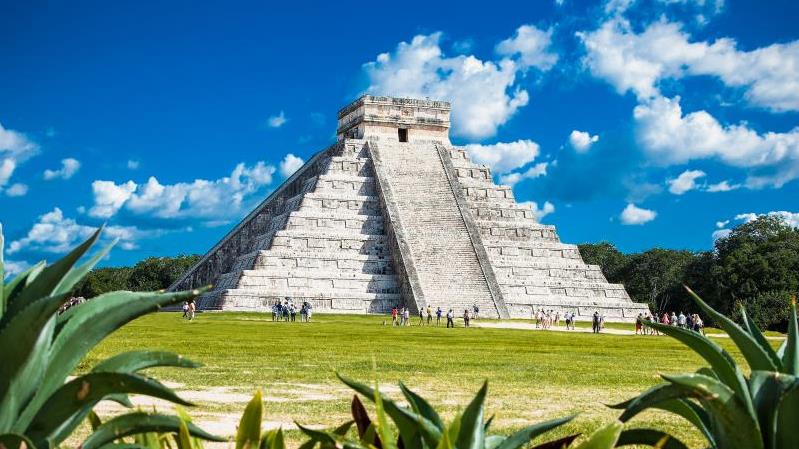
Chichen Itza: One of the Wonders of the Modern World
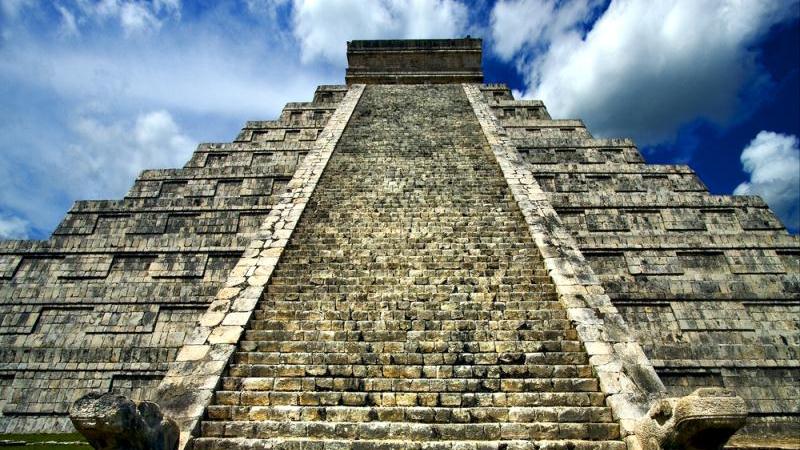
Rising from the flat Yucatan jungle, the stepped pyramid of El Castillo is one of those rare sights that exceeds all expectation in person. Built by the Maya around the 9th–12th centuries CE and designated a UNESCO World Heritage Site, Chichen Itza is Mexico's most visited archaeological zone — and for good reason. The precision of its astronomical alignments is staggering: at the spring and autumn equinoxes, shadows create the illusion of a serpent descending the pyramid's northern staircase. Beyond El Castillo lies the Great Ball Court (the largest in Mesoamerica), the Temple of the Warriors, and the Sacred Cenote where offerings — and people — were cast into the depths. From Cancun it is a 2–2.5 hour drive each way, making it a full-day commitment best undertaken via organized shore excursion to ensure a timely return to the ship.
Tulum: Cliff-Top Ruins Above a Turquoise Sea
No ancient city in Mexico has a more dramatic setting than Tulum. Perched on a 12-meter limestone cliff above the Caribbean, this late-period Mayan walled city gazes out over water of an almost surreal blue-green. While smaller and less complex than Chichen Itza, Tulum's photogenic power is unmatched — the Castillo temple framed against open ocean is one of the iconic images of Mexican archaeology. The site dates primarily from the 13th–15th centuries and was one of the last cities built and inhabited by the Maya. Below the cliffs, a small beach provides a perfect spot for a swim after exploring the ruins. Tulum town, a short distance away, has evolved into a stylish destination with excellent restaurants and boutiques. The drive from Cancun is approximately one hour, making it a more achievable excursion for cruise visitors.
Cenotes: Swimming in the Maya's Sacred Underworld
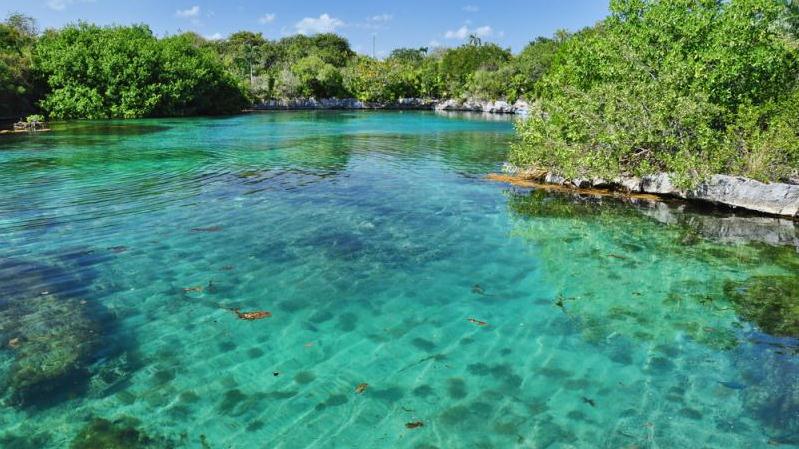
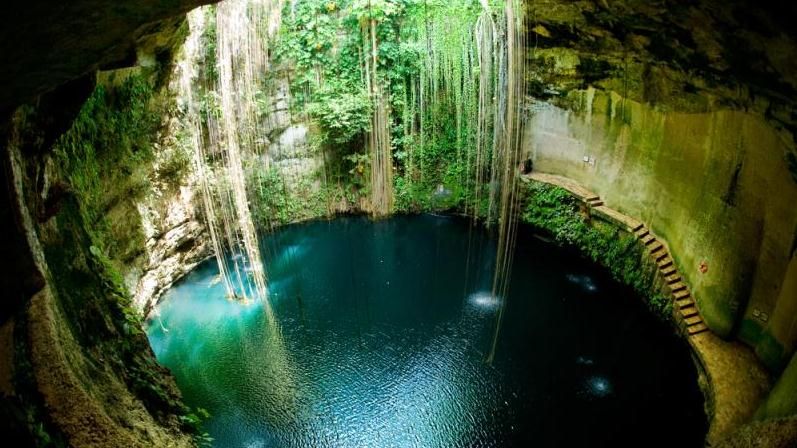
The Yucatan Peninsula sits atop a vast limestone shelf riddled with sinkholes called cenotes — natural pools formed when the cave ceiling collapses to reveal the freshwater aquifer below. The Maya considered them sacred portals to the underworld; today they are among the most spectacular swimming experiences in the Caribbean. Sunlight pierces the surface in shafts through jungle canopy or cave openings, illuminating water of extraordinary clarity and blue-green luminescence. Some cenotes are open-air pools; others are semi-submerged caverns strung with stalactites. Popular accessible options near Cancun include Ik-Kil (adjacent to Chichen Itza), Dos Ojos near Tulum, and several at the Tres Rios eco-park — many reachable within 30–45 minutes of the port.
Cancun Hotel Zone Beaches: Caribbean Perfection
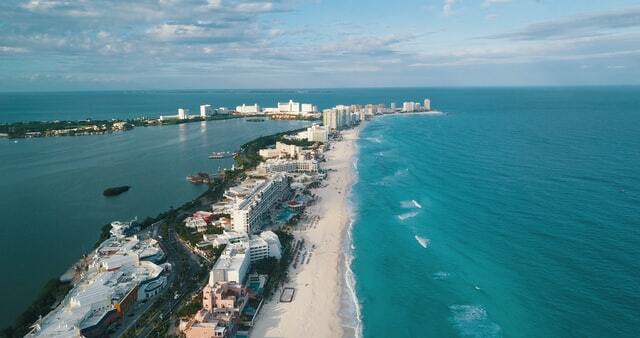
The Hotel Zone — Zona Hotelera — is a narrow barrier island curving 22 kilometers along the coast, with the calm turquoise Nichupte Lagoon on one side and the open Caribbean on the other. Its public beaches are among the finest in Mexico: powder-soft white sand composed of tiny coral particles that stays cool even in direct sun, lapped by water that transitions through every shade of blue and green. Playa Delfines, at the southern end of the strip, is considered the most beautiful public beach and offers unobstructed views without the resort crowds. Watersports — jet skis, parasailing, paddleboarding, snorkel trips to nearby reefs — are available at virtually every beach access point. Beach clubs offer day passes with sun loungers, pool access, and food and drink service.
Snorkeling & Diving the Mesoamerican Barrier Reef
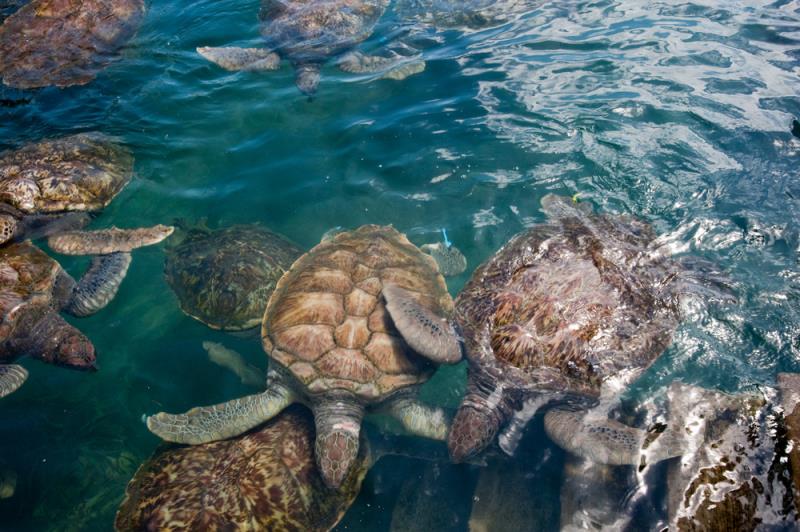
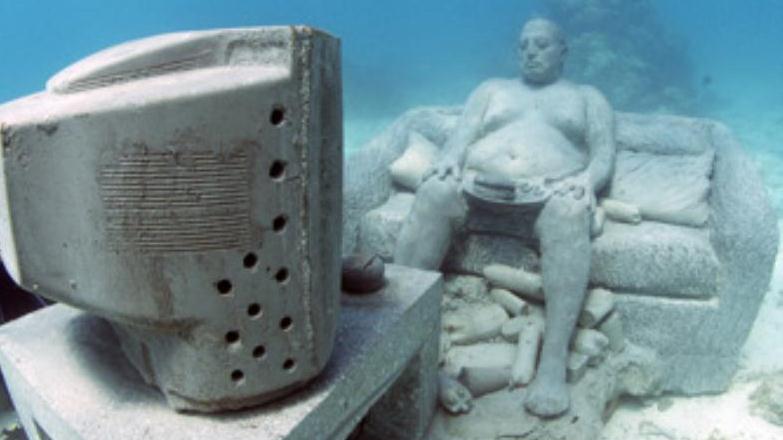
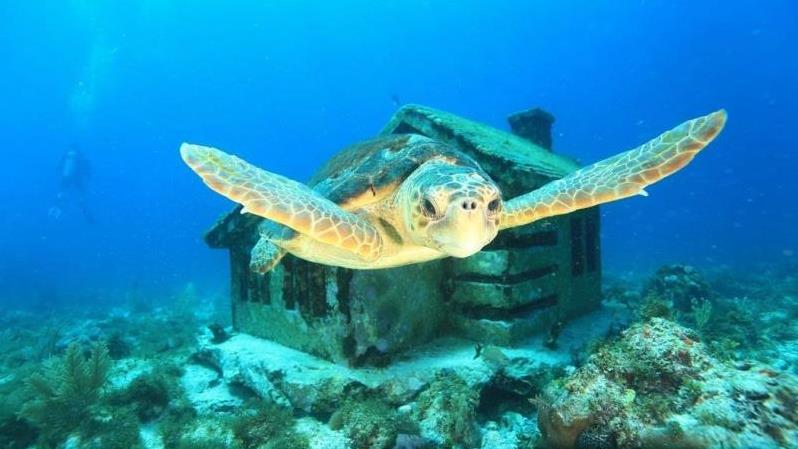
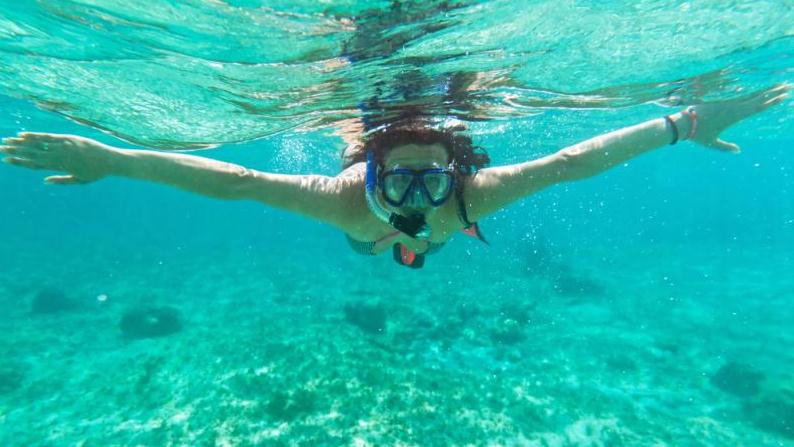
Cancun sits at the northern tip of the Mesoamerican Barrier Reef — the second-largest reef system on Earth, stretching nearly 1,000 kilometers south to Honduras. The reefs here are remarkably accessible: day-trip snorkel boats depart regularly from the Hotel Zone marina and can reach healthy coral gardens in under 20 minutes. Expect to encounter parrotfish, sergeant majors, spotted eagle rays, green sea turtles, and in season, whale sharks — the largest fish in the ocean — that congregate off the coast from May through September. Experienced divers can arrange trips to the Cancun Underwater Museum (MUSA), where 500-plus submerged sculptures create an eerie artificial reef that has attracted extraordinary marine life since its installation.
Mercado 28 & Downtown Cancun: Local Color Beyond the Strip
Beyond the resort corridor lies the real Cancun — a sprawling city of nearly a million people with its own distinct character. Mercado 28, the city's main artisan market, is a maze of stalls selling hammocks, silver jewelry, hand-embroidered huipil blouses, painted Talavera ceramics, and the full spectrum of Mexican craft production. Bargaining is expected and half the fun. Nearby, the Parque de las Palapas is a beloved local gathering place shaded by thatched-roof shelters where families picnic and street food vendors assemble in the evenings. The downtown area also has several excellent Yucatecan restaurants where the prices are local and the cooking is the real thing — a worthwhile contrast to the internationalized Hotel Zone dining scene.
Cancun travel tips
Book Chichen Itza Excursions Through the Ship or a Reputable Operator. Chichen Itza is 2–2.5 hours each way from Cancun — a total of 4–5 hours in transit alone. If your ship is in port for 8 hours or less, this leaves precious little time at the site itself. The non-negotiable advantage of a ship-sponsored or established third-party excursion is a guaranteed return: the bus will not leave without you, and if something goes wrong on the road, the tour operator communicates with the ship. Independent travelers who self-drive or hire private taxis take on the risk of missing departure — and Cancun is not a tender port where ships routinely hold. Book early; Chichen Itza tours sell out on popular itineraries.
Sun Protection is Non-Negotiable at This Latitude. Cancun sits at approximately 21 degrees north latitude — closer to the equator than most North American or European visitors are accustomed to. The UV index regularly reaches 11 (extreme) on clear days, and the combination of white sand and water reflection amplifies exposure dramatically. Apply broad-spectrum SPF 50 sunscreen at least 30 minutes before beach or ruin time, reapply every 90 minutes, and bring a hat and UV-protective clothing for archaeological sites where shade is minimal. Reef-safe sunscreen (without oxybenzone and octinoxate) is strongly encouraged — and in some areas of the Riviera Maya, legally required — to protect the coral reef ecosystem.
Hydrate Aggressively, Especially at Ruins. Archaeological sites like Chichen Itza and Tulum involve significant walking on exposed limestone platforms under direct tropical sun, often with limited shade. Heat exhaustion is a genuine risk, particularly in the warmer months (April–October). Carry at least one liter of water per person and plan to purchase more at site vendors. Coconut water sold along the road to most ruins is an excellent natural electrolyte replenisher. Eat before touring — low blood sugar compounds heat effects rapidly. If anyone in your group feels dizzy, nauseous, or stops sweating, move immediately to shade and shade and seek assistance.
Understand Beach Club Day Passes Before You Commit. Many of Cancun's most appealing beach spots front private resort or beach club properties. Day passes — which typically include a sun lounger, beach access, pool use, and a food/drink credit — range from $40 to $150 USD per person depending on the property and season. This is a legitimate and comfortable option, particularly for travelers who prefer organized amenities and guaranteed seating. However, Cancun also has several excellent free public beaches — Playa Delfines being the standout — where facilities are more basic but the sand and water are identical. Decide what experience you want before stepping into the Hotel Zone, where beach club touts can be persistent.
US Dollars Work, but Pesos Get You Better Value. Accepting US dollars in tourist areas is a courtesy, not an obligation, and establishments offering this convenience typically apply unfavorable exchange rates — often 10–15% below market. Withdrawing pesos from an ATM (use bank-affiliated machines and always choose to be charged in local currency, not USD) before heading to markets, cenote entry booths, street food stalls, and colectivo buses will stretch your budget noticeably. Major restaurants and shops accept credit cards reliably, though a small tip for the card machine's network fee is sometimes requested. Carry some small peso notes for beach bathroom attendants, snack vendors, and casual tipping.
Mind the Maritime Flag System on Public Beaches. Cancun's public beaches use a colored flag system to indicate ocean conditions: green (calm, safe), yellow (moderate caution), red (dangerous, swimming prohibited), and black (extremely dangerous, no water access). The open Caribbean side of the Hotel Zone is subject to strong rip currents and wave action that can turn rapidly with weather changes. These flags are enforced by lifeguards, and the warnings should be taken seriously — several drownings occur each year among tourists who underestimate the sea. The lagoon side of the barrier island is almost always calmer and ideal for families or weaker swimmers. Check flag status when you arrive at any beach.
Port Facts Every Cruiser Needs To Know
Cancun shore excursion FAQs
Cruise ships calling at Cancun typically dock at Puerto Juárez or use the Punta Langosta pier near downtown Cancun, depending on the cruise line and vessel size. Some itineraries tender passengers ashore. The pier area is on the mainland side, roughly 10–20 minutes by bus or taxi from the Hotel Zone beaches. Tulum is approximately 1 hour south; Chichen Itza is 2–2.5 hours west. Always confirm your specific ship's docking arrangement with your cruise line, as it affects how you plan your day.
Yes, but it requires careful time management. The round trip from Cancun is 4–5 hours of driving alone, which means a port day of at least 9–10 hours is strongly recommended. Most cruise-sponsored excursions are designed to fit within port hours and include guided time at the site. Independent travelers should arrange private transfers or organized tours rather than attempting to navigate public transportation, which adds time and complexity. Depart as early as the ship allows — Chichen Itza gets progressively crowded and hotter as the morning progresses.
For a free, no-reservation option, Playa Delfines at the southern end of the Hotel Zone is widely regarded as the most beautiful public beach — wide, uncrowded compared to resort fronts, with a famous Cancun sign popular for photos. For an organized experience with amenities, beach club day passes at properties like Mandala Beach, Temptation, or Nikki Beach offer loungers, pool access, and food service. Families may prefer the calmer lagoon-side beaches or the protected water at Playa Tortuga. Avoid the section of beach immediately in front of the dense mid-Hotel Zone hotel strip, which can be crowded.
Many cenotes are suitable for children and non-swimmers with life jackets, though conditions vary by site. Open-air cenotes like Ik-Kil (near Chichen Itza) and Cenote Azul near Playa del Carmen have calm, clear water with gentle depth gradations. Cave cenotes, which require swimming through partially submerged passages, are better suited for confident swimmers and are not recommended for young children or anyone uncomfortable in confined spaces. Life jackets and snorkel gear are typically available to rent at most sites. Always check the specific cenote's conditions and facilities before committing, especially with children.
Tap water in Cancun is not recommended for drinking. Stick to bottled or purified water, which is available everywhere — hotels, convenience stores, beach vendors, and archaeological sites. Ice in reputable restaurants and beach clubs is typically made from purified water and is generally safe. Avoid ice from unknown sources, particularly from street vendors. Bottled water in Mexico is inexpensive — roughly 15–25 pesos for a 600ml bottle — so there is little reason to take risks. Staying well hydrated is especially important given the heat and sun exposure typical of a Cancun shore day.
Comfortable, lightweight clothing is essential for visiting Mayan ruins under the tropical sun. Closed-toe shoes or sturdy sandals with good grip are strongly recommended — uneven limestone surfaces and stone steps at steep inclines can be treacherous in flip-flops. Light-colored, breathable fabrics help manage heat. A hat with a brim and sunglasses are not optional luxuries but genuine necessities. Many visitors combine a ruins visit with a cenote swim, so packing a swimsuit and quick-dry towel in a small daypack adds great flexibility. Some cenotes require water shoes; bring an old pair or rent them on site.
The Hotel Zone and main tourist areas of Cancun have a strong security presence and are considered generally safe for visitors exercising normal urban caution. The beach resort strip, shopping malls, and archaeological sites attract millions of tourists annually without serious incident. Standard precautions apply: don't carry more cash than you need for the day, use ATMs inside bank branches or shopping centers rather than standalone machines, keep phones and cameras discreet in crowded markets, and use registered taxis or app-based rides (Uber operates in Cancun) rather than accepting rides from unlicensed drivers. Areas away from the tourist corridor warrant more caution.
Yes. Numerous watersports operators and dive centers are concentrated in and around the Hotel Zone marina and Puerto Juárez area, offering half-day snorkel trips to nearby reef systems, two-tank dive excursions, and specialty trips to the Cancun Underwater Museum (MUSA). Snorkel tours to the reef typically last 2–3 hours including transport, making them very compatible with a cruise schedule. For certified divers, the reef and MUSA dives are excellent — visibility is generally good, marine life is abundant, and operators are experienced with cruise clientele. Book at the pier or through the ship to ensure coordinated timing.
Whale sharks — the world's largest fish, reaching up to 12 meters — aggregate in the waters off Cancun and Isla Holbox from late May through mid-September, feeding on plankton near the surface. Swimming with whale sharks is a bucket-list experience offered by several licensed operators departing from Cancun. The experience involves snorkeling alongside these gentle filter-feeders in open water — they are completely harmless to humans. The season aligns with summer cruise calls, so visitors arriving between June and early September may have this option. Tours are regulated, include safety briefings and guides, and run approximately 5–6 hours total.
Beyond the ubiquitous tacos (which are excellent — particularly fish tacos al pastor), a Cancun port day is a chance to explore Yucatecan cuisine, one of Mexico's most distinctive regional traditions. Cochinita pibil — pork slow-roasted in banana leaves with bitter orange and achiote — is the defining dish of the peninsula and available at countless restaurants. Marquesitas (crispy rolled crepes filled with Edam cheese and sweet or savory toppings) are a beloved Cancun street snack. Fresh ceviche and aguachile (shrimp cured in lime and chili) showcase the coast's seafood bounty. Wash it all down with agua de Jamaica (hibiscus iced tea), horchata (rice milk with cinnamon), or a cold Yucatan-brewed beer.
Filters
Select a filter to refine results.
Tour Type
Tour Activity
 Cart
Cart
 USD
USD GBP
GBP AUD
AUD EUR
EUR CAD
CAD