



Tours in Puerto Limon


Cruising to Puerto Limon in a group?
Skip the crowded ship excursion bus. One dedicated planner will design a private shore experience around exactly what your group wants — coordinated from first enquiry to the moment you're back on board. More memorable, more flexible, and more affordable than you might expect. Spend less time organising, more time enjoying.
Explore Group Travel →Cruising to Puerto Limon
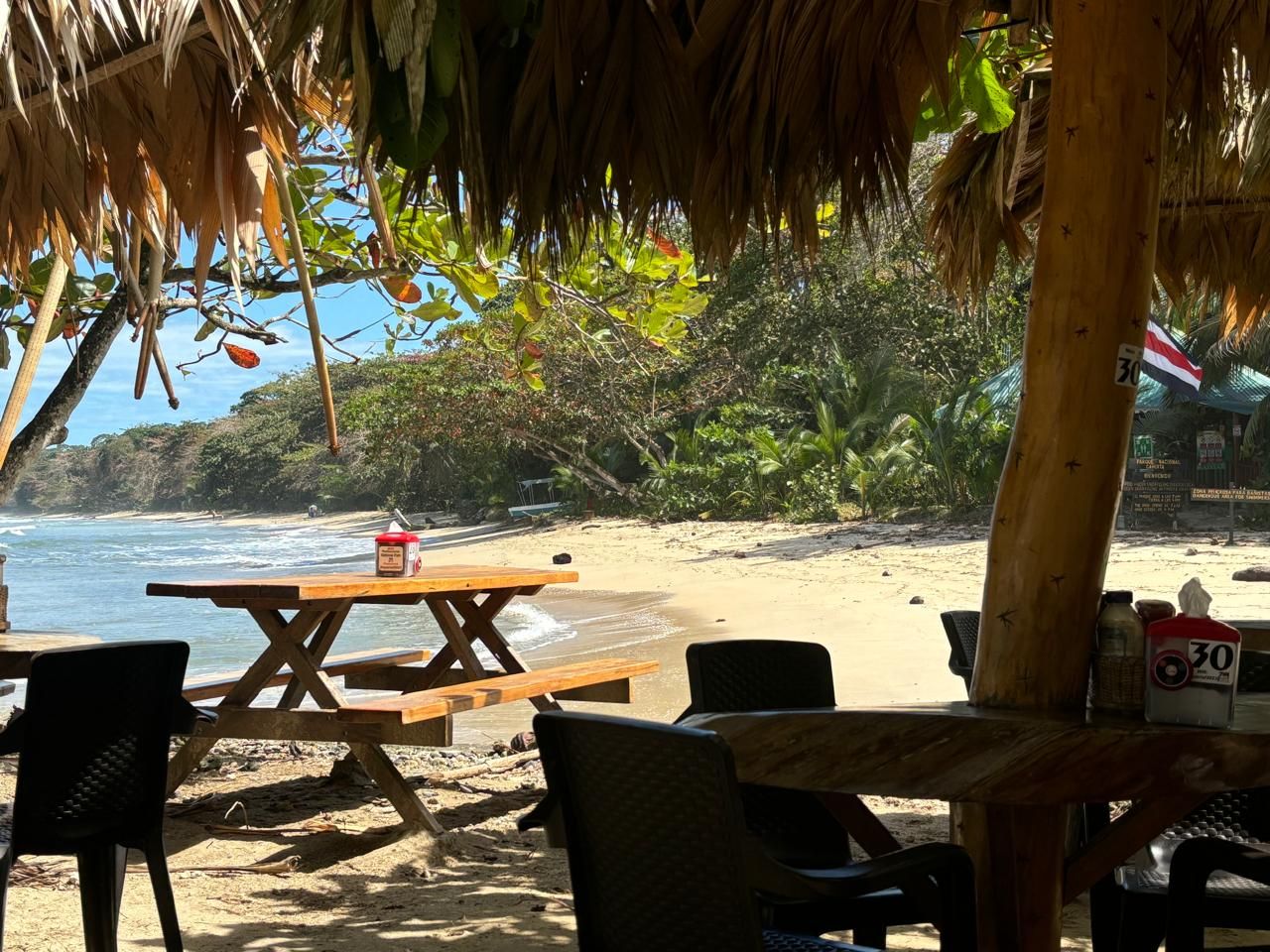
Costa Rica's Caribbean coast tells a different story than the country's Pacific face. Puerto Limón, the nation's principal Caribbean port, arrived at its modern identity through waves of Afro-Caribbean migration — laborers who built the railroad in the 19th century and stayed, weaving reggae rhythms, Creole cooking, and a proud Afro-Caribbean cultural tradition into the fabric of this rain-soaked, verdant coast. The result is a port city with a personality distinct from anything else in Central America, serving as the threshold to some of the hemisphere's most biologically diverse terrain.
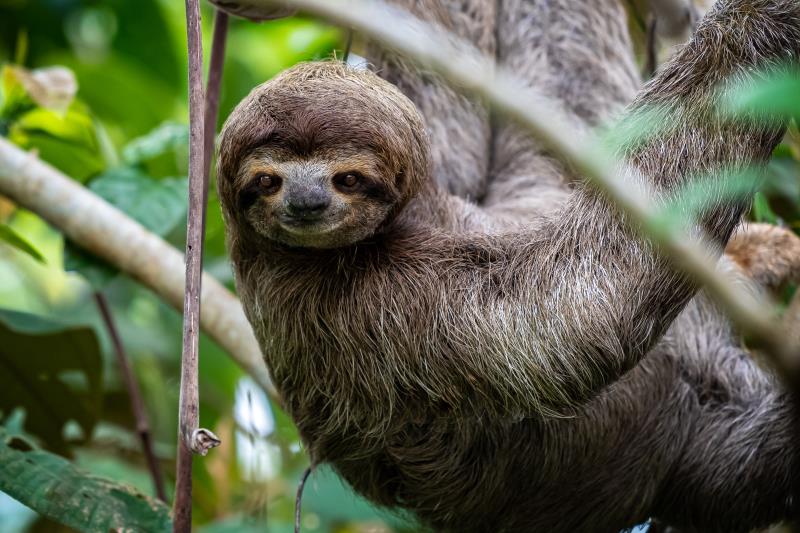
For cruise travelers, Limón functions primarily as a launching point rather than a destination in itself. The city is a working port with limited conventional tourism infrastructure in its center, but the surrounding natural attractions are extraordinary in their variety and accessibility. Within two hours in any direction lies Tortuguero National Park — a maze of jungle canals where green sea turtles haul ashore in staggering numbers — Cahuita National Park with its living coral reef and sloth-draped shoreline trees, and Veragua Rainforest, where aerial trams thread through cloud-shrouded canopy above pools of poison dart frogs.
The key to a rewarding day in Limón is deciding what kind of experience calls to you, then committing to it fully. This is not a port for leisurely strolling between shops — it is a port for immersive natural encounters. Whether you board a flat-bottomed canoe through Tortuguero's ink-dark waterways at dawn, snap photographs of three-toed sloths in Cahuita's beachside jungle, or peer at electric-blue dart frogs at Veragua, you will return to your ship with a contact high from wild, living Costa Rica that lingers long after the anchor lifts.
Top things to do in Puerto Limon on a cruise stopover
Tortuguero National Park
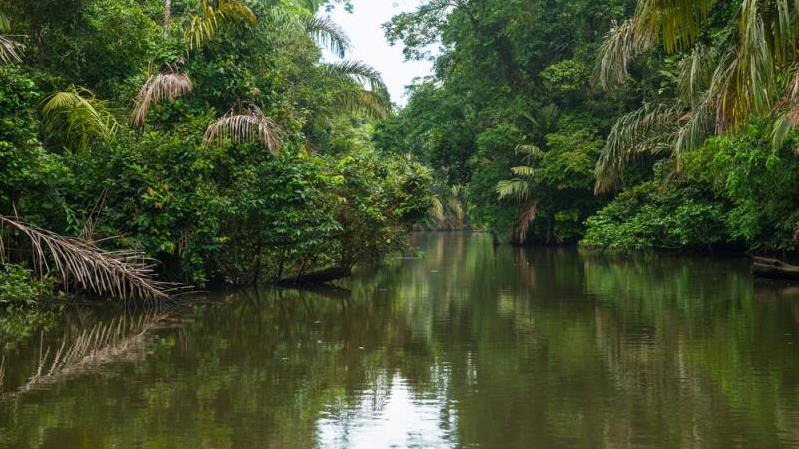
Called the 'Amazon of Costa Rica,' Tortuguero is a world unto itself: a roadless coastal park accessible only by boat or small aircraft, threaded by over 50 miles of natural canals lined with towering tropical forest. The park protects the most important nesting beach in the Western Hemisphere for the endangered green sea turtle — from July through October, thousands of females lumber ashore at night to lay eggs in the sand, and the spectacle is among the most profound wildlife encounters available to travelers anywhere. Even outside nesting season, Tortuguero canal tours reveal manatees, river otters, caimans, three-toed sloths, and a dazzling catalog of tropical birds. Reaching Tortuguero from Limón requires a 1.5–2 hour boat journey through the canals, making this a full-day excursion — but those who commit to it rarely describe it as anything less than unforgettable.
Cahuita National Park & Coral Reef Snorkeling
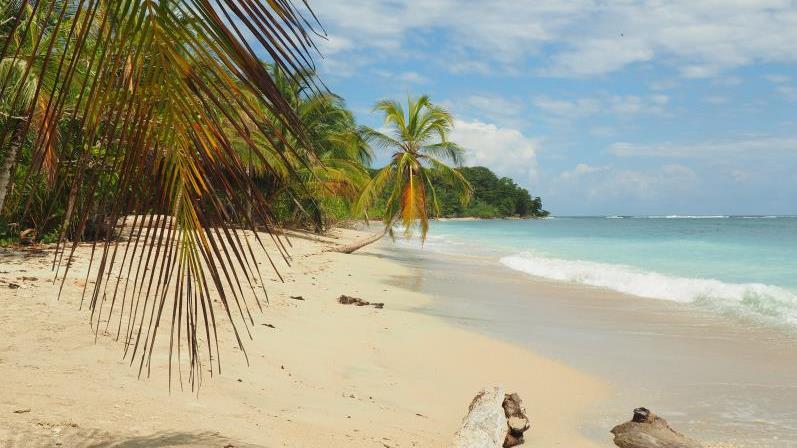
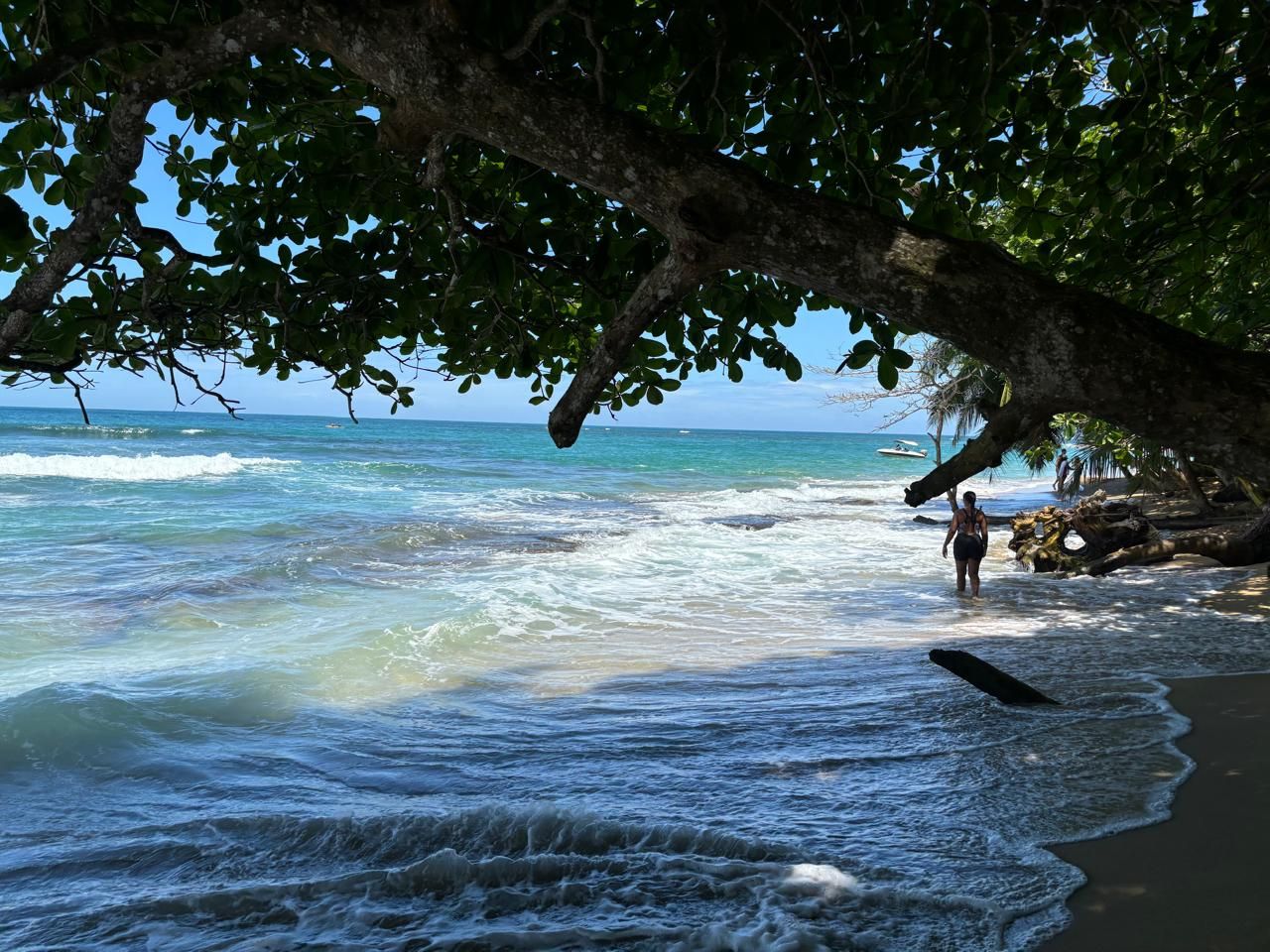
About 43 kilometers south of Limón along the Caribbean coast, Cahuita National Park protects one of Costa Rica's most accessible coral reef ecosystems alongside a strip of jungle-backed beach that feels genuinely wild. The reef — reachable by snorkel or guided boat tour — hosts hawksbill sea turtles, parrotfish, sergeant majors, and in lucky moments, nurse sharks resting on the sandy bottom. On shore, the park's coastal trail winds through humid forest where three-toed sloths drape themselves photogenically from cecropia trees and howler monkeys announce their territory with rolling baritone calls. The village of Cahuita itself is a small, relaxed Afro-Caribbean community with excellent sodas and a laid-back energy that feels authentically Costa Rican Caribbean. Day trippers from Limón typically have 3–4 hours here, which is ample.
Veragua Rainforest Research & Adventure Park
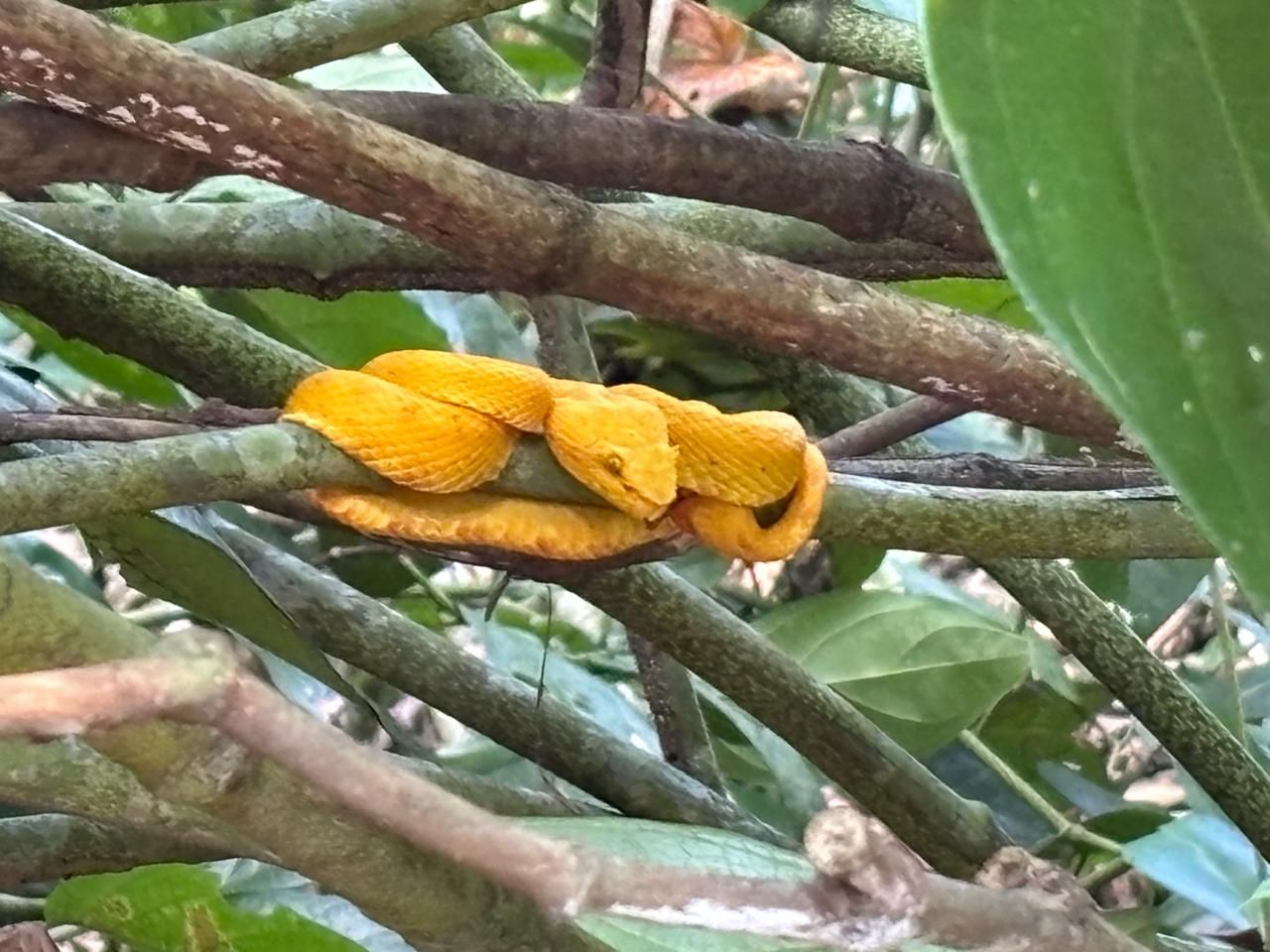
Closer to Limón than either Tortuguero or Cahuita, Veragua Rainforest sits about 25 kilometers west of the port and compresses an extraordinary range of rainforest encounters into a managed but genuinely wild setting. The park's aerial tram glides through multilayered canopy, providing eye-level views of bromeliads, orchids, and the bird life that inhabits the forest's upper stories. On the ground, dedicated exhibits showcase live poison dart frogs in stunning chromatic variety, snake species native to the Caribbean lowlands, and butterfly gardens with morphos so blue they appear almost electric. Guided night hikes through the forest reveal a different ecosystem entirely — one animated by tree frogs, tarantulas, and nocturnal insects. Veragua is the most time-efficient nature option for Limón port days: 30 minutes from the pier and richly rewarding in 3–4 hours.
Afro-Caribbean Culture & Limón City
Limón itself is often overlooked by cruise visitors eager to reach the surrounding nature, but the city carries a cultural narrative worth engaging. The Afro-Caribbean community that defines this coast descends primarily from Jamaican laborers brought by Minor Keith to build the Atlantic Railroad in the 1870s and 1880s — their musical, culinary, and linguistic heritage permeates every block. The city's Parque Vargas, a crumbling but beautiful tropical park along the harbor with resident sloths in its trees, is a Limón landmark. The Mercado Municipal offers fresh tropical fruit, local crafts, and the kind of sensory immersion that polished cruise terminals don't provide. August brings Limón's Carnival — the Caribbean Mardi Gras of Central America — with parades, calypso music, and revelry that draws the whole country.
Wildlife of the Caribbean Lowlands
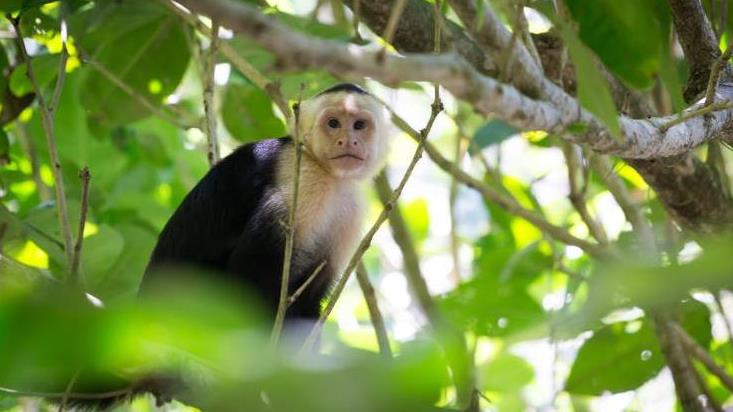
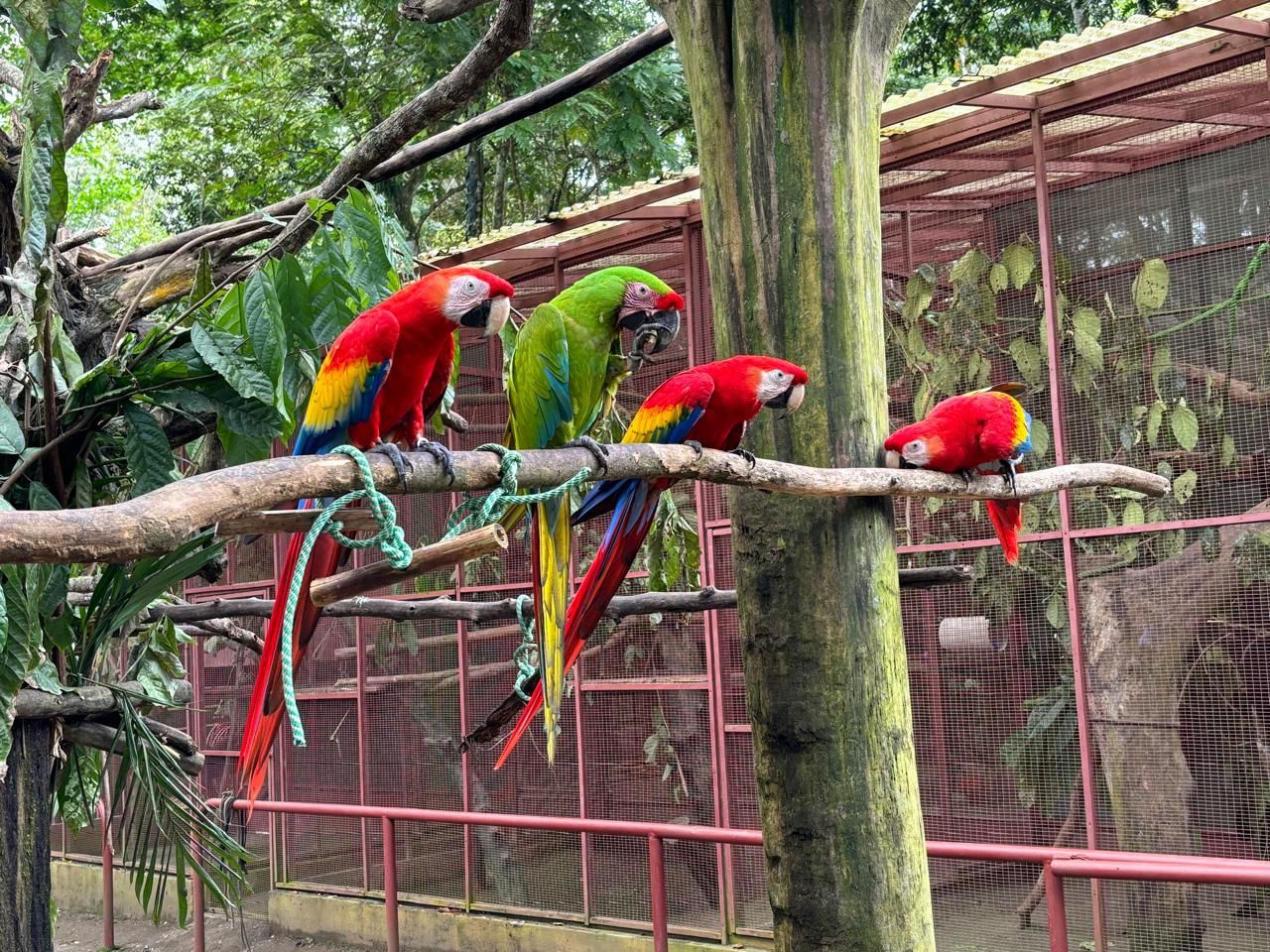
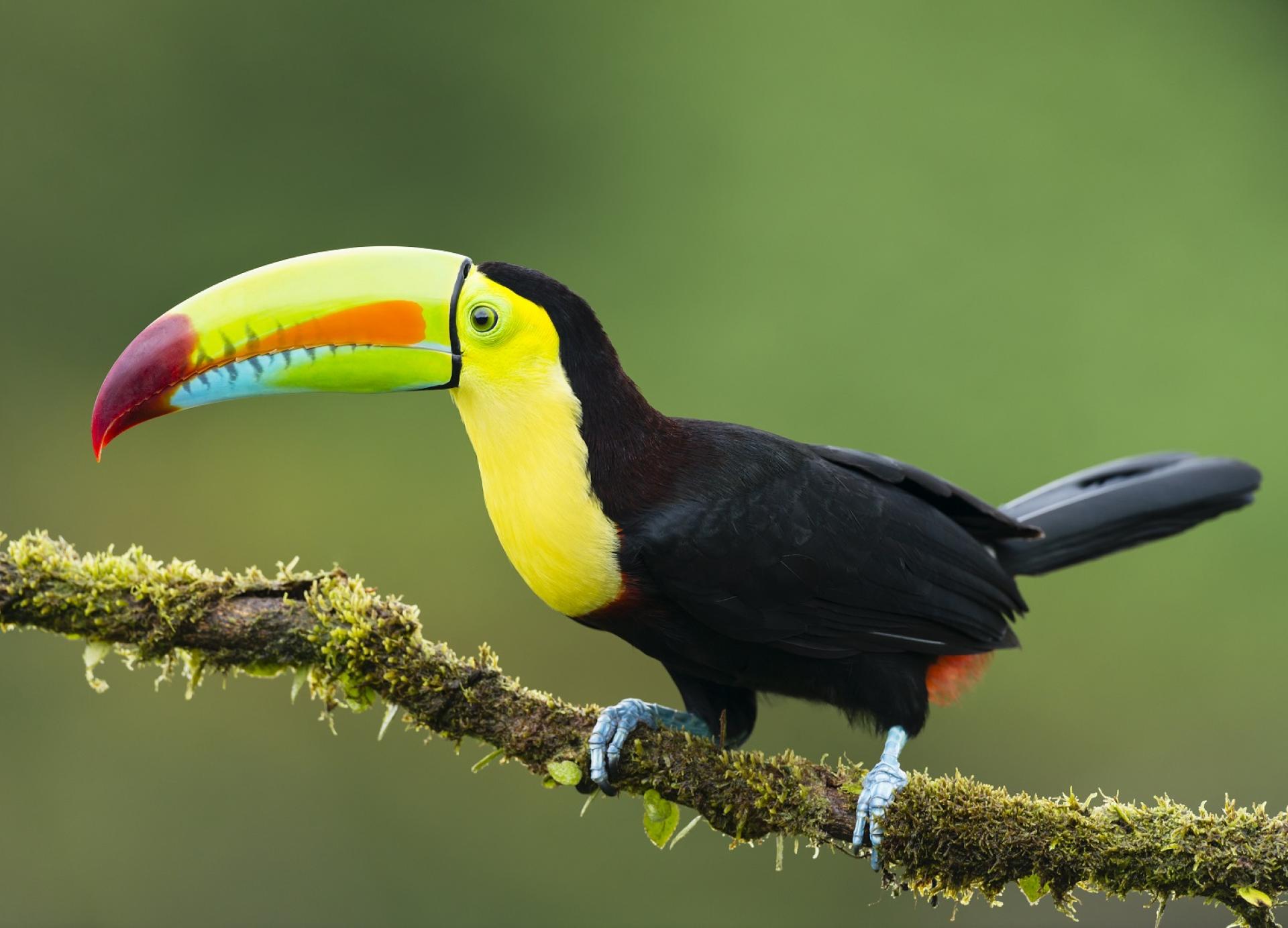
Even outside the national parks, the Caribbean lowlands around Limón are strikingly alive. The region's combination of tropical heat, year-round rainfall, and intact forest corridors supports an overwhelming density of wildlife: over 500 bird species have been recorded in the province, including toucans, keel-billed motmots, and the resplendent green kingfisher. Howler monkeys, white-faced capuchins, and the endearingly slow three-toed sloth are regularly spotted in roadside trees on the drive to any excursion. For birders, a guide-led morning in the forest margins near Limón can produce a species list that humbles many full-day birding trips elsewhere. Even guests not particularly devoted to wildlife are routinely startled by how close, how numerous, and how extravagantly colored the fauna of this coast can be.
Banana Plantation & Agricultural Heritage Tour
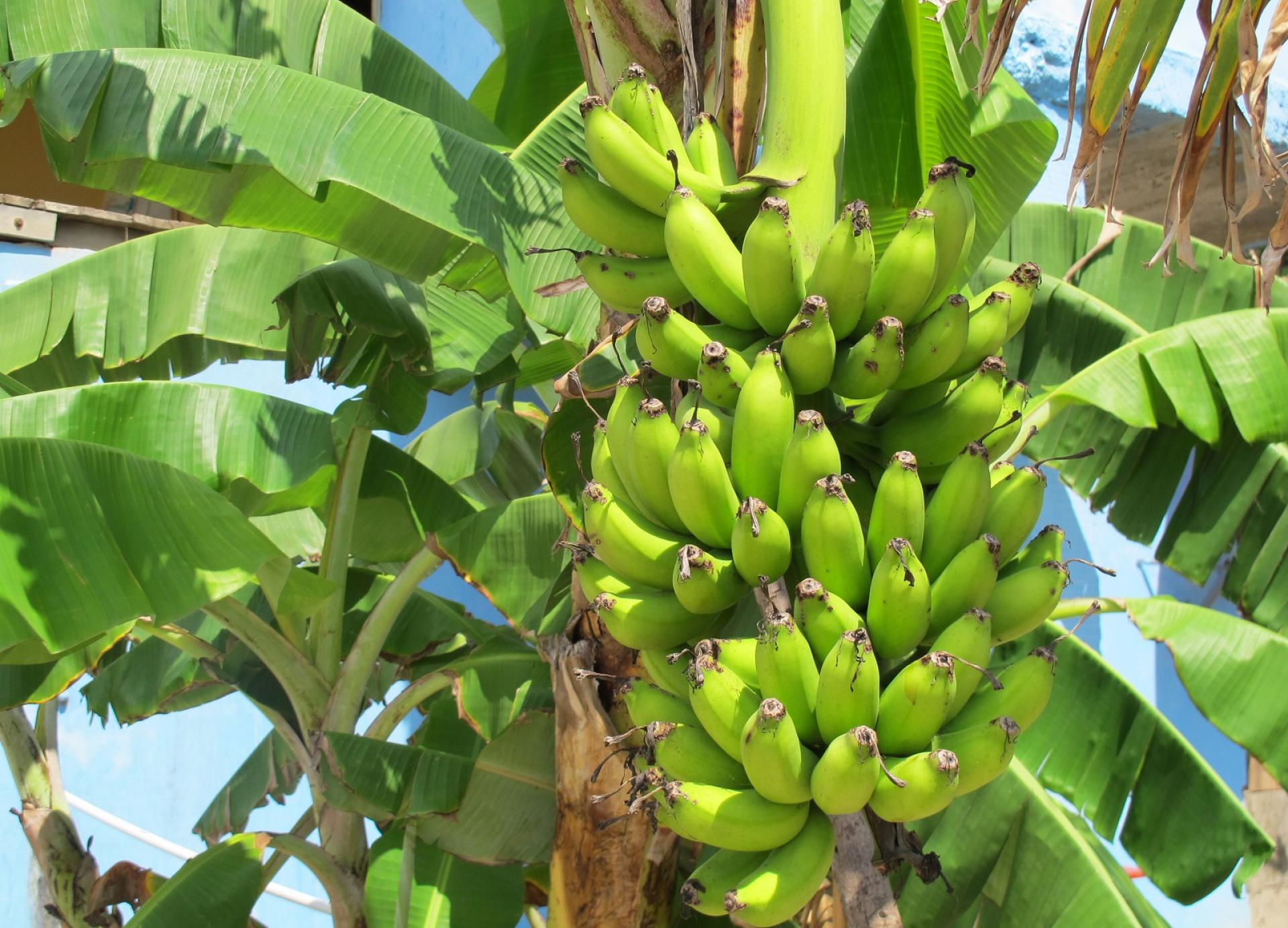
The landscape around Puerto Limón is one of the most productive banana-growing regions in the world — the blue plastic bags hanging from plantation fronds are a ubiquitous sight on any drive inland. Several operators offer plantation tours that explain the complete journey of a banana from flowering to the supermarket shelf, revealing the remarkable agricultural engineering behind a fruit most people never think twice about. These tours combine well with visits to Veragua or Cahuita as add-ons and typically include fruit tastings and explanations of the region's complex agricultural and labor history. For travelers curious about how the global food economy shapes tropical landscapes — and about the deep connection between the banana trade and Limón's founding — these tours provide genuine context.
Puerto Limon travel tips
Commit to One Nature Destination — Don't Try to Do Everything. The instinct to combine Tortuguero, Cahuita, and Veragua in a single port day will leave you rushed and disappointed at all three. Tortuguero alone requires a full day when traveling from Limón. Cahuita pairs beautifully with a Limón city lunch. Veragua works as a standalone half-day or can combine with a brief Limón exploration. Choose your primary destination based on what excites you most — wildlife canals, reef snorkeling, or aerial tram canopy — and go deep rather than wide. The nature here is worth your full attention.
Book Organized Excursions for Remote Parks. Tortuguero is genuinely difficult to reach independently in limited time: the boat logistics, canal navigation, and park entry procedures are optimized for guided groups. Cahuita's road is fine, but independent travelers arriving by taxi sometimes struggle to coordinate snorkel rentals, guide hire, and return transport within a tight schedule. Veragua has excellent self-guided options but organized admission packages streamline entry. If you're booking independently rather than through the cruise line, use a reputable Limón-based operator — their local knowledge significantly reduces time waste and they understand port-day timing constraints.
Dress for Heat, Rain, and Mud. The Caribbean coast of Costa Rica is one of the wettest places in Central America — annual rainfall can exceed 200 inches in some areas. Even on sunny days, afternoon showers are routine. Wear lightweight, quick-dry clothing and bring a compact rain jacket or poncho. Closed-toe shoes or water sandals with ankle support are essential for trail walking — sandals and flip-flops are inadequate for muddy forest paths. Apply insect repellent (DEET or picaridin-based) before leaving the ship and reapply after any water exposure. Sunscreen matters even under overcast skies in the tropics.
Limón City Center: Keep Awareness Up. Puerto Limón's city center is a working port city with limited tourism infrastructure, and visitors should exercise standard urban awareness — keep valuables secured, avoid displaying expensive cameras or electronics openly, and stay in populated areas. The pier terminal area and Parque Vargas are generally fine for visitors. The city is not dangerous in the way some narratives suggest, but exercising the same common sense you'd apply in any unfamiliar urban environment makes a significant difference. Most cruise travelers who stay close to organized excursion pickups have entirely straightforward experiences.
Try the Rice and Beans — It's Not What You Expect. Limón's Afro-Caribbean rice and beans is not the gallo pinto of the Pacific coast. Here, white rice and red kidney beans are cooked together in coconut milk with thyme and spices — a dish with clear Jamaican lineage that is rich, fragrant, and served at virtually every meal. If you have time for a sit-down lunch, find a local soda (family restaurant) rather than a tourist-oriented spot and order the rice and beans with fresh fish or chicken. Pan bon, a dense fruit bread with spices, is the traditional accompaniment. The cuisine alone is a compelling reason to explore a few blocks beyond the terminal.
Negotiate Taxi Fares Before You Get In. Taxis at the Limón pier are generally reliable for reaching Cahuita or Veragua, but fares are negotiated rather than metered for longer journeys. Agree on a price and the round-trip arrangement before departing — confirm explicitly whether the driver will wait for you and at what total cost. A round trip to Cahuita typically runs $70–100 USD; to Veragua, $50–70 USD. Ask your driver to write the agreed fare down if language is a barrier. These are rough reference points — actual rates vary and drivers may quote differently based on demand on a given ship day.
Port Facts Every Cruiser Needs To Know
Puerto Limon shore excursion FAQs
US and Canadian citizens do not need a visa to enter Costa Rica as cruise passengers. A valid passport is required — ensure it has at least six months of validity beyond your travel dates. Citizens of many EU countries and other nations also enter visa-free; check your specific nationality's requirements through the Costa Rican embassy or your cruise line's pre-departure materials.
Yes, but only as a fully organized excursion with an early departure. Tortuguero requires approximately 1.5–2 hours each way by boat through the canals, leaving only 2–3 hours in the park itself for a typical port day. Cruise lines offer dedicated Tortuguero excursions that handle all logistics including boat transfers, park entry, and guaranteed return to the ship. Do not attempt this independently unless you have extensive local knowledge and a very flexible ship — it is not a casual taxi trip.
Realistically, expect sloths (three-toed sloths are common in coastal trees near Cahuita), howler and white-faced capuchin monkeys, toucans, kingfishers, and various herons on any nature-focused excursion. Caimans and river otters are regularly spotted on Tortuguero canal tours. Poison dart frogs (red, blue, and green varieties) are almost guaranteed at Veragua. Sea turtles depend heavily on season — nesting peaks July–October at Tortuguero. Costa Rica is one of the most biodiverse countries on earth; even a modest half-day in the forest typically produces memorable encounters.
Cahuita is approximately 43 kilometers (27 miles) south of Puerto Limón along the coastal highway — roughly a 40–50 minute drive by taxi or private vehicle under normal conditions. Road quality is generally good on the main highway. Traffic can occasionally extend travel times. A taxi round trip typically costs $70–100 USD with waiting time. Most visitors spend 2.5–4 hours in Cahuita, making the total excursion 4–5 hours from pier to pier.
Cahuita's reef is Costa Rica's most accessible and best-preserved coral ecosystem on the Caribbean coast, and it can be excellent for snorkeling — but conditions vary. Water clarity depends on recent rainfall (the rivers that discharge into the coast can reduce visibility after heavy rains) and wind-driven surge. The reef supports an impressive array of tropical fish, sea turtles, and occasionally rays. Snorkel gear rentals are available in Cahuita village. Check conditions with local guides on arrival — they will be direct about whether the day's visibility is worth entering.
US dollars are widely accepted at organized tour operators, excursion vendors, and most restaurants near the terminal. For local sodas, market stalls, and small purchases in the city, having Costa Rican Colones is helpful — but you can generally manage a typical port day entirely in USD. ATMs dispensing Colones are available in Limón city center. Tipping guides and drivers in USD is standard and appreciated. Small bills ($1, $5, $10) are more useful than large denominations.
Veragua Rainforest is widely considered the most family-friendly nature experience from Limón — the aerial tram is gentle and accessible for most ages, the frog and snake exhibits are safe and fascinating for children, and the overall experience is well-organized with clear facilities. Cahuita is also family-friendly if children enjoy snorkeling or beach time. Tortuguero's canal tours are manageable for older children (8+) but can be long for younger ones. Choose based on your children's ages and interest in wildlife versus adventure.
Puerto Limón's Afro-Caribbean community is one of the most culturally distinct in Central America. Their ancestors were primarily Jamaican laborers recruited in the 1870s–1880s to build the Atlantic Railway — work that was brutal and many never left. Their descendants created a rich cultural hybrid: Caribbean English dialect (called Mekatelyu or Limonense Creole), reggae and calypso musical traditions, coconut milk-infused cooking, and a strong sense of separate identity from Pacific-coast Costa Rica. This culture is most visible in the food, music spilling from storefronts, and the community's own pride in its heritage.
Standard cruise travel insurance is recommended for any port day involving adventure activities or remote natural areas. Medical facilities in Limón are basic — serious incidents may require transfer to San José. Excursions into the rainforest or on water involve real physical activity, and unexpected injuries or delays are possible. Ensure your policy covers emergency medical evacuation. Most reputable excursion operators carry their own liability insurance, but your personal travel policy provides an additional layer of protection.
If you can only do one thing in Limón, choose based on your priorities: for wildlife spectacle, Tortuguero canal tours are incomparable — nothing else in the region matches the density of animals seen from a flat-bottomed canoe in that ecosystem. For a more accessible and complete experience, Cahuita National Park offers reef snorkeling, sloth-spotting in the trees, and a genuine Afro-Caribbean village atmosphere all in one compact destination. For those short on time or preferring a guaranteed intense encounter, Veragua's frog and aerial tram experience is the most time-efficient and reliably extraordinary option within 30 minutes of the port.
Filters
Select a filter to refine results.
Tour Type
Tour Activity
 Cart
Cart
 USD
USD GBP
GBP AUD
AUD EUR
EUR CAD
CAD