



Tours in Nassau



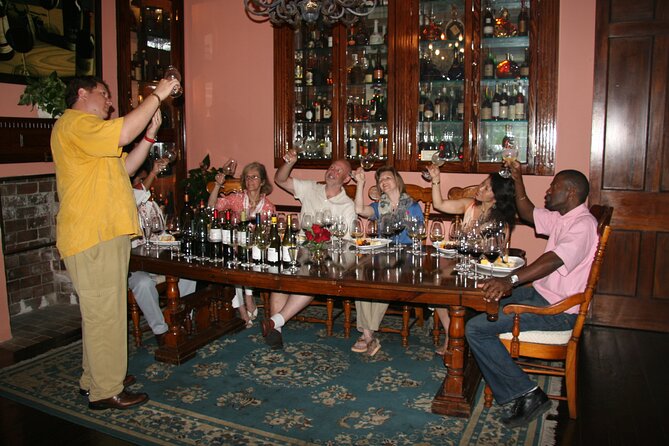
Cruising to Nassau in a group?
Skip the crowded ship excursion bus. One dedicated planner will design a private shore experience around exactly what your group wants — coordinated from first enquiry to the moment you're back on board. More memorable, more flexible, and more affordable than you might expect. Spend less time organising, more time enjoying.
Explore Group Travel →Cruising to Nassau
Nassau has welcomed more cruise passengers than almost any other port on earth, and it has earned that distinction not through accident but through the genuine appeal of a city that wears its Caribbean identity with easy confidence. The capital of the Bahamas sits on New Providence Island, connected by a short bridge to Paradise Island and its famous Atlantis resort complex, yet the city itself — with its pastel colonial facades, its labyrinthine straw market, and its fish-fry shacks along the harbor — offers a more authentic and texturally interesting version of island life than the resort strip might suggest. Prince George Wharf places ships directly in the heart of downtown, and within minutes of stepping ashore, travelers find themselves on Bay Street, the city's main commercial artery, with history, culture, and the sea all within easy reach.
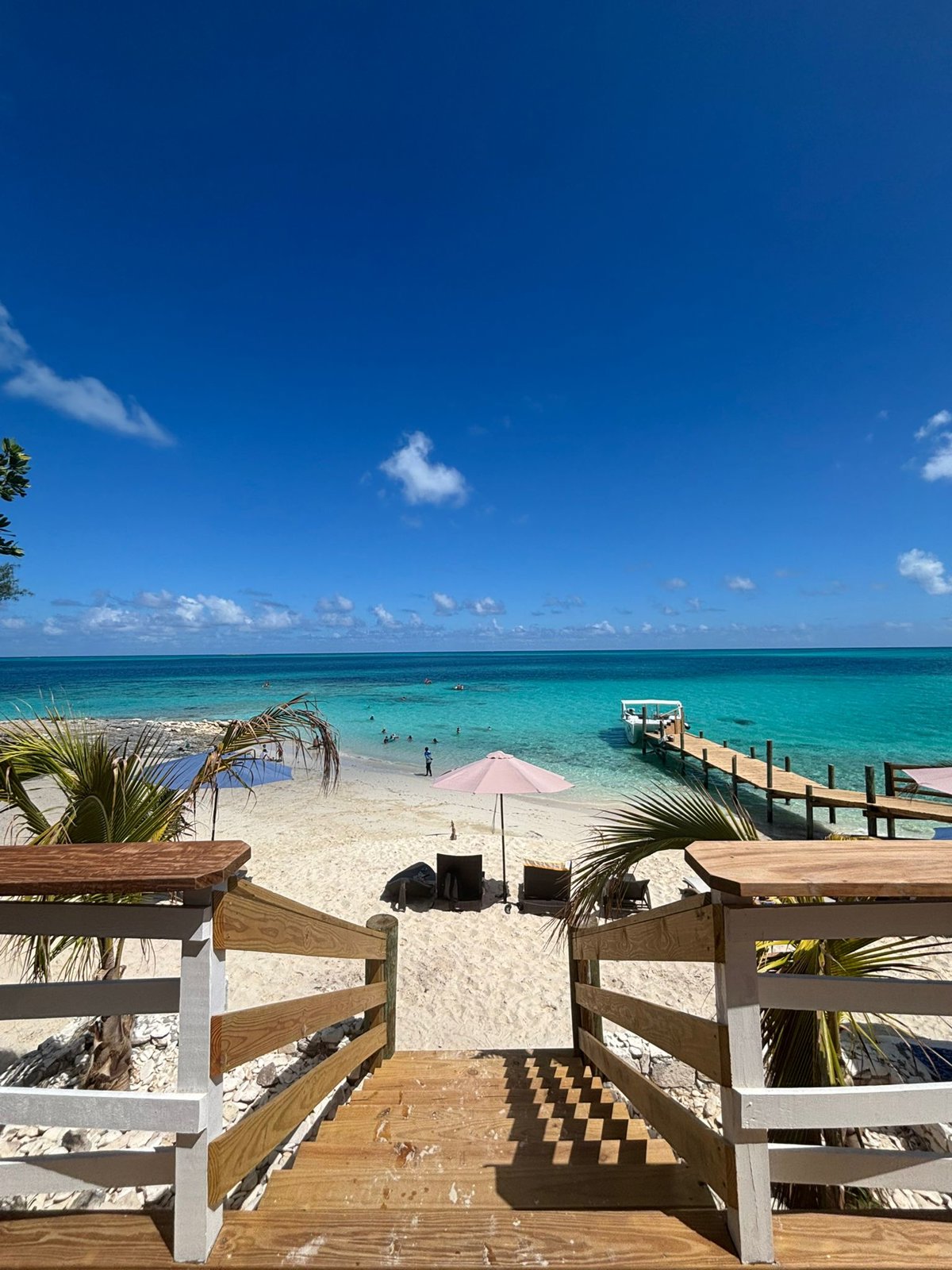
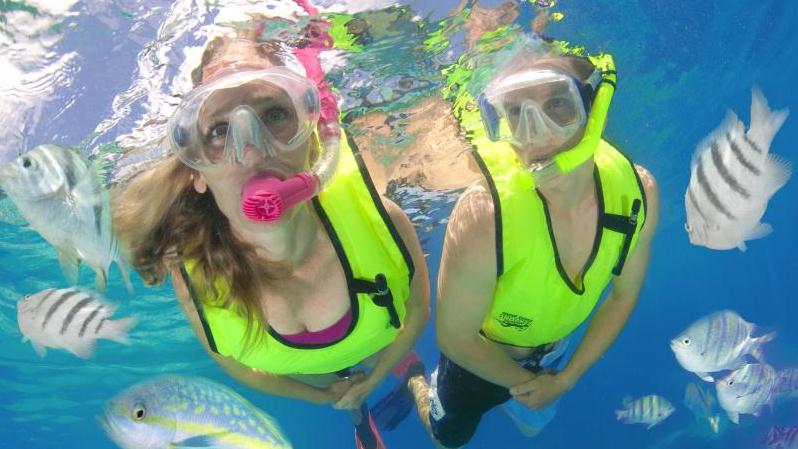
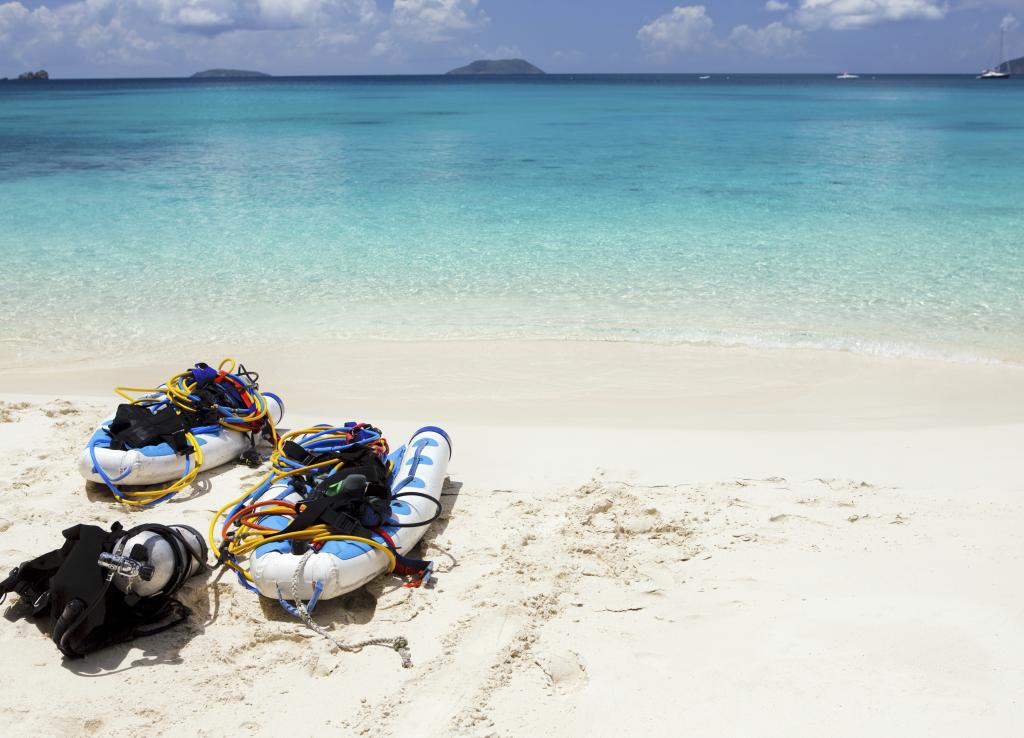
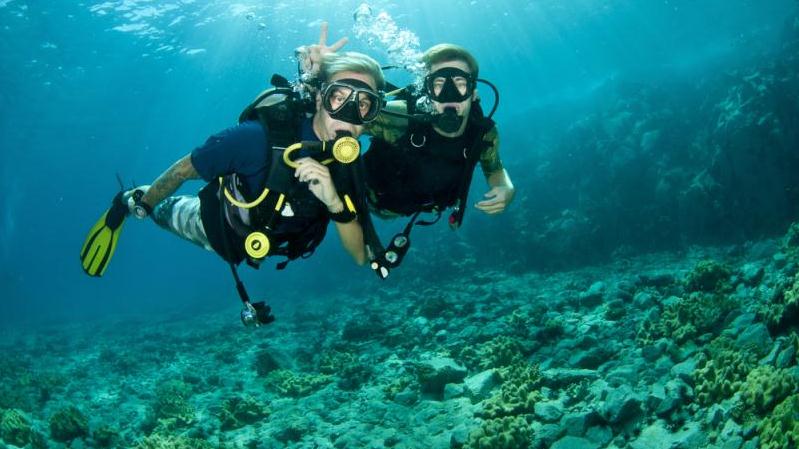
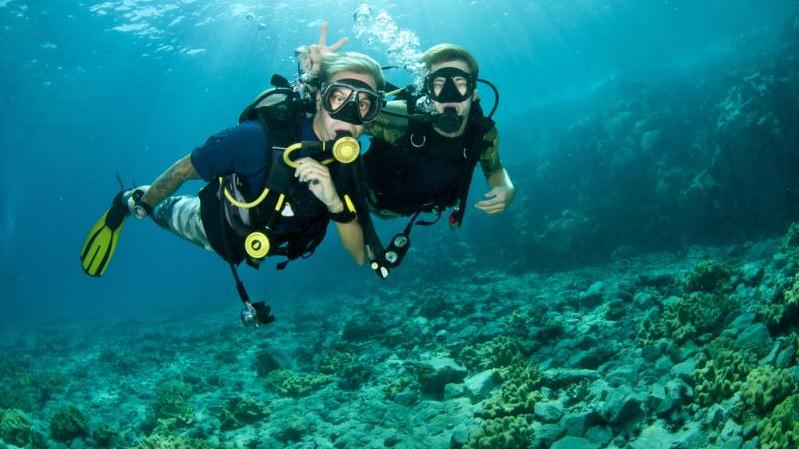
The water around Nassau is the color that postcards spend careers trying to approximate. Just offshore from the cruise terminal, Nassau Harbour reflects a shifting palette from deep navy to transparent aquamarine, and the beaches that rim the island — Junkanoo Beach, Cable Beach, Love Beach — deliver the white sand and Caribbean warmth that travelers imagine when they book a cruise in the first place. Swimming, snorkeling, paddleboarding, and glass-bottom boat tours operate throughout the day within easy reach of the port. For underwater enthusiasts, the Bahamian waters surrounding Nassau offer some of the most accessible and visually spectacular snorkeling and shallow-water diving in the Atlantic basin.
For those drawn to history and local culture, Nassau rewards curiosity with a compact and walkable city center full of stories. The Queen's Staircase, carved from solid limestone by enslaved workers in the eighteenth century, climbs dramatically to the walls of Fort Fincastle above the city. The historic straw market on Bay Street is the social center of Nassau's craft culture. And the Junkanoo tradition — the exuberant Bahamian festival of music, costume, and dance that erupts on Boxing Day and New Year's — echoes through the city's identity year-round in its artwork, its music, and the pride its people carry for a culture entirely their own.
Top things to do in Nassau on a cruise stopover
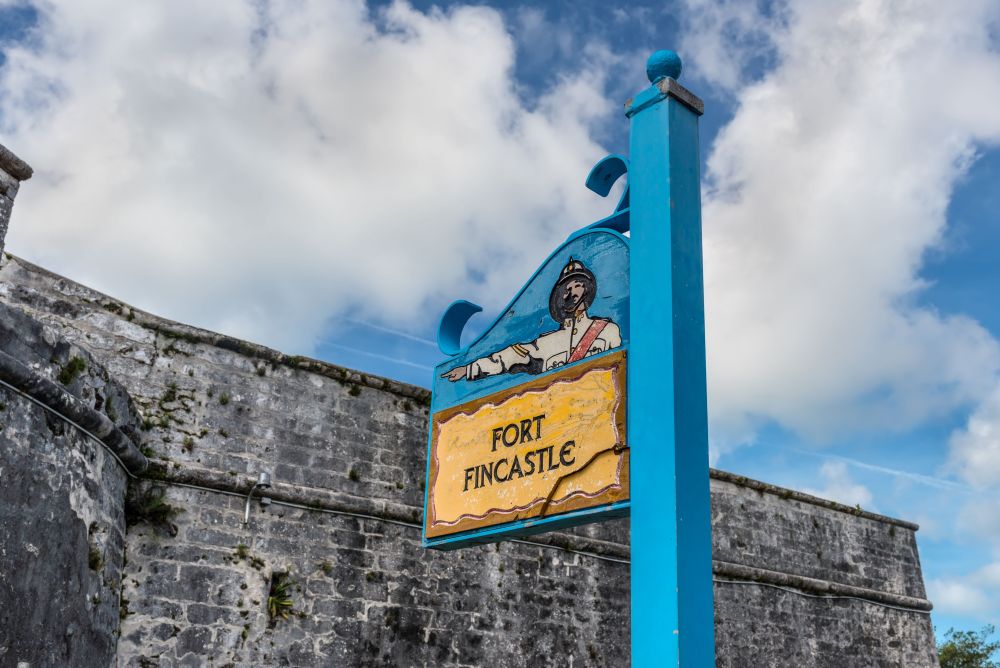
Queen's Staircase and Fort Fincastle: Nassau's Most Striking Historic Site
Cut from a single solid face of limestone by enslaved workers between 1793 and 1794, the Queen's Staircase climbs 66 steps through a dramatic ravine of carved rock to reach Fort Fincastle on the ridge above Nassau. Each step is said to represent a year of Queen Victoria's reign, and the effect of the passage — cool, shaded, and flanked by walls of living limestone — is striking regardless of historical context. Fort Fincastle at the top, shaped like a paddle-wheel steamer, offers sweeping views over Nassau Harbour and the cruise ships anchored below. A nearby water tower provides additional elevation for panoramic photographs. The site is easily reached on foot from the cruise terminal in about 15 minutes through the commercial heart of the city, making it the single most rewarding cultural walk available to Nassau cruise visitors.
Junkanoo Beach: Swimming and Bahamian Culture Steps from the Port
For cruise passengers whose priority is getting into the Caribbean water as quickly as possible, Junkanoo Beach delivers everything within a short walk of Prince George Wharf. This narrow strip of white sand along the western edge of downtown Nassau offers calm, clear water with a characteristic Bahamian blue, beach bars serving Kalik lager and rum cocktails, lounge chair rentals, and a festive atmosphere that builds as the morning progresses. The beach takes its name from the Bahamian Junkanoo festival — the exuberant December and January street celebration of music, elaborate costuming, and dancing that is the defining cultural event of the Bahamian calendar. A Junkanoo museum adjacent to the beach provides context for those curious about the tradition. Unlike Cable Beach or Paradise Island, Junkanoo Beach requires no taxi and no admission — just a short walk from the gangway.
The Nassau Straw Market: A Craft Bazaar and Cultural Institution
The Nassau Straw Market on Bay Street is one of the Caribbean's most famous open-air markets — a sprawling, covered emporium of woven goods, carved wood, painted art, Bahamian t-shirts, and locally crafted souvenirs presided over by vendors whose sales pitches are legendary in their enthusiasm and good humor. The market has operated in some form in this location for generations, and while much of its inventory today skews toward tourist-facing merchandise, it remains an authentic slice of Bahamian commercial culture and a genuinely enjoyable browsing experience. Hand-woven straw bags and baskets are the market's signature offering — look for work by older vendors who learned traditional Bahamian plaiting techniques and whose quality stands apart from mass-produced alternatives. Bargaining is generally not the custom here — prices tend to be marked — but friendly conversation almost always improves the transaction.
Atlantis Paradise Island: The Bahamas' Most Spectacular Day Pass Experience
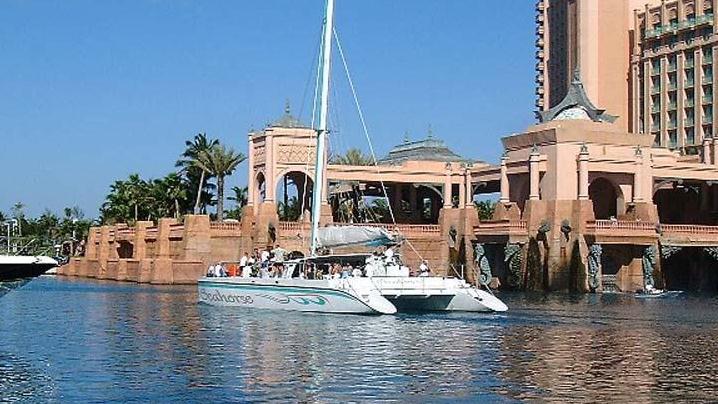
Connected to Nassau by the Paradise Island Bridge, the Atlantis resort complex is one of the most elaborate resort environments in the Caribbean — a sprawling city-within-a-resort built around an Atlantis mythology theme, with an 141-acre water park, an open-air marine exhibit featuring sharks and rays, white sand beaches, and a casino. Day passes for non-guests allow cruise passengers to access the Aquaventure water park and beaches for a fee that varies by season, and they represent excellent value for families or any travelers who want a full-day water park experience with Caribbean backdrop. The resort's marina is also home to several dolphin interaction and watersports operators. The crossing from downtown Nassau takes about 10–15 minutes by taxi or water taxi, making it genuinely feasible for a cruise day ashore even with the time investment of getting there and back.
Snorkeling and Water Sports: Into the Bahamian Sea
The waters surrounding Nassau are among the most accessible and rewarding for snorkeling in the entire Atlantic. Just offshore, coral reefs shelter nurse sharks, sea turtles, eagle rays, and schools of tropical fish in water so clear the bottom is visible at considerable depth. Multiple operators depart from the cruise terminal area and from local marinas offering half-day snorkeling excursions, glass-bottom boat tours, catamaran sails, and Jet Ski rentals — most built specifically to accommodate cruise passengers with defined return times. The most popular snorkeling sites include the Rose Island reef system east of Nassau and several accessible reef patches that can be reached in under 20 minutes by boat. Those wanting to snorkel independently will find good conditions at Love Beach on the island's northwestern shore, accessible by taxi, with good reef coverage in shallow water directly off the sand.
Bay Street and Nassau's Colonial Heart
The streetscape of downtown Nassau along Bay Street and its immediate surroundings preserves the bones of a colonial capital built during Britain's long tenure over the Bahamas — a history that extended from 1718, when pirate-hunter Woodes Rogers became the first Royal Governor, through independence in 1973. Rawson Square, adjacent to the cruise terminal, is flanked by the colonial-era Parliament buildings and the Churchill Building. A short walk up Parliament Street leads to the beautiful pink Government House on Duke Street, the official residence of the Governor-General, whose ceremonial Changing of the Guard takes place on alternate Saturdays. The blocks between Bay Street and the ridge above are threaded with narrow lanes — Woodes Rogers Walk, George Street, Frederick Street — lined with colorful buildings and local shops that offer a more genuine commercial Nassau than the tourist-facing waterfront.
Nassau travel tips
Head to Attractions Early — Crowds Build Through the Morning. Nassau is one of the busiest cruise ports in the world, and on days when multiple ships are in port simultaneously, the straw market, Queen's Staircase, and Junkanoo Beach can become extremely congested by mid-morning. If your ship docks early, heading directly to the historic sites or the beach in the first hour or two ashore gives you a dramatically more relaxed experience. The straw market opens by 7am, Junkanoo Beach is pleasant from first light, and the Queen's Staircase climb is far more enjoyable before the midday heat sets in. Save Bay Street shopping and waterfront lunch for the midday lull, when some visitors return to their ships for meals.
Use Fixed-Rate Taxis and Confirm Prices Before Departing. Nassau taxis operate on government-set fixed rates rather than meters, which means the fare to any given destination should be consistent — but it also means you should confirm the price before getting in. For two passengers, expect roughly $10–15 to Atlantis or Cable Beach, somewhat less to nearby beaches. Drivers at the cruise terminal are accustomed to working with cruise schedules and will generally offer to wait and bring you back for a fixed round-trip rate — a useful arrangement if you're visiting Atlantis or a more distant beach and want certainty about your return. Water taxis to Paradise Island are a scenic and economical alternative to taxis for the Nassau-to-Atlantis crossing.
Try Conch Salad at a Local Fish Shack Rather Than the Tourist Strip. The most authentic and satisfying food experience in Nassau is usually not found at the restaurants immediately adjacent to the cruise terminal. For genuine Bahamian conch salad — fresh conch diced raw and marinated with lime, sour orange, hot pepper, and onion — seek out the fish fry at Arawak Cay (also known as the Fish Fry), a cluster of open-air shacks on West Bay Street about 10 minutes' walk west along the waterfront from the port. Half a dozen vendors compete for business here, and the conch salad prepared to order in front of you is as good as anything you'll eat on the island. A full serving costs only a few dollars and comes with incomparable harbor views.
Atlantis Day Passes: Book in Advance and Check What's Included. If Atlantis is on your agenda, booking a day pass in advance online is advisable — walk-up availability is not guaranteed on busy cruise days, and pre-booking often offers better pricing. Understand what the pass includes: Aquaventure water park access and use of the beaches are typically covered, but food and beverages at the resort are priced at full resort rates, which are substantial. Bringing snacks and water from the ship, or budgeting for one restaurant meal at the resort, is the practical approach. The Aquaventure park's signature river ride and slide complex is genuinely excellent and worth the investment for families or anyone with a day to fully commit to water park mode.
USD Works Everywhere — No Need to Exchange Currency. One of Nassau's most traveler-friendly characteristics is the complete interchangeability of US dollars and Bahamian dollars. You will never need to find a currency exchange, use an ATM for local currency, or calculate any conversion. Pay in USD everywhere — restaurants, taxis, the straw market, beach bars — and receive change in either USD or BSD, both of which are equally spendable. The only situation where cash matters at all is at smaller vendors, street food stalls, and the straw market where cards may not be accepted; carrying $50–100 in small bills handles virtually any situation you'll encounter in a day ashore.
Watch Your All-Aboard Time — the Ship Will Not Wait. Nassau's proximity to multiple attractions and the ease of getting around can create a false sense of having more time than you do. Atlantis, snorkeling excursions, and beach trips to Cable Beach or Love Beach all involve transit time in both directions that adds up quickly. Build your itinerary around your ship's all-aboard time, not its scheduled departure time, and give yourself a minimum 45-minute buffer for unexpected delays — traffic near the bridge to Paradise Island can back up on busy days, and water taxis occasionally run behind schedule. The cruise terminal's proximity to downtown Nassau means that if you're sticking to Queen's Staircase, the straw market, and Junkanoo Beach, timing is relaxed. The further afield you go, the more carefully you need to track the clock.
Port Facts Every Cruiser Needs To Know
Nassau shore excursion FAQs
Most cruise ships calling at Nassau dock directly at Prince George Wharf in downtown Nassau — there is no tender service required. The wharf is situated right in the heart of the city, with Bay Street, the straw market, and Rawson Square within a two-minute walk of the gangway. This makes Nassau one of the most convenient and immediately accessible cruise ports in the Caribbean. Occasionally, when the port is at capacity with multiple large ships, some vessels may anchor offshore and use tenders — check your daily ship's newsletter for the specific procedure on your sailing.
The areas immediately around Prince George Wharf, Bay Street, and the tourist-facing center of Nassau are generally safe for independent exploration during daylight hours. Nassau is a busy international port with a significant tourist economy, and the central areas are well-patrolled and accustomed to visitors. Standard urban precautions apply: be aware of your surroundings, keep valuables secured, avoid displaying expensive jewelry, and don't wander into unfamiliar neighborhoods after dark. Stick to the established tourist areas and you'll find Nassau a welcoming and hospitable destination. If you're uncertain about a route or location, ask staff at the cruise terminal information desk.
Atlantis on Paradise Island is approximately 2.5 miles from Prince George Wharf — a 10 to 15 minute taxi ride depending on traffic, costing roughly $10–15 for two passengers. A water taxi also runs between the port area and Paradise Island marina, offering a scenic and often faster crossing. A third option is the public bridge on foot or by taxi — the Paradise Island Bridge connects Nassau to Paradise Island and is traversable in both directions. Walking the bridge takes about 20–25 minutes from downtown Nassau but is generally not recommended in midday heat. Given the transit time in both directions, plan to spend at least 3–4 hours at Atlantis to make the trip worthwhile.
Junkanoo Beach is the closest — a 10-minute walk from the port with clear water, beach bars, and chair rentals, though it's a narrow beach that fills up on busy cruise days. Cable Beach, about 15 minutes by taxi ($10–12), offers a longer stretch of white sand and calmer water with several resort beach clubs offering day access. Love Beach on the island's northwest coast (about 20 minutes, $15 taxi) is favored by locals and snorkelers for its more natural setting and excellent reef just offshore. Paradise Island beaches adjacent to Atlantis are excellent and accessible with a day pass. For the most uncrowded experience, Cable Beach or Love Beach typically offer more space than Junkanoo on high-volume cruise days.
Yes. The Queen's Staircase and Fort Fincastle are about a 15-minute walk from Prince George Wharf through the center of Nassau. From the port, head up Bay Street to East Street, then turn left and follow the signs toward the staircase entrance on Elizabeth Avenue. The route takes you through the commercial heart of Nassau and past the straw market, making it a natural combined walking itinerary. The climb itself is not strenuous — 66 steps through a beautifully carved limestone ravine — and the views from Fort Fincastle at the top are among the best in Nassau. Allow 45 minutes to an hour total for the walking detour including time at the top.
Conch salad is Nassau's signature street food — fresh queen conch, chopped raw and marinated on the spot with lime juice, sour orange, diced onion, tomato, cucumber, and hot pepper. It is bright, acidic, spicy, and utterly refreshing in the Caribbean heat. The conch is tenderized before serving and is perfectly safe to eat raw in this preparation, which has been a Bahamian tradition for generations. The best place to try it is Arawak Cay (the Fish Fry) — a row of casual open-air seafood shacks on West Bay Street, about 10 minutes' walk west along the waterfront from the cruise terminal. Each stall prepares the salad to order in front of you; watch your vendor dice and toss, specify your heat level, and enjoy it with a cold Kalik beer.
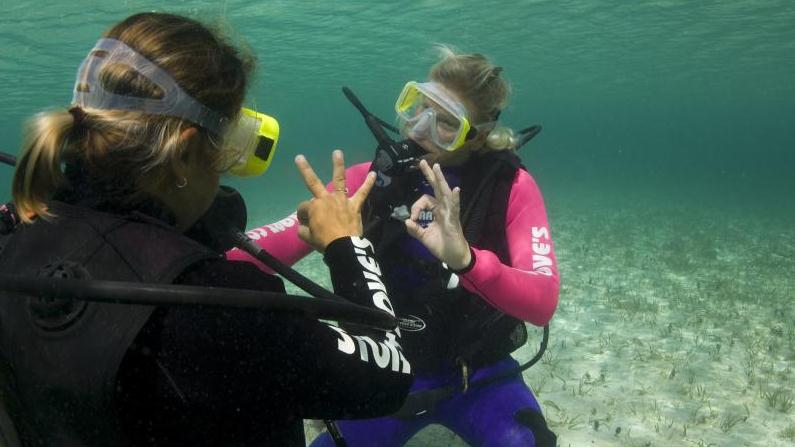
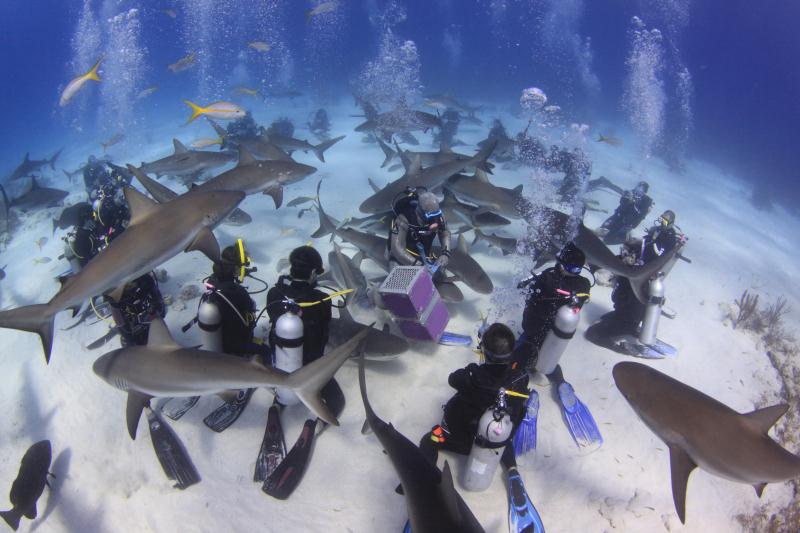
Absolutely. Several operators based at the cruise terminal and nearby marinas offer half-day snorkeling trips specifically designed to accommodate cruise passenger schedules, typically running 2.5 to 3 hours with guaranteed return well before all-aboard time. Stuart Cove's Aqua Adventures is one of the most established operators, offering shark dives, reef snorkeling, and bubble-making introductory dives for non-certified participants. Catamaran cruises with snorkel stops are another popular format — typically combining sailing, snorkeling at a reef or shipwreck site, and often an open bar on the return leg. Book these in advance through your cruise line or directly with the operator to ensure availability on busy port days.
If your visit falls on the right Saturday, yes. The Changing of the Guard ceremony at Government House takes place on alternating Saturdays at 10am and lasts approximately 30 minutes. The ceremony features the Royal Bahamas Police Force Band and a formal guard change on the steps of the pink colonial mansion on Duke Street — a short walk from the cruise terminal. It is colorful, musical, and genuinely festive rather than stiff or ceremonial in a rigid British sense. Check ahead of your sailing date whether your Nassau port day coincides with a Changing of the Guard Saturday, as it's the kind of spontaneous local event that adds memorable texture to a day ashore with no additional planning required.
Junkanoo is the defining cultural celebration of the Bahamas — an exuberant street festival of elaborate handmade costumes, driving goatskin drumming, cowbells, brass horns, and dancing that erupts in Nassau on Boxing Day (December 26) and New Year's Day in the early morning hours (typically beginning around 2am and continuing until dawn). It is one of the Caribbean's great cultural spectacles, drawing tens of thousands of participants and spectators to Bay Street. Most cruise visitors will not be in Nassau during Junkanoo itself, but its influence permeates the city year-round — the Junkanoo Expo museum near the port showcases historic costumes and explains the tradition in depth, and Junkanoo Beach takes its name in tribute to this cherished national heritage.
Nassau is one of the busiest cruise ports in the world, regularly accommodating four, five, or even more large ships simultaneously. On high-volume days, Prince George Wharf and the immediate surrounding area can feel extremely congested, particularly between 10am and 2pm when multiple ships' passengers are ashore simultaneously. The straw market, Junkanoo Beach, and Bay Street shopping reach their peak crowds during this window. Strategic options for managing crowds: head ashore immediately when the ship clears, visit popular sites early and save shopping for mid-afternoon, or head to destinations that see less cruise traffic — Cable Beach, Love Beach, Arawak Cay — which spread visitors more broadly across the island.
Filters
Select a filter to refine results.
Tour Type
Tour Activity
 Cart
Cart
 USD
USD GBP
GBP AUD
AUD EUR
EUR CAD
CAD