



Tours in Riviera Maya


Cruising to Riviera Maya in a group?
Skip the crowded ship excursion bus. One dedicated planner will design a private shore experience around exactly what your group wants — coordinated from first enquiry to the moment you're back on board. More memorable, more flexible, and more affordable than you might expect. Spend less time organising, more time enjoying.
Explore Group Travel →Cruising to Riviera Maya
The Riviera Maya unfurls along Mexico's Yucatan Peninsula like a highlight reel of Caribbean beauty and pre-Columbian wonder — a 130-kilometer corridor of coastline where turquoise sea meets white limestone, and ancient stone temples rise above the jungle canopy. From the charming pedestrian streets of Playa del Carmen in the north to the clifftop drama of Tulum's walled Mayan city in the south, this is a region that rewards both the culturally curious and the beach-obsessed in equal measure. No other cruise destination in the Western Caribbean packs this density of world-class experiences into a single day ashore.
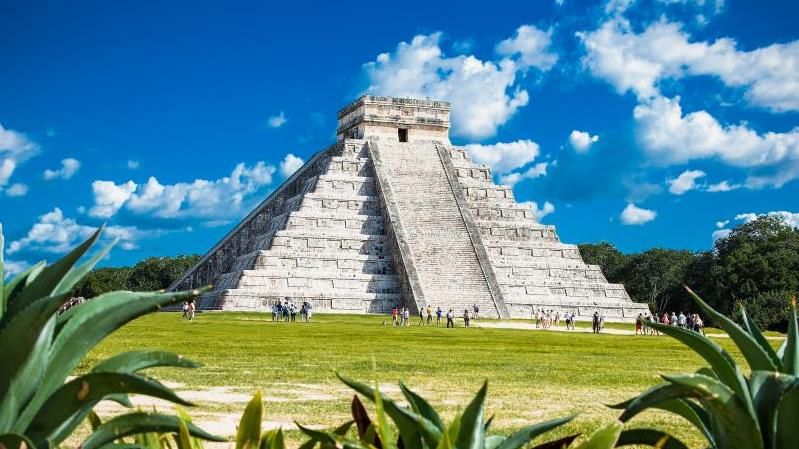
The Mayan heritage here is not incidental decoration — it is the soul of the place. Chichen Itza, two hours inland, stands as one of the New Seven Wonders of the World, its El Castillo pyramid aligned with astronomical precision that still astonishes modern engineers. Closer to shore, Tulum's coastal ruins offer perhaps the most photogenic archaeological site in Mexico: a walled ceremonial city perched on 12-meter sea cliffs, with turquoise water below and iguana-dotted temples above. Coba, in the jungle interior, rewards the climb to its pyramid summit with sweeping canopy views that few modern buildings can match. Beneath all of it, the world's largest underground river system percolates through the limestone — and surfaces in thousands of cenotes, natural sinkholes filled with water so clear and blue it looks digitally enhanced.
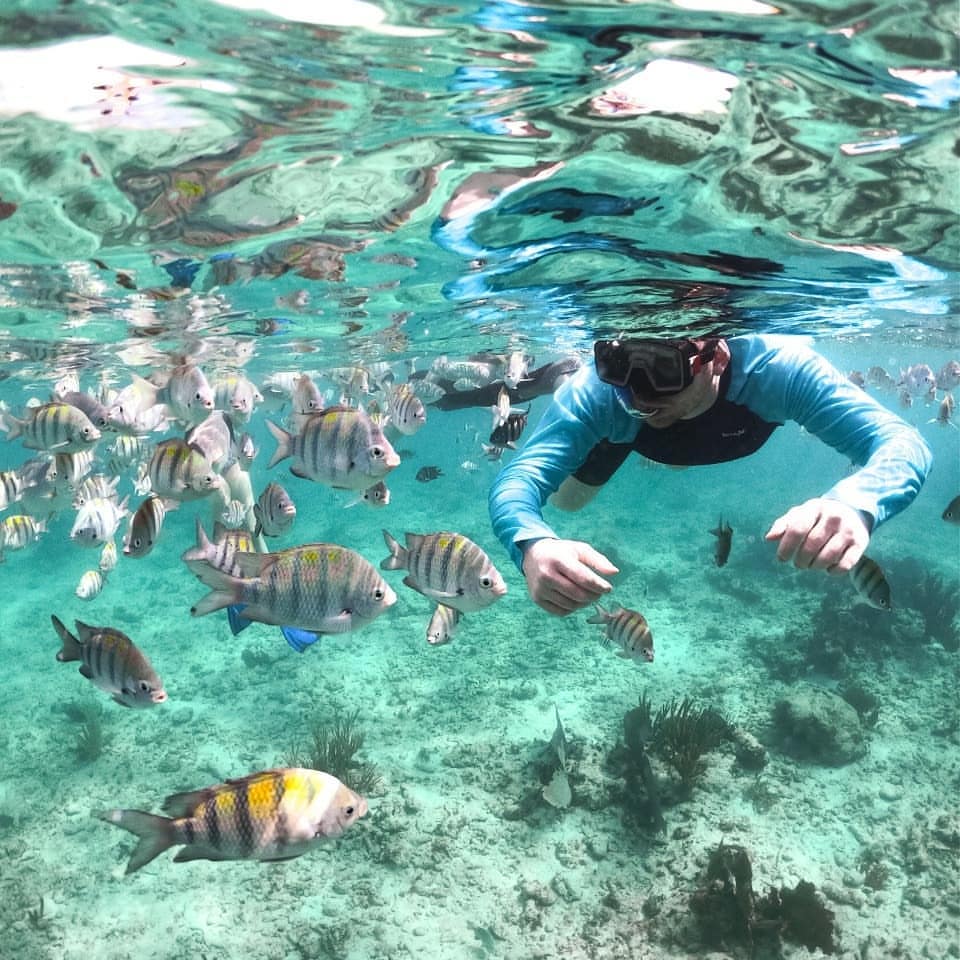
Playa del Carmen serves as the practical hub for most cruise visitors, its Quinta Avenida pedestrian boulevard lined with restaurants, artisan boutiques, and the kind of effortless street energy that makes an afternoon stroll genuinely pleasurable. The beaches here rival any in the Caribbean, and the offshore reef — part of the Mesoamerican Barrier Reef, the world's second-largest — makes snorkeling and diving exceptional. A day in the Riviera Maya is, by almost any measure, too short — but it is rarely anything less than unforgettable.
Top things to do in Riviera Maya on a cruise stopover
Tulum: Mayan Ruins on the Caribbean Cliff
No image in Mexican tourism is more reproduced than Tulum's El Castillo — a stone temple perched on a 12-meter limestone cliff above a Caribbean sea so saturated in blue it seems impossible. But photographs consistently undersell the experience. The walled city of Tulum functioned as a major Mayan trading port between the 13th and 15th centuries, and walking its ceremonial spaces with the warm Caribbean breeze and the sound of surf below is among the most transportive experiences in the Yucatan. The site is compact enough to explore fully in two hours, leaving time for the small beach at the base of the cliffs — one of the few places in Mexico where you can swim directly beneath an archaeological site. Arrive as early as possible; Tulum receives enormous visitor numbers by mid-morning, and the atmosphere at dawn is incomparably more evocative.
Cenotes: Swimming in the Underworld
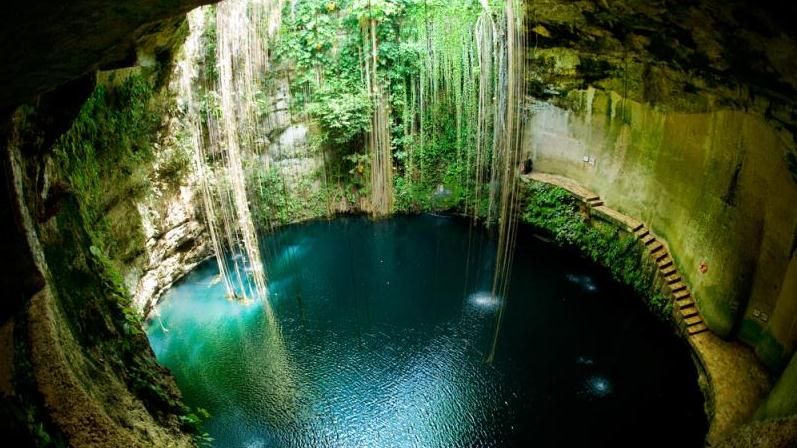
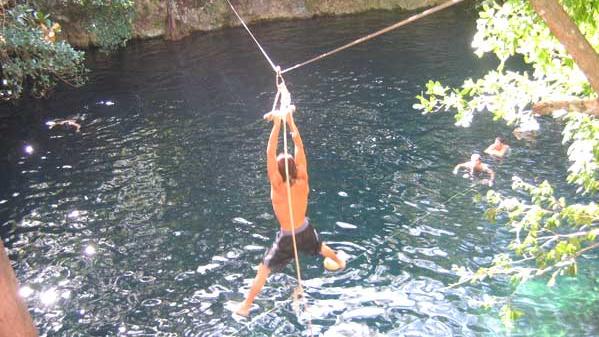
The Yucatan Peninsula sits atop a vast limestone shelf riddled with underground rivers and collapsed sinkholes called cenotes — and swimming in one is among the most extraordinary aquatic experiences available to any traveler, anywhere. The water is filtered through limestone over millennia, emerging at a constant 24°C in shades of turquoise and cobalt that defy ordinary description. Gran Cenote, near Tulum, is one of the most beautiful: an open cavern where light shafts illuminate the water and freshwater turtles glide past snorkelers. Ik Kil, near Chichen Itza, is a dramatic open sinkhole draped in hanging vines and ferns. Cenote Dos Ojos offers cave-diving through the world's longest underwater cave system for certified divers. For most cruise visitors, a cenote stop pairs naturally with a Tulum excursion — they share the same highway corridor and the combination makes for an exceptional day ashore.
Chichen Itza: One of the World's Great Monuments
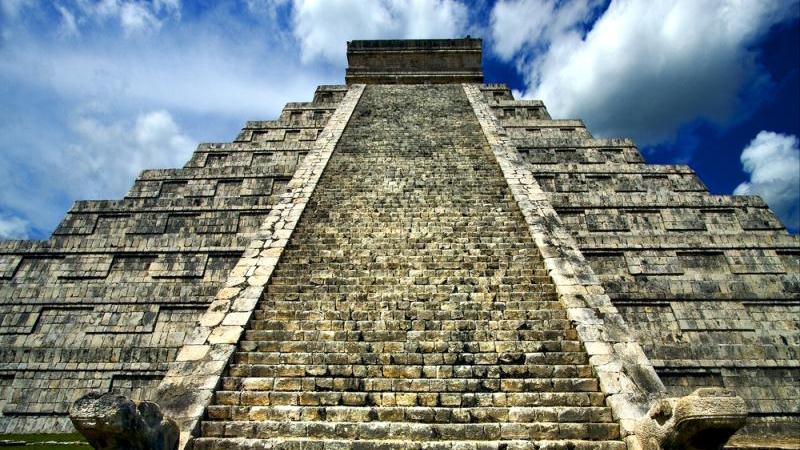
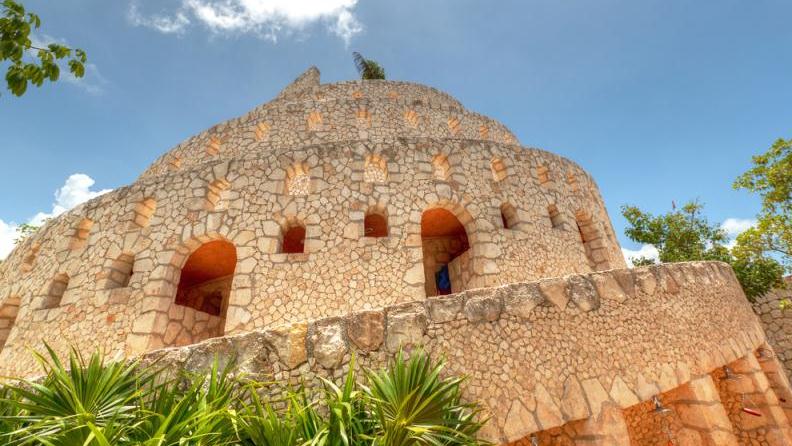
Two hours inland from Playa del Carmen, through flat jungle and small Yucatecan towns, Chichen Itza rises without warning from the scrub — and its scale stops conversation. El Castillo, the great pyramid at the site's center, is a masterpiece of Mayan astronomical engineering: on the spring and autumn equinoxes, the afternoon sun casts a shadow along the pyramid's staircase that creates the illusion of a serpent descending from heaven to earth. The site encompasses the largest Mayan ball court in existence, a sacred cenote used for ritual offerings, and the remarkable Temple of the Warriors. Because the round trip from Playa del Carmen consumes most of a day, Chichen Itza is best attempted on organized excursions with guaranteed return times — or on longer port days where the ship remains in port until early evening. Go early; the site opens at 8 a.m. and midday heat and crowds are formidable.
Playa del Carmen and Quinta Avenida
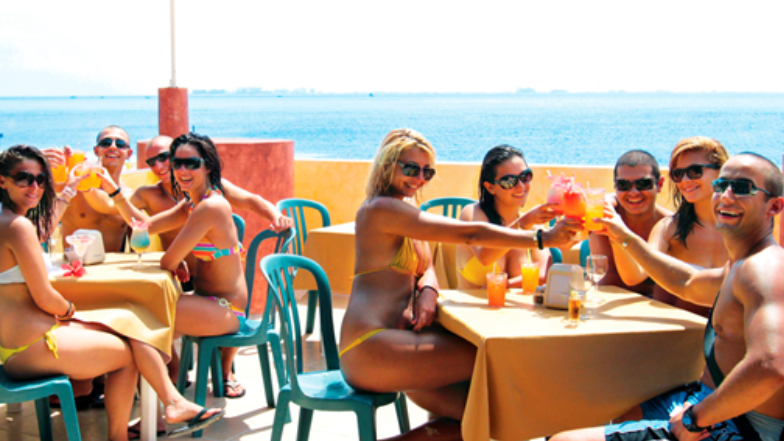
For travelers who prefer a day of street-level pleasures over archaeological ambition, Playa del Carmen's Quinta Avenida — Fifth Avenue — delivers one of the Caribbean's most enjoyable pedestrian experiences. The car-free boulevard runs parallel to the ocean for over a kilometer, lined with open-air restaurants serving fresh ceviche and Yucatecan cuisine, artisan boutiques selling hand-embroidered textiles and silver jewelry, mezcal bars, gelaterias, and street performers. The beach at Playa del Carmen proper is wide, Caribbean-blue, and lined with beach clubs offering chair and umbrella rental, cold drinks, and snorkeling access to the nearby reef. Calle Corazón, a mosaic-tiled plaza off Fifth Avenue, is a particularly photogenic corner of the town center. The whole experience has a rhythm — unhurried, warm, and pleasantly chaotic — that represents Mexican Caribbean life at its most accessible.
Xcaret and Xel-Ha: Eco-Parks on a Grand Scale
The Riviera Maya's two flagship eco-parks represent entirely different philosophies of a day well spent. Xcaret, just south of Playa del Carmen, is an immersive cultural and natural theme park — guests snorkel underground rivers, visit a Mayan village, watch traditional dances, and explore a butterfly pavilion, all within a sprawling coastal property. The nightly Mexico Espectacular show is a theatrical celebration of Mexican regional culture that draws genuine praise. Xel-Ha, further south toward Tulum, focuses purely on aquatic experience: a natural coastal lagoon where snorkelers drift past parrotfish and rays in crystal-clear water, with food and drinks included in the all-inclusive admission price. Both parks are well-organized, English-speaking, and designed for exactly the kind of day ashore that cruise travelers need — guided, comfortable, and genuinely memorable.
Coba: Climb the Last Climbable Mayan Pyramid
Hidden in the jungle 40 kilometers inland from Tulum, Coba offers something the more famous sites cannot: the opportunity to climb an ancient Mayan pyramid and stand at the top of the jungle canopy. The Nohoch Mul pyramid rises 42 meters above the forest floor — steep stone steps with a rope guide — and the summit view over an unbroken expanse of Yucatan jungle stretching to the horizon is genuinely breathtaking. The site itself is sprawling, covering over 70 square kilometers; bicycles and tricycle taxis are available for hire within the ruins to cover distances between temple groups. Howler monkeys, colorful toucans, and spider monkeys are regularly spotted along the jungle paths. Coba pairs naturally with Tulum and a cenote stop on a full-day excursion — all three sites share the same highway corridor south of Playa del Carmen.
Riviera Maya travel tips
Tulum or Chichen Itza — Choose One, Do It Properly. The single most common mistake in the Riviera Maya is attempting both Chichen Itza and Tulum in one day. Chichen Itza is two hours from Playa del Carmen; Tulum is one hour in the opposite direction. Attempting both means spending four-plus hours in transit while barely touching either site. Choose one based on your priorities: Chichen Itza for UNESCO World Heritage grandeur and one of the world's great monuments; Tulum for a more manageable half-day that leaves time for a cenote swim and a Playa del Carmen afternoon. Either choice, made fully and without compromise, will be more satisfying than a rushed attempt at both.
Know Your Pier — Calica vs. Cozumel. Cruise ships calling at 'Riviera Maya' may dock at different locations. Ships using the Calica pier dock approximately 5 kilometers south of Playa del Carmen — a 10-minute taxi ride to the town center. Some itineraries use Cozumel as the port of call and offer ferry connections to Playa del Carmen (45 minutes each way), which significantly changes your day's math. Check your itinerary carefully before planning excursions. Independent travelers using the Cozumel-to-Playa ferry should factor in ferry schedules and return time to ensure they're back to Cozumel well before all-aboard.
Cenote Etiquette and What to Bring. Most cenotes require visitors to rinse off sunscreen and insect repellent before entering — these chemicals damage the delicate freshwater ecosystem and its endemic species. Reef-safe, biodegradable sunscreen is acceptable at most sites; conventional sunscreen is not. Life jackets are provided at nearly all cenotes regardless of swimming ability. Bring water shoes or sandals with heel straps — the limestone surrounds are often slippery. Lockers, restrooms, and shower facilities are available at well-established cenotes like Gran Cenote and Ik Kil. Bring cash for admission (typically $15–$25 USD) as cards are not always accepted at smaller sites.
Start Every Excursion at Dawn. The Riviera Maya's most popular sites — Tulum, Chichen Itza, the main cenotes — receive enormous visitor volumes by mid-morning, and midday heat on the Yucatan Peninsula (regularly 35°C / 95°F with high humidity) turns archaeological exploration into an endurance test. Aim to be at your primary site when it opens, typically 8 a.m. Organized shore excursions departing at 7 or 7:30 a.m. are not unreasonably early — they're strategically timed. The light in the early morning is also dramatically better for photography at both Tulum and Chichen Itza, with long shadows emphasizing the texture of ancient stone.
Bargaining, Tipping, and Local Commerce. Artisan markets at Tulum, Chichen Itza, and Playa del Carmen offer handcrafted textiles, amber jewelry, hammocks, and carved wood — bargaining is expected and good-natured negotiation typically achieves 30–50% off the opening price. Tipping is an important part of the local economy: 10–15% at restaurants is standard, $1–2 USD per drink at beach bars, and $5–10 USD per person for local guides who add genuine expertise to your visit. Avoid purchasing items made from coral, sea turtle shell, or black coral — these are protected species and the items are illegal to import into the US.
Staying Safe and Hydrated in the Yucatan Heat. Hydration is not optional in the Yucatan Peninsula. Carry at least one liter of water per person and refill frequently — bottled water is inexpensive and available everywhere. Stick to sealed bottled water; ice at established tourist restaurants is generally safe but use judgment at street stalls. The midday sun (11 a.m. to 3 p.m.) is severe; lightweight long-sleeve UV shirts, hats, and consistent sunscreen reapplication make a meaningful difference in comfort and safety. The Riviera Maya's tourist areas are generally safe and well-policed; standard urban awareness applies in Playa del Carmen's side streets away from Quinta Avenida.
Port Facts Every Cruiser Needs To Know
Riviera Maya shore excursion FAQs
Cruise ships calling on the Riviera Maya most commonly dock at the Calica pier, located approximately 5 kilometers south of Playa del Carmen's town center. A taxi from Calica to Quinta Avenida in Playa del Carmen takes about 10 minutes and typically costs $8–$12 USD. Some cruise itineraries use Cozumel island as the port of call and offer passenger ferries to Playa del Carmen (a 45-minute crossing); in those cases, factor the round-trip ferry time into your day planning. Check your cruise line's port documentation to confirm which pier your ship uses.
Yes, but it requires an early start and realistic time management. Chichen Itza is approximately 180 kilometers from Playa del Carmen — about two hours each way on Highway 180. Most organized shore excursions depart by 7–7:30 a.m. and return by 5–6 p.m., allowing two to three hours at the site itself. Self-drive or private car hire is an option for flexible travelers. ADO buses run from Playa del Carmen to Chichen Itza but the schedule may not align with cruise all-aboard times. For most travelers, a guided shore excursion is the safest option to guarantee a timely return to the ship.
Cenotes are natural sinkholes formed when the limestone cap over underground rivers collapses, creating pools filled with extraordinarily clear, mineral-rich freshwater. The Yucatan Peninsula has thousands of them. For cruise visitors, Gran Cenote (near Tulum) is one of the most beautiful and accessible — an open cavern with turquoise water and freshwater turtles, requiring no special equipment. Ik Kil, near Chichen Itza, is a dramatic open sinkhole and pairs naturally with a Chichen Itza visit. Cenote Azul, just south of Playa del Carmen, is among the easiest to visit independently. Admission typically runs $15–$30 USD. Most cenotes require biodegradable sunscreen only.
The Tulum archaeological site is approximately 65 kilometers south of Playa del Carmen — about one hour by car or collectivo (shared van). Collectivos depart frequently from the Playa del Carmen collectivo station on Calle 2 Norte, cost around 50–80 pesos, and drop passengers in Tulum town, from which it's a short taxi or walking distance to the ruins entrance. Taxis from Calica pier directly to Tulum cost approximately $60–$80 USD round trip. Organized shore excursions handle logistics seamlessly. The site itself takes 1.5–2 hours to explore fully; add 30–45 minutes for the small beach below the ruins.
Xcaret and Xel-Ha are both popular eco-parks, but they offer very different experiences. Xcaret (just south of Playa del Carmen) is a large, all-day cultural and natural park with underground river snorkeling, wildlife exhibits, cultural shows, and a spectacular evening folkloric performance — it appeals to those who want a structured, varied day with a strong cultural component. Xel-Ha (near Tulum) is a natural coastal lagoon focused entirely on aquatic activities — snorkeling the lagoon, water slides, cliff jumping, and floating the inlet — with food and drink included in admission. Both are family-friendly and professionally operated. Choose Xcaret for culture plus nature; choose Xel-Ha for a purely aquatic, all-inclusive beach day.
Yes — the Caribbean waters along the Riviera Maya are among the safest and most beautiful in the Americas. The sea is generally calm, warm (28–30°C), and crystal clear, protected in many areas by the Mesoamerican Barrier Reef. Sargassum seaweed arrives in seasonal blooms (most heavily April through September) and can affect some beach areas, but beach clubs and major resorts typically clear it daily. Swimming in cenotes is safe and well-organized at established sites with life jackets available. Always observe posted flag warnings at ocean beaches — red flags indicate dangerous conditions and should be respected.
Climbing policies vary significantly by site. At Chichen Itza, climbing El Castillo and all other structures has been prohibited since 2006 following safety incidents — the site is viewed from ground level only. At Tulum, the main structures are roped off and cannot be climbed, though the coastal setting and views make this less relevant. Coba is the notable exception — its Nohoch Mul pyramid (42 meters, the tallest climbable Mayan pyramid) remains open for climbing as of 2024, with a rope guide along the steep staircase. This can change; verify current policies before your visit. Coba's climb is physically demanding but rewarding for those in reasonable fitness.
US dollars are widely accepted throughout the Riviera Maya's tourist zones — at beach clubs, restaurants along Quinta Avenida, and most major attractions. However, you will often receive change in pesos at an unfavorable exchange rate. For better value, withdraw Mexican pesos from ATMs (cajeros automáticos) in Playa del Carmen — Banamex and HSBC ATMs inside commercial banks typically offer better rates and lower fees than standalone machines at the pier. Major credit cards (Visa, Mastercard) are accepted at established restaurants, eco-parks, and archaeological sites. Carry small denomination bills for tips, collectivos, and cenote admissions.
For first-time visitors with a full day ashore, the combination of Tulum ruins in the morning and a cenote swim at Gran Cenote in the early afternoon is the Riviera Maya's signature experience — culturally meaningful, visually extraordinary, and logistically manageable from Playa del Carmen. Add a late afternoon stroll along Quinta Avenida for fresh ceviche and a browse through artisan markets before returning to the ship. Those with young children may prefer Xcaret or Xel-Ha as a self-contained full-day option. Chichen Itza is a once-in-a-lifetime experience best reserved for a dedicated day with an early departure — it deserves the full morning, not a rushed afternoon visit.
The Riviera Maya is a regional designation covering substantial distances — from Playa del Carmen to Tulum is one hour; to Chichen Itza is two hours. Always calculate your return journey from the furthest point and add a buffer of at least 60–90 minutes for traffic, delays at toll roads, or unexpected stops. Highway 307 between Cancun and Tulum carries heavy tourist traffic, particularly on days when multiple cruise ships are in port. Aim to be back at the Calica pier at least 60 minutes before all-aboard. Missing all-aboard at a Mexican port carries real consequences — the ship will sail on schedule, and travelers are responsible for rejoining the vessel at the next port at their own expense.
Filters
Select a filter to refine results.
Tour Type
Tour Activity
 Cart
Cart
 USD
USD GBP
GBP AUD
AUD EUR
EUR CAD
CAD