



Tours in Colon


Cruising to Colon in a group?
Skip the crowded ship excursion bus. One dedicated planner will design a private shore experience around exactly what your group wants — coordinated from first enquiry to the moment you're back on board. More memorable, more flexible, and more affordable than you might expect. Spend less time organising, more time enjoying.
Explore Group Travel →Cruising to Colon
Few ports on earth carry the weight of history and engineering ambition that Colon does. Sitting at the Atlantic entrance to the Panama Canal, this working Caribbean city has served as the crossroads of global commerce since the waterway opened in 1914. Ships from every corner of the world funnel through here, and cruise passengers arrive in the middle of one of the planet's most active maritime stages — a backdrop that makes every shore excursion feel cinematic before it even begins.
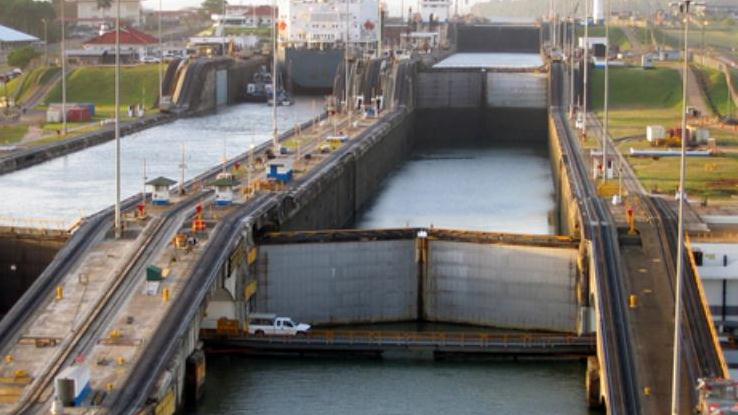
Colon itself is an industrial city, and most savvy travelers use the Colon 2000 cruise terminal as a launching pad rather than a destination in its own right. Within 30 minutes you can stand at the Gatun Locks and watch massive container ships — vessels that dwarf everything around them — rise and fall through the lock chambers with mechanical precision. The observation platform brings you close enough to feel the scale. Further inland, Soberania National Park shelters some of the most accessible tropical rainforest on the Caribbean coast, where toucans and howler monkeys make their presence known to anyone willing to walk a jungle trail.
For those with an appetite for a grander adventure, the Panama Canal Railway offers one of Central America's most spectacular train journeys — a historic line crossing the isthmus from Colon to Panama City through rainforest and alongside the Canal itself. In the other direction, the UNESCO-listed fortifications at Portobelo recall the colonial era when Spanish galleons loaded with Andean silver anchored in this very bay. With 6 to 10 hours ashore, Colon rewards the curious traveler who plans ahead and ventures beyond the port gate.
Top things to do in Colon on a cruise stopover
Gatun Locks: The Canal at Caribbean Eye Level
The Gatun Locks represent the Caribbean end of the Panama Canal — and for cruise passengers arriving on the Atlantic side, this is the most accessible place on earth to watch the waterway in action. The lock complex raises and lowers ships a total of 26 meters between the Caribbean Sea and Gatun Lake, a process that takes roughly an hour per vessel. From the observation platform, you stand close enough to see the sheer scale of the Panamax and New Panamax ships squeezing through the chambers, guided by electric locomotives called mulas running along the lock walls. A visitor center explains the Canal's history and mechanics. Most ships dock in the morning, which is when traffic through the locks is busiest — making the timing ideal for watching the parade of global commerce. Allow 2 to 3 hours including transit time from the port.
The Panama Canal Railway: A Cross-Isthmus Adventure
The Panama Canal Railway is one of the great train journeys of the Americas — a historic line that has been carrying passengers across the 77-kilometer isthmus since 1855, predating the Canal itself. The journey from Colon to Panama City takes approximately one hour and runs alongside the Canal for much of its route, offering views of ships navigating Gatun Lake through a window of dense tropical rainforest. The modern air-conditioned train features panoramic coaches that make the scenery the real destination. In Panama City you'll have time to explore the Miraflores Locks, the vibrant Casco Viejo historic district, or a restaurant before returning. Note that the train typically runs in one direction each morning, so round-trip logistics require advance planning with a tour operator who can arrange return transport.
Portobelo: Spanish Colonial Fortifications on a Caribbean Bay
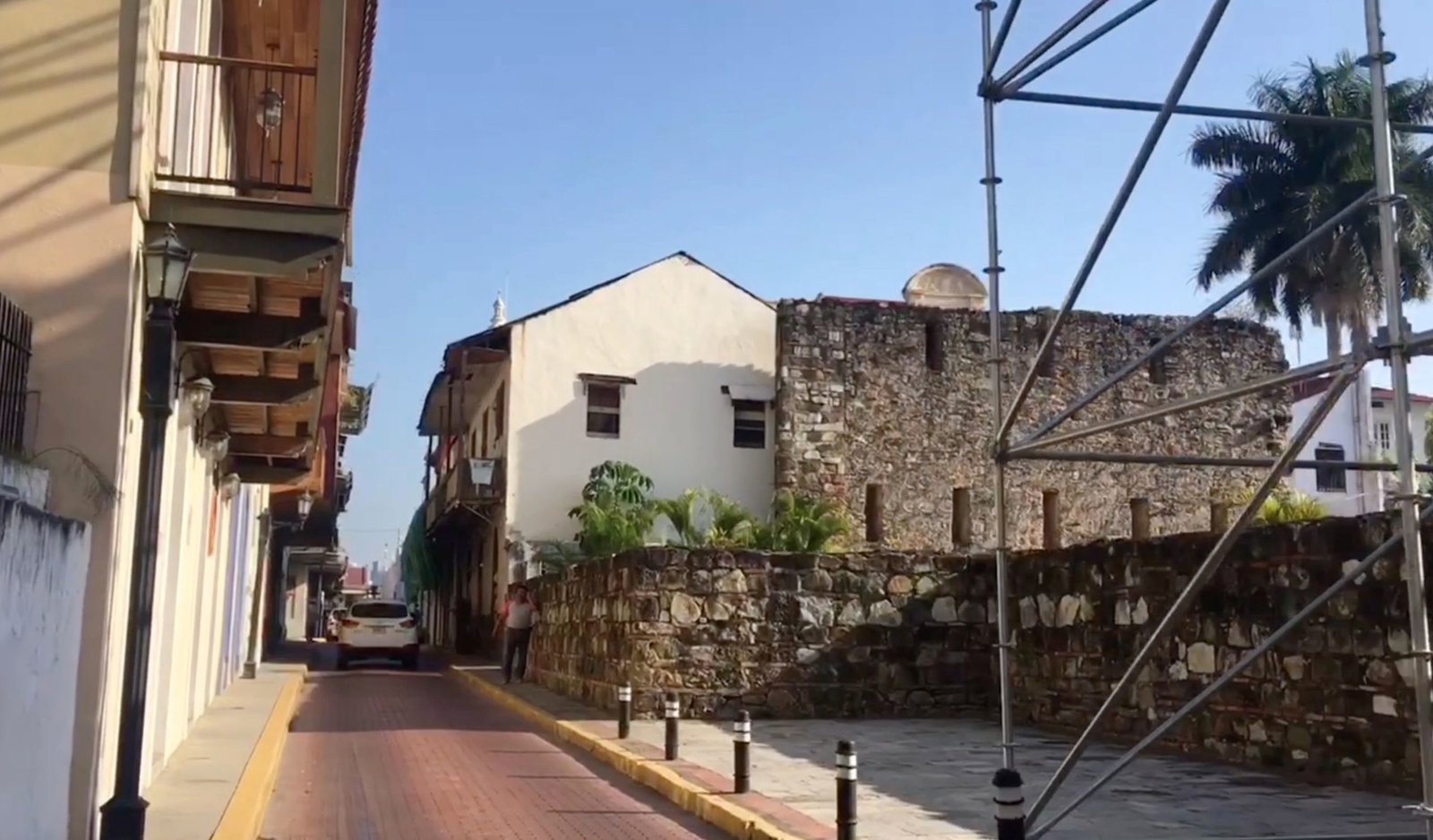
An hour east of Colon along the Caribbean coast, Portobelo is a UNESCO World Heritage Site that feels like a place time forgot — in the best possible way. In the 16th and 17th centuries, this sheltered bay was one of the most strategically important ports in the Spanish Empire, the end point of the Camino Real along which Andean silver traveled before crossing the Atlantic to Spain. The fortifications that guarded this treasure — Castillo San Lorenzo, Fort San Jerónimo, and the Royal Customs House — are remarkably intact. Cannons still point out over a bay now busy with colorful fishing boats rather than galleons. The village itself is small and welcoming, with local life playing out around the central plaza. A visit here combines history, architecture, and a genuine sense of Caribbean atmosphere that feels worlds away from the industrial bustle of Colon.
Soberania National Park: Rainforest at the Canal's Edge
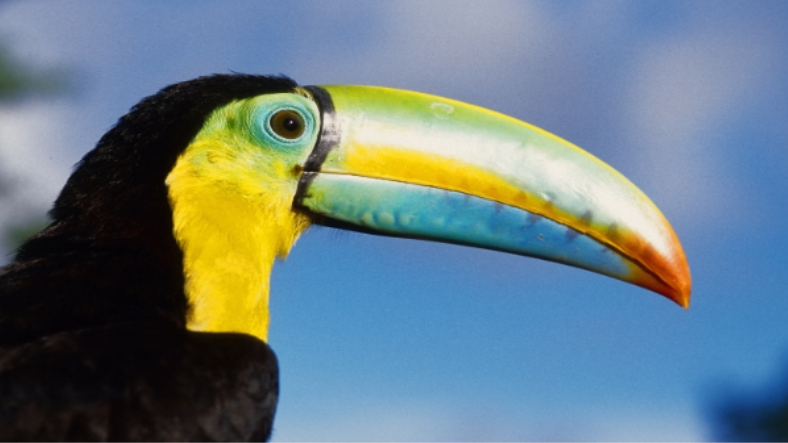
Soberania National Park stretches along the eastern bank of the Canal Zone and is one of the most biodiverse stretches of tropical forest in Central America — and one of the most accessible from Colon. The famous Pipeline Road, originally built by the US military, is now a legendary birding trail recognized as one of the top birding sites on the planet. More than 500 bird species have been recorded here, including harpy eagles, toucans, motmots, and the vivid blue cotinga. Howler monkeys announce themselves from the canopy and Geoffrey's tamarins move through the understory in small troops. The park's trails are well-maintained and can be explored with a local naturalist guide for maximum wildlife encounters. The combination of effortless access, extraordinary biodiversity, and the surreal backdrop of Canal traffic makes Soberania an unforgettable detour for nature travelers.
Gatun Lake: Boating Through a Manmade Sea
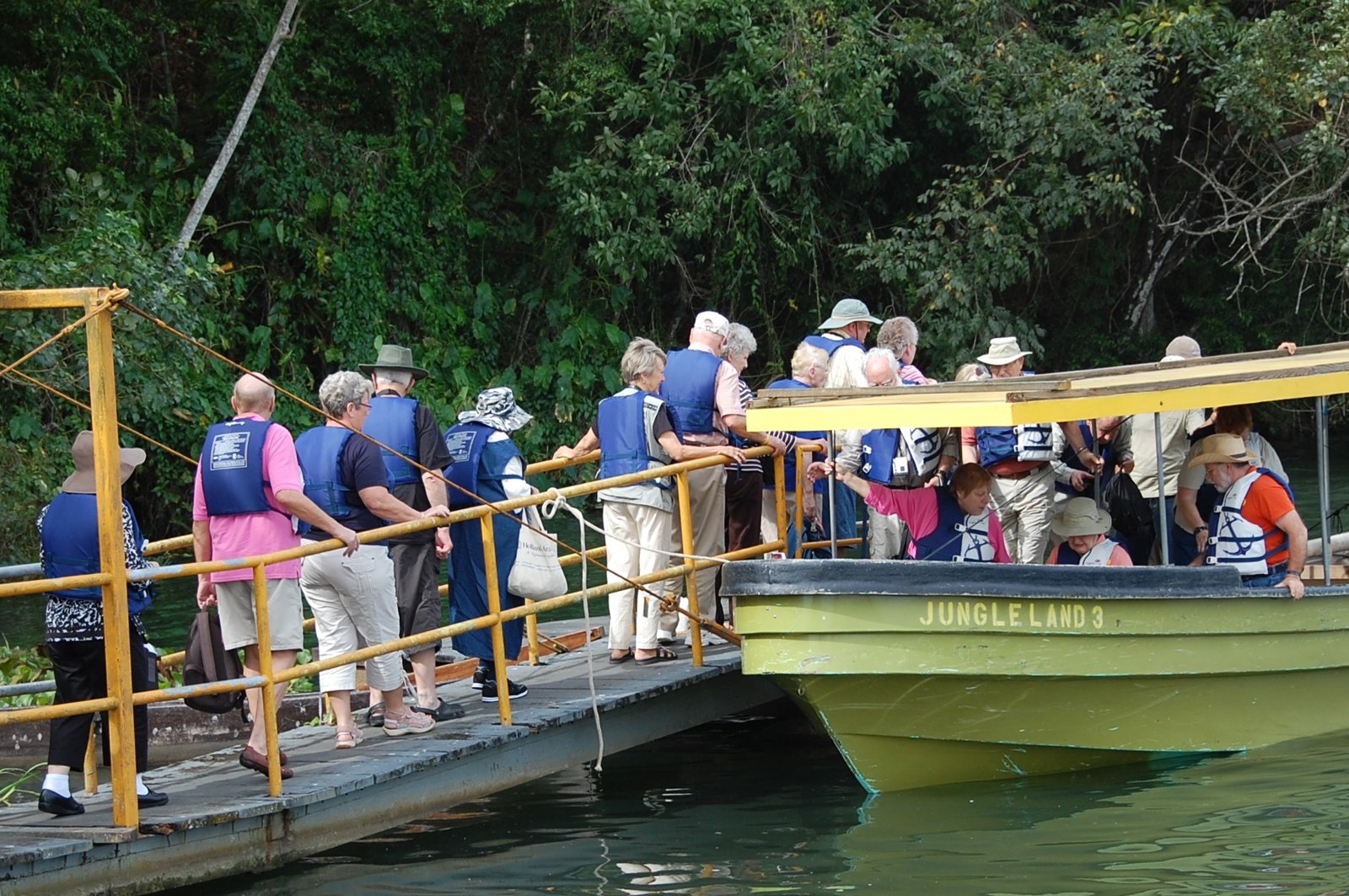
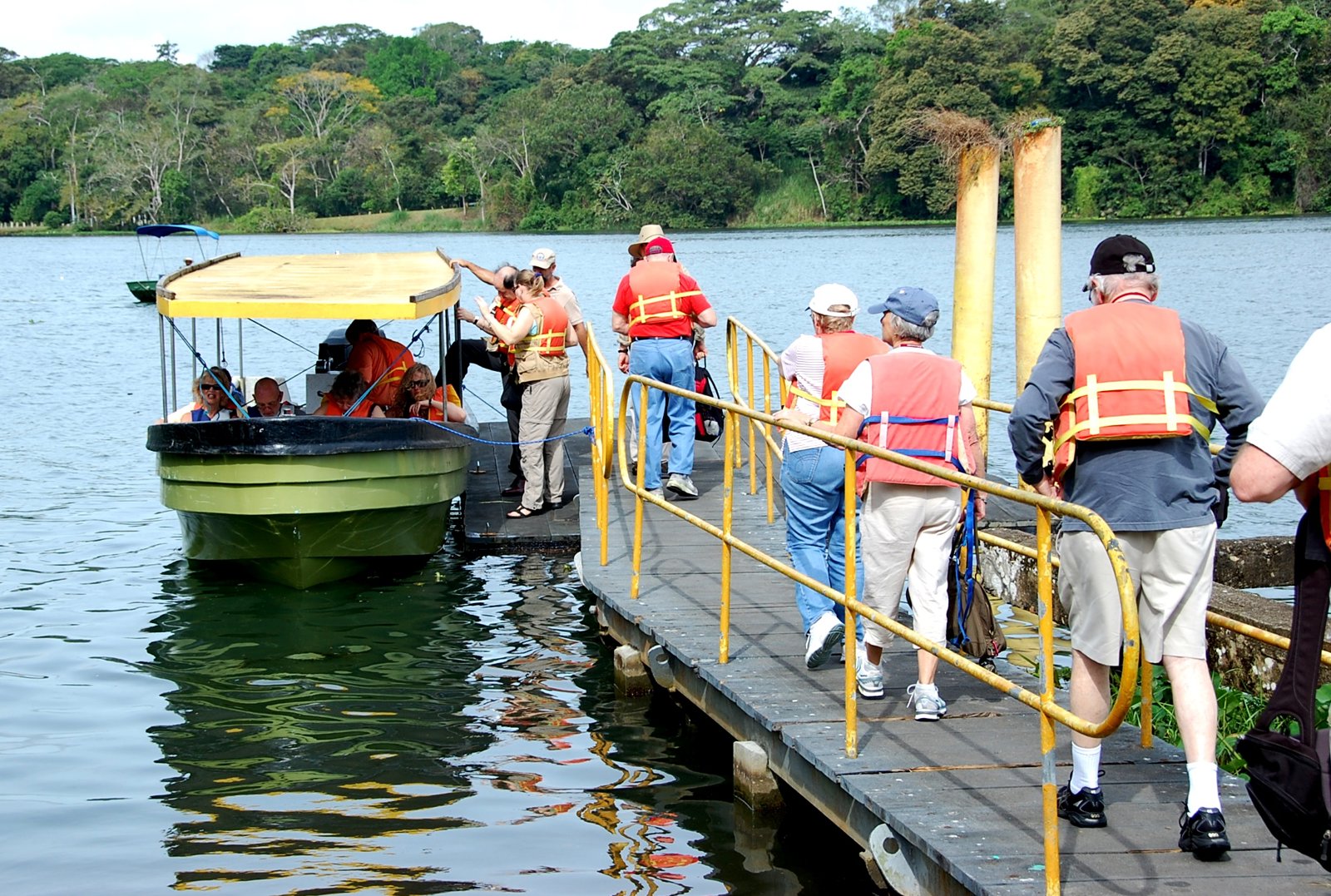
Created when the Chagres River was dammed to build the Panama Canal, Gatun Lake was once the largest artificial lake in the world and remains one of the most important — every ship transiting the Canal crosses it. For cruise travelers, the lake offers a different perspective on the Canal ecosystem: small boat tours navigate among forested islands that were once hilltops before the valley flooded, now inhabited by troops of Geoffroy's spider monkeys, sloths, and dozens of bird species. Some tours visit Barro Colorado Island, a Smithsonian Tropical Research Institute field station set in intact primary rainforest. The combination of Canal history, wildlife sightings, and the strange beauty of a manmade lake swallowed by jungle makes a Gatun Lake boat excursion one of the most distinctive experiences available from Colon.
Colon 2000 Terminal: Your Shore Base
The Colon 2000 cruise terminal is a modern, air-conditioned facility designed specifically to serve cruise passengers and functions as a comfortable base for your time ashore. Within the terminal complex you'll find duty-free shops, souvenir stores selling Panamanian handicrafts including the famous molas (colorful hand-stitched textile panels) made by the Kuna people, restaurants, and reliable Wi-Fi. Currency exchange and ATMs are available. Licensed tour operators and taxis are organized in the terminal departure area, making it straightforward to arrange transport. While the terminal itself is safe and pleasant, the area immediately outside is not recommended for independent exploration — keep your day focused on organized excursions to Gatun Locks, Portobelo, or the railway, and return to the terminal's comfortable facilities between adventures.
Colon travel tips
Book Shore Excursions Before You Sail. Colon's best experiences — Gatun Locks, the Canal Railway, Portobelo, Soberania — all require transport and often advance reservations, particularly for the Panama Canal Railway which operates on a set schedule. Popular spots fill up quickly on days when multiple ships are in port. Arranging your excursions before departure, whether through your cruise line or a reputable independent operator, ensures you spend your 6 to 10 hours ashore actually sightseeing rather than negotiating logistics at the pier.
Choose Your Priority: Canal or Culture. With limited time ashore, decide early whether your priority is the Panama Canal experience (Gatun Locks, Canal Railway, Gatun Lake) or cultural and historical exploration (Portobelo, Casco Viejo in Panama City). Combining both often means rushing through each. Gatun Locks plus Soberania National Park is an excellent half-day pairing. Portobelo alone fills a comfortable morning. The Canal Railway to Panama City is best treated as a full-day commitment.
Dress for Heat and Humidity. Colon sits in a tropical Caribbean climate with year-round heat and humidity. Lightweight, breathable clothing is essential — and pack a compact rain jacket regardless of the season, as afternoon showers can arrive quickly. Sunscreen, a hat, and insect repellent are mandatory for any outdoor excursion, especially in Soberania National Park. Comfortable walking shoes with grip are better than sandals for jungle trails and historic fort ruins.
Photography Timing at the Locks. The Gatun Locks observation platform offers dramatic photography opportunities, but the quality of your shots depends on having a ship actually in the locks. The Canal operates 24 hours a day, but peak traffic through Gatun is typically in the morning when cruise ships are most often docked in Colon. Ask your guide or check the Panama Canal Authority's ship-tracking website (ACP Vessel Tracking) the night before to see what vessels are scheduled — spotting a massive LNG carrier or container ship dwarfing the lock walls makes for far more striking images than an empty chamber.
Stay Within the Terminal If Not on a Tour. Colon has a reputation as a challenging city for independent tourism, and the neighborhoods immediately outside the cruise terminal are not recommended for casual exploration. This is not cause for alarm — the Colon 2000 terminal is secure and well-facilitated — but it does mean that travelers who skip a shore excursion will find their options limited to the terminal's shops and restaurants. If you prefer a relaxed day, the terminal itself is comfortable. If you want to explore, commit to a proper tour.
Bring US Dollars and Small Bills. Panama's currency is the US dollar, which eliminates any foreign exchange complexity for most travelers. However, large bills can be difficult to break at small vendors, roadside stops near Portobelo, or tip situations. Arrive with a mix of $1, $5, and $20 bills. Credit cards work reliably at the cruise terminal and organized tour operators, but cash remains the better option at smaller sites. Tipping guides $5 to $10 per person is customary and appreciated.
Port Facts Every Cruiser Needs To Know
Colon shore excursion FAQs
The Colon 2000 cruise terminal itself is secure and purpose-built for cruise passengers, with controlled access, organized transportation, and good facilities. The city of Colon beyond the terminal is not recommended for independent walking — crime rates in the wider city are elevated. The practical advice is simple: use the terminal as your base and travel beyond it via organized tours or pre-arranged taxis to specific destinations like Gatun Locks or Portobelo. Travelers who follow this approach consistently have safe and rewarding experiences.
Most nationalities visiting Panama on a cruise ship do not require a visa for short port calls — US, Canadian, EU, and UK passport holders are typically admitted without a visa for stays of up to 180 days. However, immigration requirements can change and vary by nationality. Always verify current entry requirements for Panama through your country's foreign affairs or state department before travel. Your cruise line's destination services team can also confirm requirements for your specific itinerary.
The Panama Canal Railway typically operates a morning departure from Colon (around 7:15 AM) arriving in Panama City approximately one hour later, with a return departure from Panama City in the afternoon. Schedules can vary seasonally, and the morning departure from Colon may be earlier than your ship arrives or docks. Most cruise travelers who take the railway do so on a one-way basis with a guided bus return from Panama City. Confirm current schedules and book in advance through a tour operator, as individual tickets can sell out on busy cruise days.
The Gatun Locks are approximately 10 kilometers from the Colon 2000 cruise terminal — roughly a 20 to 30 minute drive depending on traffic. Taxis from the terminal make the run regularly, and the price should be negotiated in advance (typically $15 to $25 for the taxi, not per person). The locks have a dedicated visitor center and observation platform open to tourists. Many cruise lines also offer a Gatun Locks tour as an organized shore excursion, which includes transportation and a guide.
Portobelo can be visited independently by taxi from the cruise terminal — it's about 1 hour east along the Caribbean coast road. Negotiate a rate for the round trip with waiting time (typically $60 to $90 for the full taxi, not per person). The site is straightforward to explore on your own once you arrive, as the fortifications are well-signed. However, a guided tour adds context to the complex history of Spanish colonial trade routes and the fortifications' military significance, which deepens the experience considerably. Allow 3 to 4 hours total for an independent Portobelo visit.
Panama City is possible from Colon in a cruise day, but it requires a full commitment and smart planning. The Canal Railway takes about 1 hour each way and is a highlight in itself. Panama City's Casco Viejo historic district and Miraflores Locks are the top targets. However, Panama City is 80 kilometers from Colon by road (1.5 to 2 hours each way), so travelers doing the trip by bus or taxi spend significant time in transit. The Railway plus guided city tour is the most time-efficient approach. Confirm your ship's departure time carefully — Panama City day trips are best suited to ships with later all-aboard times.
Soberania National Park is one of the most biodiverse protected areas in the Americas relative to its size. Common sightings include howler monkeys, Geoffrey's tamarins, white-faced capuchins, two- and three-toed sloths, and a remarkable diversity of birds including toucans, motmots, manakins, and antbirds. Pipeline Road is world-famous among birders — over 500 species have been recorded there. With a knowledgeable naturalist guide and a few hours on the trails, most visitors encounter multiple mammal species and dozens of bird species. Early morning visits offer the best wildlife activity before the midday heat settles in.
Colon's immediate coastline is industrial and not suitable for swimming. The Caribbean beaches near Portobelo and further along the coast toward the San Blas Islands are beautiful, but San Blas is too far for a standard cruise day. Some tour operators offer combined Portobelo and beach excursions to nearby Caribbean shores along the same coastal road. Water quality and beach conditions vary — ask your tour operator specifically about swimming stops if this is a priority for your day.
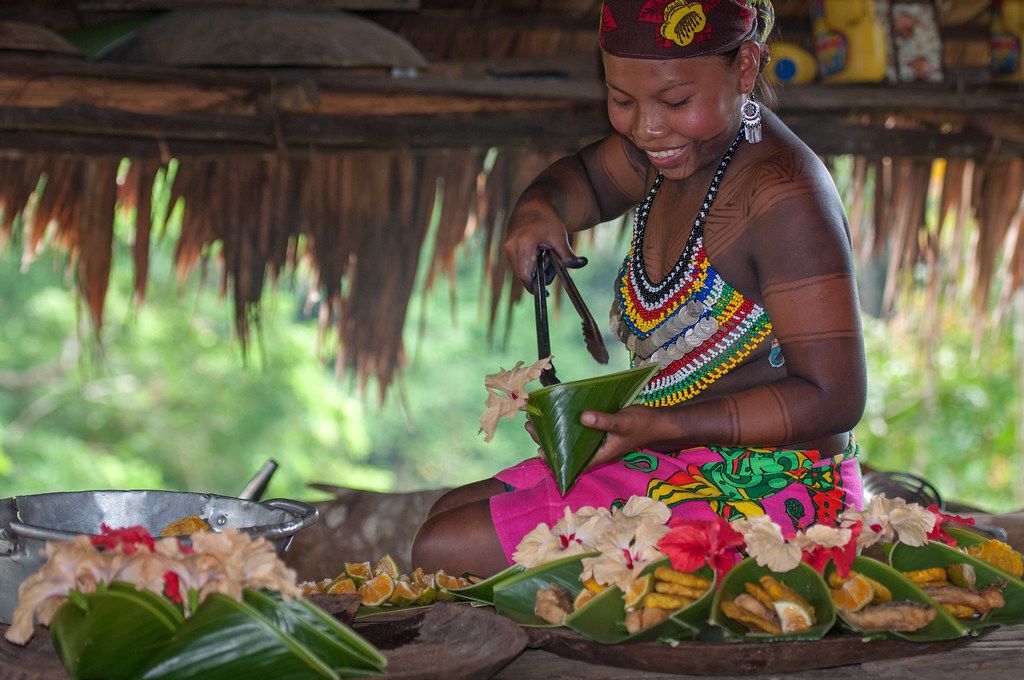
The most distinctive Panamanian souvenir is the mola — intricate hand-stitched reverse-appliqué textile panels made by the Kuna (Guna) indigenous people of the Caribbean coast. They range from small decorative pieces to large wall hangings. The Colon 2000 terminal has shops selling molas, along with Panama hats (despite the name, Panama hats traditionally originate from Ecuador, but quality versions are sold here), handcrafted Panamanian jewelry, and local hot sauces and coffee. For fair-trade and artisan-quality items, compare prices between the terminal shops and any craft vendors you encounter at Portobelo.
The Panama Canal operates around the clock, 365 days a year, so there are always vessels transiting the system. However, seeing a large ship actually in the Gatun Locks chambers at the exact moment you visit is a matter of timing. The Canal Authority publishes ship transit schedules on its website (the ACP vessel tracking system is publicly accessible). Your tour guide will typically time your Gatun Locks visit to coincide with scheduled ship transits. Most morning visits during peak cruise season encounter active lock operations. Even during quieter periods, the locks infrastructure and visitor center are fascinating in their own right.
Filters
Select a filter to refine results.
Tour Type
Tour Activity
 Cart
Cart
 USD
USD GBP
GBP AUD
AUD EUR
EUR CAD
CAD