



Tours in Santo Tomas De Castilla


Cruising to Santo Tomas De Castilla in a group?
Skip the crowded ship excursion bus. One dedicated planner will design a private shore experience around exactly what your group wants — coordinated from first enquiry to the moment you're back on board. More memorable, more flexible, and more affordable than you might expect. Spend less time organising, more time enjoying.
Explore Group Travel →Cruising to Santo Tomas De Castilla
Santo Tomas de Castilla is not a port that announces itself with postcard beaches or pastel-painted colonial squares. What it offers instead is rarer: access to some of the most compelling corners of Central America, compressed into a single day ashore. This utilitarian Caribbean harbor — Guatemala's principal commercial port — is the launching point for journeys into a landscape where ancient civilizations left their mark in stone, where rivers carve through limestone canyon walls, and where an Afro-Caribbean culture unlike anything else in the region has taken root and flourished for centuries.
The headline attraction is Quiriguá, a UNESCO World Heritage Site just over an hour from the pier, where towering sandstone stelae carved by Maya artisans over a thousand years ago rise improbably from a banana plantation clearing. Further inland, the Río Dulce — a broad, jungle-bordered river connecting highland Lago Izabal to the Caribbean — offers boat journeys through a gorge lined with tropical forest and hot springs. Down the coast, the town of Livingston is accessible only by boat: a Garífuna community with no road connections to the rest of Guatemala, where drumbeats carry through neighborhoods of brightly painted wooden houses and the local cuisine blends West African and Caribbean traditions into something wholly its own.
This is not the easiest port to navigate independently — distances are real and logistics require planning. But for travelers who come prepared, Santo Tomas delivers the kind of shore day that lingers long after the ship has sailed: one defined not by what was bought, but by what was genuinely experienced.
Top things to do in Santo Tomas De Castilla on a cruise stopover
Quiriguá Archaeological Park: The Maya in Stone
Rising from a clearing amid banana plantations about 90 minutes from the pier, the stelae of Quiriguá rank among the most remarkable objects in the Americas. These towering sandstone monoliths — commissioned by Maya kings between the 5th and 9th centuries AD — are carved with intricate glyphs and portraits of rulers in extraordinary detail. The tallest, Stela E, stands nearly 11 meters high and weighs 65 tons, yet every surface carries relief carving of astonishing precision. A UNESCO World Heritage Site since 1981, Quiriguá is compact enough to explore thoroughly in two to three hours, making it ideal for a shore excursion. The site's jungle setting, with howler monkeys occasionally audible in the canopy above, adds atmosphere that no museum can replicate.
Río Dulce: A River Journey Through Living Jungle
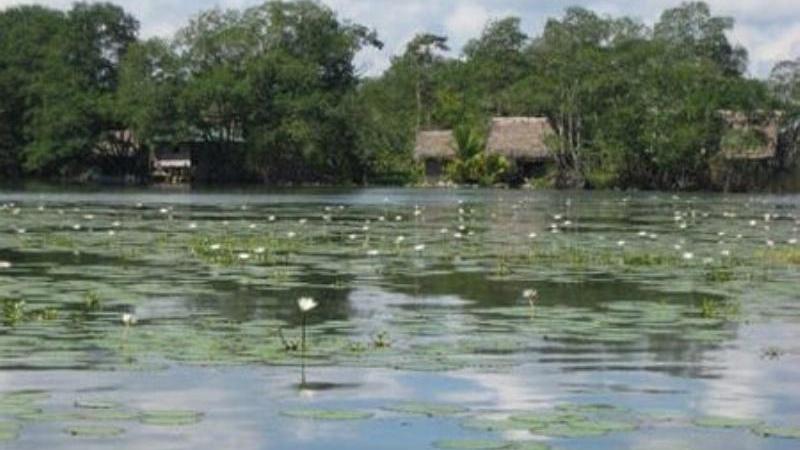
The Río Dulce — the Sweet River — earns its name in dramatic fashion. Flowing east from highland Lago Izabal to the Caribbean coast, this 35-kilometer waterway passes through a limestone gorge draped in hanging vegetation, past thermal hot springs and waterfall-fed lagoons, and through the Biotopo Chocón Machacas, a protected reserve for manatees and water birds. Boat trips through the gorge typically take two to three hours and pair well with a stop at the lakeside fortress of Castillo de San Felipe de Lara, built by the Spanish in 1595 to guard against pirate raids. The journey itself — watching jungle walls rise on either side as the boat moves through cool, shadowed water — is the experience.
Livingston: The Garífuna Town at the Edge of the Map
Livingston exists in a world apart. Accessible only by boat — no roads connect it to the rest of Guatemala — this Caribbean town is the heartland of Guatemala's Garífuna community, descendants of West African, Carib, and Arawak people exiled from the island of St. Vincent by the British in 1797. Today, Livingston's streets carry the sounds of punta drumming, its kitchens produce dishes found nowhere else in Guatemala — hudut, a coconut-milk fish stew served with mashed plantain, is the essential taste — and its wooden houses, painted in vivid colors, line a waterfront where dugout canoes mingle with small passenger ferries. The 30-to-45-minute boat ride from the pier area adds to the sense of arriving somewhere genuinely different.
Puerto Barrios: Caribbean Life Without a Filter
Just minutes from the cruise pier, Puerto Barrios — the nearest city to Santo Tomas — offers a ground-level glimpse of Guatemalan Caribbean life that requires no excursion booking or long drive. The central market is a working market with vendors selling tropical produce, spices, locally made hammocks, and prepared foods from early morning. The waterfront malecón stretches along the bay with open-air restaurants serving fresh seafood — grilled fish, shrimp in garlic butter, ceviche — at prices that feel extraordinary by cruise standards. For travelers who prefer absorbing local atmosphere over landmark-ticking, Puerto Barrios delivers an authentic slice of Caribbean Guatemala within easy reach of the ship.
Cacao Heritage: From Maya Sacred Plant to Modern Chocolate
Guatemala's Caribbean coast sits at the edge of one of the world's great cacao-growing regions, and a number of operators now offer farm and workshop experiences tracing chocolate from its ancient Maya origins to the finished bar. Cacao was sacred to the ancient Maya — Quiriguá's own stelae contain glyph references to the cacao tree — and the tradition of cultivating fine-flavor cacao here predates colonization by millennia. Farm visits in the Río Dulce region combine hands-on chocolate-making with education about the broader agricultural landscape. These experiences typically last two to three hours and pair well with a broader Río Dulce excursion as part of a full day itinerary.
Bocas del Polochic: Central America's Birding Secret
For travelers who travel with binoculars as standard equipment, the wetlands and forests of the Bocas del Polochic Reserve at the western end of Lago Izabal represent one of Central America's most significant birding destinations. Over 300 species have been recorded here, including jabiru storks, roseate spoonbills, keel-billed toucans, and multiple kingfisher species. The reserve protects the delta where the Polochic River meets the lake — a mosaic of freshwater lagoons, marsh, and gallery forest that also harbors manatees and tapirs. Excursions involve a two-to-three-hour drive followed by a boat trip into the reserve, making this a full-day commitment best suited to dedicated birders.
Santo Tomas De Castilla travel tips
Book Excursions Well Before You Sail. The logistics of reaching Quiriguá, Río Dulce, or Livingston from the pier involve significant transit time — factor in two to three hours of round-trip driving or boating on top of time at each attraction. Ships typically arrive by 8am and require return by 4–5pm, leaving a tighter window than it first appears. Booking with a reputable operator before your cruise guarantees a spot, ensures your driver monitors ship departure times, and removes the stress of negotiating transport at the pier on the day.
Build in a One-Hour Return Buffer. Unlike ports where you can walk back to the ship, Santo Tomas requires transport for almost all worthwhile excursions. The road between Quiriguá and the pier takes 90 minutes in each direction; Río Dulce is similar. Build in at least one hour of buffer before your ship's all-aboard time — roads in the Caribbean lowlands can be affected by weather, construction, or agricultural traffic. If traveling independently, confirm your driver's contact details and agree on a firm pickup time in writing.
Dress for the Jungle, Not the Beach. Lightweight, moisture-wicking clothing is essential for the hot, humid Caribbean lowland climate. For visits to Quiriguá or Río Dulce, long sleeves and trousers offer both sun protection and insect defense in jungle areas. Quality insect repellent — ideally DEET-based — is worth packing, particularly for river and wetland excursions where mosquitoes are active at dusk. Comfortable, closed-toe shoes are recommended for archaeological sites with uneven terrain, and a packable rain jacket takes up minimal space and can save a miserable afternoon.
Carry Small-Denomination Cash in Both Currencies. While US dollars are accepted at most tourist venues, having Guatemalan quetzales on hand is useful for smaller purchases — street food, market stalls, and tips for local guides. Small bills in both currencies smooth transactions with vendors who may struggle to make change. The pier area has limited ATM access; if you plan to shop extensively, arrange quetzales in advance through your ship's currency service or withdraw at Puerto Barrios. Tipping guides in dollars is universally appreciated.
Eat Smart and Eat Well. Guatemala's street food is genuinely delicious and well worth sampling — but exercise the standard precautions that apply across Central America. Opt for cooked foods over raw salads or unpeeled fruit at market stalls. Bottled water is widely available and inexpensive. Seafood at established waterfront restaurants in Puerto Barrios or Livingston is generally excellent and freshly caught. Busy restaurants with high turnover are your best guide to both safety and quality — the locals filling the plastic chairs outside are never wrong.
Treat Maya Sites with the Respect They Deserve. Quiriguá's stelae are among the most important surviving records of Maya history and cosmology, carved over a thousand years ago and utterly irreplaceable. Stay on marked paths, do not touch the carvings — even gentle contact accelerates erosion — and follow all posted site regulations. Photography is generally permitted without flash; drones require advance authorization from Guatemala's cultural heritage authority. At Garífuna communities like Livingston, ask before photographing people, and support local culture by purchasing from community-based vendors and operators.
Port Facts Every Cruiser Needs To Know
Santo Tomas De Castilla shore excursion FAQs
Most visitors from the United States, Canada, the European Union, the United Kingdom, and Australia do not require a visa for short stays in Guatemala. Cruise passengers are typically admitted for the duration of their port call without a separate tourist visa. However, requirements vary by nationality and can change, so verify your specific situation with Guatemala's consular services or your cruise line before sailing. All passengers must carry a valid passport.
Santo Tomas and the main tourist corridors — Quiriguá, Río Dulce, Livingston — are considered reasonably safe for cruise travelers who exercise standard travel precautions. Traveling with a reputable organized excursion significantly reduces risk and logistical uncertainty. If exploring independently, stick to established tourist areas, avoid displaying expensive jewelry or electronics, and use only licensed taxis or tuk-tuks from the pier area. Check your government's current travel advisory for Guatemala before your trip, as conditions can vary.
In practical terms, no. Tikal is located in Guatemala's northern Petén region, roughly 300 kilometers from Santo Tomas by road — a journey of five to six hours each way under good conditions. Even with a very early arrival and late departure, a roundtrip to Tikal would consume more time than a typical port call allows, leaving little time at the ruins themselves. Tikal is best experienced as part of a pre- or post-cruise extension. For a Maya ruins experience from this port, Quiriguá offers genuinely impressive monuments at a fraction of the transit time.
For most travelers, the combination of Quiriguá Archaeological Park and the Río Dulce river gorge represents the ideal introduction to this port — it balances cultural and natural highlights, stays within a manageable transit radius, and delivers experiences that are both genuinely impressive and unavailable elsewhere on a typical Caribbean itinerary. If you're more interested in cultural immersion than ruins or nature, a boat trip to Livingston for a Garífuna lunch and an afternoon on the waterfront is the alternative standout. Both work best when booked through operators who manage return logistics carefully.
Yes, independent exploration is possible, but it requires more advance planning than most Caribbean ports. Taxis and tuk-tuks at the pier can take you to Puerto Barrios for a market visit and lunch — this is easy and low-risk. Reaching Quiriguá or Río Dulce independently requires hiring a private driver, which can be arranged at the pier or through your ship, but firm return times must be negotiated clearly. Livingston requires a boat and is straightforward to reach independently. Independent travelers should leave significantly more buffer time before the ship's departure than they would in other ports.
Absolutely. Quiriguá is not a lesser version of better-known Maya sites — it occupies a distinct niche. The site is celebrated specifically for the quality and scale of its freestanding stone monuments; no other Maya site in the world has stelae of comparable height carved with comparable intricacy. Where Chichén Itzá impresses through scale of architecture, Quiriguá impresses through the extraordinary artistry of individual carved monuments. The smaller, quieter site also means a less crowded, more contemplative experience — a genuine rarity at major Maya destinations.
The Garífuna are a people of mixed West African, Island Carib, and Arawak descent, who developed their distinct culture on the island of St. Vincent after escaped enslaved Africans merged with the indigenous Carib population. In 1797, the British exiled thousands of Garífuna to the Bay Islands of Honduras following their resistance to colonial rule; from there, Garífuna communities spread along the Caribbean coasts of Honduras, Belize, Nicaragua, and Guatemala. Their language, music — particularly the punta drum tradition — and cuisine represent a living synthesis of African and indigenous Caribbean cultures recognized by UNESCO as Intangible Cultural Heritage. Livingston is Guatemala's primary Garífuna community.
The Caribbean coast near Santo Tomas and Puerto Barrios is not the region's primary draw, and the beaches near the port itself are modest by Caribbean standards — dark volcanic sand, calm waters, utilitarian infrastructure. The black sand beaches near Livingston are more atmospheric, especially the Las Siete Altares waterfall pools a short walk north of town, which make for a pleasant swim in a jungle setting. Travelers specifically seeking white-sand Caribbean beach experiences will find this port's offerings limited — this is a port better suited to cultural and natural excursions than beach days.
Budget expectations vary widely by activity. If joining a pre-booked excursion, your main costs are covered; bring USD 30–60 for meals, tips, and small purchases. An independent day in Puerto Barrios — market browsing, lunch at a waterfront restaurant, tuk-tuk transport — can easily be done for USD 20–40 per person. Entry to Quiriguá costs approximately USD 15 (payable in quetzales or dollars). Guides at the site typically receive tips of USD 5–10 per person. A Garífuna lunch in Livingston with drinks runs USD 15–25 per person at established restaurants.
Some ships call at Santo Tomas with all-aboard times as early as 3pm or even 2pm, which meaningfully limits your options. With a 2pm cutoff, Quiriguá is achievable but tight — you would need to leave the pier by 9am at the latest and return by 12:30pm. Río Dulce as a full gorge journey is likely too ambitious. Livingston by boat is possible with a morning departure. Puerto Barrios market and waterfront lunch is the safest, most relaxed option for shortened port calls. Always calculate your excursion plan against the actual all-aboard time printed on your ship card, not an assumed departure time.
Filters
Select a filter to refine results.
Tour Type
Tour Activity
 Cart
Cart
 USD
USD GBP
GBP AUD
AUD EUR
EUR CAD
CAD