



Tours in St. Vincent (Kingstown)


Cruising to St. Vincent (Kingstown) in a group?
Skip the crowded ship excursion bus. One dedicated planner will design a private shore experience around exactly what your group wants — coordinated from first enquiry to the moment you're back on board. More memorable, more flexible, and more affordable than you might expect. Spend less time organising, more time enjoying.
Explore Group Travel →Cruising to St. Vincent (Kingstown)
St. Vincent doesn't sell itself the way other Caribbean islands do. There are no mega-resorts dominating its coastline, no neon-lit shopping strips, no airport billboards promising paradise. What you get instead is the real Caribbean — volcanic and verdant, chaotic and charming, proudly itself. Kingstown, the compact capital, tumbles down hillsides toward a working harbor that has changed little in its essential spirit since British colonials built its cathedral-like churches and arcaded market halls.
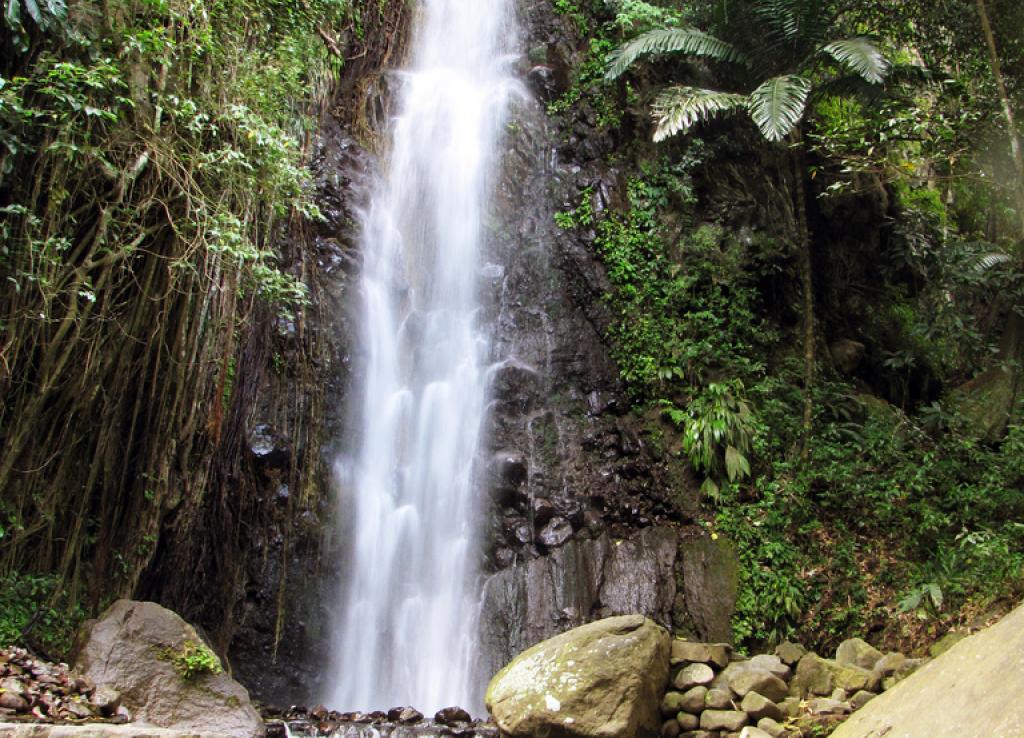
The island wears its geology openly. La Soufrière, one of the Caribbean's most active volcanoes, erupted explosively in April 2021, making international headlines and blanketing northern villages in ash. The landscape it shaped is staggering: dense rainforest, rivers cutting through steep valleys, black-sand beaches backed by towering coconut palms. The Vermont Nature Trails thread through this wilderness, and the Botanical Gardens — established in 1765 and among the oldest in the Western Hemisphere — are a living monument to colonial-era plant science and unexpected beauty.
For cruise travelers, Kingstown offers something increasingly rare: a port that hasn't been sanitized for mass tourism. The central market is genuinely local, the rum shops are genuinely welcoming, and the people are genuinely curious about you. Come prepared to explore on your own terms, be flexible with your plans, and you'll leave with stories you simply won't hear from anyone who chose a beach chair instead.
Top things to do in St. Vincent (Kingstown) on a cruise stopover
Kingstown Botanical Gardens: The Western Hemisphere's Oldest Living Collection
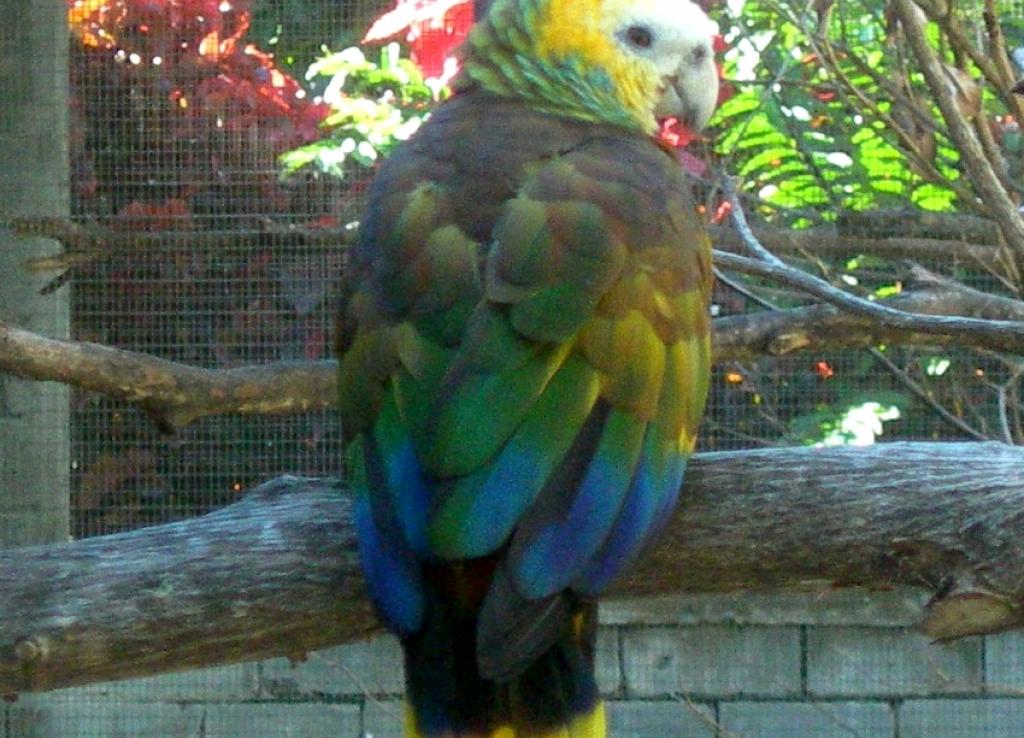
Established in 1765, the Kingstown Botanical Gardens predate the United States by more than a decade. Spread across 20 acres of hillside, they were originally planted to propagate breadfruit trees brought from Tahiti by Captain Bligh — yes, that Captain Bligh, of Mutiny on the Bounty fame — and to supply tropical plants to the Royal Navy. Today the gardens feel less like a museum and more like a living, breathing forest. Towering royal palms shade winding paths; orchids cling to bark; a massive specimen thought to be one of the oldest trees in the Caribbean stretches skyward. A small aviary houses endangered St. Vincent parrots, the national bird, in an enclosure set among the foliage. Entry is free, guides are available at the gate for a modest tip, and the gardens are uncrowded even on busy ship days. Allow at least an hour to wander properly; the views back toward the harbor from the upper terraces are quietly spectacular.
Fort Charlotte: Cannon Salutes and Commanding Views Above the Harbor
Built between 1763 and 1806 on a dramatic 600-foot ridge overlooking both the Caribbean Sea and the Atlantic Ocean, Fort Charlotte is one of the most scenically positioned fortifications in the entire Caribbean. Unlike most colonial forts, its cannons were aimed inland rather than seaward — a tactical response to the fierce resistance of the Black Caribs, the indigenous Garifuna people who repeatedly drove the British from the island's interior. A series of murals inside the old barracks tells this remarkable and often overlooked history. The climb is steep, and most visitors arrive by taxi, but the views from the battlements reward every bead of sweat: on clear days you can see as far as Grenada and St. Lucia. The fort is rarely crowded, admission is minimal, and the combination of genuine Caribbean history and panoramic drama makes it one of the most memorable stops in all of St. Vincent.
La Soufrière Volcano: Hiking to the Edge of the Living Caribbean
At 4,048 feet, La Soufrière is the highest peak in the Eastern Caribbean and one of the few active volcanoes accessible to cruise day-trippers — though it demands serious planning. The full summit hike takes 5–7 hours round trip from the trailhead and traverses lush montane forest before opening onto a moonscape crater rim. In April 2021, the volcano erupted explosively for the first time since 1979; trails have reopened and the crater is accessible once more. The hike is strenuous — steep, often muddy terrain, altitude changes, and rapidly shifting weather — and requires a knowledgeable local guide. A summit attempt is only realistic if your ship arrives early and departs late. The reward: a steaming, sulfur-scented caldera and views across the Grenadines that feel utterly primal. For time-limited travelers, a drive to the volcano's lower flanks with a short forest walk still delivers a powerful sense of the island's extraordinary geological character.
Wallilabou Bay: Where Pirates of the Caribbean Found Its Backdrop
Even viewers who have never set foot in the Caribbean will recognize Wallilabou Bay — this sheltered, jungle-draped anchorage on St. Vincent's leeward coast served as the primary filming location for Pirates of the Caribbean: The Curse of the Black Pearl. The ramshackle port set, including wooden jetties, old cannons, and crumbling stone walls, was constructed here and much of it still stands, weathered into an almost authentically antique state. The bay itself is genuinely beautiful regardless of its Hollywood history: turquoise water, dense tropical forest dropping to the shoreline, and a handful of local fishing boats rocking at anchor. A small bar and restaurant serves cold Hairoun beer and grilled fish; the atmosphere is unhurried to the point of sleepy. The drive from Kingstown along the leeward coast road is a highlight in itself — winding through fishing villages, banana plantations, and coconut groves. Reaching Wallilabou takes roughly 30–40 minutes by taxi from town.
Vermont Nature Trails: Rainforest Birding in Parrot Territory
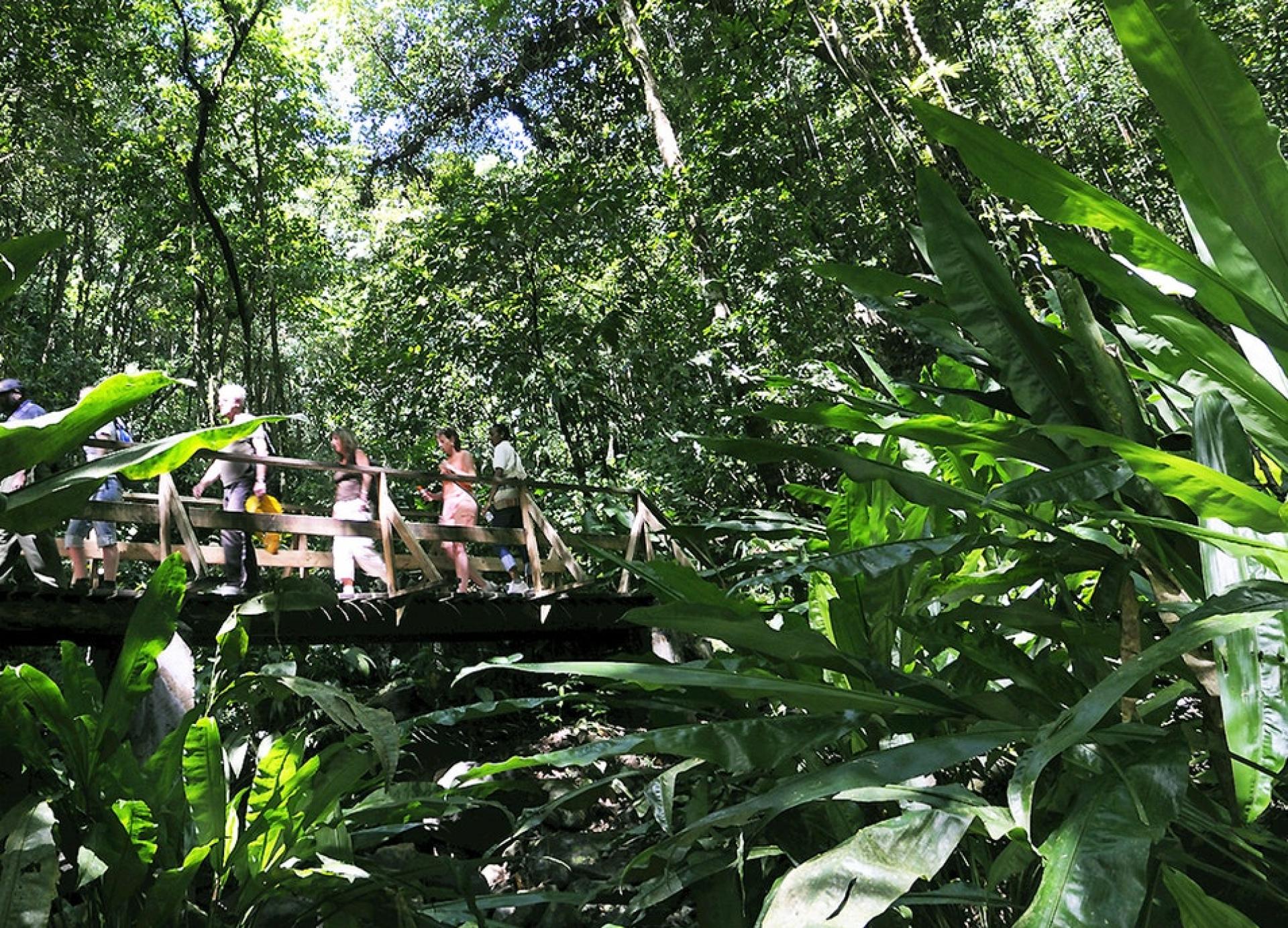
The Vermont Nature Trails wind through one of the most intact stretches of tropical rainforest remaining in the Eastern Caribbean, climbing into the island's forested interior where St. Vincent parrots — the endangered national bird — can sometimes be spotted in their natural habitat. The main trail is well-maintained by Caribbean standards, with interpretive signage identifying trees and plants used in traditional medicine. Tall palms, ferns, giant heliconia, and mahogany trees create a canopy that keeps the trail cool even on hot days. The full circuit takes roughly 2–3 hours at a comfortable pace; shorter options suit those with limited time. Early morning is the prime window for parrot sightings, and a local naturalist guide dramatically improves your chances. The trailhead is a 20-minute drive from Kingstown, making this an excellent half-day excursion that combines naturally with a swing past Wallilabou Bay on the return leg.
Kingstown Market: The Chaotic, Colorful Pulse of Island Life
The Kingstown Market is not a tourist attraction. It is a genuine, functioning Caribbean market where Vincentians buy their produce, conduct business, and catch up on the week's gossip — and that's precisely what makes it so compelling. The covered main market building dates to the colonial era and teems with vendors selling dasheen, christophene, breadfruit, hot peppers, and tropical fruits you may struggle to identify. Surrounding streets host fabric sellers, hardware stalls, and rum shops where locals gather over morning drinks with an ease and good humor that is infectious. The nearby fish market, particularly lively in the early hours, is a study in vivid color and efficient commerce. Wander without an agenda, accept a sample when offered, and don't be shy about striking up conversations — Vincentians are direct, funny, and happy to recommend where to eat. The market area is a 10-minute walk from the cruise pier along the waterfront.
St. Vincent (Kingstown) travel tips
Book a Private Taxi-Guide for the Day. St. Vincent's sights are spread across a mountainous island with limited public transport infrastructure, and a knowledgeable local driver transforms the experience entirely. Rates for a full-day island tour typically run USD 150–200 for the vehicle — split among 4–6 passengers, it's excellent value. Your driver will know which viewpoints are worth the detour, which rum shops pour the best Sunset rum, and which roads to avoid after rain. Approach drivers at the pier, ask to see their license, and agree on the itinerary and total price before departure. Most drivers double as enthusiastic, opinionated guides and will adjust the route based on your interests. For a port as spread out and rewarding as St. Vincent, it is the single best investment you can make for the day.
Begin Your Day at the Botanical Gardens, Not the Beach. Most cruise passengers in St. Vincent default to a beach excursion, which is understandable but a missed opportunity. The island's black-sand beaches are beautiful — but they're hardly its most distinctive feature. The Botanical Gardens, reached via a short taxi ride or steep uphill walk from the pier, are among the most historically significant in the Caribbean. Arrive early when light filters through the canopy and the aviary birds are active. Entry is free, crowds are minimal even on busy ship days, and the gardens provide welcome shade and calm before the midday heat sets in. From the upper terraces, views back toward the harbor give you a perfect orientation to the island below — making it a logical first stop before heading further afield. Allow an hour and leave feeling properly anchored to the place.
Carry Eastern Caribbean Dollars for Market and Rum Shop Purchases. While US dollars are accepted almost everywhere in Kingstown, paying in EC dollars is more practical and often means receiving proper change rather than rounded USD approximations. ATMs dispensing EC dollars are located near the market and along the main commercial streets in town. The exchange rate is fixed: USD 1 = EC 2.70, making the mental conversion straightforward. At the market, rum shops, roadside food stalls, and shared minibuses, cash is not just preferred — it's frequently the only option. Withdraw some EC dollars shortly after leaving the pier, or exchange a small amount at facilities in the terminal area before heading into town. Keeping a mix of small EC notes makes transactions in local establishments much smoother.
Order Roasted Breadfruit — It's the Dish That Defines the Island. Breadfruit was brought to St. Vincent by Captain Bligh in 1793 as a food source, and it has since become the soul of Vincentian cuisine. Roasted over an open fire until the skin is charred and the interior is fluffy and faintly sweet, it's served alongside saltfish, stewed chicken, or pepperpot. You'll find it at lunch spots and roti shops near the market. Do not leave St. Vincent without trying it — you simply cannot get the same preparation with the same casual mastery anywhere else in the world. Pair it with a cold bottle of Hairoun, the excellent local lager brewed on the island, and you have the definitive Vincentian meal. Sunset rum, distilled locally and well-regarded across the Caribbean rum world, is the spirit worth taking home.
Check Volcanic Activity Reports Before Planning a La Soufrière Hike. La Soufrière is an active volcano that erupted in 2021, and while trails are currently open and the crater accessible, conditions can change. Before booking a summit hike, check the latest advisories from the University of the West Indies Seismic Research Centre, which monitors activity and publishes regular updates. Even when the volcano is calm, the summit trail requires real physical fitness, proper footwear — hiking boots or trail shoes, not sandals — a rain jacket, and ample water. Weather at altitude shifts rapidly, and the summit is often cloud-covered by midday, making an early start essential. A reputable local guide is not optional; it is the difference between a safe, extraordinary adventure and a genuinely dangerous one. For those short on time or fitness, a drive to the lower flanks and a short walk into the forest is still deeply impressive.
Leave One Hour Completely Unscheduled. St. Vincent rewards spontaneity in a way few Caribbean ports do. Once you've covered the highlights on your list, leave an hour with no plan and simply walk. Turn down a side street off the market, follow the sound of music, duck into a rum shop for a Sunset rum and soda and whatever conversation comes naturally. The island's real character reveals itself not in its formal attractions but in its textures — painted wooden storefronts, breadfruit trees overhanging the road, schoolchildren in neat uniforms walking home at noon. These are the details you'll carry home long after the photographs have faded into a folder. Vincentians are quick with opinions, dry humor, and hospitality; the best encounters happen entirely off-script. Don't over-schedule a port that consistently rewards the unhurried wanderer.
Port Facts Every Cruiser Needs To Know
St. Vincent (Kingstown) shore excursion FAQs
St. Vincent is generally safe for cruise travelers who take sensible precautions. Kingstown, like any working port city, has areas where petty theft can occur, particularly in crowded market spaces. Keep valuables secure, stay aware in busy areas, and use licensed taxis rather than accepting rides from unofficial operators. The island's residents are overwhelmingly welcoming and genuinely curious about visitors, and serious incidents involving tourists are rare. Stick to well-trafficked areas, travel with a group where possible in more remote spots, and you will have no difficulty.
Cruise passengers visiting St. Vincent as part of a ship itinerary do not require a separate visa — your cruise line handles port formalities. You will need to carry your passport or a government-issued photo ID to re-board your ship. Citizens of the US, UK, Canada, EU nations, Australia, and most other Western countries can visit St. Vincent without a visa for stays up to 30 days. Always verify current entry requirements with your cruise line or the SVG immigration authority before departure, as requirements can change.
Technically possible, but not practical from a standard cruise call. The Grenadines — Bequia, Mustique, Canouan, and others — require a ferry or chartered boat, and schedules don't align well with cruise ship timings. Bequia, the nearest island, is a 60-minute ferry ride from Kingstown; factoring in wait times and the return journey, you'd have very limited time ashore and face a genuine risk of missing your ship's departure. Save the Grenadines for a dedicated sailing holiday — they deserve more than a rushed afternoon visit.
The cruise terminal is located in Kingstown's harbor district, approximately 10–15 minutes on foot from the heart of the city. The main market, the Botanical Gardens entrance road, and the commercial center are all within walking distance for reasonably fit travelers, though the route involves some uphill stretches. Taxis are available immediately outside the terminal for those who prefer not to walk, and fares into town are very inexpensive — typically EC $5–10 per person for short rides within the town area.
The full summit hike is not suitable for beginners or casual walkers. It is a serious mountain hike covering roughly 9 miles round trip with significant elevation gain on terrain that is frequently steep, muddy, and root-strewn, requiring strong cardiovascular fitness, proper hiking boots, and physical resilience. It's also time-intensive — 5–7 hours round trip — which only works if your ship has a long port call. That said, the lower slopes offer beautiful forest walking without the summit commitment, and a scenic drive to the trailhead area gives an impressive sense of the volcano's scale even without hiking. For most cruise passengers, a guided lower-slopes visit is the realistic and still rewarding option.
Villa Beach, a 15-minute taxi ride from Kingstown on the island's south coast, is the most accessible beach for cruise passengers, offering calm swimming in a pleasant setting with several beach bars and restaurants nearby. Young Island, a small private island just offshore, adds to the scenic backdrop. Indian Bay is another attractive option in the same area. For those willing to travel further, Buccament Bay on the leeward coast is beautiful, though the journey starts to consume significant port time. St. Vincent's beaches are mostly black or dark sand — a consequence of its volcanic geology — which surprises some visitors expecting white sand.
Yes — taxis congregate at the cruise terminal and are generally plentiful on ship days. Drivers are licensed, usually knowledgeable, and experienced at working with cruise passengers on both short town trips and full-day island tours. There are no meters; St. Vincent uses fixed-route pricing, and any driver will quote you a rate upfront. For island tours, negotiate a fixed price for the complete itinerary before setting off. A full-day private vehicle with driver for 4–6 passengers typically runs USD 150–200. For solo travelers, asking the terminal staff to help arrange a shared taxi tour can reduce costs considerably.
Breadfruit is the soul of Vincentian cooking — roasted and served with saltfish or stewed meats, it's the dish that defines the island. Rotis stuffed with curried goat, chicken, or chickpeas are excellent street food near the market. Pepperpot, a rich stew of meat and leafy greens cooked long and slow, is a Sunday staple sometimes available mid-week at local lunch spots. Hairoun is the local lager, light and drinkable in the heat. Sunset rum, distilled on St. Vincent, is well-regarded in Caribbean rum circles and makes an excellent and affordable souvenir. For sit-down meals, the Villa Beach area south of town has the most consistent restaurant options.
Tap water in Kingstown is treated and generally considered safe to drink by local standards, though many visitors prefer bottled water as a precaution, particularly if they have sensitive stomachs or are not accustomed to Caribbean water systems. Bottled water is widely available and inexpensive throughout the town and at the cruise terminal. Avoid drinking from streams or natural water sources in the rainforest regardless of how clean they appear — parasitic contamination is possible even in clear mountain water.
Wi-Fi is available at some restaurants and cafés in Kingstown, though coverage is patchy and connection speeds vary considerably. The cruise terminal area has limited connectivity. If you need reliable internet access for navigation apps, communication, or real-time travel information during your port day, purchasing a local SIM card from Digicel or Flow — both have outlets in Kingstown — is a practical and inexpensive solution. Data top-ups cost only a few EC dollars and provide decent 4G coverage throughout the town and along main island roads, though signal drops significantly in the rainforest.
Filters
Select a filter to refine results.
Tour Type
Tour Activity
 Cart
Cart
 USD
USD GBP
GBP AUD
AUD EUR
EUR CAD
CAD