



Tours in Taino Bay (Puerto Plata)




Cruising to Taino Bay (Puerto Plata) in a group?
Skip the crowded ship excursion bus. One dedicated planner will design a private shore experience around exactly what your group wants — coordinated from first enquiry to the moment you're back on board. More memorable, more flexible, and more affordable than you might expect. Spend less time organising, more time enjoying.
Explore Group Travel →Cruising to Taino Bay (Puerto Plata)
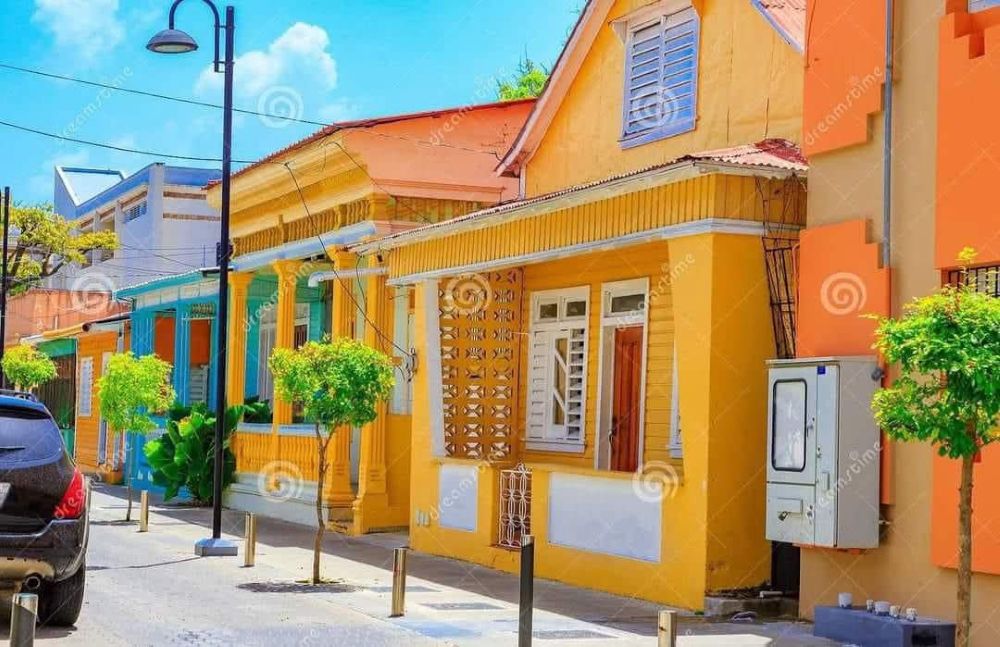
Puerto Plata earned its name — Silver Port — from the way morning mist cloaks the mountains behind it, turning the peaks a shimmering grey-white before the Caribbean sun burns through. This is the north coast's original tourist magnet, a city that flourished in the late 19th century when European merchants built the gingerbread-trimmed Victorian homes that still line its streets. Walking through the historic center feels like stumbling into a faded colonial novel, all latticed verandas and bougainvillea cascading over wrought-iron railings.
Mount Isabel de Torres dominates the skyline. The cable car that crawls up its flank deposits passengers at nearly 800 metres, where a Christ the Redeemer statue surveys the Atlantic and a botanical garden offers unlikely cool-season tranquility. Back in the city, the amber market is no tourist trap: the Dominican Republic contains some of the world's oldest amber deposits, and pieces sold here — some with prehistoric insects frozen inside — are legitimate geological curiosities. The Fortaleza San Felipe, the oldest surviving fortress in the Americas, guards the western edge of the malecón with the quiet authority of something that has outlasted empires.
What sets Puerto Plata apart from its shinier Dominican counterparts is precisely its imperfections. The malecón is cracked in places; the Parque Central's Victorian bandstand needs paint; a colmado on the corner is blasting bachata at 10am. None of this is a problem — it is the entire point. Taino Bay delivers you to a city that is still recognizably itself, where the cruise trade is a sideshow rather than the main event, and where an afternoon of wandering will always turn up something unexpected.
Top things to do in Taino Bay (Puerto Plata) on a cruise stopover
Ride to the Clouds: The Cable Car Up Mount Isabel de Torres
The teleferico — Puerto Plata's legendary cable car — climbs nearly 800 metres in under 20 minutes, swinging above jungle canopy as the coastline stretches out below. At the summit, a 16-metre Christ the Redeemer statue surveys the Atlantic, and a small but genuinely lovely botanical garden offers a cool, quiet counterpoint to the heat below. Come early: clouds typically roll in from the Atlantic by mid-morning and can obscure views entirely. The car runs from roughly 8:30am, and the first gondola of the day is worth whatever early start it demands. Queues build quickly on cruise days, so arriving before 9am makes a real difference. Round-trip tickets cost around USD 10 and are purchased on-site — no advance booking exists, which means showing up early is your only strategy.
Gingerbread Mansions and a Victorian Bandstand: The Historic Heart of Puerto Plata
The Spanish laid out Puerto Plata's grid in the 16th century, but the city's architectural character belongs to the 19th, when European merchants built the ornate Victorian homes that line Calle Beller and the streets around Parque Central. The park itself is anchored by an octagonal Victorian bandstand that has become the city's unofficial icon, surrounded by cafés and shoeshine stands where life unfolds at an unhurried pace. Wander the surrounding blocks and look up: the decorative ironwork, shuttered windows, and pastel facades represent the Dominican Republic's finest surviving example of this style. The Parque is a natural gathering point — arrive mid-morning and you'll find it at its most authentically alive, with schoolchildren, retirees, and street vendors all occupying the same sun-dappled space in an entirely unself-conscious way.
Five Centuries of History: The Fortaleza San Felipe
Built in the 1540s, Fortaleza San Felipe has the distinction of being the oldest standing military structure in the Americas — a fact worth sitting with as you walk its sun-bleached ramparts. The fort guarded the mouth of Puerto Plata Bay against pirates and rival colonial powers, later serving as a political prison; Dominican hero Gregorio Luperón was among those held here in the 19th century. Today it functions as a small but thoughtfully curated museum, with exhibits on the fort's military history and Dominican colonial heritage. The views from the walls — across the bay toward the open ocean in one direction, and toward Mount Isabel de Torres in the other — make the short walk from the malecón entirely worthwhile, even in the midday heat. Admission is minimal and the crowds are rarely oppressive.
Insects in Time: The Puerto Plata Amber Museum
Dominican amber is among the oldest in the world — some deposits date back 25 million years — and pieces sold here can contain feathers, ancient plants, and insects frozen mid-motion with extraordinary clarity. The Amber Museum, housed in a restored Victorian mansion near Parque Central, provides essential context before you hit the market stalls: it explains the difference between authentic Dominican amber (typically golden to deep orange, warm to the touch) and the plastic replicas sold elsewhere. Allow 45 minutes for the exhibits, then browse the ground-floor shop and the amber vendors outside with considerably better-informed eyes. Look for pieces with visible inclusions — they are the most scientifically significant and command higher prices for excellent reason. The building itself is one of the finest Victorian restorations in the city.
The Malecón: Puerto Plata's Waterfront at Its Most Unguarded
The malecón — Puerto Plata's seafront promenade — is not the prettiest in the Caribbean, but it may be the most genuinely alive. On a weekday morning you'll find fishermen coiling nets, schoolchildren walking to class, and colmados already blasting bachata at a volume that suggests the day can only get louder. Pull up a plastic chair at one of the open-air sea-view restaurants and order fish with tostones and a cold Presidente — the Dominican Pilsner that exists for exactly this kind of afternoon — and watch the city move. There is no attraction to queue for here, no ticket to buy, no tour guide narrating your experience. This is simply what a Caribbean city looks like when the cruise industry hasn't yet rearranged it for visitors, and that — imperfect malecón and all — is worth more than another manicured beach club.
27 Waterfalls, One Unforgettable Canyon: Damajagua
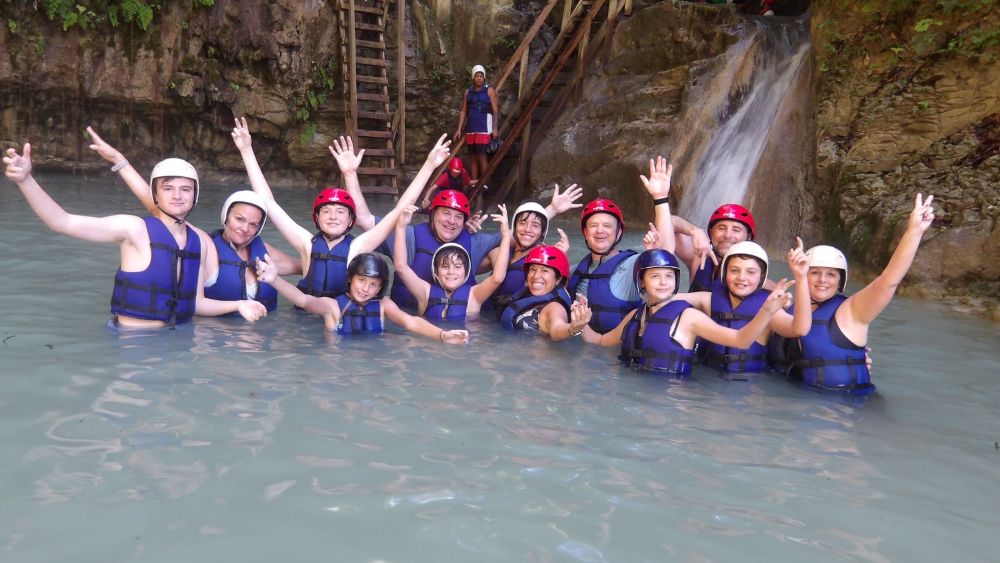
The cascades at Damajagua — 27 waterfalls carved into a limestone canyon about an hour west of Puerto Plata — have earned a devoted following among the adventure-minded, and for very good reason. Visitors wade, climb, and jump their way through a sequence of turquoise pools connected by natural slides and small cliff drops, escorted by local guides who move through the canyon with practiced ease. The experience is physically demanding — expect wet limestone, genuine drops, and no handrails on the climbs — but the reward is a succession of jewel-green pools in a jungle setting unlike anything else on the cruise circuit. The entrance fee covers mandatory guide service; bring water shoes, a dry bag for electronics, and a change of clothes. Most visitors access the first 7 or 12 falls; the full 27 is for the extremely fit. This is a half-day commitment — plan accordingly.
Taino Bay (Puerto Plata) travel tips
Take the Cable Car First — Before the Clouds Win. The summit of Mount Isabel de Torres is spectacular in clear weather and entirely invisible in cloud — and cloud typically wins by mid-morning. The teleferico opens around 8:30am; aim to be on the first or second gondola of the day. If your ship arrives early, resist the temptation to linger in the terminal shops and head straight to the cable car. You can always browse amber on the way back, and a clear-sky view from the summit is worth any amount of strategic early-morning efficiency.
Negotiate Taxi Fares Before You Get In — and Be Clear It's the Whole Car. Puerto Plata's taxis operate on negotiated fares, not meters. A standard trip from Taino Bay terminal to the city center should cost USD 10–15 per vehicle each way — clarify 'the whole car' to avoid per-person pricing. Agree on the fare before the journey begins. Your ship's published taxi fare sheet, if available, is a useful reference point if a driver quotes something significantly higher. Licensed taxis display official plates and wait in the designated queue outside the terminal gate.
Carry Small Bills — The City Runs on Cash. Credit cards are accepted at hotels and upscale restaurants, but much of Puerto Plata operates on cash: street food vendors, colmados, market stalls, and motoconcho drivers all prefer pesos or small-denomination US dollars. ATMs are available near Parque Central; withdrawing cash in the city center gives you better exchange rates than changing money at the terminal. Keep USD 1–5 bills handy for small purchases, tips, and any spontaneous colmado detour.
Test Your Amber Before You Buy It. Dominican amber is a legitimate and fascinating souvenir, but the tourist market contains convincing plastic replicas. Vendors near Parque Central and inside the Amber Museum shop sell authenticated pieces; street stalls further from the center warrant more skepticism. A quick field test: genuine amber is warm to the touch and floats in heavily salted water; plastic sinks and feels cool. Pieces with visible insect or plant inclusions command higher prices — and are almost certainly genuine, since faking that level of interior detail is rarely commercially worthwhile.
Eat Where Locals Eat — Walk Away from the 'Welcome Cruise Guests' Signs. The further you walk from the terminal and the main tourist drag, the better and cheaper the food becomes. Look for a colmado or a comedor (a basic lunch spot with a handwritten menu) around Parque Central and order whatever the daily special is — usually a meat, rice, beans, and salad plate for under USD 5. The malecón's sea-view restaurants are slightly pricier but serve excellent fresh fish; avoid any place with laminated picture menus, English-language boards out front, and a tout at the door.
Build a Generous Buffer Before All-Aboard. Puerto Plata's taxis are not always punctual, and the distance from the Taino Bay gate to your gangway can be longer than it appears on a port map. Build at least 90 minutes before your all-aboard time for the journey back from the city — more if you are returning from 27 Charcos de Damajagua, which sits an hour away by road and often runs behind schedule. Ships in this region depart on time; the gangway will not wait, and an optimistic timeline is the most expensive souvenir you can bring home.
Port Facts Every Cruiser Needs To Know
Taino Bay (Puerto Plata) shore excursion FAQs
Taino Bay sits approximately 3 miles east of Puerto Plata's historic center. The easiest option is a licensed taxi from the queue outside the terminal gate — expect to pay USD 10–15 per vehicle each way (the whole car, not per person). The ride takes around 10 minutes in normal traffic. There is no convenient public bus service connecting the terminal directly to the city; motoconchos (motorcycle taxis) are available for solo travelers comfortable with local transport but are not ideal for families or those carrying bags.
Both terminals serve Puerto Plata, but they are separate facilities located roughly 6 miles apart. Amber Cove (AMC) is a more established, highly developed cruise complex with a large resort-style layout, pool, and extensive on-site amenities designed to keep guests comfortable within the terminal. Taino Bay (TAI) opened in 2021 and offers a less resort-oriented gateway — smaller, newer, and positioned slightly closer to the authentic city experience. Guests at Taino Bay often find it easier to step directly into local Puerto Plata, as the terminal is not designed to be a destination in itself.
Puerto Plata is generally safe for visitors who take standard urban precautions. The historic center around Parque Central, the malecón, and major attractions are well-trafficked and comfortable to walk during daytime hours. Avoid wandering into unfamiliar residential neighborhoods, don't display expensive jewelry or cameras unnecessarily, and use licensed taxis from the official queue rather than informal drivers who approach you. Many thousands of cruise passengers explore the city independently each year without incident. As with any destination, alertness and common sense matter more than any specific rule.
Yes, though it requires advance planning. The falls are about an hour west of Puerto Plata by road. You can hire a taxi for the round trip — negotiate a full-day or half-day rate before departing, as you'll need the driver to wait. Alternatively, shared excursion transport is available through independent operators near the terminal. The site itself is well-organized, with obligatory licensed guides, entrance fees, and equipment rental on-site. Budget at least 4–5 hours for the full experience including travel time, which makes it tight on a short port day. Confirm your all-aboard time carefully before committing.
The teleferico generally operates from approximately 8:30am to 5:00pm, though hours can vary by season and the car does not run in high winds or heavy rain. Aim to arrive as close to opening as possible: cloud cover over the summit typically increases as the morning progresses, and views can be completely obscured by midday. Round-trip tickets cost around USD 10 and are purchased on-site; there is no advance booking system, which makes early arrival your only strategy for avoiding both queues and cloud cover.
US dollars are widely accepted at restaurants, tourist-facing shops, taxis, and most attractions — you can get through a full day in the city without exchanging currency. However, you'll get better value and smoother transactions with pesos when shopping at local markets, buying street food, or using motoconchos. ATMs dispensing pesos are available near Parque Central; exchange rates there and at local banks are meaningfully better than at the terminal. Carrying a mix of both currencies is the most practical approach.
Take the cable car to Mount Isabel de Torres first, before clouds roll in — aim to arrive at the teleferico by 9am. Spend an hour walking the Victorian historic district around Parque Central and visiting the Amber Museum. Walk or taxi to the Fortaleza San Felipe for the coastal views and a quick look at the exhibits inside. Finish with lunch on the malecón — fresh fish, tostones, a cold Presidente, and no agenda — before returning to the terminal with comfortable time to spare. That itinerary covers Puerto Plata's essential character without feeling rushed.
The terminal area itself has limited beach access. The nearest quality beaches — Playa Dorada and Playa Cofresí — are a short taxi ride west of the terminal, in the opposite direction from the city center. Playa Cofresí in particular is a calm, relatively uncrowded stretch popular with local families. If a beach day is your priority, hire a taxi for a round trip (roughly USD 15–25 depending on negotiation) and agree on a specific pickup time before your driver leaves. Note that spending time at the beach means trading the historic city for it — you'll struggle to do both comfortably in a short port day.
Start with mangu — mashed green plantains with sautéed onions — at breakfast if your timing allows; it's the Dominican morning staple. For lunch, look for fresh whole fish (usually snapper or mahi-mahi) served with tostones (fried green plantains) and rice along the malecón. Chicharrón de pollo — crispy fried chicken pieces — is the ideal street snack. Wash it all down with a Presidente beer or a cold morir soñando, a creamy orange-and-milk drink that is exactly as good as it sounds. Look out too for locally produced chocolate made from Dominican cacao, sold at specialty shops near Parque Central.
Puerto Plata is very manageable independently, and doing so is often considerably cheaper than cruise-line packages. Taxis are easy to find at the terminal gate; the cable car, Fortaleza San Felipe, and the Amber Museum all sell tickets on-site with no advance booking required. 27 Charcos de Damajagua is organized enough to visit without a pre-arranged tour. The main genuine advantage of booking through your ship is the guarantee that the excursion operator will return you to the dock on time even if something goes wrong — a real consideration if you're planning the waterfalls or another time-intensive activity far from port.
Filters
Select a filter to refine results.
Tour Type
Tour Activity
 Cart
Cart
 USD
USD GBP
GBP AUD
AUD EUR
EUR CAD
CAD