



Tours in Crete (Agios Nikolaos)


Cruising to Crete (Agios Nikolaos) in a group?
Skip the crowded ship excursion bus. One dedicated planner will design a private shore experience around exactly what your group wants — coordinated from first enquiry to the moment you're back on board. More memorable, more flexible, and more affordable than you might expect. Spend less time organising, more time enjoying.
Explore Group Travel →Cruising to Crete (Agios Nikolaos)
Agios Nikolaos is a picturesque harbour town on the eastern coast of Crete, set along the shores of Mirabello Bay with a distinctive inner lagoon — Lake Voulismeni — at its heart. As a cruise port, it serves as a gateway to the wider Cretan interior and to Heraklion, the island's capital roughly 65 kilometres west. From here, some of the most significant ancient sites in the Greek world become accessible: the Minoan palace complex at Knossos, the Heraklion Archaeological Museum housing the world's finest Minoan artefacts, the agricultural plateau of Lassithi with its iconic windmills, and mountain villages sustaining Crete's deep-rooted food culture. Eastern Crete's combination of archaeology, mythology, landscape, and gastronomy makes for a day ashore of considerable depth.
Top things to do in Crete (Agios Nikolaos) on a cruise stopover
Palace of Knossos: Europe's Oldest City
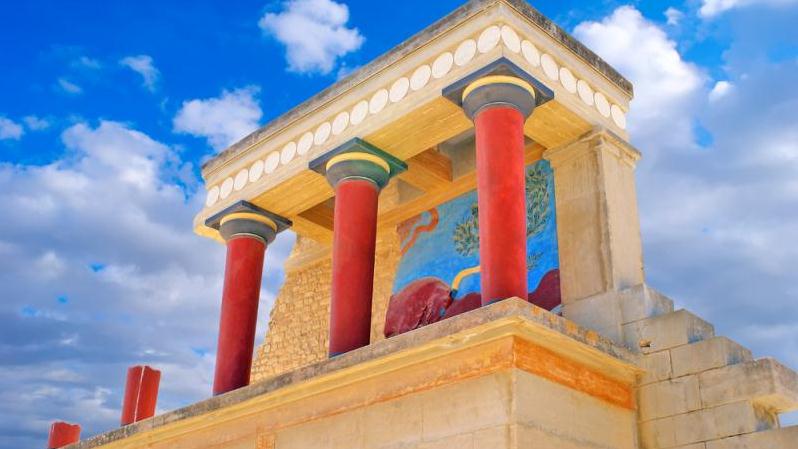
The Palace of Knossos, located near Heraklion, is one of the most significant archaeological sites in the world — the administrative and ceremonial heart of Minoan civilisation, which flourished between approximately 2000 and 1450 BCE. The site covers several hectares and includes throne rooms, grand staircases, storerooms, and elaborate drainage systems that speak to an advanced Bronze Age society. The partially reconstructed palace, with its distinctive red columns and vivid frescoes (originals now in the Heraklion Museum), provides a tangible connection to a civilisation that predates classical Greece by over a thousand years. Visits require a few hours to do justice to the scale of the complex.
Heraklion Archaeological Museum: The World's Finest Minoan Collection
The Heraklion Archaeological Museum holds the most comprehensive collection of Minoan artefacts in existence — original frescoes from Knossos, the famous Phaistos Disc (still undeciphered), elaborate gold jewellery, intricate ceramics, and ritual objects illuminating the beliefs and daily life of an ancient civilisation. The collections span from the Neolithic period through the Bronze Age, presented in chronological sequence. Pairing a visit to Knossos with the museum provides the fullest picture of Minoan culture, as many objects found at the palace are displayed and contextualised here — including frescoes that visitors see only as reproductions at the site itself.
Mountain Villages and the Living Culture of Crete
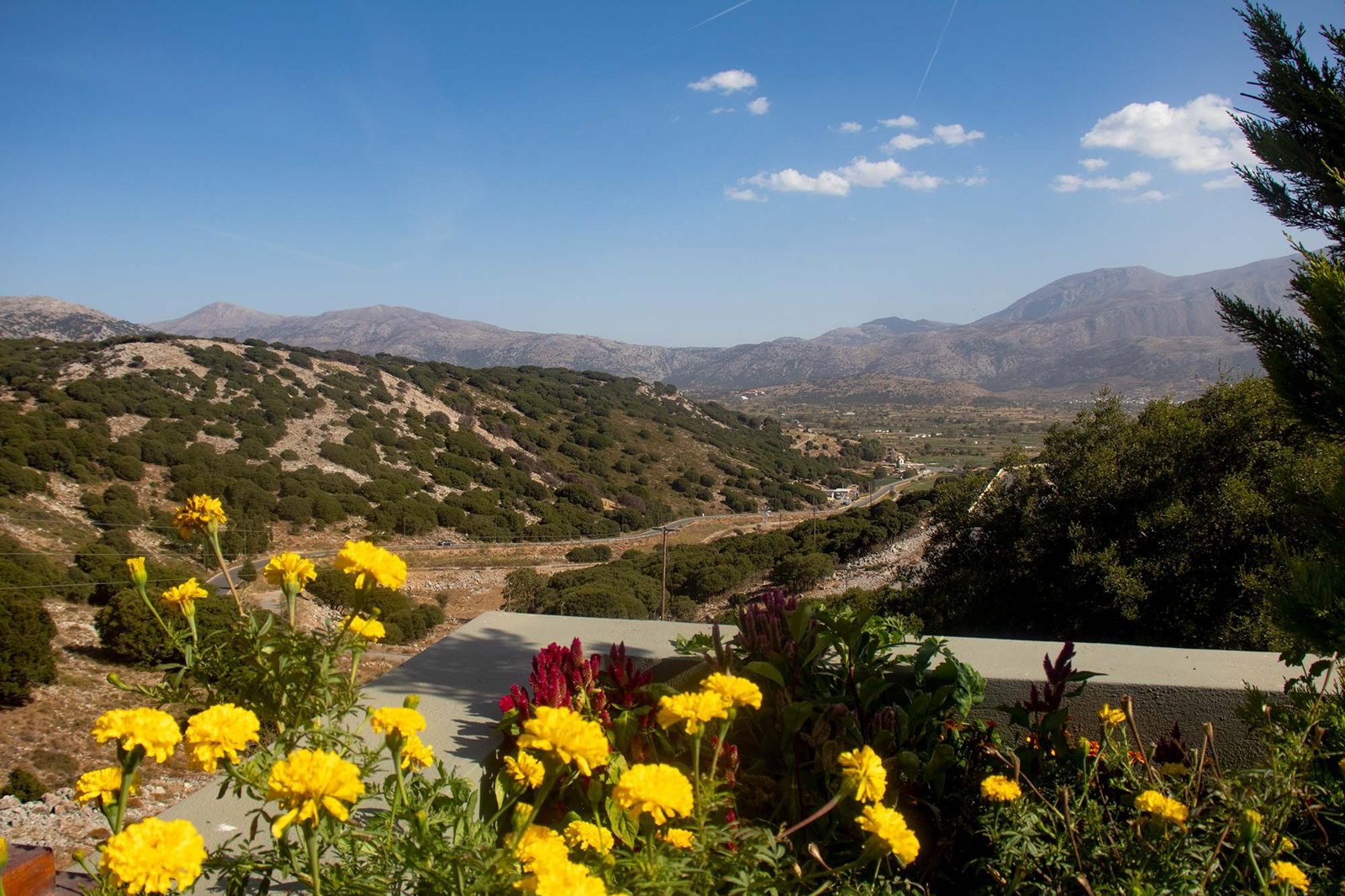
Crete's interior mountain villages preserve a way of life shaped by olive groves, small-scale farming, and traditions passed across generations. Villages in the foothills and valleys of the Lassithi area retain stone-built architecture, small family-run tavernas, and a slower pace absent from coastal resort towns. Visiting these settlements provides a counterpoint to archaeological exploration — the human geography of a living culture rather than a vanished one. The landscapes surrounding the villages, with terraced hillsides, ancient olive trees, and mountain views, form a significant part of the overall experience for those who venture inland from the port.
Cretan Olive Oil: An Ancient Tradition Still Flourishing
Crete produces some of the world's most highly regarded olive oil, and the island's groves — some containing trees over a thousand years old — are a living landscape that mirrors the island's archaeological depth. Olive oil experiences from Agios Nikolaos typically include visits to working presses, explanation of the production process from harvest to bottle, and tastings that illustrate the range of flavours produced by different varieties and methods. Olive oil was one of the Minoans' most important trade commodities, giving oil-related experiences a historical dimension alongside the culinary one that connects past and present Crete in a tangible way.
The Lassithi Plateau: Windmills and Mountain Agriculture
The Lassithi Plateau sits at around 840 metres above sea level in the mountains behind Crete's northern coast, reached by a winding road that rises through dramatic scenery. The plateau is an enclosed highland plain, traditionally farmed using a network of white-sailed windmills — once used to pump irrigation water — that are among Crete's most photographed landscapes. A smaller number of windmills remain in use or have been preserved, but the plateau's agricultural character and the surrounding mountain peaks create a setting entirely distinct from coastal Crete. The drive through mountain villages is as much part of the experience as the plateau itself.
Diktaion Cave: The Mythological Birthplace of Zeus
The Diktaion Cave, set into the cliffs above the Lassithi Plateau, is identified in ancient Greek tradition as the birthplace of Zeus, where the infant god was hidden from his father Cronus. The cave is a significant stalactite and stalagmite system descending to a small underground lake, and was used as a place of worship from at least the Minoan period through classical antiquity — excavations have yielded votive offerings spanning more than a millennium. The combination of geological spectacle and mythological resonance makes it a compelling stop in the context of a tour that also takes in Knossos and the mountain landscape of eastern Crete.
Crete (Agios Nikolaos) travel tips
Wear Sun Protection at All Archaeological Sites. Knossos and other open-air sites offer very limited shade. Even in May or September, the Cretan sun can be intense, and visitors spending two to three hours walking Knossos in summer will be in direct sun for most of that time. High-SPF sunscreen (30+), a wide-brimmed hat, and a lightweight long-sleeved layer for midday protection are practical essentials. Carrying sufficient water is equally important — hydration points at major sites exist but are not always convenient to reach mid-visit.
Wear Sturdy Closed-Toe Shoes with Grip. The terrain at Knossos, inside the Diktaion Cave, and on paths through mountain villages involves uneven stone surfaces, steps, and — in the cave's case — wet and slippery passages. Comfortable closed-toe shoes with a non-slip sole are strongly recommended over sandals or flip-flops. The cave descent involves steps that can be wet and steep, making footwear choice directly relevant to both comfort and safety. Lightweight hiking shoes or sturdy trainers are appropriate for most itineraries from this port.
Visit the Heraklion Museum Alongside Knossos. The original frescoes from Knossos — the Prince of the Lilies, the Bull-Leaping fresco, the Ladies in Blue — are housed in the Heraklion Archaeological Museum, not at the palace site itself. What visitors see at Knossos are reproductions. Pairing the site visit with the museum provides the most complete understanding of Minoan civilisation and makes the reconstructed palace much easier to contextualise. The museum is in Heraklion city centre, a short distance from the Knossos road, making the combination practical within a single day.
Account for the Drive Time from the Port. Agios Nikolaos port is approximately 65 kilometres from Knossos — a drive of 1–1.5 hours depending on traffic. The Lassithi Plateau adds further distance along winding mountain roads that take longer than the mileage suggests. Planning with realistic travel times in both directions — not just outbound — avoids time pressure at the sites themselves. Starting early in the day is particularly important in summer, when midday heat makes extended outdoor time at archaeological sites uncomfortable.
Eat at a Village Taverna Rather Than a Harbour Tourist Restaurant. Cretan cuisine is considered among the finest in the Mediterranean, but sampling it in a mountain village taverna delivers a markedly different experience from harbour-front tourist restaurants. Look for mezedes (small sharing dishes), dakos (barley rusk with tomato and cheese), fresh local cheeses, and lamb or pork slow-cooked in olive oil. Local raki offered complimentary after meals is a gesture of hospitality common in authentic establishments. Prices in village settings are typically lower and the food often more representative of genuine Cretan cooking.
Explore the Agios Nikolaos Lakeside Before or After Tours. Lake Voulismeni, the small circular lagoon at the heart of Agios Nikolaos, is surrounded by cafes and connected to the harbour by a short canal. The lakeside is pleasant for an early morning coffee before departure or a late-afternoon drink on return. The town's local archaeological museum — positioned above the lake and holding a focused collection of eastern Cretan artefacts — requires about an hour and complements a visit to Knossos without duplicating it, offering regional context specific to the eastern part of the island.
Port Facts Every Cruiser Needs To Know
Crete (Agios Nikolaos) shore excursion FAQs
Cruise ships dock at Agios Nikolaos port, situated at the edge of the town. The harbour area, the lakeside promenade of Lake Voulismeni, and the town's cafes and shops are all within easy walking distance — typically five to ten minutes on foot from the pier.
Knossos is approximately 65 kilometres west of Agios Nikolaos — a drive of roughly 1–1.5 hours. Reaching Knossos by public bus is possible via the Heraklion bus service (about 1.5 hours), from where local buses serve the Knossos site. However, combined travel times and return logistics make this tight within a cruise day, and organised tours handle the timing more practically.
Knossos is the largest Bronze Age archaeological site on Crete and the ceremonial centre of Minoan civilisation, which flourished from approximately 2000 to 1450 BCE. The palace complex includes throne rooms, ceremonial halls, and a sophisticated drainage network. It is considered Europe's oldest city and the origin of the Labyrinth myth linked to the Minotaur. The site has been partially reconstructed and features reproductions of famous frescoes, with originals held in the Heraklion Archaeological Museum.
The Heraklion Archaeological Museum is widely considered essential alongside a Knossos visit. It holds the original Knossos frescoes — including the Bull-Leaping fresco and Ladies in Blue — along with the Phaistos Disc, gold jewellery, and thousands of artefacts illuminating Minoan life. The museum is in Heraklion city centre, a short distance from the Knossos road, making a combined visit practical within a single day ashore.
The Lassithi Plateau is a highland agricultural plain at around 840 metres elevation, reached by a winding mountain road. It is known for its traditional white-sailed windmills — once used for irrigation — and for the Diktaion Cave associated in Greek mythology with the birth of Zeus. The plateau offers dramatically different scenery from coastal Crete, with mountain peaks, cultivated fields, and small villages that retain a traditional character.
The Diktaion Cave above the Lassithi Plateau is a stalactite and stalagmite cave associated in ancient tradition with the birthplace of Zeus. The descent involves steps that can be wet and slippery, making non-slip closed-toe shoes essential. The site is accessible to most visitors in reasonable health but is not recommended for those with significant mobility limitations or a fear of enclosed spaces. It is archaeologically significant, with votive offerings found spanning from the Minoan period through classical antiquity.
Crete produces a significant share of Greece's olive oil and is regarded as one of the world's finest olive oil regions, with some groves containing trees over a thousand years old. Cretan extra-virgin olive oil is typically characterised by low acidity and robust flavour. Olive oil was also central to Minoan trade and culture, giving oil-tasting experiences a historical dimension alongside the culinary one. Tastings at traditional presses allow visitors to understand varieties, production, and quality distinctions firsthand.
Closed-toe shoes with a non-slip sole are recommended for Knossos's uneven stone paths and the Diktaion Cave's wet steps. Sun protection is essential at open-air sites — hat, sunscreen (SPF 30+), and a light long-sleeved layer for midday. Lightweight breathable clothing suits the Cretan heat in summer, with a thin layer for mountain altitudes at Lassithi, where temperatures can be several degrees cooler than the coast.
Card payments are accepted at most restaurants, shops, and major attractions in Agios Nikolaos and Heraklion. Knossos and the Heraklion Archaeological Museum accept card payments. In mountain villages and small rural tavernas, cash (Euros) is often preferred. Carrying €30–50 covers incidental purchases and rural stops comfortably.
Key dishes to seek out include dakos (barley rusk with fresh tomato, olive oil, and soft cheese), mezedes (small sharing plates), slow-cooked lamb with local herbs, and fresh Cretan cheeses including graviera and mizithra. Thyme honey is excellent, and raki — a grape-based spirit — is traditionally offered after meals at family tavernas. The extra-virgin olive oil underpinning all Cretan cooking is worth sampling during a dedicated tasting experience.
Filters
Select a filter to refine results.
Tour Type
Tour Activity
 Cart
Cart
 USD
USD GBP
GBP AUD
AUD EUR
EUR CAD
CAD