



Tours in Malaga



Cruising to Malaga in a group?
Skip the crowded ship excursion bus. One dedicated planner will design a private shore experience around exactly what your group wants — coordinated from first enquiry to the moment you're back on board. More memorable, more flexible, and more affordable than you might expect. Spend less time organising, more time enjoying.
Explore Group Travel →Cruising to Malaga
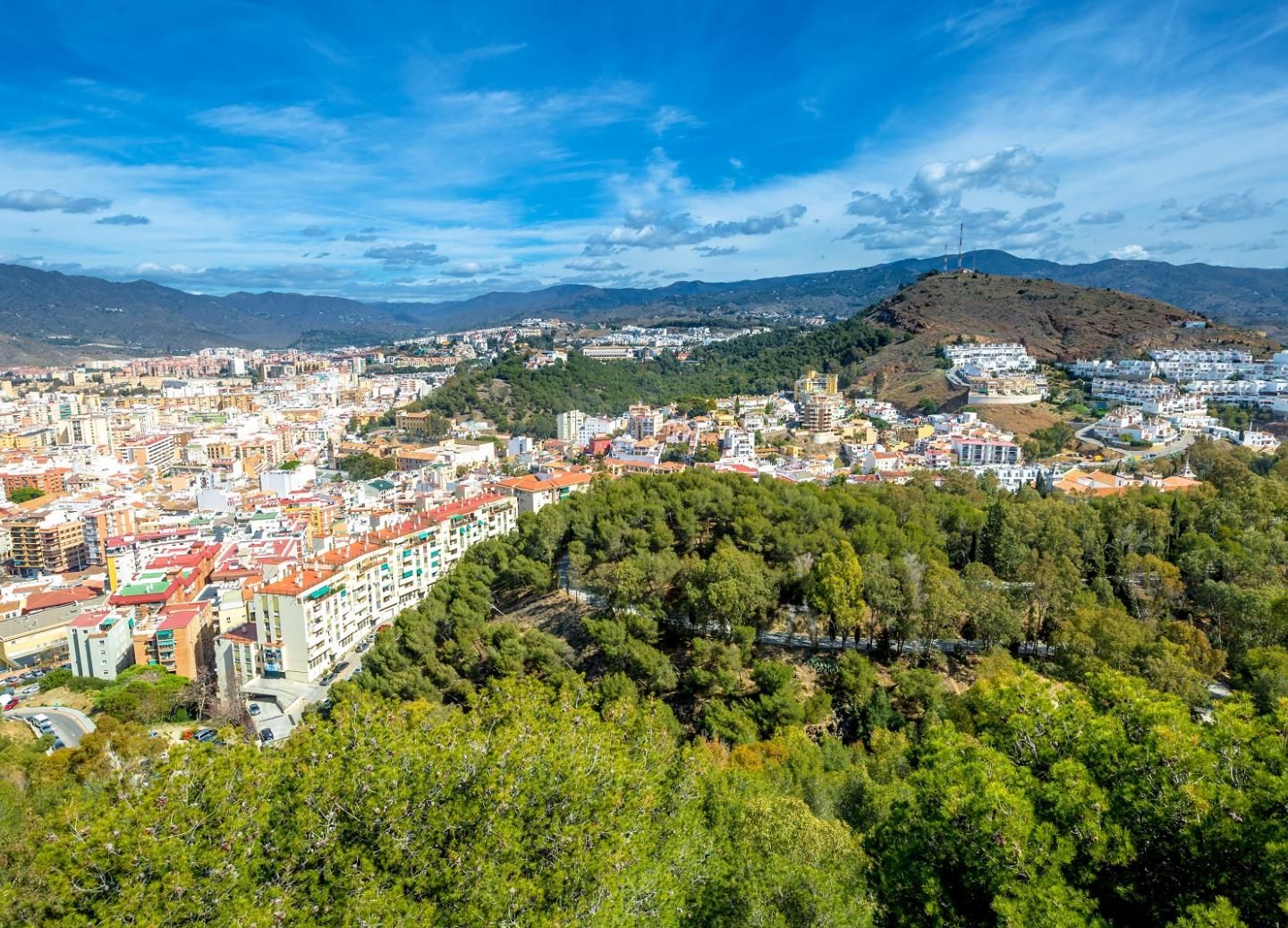
Few Mediterranean port cities pack as much character into as compact a space as Málaga. Founded by the Phoenicians and shaped by Romans, Visigoths and eight centuries of Moorish rule before the Spanish Reconquista, this city wears its layered past lightly — the Roman Theatre sits open to the sky at the foot of the Alcazaba fortress, and a modern tram glides past the same medieval archways that once framed Nasrid processions. Yet Málaga is far from a museum piece. Its streets buzz with a confident, forward-looking energy that has made it one of southern Europe's most talked-about cultural destinations over the past two decades.
The city's most famous son cast a long shadow long before the museums arrived. Pablo Picasso was born on the Plaza de la Merced in 1881, and the Picasso Museum — installed in a beautifully restored Renaissance palace in the heart of the old town — houses over 200 works that trace the arc of a career that changed the history of art. The adjacent Casa Natal, his actual birthplace, adds biographical intimacy to the artistic pilgrimage. Together they anchor a museum quarter that now includes the Centre Pompidou Málaga, the only outpost of the Parisian institution outside France, and the Carmen Thyssen Museum of Andalusian painting.
Beyond the city itself, Málaga's position at the heart of the Costa del Sol opens a remarkable range of day excursion possibilities. To the west, Marbella's medieval old town and the gilded marina at Puerto Banús offer a vivid contrast between genuine Andalusian heritage and contemporary Mediterranean glamour. Inland, the mountain city of Ronda perches above a 120-metre gorge with a drama that has captivated travellers since the Grand Tour era. And scattered through the hills above the coast, the white villages — most accessibly the flower-draped Mijas — offer a glimpse of Andalusia at its most timeless.
The flavours of the city are as layered as its history. Málaga's cuisine is rooted in the sea and the surrounding countryside: boquerones fritos, gambas al pil-pil and espeto de sardinas grilled on beachside skewers speak of a coastal tradition centuries old, while the local sweet wine and the rich, gazpacho-like salmorejo are distinctly malagueño. Eating here is not a transaction but an event — timed to Andalusian rhythms, lingered over at marble-topped bars and sun-warmed terraces, and best begun with a complimentary tapa and a glass of something cold.
Top things to do in Malaga on a cruise stopover
Málaga City Highlights: Picasso, the Alcazaba and the Old Town
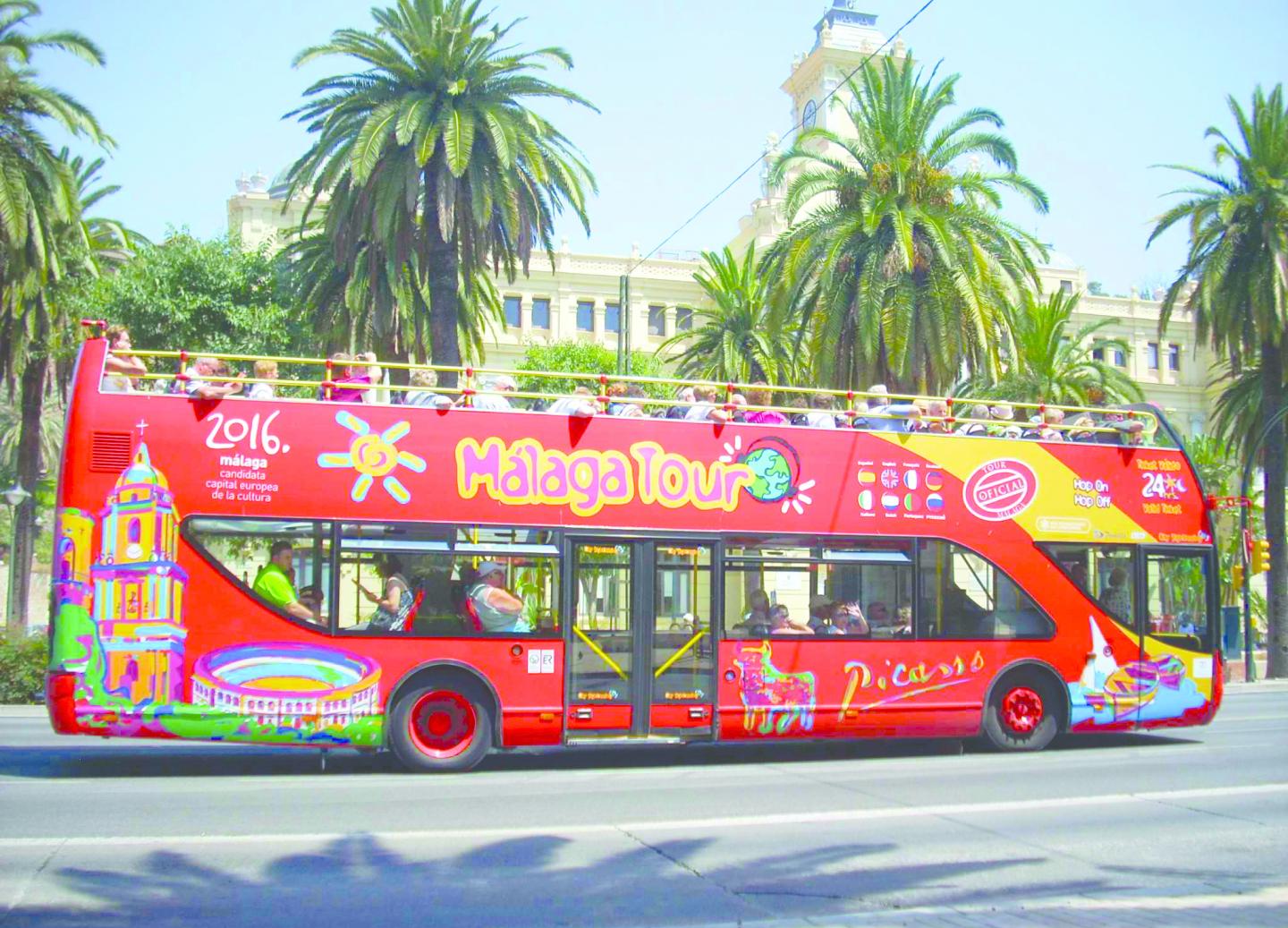
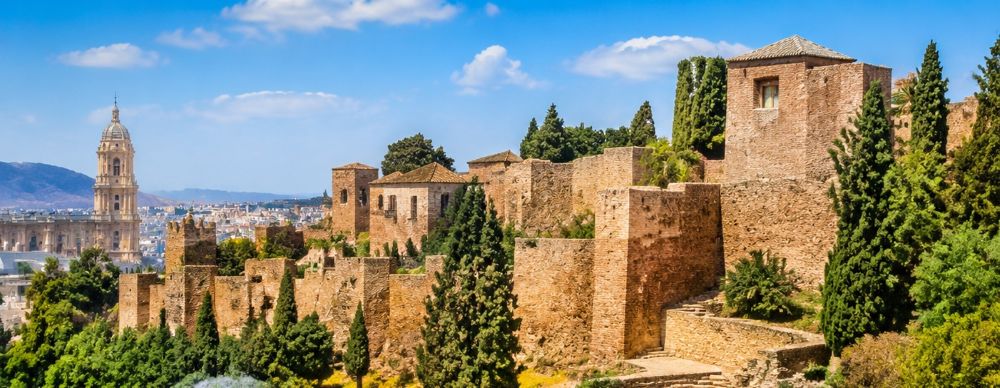
Málaga's historic core rewards exploration on foot. The labyrinthine old town centres on the Cathedral of the Incarnation — known locally as 'La Manquita' (the one-armed lady) for its unfinished bell tower. Nearby, the Picasso Museum occupies a Renaissance palace and houses over 200 works spanning the artist's career. Birthplace enthusiasts can also visit the Casa Natal, steps away on the Plaza de la Merced. The Alcazaba, a Moorish palace-fortress rising above the city, offers panoramic views over the port and coast, while the adjacent Roman Theatre stands as one of Andalusia's most atmospheric ancient sites. The hop-on hop-off bus provides a practical overview of the city's key districts before you choose where to linger.
Marbella and Puerto Banús: Glamour on the Costa del Sol
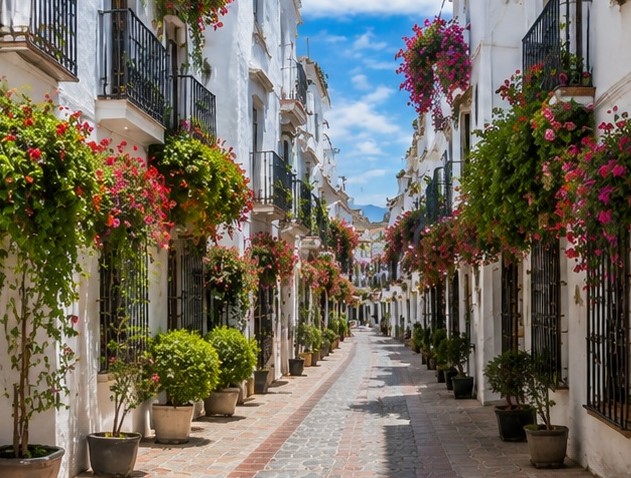
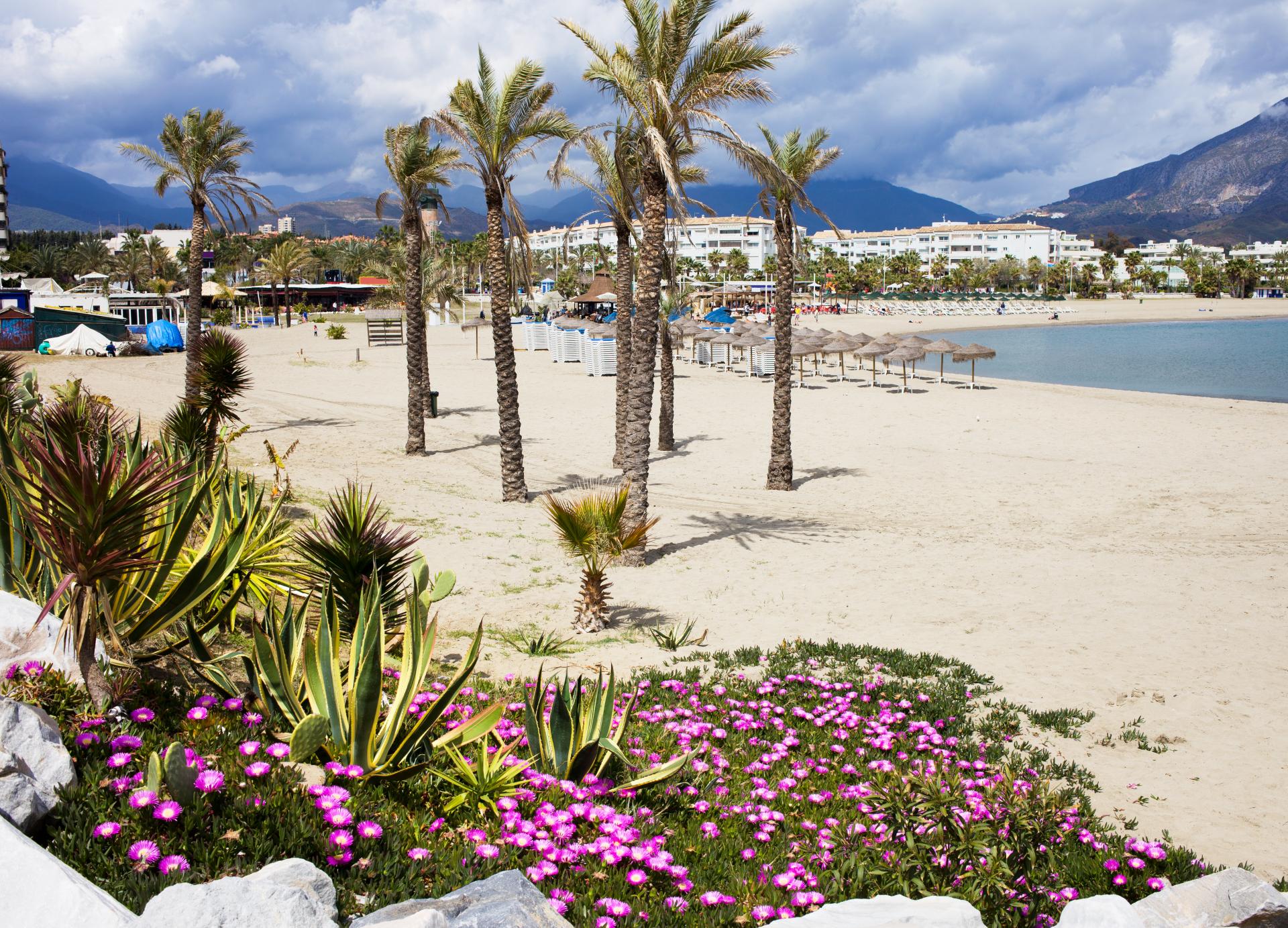
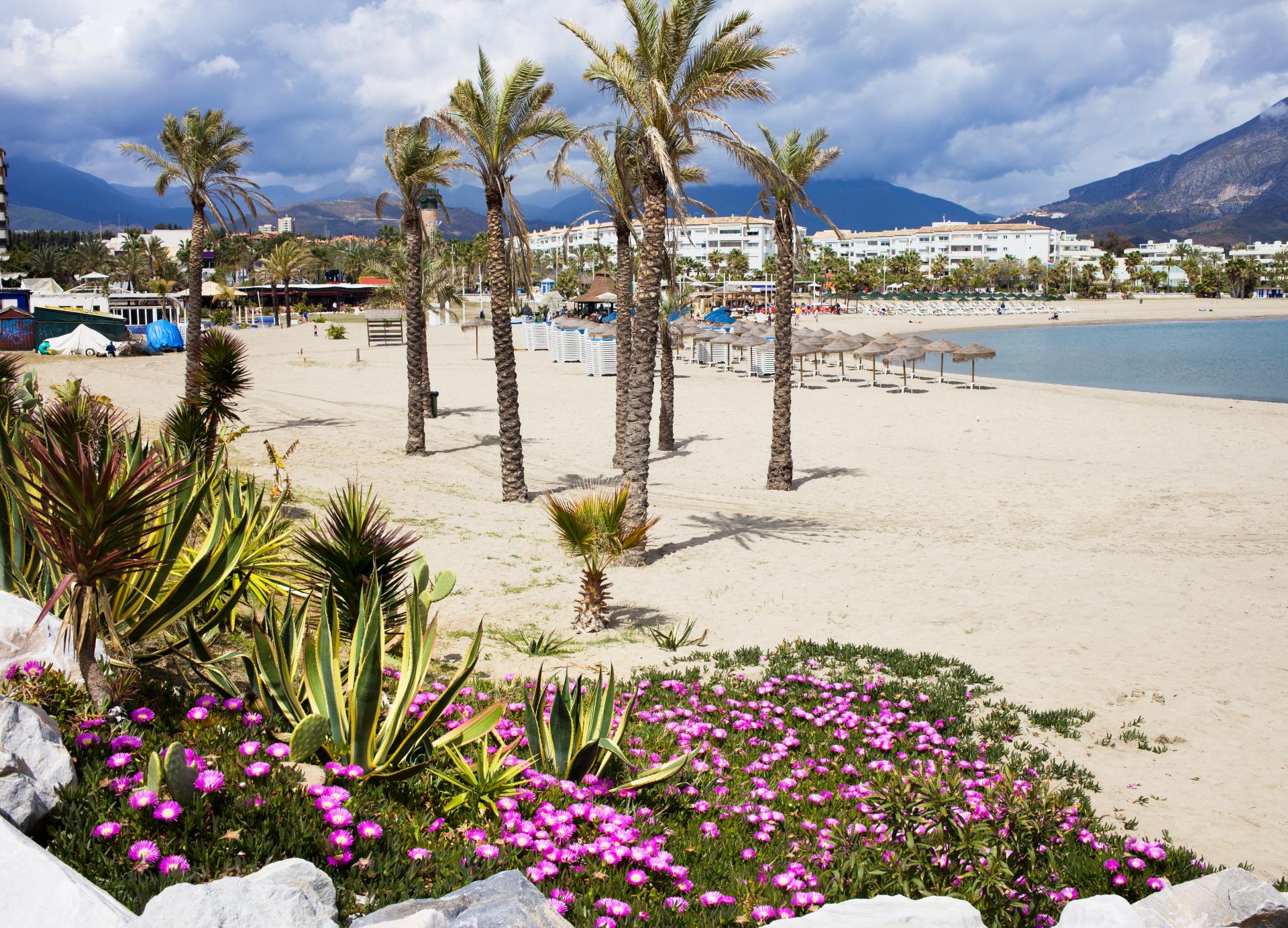
Roughly an hour west of Málaga lies one of Europe's most glamorous coastal resorts. Marbella's old town is a delightful surprise — a maze of whitewashed lanes draped in bougainvillea, opening onto the charming Plaza de los Naranjos where locals and visitors gather under centuries-old orange trees. A short drive beyond brings you to Puerto Banús, the legendary marina where superyachts line the quays alongside designer boutiques and open-air restaurants. The contrast between Marbella's Moorish old quarter and the glossy international energy of the marina makes this one of the most varied day trips available from the port — a combination of genuine Andalusian heritage and contemporary Mediterranean allure.
Ronda: A City Suspended Above the Clouds
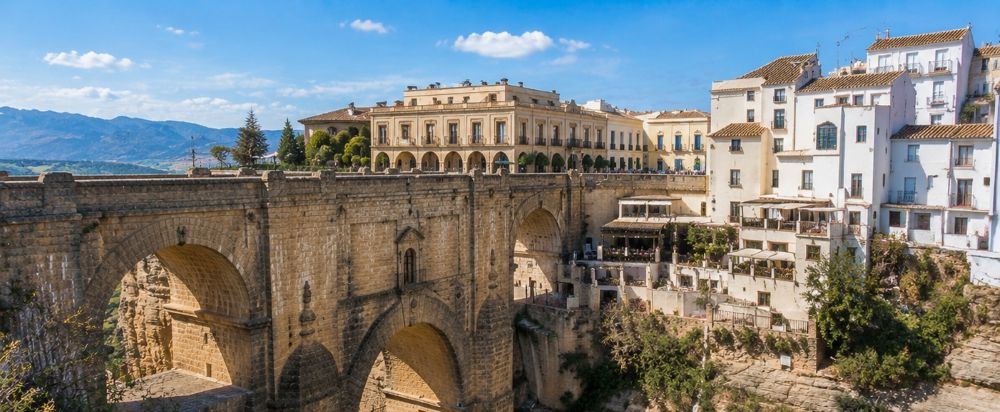
Few destinations in Spain are as dramatically situated as Ronda, perched atop a sheer-sided gorge some 700 metres above sea level in the Serranía de Ronda mountains. The city's defining landmark is the Puente Nuevo — the 'New Bridge' — an 18th-century stone arch spanning the 120-metre El Tajo gorge, offering vertiginous views into the ravine below. Ronda is also the cradle of modern bullfighting, and its 18th-century bullring is one of the oldest and most beautiful in Spain. The old Moorish quarter, the Arab Baths and the winding streets of La Ciudad all reward unhurried exploration. The mountain scenery on the approach is itself part of the experience — a spectacular journey that frames the city long before you arrive.
Mijas: The Jewel of the White Villages
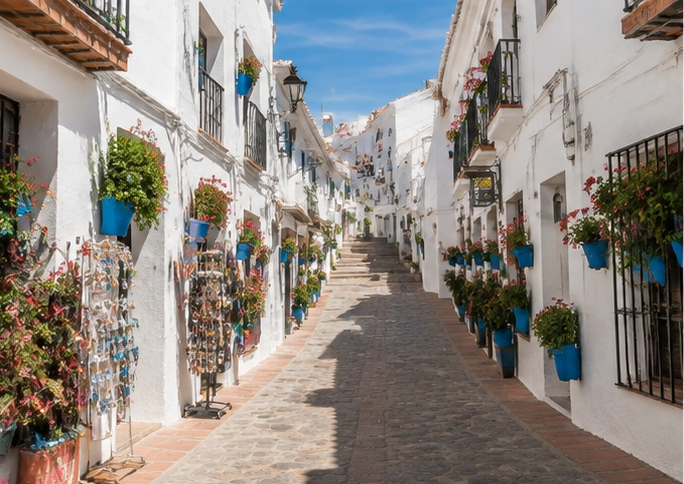
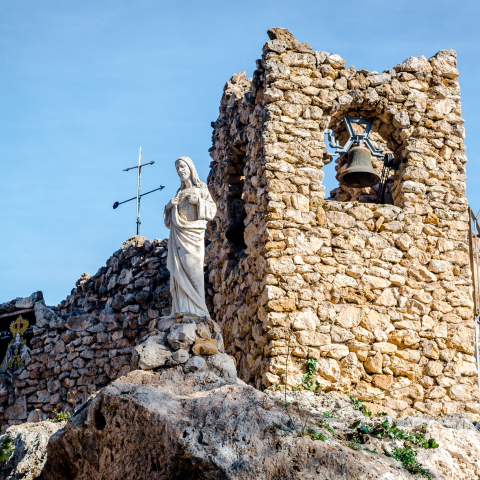
Perched high in the hills above the Costa del Sol, Mijas is one of Andalusia's most beguiling 'pueblos blancos' — white villages. From its clifftop terraces, views down over the Mediterranean coastline are extraordinary on clear days. The village is a tangle of flower-lined lanes, artisan workshops, small galleries and traditional tapas bars that feel genuinely unhurried despite the destination's popularity. The tiny Carromato de Max museum and a compact bullring — one of Spain's smallest — add quirky interest. Mijas rewards slow exploration: wander past whitewashed walls hung with terracotta pots, pause at a hilltop viewpoint and let the rhythms of authentic Andalusian village life unfold around you.
The Alcazaba and Gibralfaro: Moorish Málaga Above the Rooftops
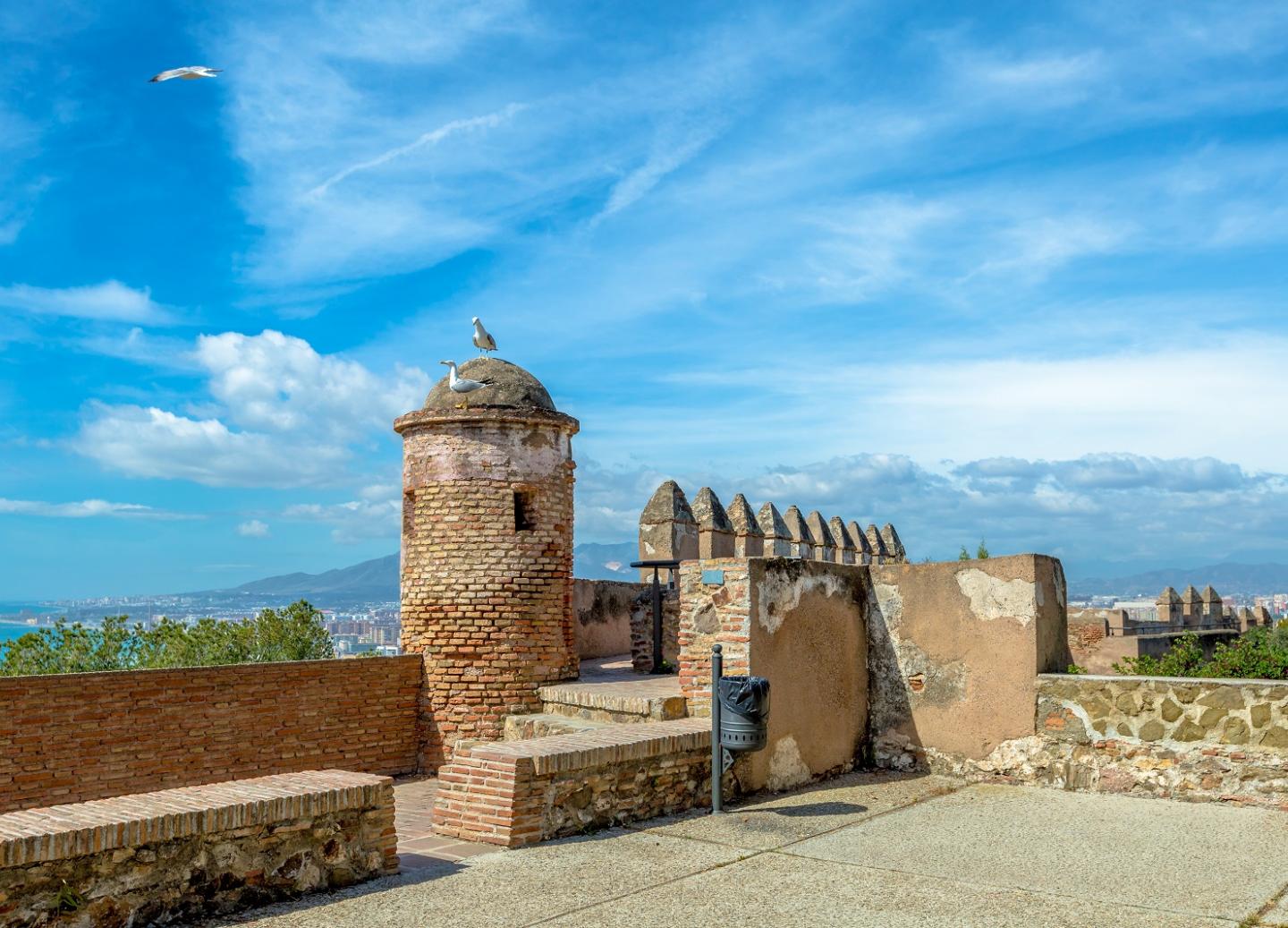
Rising directly above the port, Málaga's twin fortresses offer the city's most rewarding views and a vivid window into its Moorish past. The Alcazaba, built by the Hammudid dynasty in the early 11th century, is one of the best-preserved Arab fortresses in Spain — its tiered gardens, horseshoe arches, marble fountains and cool inner courtyards creating serene contrast with the bustling city below. A zigzagging path — or a short lift ride — continues upward to the Castillo de Gibralfaro, a 14th-century castle commanding a 360-degree panorama encompassing the port, the bullring, the cathedral and the shimmering coastline stretching in both directions. Together, the two monuments make for one of the finest mornings ashore in southern Spain.
Soho Arts District and the Seafront Promenade
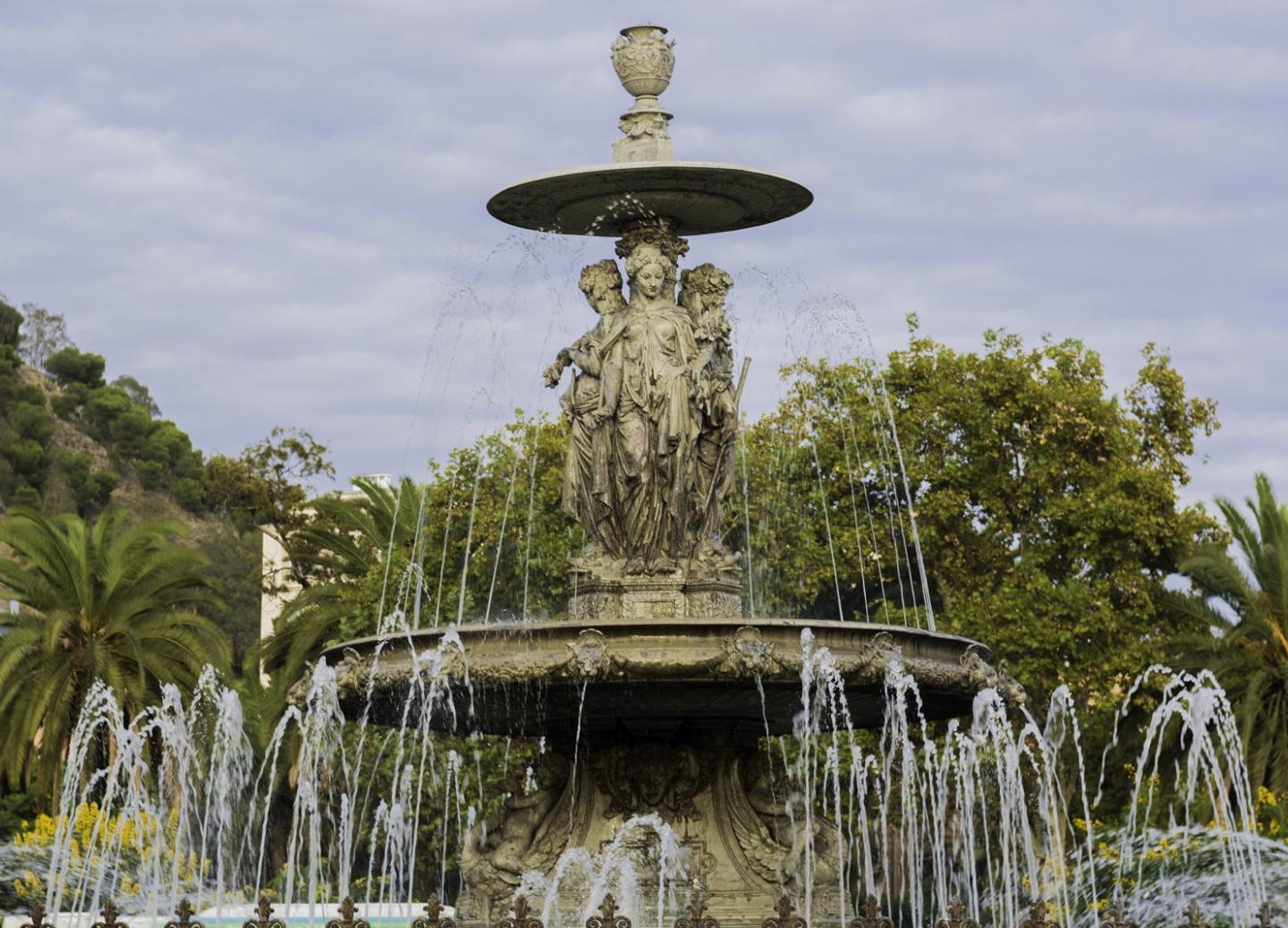
Modern Málaga is emphatically not a city resting on its historic laurels. The Soho neighbourhood, just south of the historic centre, has transformed into a vibrant arts district — its streets covered in large-scale murals by internationally recognised artists, its galleries and independent spaces offering a counterpoint to the old-town heritage experience. The nearby Centre Pompidou Málaga, the only outpost of the Parisian institution outside France, anchors the area with a rotating contemporary art programme. The Paseo del Parque and the revitalised Muelle Uno promenade provide a relaxed backdrop for a final stroll before returning to the ship — lined with palms, public sculpture and some of the city's liveliest café terraces.
Malaga travel tips
Start at the Alcazaba — Before the Midday Heat Arrives. The climb to Málaga's Moorish fortress is most comfortable in the morning, when temperatures are lower and the light on the stonework is at its most beautiful. Arriving early also means beating the day-trippers and cruise groups who tend to congregate there from mid-morning onward. The fortress gardens are shaded and peaceful in the first hours after opening — an ideal introduction to the city before descending into the busier streets of the historic centre below.
The Old Town is Best Explored on Foot. Málaga's historic centre is compact and largely pedestrianised. The Calle Larios shopping street, the Cathedral, the Picasso Museum and the Mercado de Atarazanas market are all within comfortable walking distance of each other. Comfortable, closed-toe shoes are advisable — the old town streets are paved with smooth stone that becomes slippery when wet or worn. Allow time to wander without a fixed itinerary; some of Málaga's most rewarding corners reveal themselves down unmarked side streets.
The Mercado de Atarazanas is a Feast for the Senses. Málaga's central market, housed in a stunning 19th-century iron structure with a Moorish-arched entrance, is one of the finest food markets in southern Spain. The stalls overflow with local produce: gleaming fish and seafood, cured jamón from nearby mountain villages, olives, almonds and seasonal fruits. Arrive before noon for the best atmosphere — market life winds down by early afternoon. Even if you're not shopping, the market is an excellent place to absorb the rhythms of daily Malagueño life.
Lunch Later, Tapas First. In Málaga, as across Andalusia, lunch rarely begins before 2pm and often runs until 4pm or later. If you're hungry earlier, follow the local habit and graze on tapas — small plates served at bar counters throughout the city. In many traditional establishments, a free tapa accompanies each drink ordered. The El Palo and Pedregalejo beach neighbourhoods, a short bus ride east of the centre, are well regarded for their seafront fish restaurants and relaxed, local atmosphere.
Plan Day Trip Timings Carefully. Ronda is approximately 100 kilometres from Málaga and the drive through mountain roads, while spectacular, takes around 90 minutes each way. Marbella is closer at roughly 60 kilometres. Both destinations are best visited with an early departure from port to allow sufficient time to explore before the return journey. Mijas, perched in the hills above Fuengirola, is a slightly shorter journey but equally worth allowing two to three hours on the ground to fully appreciate the village atmosphere.
Andalusian Sun Demands Preparation. Málaga receives over 300 days of sunshine per year, and the Mediterranean sun is considerably stronger than it appears, particularly from April through October. High-factor sun protection, a hat and sunglasses are essential rather than optional for anyone spending extended time outdoors. Hydration matters equally — carry water throughout the day, particularly if you're walking uphill to the fortresses or spending time at open-air sites with limited shade.
Port Facts Every Cruiser Needs To Know
Malaga shore excursion FAQs
The cruise terminal sits within Málaga's commercial port, roughly a 15 to 20-minute walk from the heart of the historic city centre. The seafront promenade leads directly into the city, and the route is flat, well-signed and straightforward to navigate on foot.
Yes. Málaga's historic core is compact, largely pedestrianised and very walkable. The main attractions — the Cathedral, the Alcazaba, the Picasso Museum and the Mercado de Atarazanas — are all within manageable distance of each other. English is widely spoken in tourist-facing businesses, and the city is thoroughly accustomed to welcoming international visitors.
Ronda is approximately 100 kilometres from Málaga, through mountainous terrain. The journey takes around 90 minutes each way by road. To explore Ronda comfortably, you'll need at least two to three hours in the town itself — factor the return journey carefully against your ship's all-aboard time.
Mijas is one of Andalusia's most celebrated 'white villages' — a hilltop pueblo with flower-lined lanes, sweeping coastal views and a genuine sense of unhurried village life. It's particularly rewarding for those seeking authentic Andalusian atmosphere away from the coastal resort strip. The village is compact enough to explore in two to three hours, making it a manageable half-day excursion from the port.
Marbella's old town is a preserved medieval quarter of whitewashed buildings, orange trees and traditional tapas bars centred on the charming Plaza de los Naranjos. Puerto Banús, a few kilometres west, is a purpose-built luxury marina known for designer boutiques, glamorous restaurants and superyachts. Together they offer a compelling contrast between historic Andalusia and contemporary Mediterranean glamour.
A hop-on hop-off bus is an efficient way to get an overview of Málaga's neighbourhoods and identify where you'd like to spend more time. The route covers the historic centre, the Gibralfaro castle area, the seafront and other key districts. It's particularly useful for first-time visitors who want context before choosing where to linger on foot.
Regular bus services operate between Málaga's bus station and Marbella, with journey times of approximately one hour. The bus station is a short distance from the port. Bear in mind that onward connections within the Costa del Sol may require additional changes, and journey times in busy summer traffic can extend significantly.
If time is limited, prioritise the Alcazaba fortress for its stunning Moorish architecture and panoramic views, the Picasso Museum for world-class art in a beautiful palazzo setting, and the Mercado de Atarazanas for the sights and flavours of a genuine Andalusian market. The old town streets between these landmarks are worth lingering in for their atmosphere alone.
The flat seafront promenade and much of the pedestrianised city centre are accessible for those with limited mobility. The Alcazaba and Gibralfaro involve significant uphill paths and uneven cobblestones, though a lift operates between the lower Alcazaba and the upper Gibralfaro approach. Wheelchair-adapted vehicle options exist for excursions to destinations such as Marbella and Puerto Banús.
The euro is the currency throughout Spain. While credit and debit cards are accepted in most restaurants, shops and museums, smaller establishments — traditional tapas bars, market stalls and some street vendors — often prefer cash. Carrying a modest amount of euros is advisable for flexibility, particularly in the market and older parts of the city.
Filters
Select a filter to refine results.
Tour Type
Tour Activity
 Cart
Cart
 USD
USD GBP
GBP AUD
AUD EUR
EUR CAD
CAD