



Tours in Amalfi


Cruising to Amalfi in a group?
Skip the crowded ship excursion bus. One dedicated planner will design a private shore experience around exactly what your group wants — coordinated from first enquiry to the moment you're back on board. More memorable, more flexible, and more affordable than you might expect. Spend less time organising, more time enjoying.
Explore Group Travel →Cruising to Amalfi
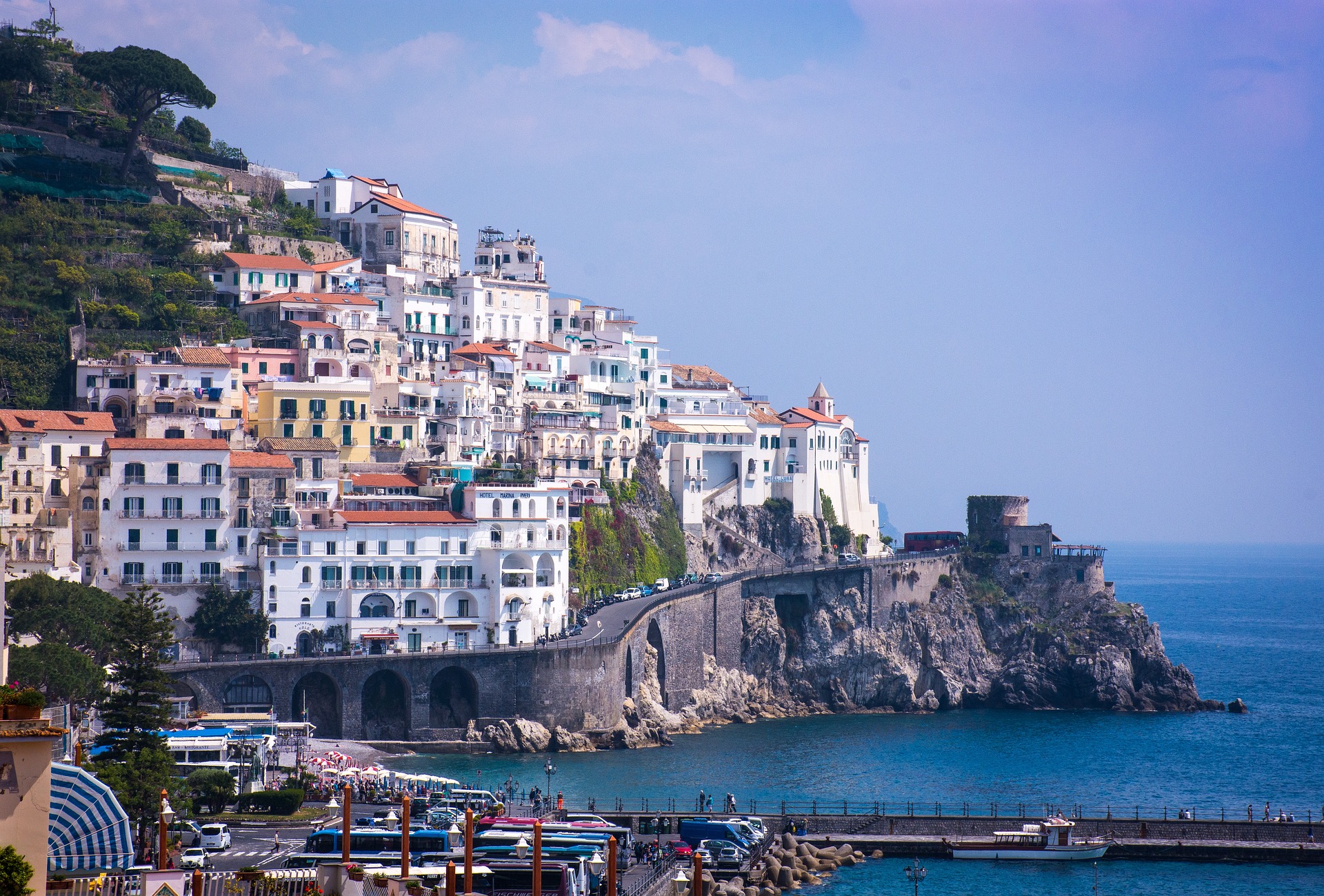
Amalfi's story is written in stone — the 9th-century cathedral dominating the main piazza, the steeply stacked houses climbing the cliffside, and the terraced groves of sfusato lemons that give the region its most famous export. Once a powerful maritime republic rivalling Venice and Genoa, Amalfi today draws visitors to a 59-kilometre coastline declared a UNESCO World Heritage landscape in 1997. Cruise guests arriving here choose between exploring the medieval town on foot, venturing inland to the ancient ruins of Pompeii or Herculaneum, or taking to the water on a boat tour to discover sea caves and panoramic coastal views that no road can replicate. The scale of the Amalfi experience — history, scenery, food, and architecture all compressed into a small stretch of Italian coastline — makes it one of the Mediterranean's most rewarding port calls.
Top things to do in Amalfi on a cruise stopover
The Amalfi Coast from the Water
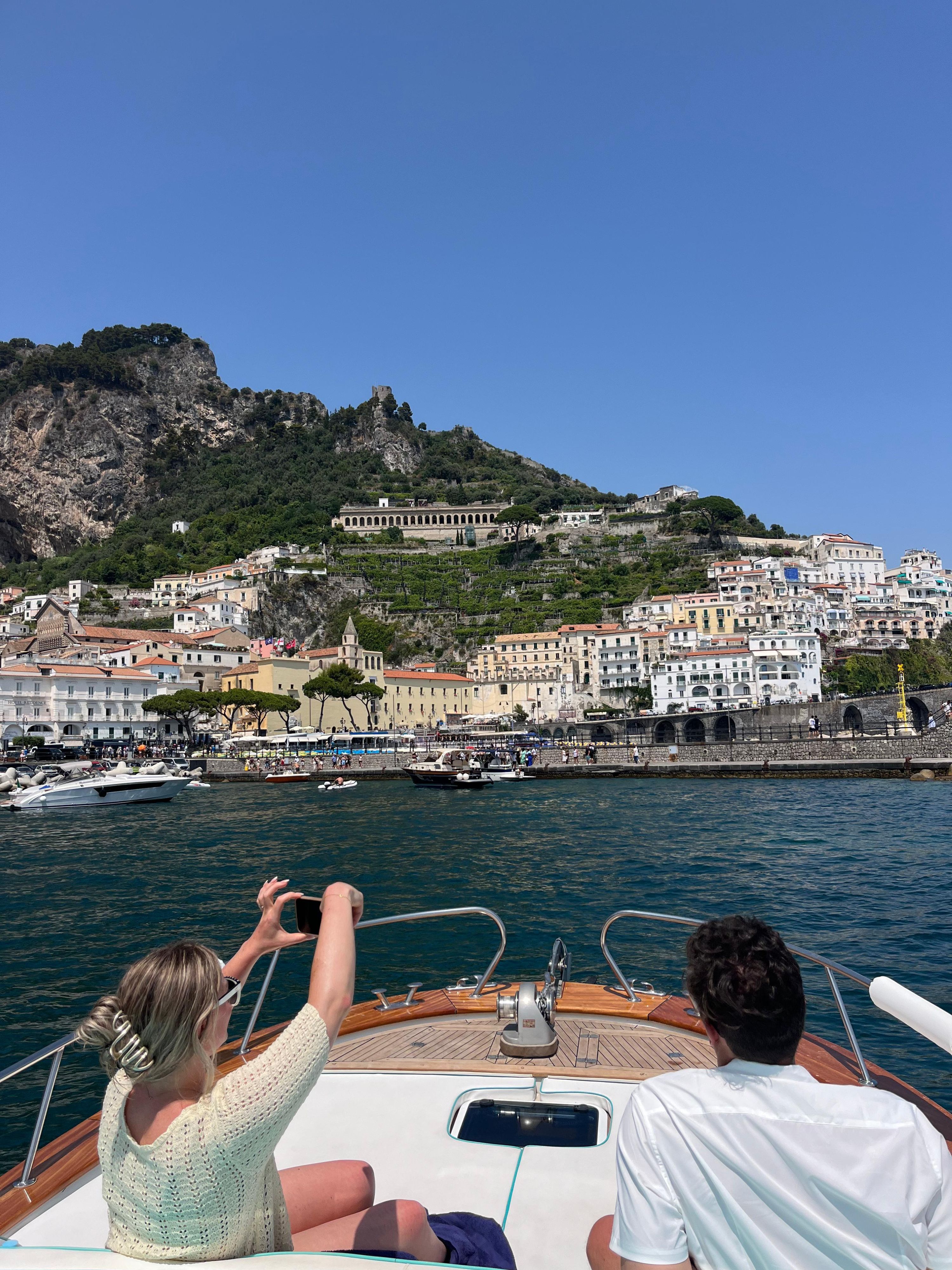
Seen from a boat, the Amalfi Coast reveals a completely different scale. Cliffs that appear manageable from the road tower dramatically above the waterline, and the villages of Positano, Praiano, and Amalfi itself take on a cinematic quality no photograph quite captures. Boat tours navigate sea caves, visit secluded swimming coves, and offer uninterrupted views of the coastline's most dramatic stretches — a perspective simply unavailable by road. The water along this coast shifts from emerald green in the shallows to deep cobalt offshore, and the morning light is particularly fine for photography. Departing early means calmer seas and cooler temperatures before the afternoon wind picks up.
Pompeii: A Roman City Frozen in Time
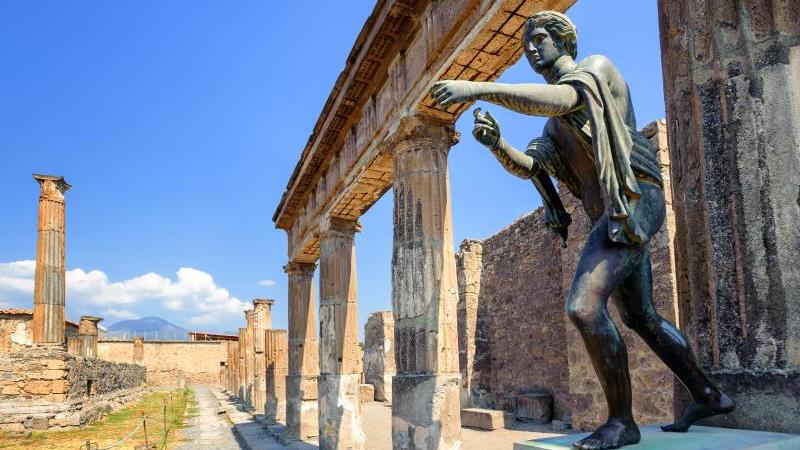
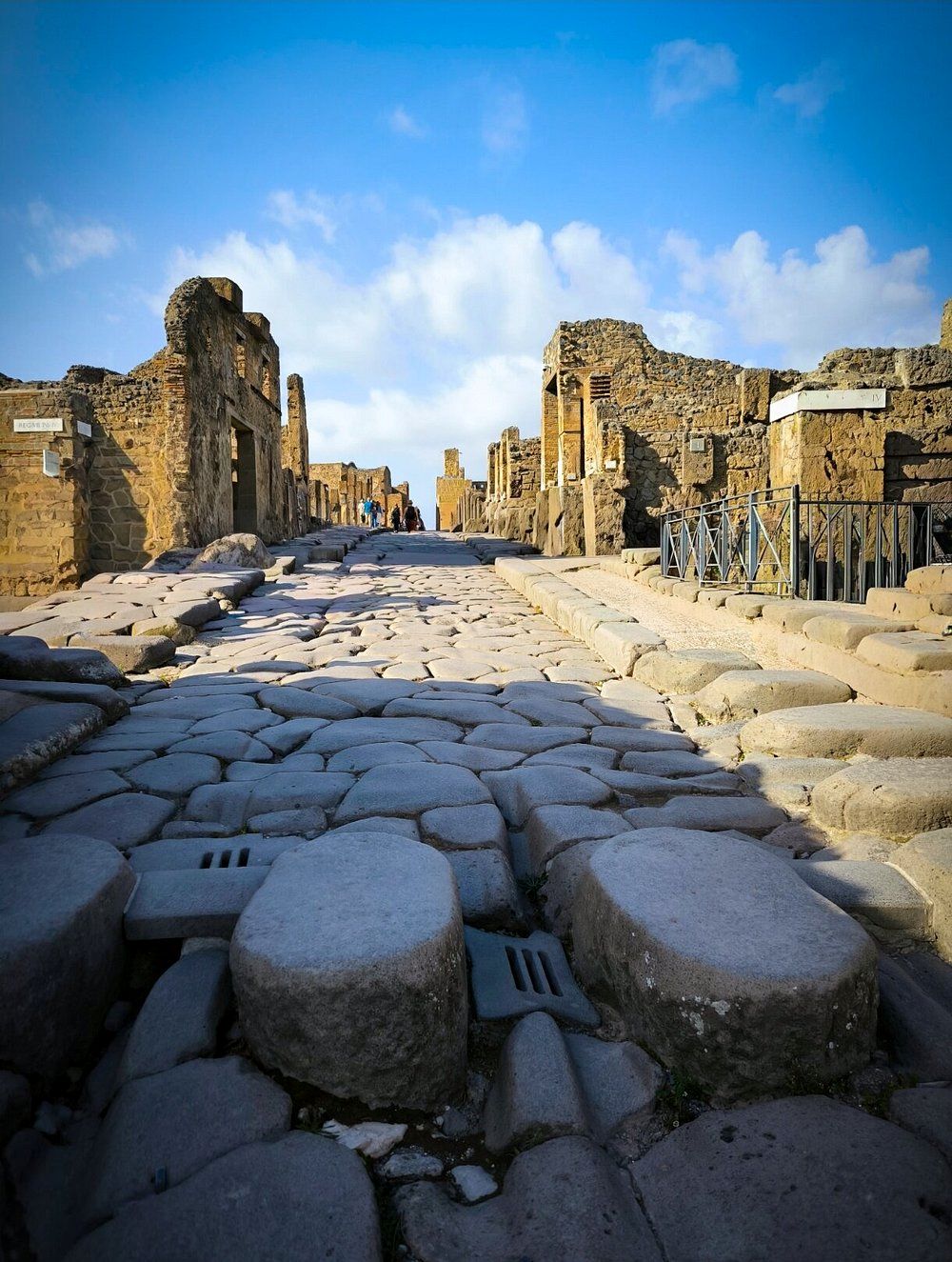
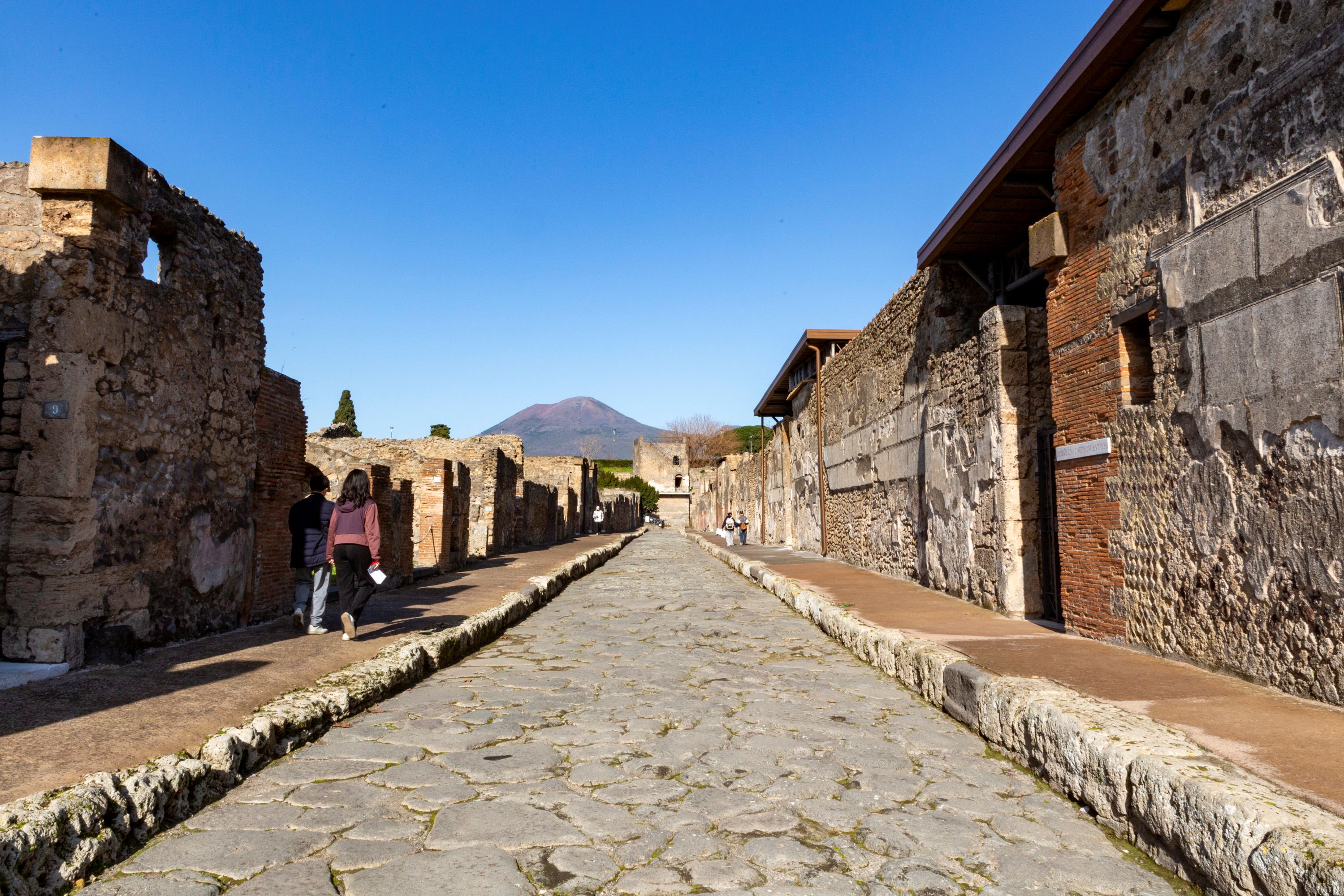
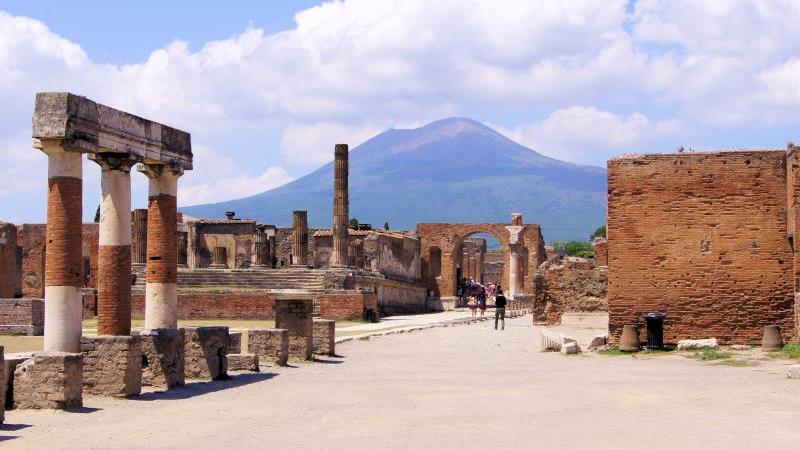
No ancient site in Italy delivers quite the same visceral impact as Pompeii. When Vesuvius erupted in 79 AD, it buried this prosperous Roman city under metres of volcanic ash, preserving streets, homes, taverns, and public buildings in extraordinary detail. Walking Pompeii today means moving through intact Roman streetscapes — the deep ruts of cart wheels worn into paving stones, the painted walls of merchants' workshops, the haunting plaster casts of those who did not escape. The site covers 44 hectares; a focused visit concentrating on the Forum, the House of the Faun, and the Via dell'Abbondanza takes 2–3 hours. Located approximately 35 kilometres from Amalfi, Pompeii is the most-visited excursion from the port.
Ancient Herculaneum: Better Preserved, Less Crowded
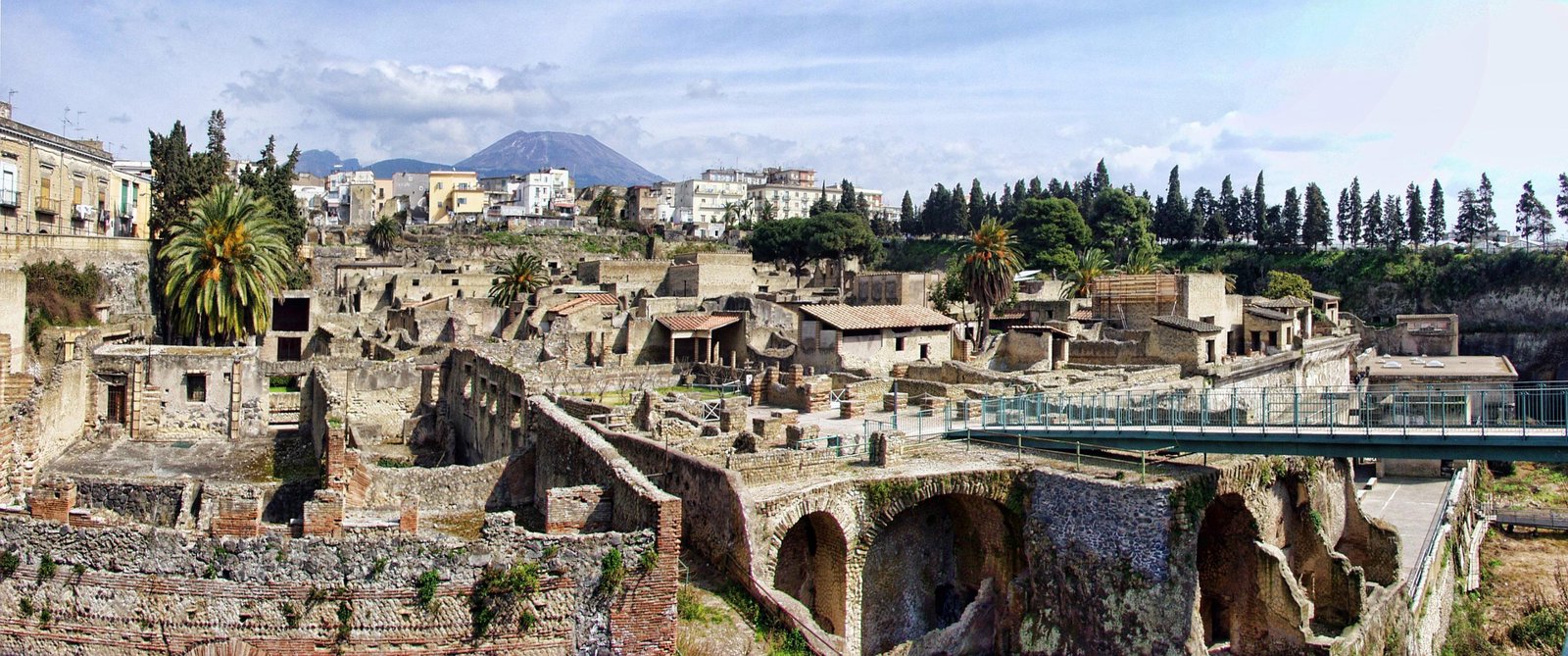
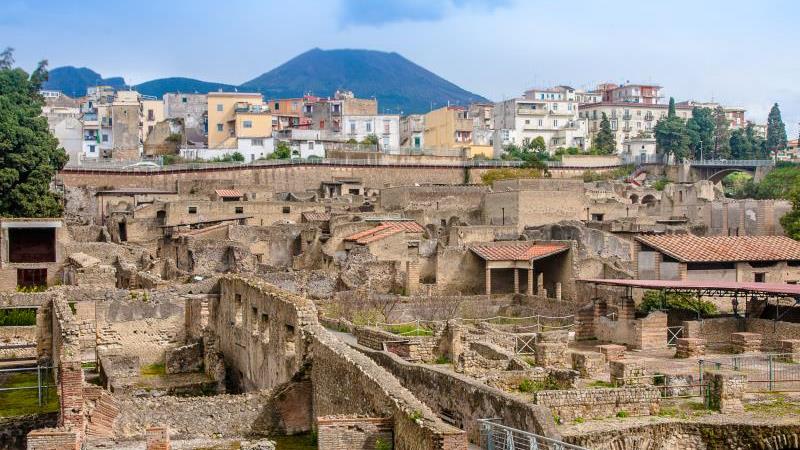
While Pompeii draws the crowds, Herculaneum — the smaller Roman town also destroyed in 79 AD — offers a more intimate and in many ways better-preserved experience. Buried under a different volcanic material, Herculaneum retained organic materials Pompeii did not: wooden furniture, painted ceilings, carbonised food remains, and the hull of a boat near the ancient shoreline. The site is compact and walkable, typically requiring 2–3 hours to explore thoroughly. The multi-storey houses here give a clearer sense of Roman domestic life than Pompeii's flatter ruins. Located near Ercolano, around 45 kilometres from Amalfi, Herculaneum pairs well with a morning in town.
Amalfi Town: Medieval Streets and the Duomo
Amalfi town is small enough to cover entirely on foot, yet dense with history. The 9th-century Cathedral of Sant'Andrea — its distinctive Arab-Norman facade decorated with gold mosaics and interlocking geometric patterns — dominates the Piazza del Duomo and ranks among the most photographed facades in southern Italy. Behind the cathedral, the Chiostro del Paradiso (Cloister of Paradise) provides a shaded, serene retreat from the bustle. The narrow lanes beyond climb steeply, lined with ceramics workshops, limoncello producers, and paper merchants — Amalfi has produced handmade paper using Arab techniques since the 13th century, and the town's Museo della Carta tells that story in a former paper mill.
Positano and Ravello: Two Faces of the Coast
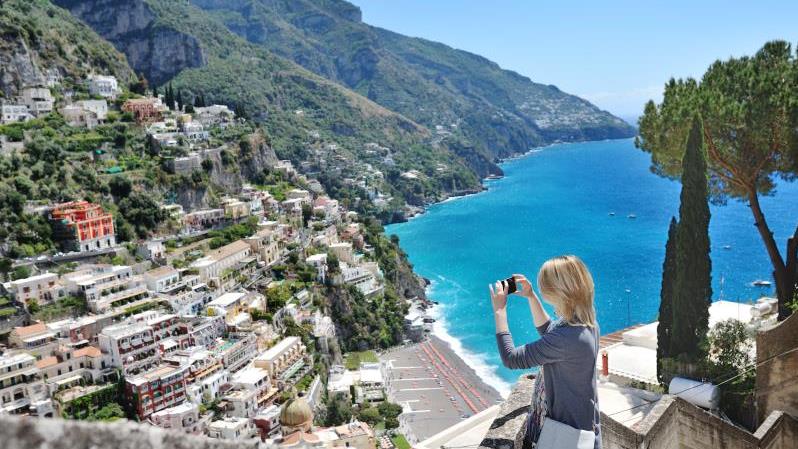
Two towns bookend the Amalfi Coast experience in markedly different ways. Positano, clinging vertically to its cliff above a small pebble beach, is the coast's most photogenic village — its cascade of pastel houses, bougainvillea-draped terraces, and boutique fashion shops have made it an enduring icon. Ravello, by contrast, sits 350 metres above the sea on a ridge, offering panoramic views from the gardens of Villa Rufolo and Villa Cimbrone. Wagner composed part of Parsifal at Villa Rufolo in 1880, and the gardens remain exceptional. The two towns represent opposite temperaments: glamorous and lively at sea level, quiet and contemplative above it.
Sea Caves and Hidden Coves
The limestone cliffs of the Amalfi Coast are riddled with sea caves and grottoes accessible only by boat. The Grotta dello Smeraldo (Emerald Grotto), reachable from the coastal road by lift or steps but most dramatically entered from the water by small rowing boat, earned its name from the otherworldly green glow created by light refracting through a submerged cave opening. Inside, submerged stalagmites add to the eerie, beautiful effect. Beyond the Grotta, boat tours trace the cliffs past narrow sea arches and natural rock formations, stopping at coves where the only sounds are water and wind — a complete counterpoint to the crowded coastal road above.
Amalfi travel tips
Allow Extra Time for the Return Tender. At tender ports, queues at the dock can build significantly in the final hour before all-aboard time. Plan to be at the tender landing at least 45–60 minutes before the ship's scheduled departure. If returning from Pompeii or Herculaneum, account for afternoon traffic on the coastal road, which can add 30–45 minutes to journey times that were faster in the morning. Missing the tender means missing the ship — the buffer is not excessive.
Wear Footwear With Grip. Amalfi town is built on steep terrain. The main piazza and waterfront are manageable, but exploring beyond the cathedral involves staircases, cobbled lanes, and uneven stone steps that become slippery when wet or after rain. Sturdy walking sandals or shoes with real grip are essential. Flip-flops adequate for the beach become hazardous on polished cobbles. At Pompeii and Herculaneum, uneven ancient basalt paving stones cover vast distances — comfortable, supportive footwear makes a measurable difference to the day.
Dress for Cathedral Entry. The Cathedral of Sant'Andrea enforces a dress code for entry: shoulders and knees must be covered. In summer this catches unprepared visitors who have dressed for beach weather. A lightweight scarf or shawl serves the purpose and takes up minimal bag space. The Chiostro del Paradiso adjacent to the cathedral has the same requirements. Note that the cathedral may be briefly closed during religious services — mornings before 10am and late afternoons are generally most reliable for entry.
Taste the Lemons — Then Buy Some to Take Home. Sfusato amalfitano lemons are larger, sweeter, and more aromatic than standard varieties, and the limoncello produced from them is markedly different from commercial versions. Sample a shot at a local bar — ask for 'sfuso' (the house pour) rather than a branded bottle. Family producers throughout town sell whole lemons, bottled limoncello, and lemon-based pastries including the delizia al limone, a cream-filled sponge cake that tastes nothing like its supermarket counterparts. Vacuum-packed dried lemon peel travels well and makes a distinctive memento.
Morning Light Suits the Coast Best. The Amalfi Coast faces south and west, which means morning hours offer the clearest, most favourable light for photography. By midday in summer, the light becomes harsh and flat. Boat trips departing before 10am benefit from calmer sea conditions and the coast lit frontally — particularly important for capturing the facades of Positano's coloured houses or the cliffs above Amalfi. The Piazza del Duomo is also dramatically less crowded in early morning, before day-trip traffic from Naples and Sorrento arrives.
Combining Pompeii and the Coast: Be Realistic. Visiting Pompeii and spending time on the Amalfi Coast in a single day is achievable but requires honest planning. Pompeii is best visited first, before the midday heat peaks — aim to arrive as close to opening time (9am) as practical. Two hours at the site, then a drive to Amalfi, allows a late lunch and a walk around town before the return. Adding Herculaneum to the same itinerary leaves nothing enough time to be satisfying. Choose one Roman site or the other, not both, if the coast itself is also a priority.
Port Facts Every Cruiser Needs To Know
Amalfi shore excursion FAQs
Amalfi does not have a dedicated cruise terminal for large ships. Most vessels anchor offshore and transfer passengers ashore by tender boat to the Marina Grande. The process is weather-dependent — in rough conditions, tendering may be suspended or delayed. The tender dock is directly in the town centre, making the transition from ship to town straightforward on a calm day.
Pompeii is approximately 35 kilometres from Amalfi by road. In low season or early morning, the journey takes 45–60 minutes. In peak summer traffic on the coastal road, allow 90 minutes or more each way. Inside the site, a focused visit covering the Forum, main residential streets, and key houses takes 2–3 hours. Plan a full half-day minimum for Pompeii, including travel.
Both sites reward a visit but offer different experiences. Pompeii is larger, more famous, and gives a stronger sense of a complete city. Herculaneum is smaller, significantly less crowded, and arguably better preserved — wooden structures, painted ceilings, and organic materials survived there that were lost at Pompeii. If you have already visited Pompeii on a previous trip, Herculaneum may be the more interesting choice. If this is a first visit to either site, Pompeii is the more comprehensive introduction.
Yes. Ferries connect Amalfi to Positano, Salerno, and Capri, with services running throughout the day. The ferry from Amalfi to Positano takes approximately 25–30 minutes and is a more relaxed alternative to the coastal road bus. Schedules vary by season and are subject to disruption by sea conditions. Timetables and tickets are available at the harbour ticket offices near the town landing.
Amalfi has a small pebbly beach directly adjacent to the tender dock, serviceable for a swim but limited in space and very crowded in summer. For more comfortable beach time, the nearby towns of Minori and Maiori — reachable by bus or ferry — have broader stretches. The clearest and most inviting swimming is generally found at the smaller coves accessible by boat between towns.
Amalfi presents genuine accessibility challenges. The main piazza and waterfront area are manageable, but most of the town beyond involves steep staircases. Pompeii covers 44 hectares of uneven ancient paving with limited shaded rest areas; it is demanding for those with mobility difficulties. Herculaneum is more compact. Boat tours provide a way to experience the coast's dramatic scenery without the physical demands of the terrain — a worthwhile option for those who prefer to avoid extensive walking.
The currency is the Euro (€). Most restaurants, shops, and larger establishments accept credit cards, but smaller bars, market stalls, and family-run trattorias may prefer cash. ATMs are available in the town centre but can have queues, particularly on busy summer days when multiple cruise ships are in port. Drawing cash before arriving at the port, or withdrawing on arrival before crowds build, avoids delays.
SITA buses are the main public transport along the SS163 coastal road, running between Sorrento, Positano, Amalfi, and Salerno. Tickets must be purchased before boarding from a tobacconist (tabaccheria) or bus ticket booth — they cannot be bought on the bus. Services run frequently on paper but can be extremely crowded in summer, and schedules are routinely disrupted by coastal road traffic. The journey between Amalfi and Positano takes approximately 40–50 minutes in normal conditions.
July and August are very crowded. The Amalfi Coast is one of Italy's most popular summer destinations, and day-trippers arriving by bus from Naples and Sorrento add significantly to cruise passenger numbers. The Piazza del Duomo and approaches to the cathedral are densest between 10am and 3pm. Arriving at the cathedral before 9am, or shifting the itinerary toward a morning boat trip and afternoon town walk, reduces exposure to peak crowds.
Colatura di alici is an intensely flavoured anchovy sauce produced in the nearby village of Cetara — a few drops season pasta with a savoury, umami-rich depth that bears no resemblance to anchovy paste available elsewhere. It is the culinary descendant of garum, the Roman fish sauce used throughout the ancient world. Small bottles are sold in delicatessens and food shops throughout Amalfi town and make an authentic, compact souvenir with real culinary usefulness at home.
Filters
Select a filter to refine results.
Tour Type
Tour Activity
 Cart
Cart
 USD
USD GBP
GBP AUD
AUD EUR
EUR CAD
CAD