



Tours in Athens (Piraeus)


Cruising to Athens (Piraeus) in a group?
Skip the crowded ship excursion bus. One dedicated planner will design a private shore experience around exactly what your group wants — coordinated from first enquiry to the moment you're back on board. More memorable, more flexible, and more affordable than you might expect. Spend less time organising, more time enjoying.
Explore Group Travel →Cruising to Athens (Piraeus)
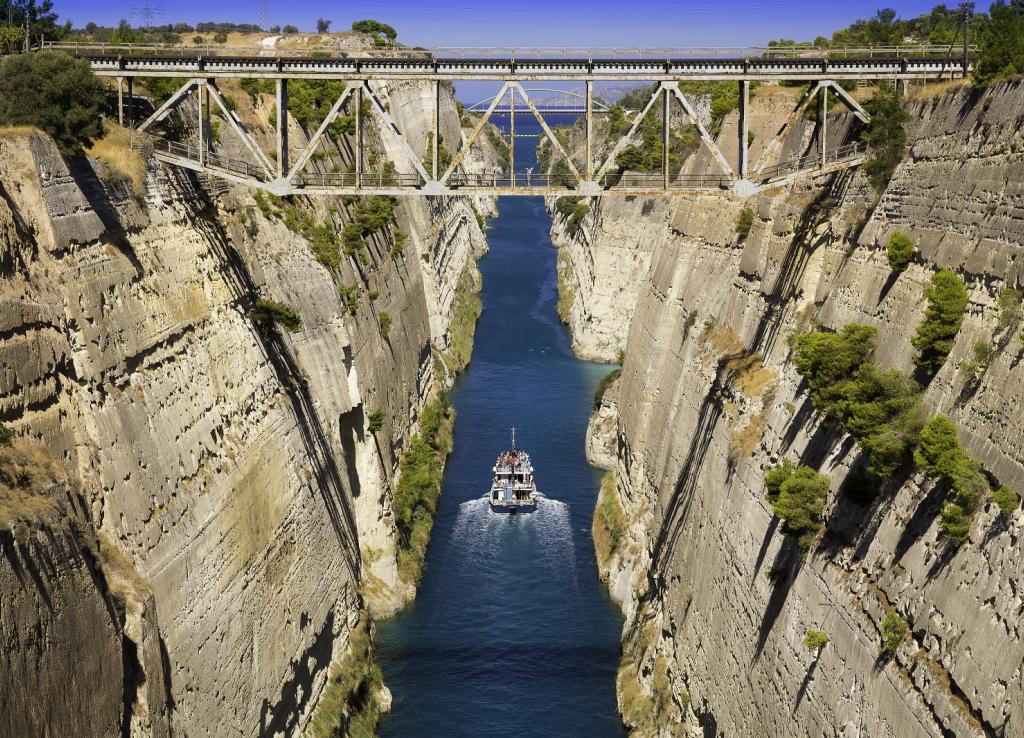
Piraeus has served as Athens's port for more than 2,500 years, a relationship that made the city-state the dominant naval power of the ancient Mediterranean and today makes it one of Europe's major cruise hubs. The port lies approximately 10 kilometres southwest of central Athens, and the city's metro system connects the two with reliable efficiency. Athens itself is a city of extraordinary depth: the Acropolis and its fifth-century BC temples remain the most recognisable ancient monuments in the Western world, while the New Acropolis Museum ranks among Europe's finest archaeological institutions. Below the sacred rock, the Plaka neighbourhood preserves a maze of neoclassical buildings, Byzantine churches, and open-air tavernas. For those with a full day ashore, road excursions extend the experience considerably — Cape Sounion's Temple of Poseidon stands on a clifftop 70 kilometres south; ancient Corinth and the Mycenae citadel lie within two hours to the west; and Delphi, sanctuary of Apollo and the ancient world's most important oracle, sits dramatically on the slopes of Mount Parnassus. Athens rewards first-time visitors and returns equal dividends to those revisiting with a different focus.
Top things to do in Athens (Piraeus) on a cruise stopover
The Acropolis and the Parthenon
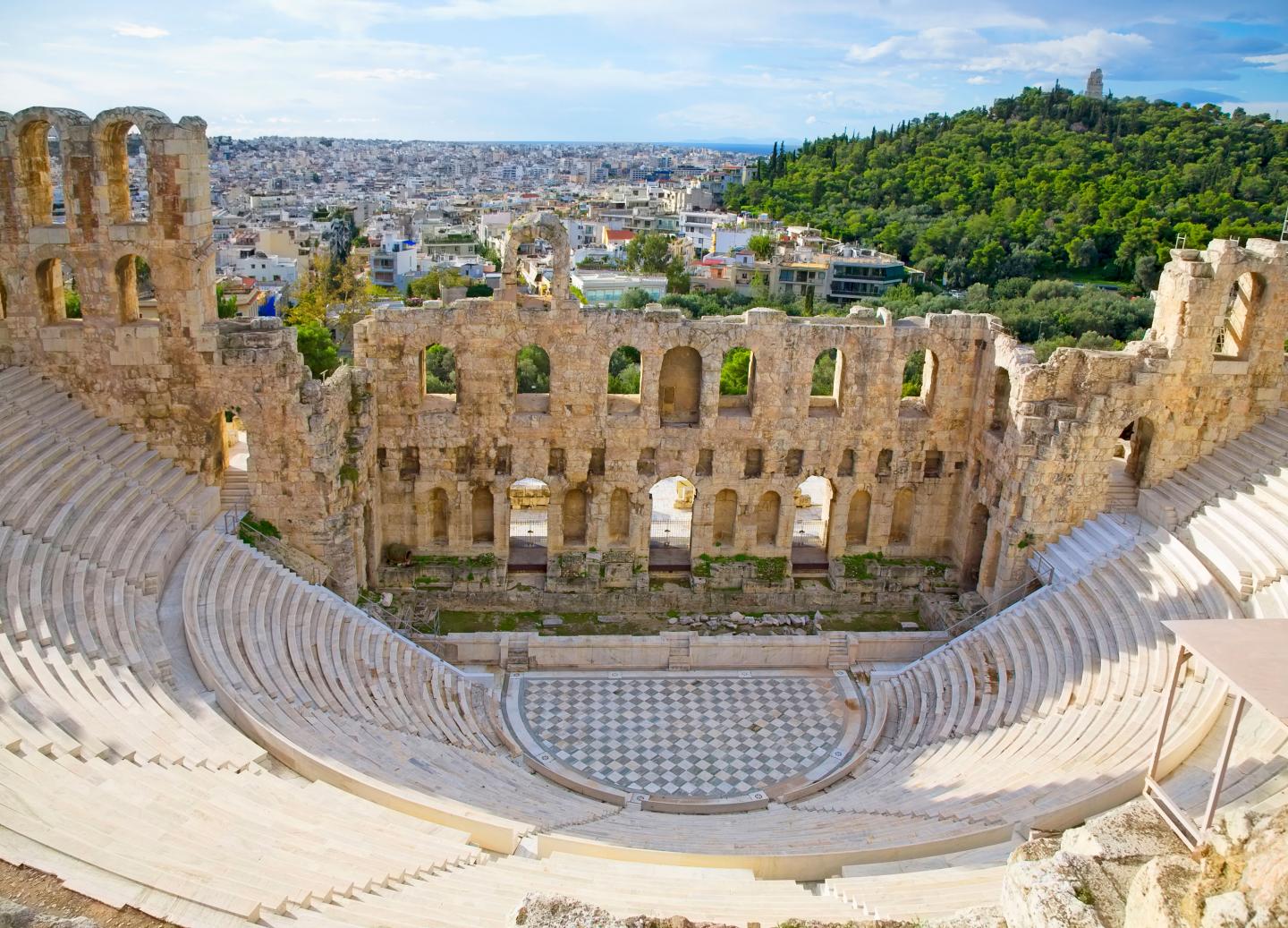
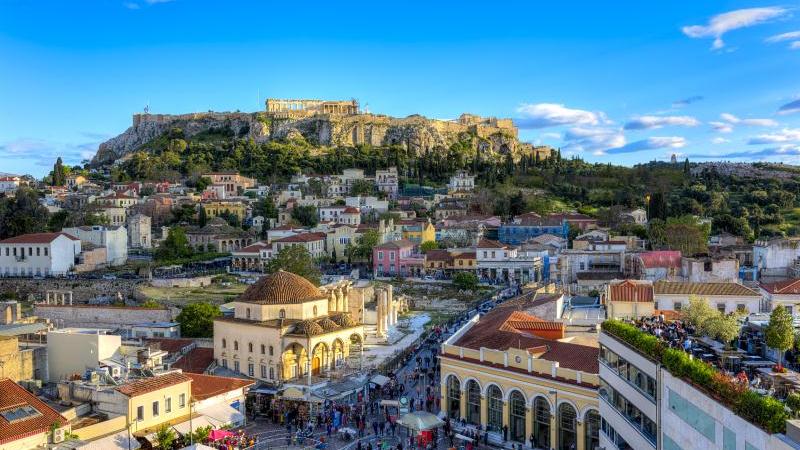
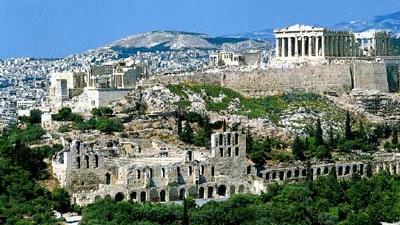
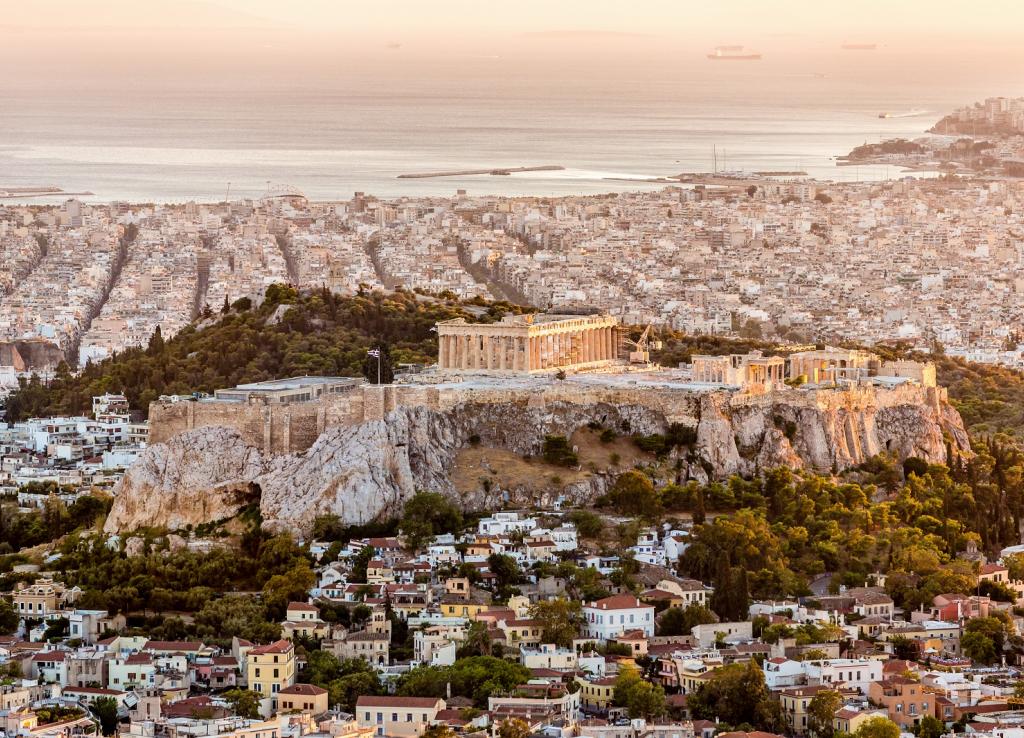
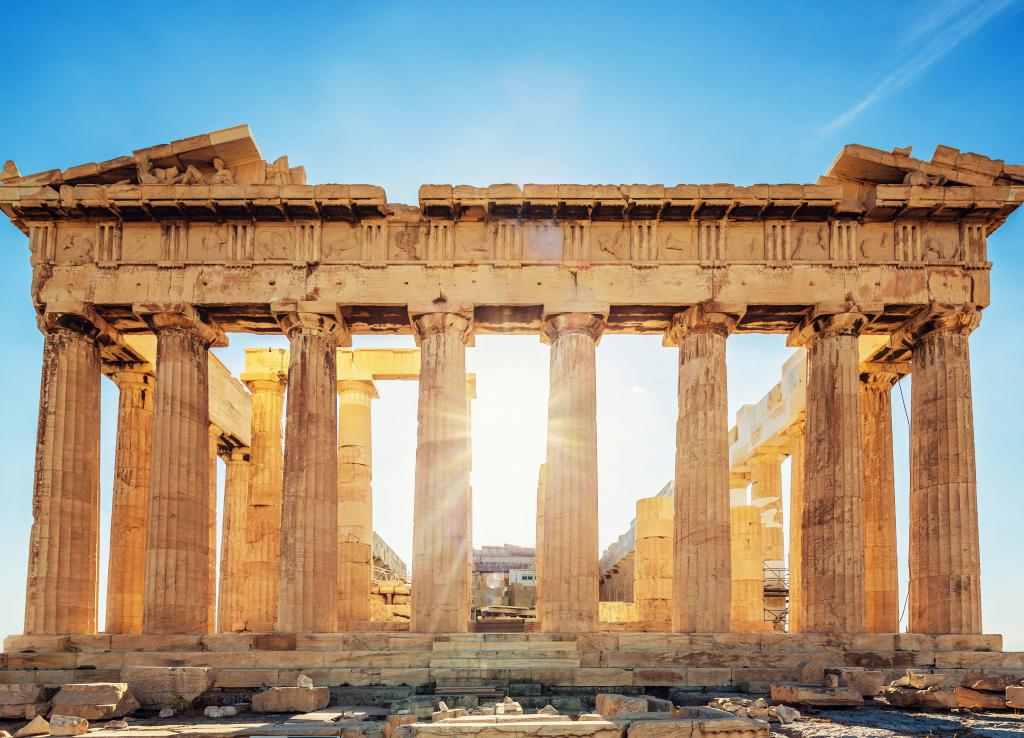
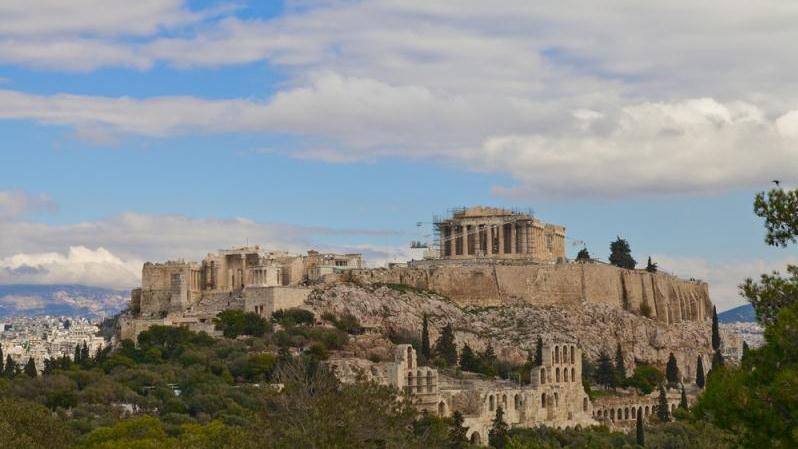
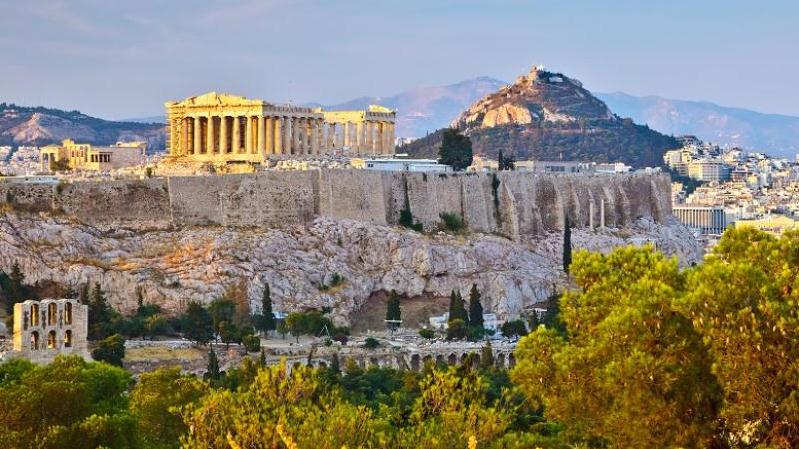
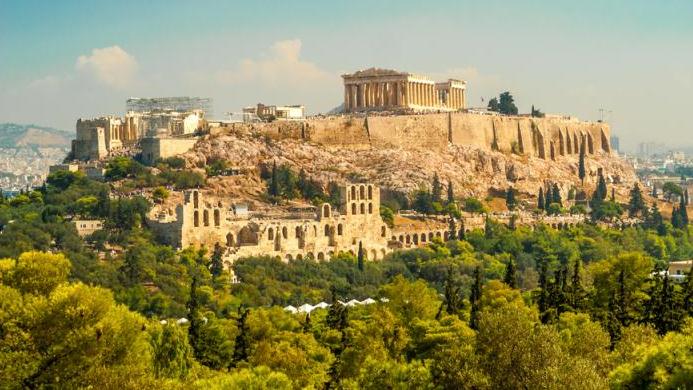
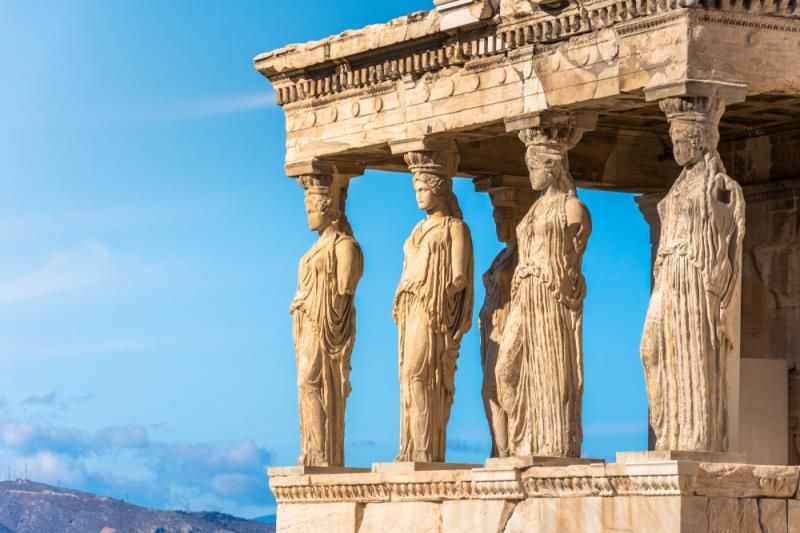
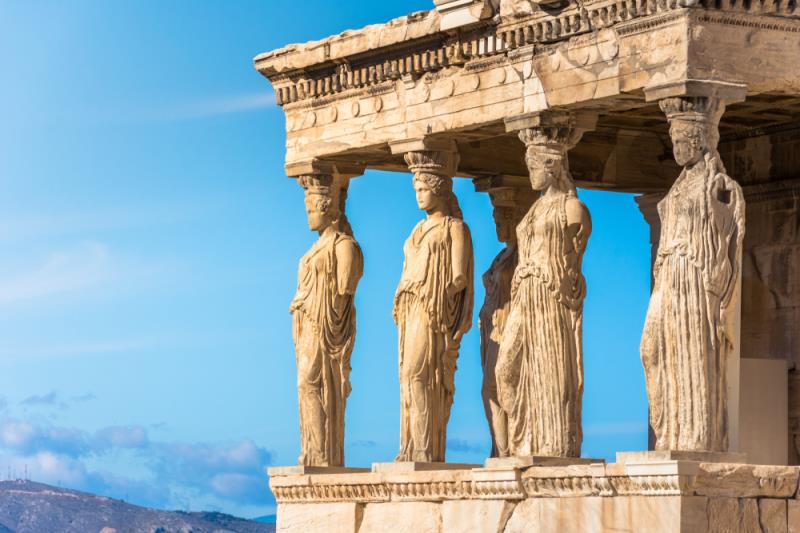
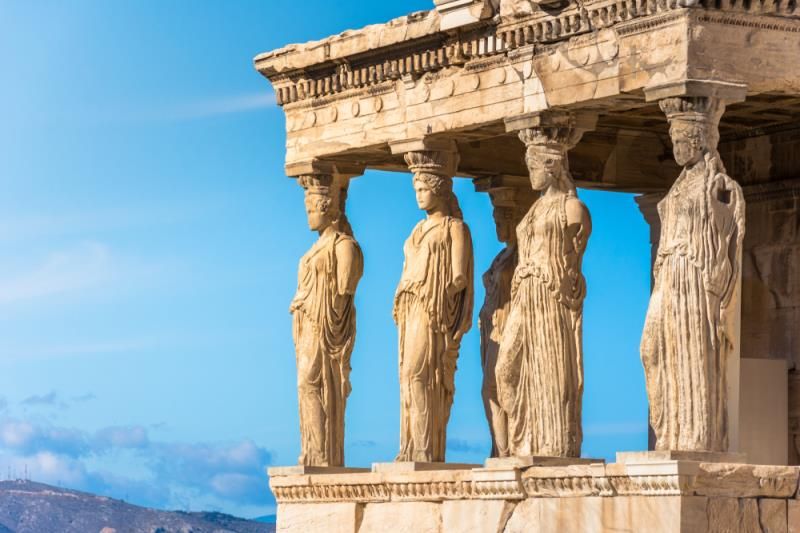
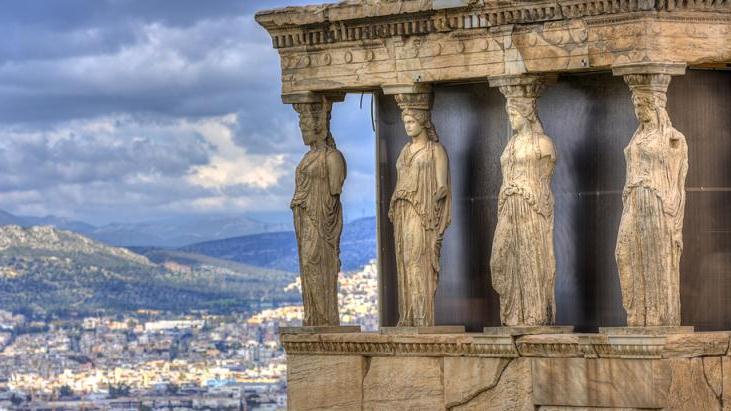
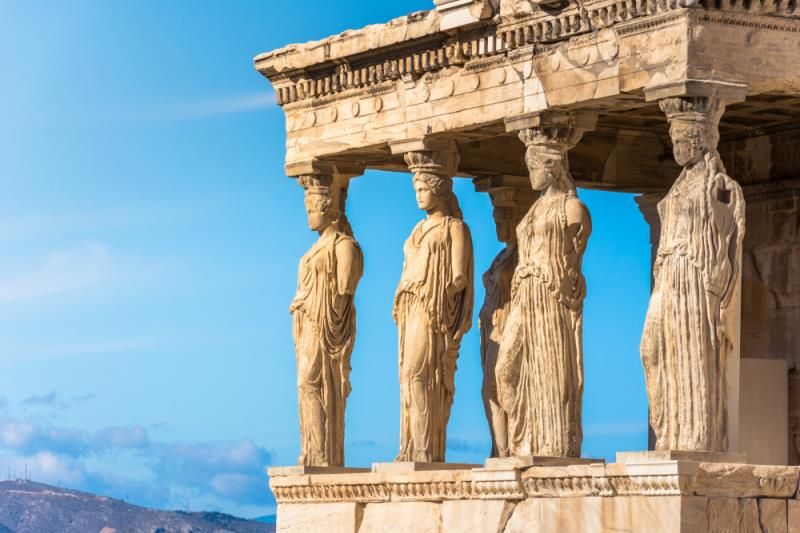
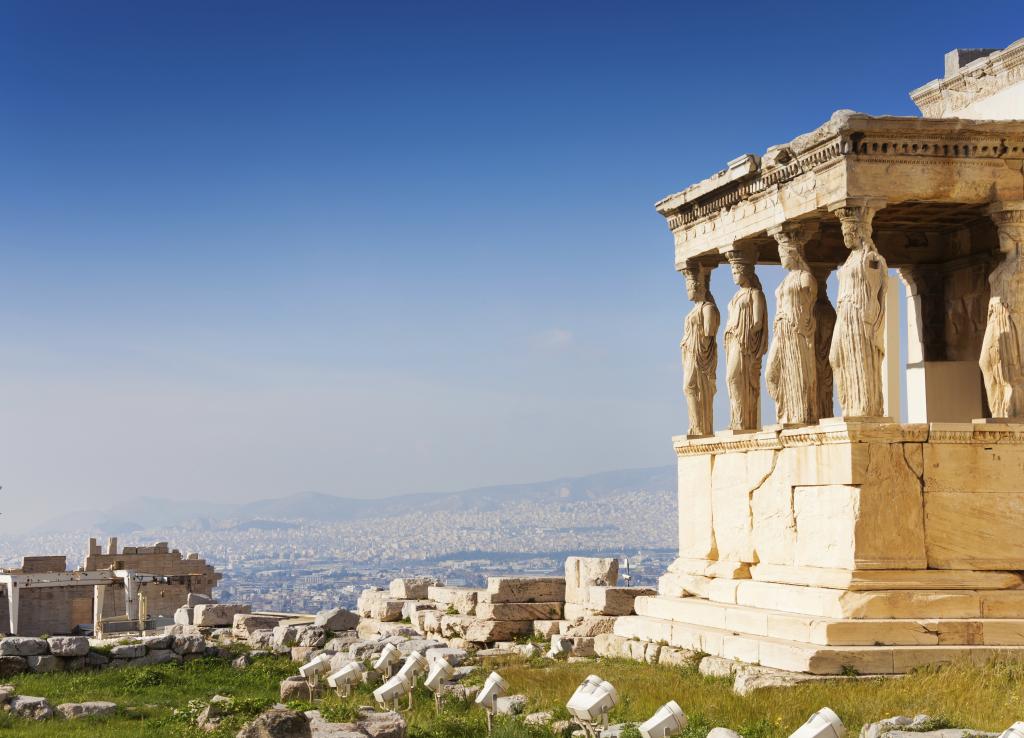
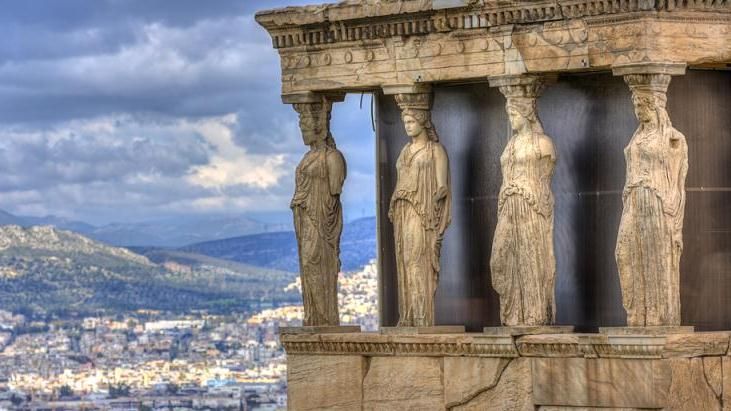
Rising 156 metres above Athens on a flat-topped limestone outcrop, the Acropolis remains one of the most significant architectural achievements in human history. The Parthenon — the great Doric temple dedicated to Athena, completed in 438 BC — dominates the summit alongside the Erechtheion with its famous Caryatid porch, the Propylaia gateway, and the Temple of Athena Nike. The complex was built during the height of Athenian democratic power under Pericles, and even in its partially ruined state, communicates the ambition and technical mastery of fifth-century BC Athens with extraordinary force. Morning visits (opening time is 8am in peak season) allow cooler temperatures and the best light for photography. The sacred rock is visible from across central Athens and provides orientation for the entire city.
The New Acropolis Museum
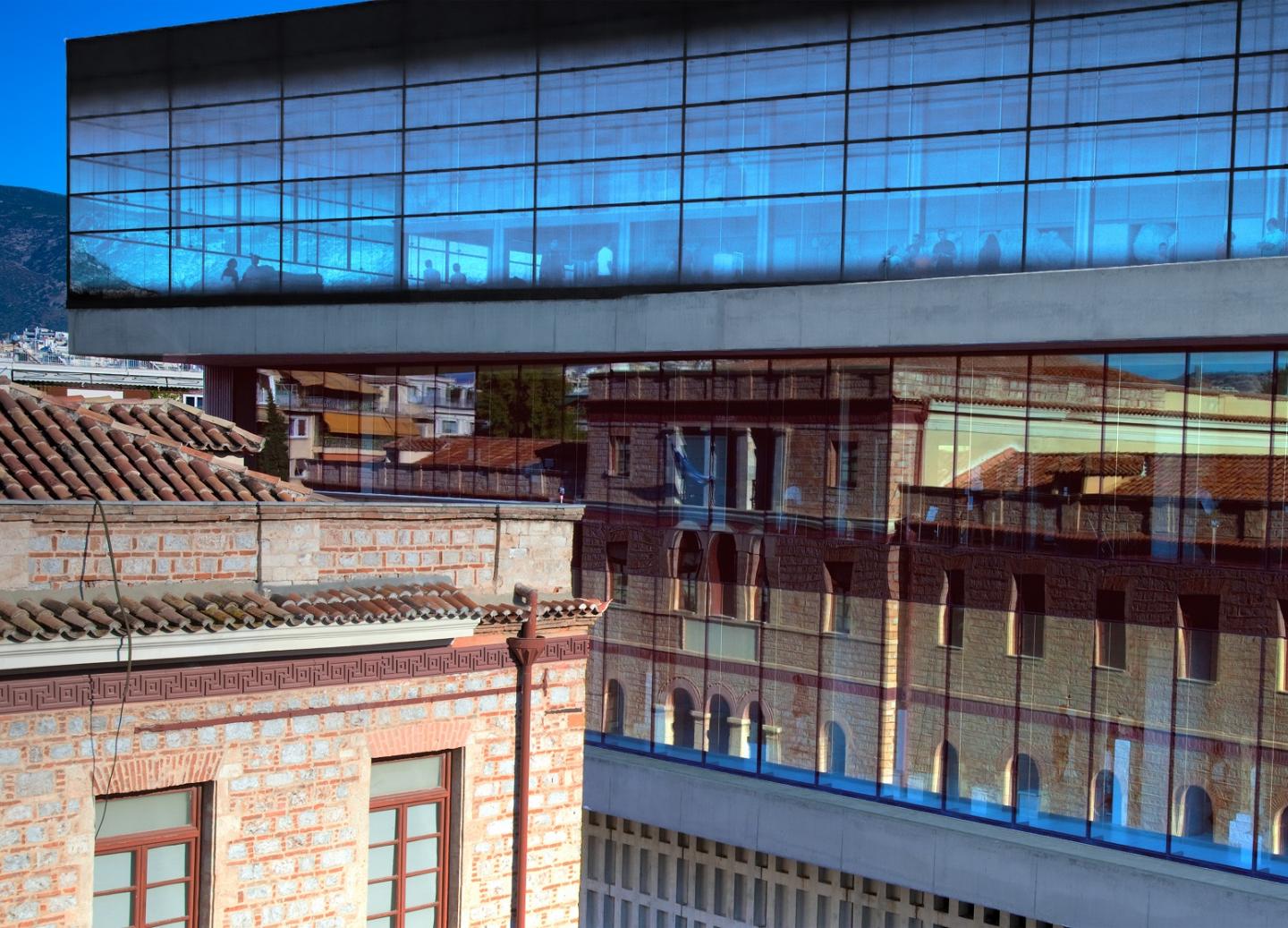
Opened in 2009 at the foot of the Acropolis hill, the New Acropolis Museum was designed specifically to house the surviving sculptural and architectural elements of the Acropolis monuments. The building is a considerable achievement: a three-level glass and concrete structure partially erected over excavated ancient neighbourhood remains, visible through glass floors in the lower gallery. The collection's centrepiece is the Parthenon Gallery on the third floor — a glass-walled space oriented precisely to match the temple's alignment on the hill above, displaying the surviving frieze panels with gaps marking where originals remain in London. The museum provides essential context for the Acropolis visit and makes both experiences significantly richer.
Plaka: The Old Town Beneath the Acropolis
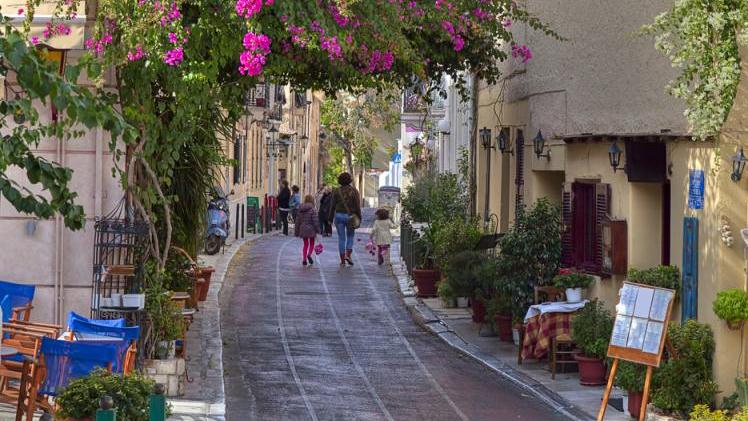
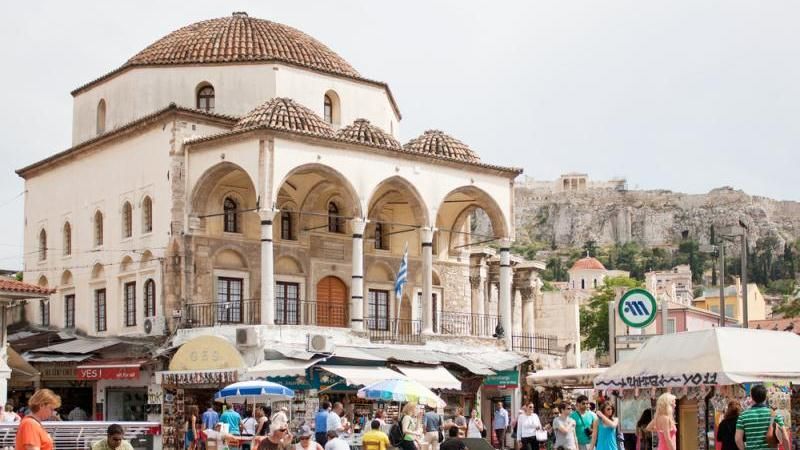
Spreading across the northern and eastern slopes of the Acropolis, Plaka is Athens's oldest continuously inhabited neighbourhood and one of the few areas that retained its pre-modern character through development. Its network of narrow, stepped streets passes neoclassical mansions, Byzantine churches, small chapels, and tavernas with tables set under bougainvillea on terraces with Acropolis views. The ancient Agora — the political and commercial heart of classical Athens — sits at the neighbourhood's northwest edge, where the remarkably preserved Temple of Hephaestus (5th century BC) still stands. Monastiraki Square, at Plaka's western boundary, hosts a daily flea market and provides some of the best ground-level Acropolis views in the city.
Cape Sounion: Temple of Poseidon on the Clifftop
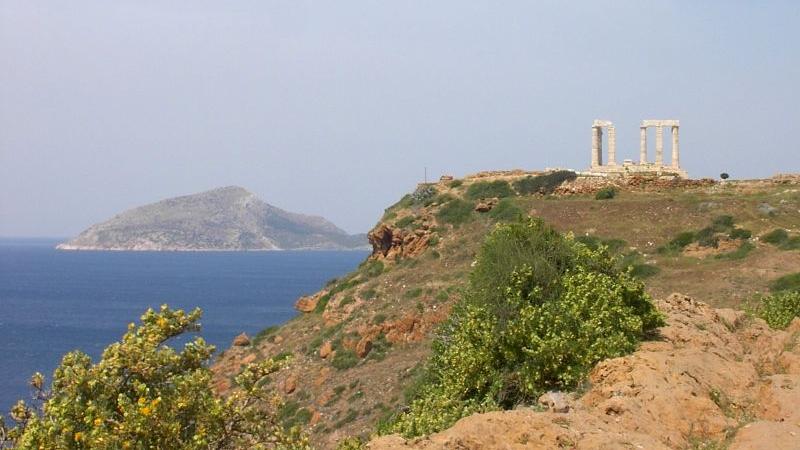
Positioned on a dramatic headland 70 kilometres south of Athens where the Attica peninsula meets the Aegean, the Temple of Poseidon at Cape Sounion is among the most atmospherically sited ancient monuments in Greece. Built in 444 BC — the same era as the Parthenon — 15 of its original 34 white marble columns still stand on a cliff edge 60 metres above the sea. The view from the promontory encompasses the Aegean islands to the south and east and the Attica coastline curving northward. The drive south along the Athens Riviera coast passes beaches and resort towns offering additional stopping opportunities. Lord Byron reportedly carved his name into one of the columns during his visit in 1810.
Ancient Corinth, Mycenae, and Epidaurus
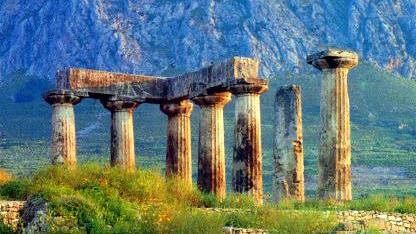
The Peloponnese region west of Athens concentrates an extraordinary density of ancient sites within manageable driving distance of Piraeus. Ancient Corinth — the powerful city-state controlling trade between mainland Greece and its colonies — preserves surviving Doric temple columns and an extensive Roman forum. Mycenae, the Bronze Age citadel of Agamemnon, rewards visitors with its massive Lion Gate (c. 1250 BC), beehive-shaped Treasury of Atreus tomb, and the weight of Homeric history. Epidaurus houses the ancient world's best-preserved theatre, with acoustics so precise that a coin dropped on the stage is audible in the uppermost tier. These sites can be combined in a long full-day excursion from Piraeus.
Delphi: Oracle and Sanctuary on Parnassus
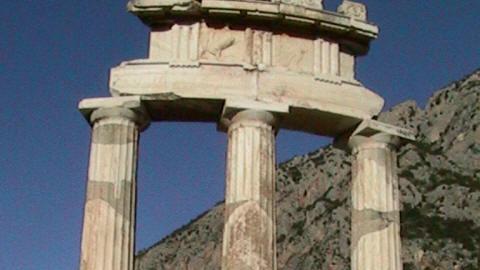
Considered by the ancient Greeks to be the centre of the world — the omphalos, or navel — Delphi served as the site of Apollo's oracle and the most important pan-Hellenic sanctuary from the 8th century BC. The site cascades down a steep mountain slope on Mount Parnassus at approximately 600 metres, with views over the vast olive-filled valley below and the Gulf of Corinth in the distance. The Sacred Way winds upward through treasury buildings, past the Temple of Apollo — where the Pythia delivered her pronouncements — to the sanctuary theatre and stadium above. The adjacent Delphi Archaeological Museum houses the Charioteer of Delphi, one of antiquity's finest surviving bronze statues. Delphi requires a full day from Piraeus but rewards the journey entirely.
Athens (Piraeus) travel tips
Visit the Acropolis First Thing — Heat and Crowds Build Fast. The Acropolis receives millions of visitors annually, and in summer the combination of direct sun, reflected heat from white marble, and dense crowds makes midday visits genuinely uncomfortable. Opening times begin at 8am in peak season; arriving early secures the best light for photography, the most comfortable temperatures, and significantly thinner crowds at the most photographed sections. The climb from the main entrance gate to the summit takes approximately 15–20 minutes on a paved path with gradual inclines.
Wear Suitable Footwear on the Acropolis. The Acropolis path and summit surface are ancient marble polished smooth by millions of visitors over decades. In dry conditions this is manageable; after rain or with inappropriate footwear (flip-flops, heeled shoes, smooth soles), the surface becomes genuinely slippery. Flat-soled shoes with grip — trainers, walking shoes — are strongly recommended. The path is wide and well-maintained but marble can catch inexperienced visitors off guard, particularly on the descent.
The Combined Acropolis Ticket Covers Seven Sites. A single combined ticket covers the Acropolis, Ancient Agora, Roman Agora, Kerameikos cemetery site, Temple of Olympian Zeus, South Slope theatre sites, and Hadrian's Library. This offers significantly better value than purchasing individual entry at each site and is valid for five days. Purchase is available at the main Acropolis entrance ticket office or online in advance. In peak summer months, buying tickets online beforehand avoids queues at the gate.
Greek Lunch Timing Differs from Northern European Rhythms. Greeks eat lunch late — typically between 2pm and 4pm — and dinner later still, often beginning after 9pm. This means restaurants in Plaka and Monastiraki are quieter and better-staffed during early afternoon, when the post-Acropolis tourist surge has eased. The neighbourhood of Monastiraki and streets north of the Agora have numerous options for mezedes and grilled meat at local prices; the closer to the Acropolis entrance, the higher the tourist premium on food and drink.
For Out-of-City Excursions, Departure Time Matters. Cape Sounion, Corinth, Mycenae, and Delphi all require substantial road travel from Piraeus. Athens traffic can be significant during morning peak hours (8–9:30am). For longer excursions, an early departure from port — ideally by 8am — maximises time at the destination and ensures a comfortable return buffer before the ship's all-aboard time. Delphi should only be considered for ships with late afternoon departure times.
Athens Food Culture Reveals a City Beyond the Monuments. Athens has a sophisticated food scene extending well beyond tourist-street souvlaki. The city's central market (Varvakios Agora, near Monastiraki) is one of the Mediterranean's liveliest — a working market selling fish, meat, spices, olives, and local produce from early morning. The neighbourhood of Psirri, adjacent to Monastiraki, has a dense concentration of traditional and contemporary tavernas frequented by Athenians rather than tourists. Exploring Athens through its food culture provides a considerably richer picture of the living city.
Port Facts Every Cruiser Needs To Know
Athens (Piraeus) shore excursion FAQs
The Acropolis is approximately 10 kilometres from the Piraeus cruise port. The most straightforward public transport option is Athens Metro Line 1 from Piraeus station to Monastiraki — approximately 25–30 minutes. From Monastiraki, the Acropolis is a 15–20 minute walk uphill. The Acropolis Metro station (Line 2) provides an alternative stop closer to the monument's base. Having transfer arrangements in place from port simplifies the journey, particularly for groups or visitors with limited mobility.
Allow approximately 1.5–2 hours for the Acropolis site itself, including the climb, exploration of the monuments, and descent. The New Acropolis Museum warrants another 1.5–2 hours for a thorough visit. Combined, the two sites fill a comfortable half-day. Adding time in Plaka for lunch and exploration makes a full, rewarding day. Given transit time from Piraeus of 25–30 minutes each way, a six-hour port stop is the practical minimum for this combination.
This combination is ambitious but achievable with an early start. Cape Sounion is approximately 70 km from Athens and 1.5–2 hours by road from Piraeus. If the ship departs by 8am and returns by 6pm or later, a morning Acropolis visit followed by an afternoon drive to Sounion is feasible. However, this leaves limited time for the New Acropolis Museum, Plaka, or a relaxed lunch. Prioritising one or the other makes for a less rushed day.
Delphi is approximately 180 kilometres from Piraeus — roughly 2.5–3 hours by road each way. A cruise port day visit requires a very early departure (ideally by 7am) and a ship departure no earlier than 7–8pm to allow adequate time at the site. Delphi rewards an unhurried visit of 2–3 hours. It is best suited to longer port days or overnights; short port calls make the round trip impractical and rushed.
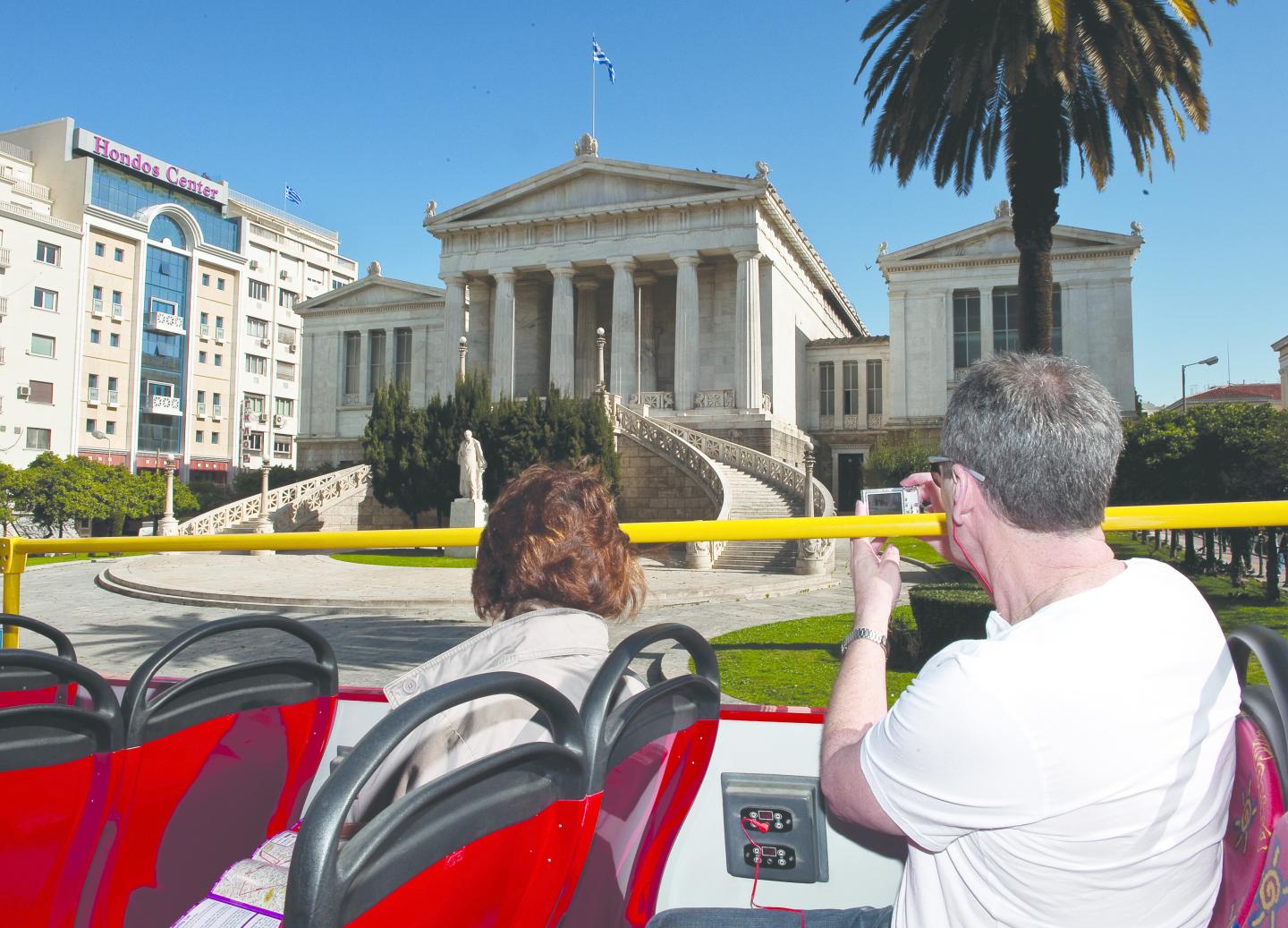
Athens operates hop-on hop-off bus services running circuits through major sites and neighbourhoods, including the Acropolis area, Syntagma Square, Monastiraki, the National Archaeological Museum, and the Athens Riviera coastal route. These tours provide useful orientation for first-time visitors and allow flexible pacing. The bus routes provide transport and audio commentary but do not replace site entry tickets — the Acropolis and other monuments require separate admission. Piraeus port is included as a stop on some circuits.
Ancient Corinth (approx. 90 km west of Piraeus, 1.5 hrs by road) features remains including seven surviving columns of the Temple of Apollo and a large excavated Roman forum; the Acrocorinth citadel above offers panoramic views. Mycenae, another 30 km into the Peloponnese, is the Bronze Age palace of Agamemnon — visitors see the Lion Gate, royal graves excavated by Schliemann, and the Treasury of Atreus beehive tomb. Both sites have on-site archaeological museums and combine well in a full day from Piraeus.
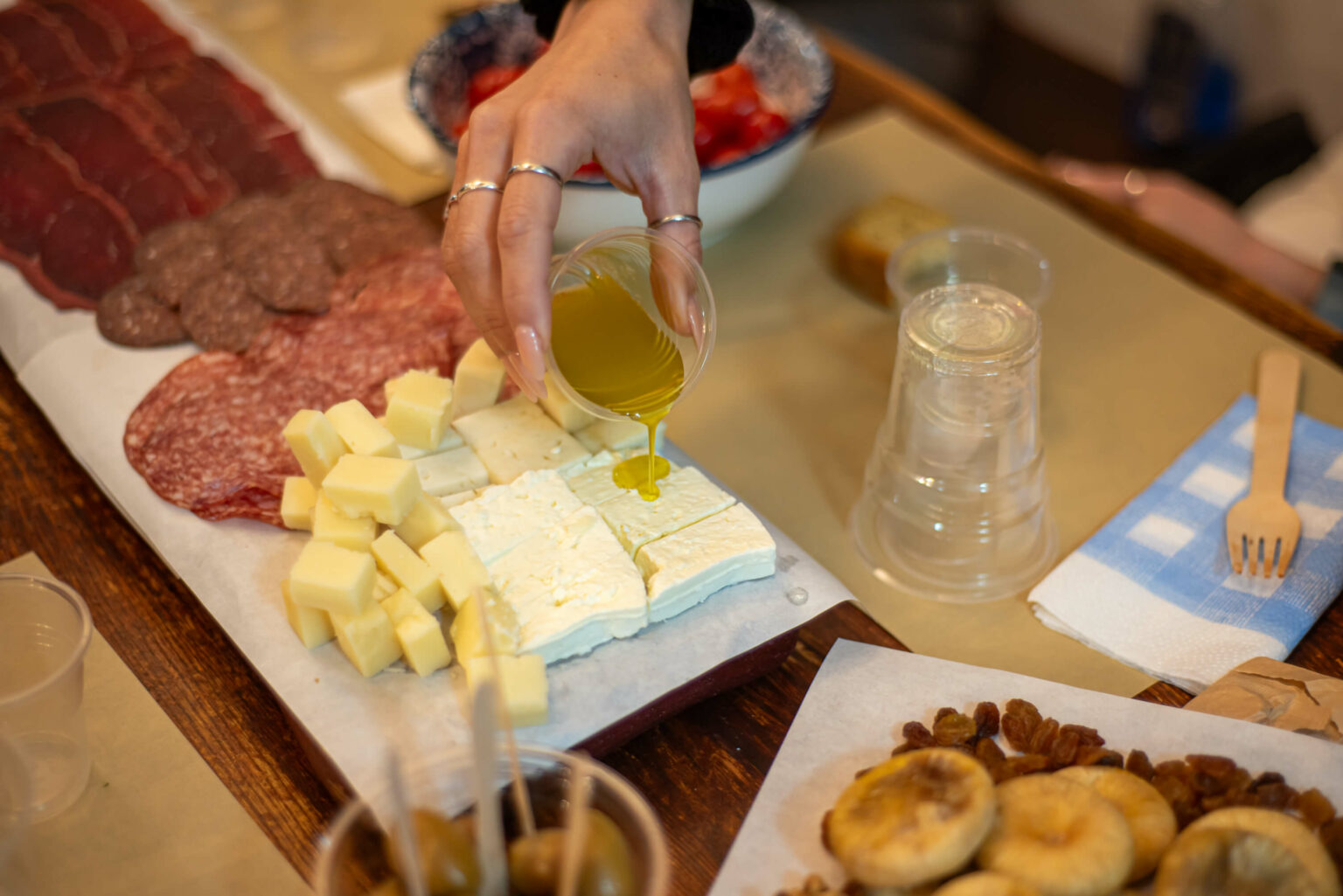
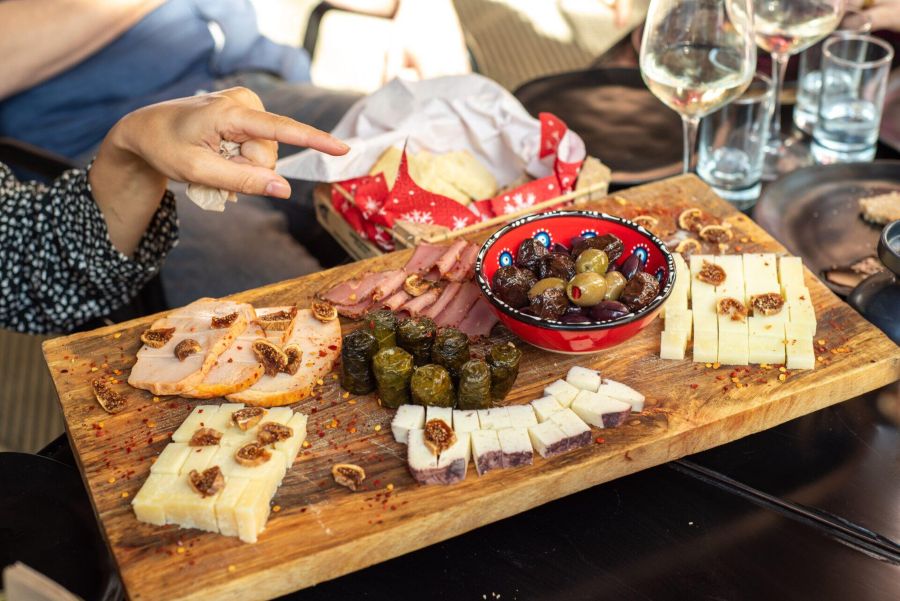
Athens has an exceptionally rich food culture extending well beyond tourist-facing restaurants. The city's central market (Varvakios Agora) near Monastiraki is a working fresh market open from early morning. Dedicated Athens food tours focus on traditional ingredients, street food, and neighbourhood tavernas. Signature experiences include mezedes (small shared dishes), loukoumades (honey doughnuts), freshly prepared spanakopita, grilled seafood, and Greek coffee. The Monastiraki and Psirri neighbourhoods are particularly rich in authentic dining options.
Plaka is the historic neighbourhood immediately below the Acropolis — a maze of 19th-century neoclassical streets, Byzantine churches, souvenir shops, and tavernas. The neighbourhood connects directly to the ancient Agora archaeological site. Monastiraki Square hosts a daily flea market selling antiques, jewellery, vintage clothing, and local crafts (busiest on Sundays) and provides excellent Acropolis views above the rooftops. Together, Plaka and Monastiraki can occupy 2–3 hours of pleasant walking, shopping, and eating.
Yes. The Athens Riviera — a coastal strip running south from Piraeus toward Vouliagmeni and Varkiza — has numerous organised and public beaches accessible by tram or bus from central Athens. Vouliagmeni (approx. 25 km from Piraeus) is the most celebrated area, combining pleasant swimming with the warm-water Lake Vouliagmeni, a partially enclosed brackish lake fed by underground thermal springs. Beach options are most practical for itineraries combining Athens with a warm-weather day rather than full monument programmes.
Athens Metro Line 1 (Green Line) runs from Piraeus station to central Athens. Key stops are Monastiraki (for the Acropolis area, Plaka, and the ancient Agora) and Omonia (for the National Archaeological Museum and city centre). The journey takes approximately 25–30 minutes. Tickets are purchased at station machines or ticket windows; validate at the barriers before boarding. Trains run every 5–10 minutes in peak hours and the system is straightforward to navigate with English signage at major stations.
Filters
Select a filter to refine results.
Tour Type
Tour Activity
 Cart
Cart
 USD
USD GBP
GBP AUD
AUD EUR
EUR CAD
CAD