



Tours in Bari


Cruising to Bari in a group?
Skip the crowded ship excursion bus. One dedicated planner will design a private shore experience around exactly what your group wants — coordinated from first enquiry to the moment you're back on board. More memorable, more flexible, and more affordable than you might expect. Spend less time organising, more time enjoying.
Explore Group Travel →Cruising to Bari
Bari sits on the Adriatic coast of Puglia — the heel of Italy's boot — in a region that remained relatively under-visited until recently, despite containing some of the country's most remarkable landscapes and architecture. The port itself opens almost directly onto Bari Vecchia, the compact medieval old city built on a promontory above the sea. From this base, excursions radiate outward: to Alberobello, where UNESCO-listed trulli houses cluster on hillsides in a form of dry-stone architecture found nowhere else on earth; to the Grotte di Castellana, an extraordinary underground cave system with chambers of pure white calcite; to the elegant harbour town of Trani with its Norman cathedral at the sea's edge; and to hilltop Ostuni, the white city rising from olive-covered plains. Puglia's food — orecchiette pasta, burrata cheese, olive oil of exceptional quality, and the intense reds of Primitivo — is as compelling as its architecture.
Top things to do in Bari on a cruise stopover
Alberobello: Puglia's Iconic Trulli Village
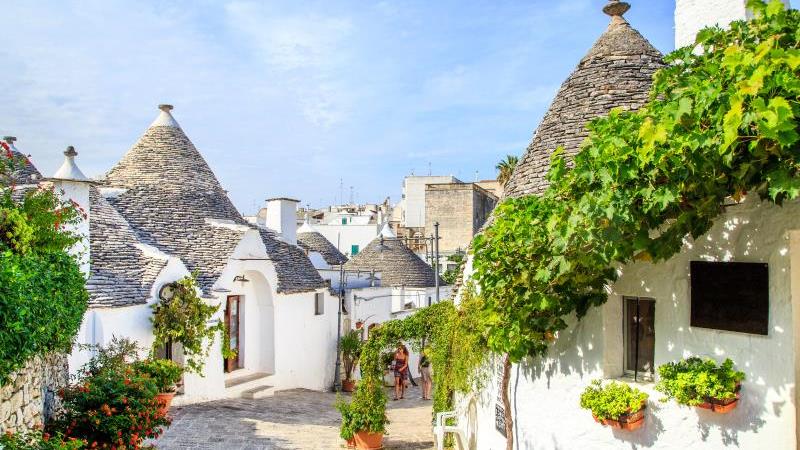
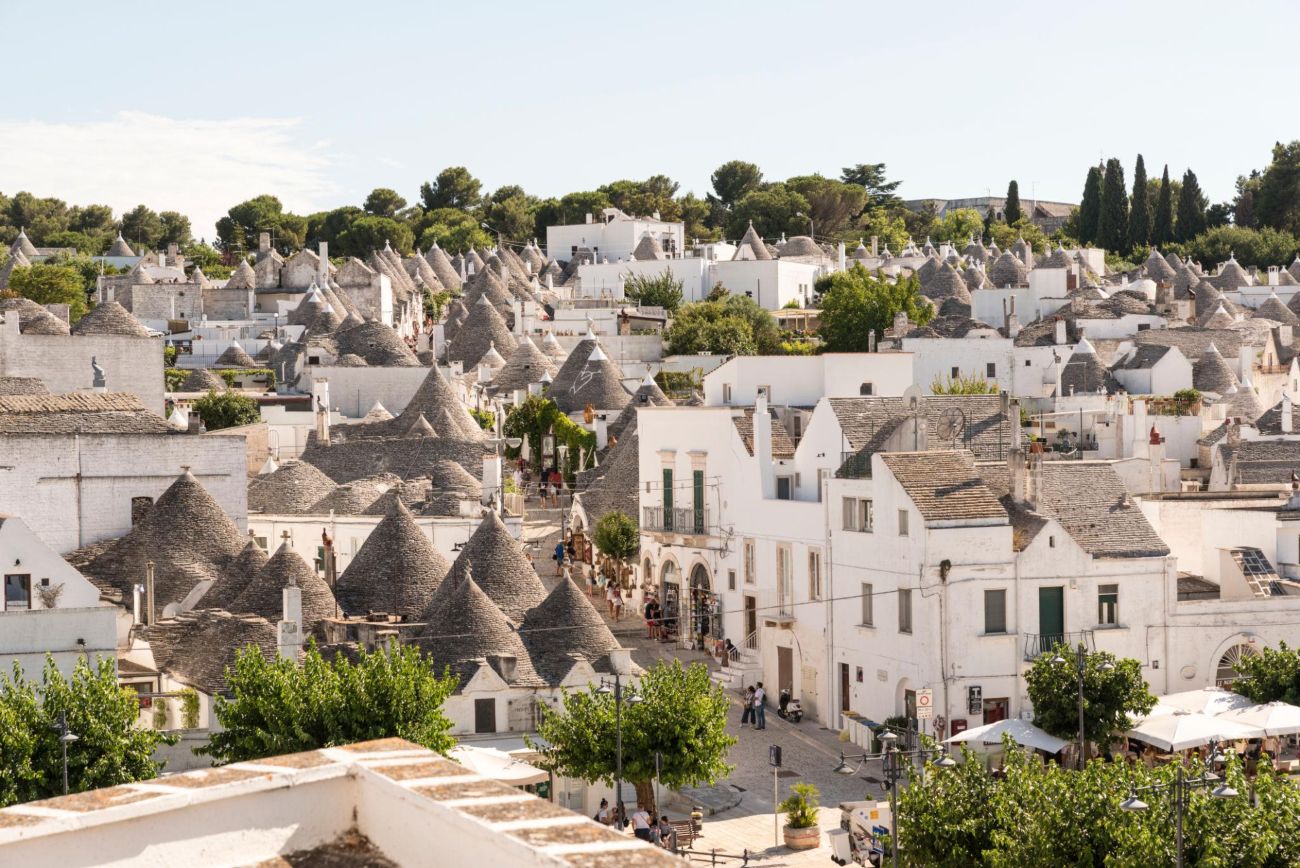
Declared a UNESCO World Heritage Site, Alberobello's trulli — whitewashed stone buildings topped with distinctive conical roofs — are among Italy's most photographed structures, yet seeing them in person carries a weight no photograph captures. The village was built over centuries using dry-stone construction, a technique so specific to this valley that it produced an architectural form found nowhere else on earth. The Rione Monti district contains over 1,000 trulli clustered on a hillside, their grey stone roofs sometimes painted with symbols whose meanings have been lost to time. Some function today as shops and small restaurants; others remain inhabited family homes, continuing a domestic tradition stretching back to the 14th century.
Bari Vecchia: A Medieval City on the Adriatic
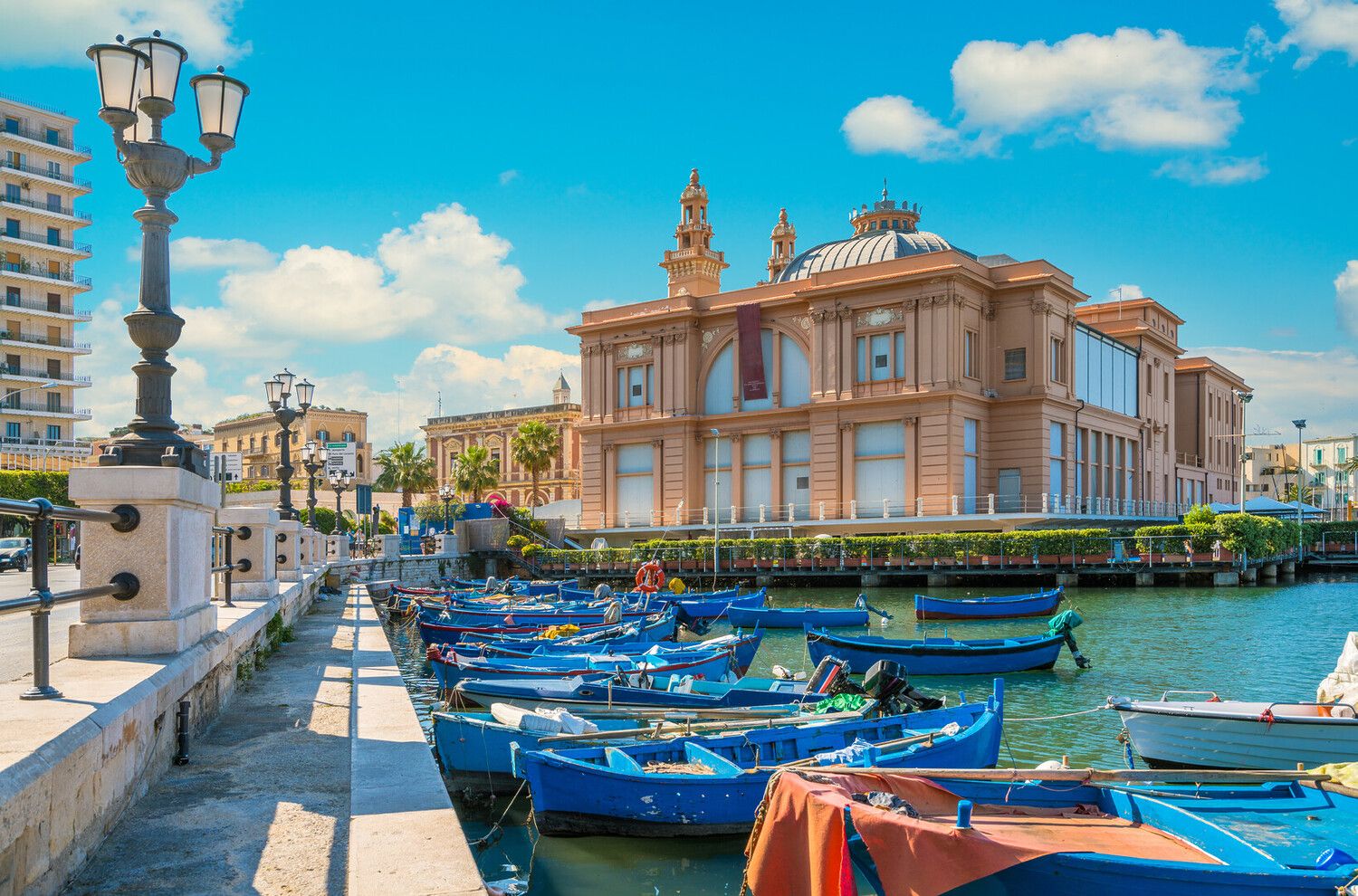
Bari's old city occupies a compact promontory jutting into the Adriatic, its street plan so tightly medieval that two people walking in opposite directions can barely pass without turning sideways. At its heart stands the Basilica di San Nicola, one of southern Italy's finest Romanesque buildings, constructed to house the relics of St Nicholas — better known in the north as Santa Claus — brought from Myra in 1087. The surrounding lanes fill each morning with women making orecchiette by hand on doorsteps, a centuries-old domestic ritual that has become one of Puglia's most enduring images. The nearby Norman-Swabian Castle rises above the waterfront, completing a cityscape largely unchanged in outline for centuries.
Trani: A Cathedral That Seems to Float on Water
Forty kilometres north of Bari, Trani is one of Puglia's most quietly elegant towns. Its Norman cathedral — dedicated to St Nicholas the Pilgrim — stands at the very edge of the harbour, its pale stone facade seemingly rising from the Adriatic on bright days. The town's Jewish quarter, one of the best-preserved medieval Jewish communities in southern Italy, reflects centuries of trade and cultural exchange along this coast. The harbour is lined with fishing boats and restaurants; the town's olive oil production, among Puglia's finest, adds an agricultural dimension to a visit that blends architecture, maritime history, and genuinely local cuisine.
Ostuni: The White City on the Murge Plateau
Ostuni rises from the Murge plateau on a trio of hills, its buildings lime-washed brilliant white to reflect the summer heat — a practice so thorough that the town is known simply as La Città Bianca, the White City. The old town is a labyrinth of stairways, archways, and flower-filled terraces, with the 15th-century Gothic cathedral at its highest point offering panoramic views across olive groves stretching toward the Adriatic. Unlike some of Puglia's more visited destinations, Ostuni retains a quiet, residential character in its upper streets, where daily life continues at a pace largely untouched by mass tourism.
Castellana Caves: A Subterranean World in Puglia
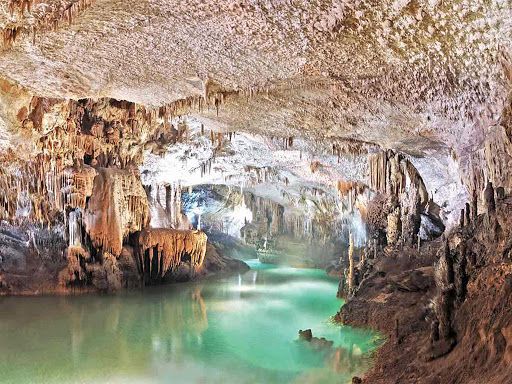
Forty kilometres southeast of Bari, the Grotte di Castellana rank among the most spectacular cave systems in Italy. Discovered in 1938, the caves extend for over three kilometres underground, descending through vast chambers adorned with stalactites, stalagmites, and crystalline formations developed over tens of millions of years. The highlight is La Caverna Bianca — the White Cave — whose pure white calcite formations create an almost otherworldly atmosphere. Underground temperatures remain constant at around 14°C regardless of outside heat, making the caves a welcome refuge during summer port calls and an experience that contrasts dramatically with Puglia's sun-bleached surface landscape.
Puglia's Olive Oil: The Region's Ancient Liquid Gold
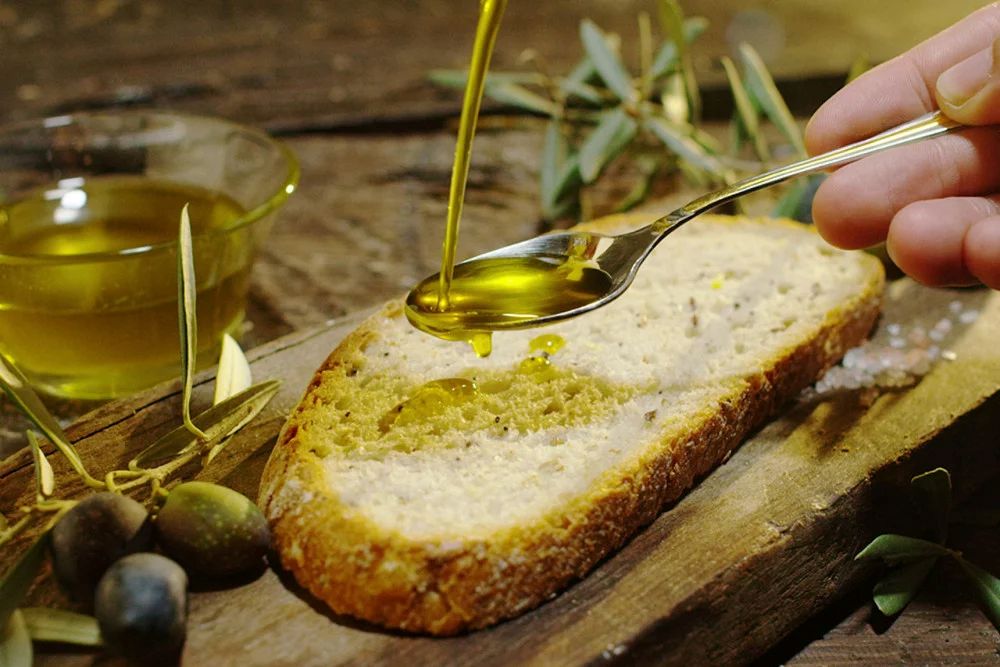
Puglia produces an estimated 40 percent of Italy's olive oil, and the region's ancient groves — some trees over 1,000 years old — are among the most striking landscapes in the Mediterranean. The area around Trani is particularly renowned for its production, using the native Coratina olive to create oils of exceptional fruitiness and intensity. Understanding olive oil here means encountering not just a condiment but the economic and cultural foundation of a civilisation: the trees covering Puglia's plateaus have sustained communities for millennia, appearing in everything from bread and pasta to the simplest morning meal. A taste of genuinely fresh Puglian oil is revelatory for anyone accustomed to supermarket alternatives.
Bari travel tips
Find the Orecchiette Makers in Bari Vecchia. Along Via dell'Arco Basso and the surrounding lanes of Bari Vecchia, local women traditionally sit on doorsteps making orecchiette pasta by hand each morning. The practice is an informal domestic tradition that predates formal tourism — these are women making pasta for daily use, occasionally selling small bags to curious visitors. Arriving in the lanes before 11am offers the best chance of witnessing this unhurried ritual. It is worth pausing respectfully rather than treating the scene as a set-piece tourist attraction; the women are working, not performing.
Layer Up for the Castellana Caves, Even in Summer. The Castellana Caves maintain a constant underground temperature of around 14°C — a significant contrast to summer surface temperatures that can reach 35°C or above. Bringing a light jacket or layer specifically for the cave visit avoids discomfort during the guided tour, which lasts between one and two hours depending on the route chosen. Outside the caves, the Puglia summer requires lightweight breathable clothing, a hat, and high-factor sun protection, as shade is limited in Alberobello's open trulli districts and along Trani's exposed waterfront.
Cash Is Important in Smaller Puglian Towns. While Bari's city centre handles card payments routinely, smaller towns and rural areas throughout Puglia still operate substantially on cash. Market stalls, family-run trattorias in Alberobello, artisan shops in Ostuni, and some entrance ticket offices may not accept cards or may have minimum spend thresholds. Withdrawing cash at an ATM in Bari before heading into the region — rather than relying on finding machines in smaller towns — is practical forward planning. Having €80–€100 in smaller denominations covers most contingencies.
Arrive in Alberobello Before the Peak Crowds. Alberobello is one of Italy's most visited UNESCO sites, and the main Rione Monti district can fill quickly during summer mornings when multiple groups arrive simultaneously. The trulli streets are narrow enough that crowds change the experience considerably. If timing allows, arriving at the village before 10am or after 4pm brings noticeably fewer visitors and a calmer atmosphere where the settlement's genuine character — part living neighbourhood, part open-air museum — is easier to appreciate.
Allow Time in Trani Beyond the Cathedral. Trani's Norman cathedral is spectacular and justifiably the town's centrepiece, but the experience of Trani is incomplete without time along the harbour and in the medieval Jewish quarter. The Giudecca district contains several historic synagogues — some converted to churches after the 1495 expulsion — whose architectural bones remain distinctly Hebraic. The harbour restaurants, serving fresh Adriatic fish, open for lunch from around 12:30pm. A visit allowing two to three hours in Trani rewards those who move beyond the cathedral's immediate surroundings.
Sun Exposure Is Intense Across Puglia. Puglia's terrain is predominantly flat and open, with limited shade in its towns and countryside. The limestone and whitewashed surfaces of Ostuni and Alberobello reflect rather than absorb light, intensifying UV exposure noticeably. High-factor sunscreen applied before leaving the ship, combined with a hat and sunglasses, is genuinely necessary during summer months rather than simply advisable. Staying hydrated is equally important; bottled water is inexpensive and widely available, but carrying a personal supply avoids interruptions in less-serviced areas.
Port Facts Every Cruiser Needs To Know
Bari shore excursion FAQs
Bari's cruise terminal is located at the city's waterfront edge, essentially within the urban fabric rather than in an isolated port zone. The entrance to Bari Vecchia — the old city — is a short walk from the terminal gate, making it one of the most conveniently positioned cruise ports in southern Italy. No shuttle bus is typically required; guests arriving on foot find themselves in the historic city within minutes of disembarking.
Combining Alberobello and the Castellana Caves in a single port call is possible but tight. The two destinations lie in different directions from Bari: Castellana is approximately 40 kilometres southeast, while Alberobello is around 65 kilometres south. The combined driving time for both excursions, plus meaningful time at each — around 1.5 hours at the caves and 2 hours in Alberobello — fills a full day with limited margin. It is achievable with pre-arranged transport and disciplined timing, but rushing either destination reduces the experience considerably.
Trulli are constructed using a dry-stone technique — limestone slabs laid without mortar — producing conical roofs that can theoretically be dismantled quickly. Historical accounts suggest this feature was sometimes exploited to avoid taxation by presenting structures as temporary during official inspections. The technique is specific to the Itria Valley and produces a building form found nowhere else in the world at this scale. The interiors are small and domed; exteriors are whitewashed and marked with symbolic designs whose origins remain debated among scholars.
Bari Vecchia covers a compact promontory manageable in two to three hours on foot. The Basilica di San Nicola, with its crypt containing relics of St Nicholas, is the primary architectural landmark. The Norman-Swabian Castle sits at the old city's edge overlooking the sea. The fish market (Mercato del Pesce) operates on the waterfront in the early morning hours. Walking the old city's lanes — including stretches where women traditionally make orecchiette on doorsteps — completes the experience without requiring a guide or plan.
Trani rewards even a short visit. The cathedral alone justifies the journey: its position at the water's edge, with the sea visible through the nave doorway on clear days, is one of the most striking architectural moments in southern Italy. Adding a walk through the Giudecca (Jewish quarter) and lunch at a harbour restaurant extends the experience to around three hours comfortably. Trani is less visited than Alberobello and retains a quiet, everyday character that makes exploration feel genuinely local.
The Basilica di San Nicola in Bari and the cathedral in Trani are active places of worship and pilgrimage. Visitors are expected to cover their shoulders and knees; those wearing shorts or sleeveless tops may be asked to cover up with scarves or wraps available at the entrance. Lightweight trousers and a top with sleeves are more practical than shorts for a port call that includes religious sites, and they also provide protection from the intense Puglian sun between destinations.
The Castellana Caves offer two tour routes: a shorter circuit of approximately one kilometre taking around 50 minutes, and the full route of approximately three kilometres ending in the White Cave, taking around two hours. The full route is significantly more impressive and includes the cave system's most remarkable formations. Underground temperature remains around 14°C regardless of season — a layer for the longer tour is a practical consideration, particularly in summer when the contrast with outside temperatures is most extreme.
Ostuni — the White City — sits on a hilltop roughly 80 kilometres south of Bari, making it a longer journey than Trani or Alberobello from the cruise terminal. The old town is compact and explored primarily on foot, with the Gothic cathedral at its highest point offering views across the olive-covered plateau toward the Adriatic coast. The town is quieter than Alberobello and appeals to those drawn to an authentic working town rather than a dedicated tourist site. Its restaurants and wine bars open at lunchtime and make an excellent base for a midday meal.
Puglia produces roughly 40 percent of Italy's entire olive oil output, primarily from the Coratina olive — a variety of extraordinary intensity and fruitiness, with high polyphenol content that gives fresh Puglian oil its characteristic peppery finish. Much of this oil is blended into mass-market Italian and European products and never bottled under a Puglian label. Tasting oil directly from a working estate offers a very different experience: fruity, intensely aromatic, with that characteristic catch at the back of the throat from natural antioxidants.
Bari Vecchia is well-suited to independent exploration. The old city is small enough that getting lost is temporary rather than disorienting, and the principal landmarks — the Basilica di San Nicola, the castle, the fish market, the orecchiette lanes — are easy to locate without directions. A downloaded offline map of Bari provides reliable orientation. For excursions to Alberobello, Trani, or Castellana Caves, independent navigation by public transport is feasible but requires careful pre-planning given the distances and connection times involved.
Filters
Select a filter to refine results.
Tour Type
Tour Activity
 Cart
Cart
 USD
USD GBP
GBP AUD
AUD EUR
EUR CAD
CAD