



Tours in Crete (Heraklion)


Cruising to Crete (Heraklion) in a group?
Skip the crowded ship excursion bus. One dedicated planner will design a private shore experience around exactly what your group wants — coordinated from first enquiry to the moment you're back on board. More memorable, more flexible, and more affordable than you might expect. Spend less time organising, more time enjoying.
Explore Group Travel →Cruising to Crete (Heraklion)
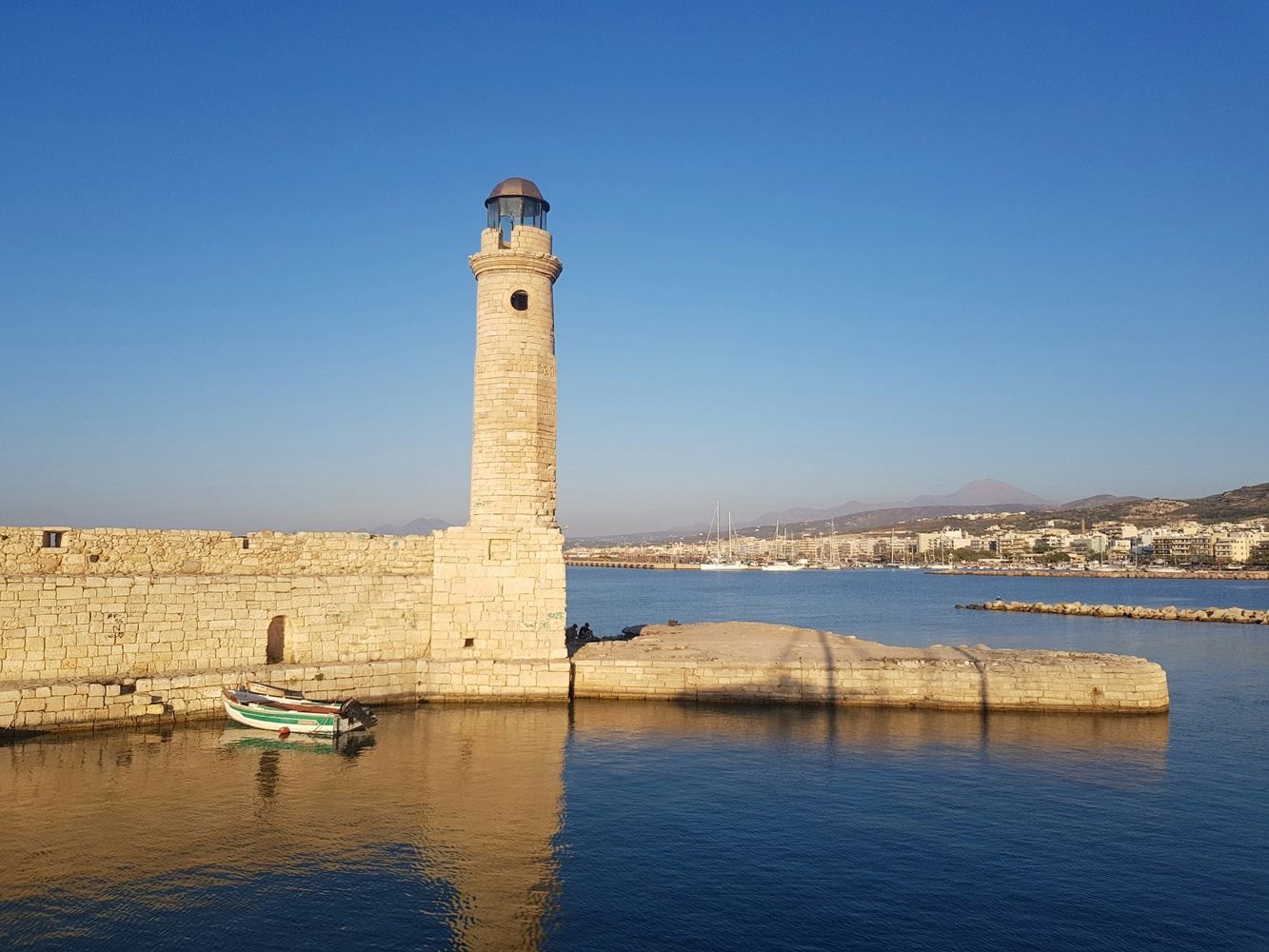
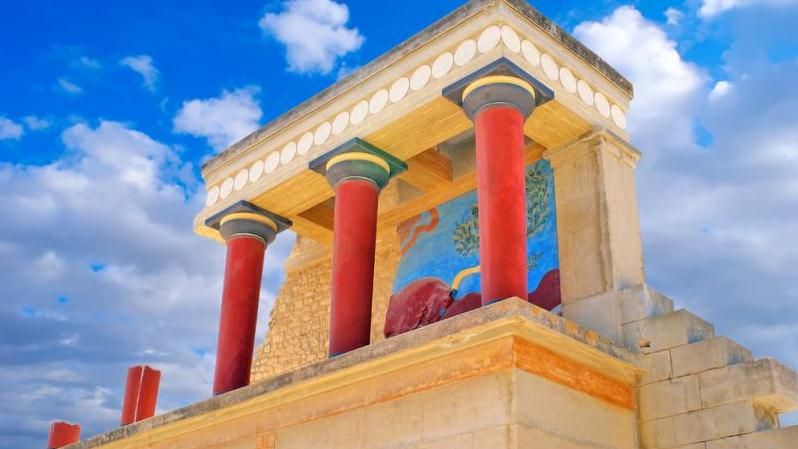
Heraklion is the capital of Crete and one of the most historically layered cities in the Mediterranean. The port sits at the edge of the modern city, with the Venetian Koules Fortress rising at the harbour entrance as an immediate signal that this is a place of deep historical consequence. Inland, the Palace of Knossos — the ceremonial heart of the Minoan civilisation that flourished here more than 3,500 years ago — remains one of the most evocative archaeological sites in Europe. The Heraklion Archaeological Museum houses the world's finest collection of Minoan artefacts, making the city itself an essential complement to any visit to the palace ruins. Beyond antiquity, Heraklion opens into a working Cretan landscape of olive groves, mountain villages, traditional wineries, and a coast dotted with beaches. The local cuisine — grounded in olive oil, seasonal produce, aged cheeses, and fresh seafood — is considered among the finest regional food traditions in Greece. A cruise call here rewards those who plan deliberately: the sites are concentrated enough to combine meaningfully within a single day ashore.
Top things to do in Crete (Heraklion) on a cruise stopover
The Palace of Knossos: Europe's Oldest Royal Court
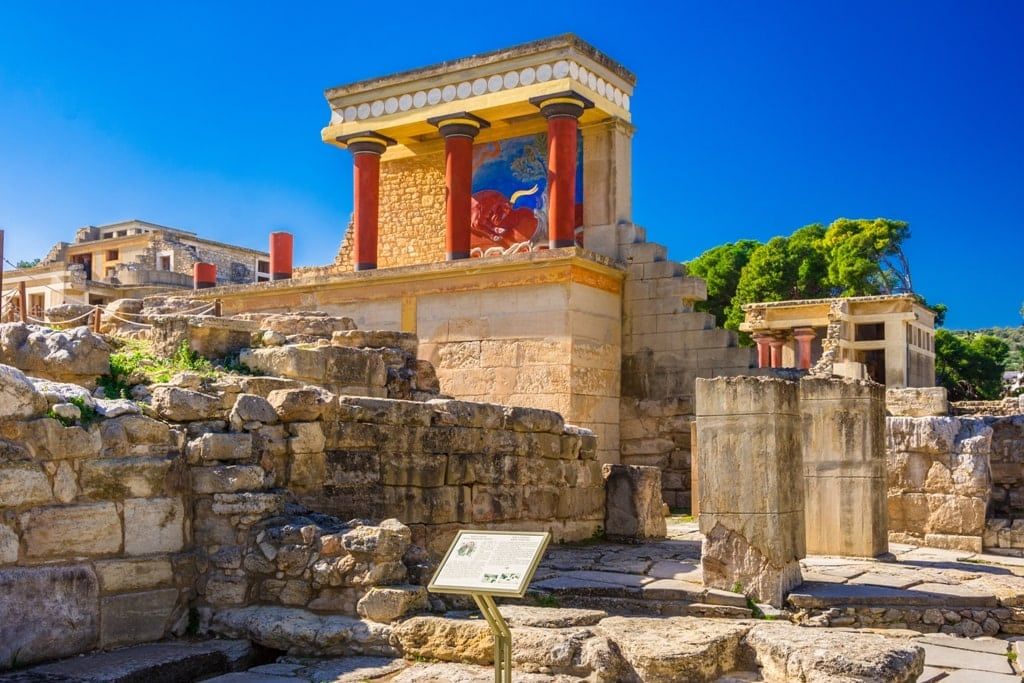
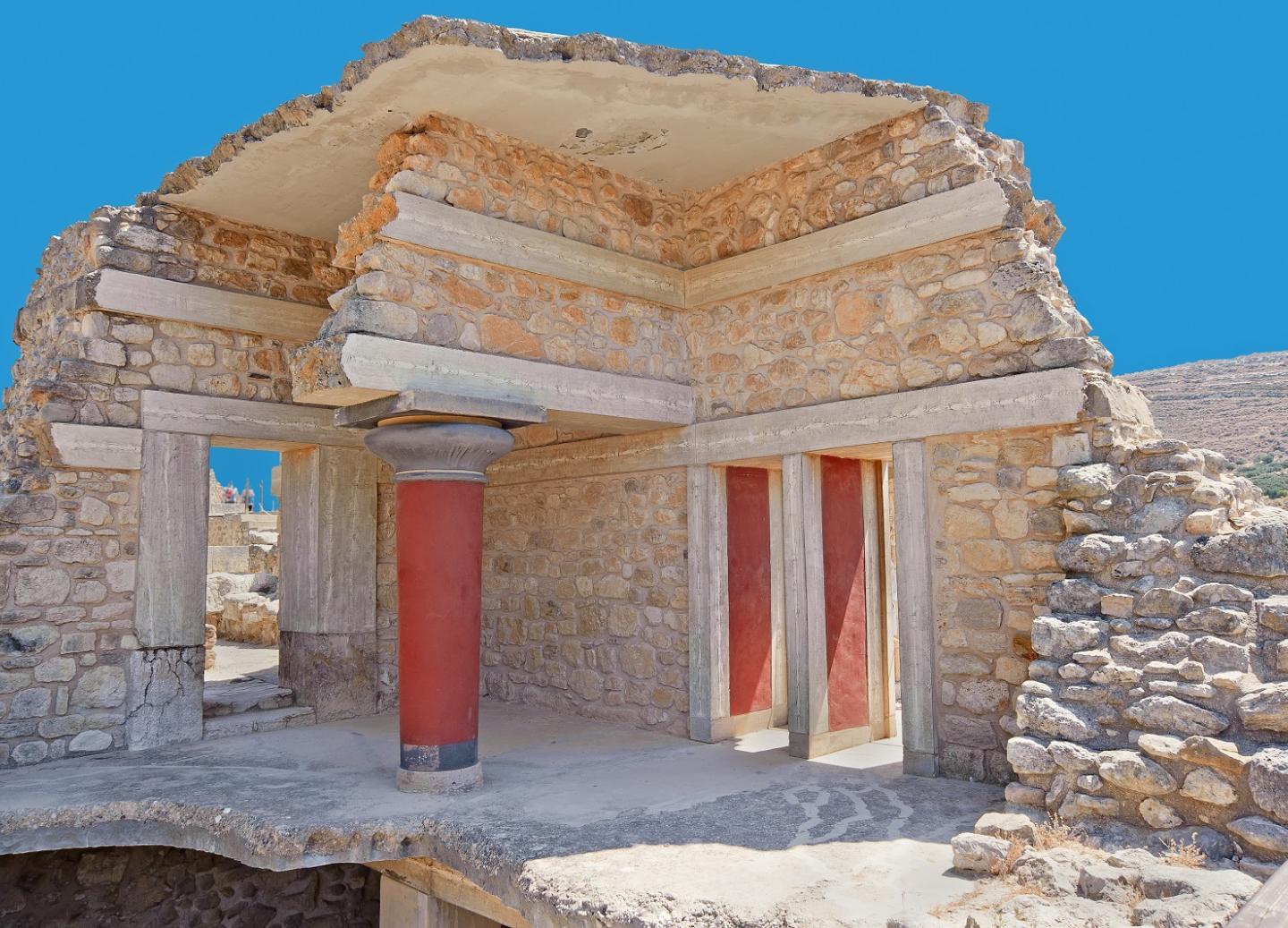
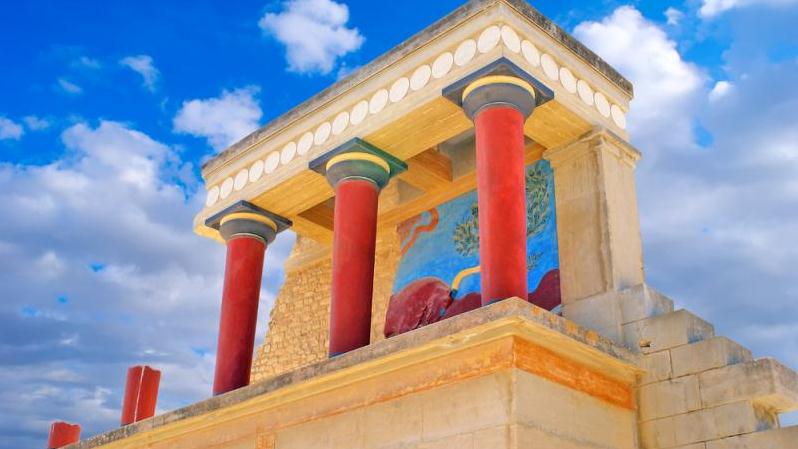
The Palace of Knossos is the defining reason many travellers choose a Heraklion call over other Greek ports. Constructed around 1900 BCE and rebuilt after a series of earthquakes, the palace was the administrative and ceremonial centre of the Minoan civilisation — the culture that gave rise to the Labyrinth myth and the legend of the Minotaur. Sir Arthur Evans's early 20th-century excavations revealed a building of considerable sophistication: multi-storey construction, indoor plumbing, elaborate frescoes, and a throne room that still commands awe. VA offers multiple Knossos tours, including guided palace visits, paired trips to the traditional village of Arolithos, and deeper itineraries tracing Minoan mythology from Knossos to the Diktaean Cave — said to be the birthplace of Zeus.
Heraklion City: Venetian Walls, Market Streets and Local Bites
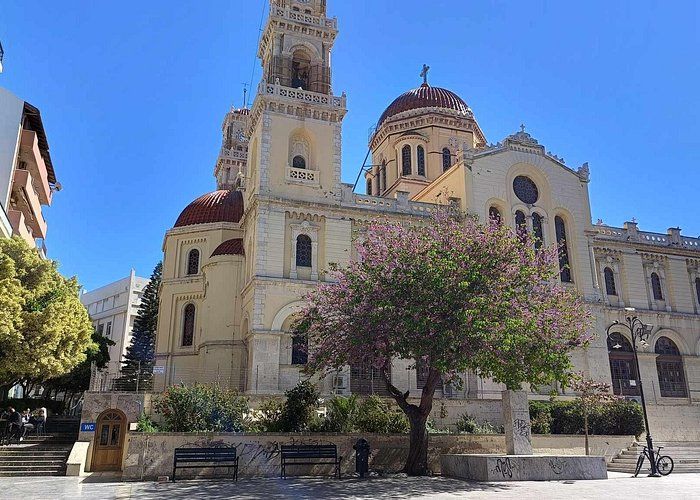
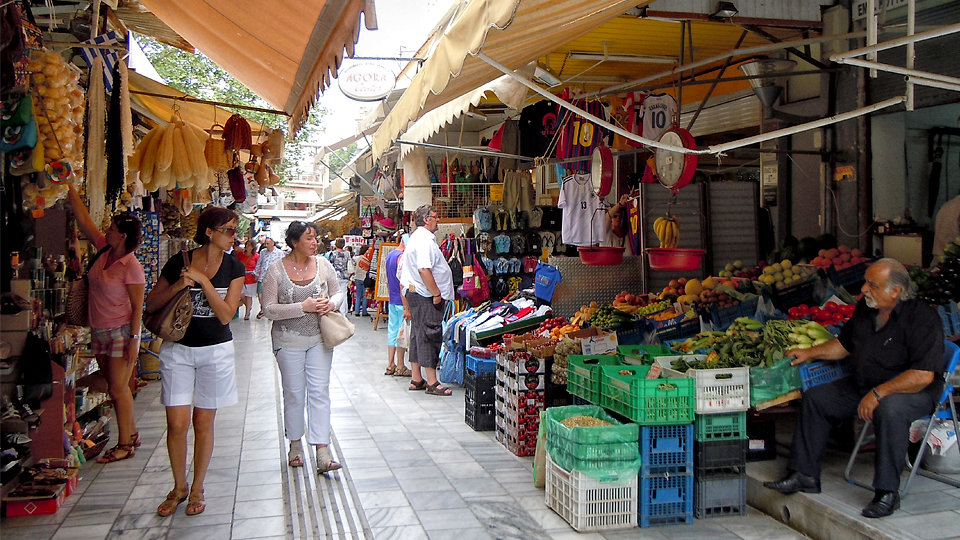
Heraklion's city centre layers Minoan, Byzantine, Venetian, Ottoman, and modern Greek history into a walkable urban landscape. The Venetian Koules Fortress at the harbour entrance is among the best-preserved in the eastern Mediterranean. The Venetian Loggia, Morosini Fountain, and the market street along 1866 Street form the spine of a rewarding city walk. VA's Heraklion City Sights and Bites Walking Tour weaves food stops — fresh produce, local cheeses, honey, and street food — into the historical narrative. The covered market area is the practical place to find genuinely local olive oil, thyme honey, and aged graviera cheese to take back aboard.
Mountain Villages and the Cretan Olive Oil Tradition
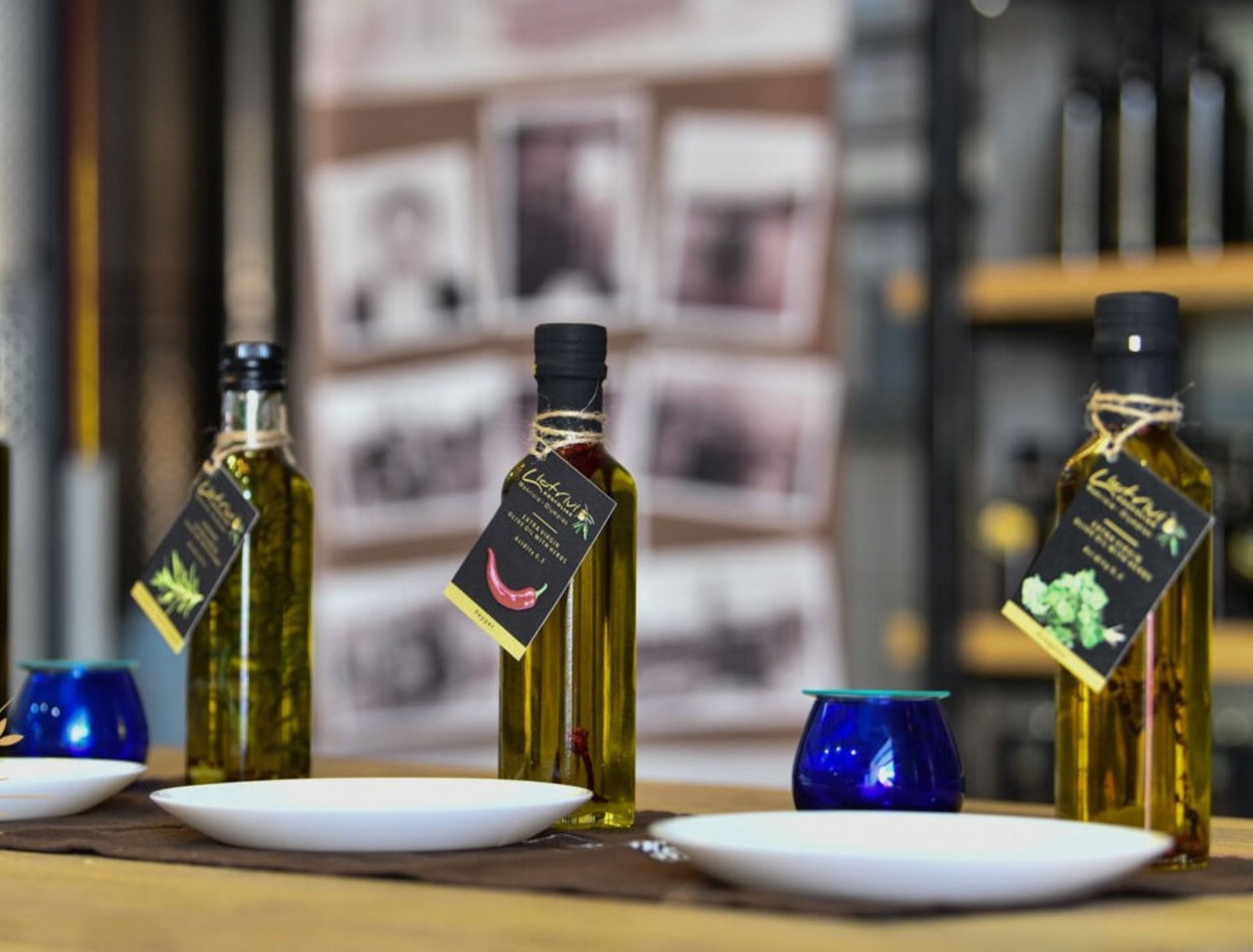
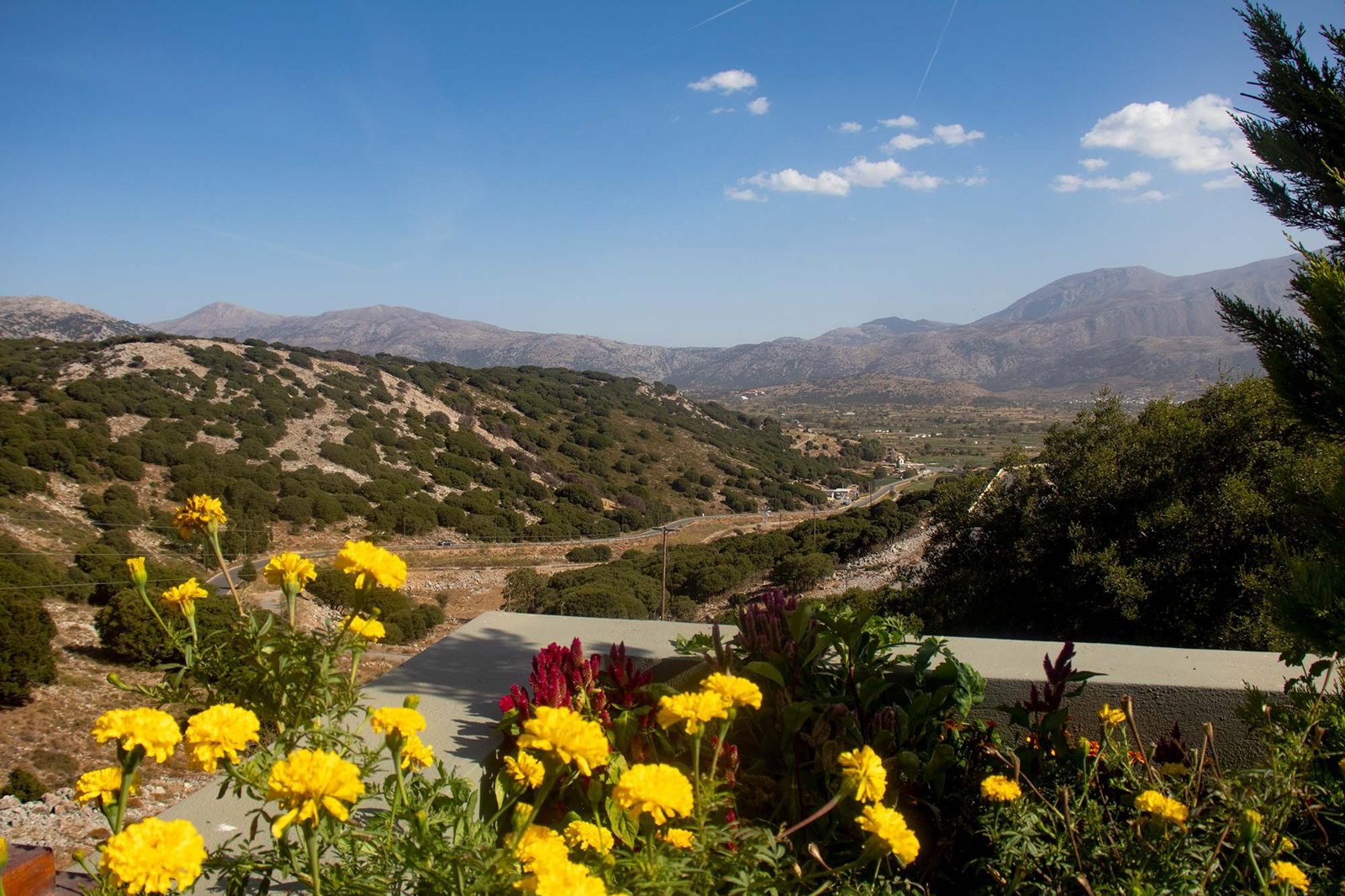
Crete's mountainous interior is another world from the coastal cruise port. Villages such as Archanes and those in the Malevizi region sit among terraced olive groves and vineyards at elevations that keep summer heat manageable. VA's Knossos, Mountain Villages and Olive Oil Experience brings these landscapes together — visiting Knossos before ascending into the hills to meet producers and taste olive oil pressed from centuries-old trees. Cretan extra virgin olive oil is cold-pressed, low in acidity, and deeply flavoured. The island produces some of the highest per-capita olive oil output in the world, and the culture around it is worth understanding beyond the supermarket shelf.
Cretan Wine and Olive Estates: Indigenous Varieties and Island Terroir
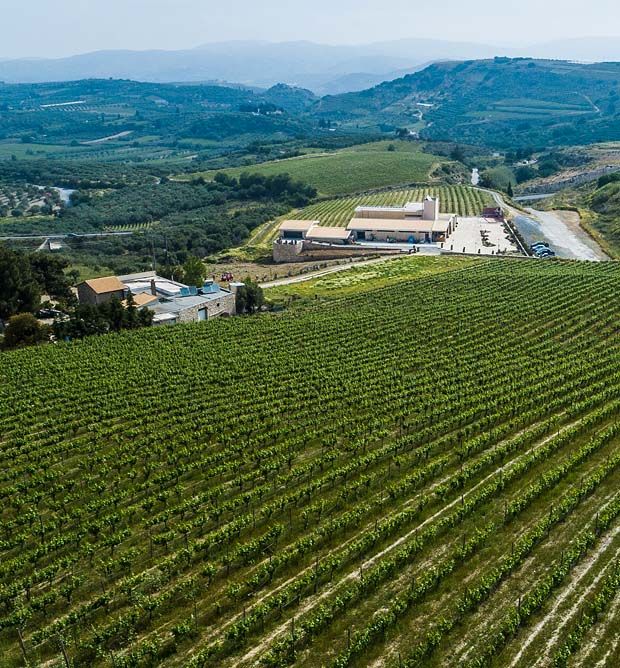
Crete's wine culture has experienced a significant revival driven by focus on indigenous grape varieties largely unknown outside the island. Vidiano produces aromatic whites with good acidity; Kotsifali yields structured reds with earthy character. Several estates within 20–40 minutes of Heraklion offer tastings alongside local food pairings. VA's Private Cretan Traditions: Olive Estates, Wines and Village Stories and Private Knossos Palace — Organic Wine and Olive Oil Tasting itineraries provide structured access to producers, combining Knossos's historical backdrop with estate visits. Purchasing directly from producers is the most reliable way to bring home genuine Cretan wine.
Dia Island: Mythology, Clear Waters and a Sailing Perspective
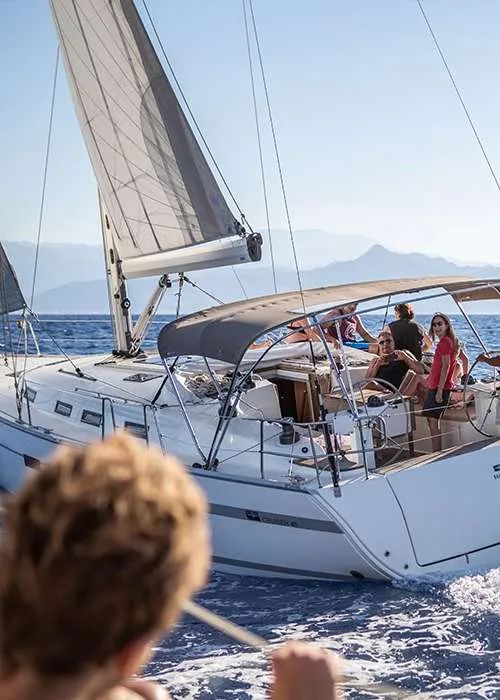
Dia Island lies approximately 10 km north of Heraklion across the Aegean. Uninhabited and protected as a nature reserve, the island is home to the rare Cretan wild goat (kri-kri) and ancient Minoan ruins that suggest it held ritual significance in the Bronze Age. VA's Dia Island Myth and Sail Experience approaches by boat, combining the maritime perspective on Crete's northern coast with a chance to swim in clear Aegean water and hear the mythological stories attached to this small, striking island. For cruise passengers who want something different from a land-based archaeological day, this itinerary offers a distinct and contrasting rhythm.
The Siege of Heraklion: Venetian Candia and the Long Ottoman War
One of history's longest sieges unfolded in Heraklion — then known as Candia — between 1648 and 1669, when Venetian forces held the city against an Ottoman army for 21 years before finally surrendering. The event reshaped the eastern Mediterranean's political map and left permanent marks on the city's architecture, street names, and identity. VA's dedicated Private Tour: The Siege of Heraklion (Candia) brings this episode to life through surviving Venetian fortifications, historical records, and the physical landscape of the siege lines. For travellers with an interest in military history or the Venetian empire, this illuminates a chapter rarely featured in mainstream itineraries.
Crete (Heraklion) travel tips
Visit Knossos as Early as Possible. The Palace of Knossos is one of the most visited archaeological sites in Greece, and the combination of summer heat and tour group timing can make mid-morning visits genuinely uncomfortable. The site opens at 08:00 and the first two hours are noticeably quieter. Arriving early also means more manageable temperatures in the exposed areas of the palace — much of the site has no shade.
Pair Knossos with the Heraklion Archaeological Museum. Many visitors see the Palace of Knossos without realising that the finest Minoan artefacts excavated from the site — the bull-leaping fresco, the Snake Goddess figurines, the Phaistos Disc — are housed in the Heraklion Archaeological Museum in the city centre. Visiting the museum either before or after Knossos significantly deepens the experience. The museum is approximately 15 minutes from the palace by bus and well worth the additional time.
Wear Sensible Footwear on Archaeological Sites. Knossos involves uneven reconstructed paving, stone ramps, and narrow passages. Comfortable, closed-toe shoes with grip are strongly recommended. Sandals and heeled footwear make the site genuinely difficult to navigate safely, particularly on the steeper reconstructed sections near the central court. For a summer visit, light breathable footwear with adequate sole grip strikes the right balance.
Use the 1866 Street Market for Authentic Local Produce. The street market running along 1866 Street near the Morosini Fountain is Heraklion's working food market, used by locals as much as visitors. It is the best place in the city to buy Cretan olive oil, thyme honey, dried herbs, aged graviera cheese, and dried fruit at honest prices. Go with small denominations of cash — most vendors do not take cards — and arrive before midday when selection is fullest.
Sun and Heat Protection are Non-Negotiable in Summer. Between June and August, Heraklion regularly exceeds 33°C, and both the Palace of Knossos and city walking routes offer limited shade. Bring a refillable water bottle, wear a sun hat and high-SPF sunscreen, and plan the most exposed activities for the morning. The midday hours (12:00–15:00) are best spent in shaded cafes or the Archaeological Museum's air-conditioned galleries.
Return to Port with Extra Time Built In. Heraklion's port access road and surrounding streets can become congested in the late afternoon, particularly when multiple cruise ships are completing calls simultaneously. Build at least 45–60 minutes of buffer into the return journey, especially if coming from outlying sites like mountain villages or wine estates. Missing all-aboard in a port is a serious situation — erring on the side of caution is always the right call.
Port Facts Every Cruiser Needs To Know
Crete (Heraklion) shore excursion FAQs
The Palace of Knossos is approximately 5 km south of Heraklion port, or about 4 km from the city centre. By city bus (line 2, departing from Eleftherias Square), the journey takes around 20 minutes. By road the drive is typically 10–15 minutes depending on traffic. The bus stop at Knossos leaves visitors a short walk from the site entrance.
Absolutely. The museum houses the world's most important collection of Minoan artefacts, including the famous bull-leaping fresco, Snake Goddess figurines, gold jewellery, and the enigmatic Phaistos Disc. Many of the finest objects from Knossos are displayed here rather than on site. A visit to both gives a far more complete picture of Minoan civilisation than either alone. Allow 1.5–2 hours for the museum.
Yes, this is a manageable combination for a cruise call. Knossos typically takes 2–3 hours. Returning to the city centre adds 20 minutes by bus, and the main landmarks — Venetian fortress, Morosini Fountain, market street, and harbour — can be seen in another 1.5–2 hours. Allow 30–45 minutes for lunch and you have a comfortable full-day itinerary, with buffer time for the return to port.
Several wine estates and traditional villages are within 20–40 minutes of Heraklion by road. KTEL regional buses serve some of these routes from Heraklion's bus station, though schedules may not align conveniently with cruise timings. VA offers organised itineraries combining Knossos with mountain villages and olive estates, or dedicated wine and olive oil tastings — a practical way to cover more ground with reliable timing.
The streets surrounding the Morosini Fountain and the Venetian harbour area host numerous traditional tavernas serving Cretan specialities. For a more local experience, the area around 1866 Street market has small cafes and meze spots used by locals. Look for mezedopolia offering dakos, saganaki, stuffed vine leaves, and local cheeses alongside Cretan wine.
Yes. The port entrance is approximately a 15-minute walk from Eleftherias Square and the Heraklion Archaeological Museum. The Venetian Koules Fortress is visible from the port itself. The harbour promenade connects the port directly to the old harbour and city centre, making it practical to explore on foot if conditions allow.
Dia Island is a small, uninhabited nature reserve approximately 10 km north of Heraklion across the Aegean. It is protected habitat for the rare Cretan wild goat (kri-kri) and contains traces of ancient Minoan settlement. VA's Dia Island Myth and Sail Experience offers a boat excursion combining the island's mythology and natural scenery with swimming in clear Aegean water — a distinct alternative to land-based archaeological touring.
Raki (also called tsikoudia in Crete) is a clear, grape-based spirit distilled after the wine harvest — the Cretan equivalent of grappa, though much drier and more potent. It is a deeply embedded cultural tradition: many Cretan restaurants bring a small carafe of raki to the table at the end of a meal, offered complimentary as hospitality. Accepting and sipping slowly is a natural way to engage with local custom; refusing politely is also entirely acceptable.
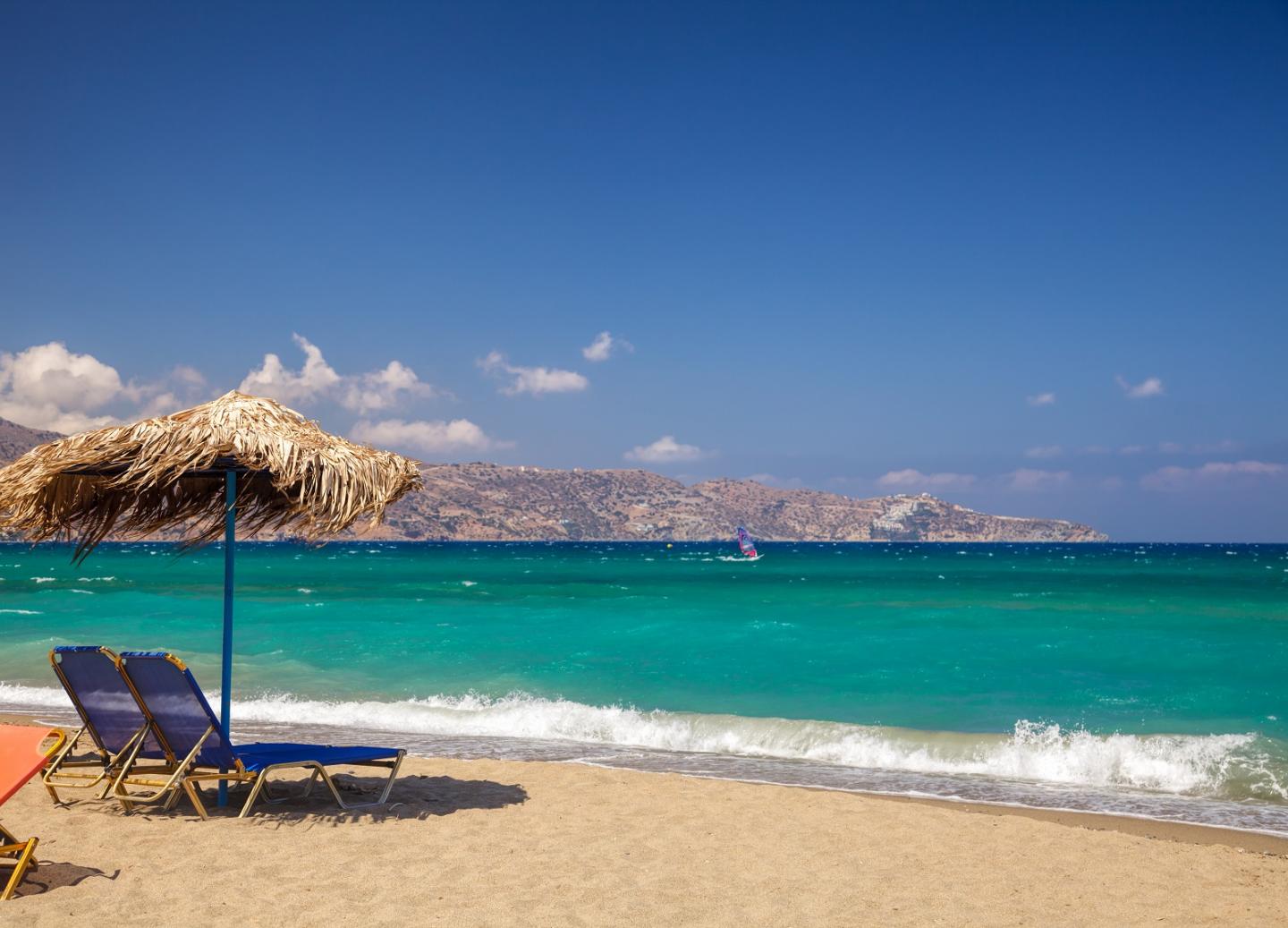
Yes. Karteros Beach is one of the closest sandy beaches to Heraklion port, approximately 6 km east of the city and accessible by local bus. Amnisos and Kokkini Hani are also within easy reach. These are organised beaches with sun loungers and facilities. VA's Private Panoramic Iraklion and Karteros Beach itinerary combines a city overview with beach time — an appealing option for those wanting to balance sightseeing with sea access.
July and August bring intense heat (often 33–38°C), strong midday sun, and the highest tourist volumes at Knossos and city sites. Practical strategies: start the day early (sites open at 08:00), carry water at all times, wear lightweight sun-protective clothing and a hat, and schedule museum visits or shaded taverna lunches during the hottest midday hours. Booking organised excursions in advance is particularly advisable in peak season.
Filters
Select a filter to refine results.
Tour Type
Tour Activity
 Cart
Cart
 USD
USD GBP
GBP AUD
AUD EUR
EUR CAD
CAD