



Tours in Cork (Cobh)


Cruising to Cork (Cobh) in a group?
Skip the crowded ship excursion bus. One dedicated planner will design a private shore experience around exactly what your group wants — coordinated from first enquiry to the moment you're back on board. More memorable, more flexible, and more affordable than you might expect. Spend less time organising, more time enjoying.
Explore Group Travel →Cruising to Cork (Cobh)
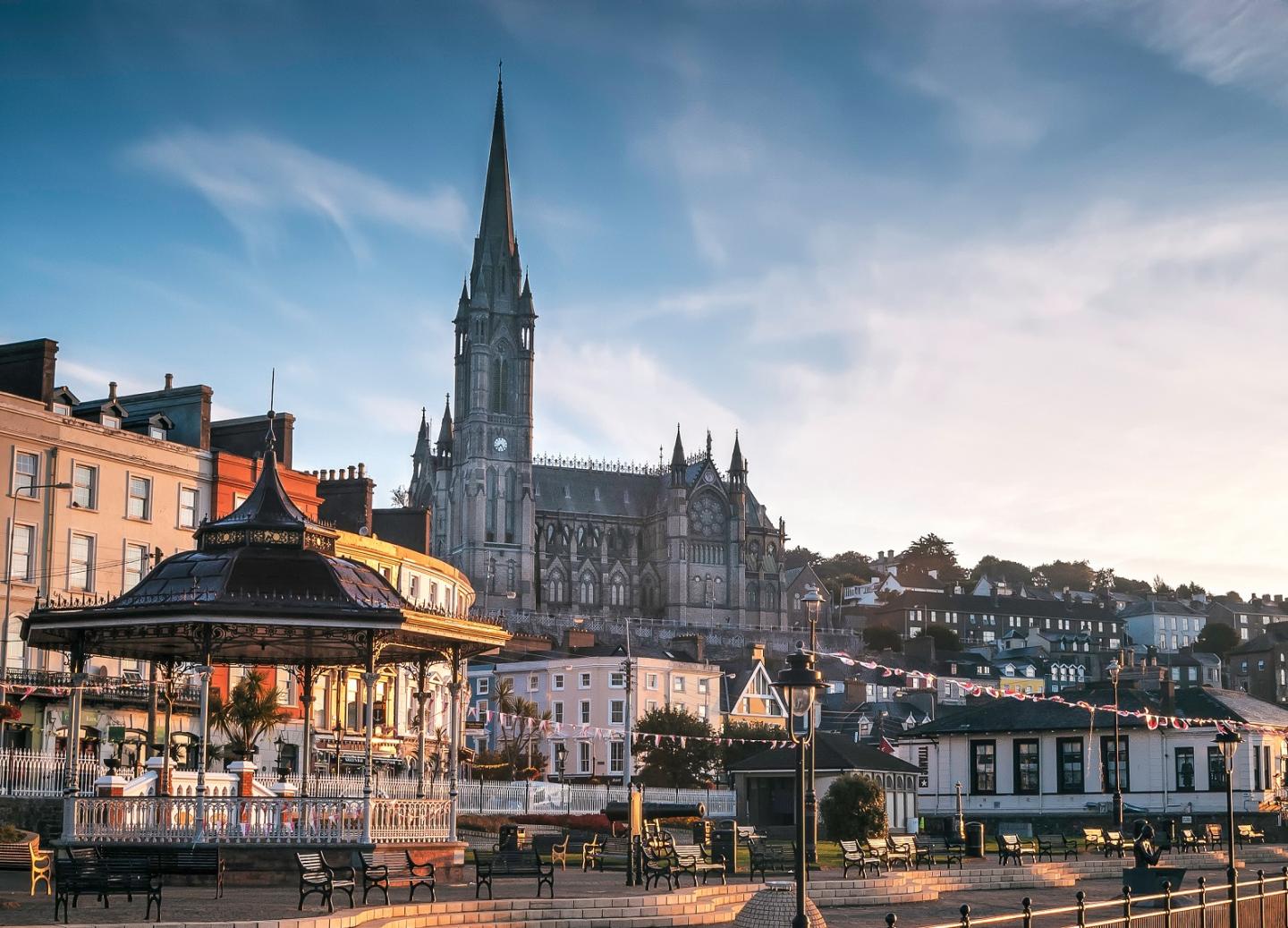
Cobh — pronounced 'Cove' — is one of Ireland's most storied harbour towns, its colourful Victorian terraces stacking up the hillside above a deep natural anchorage that has served as Ireland's primary maritime gateway for centuries. The town was the last European port of call for the RMS Titanic in April 1912, and for over a century before that it served as the principal departure point for waves of Irish emigrants sailing to America, Australia and beyond. St. Colman's Cathedral, its French Gothic spires rising above the waterfront, is visible from ships approaching the harbour.
Cork city, roughly 25 kilometres inland, is Ireland's second city and, by many accounts, its most characterful. The city centre occupies an island between two channels of the River Lee, its streets climbing the hills on either side. The English Market, a covered food market operating since 1788, remains the city's social and culinary heart, stocked with Cork's famed dry-cured butter, artisan cheeses, smoked fish and local delicacies. Beyond Cork, the county's countryside is characterised by intensely green farmland, ancient woodlands and market towns — all accessible on the road north to Blarney, where one of Ireland's most famous medieval castles and its legendary stone draw visitors from across the world.
Top things to do in Cork (Cobh) on a cruise stopover
Blarney Castle: The Legendary Stone and Medieval Fortress
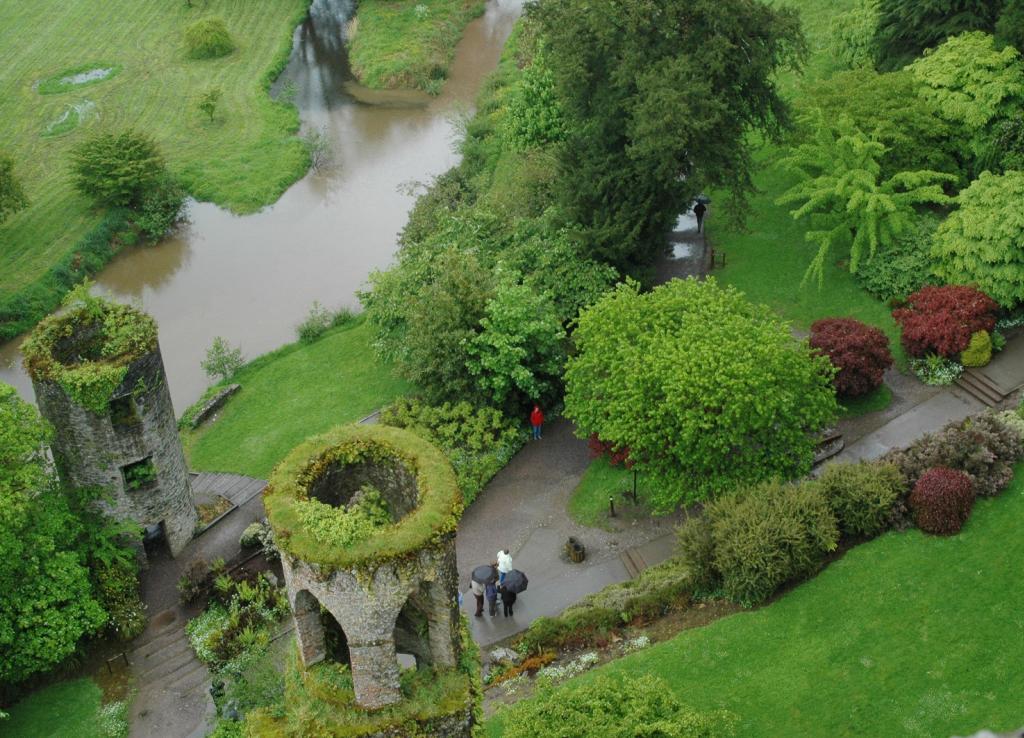
Blarney Castle, built in 1446 by the MacCarthy clan, is one of Ireland's most visited historic sites and its most enduring legend. The Blarney Stone, set into the castle's battlements, is said to bestow the 'gift of the gab' on those who kiss it — a tradition drawing visitors since the 18th century. Kissing the stone involves leaning backwards over a parapet gap high on the castle walls. The grounds surrounding the castle are extensive: the Poison Garden, the Rock Close with its ancient druidic stones, and woodland walks along the River Martin all deserve time. The castle tower is climbable via a narrow spiral staircase. Excursions in both small group and private formats visit this iconic site, with small-group options offering a more personal pace.
Cork City: English Market, River Lee and Georgian Streets
Cork city centre occupies a natural island between two channels of the River Lee, its compact geography making it walkable and easy to explore. The English Market, covered since 1788, remains the city's cultural heart — a working food market where Cork producers, bakers, butchers and fishmongers have traded alongside each other for generations. Beyond the market, the city rewards wandering: Paul Street and Oliver Plunkett Street offer independent shopping, while the riverside quays connect to the city's pub and restaurant scene. St. Fin Barre's Cathedral, with its French Gothic exterior and elaborate mosaic interior, is worth including on any walking route. Cork city features prominently in both small group and private excursion itineraries from Cobh.
Cobh: Victorian Harbour Town and Maritime Heritage
The cruise terminal in Cobh sits on a waterfront that has witnessed some of history's most significant maritime events. This was the last European port of call for the RMS Titanic on 11 April 1912, and the departure point for an estimated 2.5 million Irish emigrants between 1848 and 1950. The town's colourful Victorian terraces, rising in tiers up the hillside, are now a signature image of Irish harbour towns. Cobh Heritage Centre tells the story of emigration, Titanic and the Lusitania. The town is compact and pleasant to explore on foot, with independent cafes and craft shops along the harbour. Many visitors pass through Cobh quickly, but the town rewards an hour or two of exploration.
St. Colman's Cathedral: Gothic Spires Above the Harbour
The Cathedral Church of St. Colman dominates Cobh's skyline, its French Gothic spire rising 91 metres above the harbour — visible from approaching cruise ships long before the town comes into focus. Construction spanned from 1868 to 1919, and the cathedral contains one of the largest carillons in Ireland and Britain, with 49 bells that ring out over the town regularly. The marble interior and stained glass windows reward a visit, and the elevated position offers sweeping views over the harbour. The cathedral is a short uphill walk from the waterfront. Entry is free, with donations welcomed. It makes a natural stop when exploring Cobh before or after a day trip to Cork and Blarney.
Irish Countryside: The Road Between Cobh, Cork and Blarney
The journey from Cobh through Cork city and north to Blarney passes through scenery that typifies County Cork: rolling farmland of intense green, hedgerow-lined roads, stone walls, small market towns and river valleys threaded with ancient woodland. The countryside between Cork and Blarney village is particularly pleasant, with the castle's estate extending into managed woodland along the Martin River. For many international visitors, this stretch of rural Ireland — unhurried, genuinely green and dotted with working farms — is as memorable as the headline attractions. Excursions by road allow stops at viewpoints and village squares that public transport routes bypass entirely.
Cork's Food Scene: A City That Takes Eating Seriously
Cork's culinary reputation extends well beyond the English Market, though the market remains its symbolic centre. The city has a density of independent cafes, farm-to-table restaurants and artisan food producers that belies its size. Cork dry-cured butter — produced using a centuries-old method — is available at market stalls and worth trying on fresh soda bread. Farmhouse cheeses, wild Atlantic smoked salmon and a growing craft beer scene make food a genuine reason to spend time in the city. Guided tours of Cork frequently pause at the English Market and surrounding streets, combining food culture with the city's broader history and architecture in a cohesive half-day itinerary.
Cork (Cobh) travel tips
Arrive at Blarney Castle Early to Beat Queues. The queue to kiss the Blarney Stone can stretch to 45 minutes or more during peak summer months. Arriving at the castle as early in the day as possible — ideally at or near opening time — makes a noticeable difference. The stone itself takes only a moment, but the narrow spiral staircase creates a natural bottleneck. Arriving early also means the grounds, Rock Close and Poison Garden are quiet before the main crowds arrive. Purchasing tickets in advance where available saves time at the gate.
Allow Time to Explore Cobh Before Departing. Many cruise passengers rush directly from the terminal to Cork or Blarney, overlooking Cobh itself. The harbour town is worth at least an hour — the Cobh Heritage Centre provides a genuinely moving account of Irish emigration and the Titanic's last call, the cathedral is impressive and free to enter, and the waterfront is pleasant for a coffee before the day begins. Spending time in Cobh on the return leg rather than the outward journey also works well, preserving energy for the uphill walk to the cathedral.
Pack Layers and a Waterproof — Always. Ireland's southwest has a mild maritime climate — which also means changeable conditions at any time of year. A day that starts sunny can include a short sharp shower within hours. A compact, packable waterproof jacket takes minimal space and prevents a damp afternoon from diminishing the experience. Temperatures in Cork and Cobh rarely drop below 10°C in summer but rarely exceed 22°C, making layering more practical than a single heavy coat. Comfortable, waterproof-soled shoes are recommended for castle grounds and cobblestone streets alike.
Spend Time in the English Market Rather Than Just Passing Through. The English Market rewards slow exploration rather than a five-minute walk-through. The upper gallery level offers a bird's-eye view of the market floor and houses a well-regarded cafe for a proper lunch. At street level, speaking with traders — many stalls are long-established family businesses — adds genuine context to the produce on display. This is a good place to find picnic ingredients for a meal by the river, or distinctly local food gifts: Cork butter, farmhouse cheese and smoked salmon go well beyond the standard souvenir.
Know the Public Transport Connections Before You Depart. Irish Rail runs a reliable hourly service between Cobh and Cork's Kent Station (approx. 25 minutes), making independent travel between the two towns straightforward. However, continuing from Cork to Blarney by bus adds complexity — the combined journey from Cobh to Blarney by train and bus can take 75 to 90 minutes each way. Factor in return journey time carefully relative to the ship's all-aboard time, particularly if also planning time in Cork city. Missing a connection can cause significant delays on this multi-leg route.
Respect Ireland's Pub Culture When Visiting. Cork's traditional pubs are genuine social institutions, not tourist attractions. The atmosphere in older pubs — particularly those off the main visitor streets — is unhurried and conversation-focused. Ordering at the bar and settling in is the norm; expecting rapid table service in a traditional pub is not always realistic. Tipping is appreciated but not mandatory. If there is live traditional music, listening respectfully is preferred over filming at close range — many sessions are informal gatherings of local musicians rather than scheduled performances.
Port Facts Every Cruiser Needs To Know
Cork (Cobh) shore excursion FAQs
Cruise ships dock at Cobh Cruise Terminal, in the town of Cobh — approximately 25 kilometres from Cork city centre. The Cobh Branch Line train service connects Cobh to Cork's Kent Station in around 25 minutes with hourly departures. Blarney Castle is a further 10 kilometres north of Cork city.
It is possible but requires an efficient itinerary. Blarney Castle merits 90 minutes to two hours to see the castle and grounds properly. Cork city deserves at least two hours. Add travel time between Cobh, Cork and Blarney plus the return journey, and the day fills quickly. A structured excursion managing the logistics is the most reliable way to visit both without risking the all-aboard time.
The Blarney Stone is set into the battlements of Blarney Castle's tower. According to tradition, kissing it grants the 'gift of the gab' — eloquence and persuasive speaking. To kiss it, visitors lie on their back and lean over a parapet gap with a staff member holding them steady. Kissing it is entirely optional; many visitors climb the tower, admire the views and skip the stone. The castle, grounds, Poison Garden and Rock Close woodland are all worth visiting regardless.
The English Market is a covered municipal food market in Cork city centre, operating on the same site since 1788. It is stocked with local producers selling farmhouse cheeses, Cork dry-cured butter, smoked fish, artisan bread, fresh produce and butcher stalls. The market is a working food destination used daily by Cork residents — free to enter, open Monday to Saturday, and widely considered one of Europe's finest covered food markets.
Cobh was the last European port of call for the RMS Titanic on 11 April 1912. It was also the departure point for millions of Irish emigrants throughout the 18th, 19th and early 20th centuries, documented at the Cobh Heritage Centre on the waterfront. During World War I, survivors from the Lusitania — sunk in 1915 — were brought here. This combination of emigration history, maritime tragedy and Victorian architecture gives the town a depth that rewards time spent exploring.
Cork and Cobh have a mild maritime climate. Summer temperatures typically range from 15 to 22°C, with occasional warmer days. Rain is possible at any time of year, including summer — light showers are common but rarely prolonged. The Gulf Stream keeps winters mild and summers rarely very hot. A compact waterproof layer and clothing that can be layered covers most conditions encountered during the cruise season.
Cobh town centre is compact and walkable. The waterfront is flat; the cathedral and upper town involve a short uphill walk. Main attractions include St. Colman's Cathedral (free entry), Cobh Heritage Centre (admission charged), the Annie Moore statue, and the general charm of the Victorian townscape with its independent cafes and craft shops. Most visitors can explore Cobh in one to two hours before continuing to Cork or Blarney.
Cork city centre is relatively flat and mostly accessible, though some older cobblestone streets present difficulties. The English Market has accessible entrances. Blarney Castle's tower involves a tight spiral staircase and is not accessible for limited mobility visitors, though the castle grounds and lower Rock Close area are more manageable. Cobh's waterfront is accessible; the cathedral involves an uphill walk. It is worth discussing mobility requirements when selecting excursions.
Cork is Ireland's food capital by reputation. The English Market is the best place to sample Cork dry-cured butter, local farmhouse cheeses, smoked Atlantic salmon and artisan soda bread. Murphy's Stout — brewed in Cork since 1856 — is the local alternative to Guinness and slightly less bitter. Avoid tourist-facing restaurants immediately around visitor attractions; seek out those used by locals for a more genuine and better-value meal.
Small group excursions to Cork and Blarney limit numbers to allow a more personalised experience at sites like Blarney Castle, where large coach groups create significant queues. A smaller group also provides more flexibility — stops can be adjusted, questions more easily answered, and the pace tends to suit a wider range of travellers. Given the multi-leg logistics of the Cork and Blarney itinerary, a well-structured excursion removes the complexity of managing connections independently.
Filters
Select a filter to refine results.
Tour Type
Tour Activity
 Cart
Cart
 USD
USD GBP
GBP AUD
AUD EUR
EUR CAD
CAD