



Tours in Florence


Cruising to Florence in a group?
Skip the crowded ship excursion bus. One dedicated planner will design a private shore experience around exactly what your group wants — coordinated from first enquiry to the moment you're back on board. More memorable, more flexible, and more affordable than you might expect. Spend less time organising, more time enjoying.
Explore Group Travel →Cruising to Florence
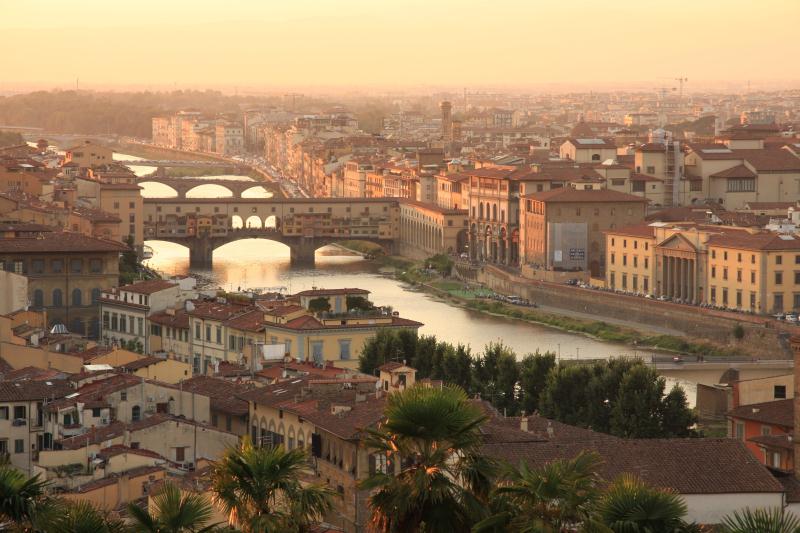
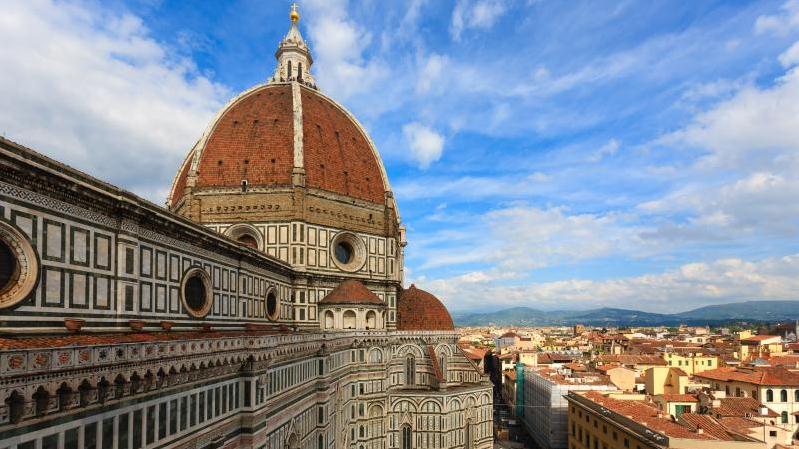
Florence serves as a major embarkation point for Mediterranean cruises, with ships typically using the port of Livorno — approximately 90 minutes from the city centre. For passengers beginning their cruise here, the city offers an unmatched opportunity to extend the journey with a day or two ashore before sailing. Florence (Firenze in Italian) was the cradle of the Renaissance, and its historic centre is a UNESCO World Heritage Site containing an almost implausible density of art and architecture: the Uffizi Gallery, Brunelleschi's cathedral dome, Michelangelo's David, the Ponte Vecchio, and the vast Pitti Palace are all within walking distance of each other. Beyond the monuments, Florence is a food city of the first order — the San Lorenzo market, the city's trattorias, wine bars, and the surrounding Tuscan countryside offer extraordinary culinary experiences. Day trips to Siena, San Gimignano, Fiesole, and the Chianti wine country are practical from the city and reveal a Tuscany that extends well beyond its famous capital.
Top things to do in Florence on a cruise stopover
San Lorenzo Market: Florence's Culinary Heartland
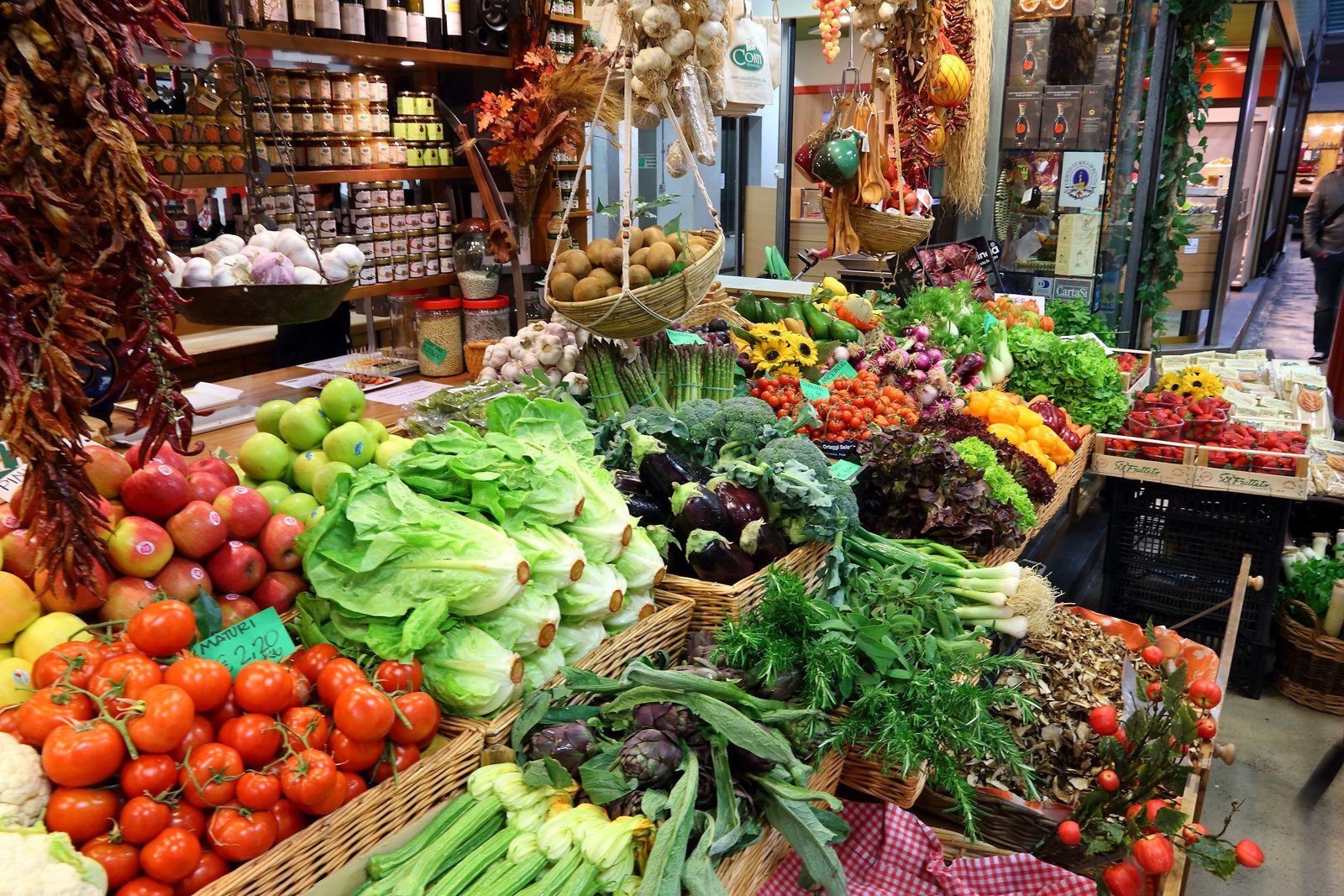
The San Lorenzo covered market (Mercato Centrale) is a two-storey iron-and-glass structure in the heart of Florence's food district. The ground floor is the working market — butchers, fishmongers, cheese vendors, and producers of Tuscan cured meats operating in a space that has functioned as a food market since the 19th century. The upper floor has been transformed into a food hall bringing together artisan pasta makers, wine bars, lampredotto vendors, and a range of Florentine food culture under one roof. The surrounding San Lorenzo neighbourhood is dense with outdoor stalls selling leather goods, clothing, and souvenirs. For food-focused travellers, a morning here provides a vivid portrait of Florentine daily life.
Florence Food Culture: From Street Food to Fine Dining
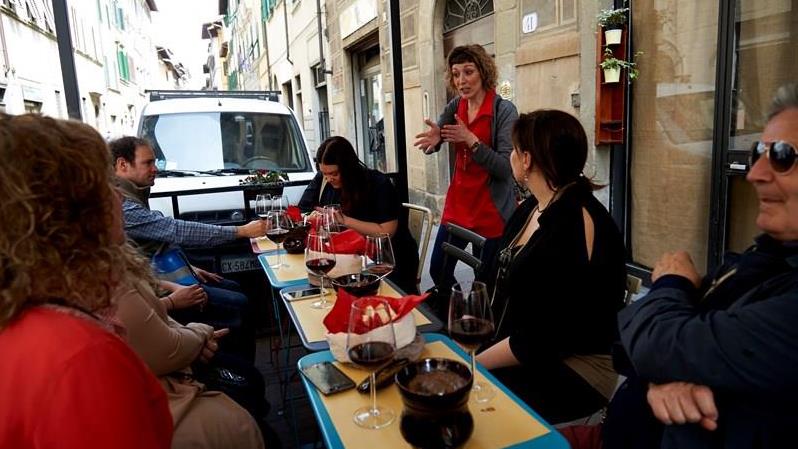
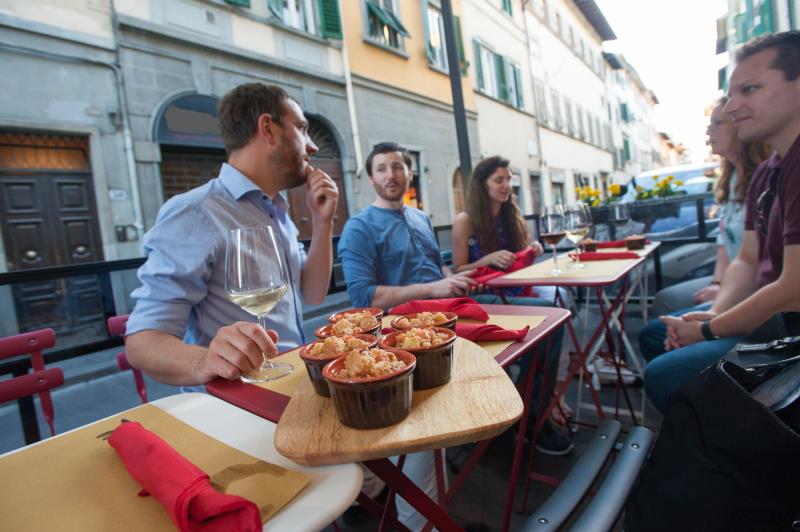
Florence's food scene runs from lampredotto carts — tripe sandwiches served from mobile stalls, a centuries-old Florentine tradition — to refined wine bars and trattorias serving Bistecca alla Fiorentina, ribollita (bread and vegetable soup), and pappardelle with wild boar ragù. The city's relationship with food is serious and local: ingredients come from the surrounding Tuscan countryside and seasonal menus change with availability. Wine is integral — Chianti Classico, Brunello, and Vernaccia are produced within day-trip distance. An exploratory food tour through neighbourhood streets reveals an everyday Florence that exists beyond the museum queues.
Tuscany's Countryside: Truffles, Wine, and Rolling Landscape
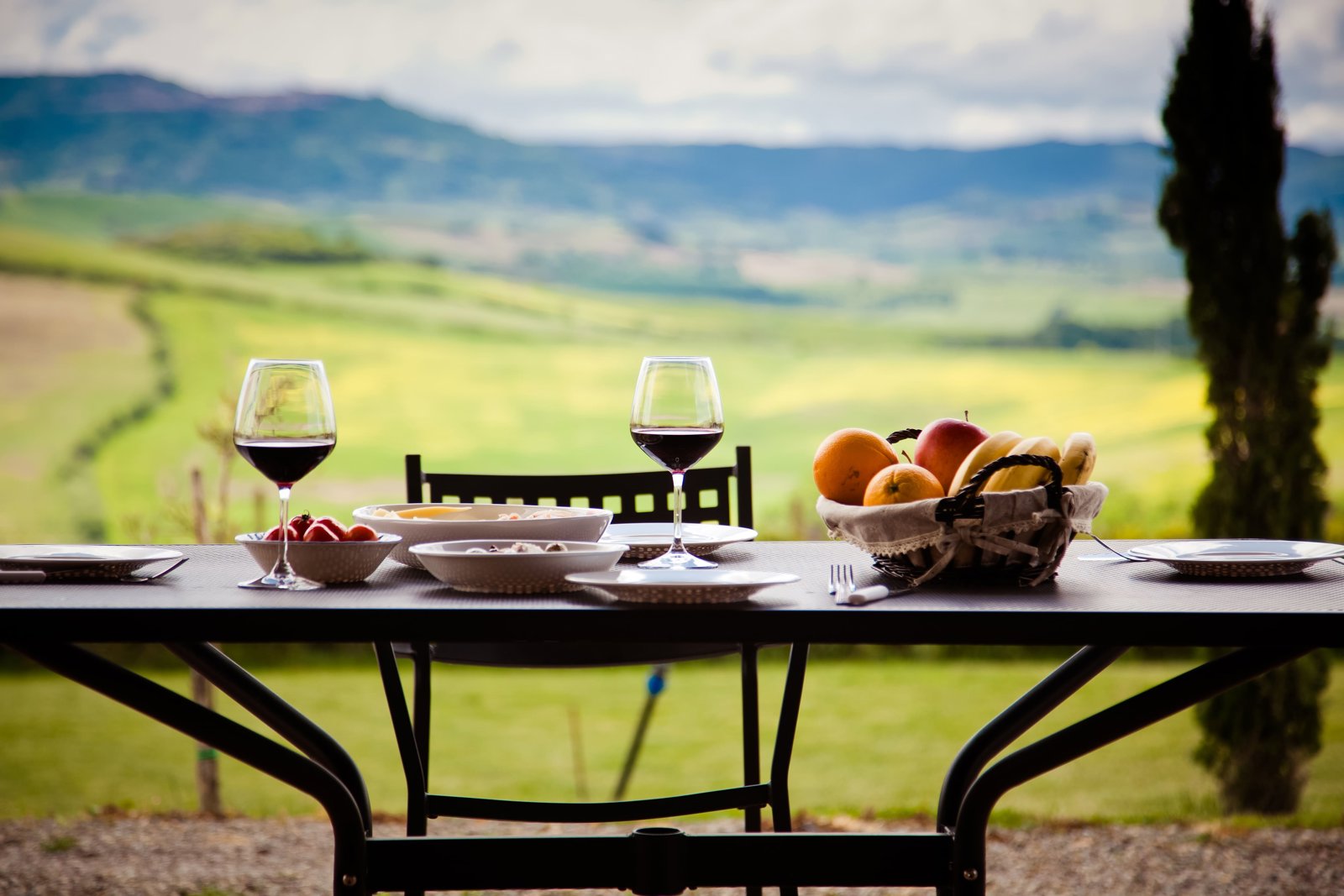
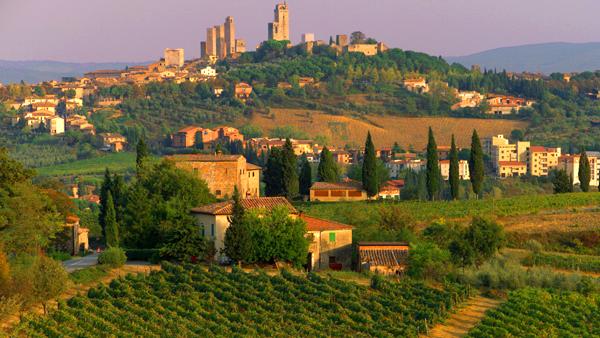
Within 40–60 minutes of Florence, the landscape transforms into the Tuscan countryside celebrated in painting and photography: hills striped with cypress trees, vineyards in geometric rows, stone farmhouses, and villages on ridgelines. The region is one of Italy's great truffle-producing areas — white truffle from San Miniato and black truffle from the Crete Senesi. Truffle hunting — accompanying a trained hunter and dog through woodland before sitting down to a truffle-centred meal — is one of the most distinctive Tuscan experiences available. The Chianti wine zone lies between Florence and Siena, with estate visits offering tastings of wines produced on-site.
Siena and San Gimignano: Medieval Tuscany Beyond Florence
Siena, 75km south of Florence, is one of Italy's best-preserved medieval cities. Its shell-shaped Piazza del Campo — where the famous Palio horse race is held twice a year — is considered one of Europe's finest public squares. The cathedral interior is extraordinary: black and white marble striping continues from the facade through the entire building. San Gimignano, about 55km southwest of Florence, is distinguished by its 14 surviving medieval towers — originally 72 — built by competing noble families. The town is UNESCO-listed and surrounded by Vernaccia vineyards. Both make compelling full-day excursions.
Fiesole: Hilltop Views Over Florence
Fiesole is a small hill town 8km northeast of Florence, perched at 295 metres with panoramic views over the city and the Arno valley. It predates Florence — settled by the Etruscans and later a significant Roman town — and retains an archaeological zone containing a Roman theatre still used for summer concerts, Roman baths, and an Etruscan temple foundation. The historic centre has a small cathedral and monasteries set among cypress and olive groves. Fiesole offers a quieter, cooler alternative to central Florence in summer, with viewpoints that frame the famous Florentine skyline from above.
Florence Shopping: From Designer Outlets to Artisan Leather
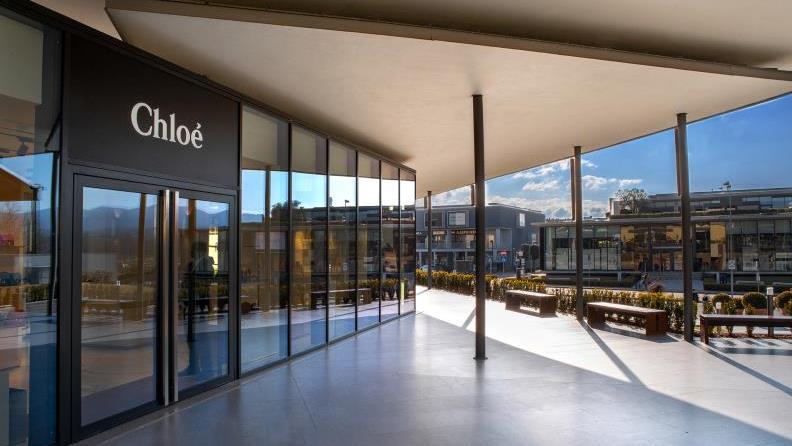
Florence has a strong shopping identity rooted in craft traditions — leatherwork, paper marbling, artisan jewellery, and handmade ceramics are produced in workshops that have operated for generations. The San Lorenzo neighbourhood is the centre for leather goods. Via de' Tornabuoni hosts international luxury brands. For designer labels at outlet prices, the Tuscany region contains several large designer outlet villages within 30–40 minutes of Florence, where Italian and international fashion brands are sold at significant discount. Antique markets appear regularly in Piazza dei Ciompi.
Florence travel tips
Arrive at Least One Full Day Before Embarkation. Ships depart from Livorno, not Florence. Building in at least one full day in Florence before your cruise allows time to experience the city properly and eliminates the stress of travelling directly from Florence to the port on embarkation day. Flight delays and transport disruptions are also more manageable with a buffer day. Florence's accommodation options suit every budget and are extensive.
Pre-Book Timed Entry for Major Museums. The Uffizi Gallery and the Accademia (home to Michelangelo's David) operate timed entry systems. Without pre-booked tickets, queue times in high season regularly exceed two hours. Tickets are available through the official museum websites. Pre-booking is essentially non-negotiable between April and October if you plan to visit either of these collections.
The City Centre Has Traffic Restrictions. Florence's historic centre is a ZTL (Zona a Traffico Limitato) — private vehicles without prior permits face automatic fines if they enter. Cameras enforce this automatically. The city is best explored on foot once you are based there, with trains and buses handling intercity movement. Visitors staying in hotels within the ZTL can arrange temporary access through their accommodation.
Eat Where Locals Eat — Away From the Main Squares. Restaurants immediately adjacent to the Duomo, Piazza della Signoria, and Ponte Vecchio cater almost exclusively to tourists and typically charge significantly more for lower quality. Walking two or three streets into the Oltrarno neighbourhood or the Sant'Ambrogio area reveals trattorias with local clientele, handwritten menus, and considerably better value.
Dress Codes Apply at Religious Sites. Florence's churches — including the Duomo — require covered shoulders and knees for entry. This applies to the cathedral, Santa Croce, Santa Maria Novella, and most other historic churches. Scarves or a light layer are sufficient. Visitors who arrive underdressed may be turned away or required to purchase a disposable cover-up at the entrance.
The Oltrarno Neighbourhood Offers a Quieter Florence. The Oltrarno — the district south of the Arno river — has a different character from the tourist-dense centro storico. Its streets contain working artisan workshops, neighbourhood bars, and local markets. The Pitti Palace and Boboli Gardens are located here. Crossing any of the central bridges to spend time in Oltrarno reveals a more everyday version of Florentine life that many visitors miss entirely.
Port Facts Every Cruiser Needs To Know
Florence shore excursion FAQs
No — cruise ships serving Florence depart from the Port of Livorno, approximately 90km from the city centre. The transfer between Florence and Livorno takes roughly 90 minutes by road or by train from Santa Maria Novella station. Plan accordingly and avoid leaving Florence for the port at the last minute.
Regional trains run regularly from Florence's Santa Maria Novella station to Livorno Centrale, with the journey taking approximately 1.5 hours. From Livorno station to the cruise terminal, local buses provide the onward connection. The total journey from central Florence to the ship typically requires 2–2.5 hours.
Florence offers a wide range of food experiences — from market visits at the San Lorenzo Mercato Centrale and street food (lampredotto — traditional tripe sandwiches) to wine tastings and restaurant dinners featuring Bistecca alla Fiorentina. Venture Ashore offers food tours focused on Florence's authentic culinary traditions.
Yes — Siena is approximately 75km from Florence (roughly 90 minutes by road) and San Gimignano is about 55km away. Both are feasible as full-day excursions if you have a complete day before embarkation. These destinations are not practical to combine with the same day as boarding your cruise, given the additional travel to Livorno.
Truffle hunting is an experience in which a trained hunter and their dog search woodland areas for wild truffles — highly prized aromatic fungi used extensively in Italian cuisine. In Tuscany, these experiences typically take place 30–60 minutes from Florence, followed by a meal incorporating freshly found truffles. Both white truffle (autumn) and black truffle (broader season) are found in the region.
Fiesole is a hilltop town 8km from Florence with Etruscan and Roman origins. It features a Roman archaeological zone (including a working amphitheatre), panoramic views over Florence and the Arno valley, and a quieter atmosphere than the city below. A good option for those who have already visited Florence's main monuments.
Yes — Tuscany has several large designer outlet villages within 30–40 minutes of Florence, selling Italian and international fashion brands at reduced prices. These are popular options for those with a full day in Florence before embarkation. The outlets typically contain dozens of brand stores and require a half-day to explore properly.
For the Uffizi Gallery and the Accademia (Michelangelo's David), pre-booking timed entry tickets is strongly recommended and effectively essential between April and October. Without advance booking, queues routinely exceed two hours. Tickets are available through each museum's official website.
The Mercato Centrale di San Lorenzo is Florence's central covered food market, housed in a 19th-century iron-and-glass building near the San Lorenzo church. The ground floor is a working market with butchers, cheesemongers, and Tuscan specialty producers. The upper floor is a food hall with artisan vendors. Surrounding streets host an outdoor market for leather goods and merchandise.
Florence's historic centre is a Zona a Traffico Limitato (ZTL) monitored by cameras. Private vehicles without pre-registered permits that enter this zone face automatic fines, often sent to home addresses weeks after the visit. In general, private driving into the historic centre is best avoided — the area is compact and easily explored on foot.
Filters
Select a filter to refine results.
Tour Type
Tour Activity
 Cart
Cart
 USD
USD GBP
GBP AUD
AUD EUR
EUR CAD
CAD