



Tours in Gibraltar


Cruising to Gibraltar in a group?
Skip the crowded ship excursion bus. One dedicated planner will design a private shore experience around exactly what your group wants — coordinated from first enquiry to the moment you're back on board. More memorable, more flexible, and more affordable than you might expect. Spend less time organising, more time enjoying.
Explore Group Travel →Cruising to Gibraltar
Few destinations announce themselves as unmistakably as Gibraltar. The 426-metre limestone monolith rises almost vertically from the narrow peninsula at the southern tip of the Iberian Peninsula, commanding the strait where the Atlantic meets the Mediterranean. In antiquity it was one of the Pillars of Hercules — the very edge of the known world — and today it retains a sense of being genuinely apart: a British Overseas Territory on Spanish soil, where red telephone boxes stand beside tapas bars and the pound sterling buys you a pint with a view of Morocco.
Despite covering just 6.7 square kilometres, Gibraltar holds an extraordinary density of experience. The Upper Rock Nature Reserve protects the only wild population of primates in Europe — the famously bold Barbary macaques — alongside rare plant species, ancient caves of dramatic scale, and the wartime tunnels carved through living rock by British engineers. On a clear day, views from the summit extend south to the Moroccan Rif Mountains, north across the Bay of Gibraltar, and east and west across two great seas.
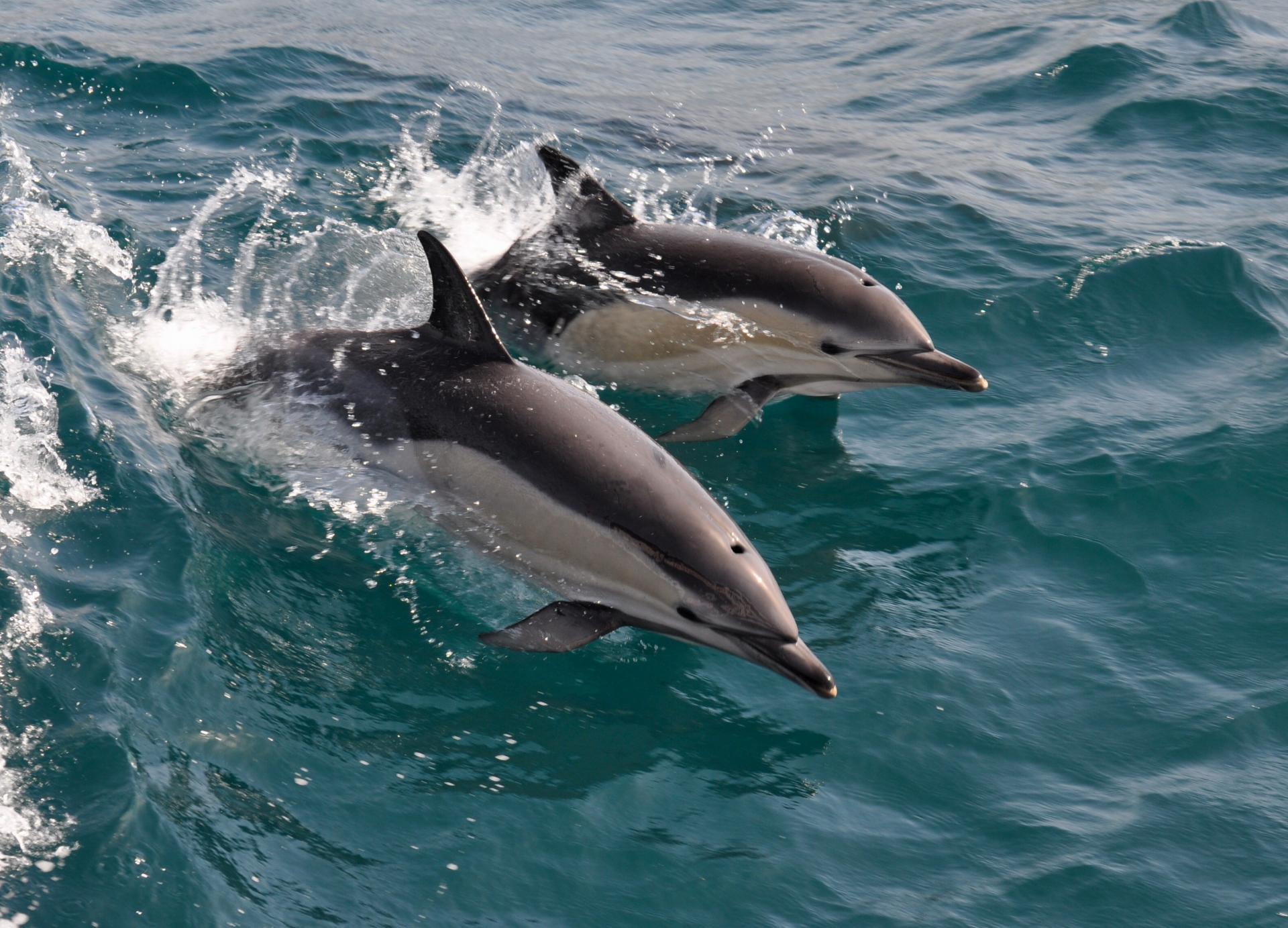
The waters surrounding Gibraltar are equally compelling. The convergence of Atlantic and Mediterranean creates nutrient-rich currents supporting exceptional marine biodiversity. Resident pods of common dolphins inhabit the Strait year-round, with seasonal visits from striped dolphins, pilot whales, and sperm whales. A dolphin safari from Marina Bay consistently encounters animals within minutes of departure — making this one of the most reliable wildlife encounters anywhere in European waters.
Ashore, Gibraltar's Main Street offers a pleasantly unhurried blend of British familiarity and Mediterranean warmth. All signage, menus, and services operate in English, prices are transparent, and the local population is welcoming to cruise visitors. It is an unusual destination, resistant to easy categorisation, and more interesting for it.
Top things to do in Gibraltar on a cruise stopover
The Rock of Gibraltar: One of Europe's Great Natural Landmarks
The Rock of Gibraltar is not just a backdrop — it is the destination. The great limestone monolith rises almost vertically from the narrow peninsula, its near-vertical eastern face dropping sheer to the sea and its western flank sheltering the town below. Geologically, it is Jurassic limestone formed over 200 million years ago, riddled with over 140 km of tunnels and 70,000 square metres of caves. The Upper Rock Nature Reserve protects the summit and upper slopes. Views from the top on a clear day are staggering: south across the Strait to Morocco, north along the Bay of Gibraltar, east to the open Mediterranean, west to the Atlantic. The Strait narrows to just 14 kilometres at this point, and the strategic logic that made Gibraltar one of the most contested territories in European history is immediately apparent from the summit.
The Barbary Macaques: Europe's Only Wild Primates
Approximately 300 Barbary macaques live on the Upper Rock, divided into several social groups occupying different territories across the reserve. They are the only wild primates in Europe. The most repeated legend holds that British rule of Gibraltar depends on the apes remaining; Winston Churchill, during the Second World War when numbers fell dangerously low, reportedly ordered the population to be reinforced. The Gibraltar government manages them carefully today. Encounters are genuinely extraordinary — these are wild animals habituated to human presence, not performing creatures. They will approach without hesitation, sit on your shoulder if given the opportunity, and investigate bags and cameras with confident curiosity. Keep bags zipped, hold cameras firmly, and never feed them — feeding is prohibited, attracts aggressive behaviour, and harms the animals' health.
Dolphin Safari in the Strait: Wildlife Where Two Oceans Meet
The Strait of Gibraltar is one of Europe's finest cetacean-watching destinations, and the dolphin safari from Marina Bay ranks among the most reliably successful wildlife boat trips on any Mediterranean cruise itinerary. The Strait's exceptional productivity comes from the convergence of Atlantic and Mediterranean waters — cold, nutrient-rich Atlantic inflows meeting warmer Mediterranean currents. Common dolphins are most frequently encountered, often in pods of dozens riding the bow waves with obvious enthusiasm. Striped dolphins are also regularly seen, and patient observers are sometimes rewarded with pilot whales or sperm whales in the deeper Atlantic approaches. Trips typically last 60–90 minutes and are sufficient to see animals, as hotspot areas are close to the marina. Watching dolphins against the backdrop of the Rock on one side and Morocco on the other is an experience that belongs to no other cruise port.
The Great Siege Tunnels: Engineering Under Fire
Among the layers of military history embedded in the Rock, the Great Siege Tunnels stand out as remarkable achievements of 18th-century engineering. Carved through solid limestone by hand during the Great Siege of 1779–1783 — when British and Hanoverian forces withstood a Spanish-French siege for nearly four years — the tunnels allowed cannon to be positioned at angles considered previously impossible. The original Sergeant Major's Tunnel extends 82 metres and remains largely intact, with cannon still positioned at the embrasures. A second, extensive network added during the Second World War ultimately created a complex housing a hospital, bakery, ammunition stores, and full garrison facilities. Both networks are accessible on Upper Rock tours and provide a visceral sense of the strategic pressure under which Gibraltar has existed for three centuries.
Summit Views: Two Seas, Two Continents, One Perspective
The views from Gibraltar's summit are among the most geopolitically loaded in the world, and on a clear day they are simply spectacular. From the cable car's upper station and the viewpoints along the Upper Rock, the Strait narrows visibly to its 14-kilometre minimum. The Moroccan Rif Mountains rise on the African side. Spain's Costa del Sol curves northward into the Bay of Algeciras, and on the clearest days the Sierra Nevada's snowy peaks are visible far inland. To the east, the Mediterranean opens into its vast basin; to the west, the Atlantic begins. The Rock's dramatic eastern face — an almost sheer cliff dropping hundreds of metres — is most impressive from the cable car in descent. Few other accessible summits in Europe combine natural grandeur, historical layering, and this level of geographical drama.
St. Michael's Cave: A Cathedral Beneath the Rock
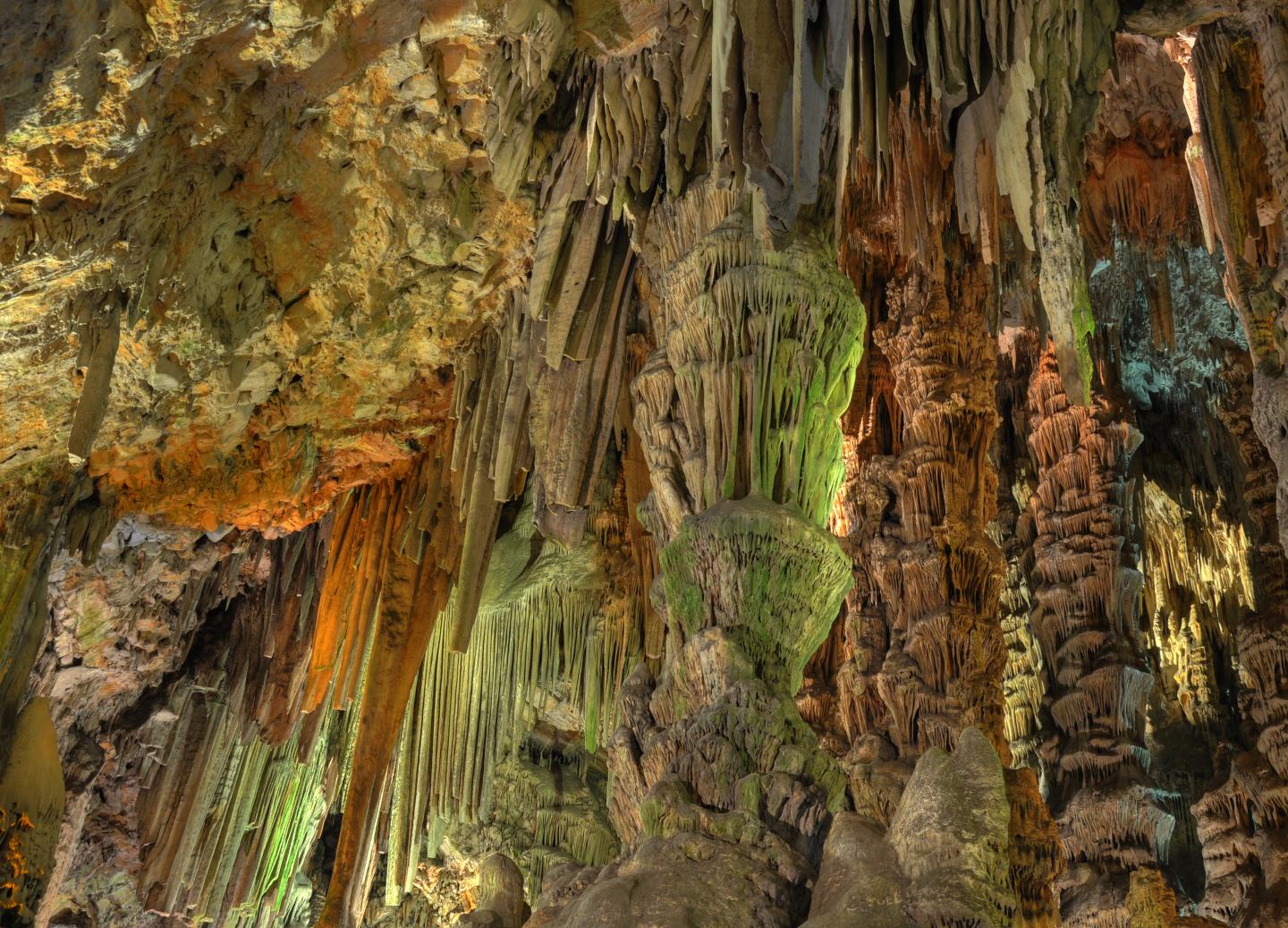
Deep within the limestone of the Upper Rock lies one of Gibraltar's most spectacular natural features — St. Michael's Cave, a vast cavern system of stalactites, stalagmites, and cathedral-like chambers that have awed visitors for centuries. Ancient Greeks and Romans knew of the cave; Neanderthals occupied Gibraltar's caves for tens of thousands of years. Today the main chamber has been developed as a concert and performance venue — its acoustics and otherworldly appearance making it one of the most unusual event spaces in Europe. For shore excursion visitors, the cave is accessible as part of Upper Rock tours and is fully illuminated to reveal the drama of the formations. The main chamber is walkable for most visitors. The cave is a reminder that the Rock's extraordinary geology extends as dramatically below the surface as the tunnels extend through it.
Gibraltar travel tips
Secure Your Belongings Around the Barbary Macaques. The Barbary macaques on the Upper Rock are wild animals with exceptional dexterity, curiosity, and zero inhibition around humans. They will unzip bags, remove sunglasses from faces, grab food from hands, and investigate unsecured items with impressive speed. This is natural curiosity from an intelligent primate habituated to human presence — not aggression — but it can result in lost items. Keep bags zipped and held in front of you, place cameras back in cases between shots, do not hold food or drinks near the animals, and never attempt to feed them (prohibited and attracts persistent attention). With sensible awareness, encounters are extraordinary and entirely safe.
Check the Wind Before Planning Your Cable Car Ascent. The cable car to the Upper Rock operates on a weather-dependent basis, and Gibraltar's Levante wind can create conditions that close it with little notice. On Levante days, the Rock is often shrouded in cloud that forms along its eastern face and spills over the summit, dramatically reducing views at the top. If summit views are your primary goal, check conditions on arrival before committing to the ascent. On cloudy Levante days, the dolphins in the Strait are unaffected, and the tunnels and caves remain fully accessible — reorder your day accordingly. Walking routes to the summit remain open in all but the most severe conditions.
Euros and Pounds Both Work — But Watch Your Change. Gibraltar is one of the few places where two currencies circulate in everyday use. Shops, restaurants, and attractions accept both British pounds sterling and euros, with prices often displayed in both. The complication is that change is typically given in Gibraltar Pounds (GIP), which are legal tender only in Gibraltar and not accepted at face value in the UK or Spain. If paying in euros, consider whether rounding works in your favour, and spend any GIP received before returning to the ship. Credit and debit cards are accepted everywhere and avoid the currency complication entirely.
Dress for the Summit, Not Just the Street. Main Street and the town centre are warm and sheltered in summer, but the Upper Rock is a different environment. Wind at the summit can be significant even on a calm day below, and temperature drops noticeably with altitude. Bring a light windproof layer even if boarding the ship in shorts. Comfortable walking shoes with grip are important for the rock paths and cave steps — flip-flops or heeled shoes are genuinely unsuitable on the Upper Rock trails. Sun protection is essential from April through October; the exposed limestone reflects UV effectively and shade is intermittent on the upper slopes.
Dolphin Sightings Are Highly Likely — But Wildlife Operates on Its Own Schedule. Common dolphins are resident in the Strait year-round, and dolphin safari boats have very high success rates. The best conditions are calm seas and morning or early afternoon departures before wind typically builds. If a first circuit does not produce dolphins immediately, experienced skippers know secondary areas to check. The addition of other species — striped dolphins, pilot whales, and occasionally larger whales — depends on season and conditions. Bring a light layer for the boat trip even in warm weather, as the open water creates a noticeable wind chill at speed.
Allow Time for Main Street's Particular Charm. Gibraltar's Main Street is easy to dismiss as simply a pedestrian shopping street, but it rewards slower attention. The layers of culture accumulated over 300 years of British sovereignty — Moorish castle, British pub, Spanish tapas bar, Sephardic synagogue, all within a few hundred metres — are genuinely unlike anywhere else in Europe. The local Gibraltarian population has developed a distinct identity, dialect, and culinary tradition borrowing from Britain, Spain, Morocco, and Genoa. Early morning, before cruise groups concentrate on the street, is the best time to experience it at its most local — seek out the calentita stalls and traditional bakeries beyond the duty-free frontages.
Port Facts Every Cruiser Needs To Know
Gibraltar shore excursion FAQs
No. Gibraltar voted overwhelmingly to remain in the EU in the 2016 Brexit referendum but left the EU alongside the rest of the UK at the end of 2020. For cruise passengers, the practical implications are that Gibraltar uses British pounds rather than euros (though euros are widely accepted), and entry requirements follow British rather than EU rules. Check the current status for crossing into Spain if you plan to visit the Spanish side of the border.
Most nationalities with unrestricted access to the UK can enter Gibraltar without a visa, including EU citizens, US, Canadian, and Australian passport holders. Gibraltar applies its own entry regulations separately from Spain. If you plan to cross into Spain (the border is open and walkable), you will need to meet Spain's entry requirements as well. Always check the current entry conditions for your specific passport before travel, as regulations can change.
The Barbary macaques are wild animals but not dangerous in the conventional sense. They do not attack unprovoked, and serious incidents are rare. The main risks are theft of food or loose items (they are extremely quick and dexterous) and minor scratches from overenthusiastic contact if you offer food — which you should never do. The animals are vaccinated against tetanus. Do not try to hold or restrain them, avoid sudden movements, and never feed them. With sensible behaviour, encounters are among the most memorable wildlife experiences on any European cruise.
Gibraltar Pounds (GIP) and British pounds sterling (GBP) are the official currency and interchangeable. Euros are accepted virtually everywhere, though change may be given in GIP. Credit and debit cards are accepted at most establishments and are the simplest solution. If carrying cash, a small amount of pounds or euros is sufficient for most purchases. ATMs dispense Gibraltar pounds. Note that GIP banknotes are not accepted outside Gibraltar — spend any you receive before reboarding the ship.
Very likely. Common dolphins are year-round residents of the Strait, and dolphin safari operators consistently report high sighting rates across all seasons. The Strait's unique oceanography — cold Atlantic water flowing in below the surface while warmer Mediterranean water flows out above — creates exceptional conditions for marine mammals. Most trips encounter dolphins within the first 20–30 minutes. No wildlife sighting can be fully guaranteed, but Gibraltar ranks as one of Europe's most reliable dolphin-watching destinations.
Allow a minimum of 2.5–3 hours for a visit including the cable car, time at the Apes Den, the summit viewpoints, the Great Siege Tunnels, and St. Michael's Cave. Rushed visits in 90 minutes are possible but unsatisfying — the cave and tunnels each require 30–45 minutes to appreciate properly. If combining the Upper Rock with a dolphin safari, a full day from ship to ship is the comfortable allocation. The cable car is a 6-minute ride each way, with the upper station a short walk from the main viewing areas.
Yes — the land border between Gibraltar and the Spanish town of La Línea de la Concepción is open and walkable, crossing the runway of Gibraltar International Airport (the main road crosses the active runway at grade level — a genuinely unusual experience). The walk from Main Street to the Spanish side takes about 20–25 minutes. Passport checks are conducted in both directions — carry your passport or valid EU identity document. In La Línea, there are additional restaurants and shops, though most visitors find Gibraltar itself sufficient for a cruise day.
The cable car is accessible for most visitors who can step into the gondola, but the Upper Rock's paths, cave steps, and tunnel access points are not wheelchair accessible in their entirety. St. Michael's Cave's main chamber is accessible to most visitors, but deeper sections involve steps. The Great Siege Tunnels involve walking on uneven rock floors. The Apes Den area near the cable car's upper station is relatively accessible. Visitors with specific mobility needs should contact their tour operator in advance to discuss what is feasible.
Calentita is Gibraltar's most distinctive local dish — a baked or fried preparation made from chickpea flour, water, olive oil, and salt, similar to Italian farinata or French socca but with its own local character. The name means 'little hot one' in the local dialect. It reflects Gibraltar's Genoese heritage and is found in traditional cafés and food stalls rather than tourist-facing restaurants. Ask locally for where to find it — it is genuinely worth seeking out as an authentic taste of a cuisine encountered nowhere else.
The cable car closes in high winds, which is not uncommon given Gibraltar's exposed position. If it is not operating, the Upper Rock remains accessible by minibus from the town centre — many tour operators use this as their standard transport regardless. Walking routes to the summit also exist for those with appropriate fitness and footwear. The nature reserve, tunnels, caves, and macaque viewing areas all remain open when the cable car is closed. Most organised tours are designed to operate fully with or without the cable car.
Filters
Select a filter to refine results.
Tour Type
Tour Activity
 Cart
Cart
 USD
USD GBP
GBP AUD
AUD EUR
EUR CAD
CAD