



Tours in Katakolon (Olympia)


Cruising to Katakolon (Olympia) in a group?
Skip the crowded ship excursion bus. One dedicated planner will design a private shore experience around exactly what your group wants — coordinated from first enquiry to the moment you're back on board. More memorable, more flexible, and more affordable than you might expect. Spend less time organising, more time enjoying.
Explore Group Travel →Cruising to Katakolon (Olympia)
Katakolon is a small, unhurried fishing village on the western coast of the Peloponnese, best known as the nearest cruise port to Ancient Olympia — one of the most significant archaeological sites in the world. The port itself is charmingly compact, with a seafront promenade lined with cafés, tavernas, and shops selling local olive oil and honey. Most visitors, however, have their eyes fixed firmly on the road heading inland toward the sacred sanctuary that launched an athletic tradition spanning millennia.
Ancient Olympia sits roughly 40 kilometres east of the port, nestled in a verdant valley where the Alpheios and Kladeos rivers meet. Here, every four years from 776 BC until the site was closed by Roman Emperor Theodosius in 393 AD, athletes from across the Hellenic world competed in honour of Zeus. Today the ruins of the Temple of Zeus, the Temple of Hera, the original stadium, and the workshop of Pheidias — where the famous chryselephantine statue of Zeus was crafted — draw visitors in a state of quiet awe.
Beyond the ruins, the region rewards those who look a little further. The Olympia Archaeological Museum houses an extraordinary collection of bronze helmets, athletic offerings, and the breathtaking sculptures from the Temple of Zeus pediment. The surrounding countryside is blanketed in olive orchards and vineyards, and the area around the Magna Grecia farm offers a genuine glimpse into traditional Peloponnesian agricultural life. For those wanting to balance history with relaxation, the long sandy beach at Kourouta is just a short drive from the port.
Cruise calls at Katakolon are typically generous in duration, allowing time to visit Olympia and still enjoy a leisurely lunch or a glass of local Peloponnese wine before returning to the ship. The port is small enough that getting back is never stressful — a distinct advantage over busier Mediterranean destinations.
Top things to do in Katakolon (Olympia) on a cruise stopover
Ancient Olympia: Where the Games Were Born
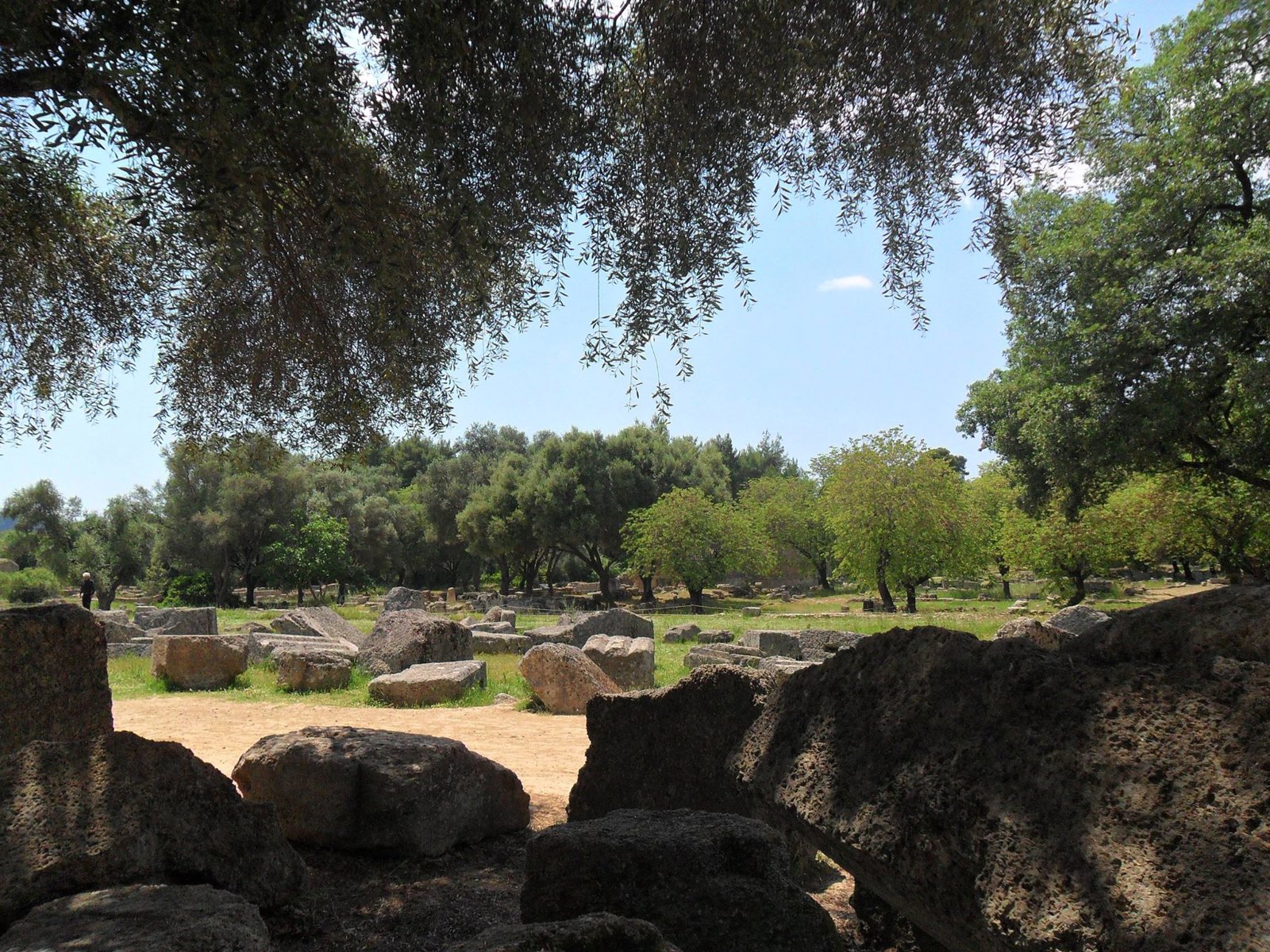
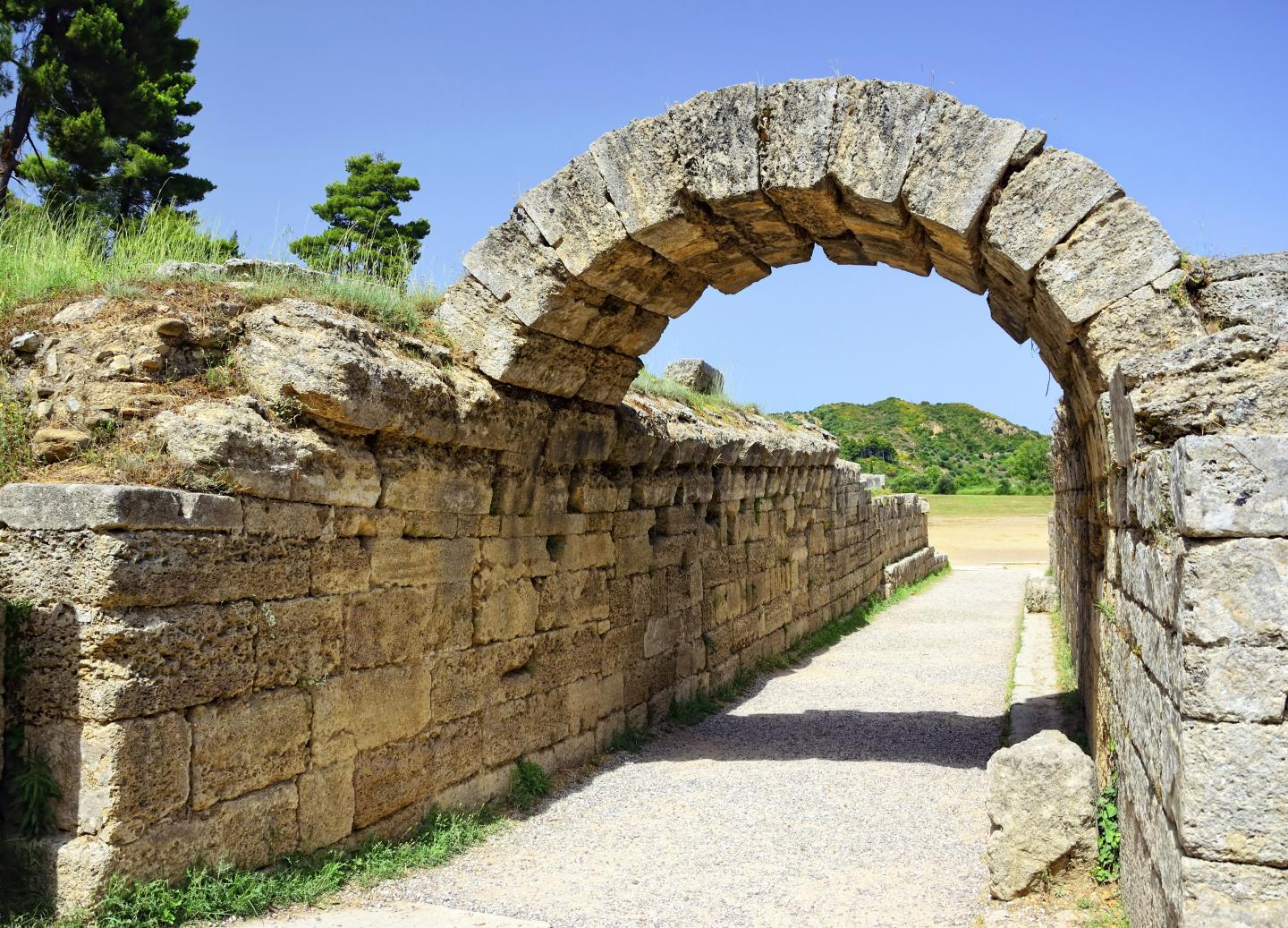
Few archaeological sites carry the emotional weight of Ancient Olympia. Walking through the Sacred Altis — the sanctuary grove where athletes, kings, and priests once gathered — you pass the ruins of the great Temple of Zeus, the Philippeion, the Palaistra training ground, and the Bouleuterion where athletes swore their Olympic oath. At the far end of the site, the original stadium tunnel opens onto a 192-metre running track where you can stand on the very stone where ancient sprinters crouched at the starting line. The site is enormous and unhurried; morning light filters through the pines and olive trees, lending the ruins a quality that photographs rarely capture. Allow at least two hours here alone.
The Olympia Archaeological Museum
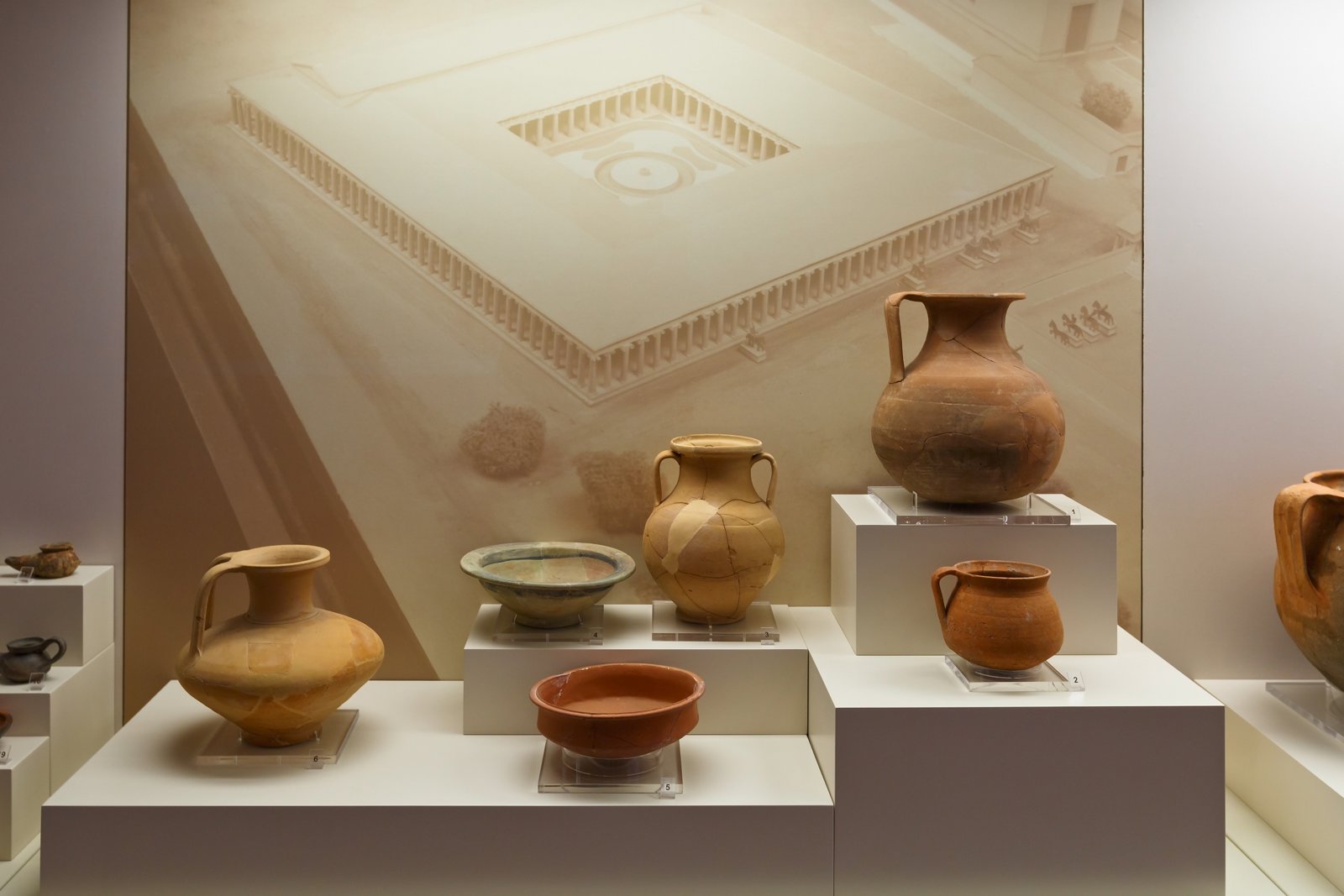
Directly adjacent to the ancient site, the Olympia Archaeological Museum is among the finest in Greece and justifiably essential viewing. Its centrepiece is the original sculpture from the pediments of the Temple of Zeus — monumental fifth-century BC marble figures frozen in mythological combat, remarkable for their scale and vivid expression. The museum also houses the Hermes of Praxiteles, a supreme example of classical sculpture, alongside a dazzling collection of Archaic bronzes, terracotta offerings, and the iconic helmet of Miltiades dedicated after the Battle of Marathon. Plan at least 90 minutes to do the collection justice.
Kourouta Beach: A Peloponnese Coastal Escape
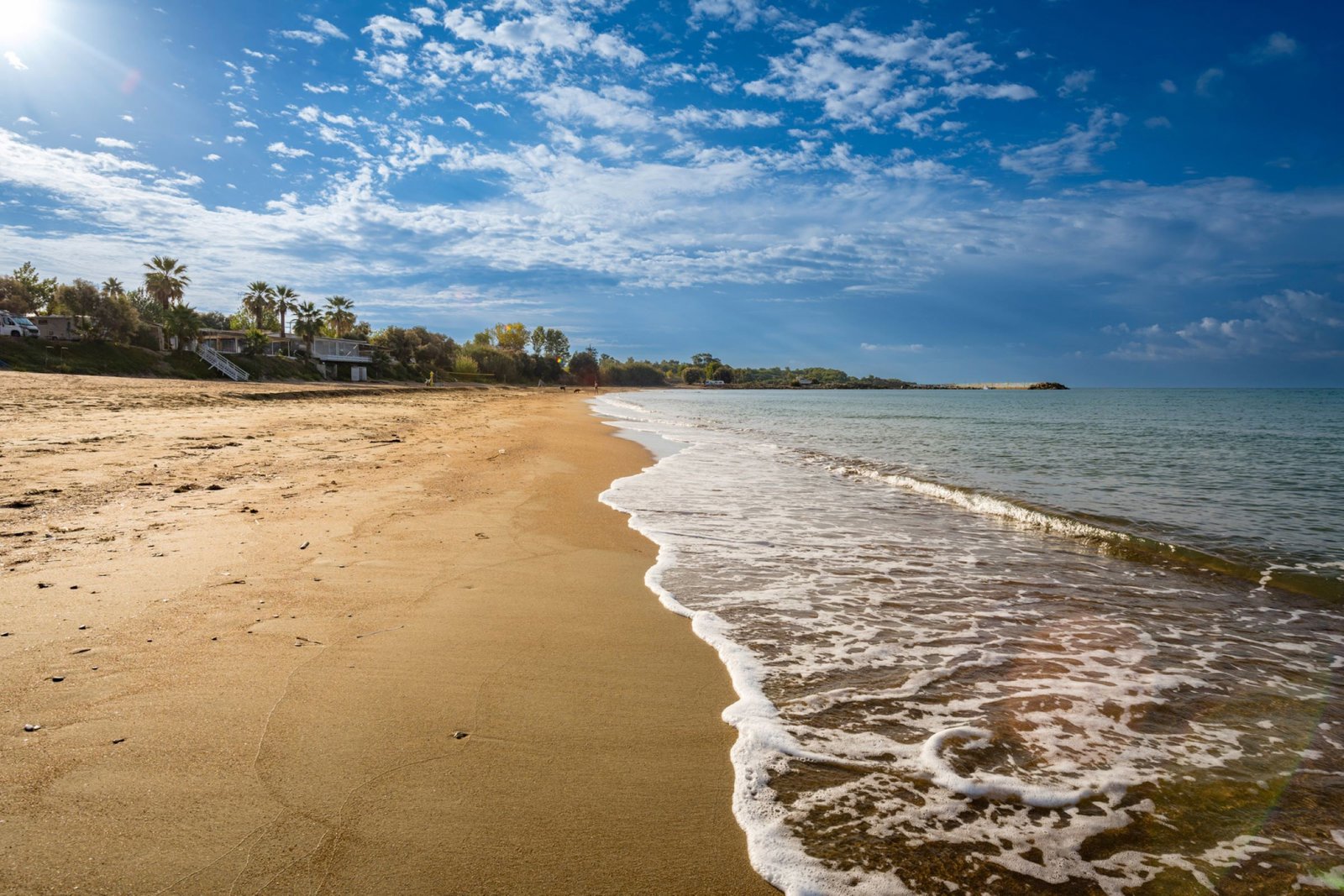
When ancient ruins have been thoroughly explored and the afternoon sun is persuasive, Kourouta Beach offers a compelling alternative to returning early to the ship. Located roughly 10 kilometres north of Katakolon, this long sandy stretch on the Ionian Sea is one of the cleanest and least commercialised beaches on this coast. The water is calm, clear, and warm through the summer months, the beach is wide enough to find quiet space even in peak season, and the surrounding area has a low-key local character that major tourist resorts rarely achieve. A combined morning at Olympia followed by a beach afternoon makes for an exceptionally well-balanced day ashore.
Olympia's Ancient Secrets and Local Wine
The Peloponnese has been producing wine since antiquity — and the countryside around Olympia remains a rewarding place to explore that tradition. The region's vineyards are planted with indigenous Greek varietals rarely found beyond these hills: Roditis, Agiorgitiko, and the rich, sweet Mavrodaphne grapes that produce the famous dessert wine of Patras. Local producers combine visits to smaller, less-visited archaeological corners of the Olympia region with tastings of estate-bottled wines, extra-virgin olive oil, and artisanal honey. It is a gentler, more sensory way of engaging with a landscape that shaped ancient civilisation.
A Taste of Luxury in Ancient Olympia Country
For those who prefer their classical history paired with comfort, the Katakolon and Olympia region offers a more refined experience that balances heritage with genuine Hellenic hospitality. This means unhurried private access to the archaeological site during quieter hours, exceptional regional lunches at countryside restaurants where wild herbs and locally pressed olive oil define every dish, and the kind of seamless, personalised day that transforms a port stop into a lasting memory. The Peloponnese countryside — rolling golden hills, silver-leafed olive groves, and the distant glitter of the Ionian — is itself part of the attraction.
Magna Grecia Farm: Agriculture and Antiquity
In the hills around Olympia, the Magna Grecia farm offers a rare immersive encounter with traditional Peloponnesian rural life. This working estate cultivates olive trees, fruit orchards, and aromatic herbs using methods that echo the agricultural practices of the ancient Greeks who once sustained the sanctuary at Olympia. Visitors engage directly with the land — tasting freshly pressed olive oil, learning about sustainable farming, and sitting down to a farm-to-table meal that showcases the best of the local harvest. Combined with a visit to the Olympia site, it forms a full and richly layered picture of a region that has nourished both bodies and spirits for thousands of years.
Katakolon (Olympia) travel tips
Arrive at Olympia Early. The ancient site opens at 8am and the first hour or two are significantly quieter than midday, when multiple cruise groups converge. If your ship docks early, heading straight to Olympia before 9am gives you the ruins in near-solitude — a profoundly different experience from the busy midday crowds. The light is also better for photography in the morning.
Wear Appropriate Footwear. Ancient Olympia's paths are uneven, stony, and sandy in places — not suited to sandals or dress shoes. Sturdy, comfortable walking shoes or trainers are essential. The site covers considerable ground and the combination of uneven terrain and summer heat can be fatiguing. Bring a hat and high-factor sunscreen; the Sacred Altis offers very little shade.
Budget Time for Both the Site and the Museum. Many first-time visitors underestimate how much there is to see and allocate time for only one of the two. The archaeological site and the adjacent museum are equally essential and together require at least 3.5 to 4 hours. If your schedule only allows one, the museum — particularly the Temple of Zeus pediment sculptures and the Hermes of Praxiteles — is arguably the more spectacular of the two.
The Katakolon Seafront is Worth a Stroll. If you have an hour before departure or prefer to stay close to the port, Katakolon's seafront promenade is genuinely pleasant. Small shops sell excellent local olive oil, Kalamata olives, thyme honey, and regional wines at reasonable prices. The harbour tavernas serve fresh seafood and Greek coffee — a relaxed finale to a day spent among ancient ruins.
Carry Cash for Smaller Purchases. While major sites and restaurants accept cards, smaller roadside stalls, local markets, and some rural producers work on a cash-only basis. Having €30–50 in euros is useful for buying artisanal products, snacks, or at smaller establishments along the road between the port and Olympia.
Photography at the Stadium. The original Olympic stadium — entered through an ancient stone tunnel — is one of the most photogenic and emotionally resonant spots in the entire Greek world. The best photographs are taken from the starting line looking down the track toward the far end, especially in soft morning light. Bring a wide-angle lens if possible; the full 192-metre length is difficult to capture on a standard phone shot.
Port Facts Every Cruiser Needs To Know
Katakolon (Olympia) shore excursion FAQs
Ancient Olympia is approximately 40 kilometres east of Katakolon, a journey of around 40 to 50 minutes by road through attractive Peloponnese countryside. The route passes through the regional town of Pyrgos and arrives at the modern town of Olympia, which sits adjacent to the ancient site.
Absolutely. Katakolon is a small, compact village and the seafront is entirely walkable. Within the village you will find souvenir shops, olive oil and local food stores, cafés, and tavernas. It is a pleasant place to spend an hour if you are not venturing further afield, or to explore before your transport departs.
To visit the archaeological site and the adjacent Archaeological Museum properly, allow a minimum of 3.5 to 4 hours on site. If time is limited and you must choose, both are exceptional — the museum houses the original sculptures from the Temple of Zeus pediment and the Hermes of Praxiteles, while the site includes the original stadium and the ruins of the great sanctuary.
The archaeological museum is largely accessible. The ancient site itself presents more challenges: paths are unpaved, uneven, and can be sandy or stony. Some areas may be difficult to navigate for visitors using wheelchairs or with significant mobility limitations. The Olympia Archaeological Museum alone, which is fully housed and accessible, is a rewarding alternative for those who find the outdoor site difficult.
Kourouta Beach, approximately 10 kilometres north of the port, is the most popular beach option for cruise visitors. It is a long, sandy, Ionian Sea beach with calm, clear water. The beach is accessible and offers a relaxed atmosphere. It works well as an afternoon stop after a morning at Olympia, or as a standalone destination for those who prefer a day at the sea.
The western Peloponnese is one of Greece's most productive agricultural regions. Look for locally pressed extra-virgin olive oil (among the finest in the country), Peloponnese wines, grilled fresh fish, loukoumades (fried dough balls with honey), spanakopita, and local cheeses. The town of Olympia has several solid tavernas serving traditional Greek food at reasonable prices.
Yes. The region around Olympia has a genuine wine culture rooted in ancient tradition. Local producers grow indigenous Greek varietals including Roditis and Mavrodaphne. Several excursion options combine a visit to the archaeological site with a stop at a local winery or estate for tastings of regional wines, olive oil, and honey — a highly recommended addition to a history-focused day.
Departure times vary by itinerary, but most cruise calls last between 8 and 10 hours. A common schedule is docking around 7am to 8am with departure in the late afternoon around 4pm to 6pm. Always check your ship's posted All Aboard time and plan to be back at the pier at least 30 to 45 minutes before that time.
Yes, but preparation is essential. The ancient site is almost entirely open-air with limited shade. In July and August, midday temperatures frequently exceed 35°C. Visiting in the morning — arriving by 8am or 9am — makes a significant difference. Carry at least one litre of water per person, wear a hat and apply high-factor sunscreen, and take breaks in the shaded areas around the Palaistra colonnade.
Katakolon is one of the less crowded and more authentic ports on the Greek cruise circuit. Unlike Piraeus (Athens), Mykonos, or Santorini, it has not been heavily commercialised. The village retains genuine local character, the tavernas serve real food to local customers as well as tourists, and the surrounding countryside is strikingly beautiful. The main draw — Ancient Olympia — is one of the most historically significant sites in all of Europe.
Filters
Select a filter to refine results.
Tour Type
Tour Activity
 Cart
Cart
 USD
USD GBP
GBP AUD
AUD EUR
EUR CAD
CAD