



Tours in Kristiansand


Cruising to Kristiansand in a group?
Skip the crowded ship excursion bus. One dedicated planner will design a private shore experience around exactly what your group wants — coordinated from first enquiry to the moment you're back on board. More memorable, more flexible, and more affordable than you might expect. Spend less time organising, more time enjoying.
Explore Group Travel →Cruising to Kristiansand
Kristiansand sits at the southern tip of Norway like a sun-drenched exception to the country's rugged north — a city that feels Mediterranean in spirit even as it is unmistakably Nordic in character. With its grid-plan old town of 17th-century wooden houses, a bustling working harbour, and forested nature parks within walking distance of the centre, it packs a remarkable range of experiences into a manageable footprint that suits a day ashore perfectly.
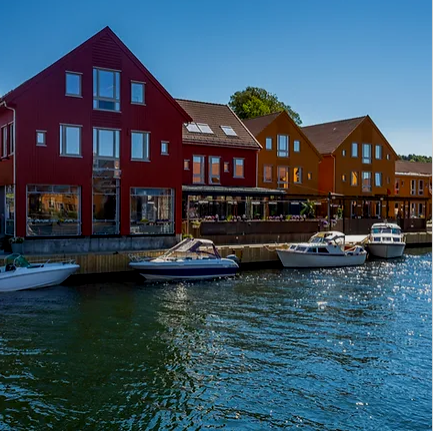
Founded by King Christian IV in 1641, the city's carefully preserved Posebyen quarter still traces its original street plan, with low painted timber homes lining cobblestoned lanes that invite leisurely wandering. The contrast between that intimate domestic architecture and the open waterfront of Fiskebrygga — the old fish wharf now animated with restaurants and market stalls — captures Kristiansand's appealing mix of heritage and vitality.
Beyond the city core, Odderøya Island juts into the Topdalsfjord just minutes from the cruise terminal, offering forest trails, historic fortifications, and harbour views that reward anyone willing to walk a little further. Inland, the twin parks of Baneheia and Ravnedalen form a green lung of lakes, trails, and swimming spots that locals treasure and visitors rarely expect to find so close to the waterfront.
Kristiansand is also Norway's unofficial summer capital: warm, sociable, and proud of it. For cruise travellers arriving between June and August, the city hums with outdoor life — kayakers on the water, families at the beach, and terrace dining that stretches late into long Nordic evenings.
Top things to do in Kristiansand on a cruise stopover
Posebyen: The Charming Old Town Quarter
Posebyen — literally 'the special town' — is the best-preserved 17th-century wooden townscape in Norway. King Christian IV decreed its grid street plan in 1641, and Kristiansand's careful stewardship has kept it remarkably intact. Wandering its narrow lanes means passing centuries-old timber homes painted in whites, ochres, and soft blues, with window boxes spilling colour across immaculate facades. Small galleries, artisan shops, and neighbourhood cafés occupy ground-floor spaces that have traded since the city's earliest days. The quarter feels lived-in rather than museumified — laundry dries on balconies, children play in courtyards, and the rhythm is that of a genuine residential neighbourhood. Allow at least an hour simply to wander; the detail rewards slow exploration.
Fiskebrygga: The Living Fish Wharf
Kristiansand's working waterfront has been reimagined as Fiskebrygga — a bustling strip of restaurants, fish stalls, and market vendors that brings the city's seafaring heritage into vivid contemporary life. Fresh catches arrive daily from local fishing boats: Atlantic cod, prawns, mussels, and seasonal fish. The restaurant terraces are among the best spots for unhurried lunch — bowls of creamy fish soup, platters of freshly boiled shrimp, and open-faced sandwiches loaded with North Sea produce. The harbour view — working vessels alongside the cruise terminal and pleasure craft filling the marina — gives every meal a sense of place that is distinctly Norwegian. On fine days, the entire Kristiansand waterfront population converges here.
Odderøya Island: Forest and Fortress Above the Fjord
A pedestrian bridge connects Odderøya Island to the city centre in minutes, yet stepping onto its forested paths feels like entering a different world. The island was a military zone for most of its modern history — successive generations built batteries and fortifications here to command the Topdalsfjord — and the remaining gun emplacements, powder magazines, and bunkers scattered through the trees give the walks atmospheric historical depth. Today the island is a beloved nature reserve, with trails winding through pine and birch woodland to open viewpoints over the fjord and harbour. A small art museum occupies a former military building near the bridge. The circuit of island trails takes about ninety minutes at a comfortable pace.
Kristiansand Cathedral: Neogothic Heart of the City
Rising above the Posebyen rooftops, Kristiansand Cathedral is the largest church in Norway outside Oslo. The current neogothic structure dates from 1885 and its twin towers serve as a navigational landmark across the city. Inside, high vaulted ceilings amplify the space, and stained glass filters southern Norwegian sunlight into warm colour across the stone floor. A remarkable pipe organ anchors the chancel. The cathedral hosts occasional summer concerts that take advantage of its acoustics, and the plaza in front serves as an informal meeting point throughout the day. Entry is free, and the interior repays a quiet fifteen-minute visit even for non-religious travellers.
Baneheia and Ravnedalen: Urban Nature Parks
Within twenty minutes' walk north of the cruise pier, the twin nature parks of Baneheia and Ravnedalen offer forested paths, freshwater lakes clear enough to swim in, and the unhurried green quiet that Norwegians have perfected as daily practice. Baneheia's trail network skirts several small lakes and rises to open hilltop viewpoints across the city and coastline. Ravnedalen, immediately adjacent, centres on a dramatic rocky ravine with a waterfall and viewing terraces cut into the cliff face. Both parks are genuinely wild despite their proximity to the centre. In summer the lakes attract swimmers; in spring and autumn the woodland colours are exceptional. Bring comfortable walking shoes.
Kristiansand Highlights: City, Coast, and Countryside in One Day
Kristiansand's appeal as a cruise port lies in how naturally its different faces — historical townscape, working waterfront, forested island, urban parkland — stitch together into a coherent day ashore. A morning through Posebyen flows easily into a Fiskebrygga lunch, an afternoon on Odderøya, and an early-evening stroll back through the cathedral square. The city is flat, signposted in English, and genuinely welcoming. Venture Ashore's Kristiansand Highlights Tour brings this journey together with a knowledgeable local guide who places each neighbourhood in its historical context — particularly valuable for the fortress history of Odderøya and the architectural significance of the old town's timber buildings.
Kristiansand travel tips
Layer Up — Even in Summer. Kristiansand is Norway's warmest city, but 'warm for Norway' still means coastal breezes and the occasional grey afternoon even in July and August. Morning arrivals can start cool before the sun asserts itself. A light windproof jacket and a packable layer allow you to spend a full day outdoors comfortably. Rain is possible in any month; a compact umbrella takes no space and saves the day.
Cards Are King — Norway Is Effectively Cashless. Norway has one of the world's highest rates of card payment adoption. Virtually every restaurant, shop, museum, and market stall in Kristiansand accepts Visa and Mastercard without a minimum spend. There is rarely a reason to carry Norwegian Krone in cash, though a small amount is useful at the most informal outdoor fish stalls. If you do want local currency, ATMs are available in the city centre.
Start With Posebyen Before the Crowds Arrive. The old town quarter fills with visitors from late morning onwards on busy summer cruise days. Heading straight from the pier to Posebyen in the first hour gives you the lanes largely to yourself — and the morning light on the painted timber facades is genuinely beautiful for photography. Save Fiskebrygga for midday when the fish market stalls are fully stocked and the waterfront restaurants are in full swing.
The Fish Soup Is Not Optional. Kristiansand's fiskesuppe — a rich, cream-based soup loaded with fresh local fish and shellfish — is one of the definitive tastes of southern Norway. Most Fiskebrygga restaurants have their own recipe, but the result is consistently warming and substantial. Order it with crusty bread and proper Norwegian butter. Open-faced shrimp sandwiches serve as an excellent lighter alternative for those with smaller appetites.
Odderøya is Best in the Late Afternoon. The island's west-facing viewpoints catch the afternoon sun at its most photogenic angle, bathing the harbour and old town in warm golden light. Save Odderøya for after lunch and spend two hours exploring the forest trails and fortifications before returning to the pier. The pedestrian bridge crossing takes three minutes; the island circuit takes 60–90 minutes depending on how many detours you take along the clifftop paths.
Respect the Quiet in Residential Lanes. Posebyen is not a museum — it is a living residential neighbourhood where people have their homes and daily routines. Keep voices down in the quieter lanes, avoid photographing private courtyards or peering through residential windows, and remember that the area's charm depends on its residents continuing to live there comfortably. The shops and cafés are genuinely pleased to see visitors; the neighbourly atmosphere in between is something to absorb rather than disrupt.
Port Facts Every Cruiser Needs To Know
Kristiansand shore excursion FAQs
The cruise terminal is within 500 metres of Kristiansand's city centre — a five-minute walk. Posebyen, Fiskebrygga, the cathedral, and the main shopping streets are all reachable on foot without any shuttle or local transport. This proximity makes Kristiansand one of the most convenient ports on the Norwegian itinerary for independent exploration.
The city centre and Fiskebrygga waterfront are largely flat and accessible, with well-maintained pavements throughout Posebyen and main commercial streets. Odderøya Island and the Baneheia/Ravnedalen parks involve uneven terrain and steps that may be challenging for some visitors. The cathedral is fully accessible. Check individual restaurants and museums for step-free access ahead of your visit.
The Norwegian Krone (NOK) is the official currency. Euros are not generally accepted in shops or restaurants. However, card payments are accepted almost universally across Norway, so in practice most visitors never need to handle local currency at all. If you prefer cash, ATMs are available throughout the city centre.
A focused half-day is enough to walk Posebyen, browse the Fiskebrygga fish market, visit Kristiansand Cathedral, and enjoy a waterfront lunch. With four to six hours, add the Odderøya Island forest walk and the Ravnedalen park viewpoints. The city's compact layout means transitions between areas are quick and nothing feels rushed on a well-planned day ashore.
Fiskebrygga wharf, a ten-minute walk from the cruise terminal, concentrates Kristiansand's best waterfront dining — traditional fish soup, fresh Atlantic prawns, and grilled cod. The wharf also has informal market stalls for lighter snacks. The city centre has cafés serving Norwegian open sandwiches and baked goods. Norwegian filter coffee is excellent and widely available.
Yes — English proficiency in Norway is among the highest in the world, and Kristiansand is no exception. Restaurant staff, shop assistants, museum staff, and virtually all service workers speak fluent English. Signs throughout the city are typically in both Norwegian and English. Language is not a practical barrier for English-speaking visitors.
Summer in Kristiansand (June–August) is the warmest in Norway, with average temperatures of 19–23°C and long daylight hours extending past 10pm. Rain is possible at any time, and sea breezes can make the waterfront feel cool even on sunny days. May and September are pleasant but cooler, averaging 12–17°C. A light waterproof layer is recommended regardless of the forecast.
Yes — Kristiansand has several beaches within or very close to the city, most notably Bystranda (City Beach), a sandy beach a short walk from the city centre that is popular with locals in summer. Water temperatures reach 18–20°C in July and August. Beach facilities include changing rooms and lifeguards in peak season.
The Kristiansand tourist information office is located in the city centre, approximately a ten-minute walk from the cruise terminal. Staff provide maps, transport information, and local recommendations. Free city maps are available at most hotel lobbies and visitor attractions, and many cruise lines post destination guides at the gangway.
Norwegians value personal space and tend not to initiate conversation with strangers — this is not unfriendliness, simply different social convention. Queuing is taken seriously. Tipping is not obligatory (service charges are included by law) but rounding up a restaurant bill is appreciated. Noise in residential areas, including Posebyen, is expected to be kept low. Photograph private homes with discretion.
Filters
Select a filter to refine results.
Tour Type
Tour Activity
 Cart
Cart
 USD
USD GBP
GBP AUD
AUD EUR
EUR CAD
CAD