



Tours in La Coruna


Cruising to La Coruna in a group?
Skip the crowded ship excursion bus. One dedicated planner will design a private shore experience around exactly what your group wants — coordinated from first enquiry to the moment you're back on board. More memorable, more flexible, and more affordable than you might expect. Spend less time organising, more time enjoying.
Explore Group Travel →Cruising to La Coruna
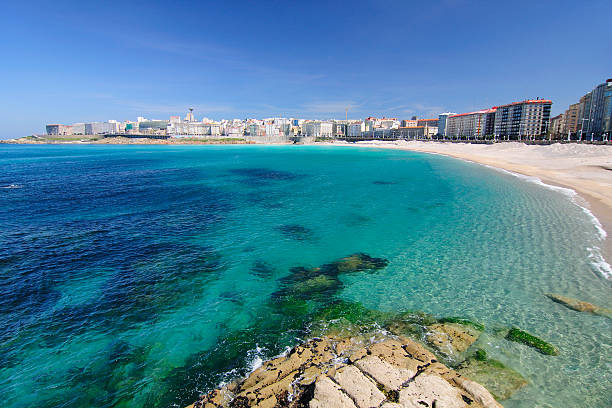
La Coruna sits at the northwestern tip of Spain, where the Atlantic meets Galicia's green, granite-studded coastline. This ancient city has served as a strategic port for millennia — Julius Caesar landed here, the Spanish Armada departed from these waters, and today cruise ships dock in one of Spain's most characterful port cities. The old quarter, known as the Ciudad Vieja, is a dense maze of Romanesque churches, arcaded streets, and stone plazas that reward slow exploration on foot.
Dominating the northern headland, the Tower of Hercules is the world's only functioning Roman lighthouse and a UNESCO World Heritage Site. Built in the 1st century AD, it has guided sailors for nearly two thousand years and remains La Coruna's defining landmark. The surrounding Atlantic promenade — one of the longest urban seafront walkways in Europe — connects the lighthouse to the city's marina and fishing quarters, offering sweeping views of the sea that made this city famous.
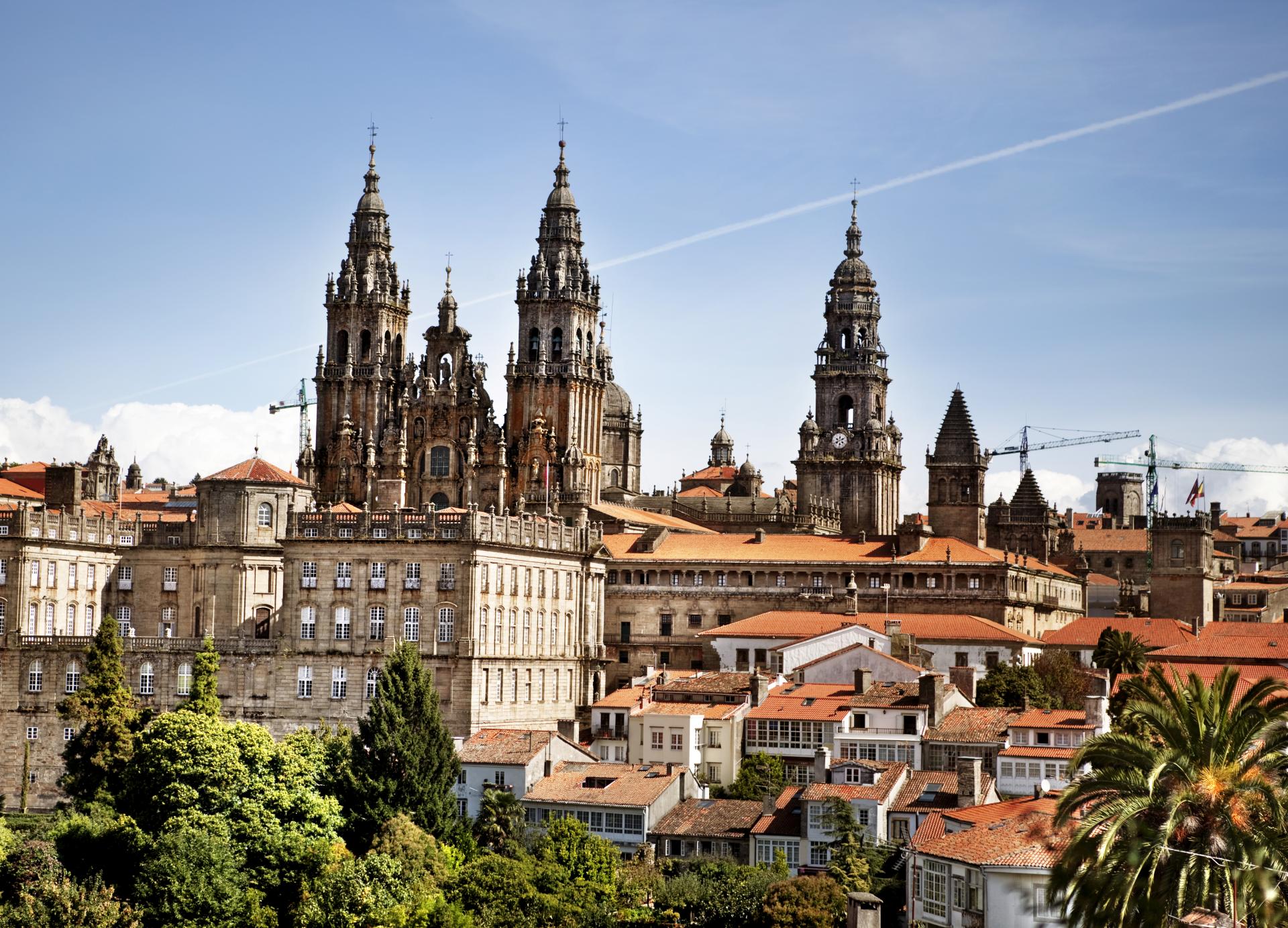
For those drawn inland, Santiago de Compostela lies just 70 kilometres south and represents one of the great pilgrimages of Christendom. The cathedral, built over the supposed tomb of Saint James, anchors a remarkably well-preserved medieval city whose streets fill with pilgrims completing the Camino de Santiago. The journey there is straightforward, and the city's spiritual weight and architectural grandeur leave a lasting impression even on secular visitors.
Galicia's food culture is among Spain's most distinctive — shaped by the Atlantic's abundance and centuries of rural tradition. Pulpo a feira (tender octopus with paprika and olive oil), empanada gallega, and the region's pristine seafood appear on virtually every menu, washed down with crisp Albariño wine or a glass of local vermouth. La Coruna is a genuinely liveable, likeable city: unhurried, proud of its heritage, and refreshingly uncrowded by the standards of Spain's more touristed ports.
Top things to do in La Coruna on a cruise stopover
Santiago de Compostela: The Pilgrim's Cathedral and Medieval City
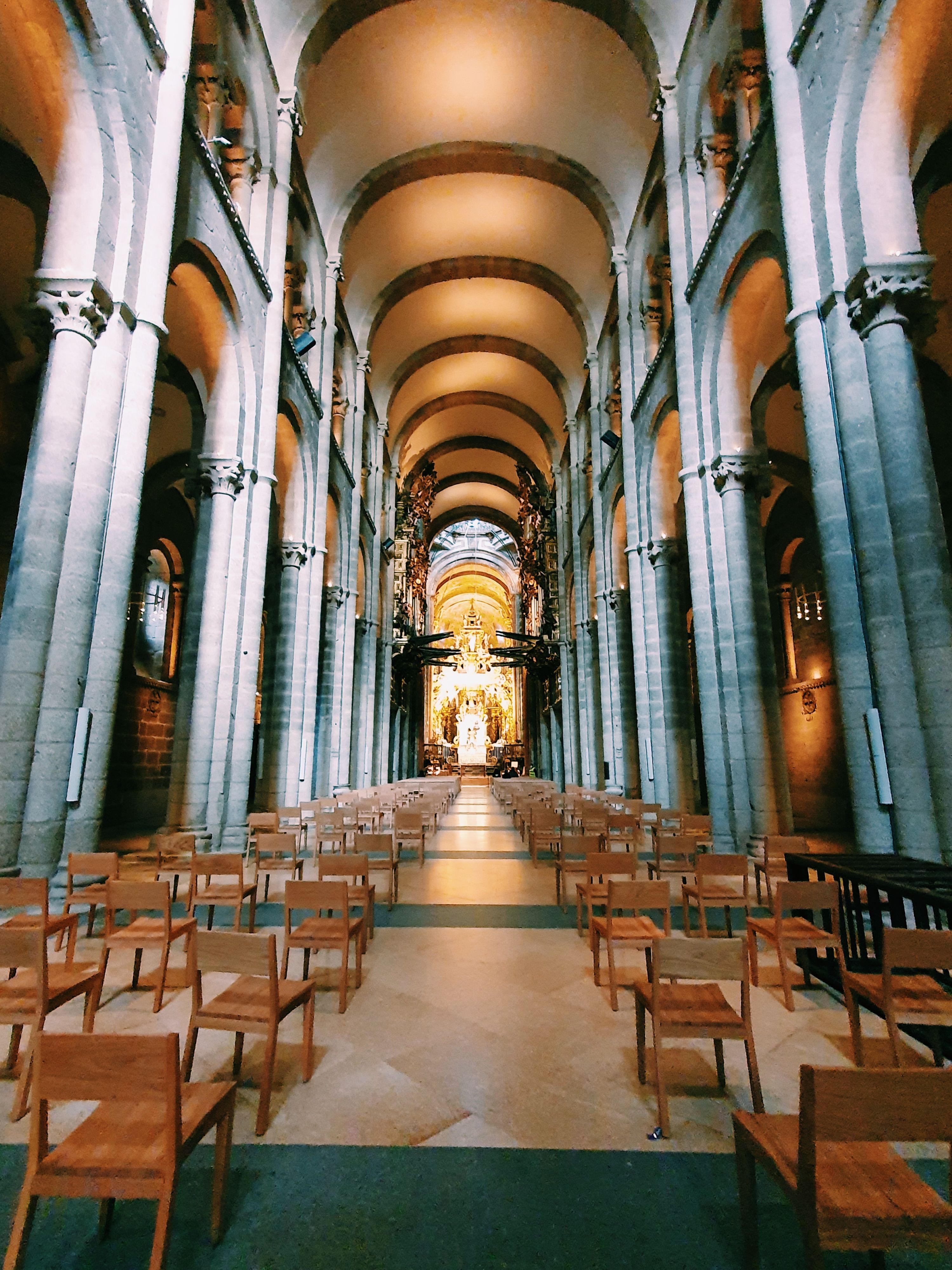
Few cities in Europe carry the spiritual weight of Santiago de Compostela. Built over the reputed tomb of Saint James the Apostle, the cathedral is the endpoint of the Camino de Santiago, drawing hundreds of thousands of pilgrims each year. The Romanesque and Baroque exterior erupts from the grand Plaza del Obradoiro — one of Spain's most spectacular squares, framed by the Archbishop's Palace and the former royal pilgrim hospital, now a parador hotel. Inside, the nave fills with incense and the murmur of arriving pilgrims. The Botafumeiro — a massive silver thurible — swings dramatically on special occasions. Beyond the cathedral, the medieval city unfolds in granite arcades, student taverns, and hidden plazas. The Mercado de Abastos is one of Galicia's finest food markets: a living gallery of the region's seafood, cheeses, and seasonal produce.
The Old Town: Walled Streets and Romanesque Grandeur
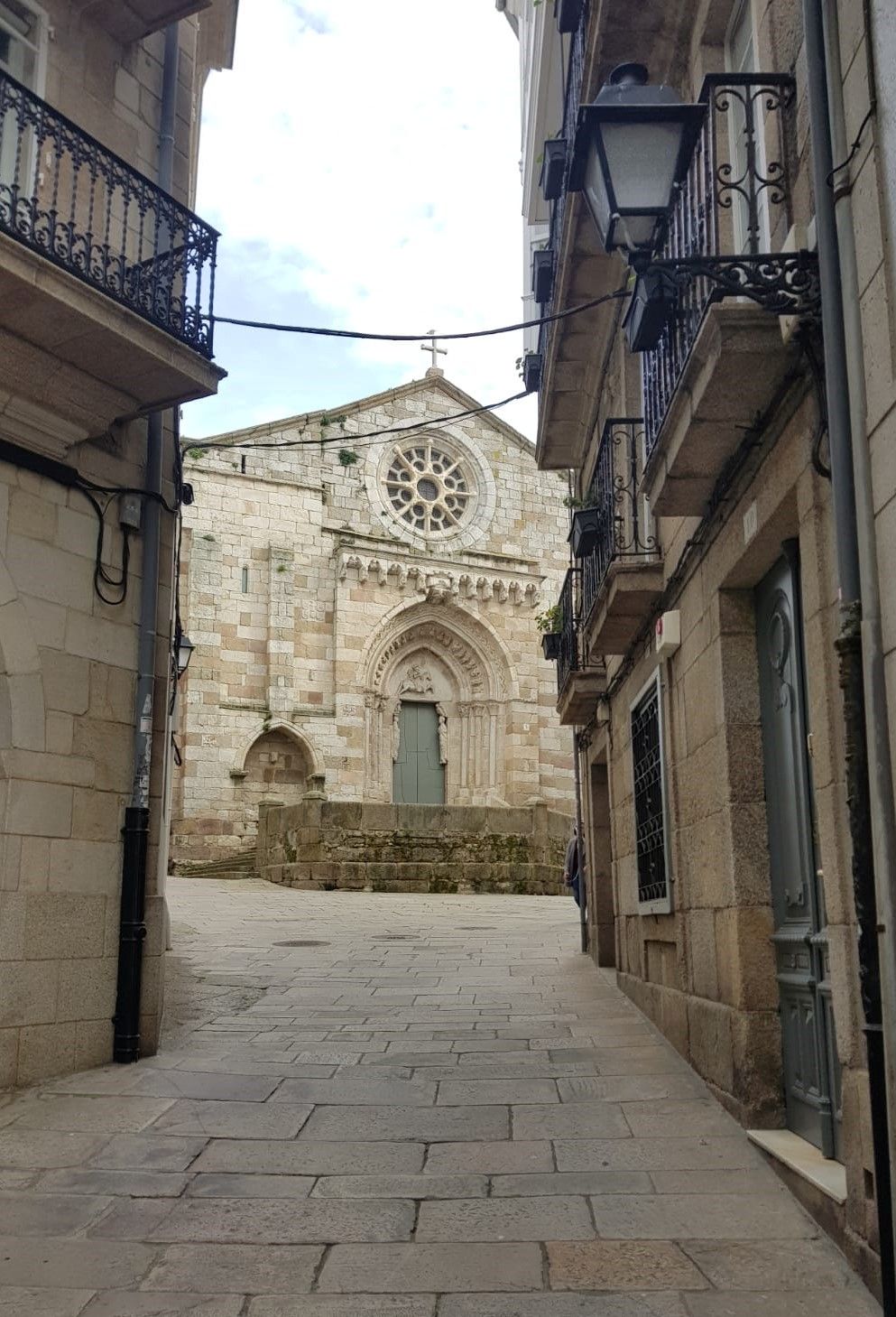
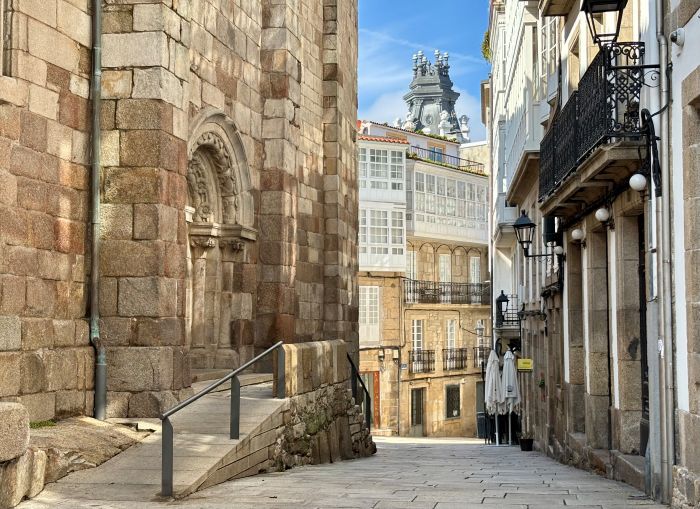
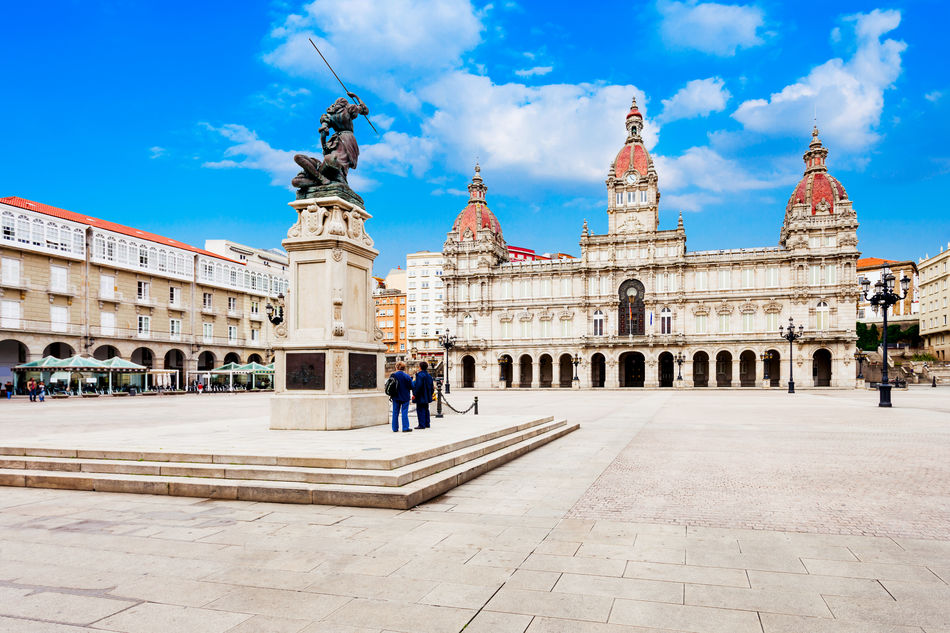
La Coruna's Ciudad Vieja occupies the narrow promontory at the heart of the city, surrounded on three sides by the sea. Its streets are among the most atmospheric in northern Spain — granite cobblestones, arcaded gallerias with glass-enclosed balconies, and ancient churches that appear around every corner. The Colegiata de Santa Maria del Campo and the Church of Santiago are two of the old town's most significant religious buildings, both predating the main wave of Santiago de Compostela's expansion. The Jardines de San Carlos, a small garden enclosed within old city walls, contains the tomb of Sir John Moore, the British general who died at the Battle of La Coruna in 1809 during the Napoleonic Wars — a poignant reminder of the city's strategic Atlantic importance. The Praza de Maria Pita, the city's main square named after the local heroine who helped repel Francis Drake's 1589 raid, provides a natural gathering point and a striking piece of civic architecture.
Atlantic Coastal Promenade and the Tower of Hercules
La Coruna's coastal promenade stretches for kilometres along the Atlantic-facing shoreline, culminating at the Tower of Hercules on the northernmost point of the peninsula. This is arguably the city's finest walk, and on a clear day the views across the open Atlantic are genuinely exhilarating — crashing surf, wheeling seabirds, and the sense of standing at a genuine edge of the European continent. The Tower of Hercules itself is extraordinary. Built by the Romans in the 1st century AD, it was later restored in the 18th century and has been operating continuously as a working lighthouse ever since — the only Roman-era lighthouse still in use anywhere in the world. Its UNESCO World Heritage designation reflects both its archaeological significance and its symbolic importance to Galician identity. The surrounding parkland contains ancient rock carvings and a Celtic stone circle, adding further layers of prehistory to an already remarkable site.
Galician Tapas, Vermouth, and the Old Town Food Scene
Eating and drinking in La Coruna is one of its great pleasures. The old town and the streets around the Rua Franja and Rua da Franxa are lined with tapas bars, pulperías (octopus restaurants), and wine bars that serve some of the best value food in Spain. The local custom of afternoon vermouth — vermú — is alive and well here: bars fill from midday with locals nursing glasses of local vermouth alongside small plates of jamón, cheese, and seafood. The city's food culture reflects Galicia's exceptional larder. The fishing fleet brings in percebes (goose barnacles), nécoras (velvet crabs), and razor clams that appear on menus with the simplest of preparations. Galician bread — substantial, crusty, and baked in wood-fired ovens — accompanies everything. For those wanting to explore this food culture more deeply, guided walks through the old town's market and tapas bars offer an immersive introduction to one of Spain's most underrated culinary regions.
From Seafront to City: La Coruna's Maritime Quarter
La Coruna wears its identity as a working port city with pride. The marina and fishing quarter along the inner harbour offer a glimpse of a city still connected to the sea in practical terms — colourful fishing boats, nets drying in the wind, and the morning bustle of the fish market. The Darsena marina area has evolved into a pleasant blend of traditional and contemporary, with waterfront cafes and views back across to the old city. The city's gallerias — glass-enclosed balconies that line entire facades of buildings — are an architectural signature unique to La Coruna, earned it the nickname 'City of Glass.' Originally designed to capture the limited Atlantic sunlight while providing shelter from the wind and rain, they give the streets of La Coruna a distinctive luminous quality that sets it apart from other Spanish cities. Walking the seafront whilst looking back at these gallerias glowing in the afternoon light is one of the city's defining images.
The Living Camino: Pilgrim Culture and the Road to Santiago
Even visitors who arrive by cruise ship rather than on foot can engage meaningfully with the Camino de Santiago's extraordinary living culture. The Camino Inglés — the English Way — historically began in La Coruna and Ferrol for pilgrims arriving by sea from Britain and Northern Europe, making the city a genuine point of origin for one of the world's great walking routes. In Santiago de Compostela, the Pilgrim Office on Rua das Carretas is the place where walkers collect their Compostela certificate upon completing the route — and simply standing outside watching pilgrims arrive, often emotional after weeks or months of walking, is a moving experience in itself. The city's museum of the Cathedral, its cloisters, and the Museo do Pobo Galego (Museum of Galician People) provide cultural context that enriches any visit. Santiago is a university city as well as a pilgrimage destination, which gives it an energy and intellectual vitality that outlasts the tourist season.
La Coruna travel tips
Dress for Galicia's Weather — Not the Calendar. Galicia occupies the rainiest corner of Spain and earns its reputation year-round. Even in the height of summer, the Atlantic can push in cloud and drizzle without warning. A light waterproof jacket takes up almost no space in a day bag but makes an enormous difference if the weather turns. Mornings tend to be cooler even when afternoons warm up; layering is the smartest strategy for a full day ashore.
Respect the Cathedral: Dress Code in Santiago. The Cathedral of Santiago de Compostela is an active place of worship and pilgrimage. Visitors are expected to dress modestly — shoulders covered and knees covered for both men and women. Vest tops, shorts, and sleeveless dresses are generally not permitted inside the main cathedral or during religious services. A lightweight scarf or cardigan carried in a bag resolves this without any inconvenience, and it's a basic act of respect for the pilgrims who have walked hundreds of kilometres to reach this spot.
Time the Tower of Hercules for Early Morning. The Tower of Hercules is at its best in the morning, when the light comes in low from the Atlantic and the surrounding parkland is quiet. Cruise ship groups tend to arrive mid-morning, so an early start — ideally before 10am — gives a more peaceful experience and better photographic conditions. The parkland around the tower contains prehistoric rock carvings and a Celtic stone circle that are easy to miss if you arrive with a crowd; with time and space, they reward careful attention.
Embrace the Galician Lunch Rhythm. Spain eats late and Galicia is no exception. Lunch service in most restaurants begins at 2pm and runs until 4pm — this is the main meal of the day, and the best value is almost always the menú del día (set lunch), which typically offers three courses with wine for a very reasonable fixed price. Trying to eat lunch at noon will limit your options to tourist-facing establishments. If your ship schedule allows, timing your main meal at the local hour rewards you with a far better experience.
Galician Language: A Few Words Open Doors. Galician (Gallego) is co-official with Spanish in Galicia and is widely spoken in daily life — it appears on street signs, menus, and in conversation. Most locals switch comfortably to Spanish with visitors, but any attempt to acknowledge the language (a simple 'grazas' for thank you rather than 'gracias') is warmly received. Galicians are proud of their distinct cultural identity, which is Celtic in many of its traditions, and showing awareness of this adds a layer of connection to interactions with locals.
The Best Photographs of La Coruna Are from the Water. La Coruna's famous gallerias — the glass-enclosed balconies that cover entire building facades along the seafront — are best photographed from across the harbour or from the opposite side of the bay. The afternoon light, reflecting off all that glass, gives the seafront an almost luminescent quality that has inspired writers and artists for generations. For the Torre de Hercules, the best images come from the north, shooting back towards the lighthouse with the Atlantic as the backdrop — ideally at golden hour if your ship schedule permits.
Port Facts Every Cruiser Needs To Know
La Coruna shore excursion FAQs
La Coruna's cruise terminal is well situated, just 15–20 minutes on foot from the old town and main waterfront area. The pier is in the harbour, and the walk along the seafront into the city is pleasant and straightforward. For the Tower of Hercules on the northern headland, allow around 30–40 minutes on foot from the city centre, or take a local bus.
Santiago de Compostela is approximately 70 kilometres south of La Coruna. Regional trains operated by RENFE run frequently between La Coruna's main station (roughly 25 minutes from the port) and Santiago de Compostela, with a journey time of about 30–40 minutes. Trains run throughout the day. A taxi to the station is available, and once in Santiago the old city is a short walk from the train station. Allow a full day if you plan to visit Santiago — it deserves at least 3 hours of exploration.
Yes — the city centre and old town are compact and very walkable. The main sights including the Plaza de Maria Pita, the Old Town churches, the gallerias along the seafront, and the fishing quarter are all within easy walking distance of each other. The Tower of Hercules requires a longer walk (or a bus ride) to the northern tip of the peninsula, but the promenade walk there is itself one of the city's pleasures.
The Tower of Hercules is the world's only working lighthouse from the Roman era, built in the 1st century AD and still operational today. It's a UNESCO World Heritage Site and one of La Coruna's defining landmarks. The surrounding parkland contains prehistoric rock carvings, a Celtic stone circle, and excellent Atlantic views. Entry to the lighthouse itself and the climb to the top are worthwhile for the panoramas. It's located about 2.5 kilometres from the city centre on the northern headland.
Galicia's food culture is exceptional. The regional signature is pulpo a feira — octopus cooked and served with paprika, olive oil, and coarse salt on a wooden board. Empanada gallega (savoury pie with tuna or meat filling) is sold in bakeries and cafes throughout the city. The seafood is outstanding — percebes (goose barnacles), nécoras (velvet crabs), and razor clams are local delicacies. Drink Albariño wine with seafood, and try local vermouth in one of the old town bars if your timing allows. The menú del día at a local restaurant offers exceptional value for a three-course lunch.
The cathedral is open to visitors throughout the day, but early morning (before 10am) and late afternoon offer the most atmospheric conditions — quieter, with better light inside the nave. The Pilgrim Mass is held daily at noon and is an extraordinary experience to witness, with pilgrims from around the world completing their journeys in real time. Note that during mass, tourist photography is restricted out of respect for worshippers. The cathedral museum and treasury require separate tickets and are worth the additional admission.
English is understood in most tourism-facing contexts — major hotels, larger restaurants, and tourist information offices will have English-speaking staff. In smaller tapas bars, local markets, and neighbourhood establishments, Spanish is more useful, and Galician (Gallego) is widely spoken between locals. A translation app on your phone covers most situations. Learning a few basic phrases in Spanish ('Por favor', 'Gracias', 'La cuenta') is appreciated and goes a long way.
La Coruna uses the Euro (€). Credit and debit cards are accepted at most restaurants, shops, and attractions. However, smaller tapas bars, market stalls, and some local cafes still operate on a cash-preferred basis, and the menú del día at neighbourhood restaurants sometimes requires cash payment. Carrying €30–50 in cash alongside your card covers all situations comfortably.
Yes — the Camino Inglés (English Way) has one of its starting points in La Coruna. Historically, pilgrims from Britain and Northern Europe arrived by sea at La Coruna or Ferrol and walked south to Santiago de Compostela. The route is clearly marked with the familiar yellow arrows and shell waymarks. The full walk from La Coruna to Santiago takes approximately 2–3 days on foot (around 75 kilometres), so it's not possible to complete in a single port call — but even walking a section of the route gives a tangible connection to one of the world's great pilgrimage traditions.
Comfortable walking shoes are essential — La Coruna's old town has cobblestone streets and uneven surfaces. Dress in layers, as Galicia's weather can change quickly even in summer. If you plan to visit the Santiago de Compostela Cathedral, bring a layer that covers shoulders and knees (both men and women) as this is required for entry. A small waterproof jacket is worth packing regardless of forecast. Sun protection matters in summer despite the Atlantic climate, particularly on the exposed coastal promenade walk to the Tower of Hercules.
Filters
Select a filter to refine results.
Tour Type
Tour Activity
 Cart
Cart
 USD
USD GBP
GBP AUD
AUD EUR
EUR CAD
CAD