



Tours in Marseille


Cruising to Marseille in a group?
Skip the crowded ship excursion bus. One dedicated planner will design a private shore experience around exactly what your group wants — coordinated from first enquiry to the moment you're back on board. More memorable, more flexible, and more affordable than you might expect. Spend less time organising, more time enjoying.
Explore Group Travel →Cruising to Marseille
Founded by Greek sailors around 600 BC, Marseille holds the distinction of being France's oldest city — and, many would argue, its most alive. Where Paris refines and Paris impresses, Marseille simply insists: on its own terms, in its own voice, with a directness that visitors either fall for immediately or take a day or two to understand. The city grew rich on Mediterranean trade, absorbing influences from North Africa, the Levant, Italy, and southern Europe over two and a half millennia, and the result is a port that feels genuinely cosmopolitan in a way that precedes the modern meaning of the word entirely.
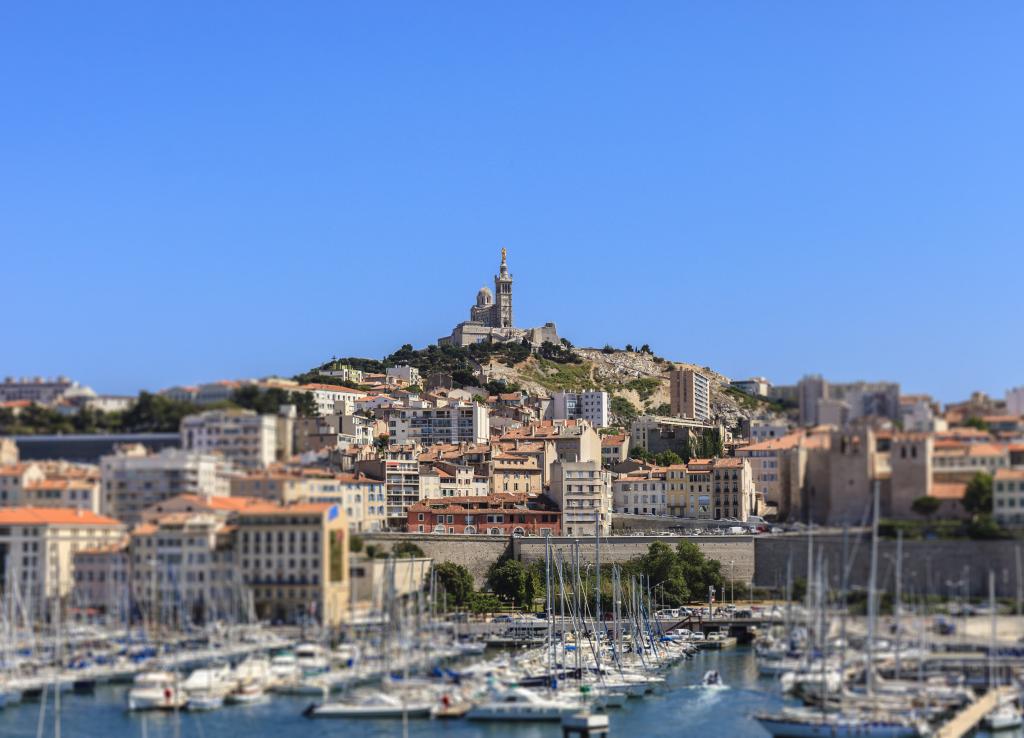
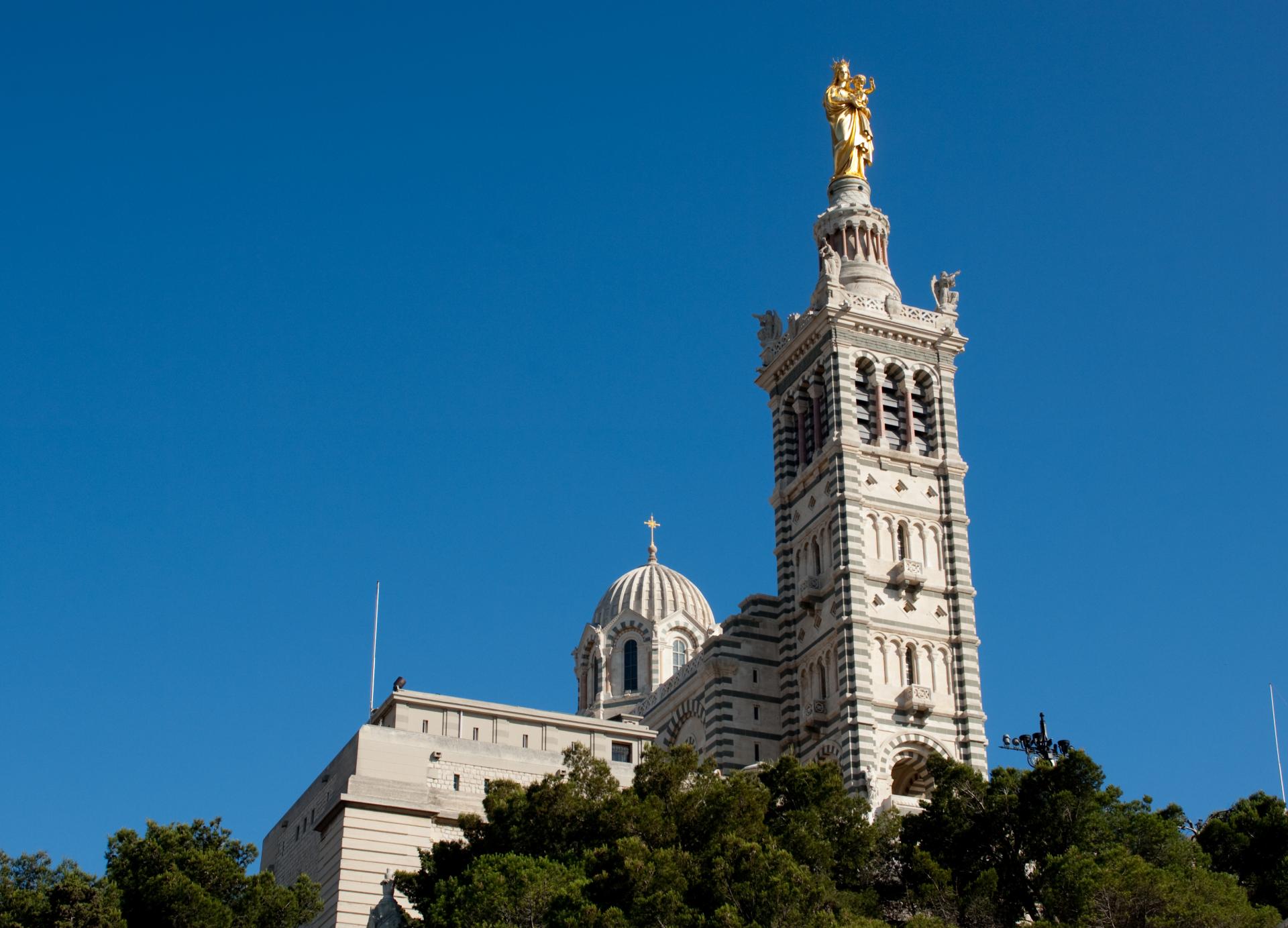
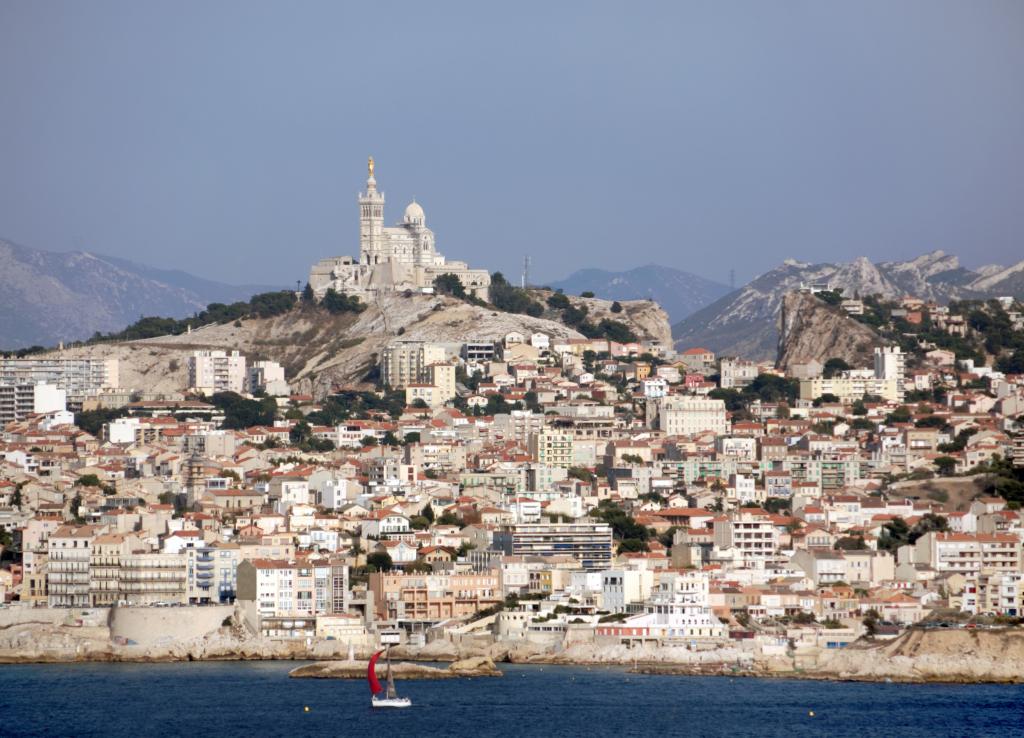
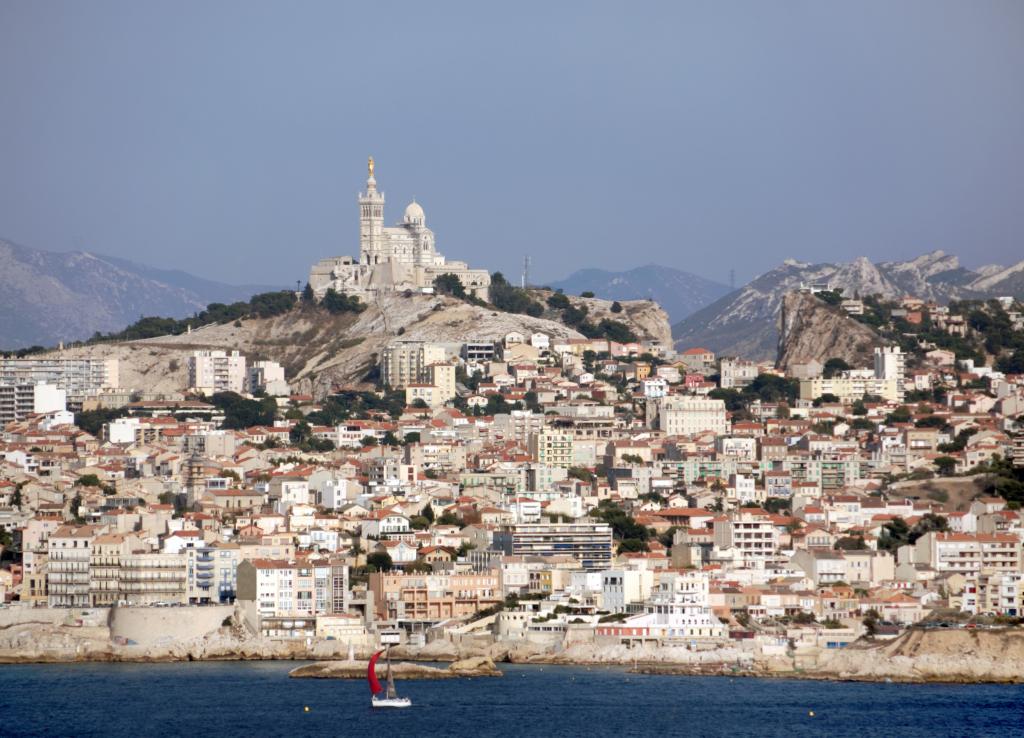
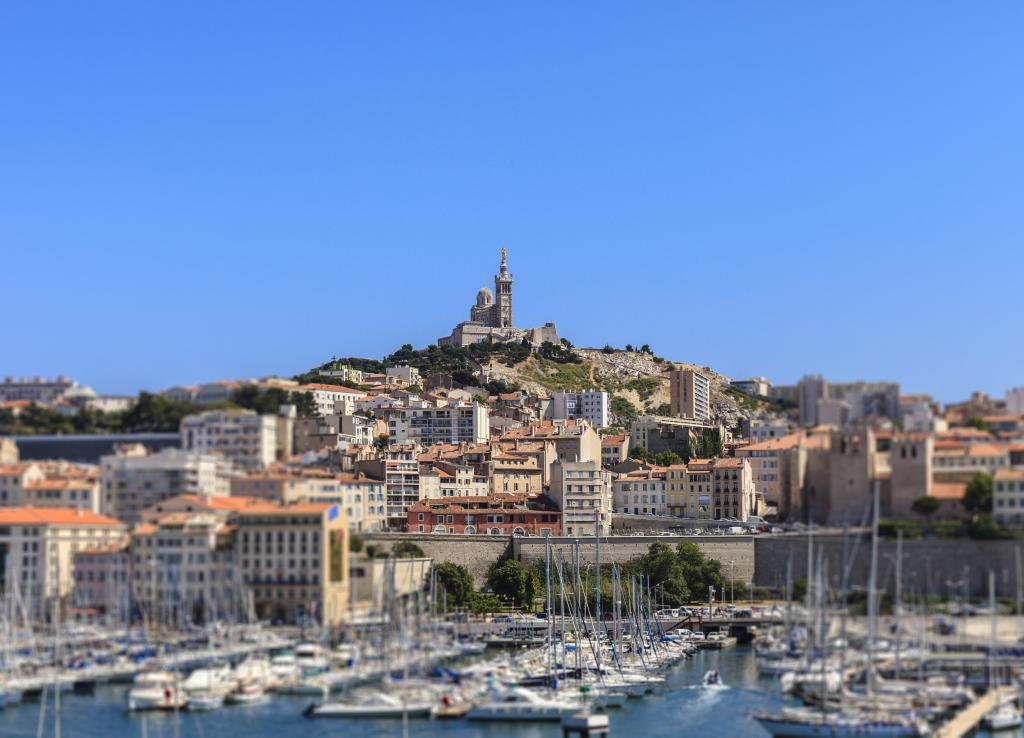
The Vieux-Port — the ancient harbour around which the city has always organised itself — remains the emotional and physical centre of Marseille. Fishing boats still arrive here at dawn to sell their catch on the quayside, just as they have for centuries. The surrounding waterfront is flanked by grand 19th-century facades on the south side and the stepped lanes of Le Panier — the oldest residential quarter in France — rising from the north. Above it all, the gilded statue of Notre-Dame de la Garde crowns a rocky summit visible from almost every point in the city, serving as both landmark and compass.
For the arriving cruise visitor, Marseille presents an immediate and appetising choice. The city itself — its markets, museums, waterfront, and streets — is absorbing enough to fill a day without difficulty. But Marseille is also the most practical gateway to a constellation of extraordinary Provence destinations: the elegant university town of Aix-en-Provence, the papal city of Avignon, the lavender-touched villages and hiking trails of the Luberon, the antique-filled canals of L'Isle-sur-la-Sorgue. Each one is within reach of a single day ashore, though choosing carefully is wise.
The city's culinary identity is as distinctive as its character. Bouillabaisse — the great Marseillais fish stew — is reason enough for some visitors to make the journey. The Noailles market district, buzzing with North African spice stalls, olive vendors, and patisseries from across the Mediterranean, offers a more democratic and equally compelling introduction to how Marseille eats. And everywhere, the pastis flows: that anise-scented aperitif, cloudy with water and ice, that has been the city's defining drink for well over a century.
Top things to do in Marseille on a cruise stopover
Marseille Food Tour: Flavours of France's Mediterranean Soul
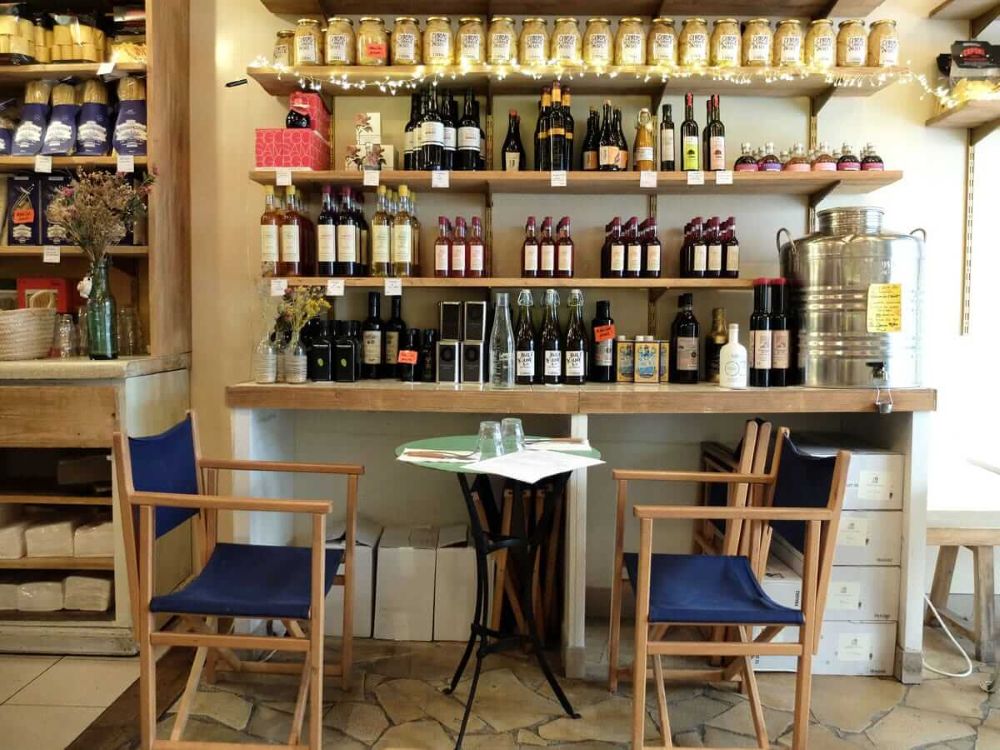
A guided food tour of Marseille is one of the most immersive ways to understand the city. Marseille's culinary identity is fierce and proudly its own — shaped by centuries of trade with North Africa, the Levant, and southern Europe. A market visit to the Noailles neighbourhood, known as the belly of Marseille, reveals stalls piled with olives, spices, charcuterie, and pastries from across the Mediterranean world. Along the way, you might taste panisse from a street vendor, navettes from the city's oldest bakery, and the bouillabaisse that has made Marseille famous. For food-curious travellers, this is the day's most rewarding use of a morning or afternoon.
Marseille City Tour: Vieux-Port, Notre-Dame & Le Panier
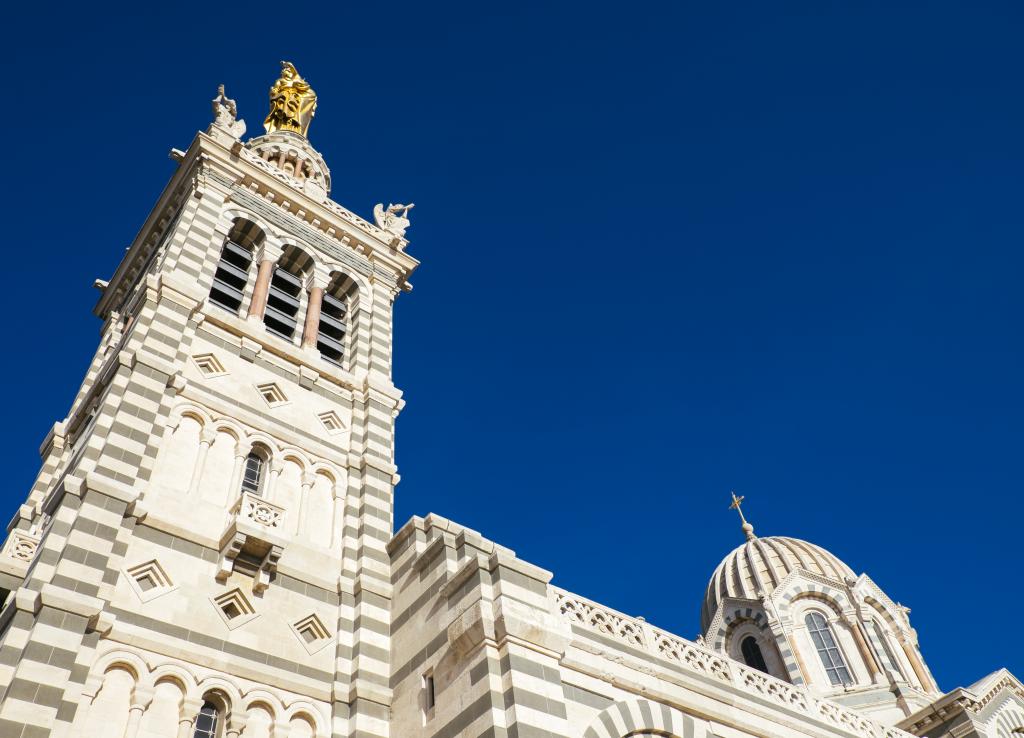
A guided city tour connects Marseille's most defining landmarks in a logical and unhurried sequence. The Vieux-Port — the ancient heart of the city, in continuous use as a harbour for 2,600 years — sets the scene: fishing boats still arrive here at dawn, and the surrounding cafes make it an ideal base for exploring on foot. Above the city, the Basilique Notre-Dame de la Garde crowns a rocky summit with gold-leaf mosaics, votive offerings from sailors, and panoramic views across the bay to the Calanques. In the old quarter of Le Panier, the city's oldest neighbourhood, narrow streets and pastel facades conceal artisan workshops, independent boutiques, and one of France's finest contemporary art museums at the MuCEM.
Day Trip to Aix-en-Provence
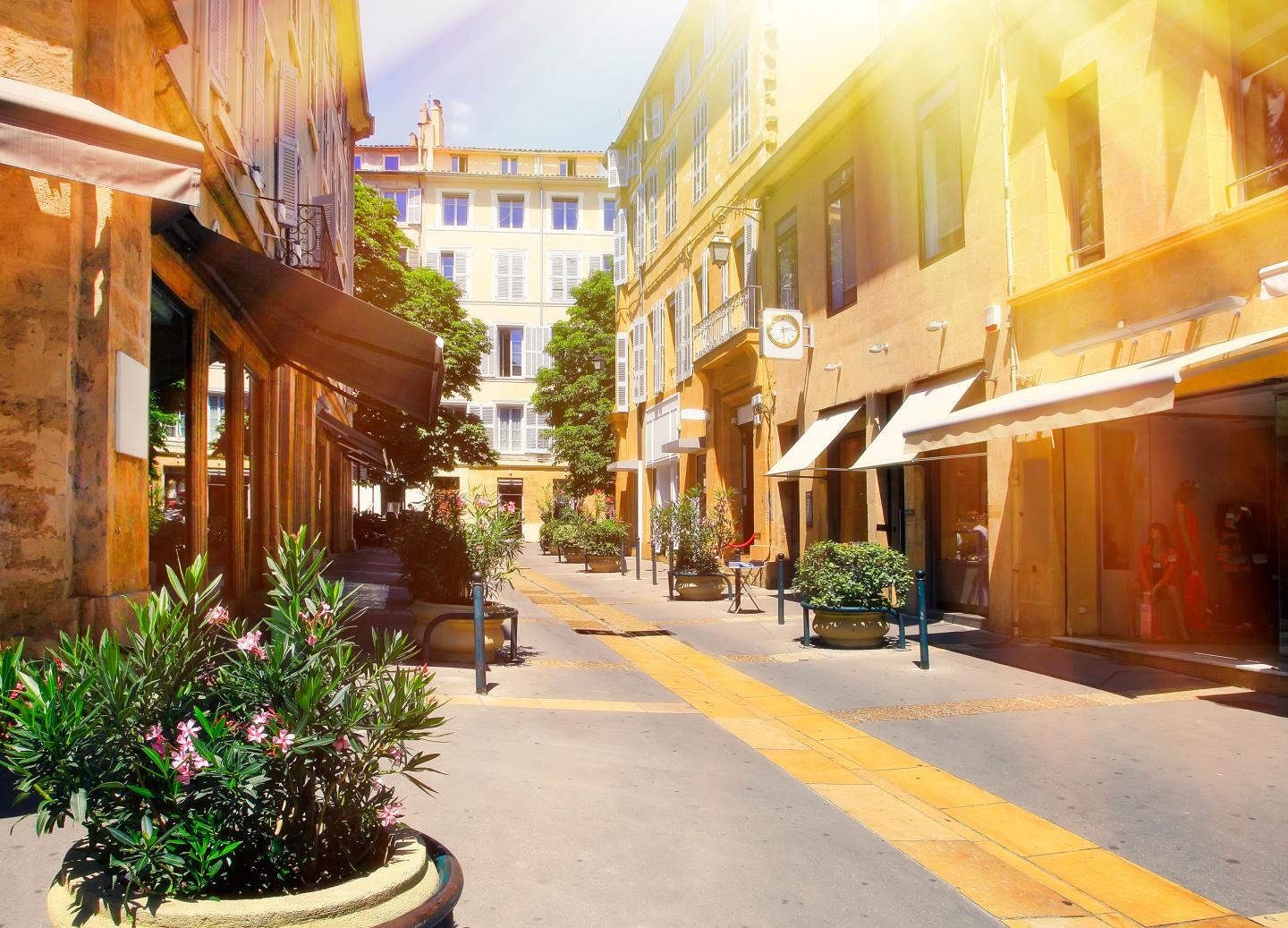
Aix-en-Provence is perhaps the most refined city in Provence — a university town of elegant 17th- and 18th-century hotels particuliers, tree-lined boulevards, and fountain-dotted squares that seem designed for long afternoons. The Cours Mirabeau, lined with plane trees and flanked by grand cafes, is one of the most celebrated streets in France. The weekly market fills the town with flowers, fresh produce, and artisan goods. Aix was the birthplace of Paul Cezanne, and the landscape he painted obsessively — limestone ridges, olive groves, terracotta rooftops — is visible in every direction. Close enough to Marseille for a morning departure with time to explore thoroughly before returning to port.
Hiking in the Luberon with Picnic Lunch
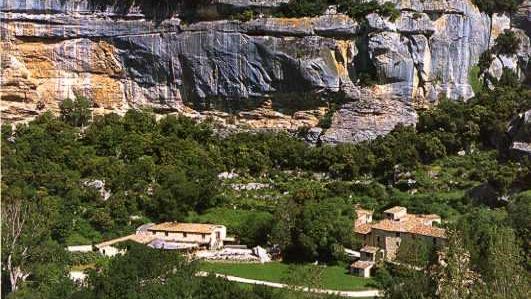
The Luberon massif, east of Avignon, is one of Provence's most protected and picturesque landscapes — a regional nature park of forested ridges, dry valleys, and perched villages that have changed little in centuries. Hiking here reveals the Provence that postcards only approximate: wild lavender in season, ancient dry-stone walls, soaring red kites overhead, and views across the Durance valley that extend without apparent limit. A guided hike with a picnic lunch in this landscape is an exceptional way to experience the natural and cultural heritage of Provence far from the tourist trail and the crowds of the coastal towns.
Antique Hunting at L'Isle-sur-la-Sorgue
L'Isle-sur-la-Sorgue is one of Europe's great antique destinations — a canal-threaded Provencal town whose reputation draws dealers and collectors from across the continent. The legendary Sunday market transforms the town into a sprawling open-air emporium of furniture, silver, vintage textiles, art, and curiosities from every era. On other days, the town's permanent antique galleries — around 300 of them — remain open for browsing. Beyond the antiques, L'Isle-sur-la-Sorgue is a genuinely beautiful place: the Sorgue river that surrounds it drives ancient waterwheels, and the streets are a pleasure to explore on foot between gallery visits.
Avignon & Chateauneuf-du-Pape Wine Tasting
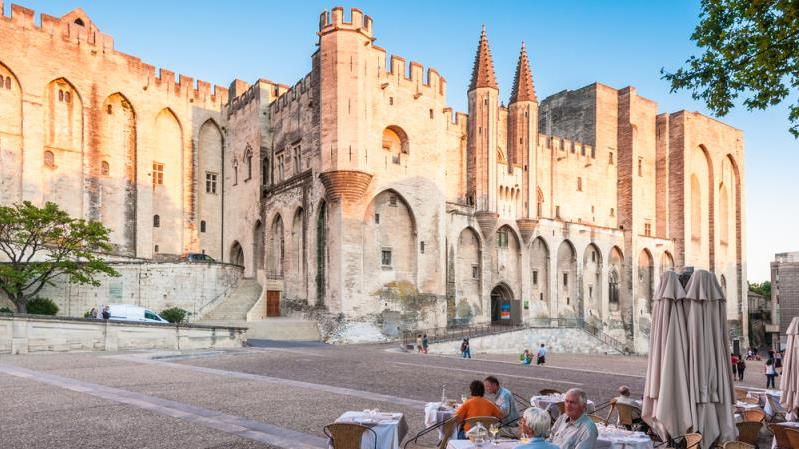
The walled city of Avignon, once the seat of the medieval papacy, is among the most dramatically beautiful in France. The Palais des Papes — the largest Gothic palace in the world — dominates the skyline and the imagination. The famous Pont d'Avignon, half-collapsed into the Rhone for four centuries, remains one of the most photographed structures in Provence. A short drive into the surrounding Rhone valley brings you to Chateauneuf-du-Pape, where thirteen grape varieties are blended in the shadow of a ruined papal chateau to produce some of the world's most celebrated red wines. Combining Avignon's history with a wine tasting in Chateauneuf-du-Pape makes for one of the richest possible days from Marseille.
Marseille travel tips
Bouillabaisse Deserves the Real Thing. Marseille's signature fish stew is one of the great dishes of French cuisine, but authentic bouillabaisse bears little resemblance to simplified versions found elsewhere. The genuine article is made to a charter specifying the fish varieties used: rascasse, grondin, saint-pierre, vive, and congre among them. It is served in two courses — broth first, then the fish — with rouille and grilled croutons. It is expensive and deeply satisfying. The Vieux-Port and the nearby Vallon des Auffes fishing village are the natural places to seek it out; look for restaurants displaying the official Bouillabaisse Charter.
The Calanques Require Careful Planning. The Calanques National Park — a series of dramatic limestone fjords between Marseille and Cassis — is one of the most spectacular natural landscapes in France. Access is restricted during summer (mid-June to mid-September) due to wildfire risk, and hiking permits may be required. Boat tours from the Vieux-Port offer outstanding views of the inlets from the sea and operate throughout the season. If visiting outside restricted periods, trail conditions and access rules should be verified in advance through the park's official information channels.
Arriving at Notre-Dame de la Garde Early Pays Off. The hilltop basilica of Notre-Dame de la Garde is Marseille's most visible symbol and its finest viewpoint. Climbing the hill — on foot or by the small tourist train — rewards visitors with panoramas stretching from the Calanques to the Frioul islands and, on clear days, well beyond. The interior is equally arresting, lined with centuries of votive offerings from sailors, soldiers, and travellers giving thanks for safe return. Arriving in the morning, before coach tour groups, gives you the views and the atmosphere without midday crowds.
Provence Distances Are Deceptive. On a map, destinations like Avignon, the Luberon, and L'Isle-sur-la-Sorgue appear close to Marseille. In practice, travel time between these sites adds up quickly — particularly on smaller departmental roads connecting hilltowns and villages. Factor at least 90 minutes from Marseille to destinations in the northern Luberon or Avignon, and plan accordingly. Choosing one destination and exploring it thoroughly is almost always more rewarding than attempting to rush between several in a single day.
French Dining Customs Differ from Home. French restaurants, even casual ones, operate on a schedule: lunch service runs roughly noon to 2pm, and dinner from 7:30pm onwards. Between these windows, many kitchens close. Asking for a meal outside these hours in a traditional restaurant will often be met with polite refusal. Brasseries and cafes are more flexible. The bill will not be brought until you ask for it — this is a courtesy, not inattention. Water is provided free upon request (une carafe d'eau, s'il vous plait).
The Noailles Market is Marseille at its Most Authentic. Just behind the Canebiere, Marseille's main boulevard, the Noailles neighbourhood is the city's most diverse and vibrant market district. Stalls sell North African spices, fresh herbs, pastries, olives in a dozen varieties, and produce from across the Mediterranean. It is a working market, not a tourist attraction — and the more fascinating for it. Go in the morning when stalls are fully stocked and the neighbourhood is at its most alive. The surrounding streets contain some of the city's best small restaurants and bakeries.
Port Facts Every Cruiser Needs To Know
Marseille shore excursion FAQs
Yes. Marseille has a reputation that often precedes it, but the areas most relevant to cruise visitors — the Vieux-Port, Le Panier, the Corniche, and the major museums — are busy, well-frequented, and safe for tourists exercising normal urban awareness. As with any large city, stay alert in crowded areas and keep valuables secure. The city has invested significantly in its waterfront and cultural infrastructure over the past decade and receives millions of visitors annually.
The Marseille Cruise Terminal (La Joliette) is approximately 2 kilometres from the Vieux-Port. A free shuttle bus often operates between the terminal and a drop-off point near the port; check with your cruise line whether this is provided for your sailing. Alternatively, the Joliette metro station is a short walk from the terminal and connects directly to the city centre in a few minutes.
Bouillabaisse is Marseille's most iconic dish — a rich, saffron-scented fish stew originating with local fishermen who cooked unsold catch in sea water. Today it is made to a formal charter specifying the varieties of fish used and the method of service: broth first, then the fish, with rouille (a garlicky saffron mayonnaise) and grilled croutons. Authentic bouillabaisse is expensive — expect to pay well for the real thing — but for food lovers it represents one of the most memorable meals in France.
Yes, with some planning. Aix-en-Provence is around 30 kilometres from Marseille, approximately 30-40 minutes by road. A morning departure gives you time to explore Aix thoroughly before returning to Marseille for a late lunch along the Vieux-Port or a walk through Le Panier before returning to the ship. It is a manageable combination, though it requires some discipline with time.
The Vieux-Port (Old Port) is the ancient heart of Marseille — a natural harbour in continuous use since the city was founded by Greek settlers around 600 BC. Today it remains a working fishing harbour surrounded by cafes, restaurants, and daily markets, with ferries departing for the Frioul islands. The surrounding waterfront is the social and geographic centre of the city, and the natural starting point for any exploration of Marseille on foot.
The Calanques are a series of dramatic limestone inlets — steep-sided fjords carved into the coast between Marseille and Cassis — forming one of France's most spectacular national parks. In summer, hiking access is restricted due to wildfire risk. Boat tours from the Vieux-Port offer excellent views of the Calanques from the sea and run throughout the season. The experience is exceptional from the water and fits comfortably within a day ashore.
Not fluently, but some effort is appreciated. In tourist areas, major museums, and waterfront restaurants, basic English is widely understood. Attempting even a few words in French — bonjour, merci, s'il vous plait — is culturally important and generally received warmly. In markets, smaller restaurants, and away from the main tourist routes, French becomes more necessary; a translation app on your phone is a practical backup.
L'Isle-sur-la-Sorgue is a canal-surrounded Provencal town in the Vaucluse department, approximately 80 kilometres northeast of Marseille. It is internationally known as one of Europe's premier antique markets — around 300 dealers operate permanent galleries in the town, and the Sunday market transforms it into one of the largest open-air antique fairs in France. Beyond antiques, the town is beautiful in its own right, with the clear Sorgue river driving ancient waterwheels and the streets offering excellent cafes and independent shops.
Avignon is approximately 100 kilometres northwest of Marseille, a journey of around 60-75 minutes by road. The city is home to the Palais des Papes, the Pont Saint-Bénézet, and a beautifully preserved medieval walled centre. Combined with a visit to the Chateauneuf-du-Pape wine region nearby, Avignon makes for an exceptionally rich day excursion — though allowing adequate return time to Marseille is essential when planning your day.
Extremely so. The MuCEM (Museum of European and Mediterranean Civilisations) on the waterfront is one of France's most important cultural institutions, housed in a striking contemporary building connected by a footbridge to a 17th-century fort. The Musee des Beaux-Arts, Musee Cantini, and the archaeology collections at the Musee d'Histoire de Marseille are all within the city centre. Marseille was European Capital of Culture in 2013, a designation that catalysed major investment in the city's cultural infrastructure.
Filters
Select a filter to refine results.
Tour Type
Tour Activity
 Cart
Cart
 USD
USD GBP
GBP AUD
AUD EUR
EUR CAD
CAD