



Tours in Nafplion


Cruising to Nafplion in a group?
Skip the crowded ship excursion bus. One dedicated planner will design a private shore experience around exactly what your group wants — coordinated from first enquiry to the moment you're back on board. More memorable, more flexible, and more affordable than you might expect. Spend less time organising, more time enjoying.
Explore Group Travel →Cruising to Nafplion
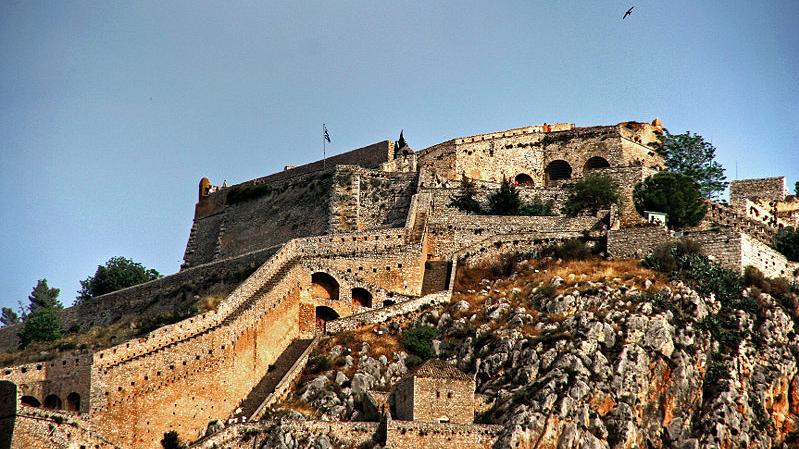
To arrive in Nafplion by sea is to understand immediately why this small Peloponnesian town captured the hearts of the liberators who made it Greece's first modern capital. Its harbour is one of the most handsome in the entire country — a crescent of elegant Venetian and neoclassical buildings gathered beneath the extraordinary bulk of the Palamidi Fortress, which soars 216 metres above the waterline, its ochre ramparts catching the morning light like the crown of a fallen empire. Cruise passengers step ashore directly onto the Old Town waterfront, and the effect is immediate: this is a place of rare and layered beauty.
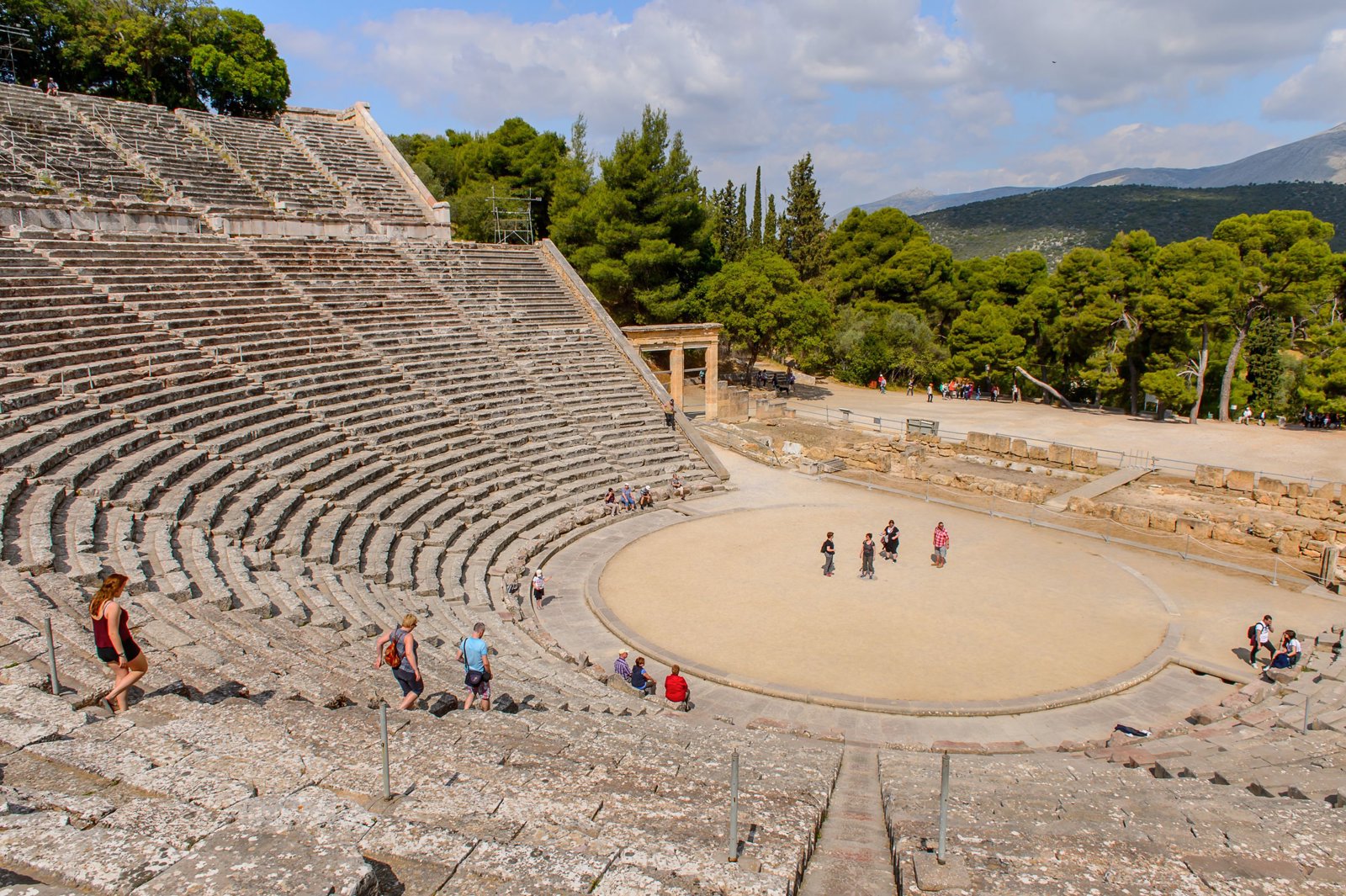
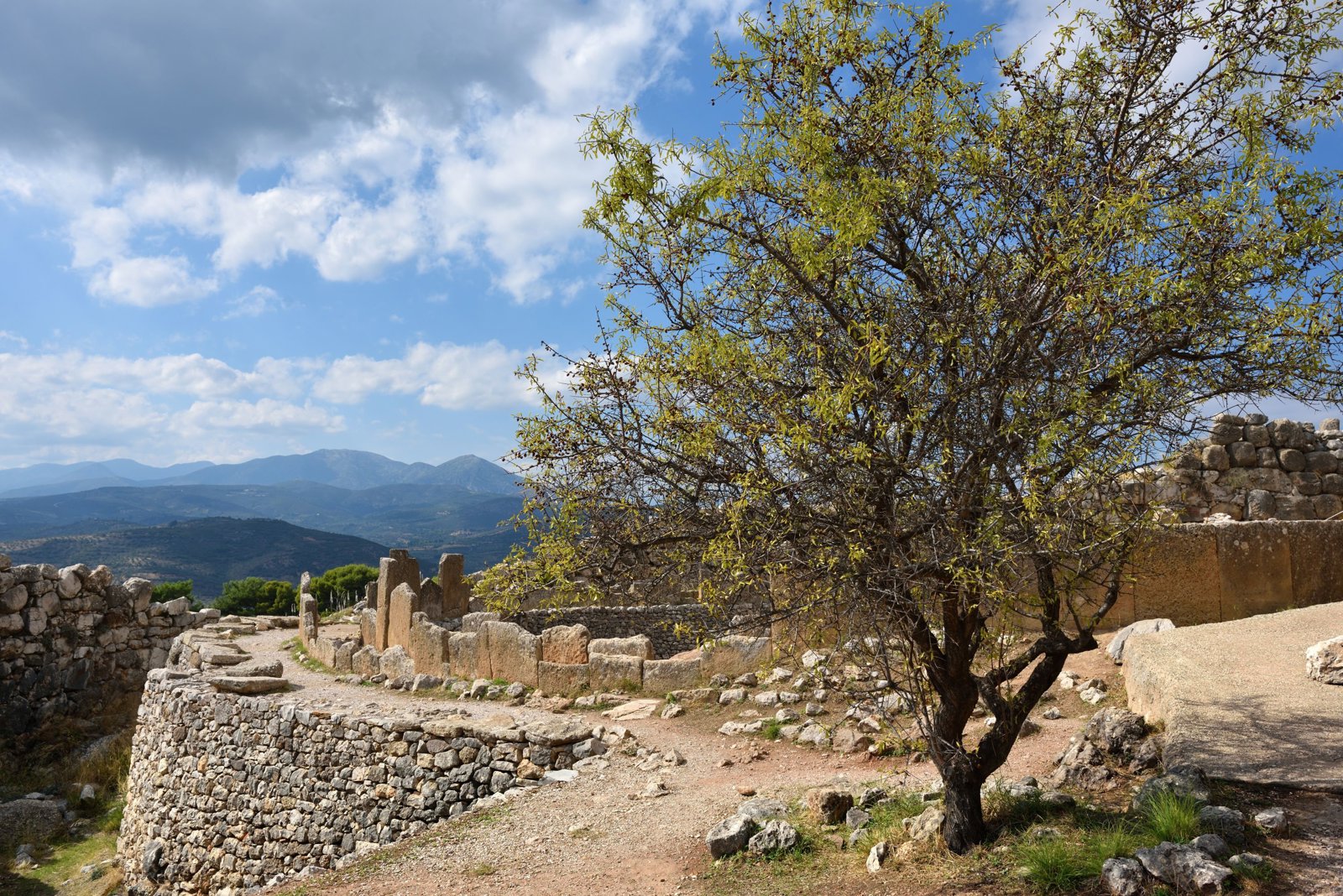
The Argolid plain stretching inland from Nafplion is among the most archaeologically rich landscapes on earth. Within an hour's drive lie two of antiquity's most extraordinary achievements: the citadel of Mycenae, where the Bronze Age world reached its apogee and the myths of Homer took their grandest shape, and the ancient theatre of Epidaurus, whose 4th-century BC design remains, after more than two millennia, the finest acoustic marvel ever built. To stand at the Lion Gate at Mycenae, or to drop a coin at the orchestra floor of Epidaurus and hear it ring clearly through 55 tiers of ancient stone, is to feel the weight of history in the most visceral possible way.
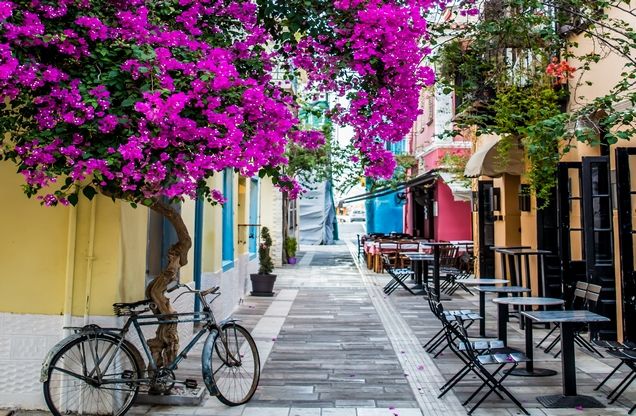
Nafplion itself, however, needs no ancient satellites to justify the visit. Its Old Town is a pleasure to explore at any pace — cobbled lanes threading between pastel-painted mansions and centuries-old churches, the main square of Syntagma anchored by one of the finest regional archaeological museums in Greece, the harbour promenade stretching in both directions toward the Bourtzi island castle and the cliffs of the Acronauplia. The Venetian legacy is written into every carved Lion of Saint Mark above a fortress gate, every graceful arch spanning an alleyway, every corner of a town that history has shaped and time has treated kindly.
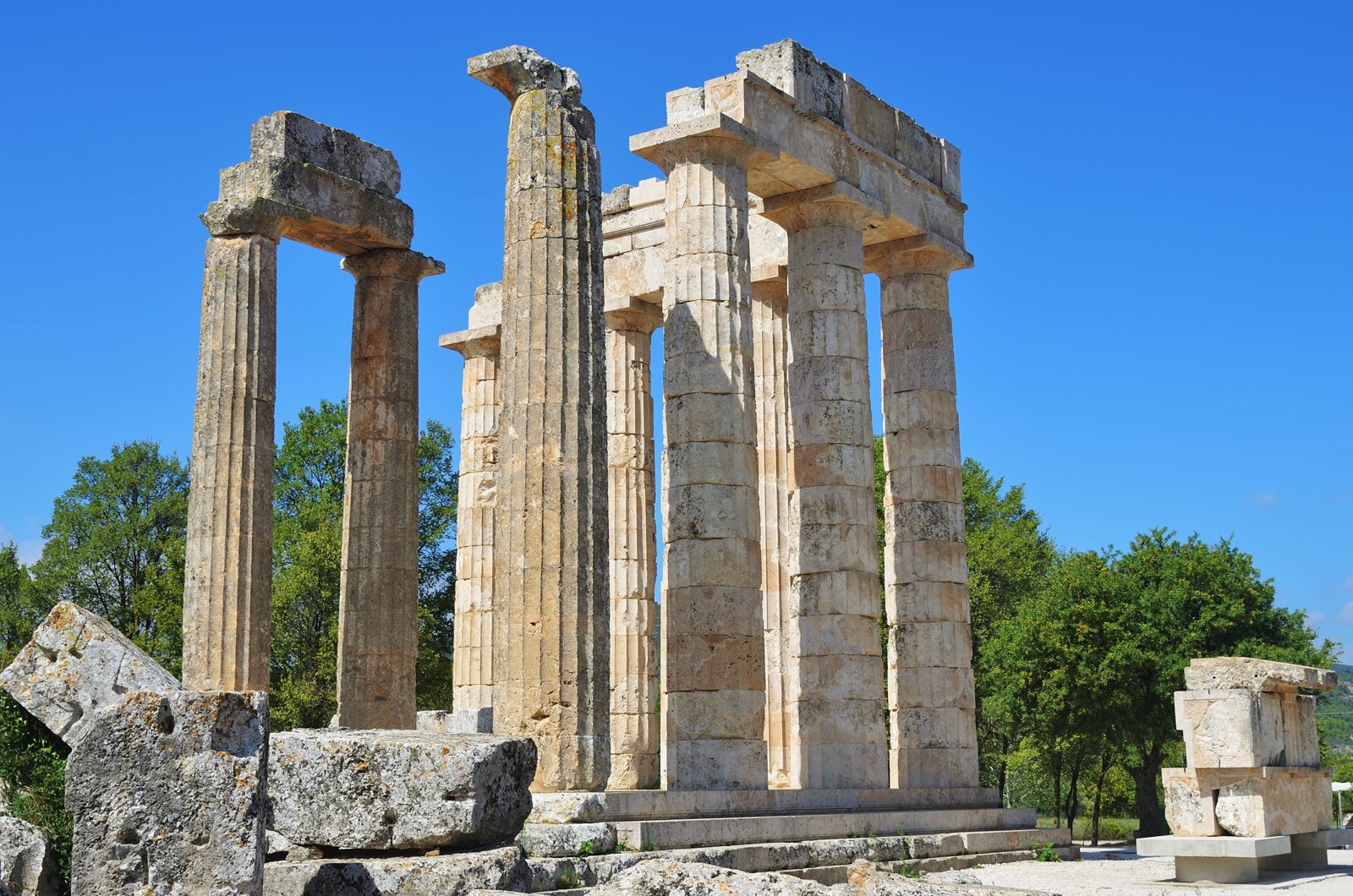
The region's culinary identity is as distinctive as its landscape. The Argolid is one of Greece's most productive agricultural territories — its olive oil among the finest in the country, its fresh produce a reflection of a landscape still farmed with care. The nearby Nemea wine region, home to the celebrated Agiorgitiko grape, produces reds of genuine distinction. For cruise passengers who want to understand Greece beyond its most famous monuments, Nafplion and its surrounding countryside offer a complete and deeply rewarding portrait of a civilisation that built the ancient world and continues to live, eat, and pour wine with magnificent confidence.
Top things to do in Nafplion on a cruise stopover
The Ancient Theatre of Epidaurus: A Marvel of the Ancient World
Regarded as the best-preserved ancient theatre in the world, the theatre at Epidaurus is a site of breathtaking scale and extraordinary acoustic genius. Built in the 4th century BC as part of the sanctuary of Asclepius — the Greek god of medicine — it seated up to 14,000 spectators and remains in use today for summer festival performances. Its most remarkable feature is its acoustics: even a whisper delivered from the centre of the circular orchestra can be heard clearly in the uppermost rows. A visit here is one of those rare travel experiences that connects you viscerally with the ancient world, not just intellectually. The surrounding sanctuary, with its ruins of temples, baths, and dormitories, adds rich context to the spectacle of the theatre itself.
Mycenae: Citadel of Agamemnon and the Bronze Age World
Perched on a commanding ridge above the Argive plain, the citadel of Mycenae is one of the most atmospheric ancient sites in Europe. This was the kingdom of Agamemnon, the dominant power of the Bronze Age Aegean, whose memory echoes through Homer's Iliad and Odyssey. The famous Lion Gate — Europe's oldest surviving monumental sculpture — marks the entrance to a citadel whose massive Cyclopean walls still defy easy explanation. Within lie the royal grave circles, where Heinrich Schliemann unearthed the legendary gold death masks, now displayed in Athens. The Treasury of Atreus, a corbelled stone tholos tomb of extraordinary engineering, stands nearby. Guided visits bring the mythology and history of this UNESCO World Heritage Site to compelling life.
Nafplion's Old Town, Palamidi Fortress, and Venetian Harbour
Nafplion itself is a destination of rare beauty — a Venetian-era town of elegant neoclassical buildings, pastel-painted mansions, and cobbled lanes climbing toward one of Greece's most dramatic fortresses. The Palamidi, soaring 216 metres above the harbour, was built by the Venetians in the early 18th century and offers panoramic views across the Argolic Gulf to the surrounding mountains. Below it, the Old Town's streets are lined with independent boutiques, traditional cafés, and small museums. The Archaeological Museum on Syntagma Square holds one of the finest regional collections in Greece, including a rare complete bronze Mycenaean armour. The harbour promenade at dusk, with the floodlit fortress reflected in the calm gulf waters, is among the most lovely scenes in the entire Peloponnese.
Greek Culinary Traditions: Food, Wine, and Liquid Gold Olive Oil
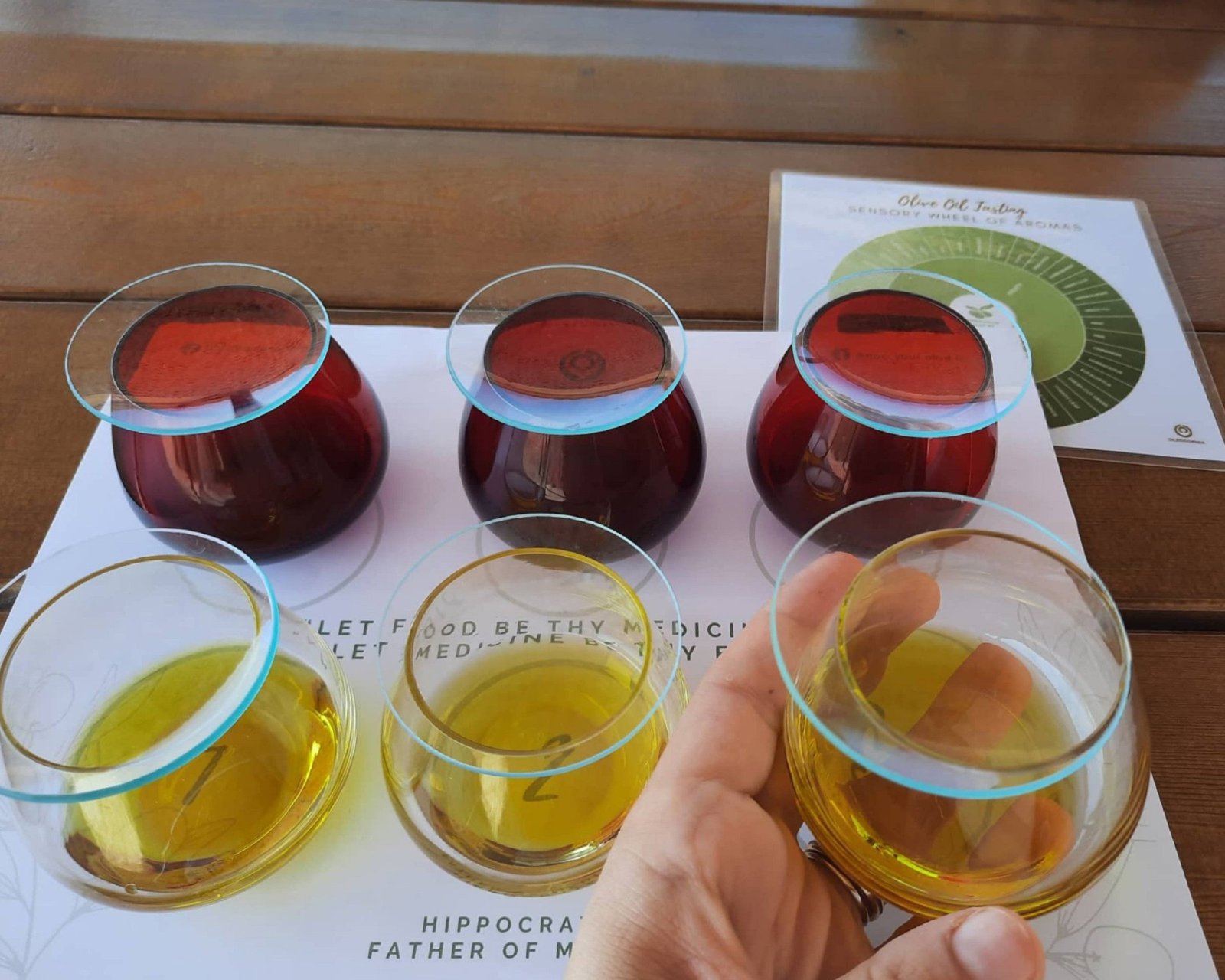
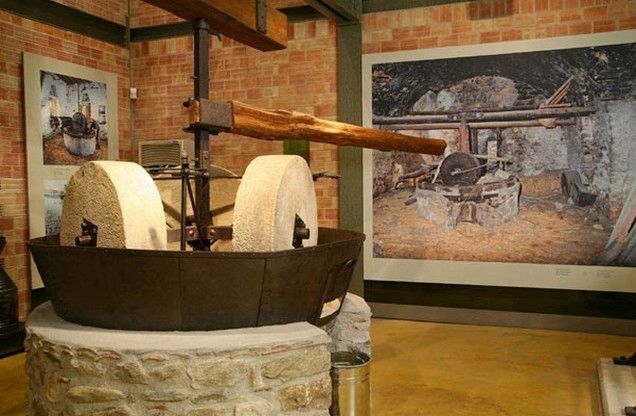
The Argolid region surrounding Nafplion is one of Greece's most productive agricultural landscapes, and its culinary traditions reflect this abundance. Walking food tours through the Old Town introduce guests to the region's finest flavours — local cheeses, cured olives, herb-infused olive oils, and the street food and sweets of a town that takes its table seriously. Wine tastings in this part of Greece focus on the exceptional Agiorgitiko grape of nearby Nemea, whose deep, structured red wines have earned an international following. The region's olive oil, cold-pressed from ancient groves, is among the most prized in the country. Guided culinary experiences and wine-focused excursions tie these threads together into a genuinely memorable afternoon.
Ancient Corinth and the Golden Routes of Argolis
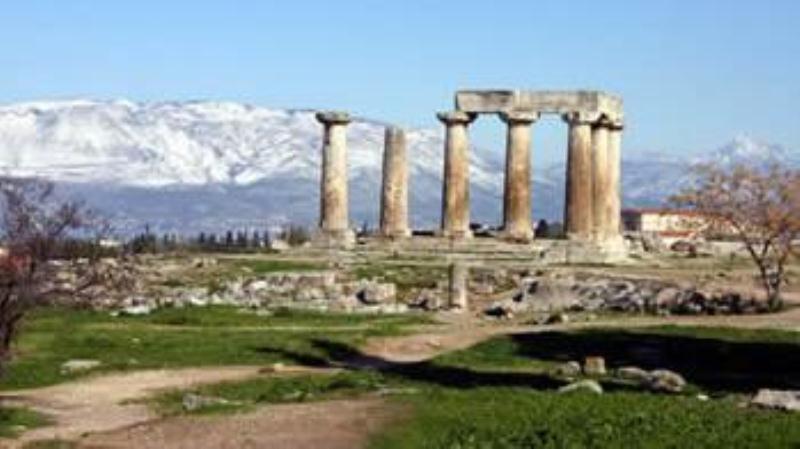
For those with an appetite for the wider region, the Argolid offers excursions that venture beyond Nafplion into some of the most historically layered landscapes in Greece. Ancient Corinth — once the richest city in the ancient Mediterranean world — sits at the base of its extraordinary Acrocorinth citadel, its remaining Temple of Apollo one of the oldest standing in Greece. Combined itineraries through the golden routes of the Argolid weave through ancient sites, working olive groves, and traditional villages, offering a panoramic introduction to a region that witnessed the rise and fall of some of antiquity's most powerful civilisations. These longer excursions suit guests keen to make the most of a full day in the Peloponnese.
The Legend of Lerna: In the Footsteps of Hercules
South of Nafplion lies the ancient site of Lerna — a place whose significance far exceeds its modest profile among modern visitors. In Greek mythology, it was here that Hercules faced the Lernaean Hydra, the multi-headed monster of the second of his twelve labours. Archaeologically, Lerna is one of the most important prehistoric sites in Europe: the House of the Tiles, dating to around 2500 BC, is among the oldest large-scale administrative buildings known to archaeology. Treks to Lerna follow a route steeped in legend and genuine prehistory, connecting the mythological landscape of the Peloponnese with its earliest civilisations. For the curious traveller, it offers a rare encounter with a site almost entirely off the mainstream tourist circuit.
Nafplion travel tips
Visit Open-Air Sites Before Midday. Both Mycenae and Epidaurus are largely unshaded archaeological sites, and summer temperatures in the Argolid can exceed 35°C (95°F) by early afternoon. Morning visits are dramatically more comfortable and rewarding — the light is also better for photography in the early hours. If your ship arrives early, prioritise getting to the sites first and spend the warmer afternoon hours in Nafplion's shaded Old Town cafés and museums.
Wear the Right Footwear for Nafplion's Cobblestones. Nafplion's Old Town is paved with smooth stone cobblestones that become slippery when worn. The lanes climbing toward Palamidi Fortress involve steep steps and uneven surfaces. Sturdy flat-soled shoes or walking sandals with grip are strongly recommended for a comfortable day ashore. High heels and smooth-soled footwear are genuinely hazardous on the older paved sections of town.
Carry Water and Sun Protection Everywhere. At open-air sites like Mycenae and Epidaurus, shade is minimal and the sun in high summer is intense. A refillable water bottle, high-SPF sunscreen, and a broad-brimmed hat are non-negotiable essentials — not optional accessories. The sites have small cafés where water can be purchased, but prices are higher than in town. Fill up before you leave Nafplion.
Syntagma Square is the Ideal Starting Point. Nafplion's Syntagma Square — the main piazza of the Old Town — is the natural heart of the town and an excellent starting point for exploration. It is flanked by neoclassical buildings, outdoor cafés, and the Nafplion Archaeological Museum, which houses one of the finest regional collections in Greece. From the square, the main shopping and restaurant street (Vasileos Konstantinou) leads further into the Old Town, while the waterfront promenade stretches in both directions along the harbour.
The Acoustics of Epidaurus Must Be Experienced in Person. The ancient theatre at Epidaurus is famous worldwide for its extraordinary acoustic design — a feat of ancient engineering that has never been fully explained. Even a coin dropped at the centre of the circular orchestra is audible in the highest rows, some 55 tiers above. This is something that must be experienced in person to fully appreciate. If you visit with a guide, ask for a demonstration — hearing a voice carry clearly across 14,000 seats of ancient stone is one of the most memorable moments Greece has to offer any visitor.
Nafplion's Venetian History is Written in Stone. Nafplion was under Venetian rule during two significant periods (1388–1540 and 1686–1715), and the city's Venetian legacy is evident throughout the Old Town. Look for the Lion of Saint Mark — the Venetian emblem — carved above doorways and fortress gates across the city. The elegant architecture of the Bourtzi island castle in the harbour, the Palamidi Fortress above, and the Acronauplia promontory all reflect distinct layers of Venetian, Ottoman, and Greek historical influence. Understanding this layered past adds enormous depth to a walk through the town.
Port Facts Every Cruiser Needs To Know
Nafplion shore excursion FAQs
Most cruise ships that call at Nafplion are able to dock directly at the town's harbour pier, placing passengers within easy walking distance of the Old Town and waterfront. No tender service is required for most vessels. The pier is conveniently located at the base of the Acronauplia promontory, steps from the beginning of the harbour promenade and the entrance to the historic town. Guests should confirm docking arrangements with their cruise line, as procedures may vary by ship size.
Yes — Nafplion's Old Town is one of the most walkable in Greece for cruise passengers. The pier delivers guests directly to the town waterfront, from which Syntagma Square, the main shopping and restaurant streets, and the Nafplion Archaeological Museum are all reachable on foot within minutes. The terrain in the lower Old Town is relatively level, though the lanes climbing toward Palamidi Fortress involve steep steps and uneven cobblestones. Comfortable, flat-soled footwear is recommended.
Combining both Mycenae and Epidaurus in a single day is theoretically possible but requires careful time management and compromises at both sites. Each site merits at least two hours of exploration, and the drive from Nafplion to Mycenae takes approximately 30 minutes, while Epidaurus is around 45 minutes away in a different direction. Most guests find it more satisfying to focus on one major site and complement it with time in Nafplion itself. Guided excursions that attempt both are available but tend to be rushed.
The Palamidi is a magnificent Venetian-era fortress that dominates the skyline of Nafplion from its perch 216 metres above the harbour. Built between 1711 and 1714, it is one of the finest examples of Venetian military architecture in Greece. The fortress is accessible on foot via a famous staircase of 999 steps (the actual count varies depending on who is doing the counting), or by road. From the ramparts, the views across the Argolic Gulf, the surrounding mountains, and the town below are extraordinary. It is absolutely worth visiting for anyone reasonably mobile.
Mycenae is approximately 28 km from Nafplion — a drive of around 30 minutes under normal conditions. At the site itself, a thorough visit takes a minimum of 90 minutes to two hours, covering the Lion Gate, the royal grave circles, the Treasury of Atreus, and the citadel's upper reaches. The nearby small museum is worth at least 30 minutes. In total, allow three to four hours including travel time for a satisfying visit to Mycenae from the ship.
The theatre at Epidaurus, built in the 4th century BC, is celebrated as the best-preserved ancient theatre in the world and is famed above all for its remarkable acoustics. The circular design, combined with precise stone construction, allows sounds generated at the centre of the orchestra to be heard clearly in all 55 rows — including the uppermost seats. Architects and acousticians have studied the theatre for decades without fully replicating its performance. It is a UNESCO World Heritage Site and remains in active use for the annual Athens Epidaurus Festival of ancient drama each summer.
The lower areas of Nafplion's Old Town — including the waterfront promenade, Syntagma Square, and the main shopping streets — are largely accessible on flat terrain, though some cobblestone surfaces can be uneven. The Palamidi Fortress requires climbing many steep steps and is not accessible for guests with significant mobility limitations. The archaeological sites of Mycenae and Epidaurus involve walking over rough, uneven ground across considerable distances. Guests with specific mobility requirements should discuss options with their tour operator before departure.
The Argolid is one of Greece's richest agricultural regions, producing exceptional olive oil, olives, fresh vegetables, and citrus fruits. The local cuisine is rooted in slow cooking — braised meats, fresh herbs, and the produce of the land. The nearby Nemea wine region, a short drive west of Nafplion, is home to the Agiorgitiko grape, which produces deeply coloured, full-bodied red wines increasingly recognised on the international stage. Walking food tours in Nafplion's Old Town and dedicated wine excursions into the Argolid countryside allow cruise guests to explore these traditions directly, often with visits to family-run producers.
Nafplion holds a uniquely important place in modern Greek history: it served as the first capital of independent Greece following the War of Independence, from 1823 to 1834, before the capital was moved to Athens. It was here that Ioannis Kapodistrias, Greece's first modern governor, was assassinated on the steps of the church of Agios Spyridon in 1831 — a bullet hole in the church wall is still visible today. The town's architecture reflects successive layers of Venetian, Ottoman, and neoclassical Greek influence, all compressed into a small and extraordinarily picturesque Old Town.
Yes — the Nemea wine region lies approximately 40 km northwest of Nafplion and is one of the most rewarding wine destinations in Greece. It is the home of the Agiorgitiko (St. George) grape, which produces wines ranging from soft and approachable rosés to powerful, age-worthy reds. Excursions combining visits to ancient sites with wine tastings at local estates offer a particularly satisfying blend of cultural and sensory discovery. Tastings in and around Nafplion itself — at wine bars and restaurants specialising in regional varieties — provide an accessible introduction for guests who prefer to stay closer to the port.
Filters
Select a filter to refine results.
Tour Type
Tour Activity
 Cart
Cart
 USD
USD GBP
GBP AUD
AUD EUR
EUR CAD
CAD