



Tours in Stockholm (Nynashamn)


Cruising to Stockholm (Nynashamn) in a group?
Skip the crowded ship excursion bus. One dedicated planner will design a private shore experience around exactly what your group wants — coordinated from first enquiry to the moment you're back on board. More memorable, more flexible, and more affordable than you might expect. Spend less time organising, more time enjoying.
Explore Group Travel →Cruising to Stockholm (Nynashamn)
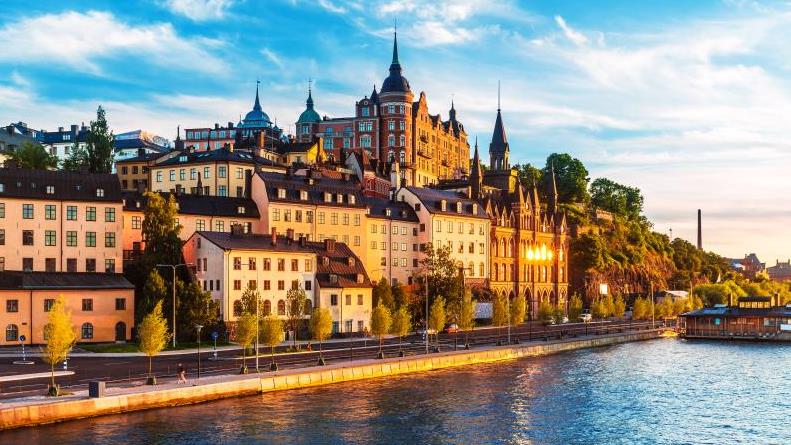
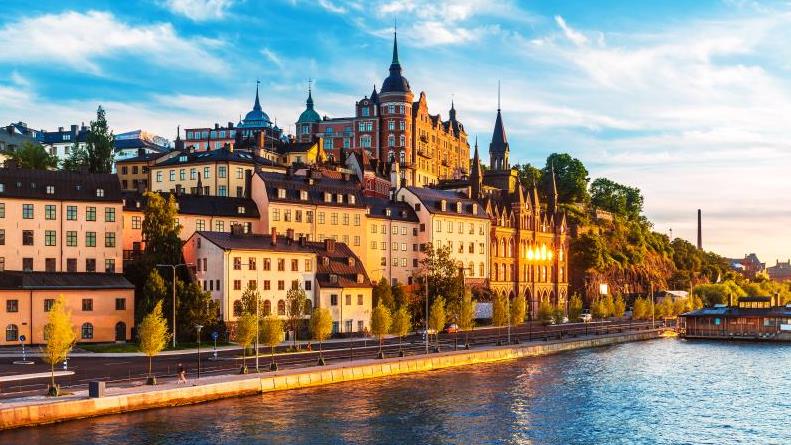
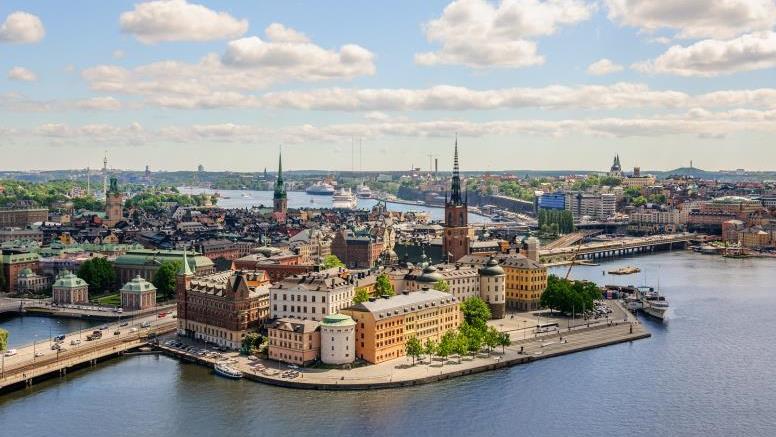
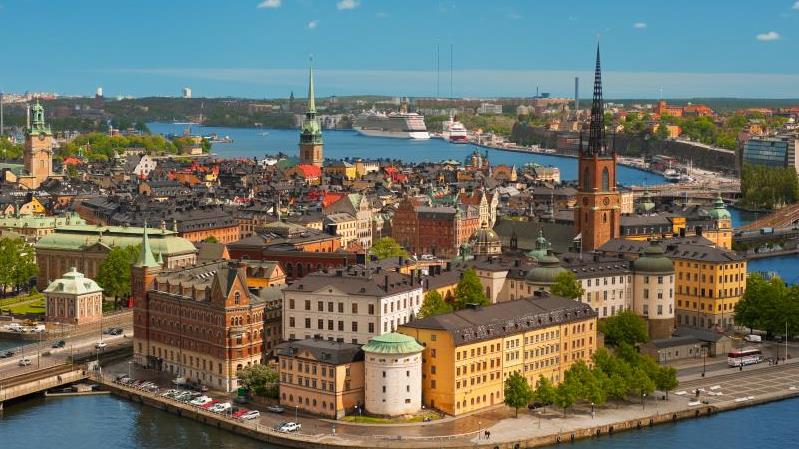
Stockholm stretches across fourteen islands where Lake Mälaren flows into the Baltic Sea, creating a capital city of extraordinary watery beauty. Graceful bridges connect a patchwork of islands lined with colourful buildings, palace gardens and museum-laden waterfronts — a place where urban sophistication coexists with quiet neighbourhood charm. Few European capitals wear their geography so elegantly, and the result is a city that feels at once dramatic from a distance and intimate at street level.
Cruise ships calling at Stockholm use the port of Nynashamn, a small coastal town roughly 58 kilometres south of the capital. The port infrastructure is straightforward and onward connections to central Stockholm are well-established, making the journey manageable even for first-time visitors to Scandinavia. The commuter train that links Nynashamn to Stockholm Central Station runs regularly and deposits passengers in the heart of the city in around 55 minutes.
Stockholm's medieval core — Gamla Stan, the Old Town — is the natural starting point for any visit. Cobblestone lanes thread between amber and ochre buildings, drawing visitors past the Royal Palace, the Nobel Museum and centuries-old churches whose interiors shelter genuine artistic treasures. Just across the water on the island of Djurgården, the Vasa Museum houses the only intact 17th-century warship ever salvaged, a feat of maritime preservation that consistently ranks among Europe's most visited attractions and never fails to astonish.
Beyond the obvious icons, Stockholm rewards those who venture further. The city carries one of northern Europe's more layered cultural histories — its Jewish community traces roots back to the 18th century and left an indelible mark on Swedish intellectual and commercial life. The Stockholm Ice Bar, an institution crafted entirely from Arctic ice, offers a memorably Nordic counterpoint to the city's more conventional pleasures. This is a capital generous enough to absorb an entire day's curiosity and still leave you wanting more.
Top things to do in Stockholm (Nynashamn) on a cruise stopover
Gamla Stan: Stockholm's Living Medieval Heart
Gamla Stan — the Old Town — occupies a small island between the modern city and the royal waterfront, and it remains one of northern Europe's best-preserved medieval urban cores. The main artery, Stortorget square, is surrounded by painted merchant houses dating to the 16th and 17th centuries and backed by the Nobel Museum, which chronicles the prize's extraordinary history. Narrow lanes leading off the square pass churches, cellar restaurants, artisan shops and the occasional surprise courtyard. The Royal Palace sits at the island's northern tip, still functioning as Sweden's official royal residence and offering a series of museum apartments and the Royal Treasury. Walking Gamla Stan without a plan is actually the ideal strategy — the island is small enough that getting lost simply means discovering something unexpected around the next corner.
The Vasa Museum: A Warship Frozen in Time
The Vasa Museum houses one of the world's most remarkable objects: a fully intact Swedish warship that sank on its maiden voyage in 1628 and lay preserved in Stockholm's cold, brackish harbour for over three centuries before being raised in 1961. The ship itself — ornately carved, painted and perfectly preserved — occupies the central hall of a purpose-built museum on Djurgården island, flanked by exhibits that tell the story of its construction, its catastrophic sinking and the painstaking archaeological recovery. Scale models show the vessel in its original painted glory. The museum also explores life aboard 17th-century warships through recovered artefacts and skeletal remains of some of the crew. It is among Sweden's most visited attractions for good reason: no amount of description adequately prepares you for the sheer scale and presence of the ship.
The Stockholm Ice Bar: A Memorably Nordic Experience
Constructed entirely from ice harvested from Sweden's Torne River each winter, the original ICEHOTEL-inspired Ice Bar in Stockholm is precisely what it sounds like: a bar, its furniture, its glasses and its decorative sculptures all carved from ice and maintained at a permanent temperature of minus five degrees Celsius. Visitors are provided with thermal capes and gloves before entry, and served cocktails in custom-moulded ice glasses. The experience lasts 45 minutes and is refreshingly literal about its own novelty — this is not fine dining or high culture, but it is a singular Arctic encounter that sits firmly in Stockholm memory long after the visit. The bar is located in central Stockholm and combines naturally with an Old Town itinerary.
Stockholm's Jewish Heritage: A History Woven into the City
Stockholm's Jewish community has shaped the city's intellectual and commercial fabric since the late 18th century, when King Gustav III granted Jews the right to settle in Sweden. The Great Synagogue on Wahrendorffsgatan, completed in 1870, stands as the community's architectural centrepiece — an ornate Moorish Revival building that reflects the relative security and confidence of Swedish Jewish life before the 20th century. Gamla Stan contains the original Jewish quarter, where several historic sites connect to early settlement. The city's Jewish Museum documents Swedish Jewish history from emancipation through the Second World War, including Sweden's role in rescuing Danish Jews in 1943. For visitors with an interest in cultural and religious heritage, this dimension of Stockholm's history offers a deeply human counterpoint to the conventional royal and Viking narratives.
Djurgården: Stockholm's Garden Island
The island of Djurgården sits a short tram or ferry ride from central Stockholm and functions as the city's cultural and recreational lung. It houses not only the Vasa Museum but also the open-air Skansen museum — the world's oldest open-air museum, established in 1891, with historical buildings relocated from across Sweden and a small zoo of Nordic animals including wolves, elk and brown bears. The ABBA Museum, dedicated to Sweden's most globally successful musical export, also resides here. Between the cultural institutions, Djurgården is a genuine park — broad paths pass through mature trees, with views across the water towards Gamla Stan. On a fine summer day, arriving by ferry from the city centre and spending a few hours moving between museums and parkland is one of Stockholm's most satisfying rhythms.
Stockholm's Waterways: A City Best Appreciated from the Water
Stockholm's relationship with water is not incidental — the city was built on it, and the interplay between islands, bridges and open water is what gives the Swedish capital its distinctive visual drama. Canal boats and harbour ferries allow visitors to see the city from the perspective its founders intended, passing the grand facades of Strandvägen, the greenery of Djurgården's shore and the compact silhouette of Gamla Stan in a single sweeping journey. The archipelago stretching east from the city comprises some 30,000 islands and skerries; even a short excursion into its inner reaches reveals a landscape of granite, pine and open water that explains the hold it has on the Swedish imagination. The harbour itself, directly in front of the Grand Hotel, provides one of the most satisfying urban waterscapes in northern Europe.
Stockholm (Nynashamn) travel tips
Account for the Nynashamn Commute in Your Planning. The train journey between Nynashamn station — a two-minute walk from the cruise pier — and Stockholm Central Station takes approximately 55 minutes each way. Trains depart regularly throughout the day, but note the timetable carefully against your ship's all-aboard time. Allowing 90 minutes as a buffer for your return journey, including the walk back to the pier, is prudent. The return train journey is the single most time-sensitive element of a Stockholm day from Nynashamn.
Pre-Book the Vasa Museum and Other Major Attractions. The Vasa Museum is one of Stockholm's most popular attractions and summer queues can be substantial without advance reservations. Booking tickets online before your cruise departs eliminates this uncertainty entirely. The same principle applies to Skansen, the Nobel Museum and any timed-entry experiences. Stockholm's major museums are generally excellent value; if planning to visit several in a single day, the Stockholm Pass card covers entry to over 60 attractions and includes unlimited public transport.
Sweden Runs on Cards — Leave Large Cash Holdings Behind. Sweden is one of the world's most cashless societies, and many establishments — including cafés, museums and public transport — either prefer or exclusively accept card payments. Carrying a small amount of Swedish Krona for market stalls or small purchases is useful, but relying primarily on a contactless card or mobile payment is both practical and expected. International credit and debit cards work widely without issue.
Wear Proper Footwear for Gamla Stan's Cobblestones. Gamla Stan's medieval street surfaces are authentically uneven — original cobblestones and worn stone steps that look beautiful in photographs and feel considerably less forgiving underfoot over the course of several hours. Comfortable, flat-soled footwear with good ankle support will make the difference between an enjoyable exploration and an uncomfortable one. The same advice applies to Skansen, where paths traverse uneven terrain across a hillside site.
Time Your Gamla Stan Visit to Avoid Midday Crowds. Gamla Stan is at its most crowded between approximately 11am and 3pm, when cruise groups and day-trippers converge on the main square and souvenir lane. Arriving early in the morning allows you to experience the atmospheric lanes at their quietest and photograph the colourful facades without crowds. Returning in the late afternoon similarly rewards patience — the light at that hour also tends to be more photogenic in Stockholm's summer sky.
Try a Traditional Swedish Fika During Your Day. Fika — the Swedish ritual of coffee and cake as a social pause — is woven into daily life here and taking one properly is a cultural experience in itself. A traditional konditori (pastry café) serving freshly baked cardamom buns, cinnamon rolls or princess cake offers a more authentic window into Swedish daily life than any souvenir shop. Södermalm and the quieter streets off Gamla Stan have particularly good options away from the main tourist thoroughfares.
Port Facts Every Cruiser Needs To Know
Stockholm (Nynashamn) shore excursion FAQs
Nynashamn is approximately 58 kilometres south of Stockholm. The commuter train (Pendeltåg) connects Nynashamn station — a short walk from the cruise pier — to Stockholm Central Station in around 55 minutes. Trains run regularly throughout the day in both directions.
Pre-booking is not required for the Pendeltåg commuter train — tickets can be purchased at the station on the day. However, organised shore excursions that include transfers handle all logistics, which is particularly useful on busy port days when multiple ships may be in port simultaneously.
The currency is the Swedish Krona (SEK). Sweden is highly cashless and card or contactless payment is accepted almost universally, including on public transport. Many businesses no longer accept cash at all. International Visa and Mastercard cards work without issue at virtually all establishments.
Most visitors spend between 90 minutes and two hours at the Vasa Museum, though the site could absorb longer for those with a strong interest in maritime history. The warship itself is extraordinary, and the surrounding exhibits covering 17th-century Swedish naval life are detailed. Pre-booking timed entry tickets online avoids queue time, which can be significant in peak summer.
Yes. Stockholm Central Station is approximately 15 minutes on foot from Gamla Stan's main entrance, or a short metro or tram ride away. Within Gamla Stan itself, the entire island can be explored thoroughly on foot — it is compact enough that walking is both the most practical and the most rewarding way to explore it.
The Stockholm Ice Bar is a bar constructed entirely from ice — including furniture, walls and drinking glasses — maintained at minus five degrees Celsius. Visitors receive thermal capes and gloves before entry. The experience lasts approximately 45 minutes and includes drinks served in ice glasses. It is located in central Stockholm and must be pre-booked as entry is timed.
Stockholm's newer districts and waterfront areas are generally accessible, with good pavements and step-free transit options. Gamla Stan presents more challenges — medieval cobblestones and uneven surfaces can be difficult for those with limited mobility or wheelchair users. The Vasa Museum and most major cultural institutions are fully accessible. Discussing accessibility requirements when arranging excursions ensures appropriate arrangements are made.
The official language is Swedish. English proficiency in Stockholm is exceptionally high — among the highest of any non-English-speaking country — and virtually all tourism-related staff, museum personnel, transport workers and restaurant employees speak confident English. Signage in major attractions and transport hubs is routinely bilingual or multilingual.
Technically yes, though the logistics are demanding when time is limited. The inner archipelago islands closest to the city can be reached by ferry from Strandvägen in central Stockholm, but the return journey must be carefully timed against the train back to Nynashamn. Archipelago excursions are best suited to days when the ship carries a later departure time, allowing more flexibility in the itinerary.
The main Baltic cruise season runs from May to September. June, July and August bring Stockholm's finest weather — long days with up to 18 hours of daylight, temperatures typically between 20°C and 25°C, and a festive atmosphere throughout the city. May and September are cooler (10–18°C) but often clear. Rain is possible in any season; a light waterproof layer is worth packing regardless of the forecast.
Filters
Select a filter to refine results.
Tour Type
Tour Activity
 Cart
Cart
 USD
USD GBP
GBP AUD
AUD EUR
EUR CAD
CAD